16 Fears Caused by Certain Sounds
Most people have experienced that spine-tingling moment when a particular sound makes them want to cover their ears and run away. Whether it’s fingernails scraping down a chalkboard or the unexpected pop of a balloon, certain sounds can trigger intense fear responses that go far beyond simple annoyance. These reactions often feel automatic and overwhelming, leaving people puzzled about why their bodies respond so strongly to what might seem like harmless noises.
The relationship between sound and fear runs deeper than many realize, involving complex interactions between our auditory processing centers and the brain regions that control emotions and survival responses. Here is a list of 16 specific fears caused by certain sounds that affect millions of people worldwide.
Phonophobia
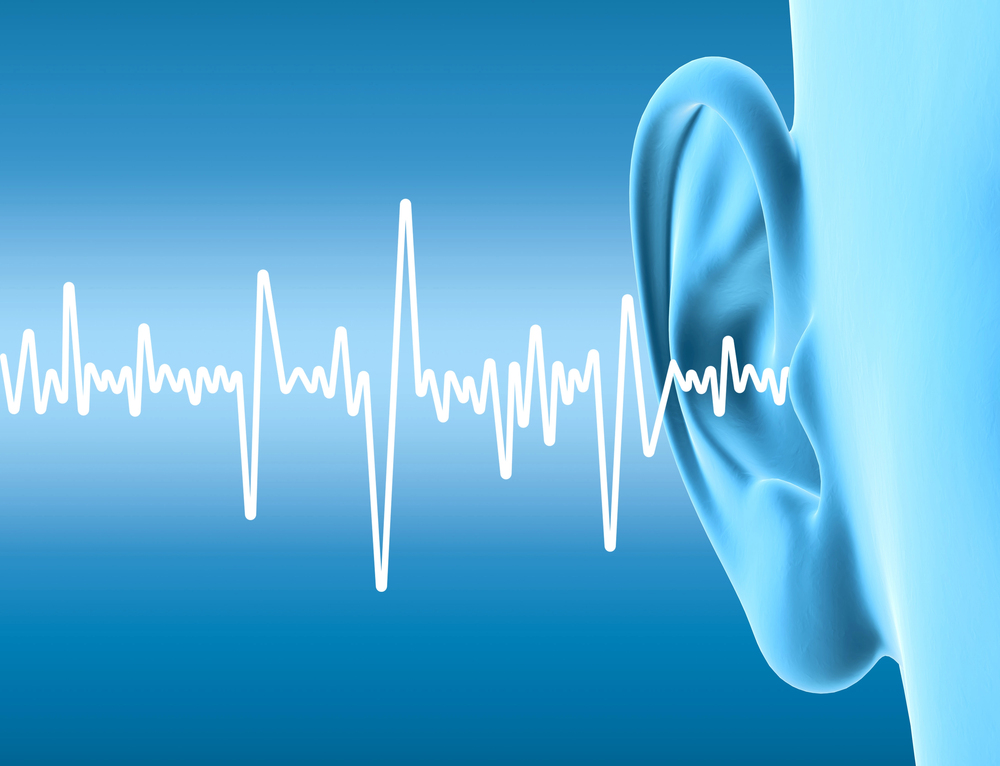
The fear of loud sounds represents one of the most common sound-related phobias, affecting people of all ages with an intense, irrational response to any type of loud noise. Unlike the normal startle response most people experience, phonophobia involves persistent anxiety and panic that can last for hours after exposure to the triggering sound.
This condition often develops following a traumatic experience involving loud noises, such as explosions or accidents, and can significantly impact daily functioning when sufferers begin avoiding social situations where unexpected sounds might occur.
Globophobia

Fear of balloons might sound unusual, but it affects many people who become intensely anxious at the sight, sound, or even thought of balloons popping. The anticipation of that sudden, sharp sound creates such distress that many people with globophobia refuse to attend parties or celebrations where balloons might be present.
This fear often stems from childhood experiences where an unexpected balloon pop created a lasting association between balloons and danger in the person’s mind.
Thunder and Storm Sound Fear

The deep rumbling and sudden crashes of thunder can trigger intense fear responses that go beyond normal weather caution. People with this fear often begin experiencing anxiety hours before a storm arrives, monitoring weather reports obsessively and seeking shelter even from distant thunder.
The unpredictable nature of thunder makes it particularly distressing, as sufferers never know when the next frightening sound will occur.
Fire Alarm and Siren Phobia
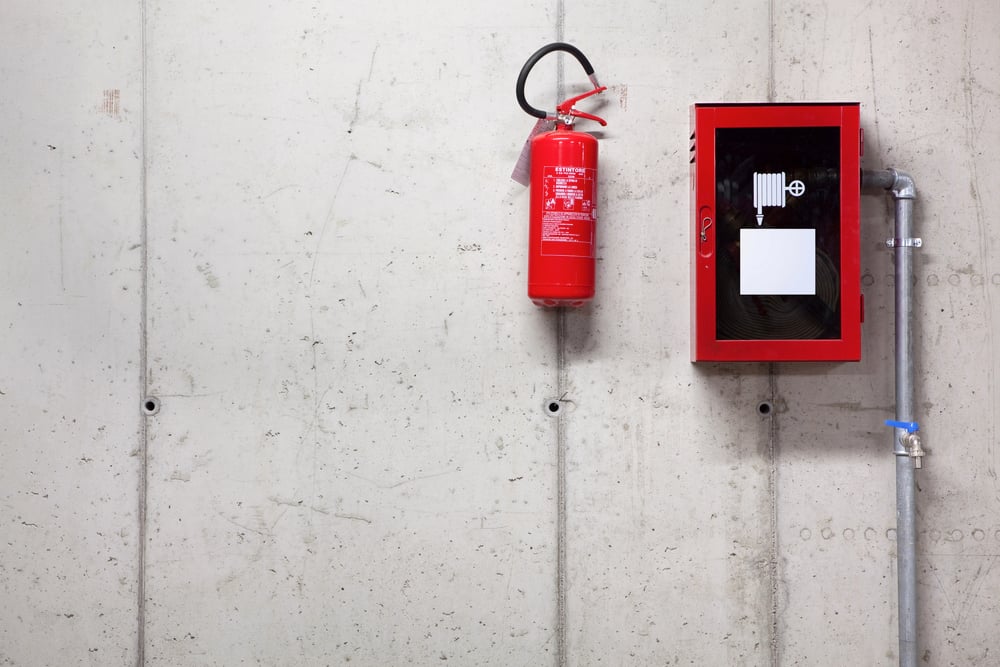
The piercing, penetrating sound of fire alarms and emergency sirens can create lasting fear responses in sensitive individuals. These sounds are designed to be attention-grabbing and urgent, but for some people, they trigger panic attacks and overwhelming anxiety that persists long after the sound stops.
The fear often extends to anticipatory anxiety about being in buildings or areas where these alarms might sound unexpectedly.
Fireworks Fear

Despite being associated with celebrations, fireworks create terror for many people due to their unpredictable timing and explosive volume. The combination of visual flashes and sudden loud bangs can trigger fight-or-flight responses that leave people feeling helpless and panicked.
This fear often forces people to avoid holiday celebrations and outdoor events, significantly impacting their social lives during festive seasons.
Chalk Scraping Phobia

The sound of chalk scraping against a chalkboard triggers an almost universal cringe response, but some people experience genuine fear and panic from these high-pitched scratching sounds. Research shows that frequencies between 2,000 and 4,000 Hz are particularly disturbing to human ears, and chalk scraping falls directly into this range.
The irregular, grating quality of these sounds seems to activate primitive alarm systems in our brains.
Fingernail Scratching Fear

Similar to chalk scraping, the sound of fingernails scratching against hard surfaces like chalkboards or metal creates intense discomfort that can escalate into genuine fear. The rough, irregular vibrations produced by fingernail scratching contain multiple frequencies that our ears are naturally programmed to find alarming.
This response may be evolutionary, as similar sounds in nature often signal danger or distress.
Styrofoam Squeaking Phobia

The distinctive squeaking sound produced when styrofoam pieces rub together creates an almost electric sensation of discomfort that can trigger fear responses in sensitive individuals. The high-pitched, irregular nature of styrofoam squeaking falls into frequency ranges that humans find particularly grating.
Many people report physical sensations like goosebumps or teeth-clenching when exposed to these sounds.
Fork Scraping Fear

The metallic scraping sound of utensils against plates or other hard surfaces can trigger intense fear responses that make eating in public extremely difficult. This fear often develops gradually as people become increasingly sensitive to the harsh, grating quality of metal-on-ceramic contact.
The unpredictable nature of these sounds during meals can create constant anxiety for those affected.
Dental Drill Phonophobia

The high-pitched whirring of dental equipment creates fear that extends far beyond normal dental anxiety, causing some people to avoid necessary dental care entirely. The combination of the drill’s frequency and the anticipation of discomfort creates a perfect storm of auditory fear.
This specific phobia can have serious health consequences when people refuse dental treatment due to their sound sensitivity.
Microphone Feedback Fear

The sudden, piercing shriek of microphone feedback can create lasting fear responses in people who experience it unexpectedly. The extremely high frequency and unpredictable nature of feedback sounds trigger immediate fight-or-flight responses that can persist long after the sound stops.
This fear often develops in people who work with audio equipment or attend live events regularly.
Balloon Rubbing Phobia

Beyond the fear of balloons popping, some people develop intense fear responses to the squeaking sound produced when balloons are rubbed or twisted. The high-pitched, irregular squeaking creates a sensation that many describe as feeling like their nerves are being scraped.
This fear can make children’s parties and celebrations extremely stressful for affected individuals.
Metal Scraping Terror

The sound of metal scraping against concrete, stone, or other hard surfaces produces a harsh, grating noise that can trigger genuine terror in sensitive individuals. This fear often develops after experiencing the sound unexpectedly, such as hearing construction equipment or furniture being dragged across floors.
The low-frequency grinding combined with high-pitched scraping creates a complex sound profile that many find overwhelming.
Glass Breaking Fear

While the fear of broken glass itself is common, some people develop specific fear responses to the sound of glass breaking or shattering. The sharp, crystalline crash followed by the tinkling of falling fragments creates a unique acoustic signature that can trigger intense anxiety.
This fear often develops following accidents or traumatic experiences involving broken glass.
Heavy Breathing Sound Fear

Certain individuals develop fear responses to the sound of heavy breathing, snoring, or labored respiration from others. This fear goes beyond normal social discomfort and can trigger genuine panic responses that force people to leave rooms or avoid close contact with others.
The rhythmic, repetitive nature of breathing sounds can become overwhelmingly intrusive for those with this sensitivity.
Paper Tearing Phobia

The distinctive ripping sound of paper being torn can trigger unexpected fear responses in some individuals, particularly when the tearing is slow and deliberate. The irregular, crackling quality of paper fibers separating creates a complex sound pattern that some brains interpret as threatening.
This fear can make everyday activities like opening mail or unwrapping packages extremely stressful.
When Sounds Become Survival Signals
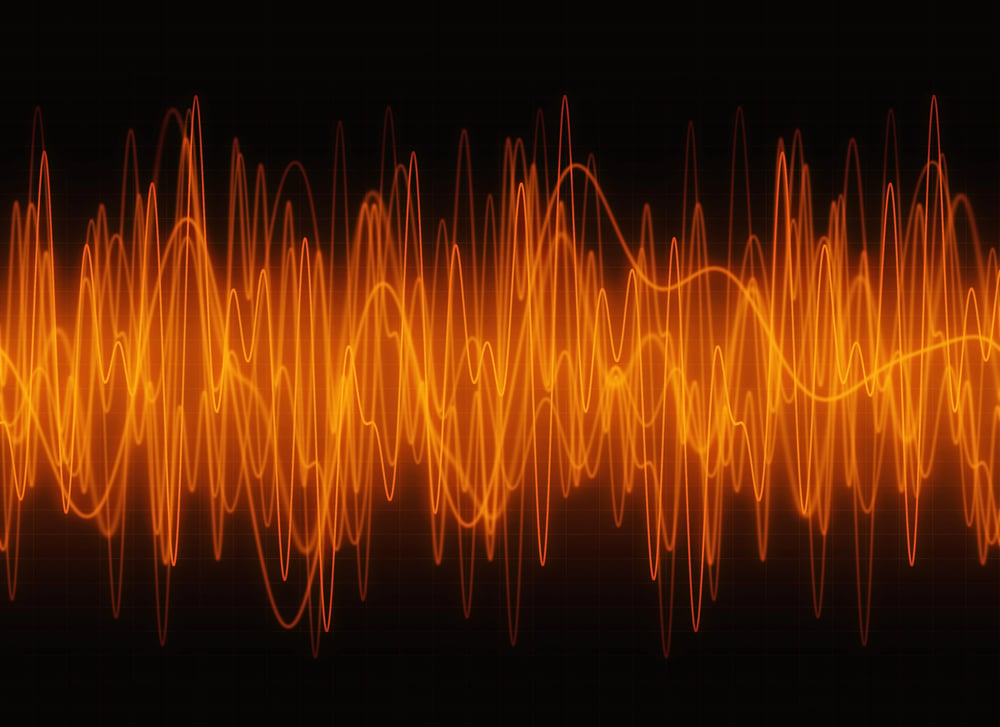
Understanding these sound-related fears helps explain how our brains process auditory information as potential threats, even when logic tells us otherwise. The frequency ranges that trigger the strongest fear responses often overlap with sounds that would have signaled danger to our ancestors – from predator calls to environmental hazards.
Modern research shows that the interaction between our auditory cortex and emotional processing centers creates these powerful, instinctive responses that can feel impossible to control but are very much treatable with proper therapeutic intervention.
More from Go2Tutors!

- The Romanov Crown Jewels and Their Tragic Fate
- 13 Historical Mysteries That Science Still Can’t Solve
- Famous Hoaxes That Fooled the World for Years
- 15 Child Stars with Tragic Adult Lives
- 16 Famous Jewelry Pieces in History
Like Go2Tutors’s content? Follow us on MSN.



