18 Olympic Scandals That Shocked the World
The Olympics represent the pinnacle of athletic achievement, where nations come together to celebrate human potential and sporting excellence. Athletes train for years, sometimes decades, to earn their moment on the world’s biggest stage. Yet behind the inspiring stories of triumph and perseverance, the Games have witnessed their share of controversies that have left fans stunned and officials scrambling for answers.
From doping conspiracies that toppled entire teams to judging controversies that changed the rules forever, these scandals have shaped Olympic history in ways no one expected. Here is a list of 18 Olympic scandals that shocked the world.
The 1972 Munich Massacre

The 1972 Munich Olympics turned from celebration to tragedy when Palestinian terrorists broke into the Olympic Village and took 11 Israeli athletes hostage. The world watched in horror as the situation unfolded over 21 hours, ending with the deaths of all hostages, five terrorists, and one police officer during a failed rescue attempt.
This event fundamentally changed Olympic security forever, transforming the Games from an open celebration into a heavily guarded fortress.
Ben Johnson’s Steroid Scandal

Canadian sprinter Ben Johnson became the fastest man alive when he set a world record in the 100-meter dash at the 1988 Seoul Olympics, defeating American rival Carl Lewis. Three days later, Johnson tested positive for the anabolic steroid stanozolol, sending shockwaves through the sporting world.
His gold medal was stripped, his world record erased, and the incident became the poster child for why drug testing in sports needed serious reform.
The 2002 Salt Lake City Bribery Scandal

The International Olympic Committee faced its biggest corruption crisis when it was revealed that Salt Lake City officials had spent over $1 million on bribes to secure the 2002 Winter Olympics. The bribes included everything from cash payments to scholarships for IOC members’ children, luxury vacations, and even plastic surgery for one official’s wife.
Ten IOC members were expelled or resigned, and the scandal led to major reforms in how Olympic host cities are selected.
East Germany’s State-Sponsored Doping
For decades, East German athletes dominated Olympic competition with an efficiency that seemed almost superhuman. The truth emerged after German reunification: the government had run a systematic doping program called ‘State Plan 14.25’ that gave performance-enhancing drugs to athletes, often without their knowledge.
Thousands of athletes, many of them minors, were given hormones and steroids that caused lasting health problems, turning what should have been athletic achievement into a medical nightmare.
The 1994 Nancy Kerrigan Attack

The figure skating world exploded when American skater Nancy Kerrigan was attacked with a metal baton just six weeks before the 1994 Winter Olympics. The assault was orchestrated by the ex-husband of Kerrigan’s rival, Tonya Harding, in a bizarre plot to eliminate competition.
While Kerrigan recovered to win silver, the scandal turned the Olympics into a soap opera and forever changed how the public viewed figure skating.
Russia’s Sochi Doping Conspiracy

The 2014 Sochi Winter Olympics became the center of the most sophisticated doping scandal in Olympic history when Russian officials were caught running a state-sponsored program to help their athletes cheat. Using a secret opening in the wall of the drug testing laboratory, Russian agents swapped out positive samples with clean urine, allowing dozens of athletes to compete while using banned substances.
The scandal led to Russia being banned from the 2018 Olympics and forever tainted their home Games.
The 1988 Boxing Controversy
American boxer Roy Jones Jr. clearly dominated South Korean Park Si-hun in the light middleweight final at the 1988 Seoul Olympics, landing 86 punches to Park’s 32. Yet the judges awarded Park the gold medal in one of the most obvious cases of biased officiating in Olympic history.
The decision was so outrageous that even Park seemed embarrassed by his victory, and it later emerged that some judges had been wined and dined by Korean officials.
Marion Jones’ Fall from Grace

Track and field superstar Marion Jones was the face of the 2000 Sydney Olympics, winning three gold medals and two bronze while being hailed as the fastest woman in the world. Seven years later, she admitted to using performance-enhancing drugs and was stripped of all her Olympic medals.
Her confession sent shockwaves through the sport and resulted in a six-month prison sentence for lying to federal investigators.
The 2004 Greek Sprinter Scandal

Greek sprinters Kostas Kenteris and Ekaterini Thanou were set to be the hometown heroes of the 2004 Athens Olympics, but their dreams crashed when they missed a mandatory drug test. The pair claimed they were injured in a mysterious motorcycle accident while rushing to the test, but investigators found no evidence of any crash.
Their fake accident story became international news, and both athletes were banned from competition, robbing Greece of its biggest Olympic stars.
The 1976 East German Swimming Domination

East German women swimmers won 11 out of 13 events at the 1976 Montreal Olympics, often by margins that seemed impossible. Their deep voices and muscular builds sparked rumors that would later be confirmed: they were systematically given male hormones.
Many of these swimmers, who were teenagers at the time, suffered lifelong health consequences including liver damage, heart problems, and fertility issues from the drugs they unknowingly consumed.
The 1936 Berlin Olympics Political Manipulation
Adolf Hitler intended the 1936 Berlin Olympics to showcase supposed Aryan superiority, but American athlete Jesse Owens had other plans. Owens won four gold medals, directly contradicting Nazi racial theories and infuriating Hitler.
While Owens’ victories were inspiring, the Games themselves became a massive propaganda tool for the Nazi regime, demonstrating how the Olympics could be manipulated for political purposes.
The 1980 and 1984 Olympic Boycotts

The Cold War turned Olympic competition into a political battleground when the United States led a boycott of the 1980 Moscow Olympics over the Soviet invasion of Afghanistan. The Soviet Union retaliated by boycotting the 1984 Los Angeles Olympics, robbing fans of seeing the world’s best athletes compete against each other.
These boycotts affected over 140 countries and thousands of athletes who lost their chance at Olympic glory due to political tensions they had nothing to do with.
The 2016 Ryan Lochte Robbery Lie
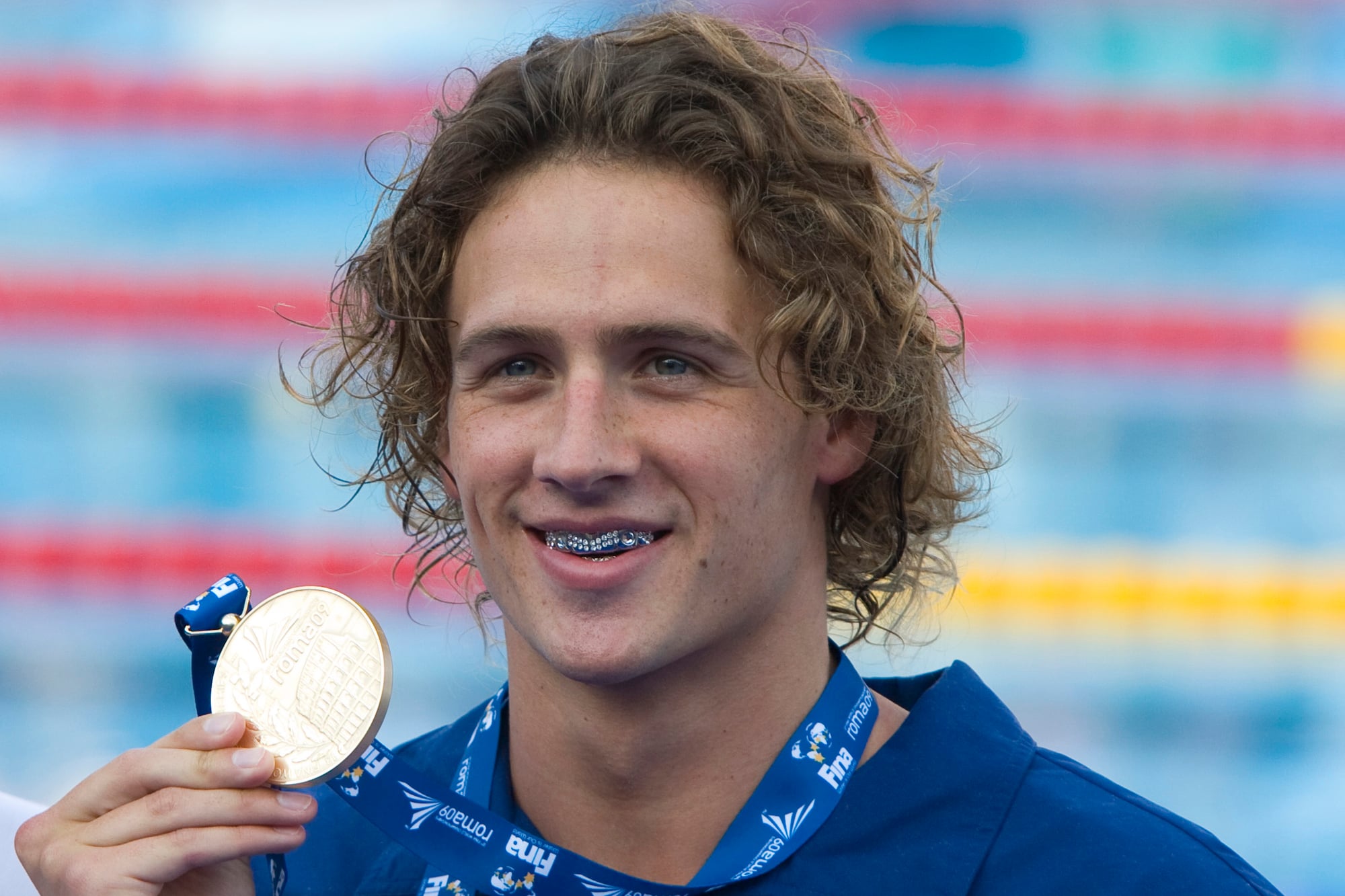
American swimmer Ryan Lochte created an international incident at the 2016 Rio Olympics when he claimed he and three teammates were robbed at gunpoint by men posing as police officers. The story quickly unraveled when security footage showed the swimmers had actually vandalized a gas station bathroom and were confronted by security guards.
Lochte’s lie embarrassed the United States, strained diplomatic relations with Brazil, and cost him millions in sponsorship deals.
The 1994 Lillehammer Speed Skating Scandal

The 1994 Winter Olympics in Lillehammer witnessed a bizarre scandal when it was discovered that someone had tampered with the ice resurfacing machine used for speed skating events. The sabotage was designed to create uneven ice conditions that would favor certain skaters, though the perpetrator was never definitively identified.
The incident highlighted how even the playing surface could become a target for cheating in high-stakes Olympic competition.
The 1904 St. Louis Marathon Chaos

The 1904 Olympic marathon in St. Louis became a comedic disaster that nearly killed several participants. The race was held on dusty roads in 90-degree heat with only two water stations for the entire 26.2-mile course.
One runner hitched a ride for 11 miles, another was given rat poison as a performance enhancer, and the eventual winner had to be helped across the finish line after hallucinating from dehydration. The event was so dangerous it led to major changes in how marathons were organized.
The 2008 Chinese Gymnast Age Controversy

At the 2008 Beijing Olympics, suspicions arose that several members of the Chinese women’s gymnastics team were under the minimum age of 16 required for Olympic competition. Documents suggesting some gymnasts were only 14 years old surfaced, but Chinese officials maintained their athletes were eligible.
The controversy highlighted the intense pressure on young gymnasts and raised questions about age verification in Olympic sports.
The 1988 Seoul Doping Explosion
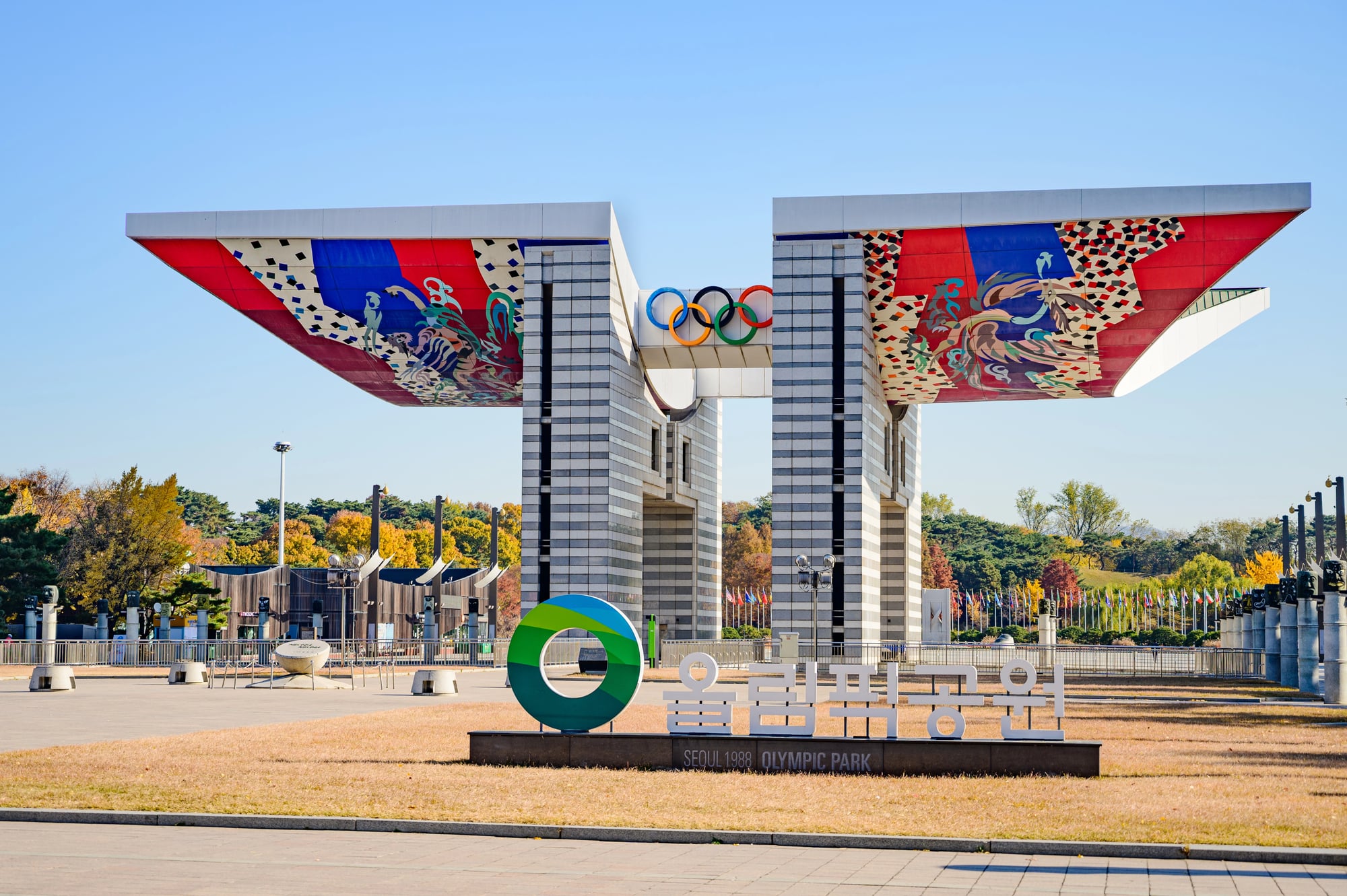
The 1988 Seoul Olympics became known as the ‘Dirtiest Games Ever’ when a record number of athletes tested positive for banned substances. Beyond Ben Johnson’s headline-grabbing case, athletes from multiple countries and sports were caught using everything from steroids to stimulants.
The sheer volume of positive tests revealed that doping had become widespread across Olympic sports, forcing officials to completely overhaul their testing procedures.
The 2002 Figure Skating Judging Scandal
The 2002 Winter Olympics figure skating competition erupted in controversy when Russian pair Yelena Berezhnaya and Anton Sikharulidze were awarded gold despite a flawed performance, while Canadian pair Jamie Salé and David Pelletier skated flawlessly but received silver. French judge Marie-Reine Le Gougne later admitted she was pressured to vote for the Russians in exchange for a favorable vote for France in ice dancing.
The scandal led to a complete overhaul of figure skating judging and both pairs eventually received gold medals.
When Glory Meets Reality
These scandals reveal that the Olympics, despite their lofty ideals, remain a very human institution susceptible to the same flaws that plague society at large. From the early chaotic marathons to sophisticated state-sponsored doping programs, each controversy has forced the Olympic movement to confront uncomfortable truths about competition, politics, and human nature.
The Games continue to evolve, with new security measures, testing protocols, and oversight mechanisms developed in response to past failures. While these scandals shocked the world when they occurred, they also demonstrated sport’s remarkable ability to learn, adapt, and maintain its power to inspire despite human imperfection.
More from Go2Tutors!

- The Romanov Crown Jewels and Their Tragic Fate
- 13 Historical Mysteries That Science Still Can’t Solve
- Famous Hoaxes That Fooled the World for Years
- 15 Child Stars with Tragic Adult Lives
- 16 Famous Jewelry Pieces in History
Like Go2Tutors’s content? Follow us on MSN.



