Teen Magazines That Shaped Generations
The glossy covers, the quizzes asking “What’s Your Kissing Style?” and the fold-out posters of heartthrobs with perfect hair — teen magazines were more than entertainment. They were cultural architects, quietly building the blueprint for how entire generations would think about friendship, fashion, relationships, and themselves.
These publications arrived monthly in mailboxes like care packages from a cooler older sister, one who knew exactly which lip gloss would change your life and why that thing you were worried about was totally normal. Long before social media algorithms decided what teenagers should care about, magazine editors were curating the teenage experience.
They didn’t just reflect youth culture — they created it, one glossy page at a time.
Seventeen

Seventeen launched in 1944 with a simple premise: teenagers deserved their own magazine. Revolutionary at the time, considering most people barely acknowledged teenagers as a distinct demographic.
The magazine carved out space for young women to exist between childhood and adulthood, giving them permission to care about things that adults might dismiss as frivolous. For decades, Seventeen was the authority on everything from prom dresses to college applications.
It balanced the serious with the superficial in a way that felt authentic to the teenage experience.
Tiger Beat
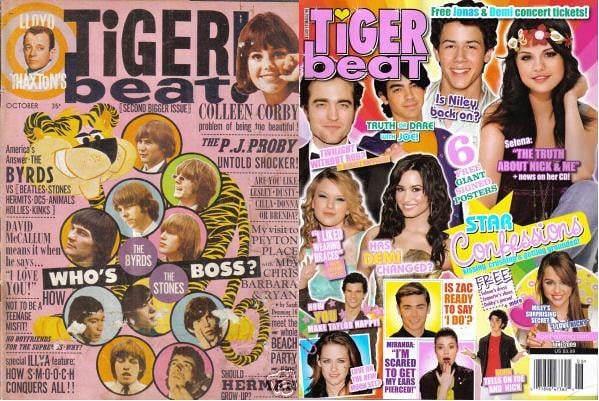
So Tiger Beat understood something profound about teenage devotion — that falling in love with a celebrity isn’t really about the celebrity at all, it’s about the intensity of feeling itself (and Tiger Beat fed that intensity like rocket fuel). The magazine turned crushes into a full-contact sport, complete with statistics, birthdays, favorite foods, and those crucial details like “what he looks for in a girl” that felt like classified intelligence.
Which, in the ecosystem of teenage social dynamics, it basically was. But here’s what made Tiger Beat brilliant: it took teenage feelings seriously when nobody else would.
The magazine created a shared language around celebrity crushes that let teenage girls bond over David Cassidy or later, the members of *NSYNC. And yet it never felt exploitative — more like a trusted friend who happened to have backstage access and was generous enough to share.
YM
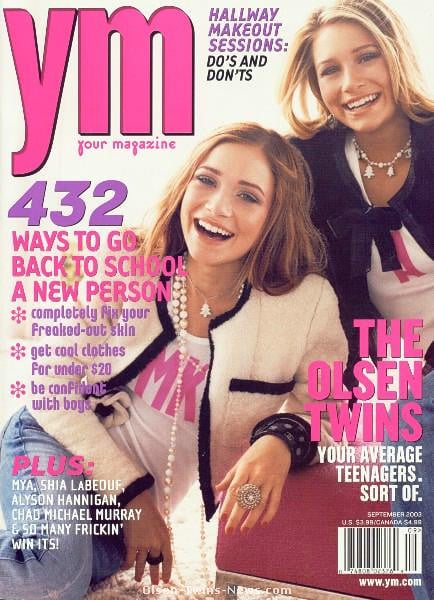
There’s something almost architectural about the way YM approached teenage girlhood — like they were designing a blueprint for how to navigate high school hallways with confidence. The magazine had this uncanny ability to address the specific anxieties that kept teenagers awake at 2 AM, the ones too embarrassing to voice but universal enough that seeing them in print felt like absolution.
YM didn’t just give advice; it gave permission to be confused, to make mistakes, to care deeply about things that wouldn’t matter in five years but mattered desperately right now. The magazine’s tone was distinctly older-sister: knowing without being condescending, honest without being harsh.
It acknowledged that teenage life was simultaneously the most important thing in the world and completely temporary.
Teen Vogue

Teen Vogue started as fashion-focused fluff and evolved into something nobody saw coming: a legitimate news source that happened to be aimed at teenagers. The magazine proved that young people could handle complex political discussions while still caring about skincare routines.
By the 2010s, Teen Vogue was covering voter suppression and climate change with the same attention to detail they’d once reserved for prom makeup tutorials. Turns out teenagers were hungry for real news presented without condescension — who could have predicted that?
Sassy

Sassy felt like finding that one teacher who actually got it — the one who talked to you like you had a brain and didn’t pretend that high school was the best time of your life when you were clearly miserable. The magazine had an irreverent, almost punk sensibility that cut through the saccharine sweetness of other teen publications like a knife through cotton candy.
It featured real teenagers with real problems, not the polished perfection that usually graced magazine pages. Founded in 1988, Sassy treated its readers like intelligent human beings capable of handling complex emotions and situations.
The magazine tackled everything from depression to intimateness with a frankness that felt both shocking and refreshing.
J-14

J-14 perfected the art of the celebrity crush industrial complex, turning teenage infatuation into a science complete with pull-out posters, personality profiles, and those crucial compatibility quizzes that determined whether you and your favorite star were meant to be. But beneath all that celebrity worship was something more sophisticated: J-14 understood that fantasy relationships were safe relationships, places where teenage girls could practice the intensity of romantic feeling without any of the actual risk (which, let’s be honest, was probably healthier than most of the real relationships happening in high school hallways anyway).
The magazine created elaborate mythologies around boy bands and teen heartthrobs, complete with detailed backstories and carefully curated glimpses into their “real” personalities. So J-14 became a training ground for devotion, teaching teenage girls how to love something completely while maintaining just enough distance to keep it safe.
And honestly, that’s not a terrible life skill.
CosmoGirl

CosmoGirl existed in the sweet spot between Seventeen’s earnestness and Cosmopolitan’s sophistication — like teenage purgatory, but in the best possible way. The magazine acknowledged that its readers were outgrowing some things while not quite ready for others, creating content that felt appropriately transitional.
It was Cosmopolitan’s younger sister, borrowing some confidence from the older sibling while still maintaining its own identity. The magazine tackled relationships, career aspirations, and social issues with a tone that felt authentically teenage: curious, passionate, and occasionally dramatic in the way that only adolescence allows.
Bop

Bop was Tiger Beat’s scrappier cousin, fighting for the same celebrity access and teenage attention but with slightly less polish and significantly more enthusiasm. The magazine threw everything at the wall to see what stuck: posters, quizzes, fan fiction, interviews, gossip, and those weird personality tests that somehow always concluded you were destined to marry whichever teen heartthrob was on that month’s cover.
What Bop lacked in sophistication, it made up for in pure teenage energy. Reading it felt like being at a slumber party where everyone was talking at once and nobody cared about making sense.
Teen Beat
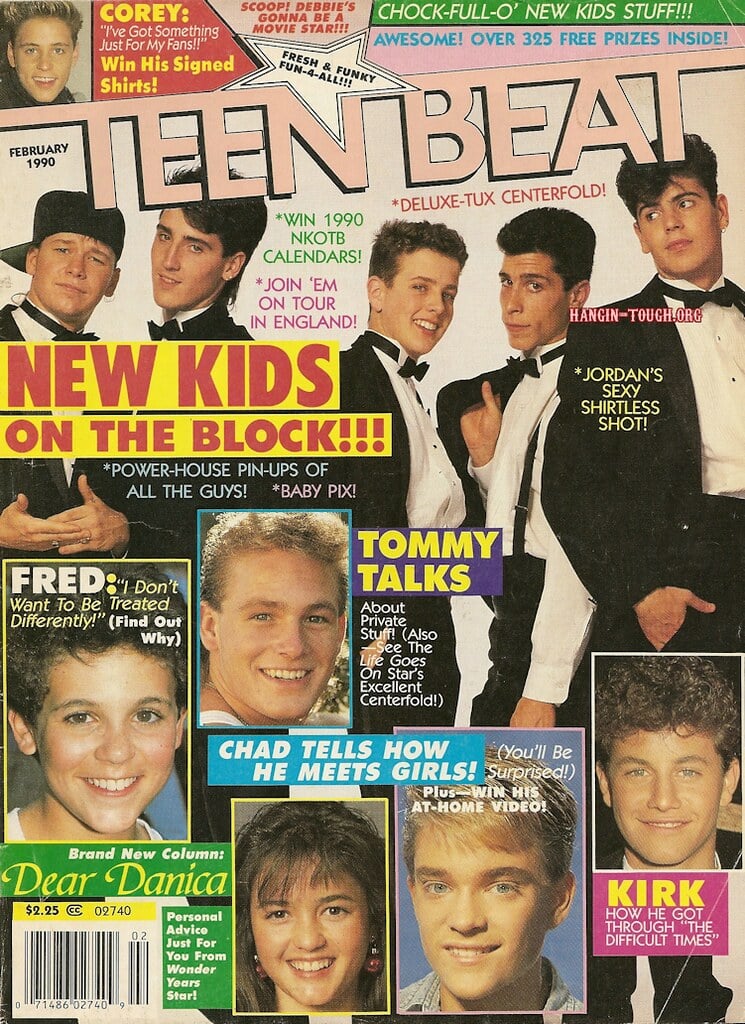
Teen Beat operated in the same celebrity-obsessed universe as Tiger Beat and Bop, but with a slightly different frequency — less breathless enthusiasm, more calculated cool. The magazine understood that part of teenage identity was developing taste, learning to distinguish between the celebrities worth caring about and the ones destined for obscurity.
Teen Beat served as a cultural filter, helping readers navigate the overwhelming landscape of teen celebrity by highlighting the stars with staying power. It was less about screaming adoration and more about informed appreciation.
Twist
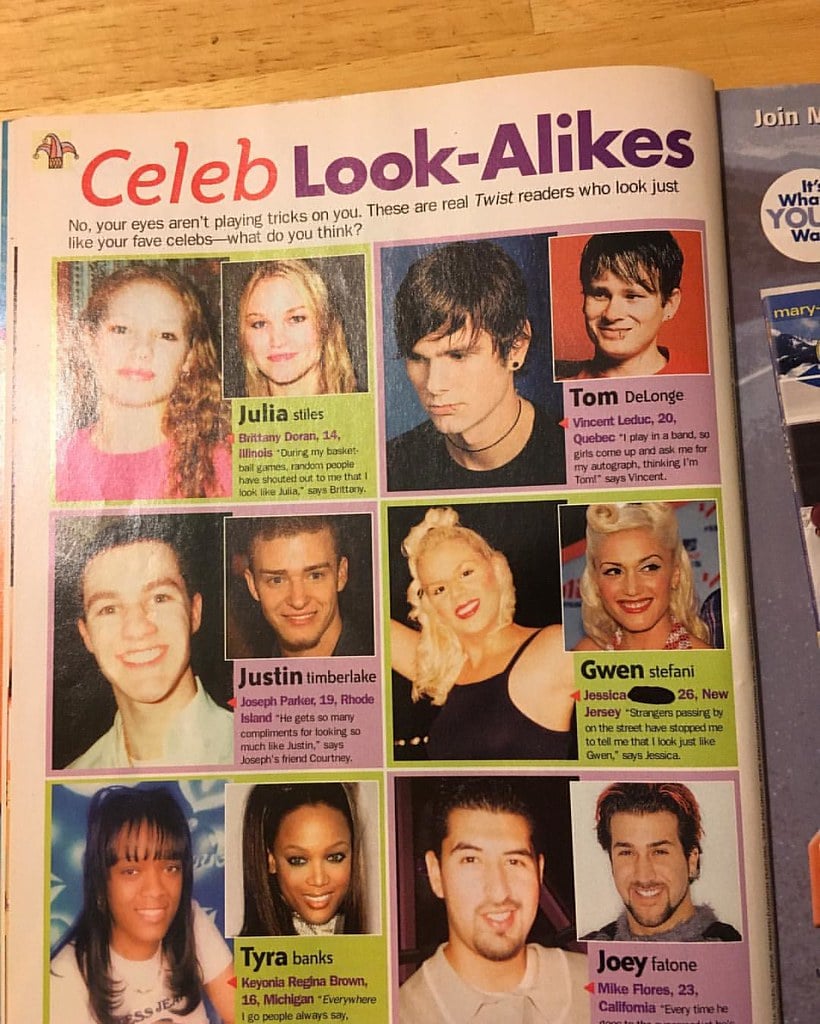
Twist arrived in the late 1990s with a self-aware sense of humor about the entire teen magazine enterprise, like it was in on the joke while still playing the game seriously. The magazine balanced celebrity coverage with lifestyle content, acknowledging that teenagers had interests beyond memorizing their favorite actor’s vital statistics.
But Twist never lost sight of what made teen magazines appealing in the first place: the fantasy that somewhere out there, your perfect celebrity match was waiting to be discovered through the magic of magazine compatibility quizzes.
Teen People

Teen People had the resources of Time Inc. behind it, which meant better photography, more exclusive interviews, and higher production values than most teen publications could afford. The magazine felt aspirational in a way that was inspiring rather than intimidating — like it was showing readers what was possible rather than what they were missing.
The magazine covered entertainment, fashion, and lifestyle content with the polish of its adult counterpart but maintained a voice that felt authentically teenage. It was Teen Vogue before Teen Vogue existed.
Popstar!

Popstar! existed purely to feed the late 1990s and early 2000s obsession with boy bands and teen pop princesses, and it did so with the dedication of a religious publication. Every issue was a shrine to whoever was dominating TRL that month, complete with biographical details that felt both intimate and completely manufactured.
The magazine understood that celebrity worship was a phase most teenagers would outgrow, so it leaned into the temporary intensity of it all. Popstar! didn’t try to educate or improve its readers — it just fed their obsessions with industrial efficiency.
Teen Magazine
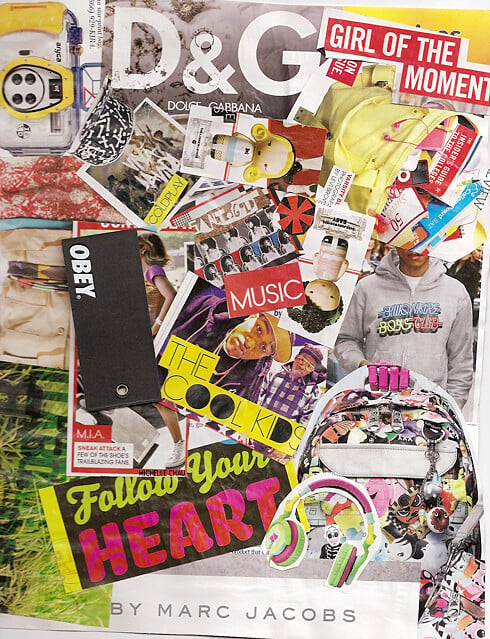
Teen Magazine was the steady middle child of the teen publication family — not as flashy as some of its competitors, not as serious as others, just consistently decent at covering the basics of teenage life. Fashion, celebrities, relationships, school stress — all presented with competent professionalism but without much distinctive personality.
Sometimes reliability is enough. Teen Magazine served readers who wanted straightforward advice without too much editorial attitude getting in the way.
Rolling With The Changes

These magazines didn’t just document teenage culture — they created it, month by month, issue by issue. They taught generations how to think about themselves, how to navigate relationships, how to express their identities through fashion and music and celebrity worship.
The specific advice might seem dated now, but the underlying service remains timeless: helping young people figure out who they are and who they want to become. The digital age scattered this influence across countless platforms and voices, but something was lost in translation.
Teen magazines offered curated experiences, editorial perspectives, a sense that someone was thoughtfully considering what teenagers needed to hear. Social media provides more voices and more choices, but not necessarily more wisdom.
Those glossy pages contained a kind of concentrated adolescence that’s harder to find now — and maybe harder to outgrow.
More from Go2Tutors!

- The Romanov Crown Jewels and Their Tragic Fate
- 13 Historical Mysteries That Science Still Can’t Solve
- Famous Hoaxes That Fooled the World for Years
- 15 Child Stars with Tragic Adult Lives
- 16 Famous Jewelry Pieces in History
Like Go2Tutors’s content? Follow us on MSN.