18 TV Catchphrases That Took Over
Television has a unique way of embedding itself into our cultural fabric. From the early days of broadcast to today’s streaming era, certain phrases spoken on TV shows have leaped off the screen and into our everyday conversations.
They’ve appeared on t-shirts, become internet memes, and been repeated at parties for decades after their debut. Let’s look at 18 television catchphrases that transcended their shows to become part of our shared language.
“How You Doin’?”
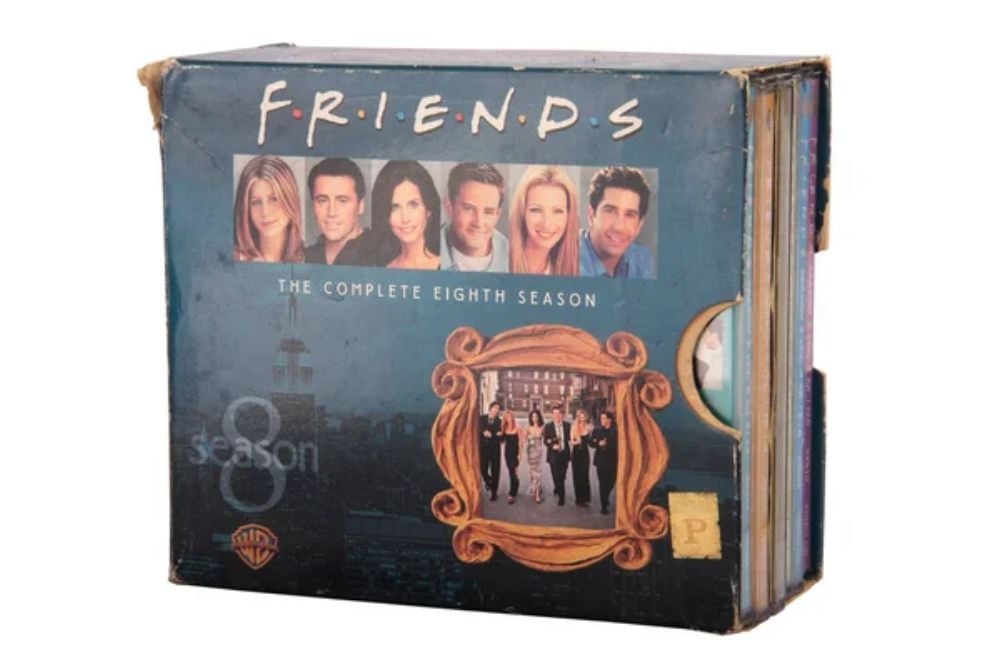
Joey Tribbiani’s signature pickup line from ‘Friends’ became synonymous with flirtatious interactions everywhere. Matt LeBlanc delivered this simple greeting with such distinctive charm and eyebrow-raising suggestion that it’s impossible to hear those three words without thinking of him.
The phrase became so recognizable that LeBlanc still gets fans approaching him with the line nearly 30 years after the show’s premiere.
“Yada, Yada, Yada”

‘Seinfeld’ gave us countless phrases, but “yada, yada, yada” might be the most versatile. The phrase, which essentially means “and so on and so forth,” became a popular way to gloss over unimportant—or intentionally omitted—details in a story.
The catchphrase exploded after the 1997 episode titled “The Yada Yada,” and continues to serve as shorthand for “you get the idea” in conversations today.
Like Go2Tutors’s content? Follow us on MSN.
“D’oh!”
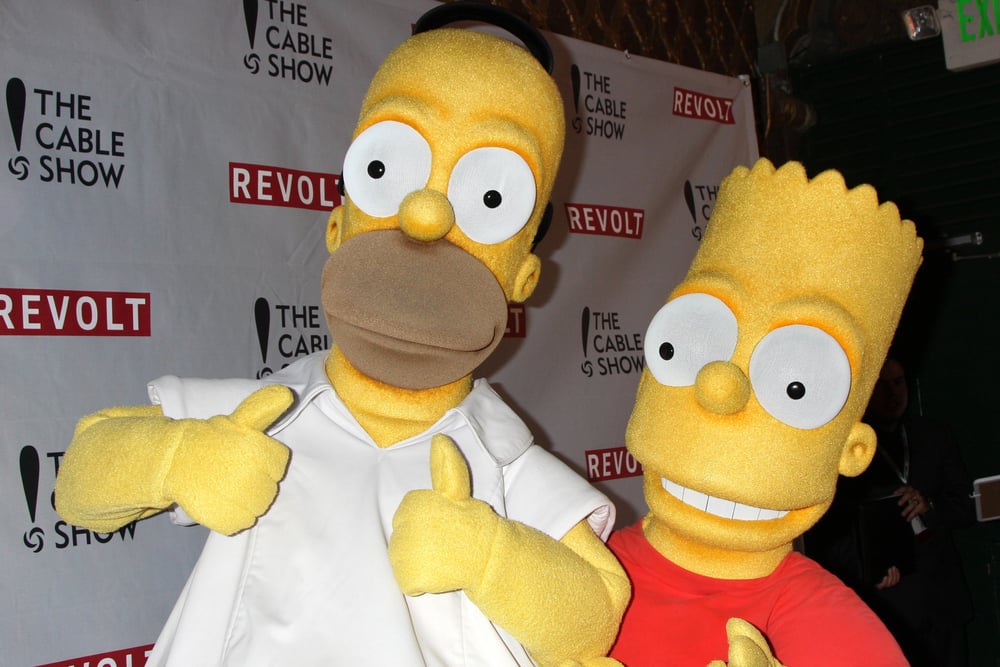
Homer Simpson’s frustrated grunt has become the universal sound of realizing you’ve done something stupid. What began as a quick utterance by voice actor Dan Castellaneta has appeared in over 30 seasons of ‘The Simpsons’ and even earned an official spot in the Oxford English Dictionary.
The expression is so deeply connected to moments of self-realized foolishness that people often make the sound without even thinking about its origin.
“That’s What She Said”
While ‘The Office’ didn’t invent this innuendo-laden response, Michael Scott certainly popularized it for modern audiences. The phrase transforms innocent statements into accidental double entendres and becomes Steve Carell’s character’s go-to joke throughout the series.
It’s spread beyond the show was so extensive that for several years, you couldn’t go through a day without hearing someone drop this line after an unintentionally suggestive comment.
“Is That Your Final Answer?”

Regis Philbin’s tension-building question from ‘Who Wants to Be a Millionaire?’ transformed how game shows create suspense. The phrase became so embedded in popular culture that people started using it in everyday situations when asking for someone’s definitive decision.
At the height of the show’s popularity in the early 2000s, you couldn’t make a choice at a restaurant without someone at the table asking if that was your “final answer.”
Like Go2Tutors’s content? Follow us on MSN.
“Not That There’s Anything Wrong With That”

Another ‘Seinfeld’ gem that perfectly captured social awkwardness around sexuality. The phrase came from an episode where Jerry and George are mistakenly identified as a gay couple, and they frantically deny it while immediately adding “not that there’s anything wrong with that.”
The catchphrase became a way for people to denote acceptance while acknowledging their initial reaction might have suggested otherwise—a perfect encapsulation of evolving social attitudes.
“Bazinga!”
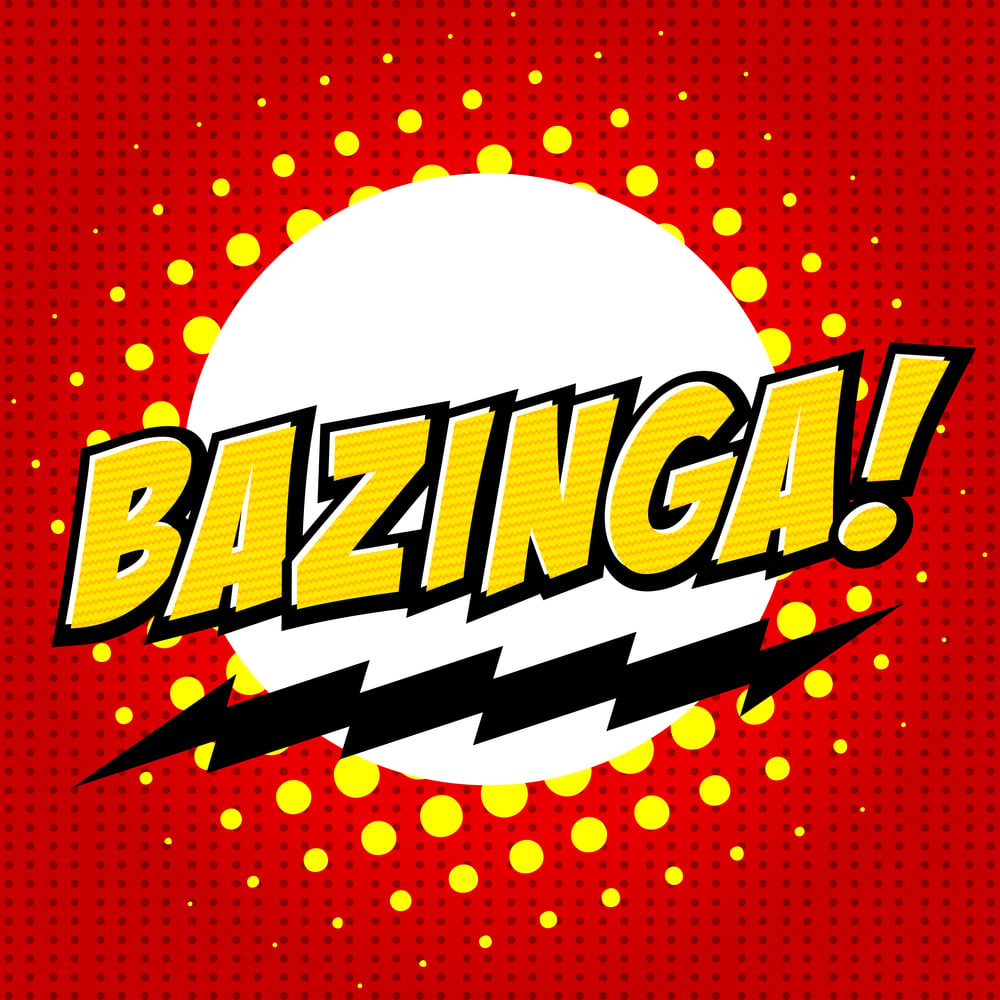
Sheldon Cooper’s exclamation after pulling a prank or making a joke on ‘The Big Bang Theory’ became the show’s most marketable phrase. Jim Parsons delivered this with such distinctive cadence that the word essentially became shorthand for the character himself.
The catchphrase appeared on countless pieces of merchandise and was so overused by fans that even non-viewers of the show recognized it as the “nerdy scientist guy’s” signature line.
“Winter Is Coming”

Game of Thrones’ most ominous warning transcended television to become cultural shorthand for impending doom. The Stark family motto warned about hardships ahead and took on meanings far beyond its fantasy context.
People started using it for everything from approaching deadlines to political commentary on climate change, demonstrating how deeply the phrase penetrated everyday conversation.
Like Go2Tutors’s content? Follow us on MSN.
“Did I Do That?”
Steve Urkel’s nasally question after causing chaos on ‘Family Matters’ became one of the most mimicked TV phrases of the 90s. Jaleel White’s character would often wreak havoc, then innocently ask this question while hiking up his pants.
The catchphrase became so recognizable that even people who never watched the show could identify the character simply from hearing those four words in the right inflection.
“How Rude!”
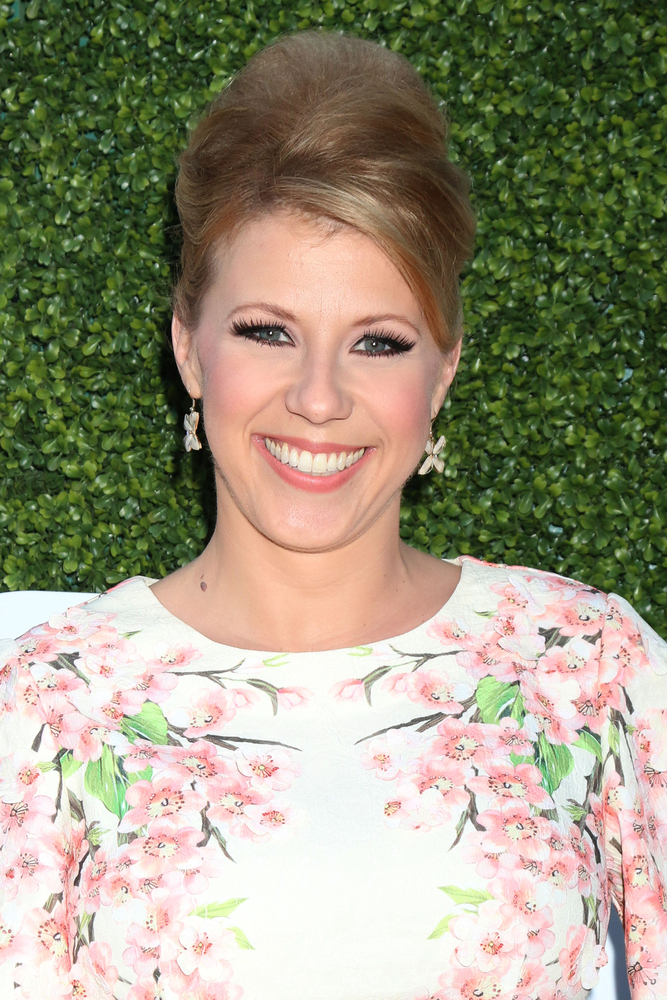
Stephanie Tanner’s indignant response from ‘Full House’ captured the perfect level of pre-teen outrage. Jodie Sweetin delivered this signature phrase whenever she felt slighted, and children across America quickly added it to their own repertoires.
The catchphrase proved so durable that it returned decades later in the sequel series ‘Fuller House,’ delighting nostalgic fans who grew up saying it themselves.
“Marcia, Marcia, Marcia!”
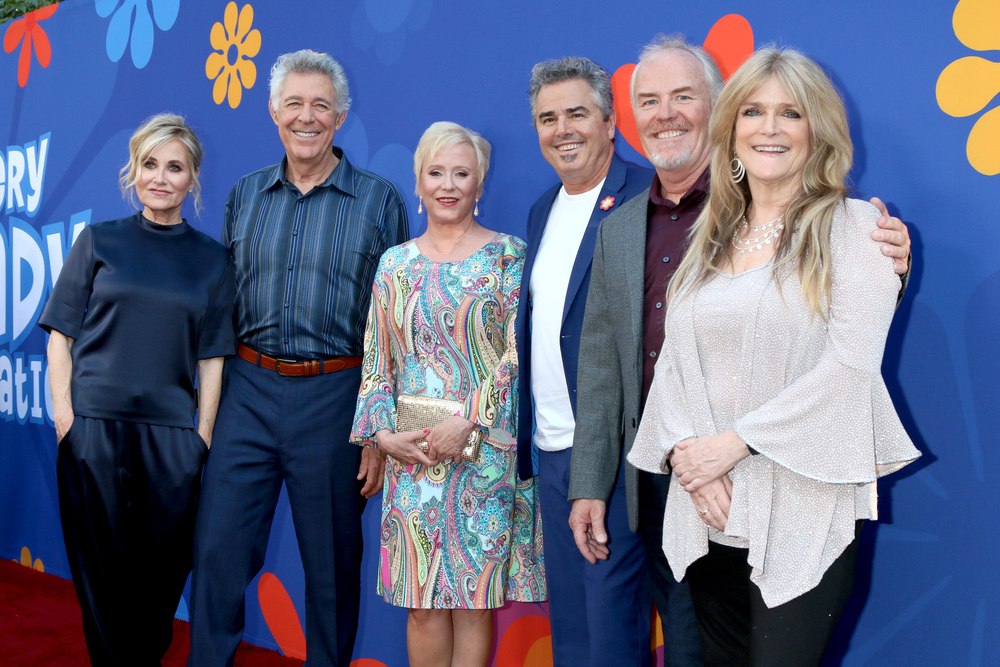
Jan Brady’s jealous cry from ‘The Brady Bunch’ perfectly encapsulated sibling rivalry. The phrase has outlived the show to become shorthand for anyone feeling overshadowed by another person’s success or attention.
Maureen McCormick, who played Marcia, has mentioned in interviews that strangers still approach her in public and repeat the line, showing its incredible staying power in American pop culture.
Like Go2Tutors’s content? Follow us on MSN.
“Dy-no-mite!”
J.J. Evans’ enthusiastic exclamation from ‘Good Times’ became so popular that it sometimes overshadowed the show itself. Jimmie Walker’s delivery of this catchphrase made him a standout star and became a staple of 1970s television.
The phrase was so successful that network executives reportedly demanded writers include it multiple times per episode, much to the frustration of other cast members who felt it detracted from the show’s more serious themes.
“Live Long and Prosper”

Spock’s Vulcan farewell from ‘Star Trek’ transcended sci-fi fandom to become a genuine cultural touchstone. Accompanied by the split-fingered salute, Leonard Nimoy’s phrase expressed a sentiment so universally appealing that it appeared everywhere from political speeches to greeting cards.
The phrase has maintained its cultural significance for over 50 years, proving its staying power beyond the show’s original run.
“I Pity the Fool”
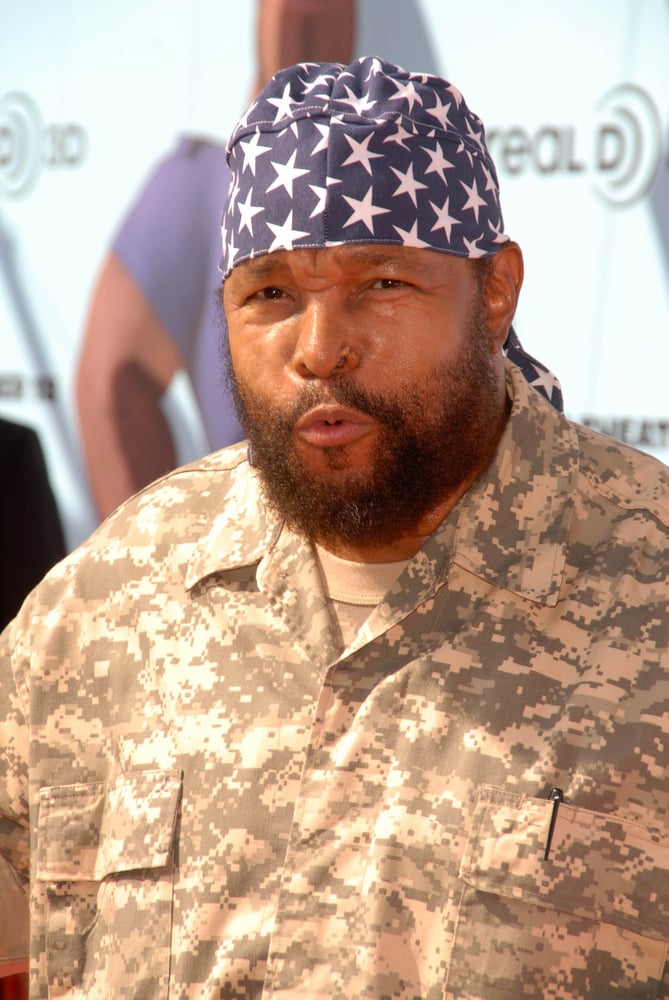
Mr. T’s threatening catchphrase from ‘The A-Team’ became more famous than many of the show’s actual plotlines. The mohawked tough guy delivered this warning to anyone who crossed him or his team, and it quickly became one of television’s most imitated lines.
The phrase proved so enduring that Mr. T continued using it in commercials and public appearances decades after the show ended, cementing its place in pop culture history.
Like Go2Tutors’s content? Follow us on MSN.
“Hello, Newman”
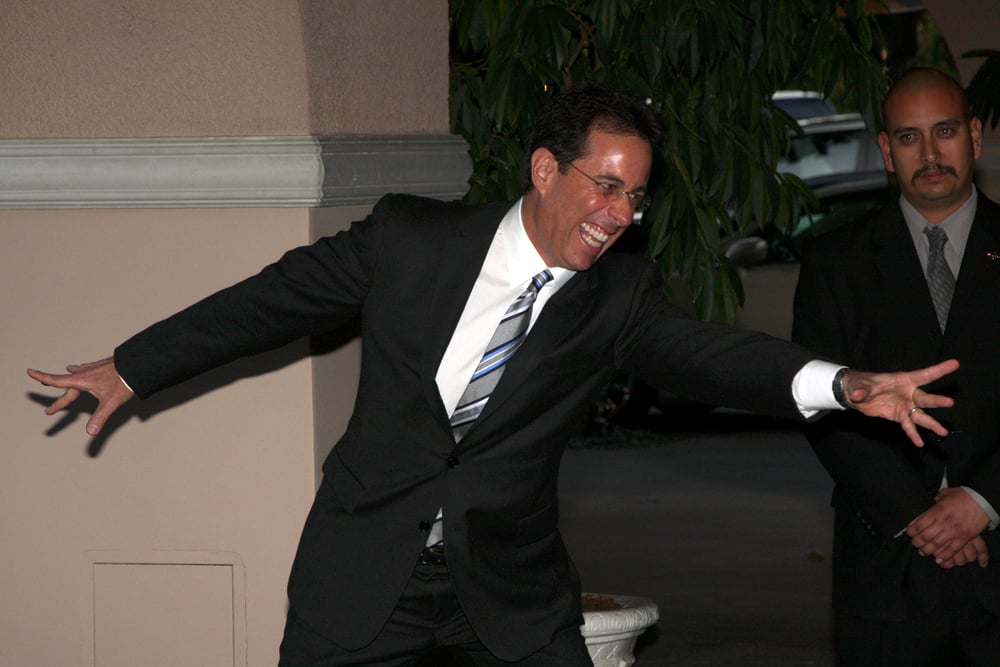
Jerry Seinfeld’s contempt-filled greeting to his neighbor and nemesis captured the essence of everyday annoyance. The simple greeting was delivered with such consistent disdain that it became the perfect expression for encountering someone you’d rather avoid.
People still mimic the inflection when referring to their own personal “Newmans,” demonstrating how the show provided vocabulary for common social experiences.
“You Got It, Dude!”
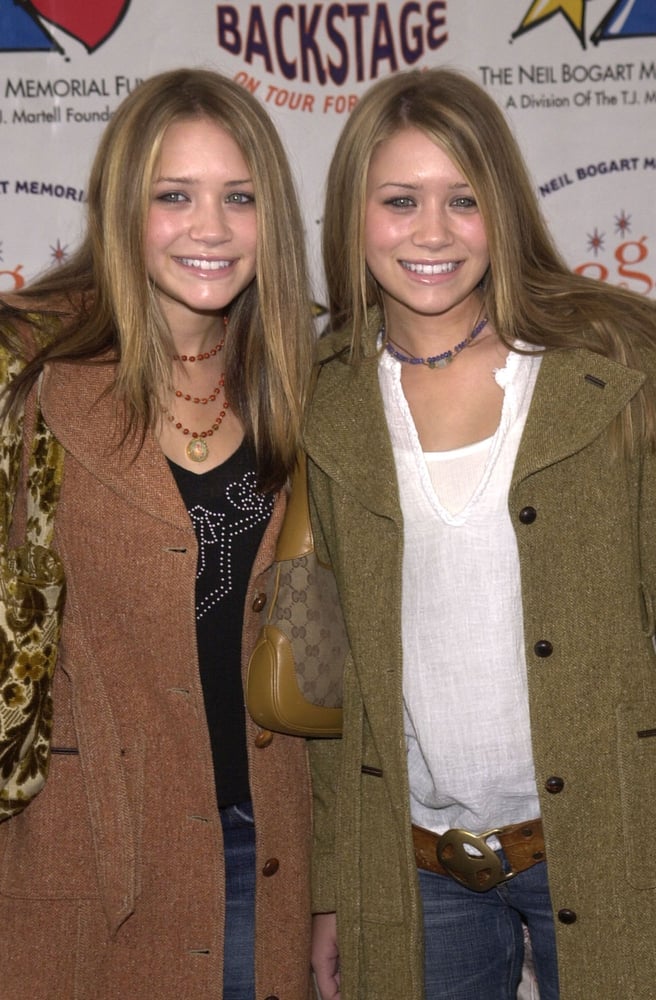
Michelle Tanner’s positive affirmation from ‘Full House’ was adorable coming from the Olsen twins in their childhood roles. The thumbs-up accompanied catchphrase became the character’s signature response and was repeated by children nationwide.
The simple three-word phrase captures childlike enthusiasm so perfectly that it’s remained recognizable decades after the twins delivered it.
“Cowabunga!”
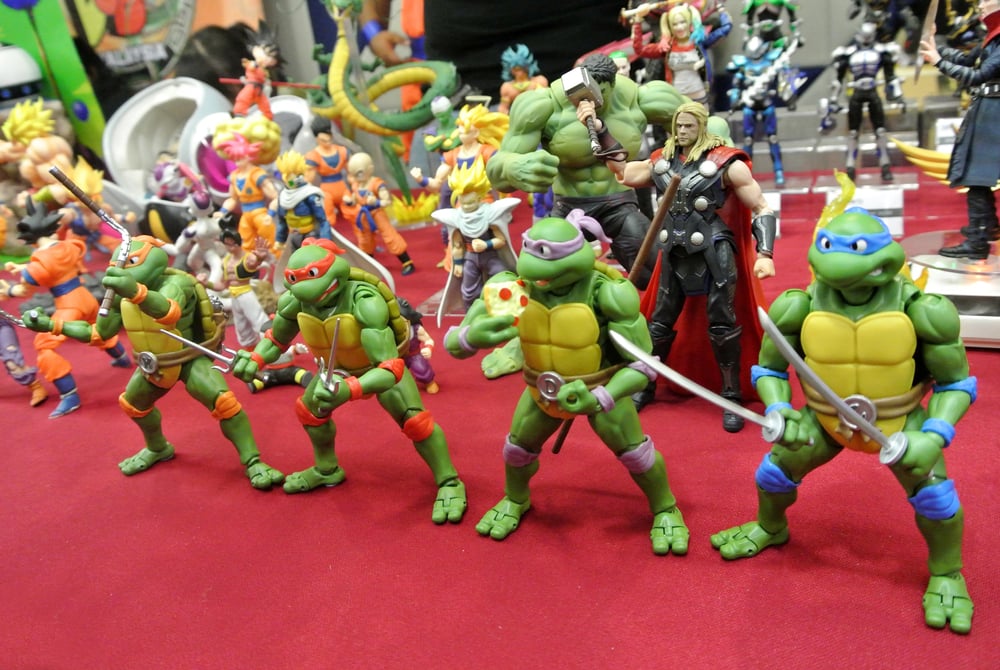
While originally associated with the animated ‘Teenage Mutant Ninja Turtles,’ this exclamation of excitement became the universal battle cry for a generation of kids. The turtles shouted this before diving into action or enjoying pizza, and children quickly adopted it as their own expression of enthusiasm.
The phrase experienced such widespread use that many people who use it today might not even recognize its television origins.
Like Go2Tutors’s content? Follow us on MSN.
“I’m Rick James!”
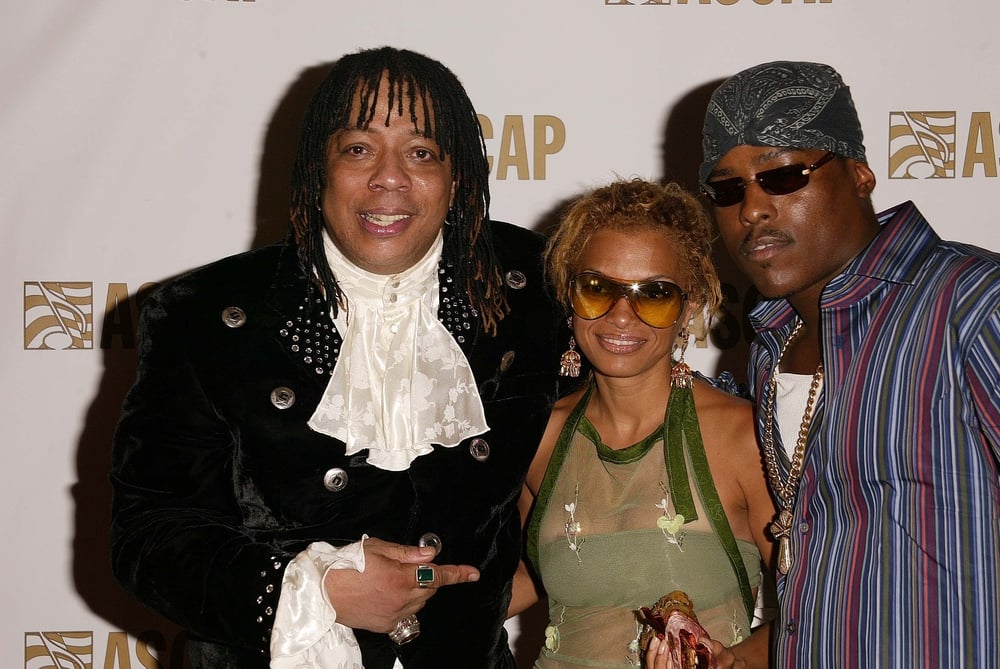
Dave Chappelle’s recreation of Rick James on ‘Chappelle’s Show’ created perhaps the most repeated catchphrase of the 2000s. The line from the infamous “Charlie Murphy’s True Hollywood Stories” sketch became so ubiquitous that Chappelle later expressed frustration at fans shouting it at him during stand-up performances.
Despite the comedian’s complicated relationship with the phrase, it remains one of television’s most recognizable quotes from the era.
When Catchphrases Become Common Language
Television catchphrases don’t just entertain us during their airtime—they become part of our cultural vocabulary, connecting strangers through shared understanding. From workplace banter to family gatherings, these snippets of dialogue have escaped their original context to become communication shortcuts that instantly evoke certain feelings, situations, or characters.
Even as viewing habits fragment across streaming platforms, memorable phrases continue to break through, proving that a few well-written words delivered at the right moment can live far beyond any show’s finale.
More from Go2Tutors!

- 18 Unexpectedly Valuable Collectibles You Might Have Lying Around
- 15 Things Every Teenager in the ’70s Did That Teens Today Wouldn’t Understand
- 15 Strange Things People Have Tried to Ban (And Failed)
- 15 Inventions That Were Immediately Banned After Being Created
- 20 Actors Who Were Almost Cast in Iconic Roles
Like Go2Tutors’s content? Follow us on MSN.



