15 Terrifying Facts About Submarines
Submarines have always held a certain mystery. These massive vessels dive deep beneath the ocean’s surface, carrying crews into a world most people will never see.
But life underwater isn’t just adventurous—it’s downright scary in ways most folks never consider. Let’s dive into some of the most unsettling truths about these underwater machines and the people who operate them.
The Crushing Pressure At Depth
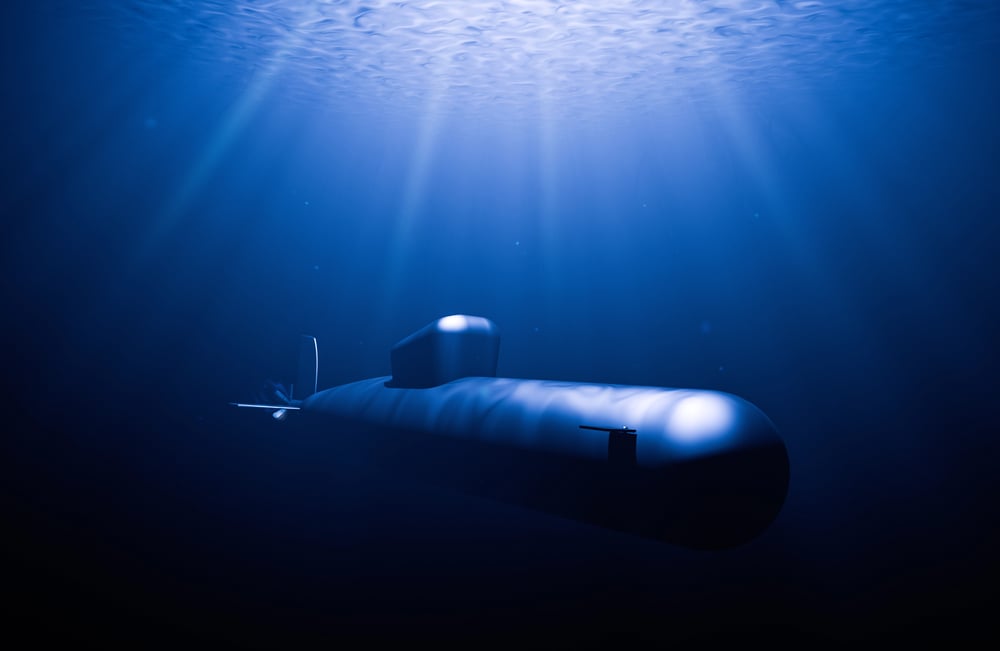
Water pressure increases dramatically as submarines descend into the deep. At just 1,000 feet below the surface, the pressure reaches about 445 pounds per square inch—that’s 30 times the pressure we experience on land.
The hull of a submarine must withstand forces that could instantly crush a human body like a tin can. Even a tiny crack or imperfection in the metal could lead to catastrophic failure, flooding the entire vessel in seconds.
Complete Isolation From The World

Once a submarine submerges, the crew becomes completely cut off from the outside world. Radio waves don’t travel through water, so communication with the surface is extremely limited or impossible at operational depths.
Families back home have no way to reach their loved ones during missions that can last months. The psychological weight of this isolation affects everyone differently, but it’s always present.
No Escape If Something Goes Wrong
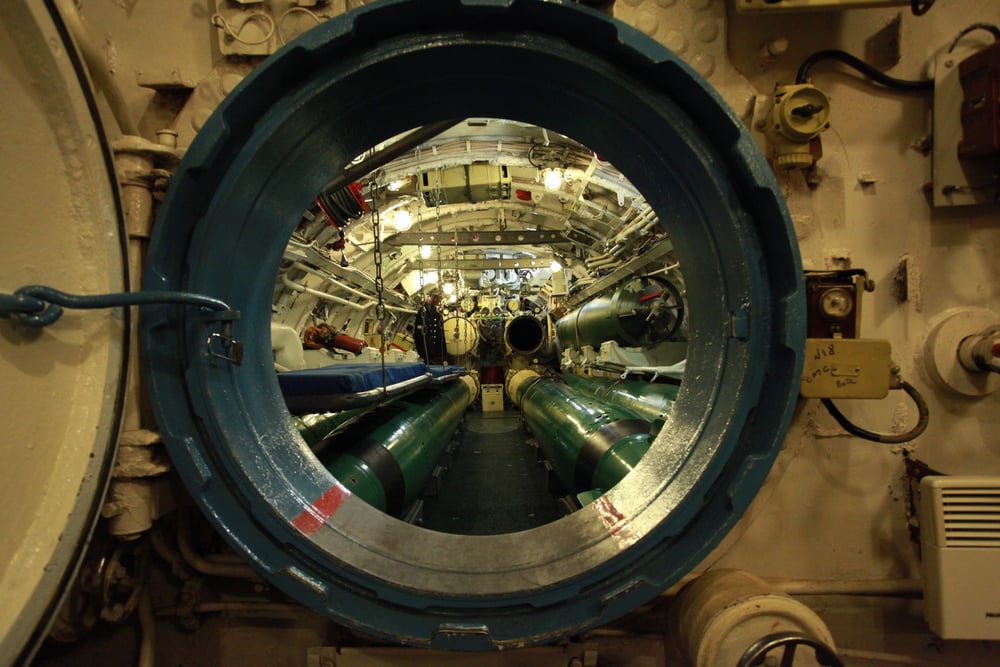
Modern submarines can dive thousands of feet below the surface, far deeper than any rescue equipment can reach. If a catastrophic failure occurs at extreme depth, there’s simply no way out.
The crew would be trapped inside a metal tube at the bottom of the ocean with no hope of rescue. Even submarines equipped with escape pods can only be used in relatively shallow water.
Living Inches From Nuclear Weapons
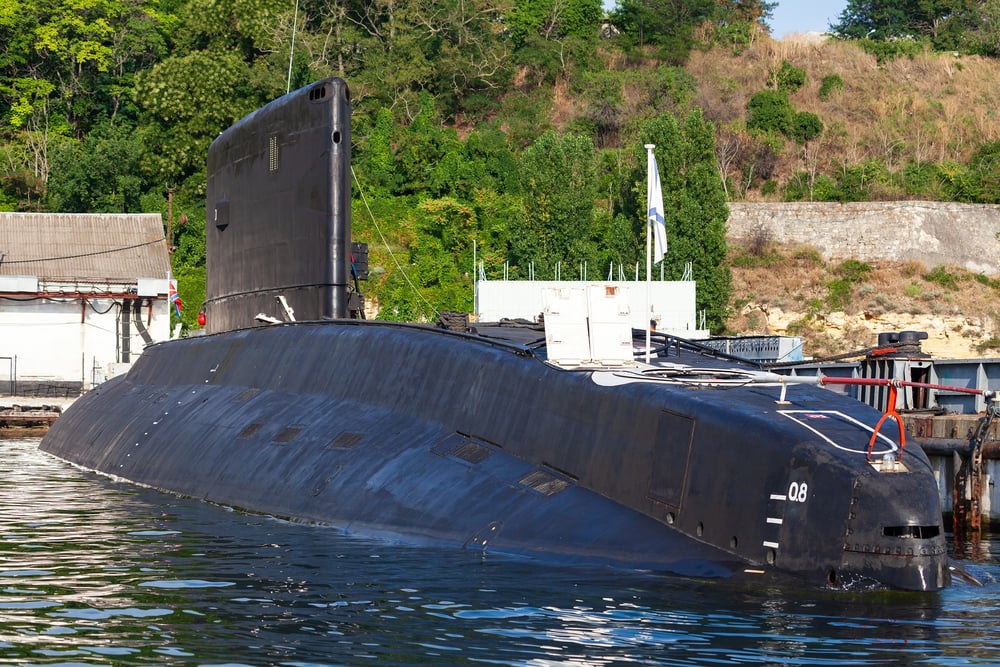
Many military submarines carry nuclear missiles as part of their strategic deterrent mission. Crew members eat, sleep, and work just feet away from weapons capable of destroying entire cities.
While safety protocols are strict, the psychological reality of living alongside such destructive power weighs heavily on submariners. One malfunction or accident could have consequences beyond imagination.
Fire Spreads Fast In Confined Spaces
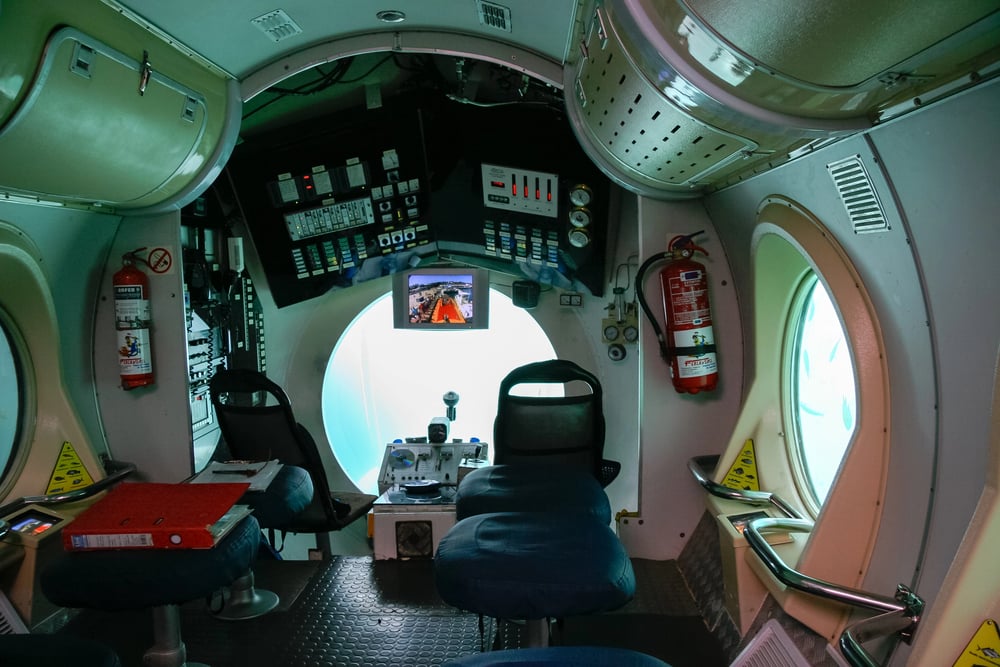
Fire is one of the most feared emergencies on a submarine. With limited oxygen and no escape route, flames can spread quickly through the tight compartments.
The smoke becomes toxic almost immediately in the recycled air environment. Crew members train constantly for fire emergencies because everyone knows that hesitation could mean death for the entire vessel.
The Threat Of Oxygen Depletion
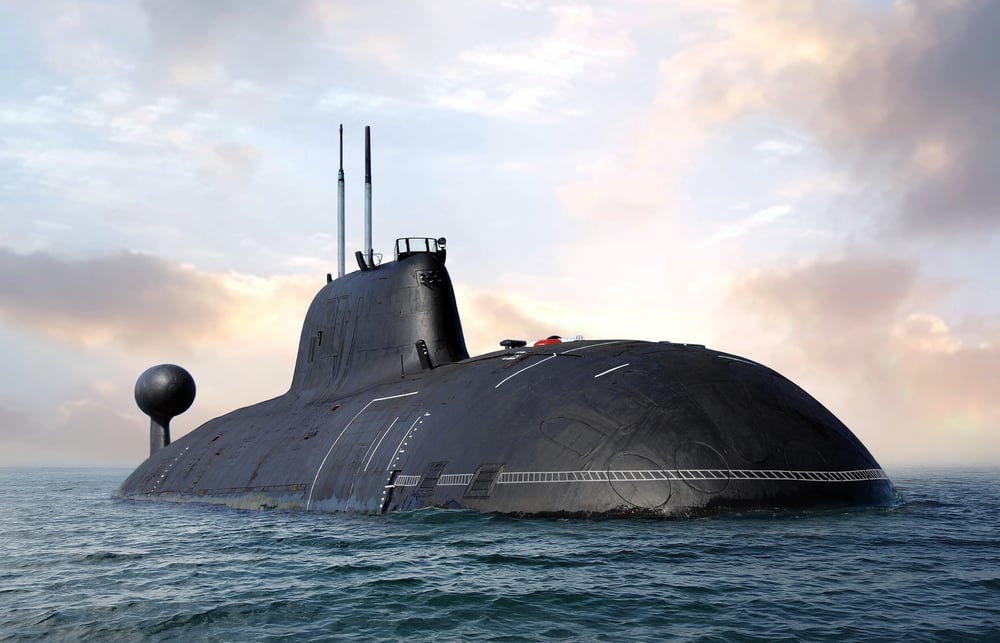
Submarines generate oxygen through chemical processes and careful air management systems. If these systems fail, the crew faces a slow and terrifying death from oxygen deprivation.
Carbon dioxide levels rise as breathable air becomes scarce. Submariners describe the mounting panic as the air grows thin and thinking becomes difficult.
Collision Risks In The Dark

The ocean is pitch black at operational depths, and submarines often operate in complete silence to avoid detection. This means they’re essentially flying blind through the water.
Collisions with underwater mountains, other submarines, or surface ships do happen. In 2001, a U.S. submarine struck a Japanese fishing vessel, killing nine people.
Psychological Breakdown Happens
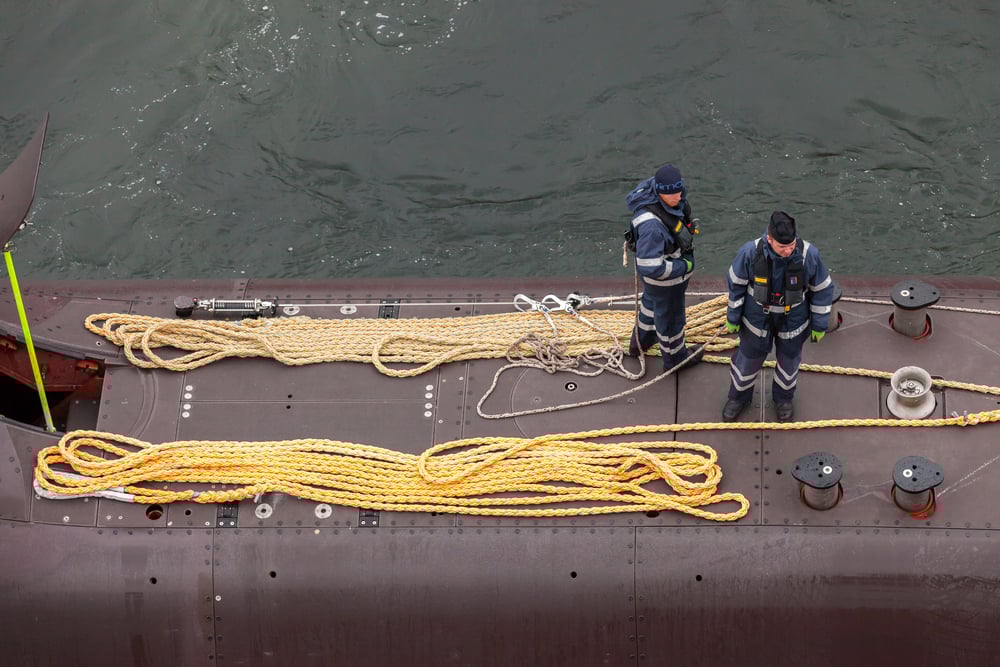
The combination of isolation, stress, cramped quarters, and constant danger takes a serious mental toll. Submariners undergo extensive psychological screening, but some still crack under the pressure.
Cases of severe anxiety, depression, and even psychotic breaks have occurred on long deployments. There’s no therapist onboard and no private space to decompress.
Sewage Systems Can Fail Catastrophically
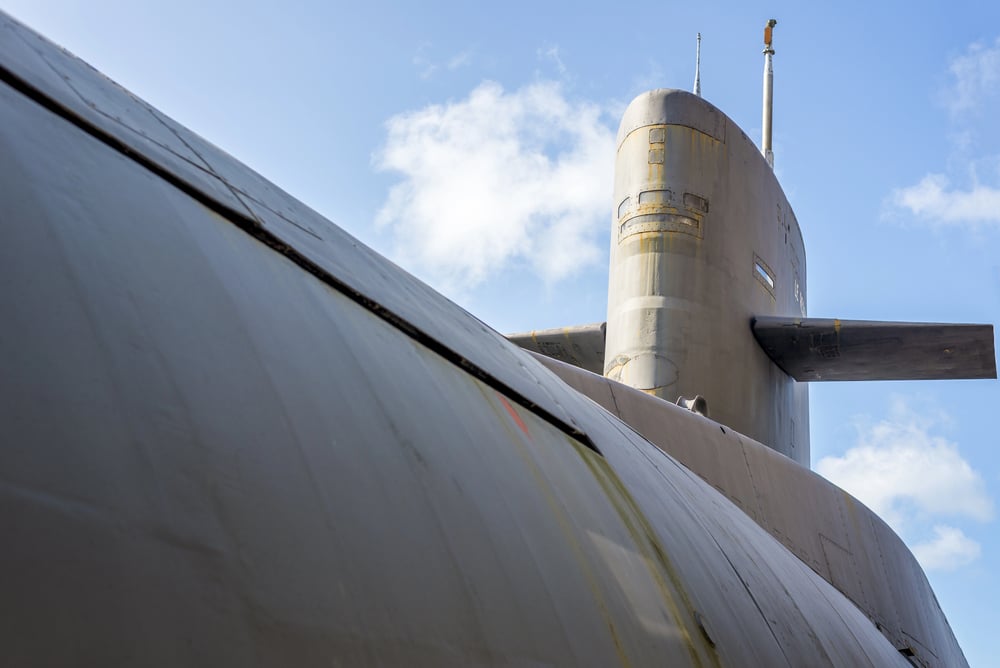
Submarines use complex high-pressure systems to expel waste into the ocean. If operated incorrectly, these systems can reverse, sending sewage flooding back into the submarine at high pressure.
This actually happened to a German U-boat in 1945—the resulting damage forced the submarine to surface, where it was attacked and sunk. It’s a humiliating and dangerous way to lose a vessel.
Mystery Sounds From The Deep
Submariners regularly hear unexplained sounds in the ocean depths. Some are probably unknown marine life, geological activity, or distant ship noises.
But many sounds remain unidentified and deeply unsettling to the crews who hear them. The ocean covers most of our planet, and we’ve explored less than five percent of it.
Radiation Leaks On Nuclear Submarines

Nuclear-powered submarines run on small reactors that can operate for decades without refueling. But these reactors produce radiation, and shielding isn’t always perfect.
Several incidents of radiation exposure have occurred on submarines throughout history. Crew members worry about long-term health effects from chronic low-level exposure during their service years.
Missing Sleep Comes As Normal

Most days below the surface stretch eighteen hours long, split into three turns lasting six each. Because of this rhythm, real rest stays out of reach for many on board.
Without enough sleep, thinking gets foggy, responses drag, errors climb. A single slip underwater might end every life inside the vessel.
Fresh Water Runs Out Quickly

On submarines, space for fresh water is tight. Making extra means using power and waiting awhile.
Long trips or tough situations often mean strict limits on usage. Bathing could happen just one day each seven, maybe even rarer.
Hull Popping And Groaning
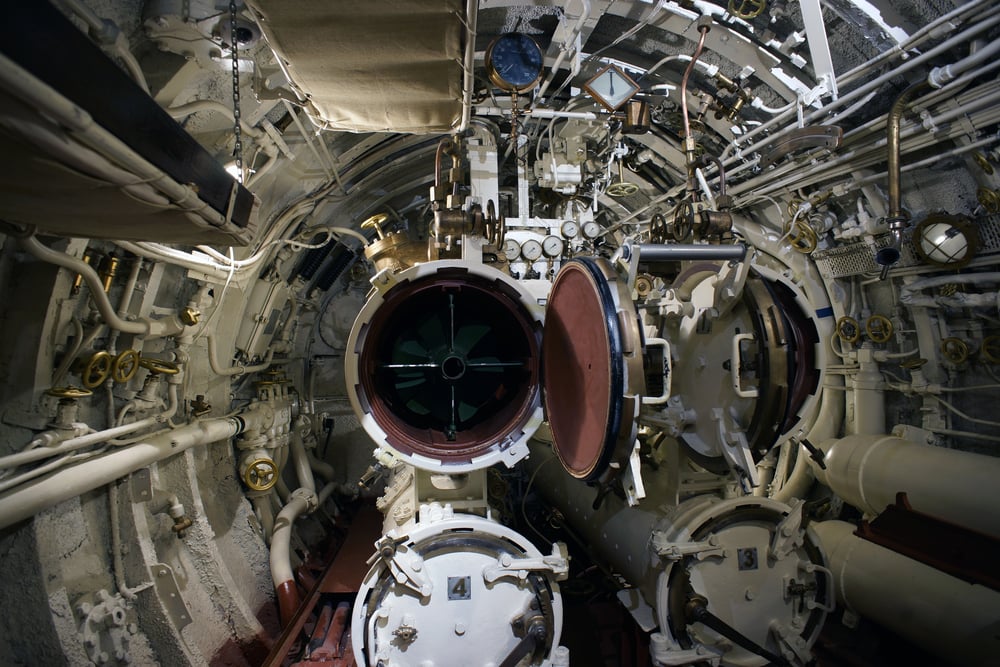
When submarines move up or down, shifting pressure causes the outer shell to stretch and squeeze. These shifts bring sharp cracks, slow bends, and low rumbles that echo inside.
Seasoned crew members still feel uneasy hearing them – they never forget how much weight presses in. With each noise, thoughts drift toward whether it might be the one that fails.
Enemy Submarines Hunting You

Down below, silent hunters drift through dark waters, always watching. A shadow nearby may not be seaweed – it could be steel moving slow behind you.
Missiles meant for subs can lock on fast, built only to find and hit their target. When one spots you, getting away is nearly impossible.
The Deep Still Calls Them Down

Even with the hazards and tight spaces, many sign up for submarine duty each year. Not everyone would face such pressure, yet they step forward anyway.
Navies rely on them to protect nations and carry out vital missions beneath the waves. These sailors confront nightmares others avoid just thinking about.
More from Go2Tutors!

- The Romanov Crown Jewels and Their Tragic Fate
- 13 Historical Mysteries That Science Still Can’t Solve
- Famous Hoaxes That Fooled the World for Years
- 15 Child Stars with Tragic Adult Lives
- 16 Famous Jewelry Pieces in History
Like Go2Tutors’s content? Follow us on MSN.