Disney Alumni Who Took Over the World
Working at Disney might seem like playing dress-up and drawing cartoons, but it turns out the Mouse House has been quietly training some of the most influential leaders in entertainment, technology, and business. The company’s alumni have gone on to reshape entire industries, launch streaming empires, and build creative powerhouses that define modern culture.
These aren’t just people who happened to work at Disney before moving on. They’re executives, creators, and visionaries who learned something essential during their time in Orlando and Burbank — something about storytelling, audience connection, and the strange alchemy of turning imagination into profit.
Their post-Disney careers read like a master class in applied magic.
Bob Iger
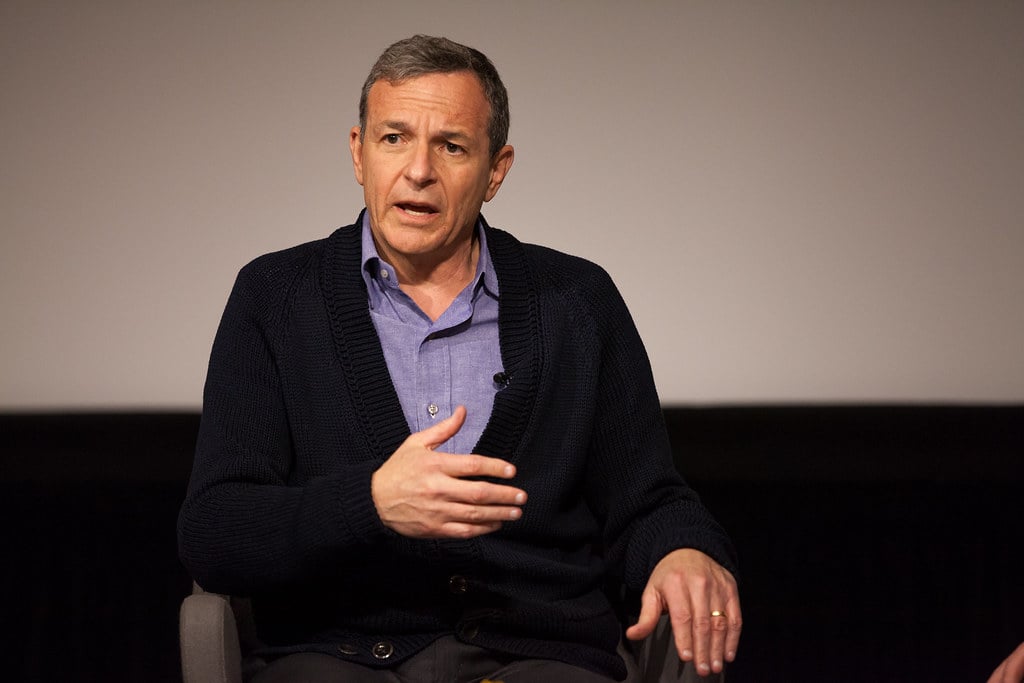
Iger spent 45 years climbing Disney’s corporate ladder before becoming CEO, and his post-Disney influence has been staggering. He transformed the company from a theme park operator with a film division into a content juggernaut that owns Marvel, Star Wars, and half of childhood itself.
After stepping down as CEO, he didn’t disappear into retirement. Instead, he became the executive chairman overseeing creative strategy, essentially remaining the creative conscience of the world’s largest entertainment company.
His acquisition strategy — buying Pixar, Marvel, Lucasfilm, and 21st Century Fox — didn’t just change Disney; it redrew the entire entertainment landscape.
Kevin Mayer

Most people don’t know Mayer’s name, but they should (and the fact that his influence operates largely behind the scenes makes it all the more significant, since the executives who reshape industries without becoming household names are often the ones with the most lasting impact). He was the architect behind Disney+, the streaming service that convinced millions of adults that paying for Mickey Mouse content was a reasonable monthly expense — and then he left Disney to become CEO of TikTok, because apparently running one platform that dominates global attention wasn’t enough for him.
The man went from launching Disney’s answer to Netflix to attempting to navigate the most politically complicated app on earth. And here’s the thing that makes his trajectory so fascinating: his Disney+ strategy wasn’t just about competing with Netflix.
It was about understanding something fundamental about how audiences consume stories in the streaming age. He built Disney+ around the idea that people want comfort food content — familiar characters, established universes, the entertainment equivalent of mac and cheese.
But then he pivoted to TikTok, the platform that thrives on the exact opposite: unpredictable, chaotic, constantly shifting content that nobody can control.
Jeffrey Katzenberg
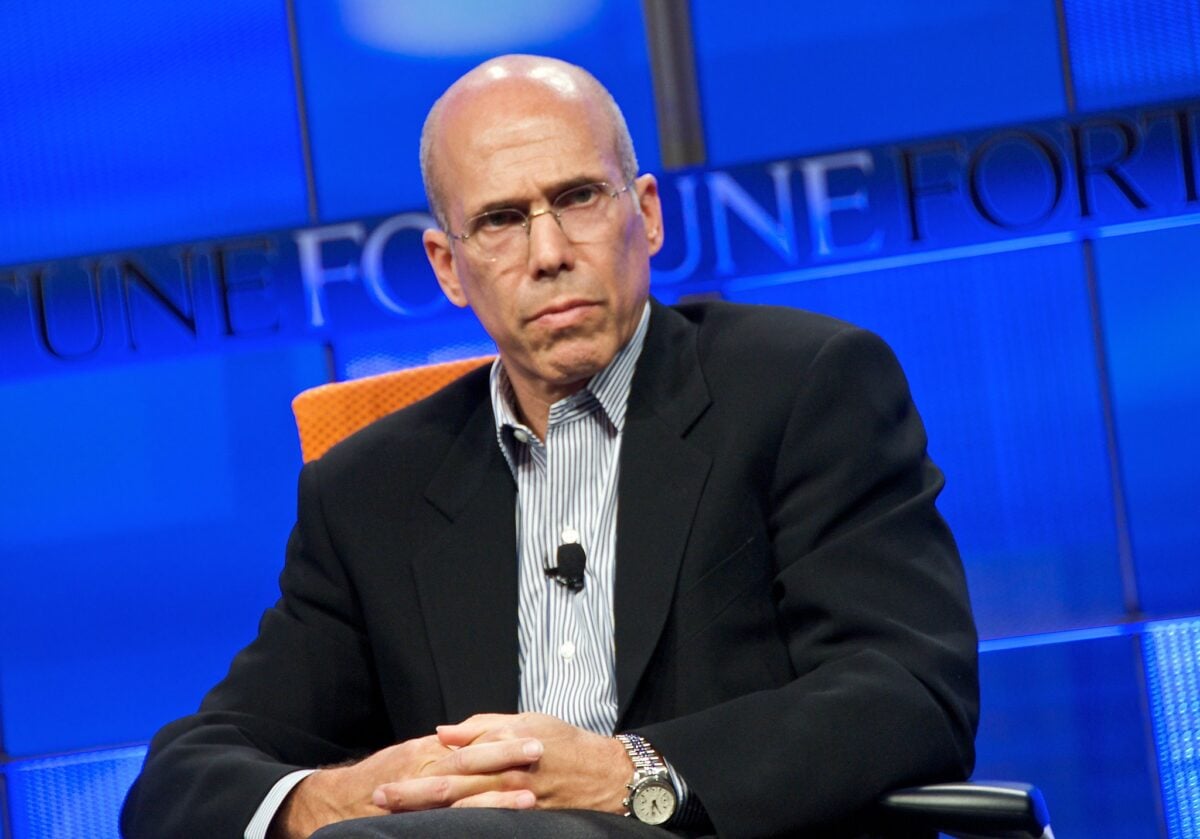
Katzenberg’s story reads like a fable about ambition eating itself. He spent a decade at Disney turning the animation division into a powerhouse, overseeing The Little Mermaid, Beauty and the Beast, and The Lion King.
Then he left in a spectacular corporate divorce and founded DreamWorks, essentially declaring war on his former employer. DreamWorks became Disney’s most persistent animated rival, serving up irreverent alternatives to Disney’s earnest fairy tales.
Shrek wasn’t just an ogre story — it was a direct shot at Disney’s princess formula. The entire DreamWorks brand became built around being the anti-Disney, the place where characters could be crude and stories could poke openings in happily-ever-after mythology.
But Katzenberg’s influence extends beyond the animation wars. He helped establish the template for how entertainment executives leave large companies to create direct competitors, taking their institutional knowledge and using it as a weapon.
Every streaming service launched by a former Netflix executive follows the Katzenberg playbook.
Peter Rice

Rice’s career path resembles those old Connect the Dots puzzles, except every dot represents a major entertainment company and the final image is a map of modern television. His Disney tenure was relatively brief, but it came at the end of a journey that included running Fox’s entertainment division and overseeing some of the most critically acclaimed television of the past two decades.
What makes Rice’s influence particularly interesting is timing. He joined Disney just as the company was absorbing 21st Century Fox’s entertainment assets — the biggest media acquisition in recent memory.
Rice became the bridge between Disney’s family-friendly brand and Fox’s more adult-oriented content strategy. He had to figure out how the same company could produce both The Mandalorian and Atlanta, both Marvel movies and FX’s boundary-pushing dramas.
John Lasseter
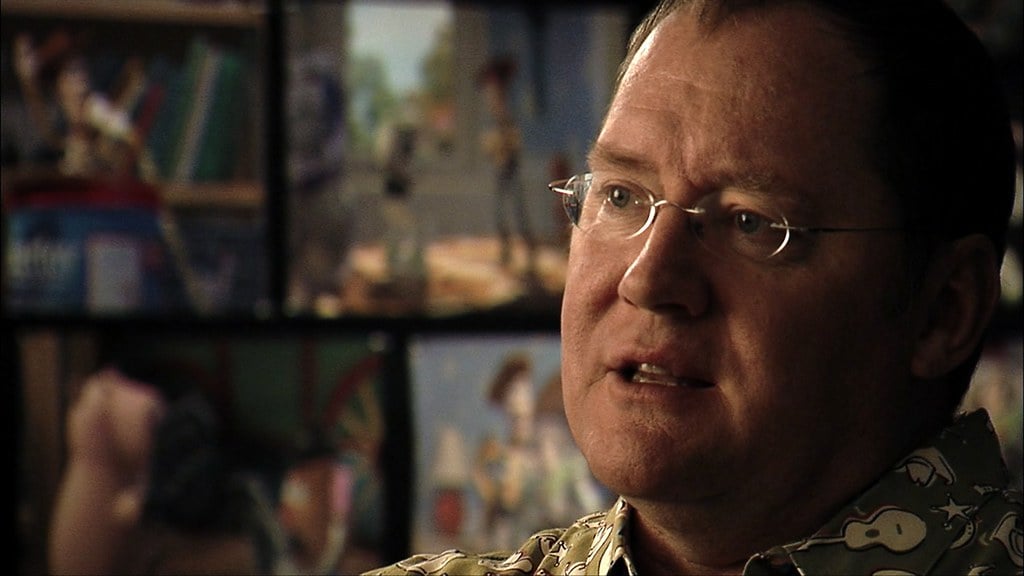
Lasseter’s story is complicated, which makes it more human and ultimately more instructive than the neat success narratives that usually dominate these discussions. He was instrumental in creating the Pixar revolution, directing Toy Story and establishing computer animation as the dominant form of animated storytelling.
Then he joined Disney as head of animation when Disney acquired Pixar, bringing Pixar’s storytelling sensibilities to Disney’s traditional animation projects. His influence on modern animation cannot be overstated.
Before Lasseter, animated movies were often considered children’s entertainment with occasional adult jokes thrown in. He helped establish the idea that animated films should work on multiple levels simultaneously — genuinely engaging for children while offering emotional complexity that resonates with adults.
Every animated movie that makes parents cry while their kids laugh exists in Lasseter’s shadow.
Rich Ross
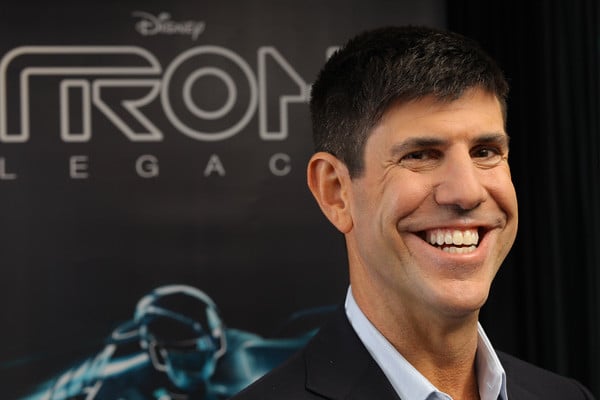
Ross represents the road not taken, which makes his story particularly fascinating. He ran Disney Channel during its golden age, turning it from an also-ran cable network into a star-making machine that launched careers and defined a generation’s entertainment diet.
Under Ross, Disney Channel became something unprecedented: a television network that functioned like a record label, manufacturing pop stars and teen idols with systematic precision. Hannah Montana, High School Musical, Camp Rock — these weren’t just shows and movies, they were multimedia empires built around carefully constructed personalities.
Ross figured out how to turn television programming into a pipeline for music sales, concert tours, and merchandise empires. His brief stint as chairman of Walt Disney Studios was less successful, but his Disney Channel work established a template that every entertainment company now follows.
Netflix’s approach to creating breakout stars, TikTok’s influencer economy, YouTube’s creator programs — they all trace back to strategies Ross pioneered at Disney Channel.
Anne Sweeney
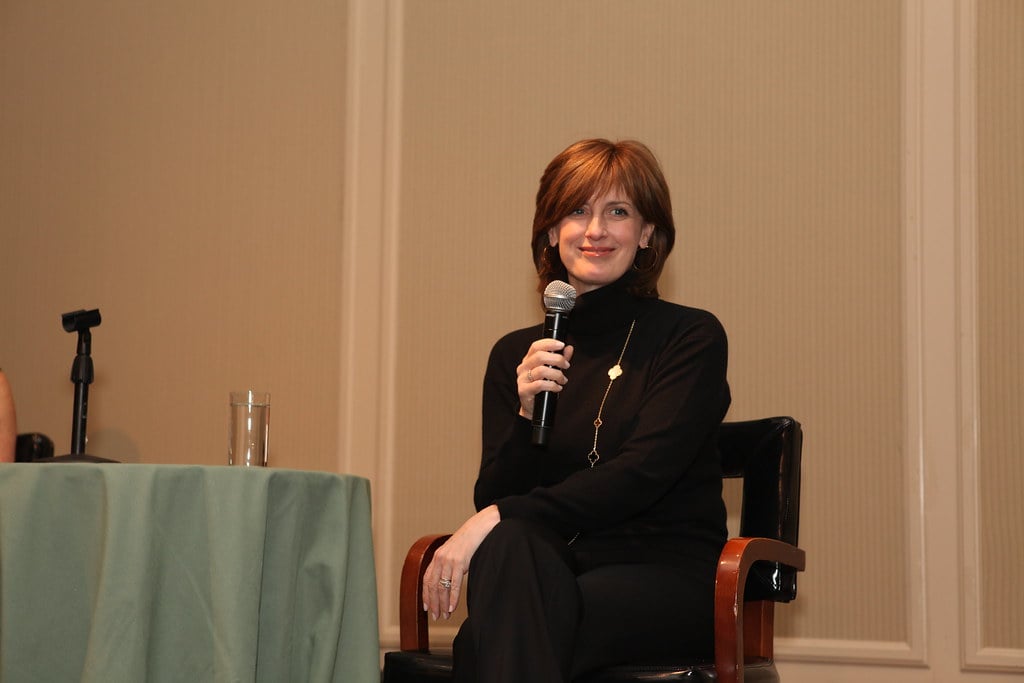
Television executives rarely become household names, but their influence shapes what millions of people watch every night. Sweeney ran Disney-ABC Television Group for over a decade, overseeing both Disney Channel’s expansion and ABC’s programming strategy during a particularly turbulent time for broadcast television.
She had to navigate the transition from appointment television to on-demand viewing, from three-network dominance to infinite streaming options. Her decisions about which shows to greenlight, which talent to develop, and how to balance Disney’s family brand with ABC’s broader audience needs helped determine what American television looked like during the 2000s and early 2010s.
Shows like Lost, Desperate Housewives, and Grey’s Anatomy all existed because Sweeney understood something about audiences that other executives missed.
Andy Bird

Bird’s influence operates at the intersection of content and technology, which makes sense given his background running Disney’s international operations before moving into streaming strategy. He understood earlier than most executives that entertainment was becoming a global business where content created in one country needed to work everywhere.
His work on Disney’s international expansion helped establish the template for how American entertainment companies now approach global markets. Instead of simply exporting American content, Bird pushed for region-specific programming that could travel internationally.
This strategy became essential when streaming services started competing globally — every major platform now follows Bird’s playbook of local content with global appeal.
Tom Staggs
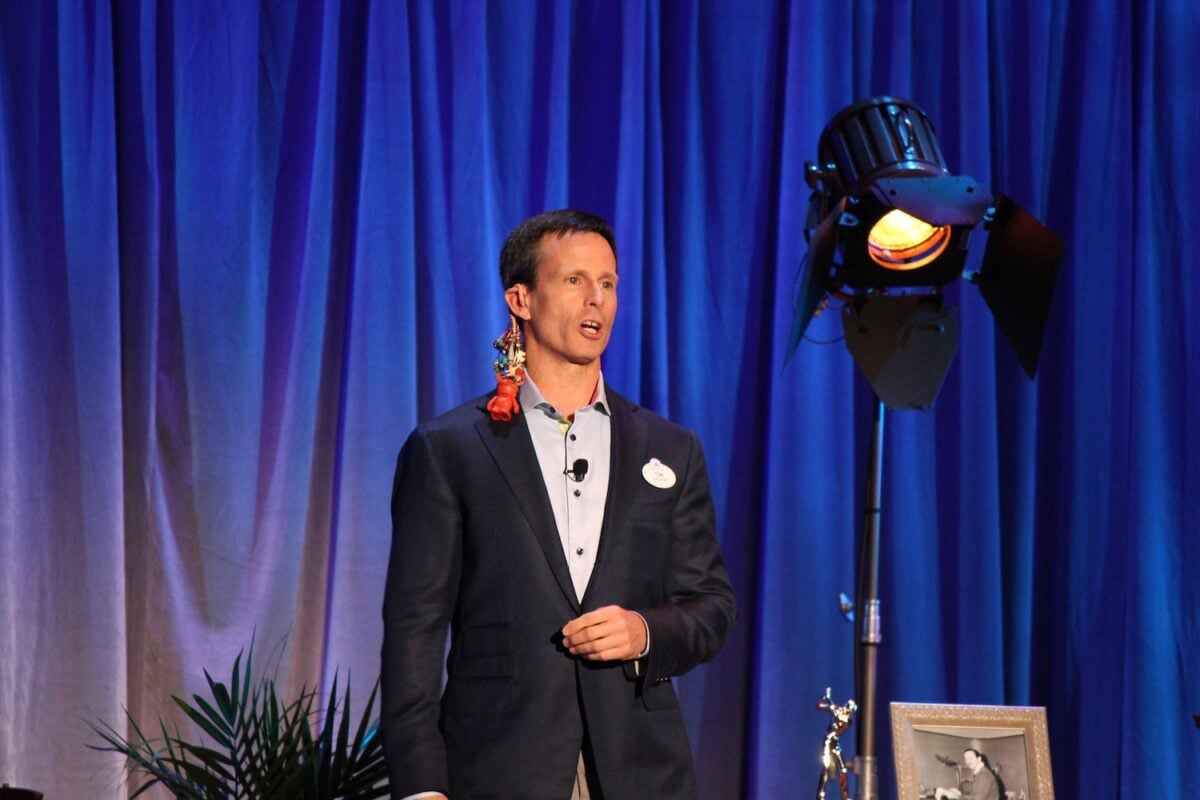
Staggs spent his entire career at Disney, rising from financial analyst to heir apparent before ultimately leaving the company when he didn’t get the CEO job. But his influence extends far beyond his Disney tenure because he represented a particular approach to entertainment leadership: the executive who understands both creative content and business strategy equally well.
After leaving Disney, Staggs became a key advisor to multiple entertainment companies, helping them navigate the transition from traditional media to streaming-first strategies. His understanding of how theme parks, movies, television, and merchandise can work together as a unified business has become essential knowledge as every entertainment company tries to build Disney-style ecosystems.
Kevin Reilly
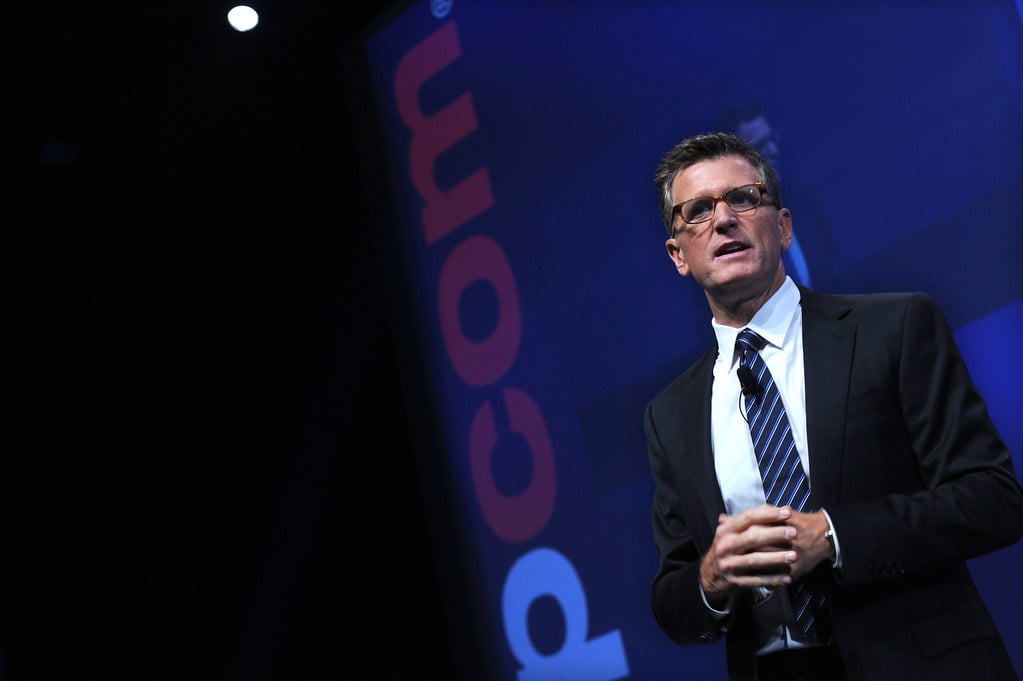
Reilly’s career reads like a guided tour of television’s evolution over the past two decades. His Disney connection comes through ABC, where he helped develop some of the network’s most successful programming before moving on to run entertainment divisions at Fox, TNT, TBS, and HBO Max.
What makes Reilly’s influence particularly significant is his understanding of how different platforms require different content strategies. At ABC, he focused on broad-appeal programming that could attract large audiences.
At cable networks, he developed more niche content for specific demographics. At HBO Max, he had to figure out how to compete with Netflix while maintaining HBO’s premium brand identity.
His ability to adapt creative strategies to different distribution models has made him one of the most sought-after executives in television. Every major streaming launch in recent years has involved executives trying to apply lessons learned from Reilly’s various network runs.
Zenia Mucha

Corporate communications might sound like the most boring job in entertainment, but Mucha’s work as Disney’s longtime communications chief gave her insight into every major deal, crisis, and strategic decision the company made during its transformation into a global powerhouse. Her influence became most visible during Disney’s acquisition spree under Bob Iger, when she had to help Wall Street analysts and entertainment journalists understand how buying comic book companies and space opera franchises fit into Disney’s family-friendly brand.
She essentially had to redefine what Disney meant in real time, making the case that a company built on Mickey Mouse could successfully operate Deadpool and Game of Thrones. After leaving Disney, Mucha’s understanding of how to manage corporate narratives during major industry transitions has made her essential to companies navigating rapid change.
Her approach to corporate communications — treating every announcement as part of a larger story about company evolution — has become the standard for how entertainment companies manage their public identities.
Dana Walden
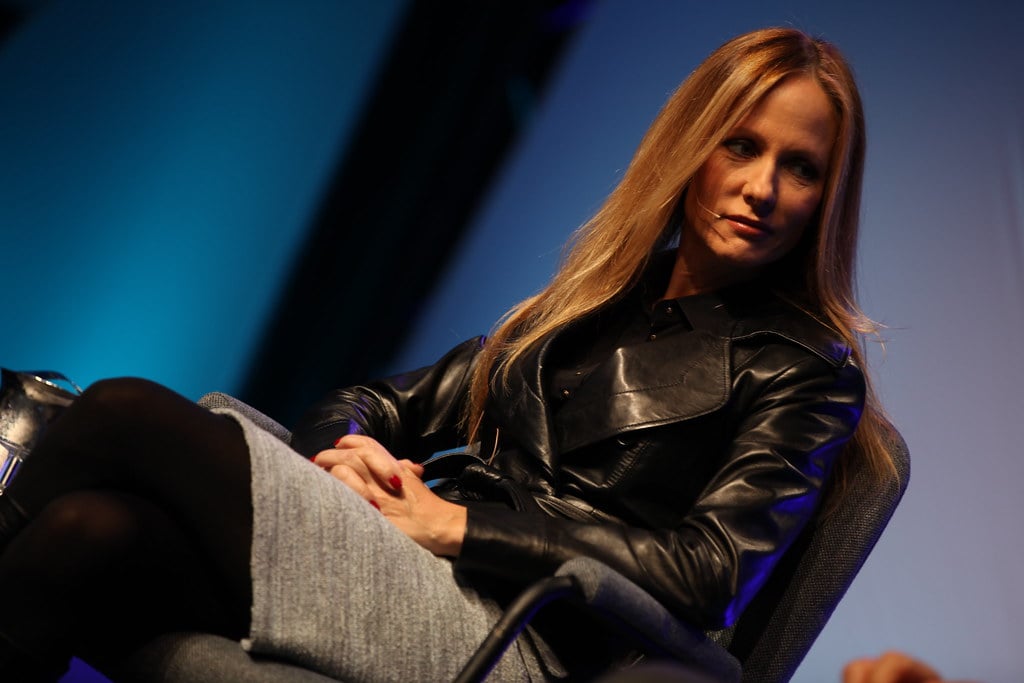
Walden’s path to influence involved building Fox’s television division into a critical darling before Disney acquired Fox’s entertainment assets. Her joining Disney represented more than a standard executive hire — it was Disney acknowledging that its television strategy needed someone who understood how to create prestige content.
Under Walden’s leadership, Fox developed shows like This Is Us, Atlanta, and The Americans — programming that earned critical acclaim and awards recognition while building devoted audiences. When Disney acquired Fox, Walden brought this sensibility to a company that had historically focused on broader, more family-oriented content.
Her influence at Disney extends beyond individual show decisions to questions about brand identity. How does the same company produce both Disney+ content for families and FX programming for adults? Walden’s approach involves treating different platforms as distinct brands while maintaining overall creative standards across everything Disney produces.
Gary Marsh
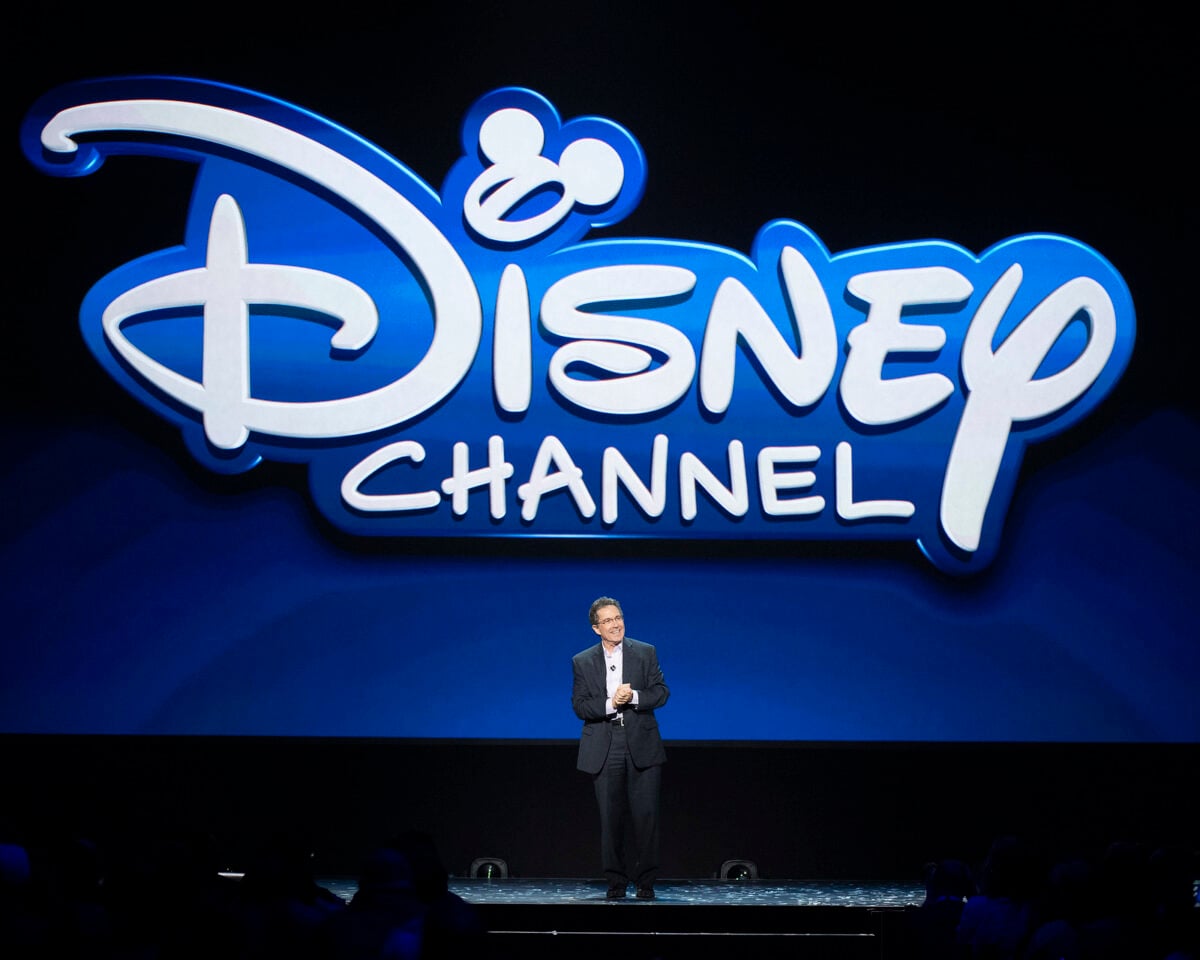
Children’s television programming might seem like a niche specialty, but Marsh’s work at Disney Channel during its most successful period gave him insight into audience development that applies across all entertainment platforms. He understood how to create content that builds lifelong audience relationships, turning childhood viewers into adult fans.
Marsh’s Disney Channel strategy involved treating young audiences as sophisticated consumers who could handle complex storytelling and emotional depth. Shows developed under his leadership didn’t talk down to children or rely solely on simple humor.
Instead, they offered genuine character development and meaningful themes wrapped in entertaining packages. This approach to audience respect has become essential as entertainment platforms compete for viewer loyalty in an oversaturated market.
Every successful streaming series now follows principles Marsh established at Disney Channel: respect your audience’s intelligence, develop characters consistently, and create content that rewards long-term engagement.
The Magic Makers

Disney alumni haven’t just found success after leaving the company — they’ve fundamentally reshaped how entertainment works. Their influence spans streaming strategies, content development, audience engagement, and the basic business models that determine what gets made and how people watch it.
What connects these diverse careers is an understanding of something Disney does better than almost any other entertainment company: the long game. Disney thinks in decades, not quarters.
It builds audience relationships that last lifetimes. It creates content designed to work across multiple platforms and generate revenue through numerous streams.
These executives learned those lessons and applied them everywhere they went afterward. The result is an entertainment landscape where Disney’s influence extends far beyond the content that actually carries Disney’s name.
More from Go2Tutors!

- The Romanov Crown Jewels and Their Tragic Fate
- 13 Historical Mysteries That Science Still Can’t Solve
- Famous Hoaxes That Fooled the World for Years
- 15 Child Stars with Tragic Adult Lives
- 16 Famous Jewelry Pieces in History
Like Go2Tutors’s content? Follow us on MSN.