16 Tool Innovations That Started as Happy Accidents
Innovation rarely follows a straight path. While engineers and inventors work tirelessly to solve specific problems, some of the most revolutionary tools emerged from completely unintended discoveries.
These accidental breakthroughs changed entire industries and made everyday tasks infinitely easier. Here is a list of 16 tool innovations that prove sometimes the best inventions happen when we’re not even trying.
Super Glue
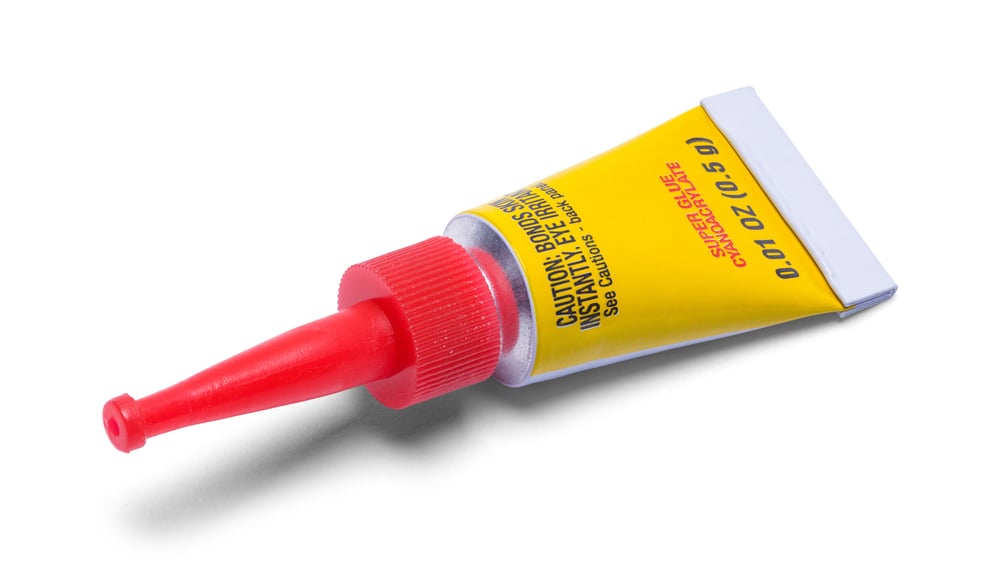
Harry Coover wasn’t trying to create the world’s strongest adhesive in 1942—he was attempting to develop clear plastic gun sights for Allied forces during World War II. His cyanoacrylate formula stuck to everything it touched, making it useless for optical equipment.
Eight years later, while working on heat-resistant airplane canopies, Coover rediscovered his sticky mistake and realized its incredible potential. Today, cyanoacrylate adhesives can bond almost any material in seconds, making them indispensable in everything from household repairs to medical procedures.
Post-it Notes

Spencer Silver at 3M was working on developing a super-strong adhesive in 1968 when he accidentally created the exact opposite. His weak, pressure-sensitive adhesive could stick to surfaces but peeled off easily without leaving residue.
For years, nobody knew what to do with this ‘failed’ glue until Art Fry, Silver’s colleague and church choir member, realized it could solve his problem of bookmarks falling out of his hymnal. The removable sticky notes revolutionized office organization and became one of 3M’s most profitable products.
Like Go2Tutors’s content? Follow us on MSN.
WD-40

The Rocket Chemical Company developed this water-displacing formula in 1953 to prevent nuclear corrosion in their nuclear Atlas rocket program. Workers kept sneaking the industrial solvent home because it worked so well on squeaky hinges and stuck bolts around the house.
The company realized they had stumbled onto something bigger than rocket maintenance and started marketing WD-40 to consumers in 1958. This penetrating oil now sits in garages and toolboxes worldwide, solving countless mechanical problems far beyond its original aerospace purpose.
Velcro
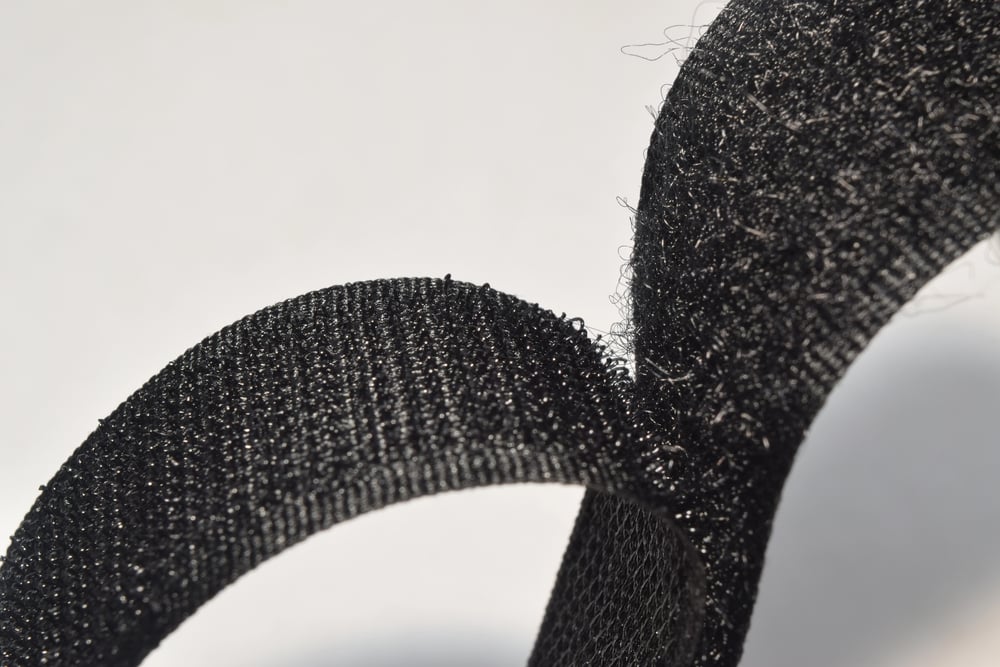
Swiss engineer Georges de Mestral returned from a hunting trip in 1941 annoyed by the burr seeds stuck to his dog’s fur and his own clothing. Instead of simply removing them, his curiosity led him to examine the seeds under a microscope, where he discovered tiny hooks that grabbed onto fabric loops.
After eight years of development, he created a two-sided fastening system that mimicked nature’s design. Velcro transformed everything from children’s shoes to space suits, proving that inspiration can come from the most irritating experiences.
Safety Glass

French chemist Édouard Bénédictus accidentally knocked a glass flask off his laboratory bench in 1903, expecting it to shatter into dangerous pieces. Instead, the flask cracked but held together, thanks to a plastic cellulose nitrate film that had dried inside from a previous experiment.
This accident inspired him to develop laminated safety glass, initially marketed for car windshields after he witnessed a serious automobile accident. His accidental discovery now protects millions of people in vehicles, buildings, and countless other applications where glass breakage could cause injury.
Like Go2Tutors’s content? Follow us on MSN.
Teflon

DuPont chemist Roy Plunkett was experimenting with refrigerant gases in 1938 when his pressurized cylinder of tetrafluoroethylene mysteriously stopped producing gas. Instead of discarding the seemingly empty container, he cut it open and found a white, waxy substance coating the inside.
This polytetrafluoroethylene proved to be incredibly slippery and resistant to chemicals and heat. While initially used in the Manhattan Project for uranium enrichment, Teflon eventually found its way into cookware, making non-stick pans a kitchen staple worldwide.
Stainless Steel

British metallurgist Harry Brearley was trying to develop erosion-resistant gun barrels for the British military in 1913 when he created an alloy that seemed completely unsuitable for weapons. His steel samples, containing chromium and carbon, didn’t show the wear resistance he wanted, so he tossed them in a scrap heap.
Weeks later, he noticed these discarded pieces hadn’t rusted like regular steel, leading to the discovery of stainless steel. This corrosion-resistant alloy revolutionized everything from kitchen utensils to surgical instruments and architectural applications.
Scotchgard
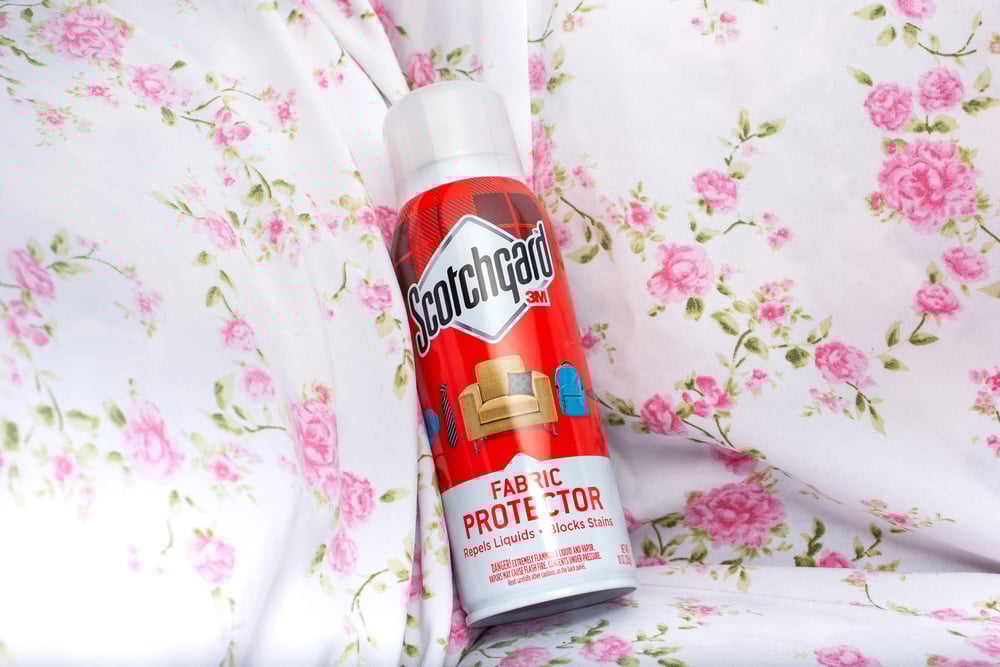
Patsy Sherman, a 3M chemist, was working on fluorochemical rubber for jet aircraft fuel systems in 1953 when a laboratory assistant accidentally spilled the experimental compound on her tennis shoe. No matter what they tried, the spill wouldn’t wash out, but it also repelled water, oil, and other liquids without affecting the shoe’s appearance.
Sherman realized this accident had created a powerful fabric protector that could revolutionize textile care. Scotchgard became a household name, protecting carpets, upholstery, and clothing from stains and moisture damage.
Like Go2Tutors’s content? Follow us on MSN.
Krazy Glue

While working for Eastman Kodak in the 1950s, researchers were attempting to create optical equipment when they stumbled upon cyanoacrylates that stuck to everything they touched. Unlike other adhesives that required heat, pressure, or mixing, this substance bonded instantly at room temperature with just a trace of moisture.
The pharmaceutical industry initially overlooked its potential until someone realized its value for quick repairs and bonding dissimilar materials. This instant adhesive became essential for model making, crafts, and emergency repairs where traditional glues proved too slow or impractical.
Silly Putty
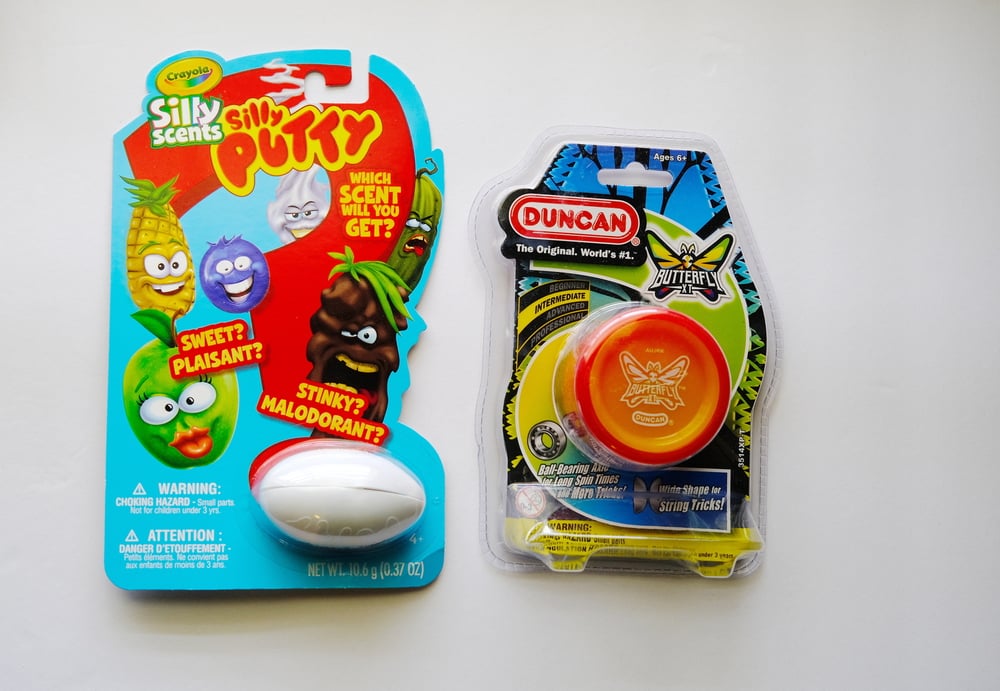
During World War II, General Electric engineer James Wright was trying to create synthetic rubber to help the war effort when he mixed boric acid with silicone oil. The resulting gooey substance bounced higher than rubber but proved useless for tire manufacturing or other wartime applications.
A toy store owner named Ruth Fallgatter saw the potential in this bouncing compound and started packaging it in plastic eggs. Silly Putty became a beloved children’s toy and found unexpected uses in therapy, stress relief, and even cleaning typewriter keys.
Dynamite
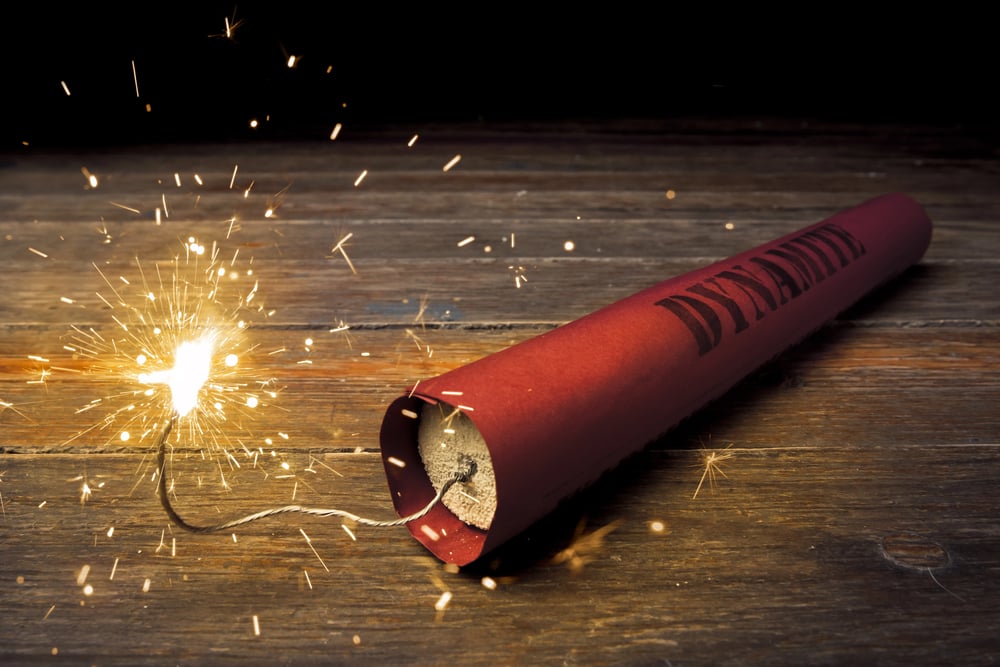
Alfred Nobel was working with nitroglycerin, an extremely unstable explosive, when he accidentally discovered that mixing it with diatomaceous earth created a much safer and more manageable product. This stabilized explosive could be shaped, transported, and used with significantly less risk than pure nitroglycerin.
Nobel’s accidental innovation revolutionized mining, construction, and demolition work by providing a powerful yet controllable explosive. The fortune he made from dynamite later funded the Nobel Prizes, creating a lasting legacy from an unintended discovery.
Like Go2Tutors’s content? Follow us on MSN.
Microwave Oven

Percy Spencer was working on radar technology for Raytheon in 1945 when he noticed the chocolate bar in his pocket had melted while standing near a magnetron tube. Curious about this unexpected heating effect, he experimented with popcorn kernels and an egg, both of which cooked rapidly when exposed to microwave radiation.
Spencer realized this accident had revealed a new way to cook food using electromagnetic waves rather than conventional heat. His discovery led to the development of microwave ovens, transforming how people prepare meals and revolutionizing both home and commercial kitchens.
X-Ray Machine

Wilhelm Röntgen was experimenting with cathode ray tubes in his laboratory in 1895 when he noticed a fluorescent screen glowing despite being covered with black cardboard. This unexpected phenomenon occurred because mysterious rays were penetrating the cardboard barrier and exciting the fluorescent material.
His investigation of these unknown rays—which he called X-rays—revealed their ability to pass through soft tissue while being blocked by bones and metal. This accidental discovery revolutionized medical diagnosis and earned Röntgen the first Nobel Prize in Physics.
Penicillin

Alexander Fleming returned from vacation in 1928 to find that mold had contaminated one of his bacterial culture plates, which he initially considered ruined. Instead of immediately discarding the contaminated plate, he noticed that bacteria around the mold had died, suggesting the fungus produced some antibacterial substance. His investigation of this Penicillium mold led to the discovery of penicillin, the world’s first true antibiotic.
This accidental observation launched the antibiotic era and has saved countless millions of lives from bacterial infections that were once fatal.
Like Go2Tutors’s content? Follow us on MSN.
Pacemaker

Wilson Greatbatch was building a heart rhythm recording device in 1958 when he accidentally grabbed the wrong resistor from his parts box. When he tested his circuit, instead of recording heartbeats, it produced electrical pulses that perfectly mimicked the human heart’s natural rhythm.
Greatbatch realized his mistake had created something potentially more valuable than his original project. His accidental discovery led to the development of implantable pacemakers, which have extended and improved the lives of millions of people with heart rhythm disorders.
Vulcanized Rubber

Charles Goodyear spent years trying to make rubber useful in different temperatures when he accidentally dropped a mixture of rubber and sulfur onto a hot stove in 1839. Instead of melting into a gooey mess as expected, the rubber remained flexible and strong despite the heat.
This accidental heating process, which he called vulcanization, transformed rubber from a limited material into one of the most versatile substances on Earth. Vulcanized rubber made possible everything from car tires to waterproof boots, forming the foundation of countless industries.
Innovation’s Unpredictable Nature

These accidental discoveries remind us that breakthrough innovations often emerge from curiosity rather than careful planning. Each inventor could have discarded their ‘failed’ experiments, but their willingness to investigate unexpected results led to tools that shaped modern life.
The next time something doesn’t work as expected, it might be worth taking a closer look—you could be holding the next great innovation in your hands.
Like Go2Tutors’s content? Follow us on MSN.
More from Go2Tutors!

- 16 Restaurant Chains That Went Too Fast
- 12 Things Sold in the 80s That Are Now Illegal
- 15 Strange Things People Have Tried to Ban (And Failed)
- 16 Collectibles People Tossed Out Too Soon
- 17 Myths from Your Childhood That Were Actually Based on Real Things
Like Go2Tutors’s content? Follow us on MSN.



