Restaurant Chains That Failed Internationally
When American restaurant chains expand overseas, they often assume their winning formula will work anywhere. They pack up their recipes, their branding, and their confidence, then set up shop in a new country expecting the same success they found at home.
But international markets don’t always welcome these familiar names with open arms. Here’s a closer look at some of the biggest restaurant chains that stumbled when they tried to go global.
Starbucks in Australia
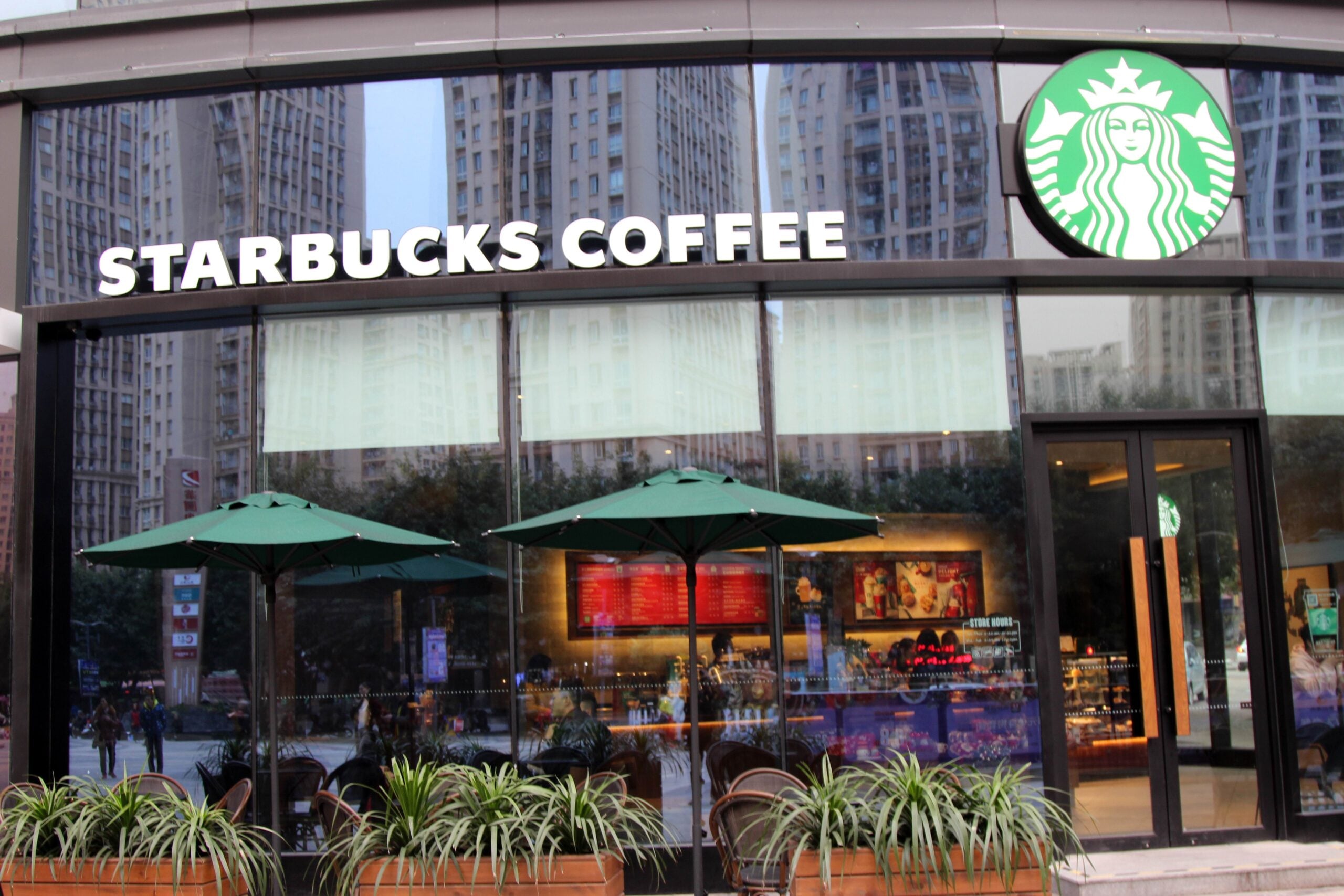
Starbucks entered Australia in 2000 with big plans to dominate the coffee scene. The company opened 87 stores across the continent within just eight years.
But Australians already had a deeply rooted coffee culture built on Italian-style espresso bars and independent cafes that had been around since the 1950s. The locals found Starbucks coffee too weak and too sweet compared to what they were used to drinking.
By 2008, Starbucks closed 61 of its Australian locations and pulled back dramatically. Today, only a handful of stores remain, mostly in tourist-heavy areas where visitors look for something familiar.
Walmart in Germany
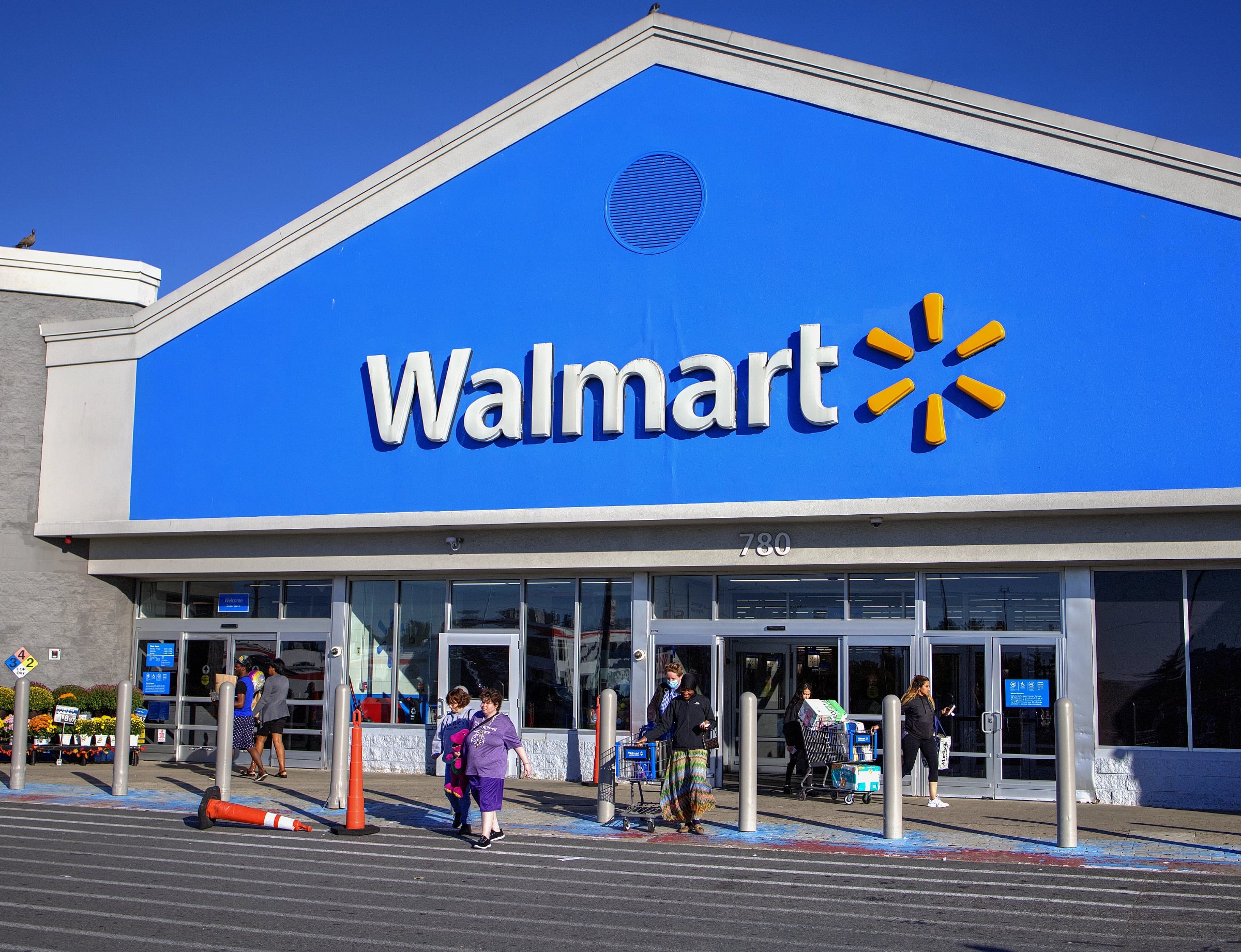
Walmart tried to crack the German market in 1997 by purchasing two local chains. The retail giant brought its American practices with it, including employees greeting customers at the door and baggers packing groceries.
Germans found these practices intrusive and weird. Walmart also tried to impose a company culture that included morning chants and banned workplace relationships, which violated German labor laws and cultural norms.
The company lost roughly a billion dollars before giving up and selling its 85 German stores to a local competitor in 2006. The entire venture lasted less than a decade.
Dunkin’ in the United Kingdom
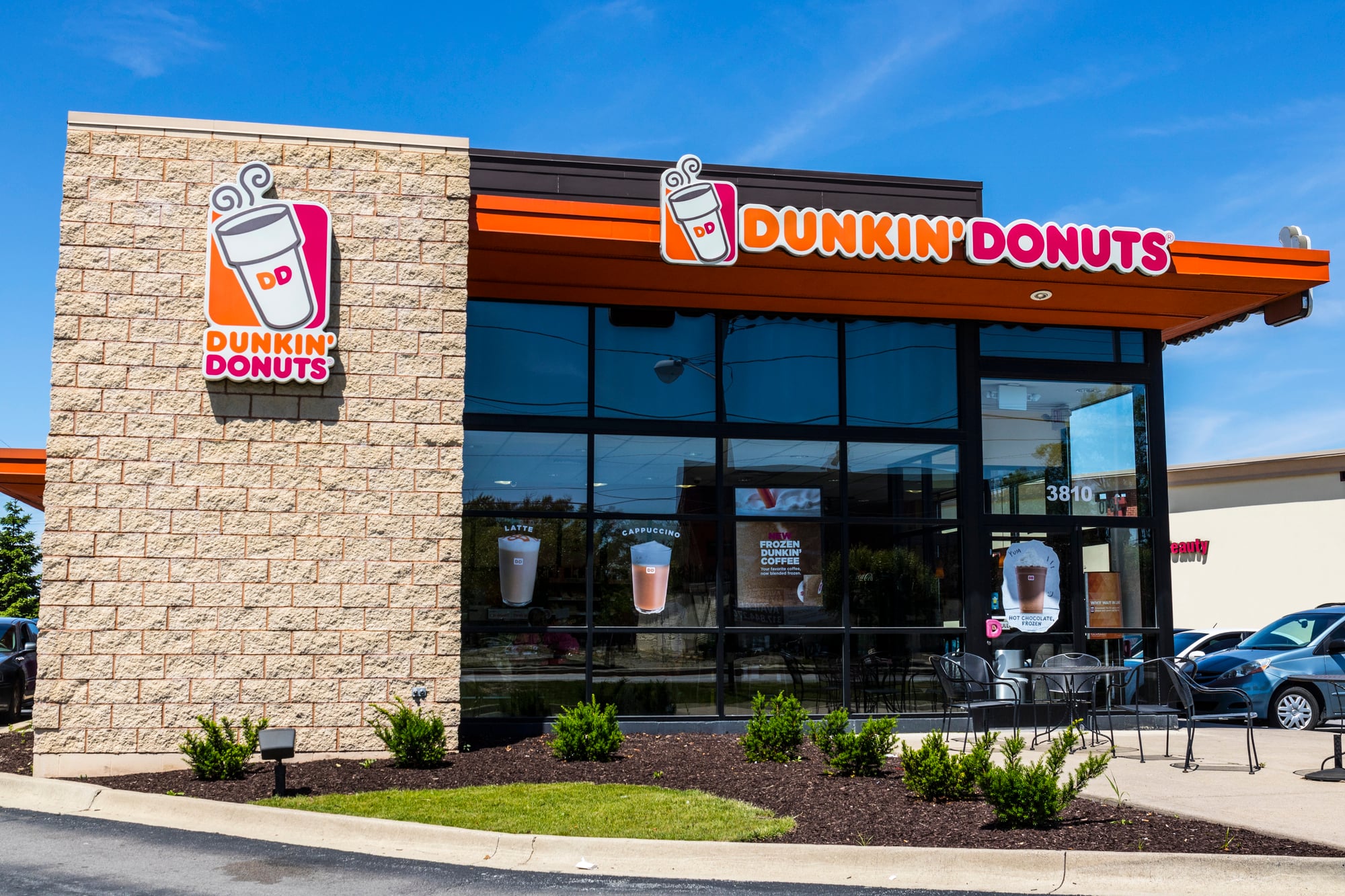
Dunkin’ opened its first UK store in the 1990s but never gained the foothold it enjoyed in America. British consumers didn’t embrace the donut-and-coffee combination the way Americans did.
The UK already had established coffee shop chains and bakeries that served what locals actually wanted. Dunkin’ closed all its UK locations by the mid-1990s.
The company made another attempt to enter the market in 2014, but that effort also fizzled out. The British just weren’t interested in what Dunkin’ was selling.
Wendy’s in Japan

Wendy’s first entered Japan in 1980 and managed to build up about 60 locations over the next decade. But the company struggled to compete against McDonald’s, which had entered the market earlier and adapted better to local tastes.
Wendy’s Japanese operations faced financial trouble throughout the 1990s. The chain closed all its stores in 2009 after nearly 30 years of trying.
Wendy’s made a comeback attempt in 2011 with new local partners, but that venture also failed, and the brand left Japan again by 2016.
Taco Bell in Mexico

Taking Tex-Mex food to Mexico sounds like bringing sand to the beach. Taco Bell tried it anyway when the chain opened locations in Mexico City in 1992.
Mexicans weren’t impressed by the Americanized version of their own cuisine. The food tasted nothing like authentic Mexican dishes, and locals saw no reason to pay restaurant prices for something they considered a poor imitation.
Taco Bell’s first attempt in Mexico lasted only two years. The company tried again in 2007 with a different strategy, marketing itself as American food rather than Mexican, but that approach also failed.
Best Buy in Europe
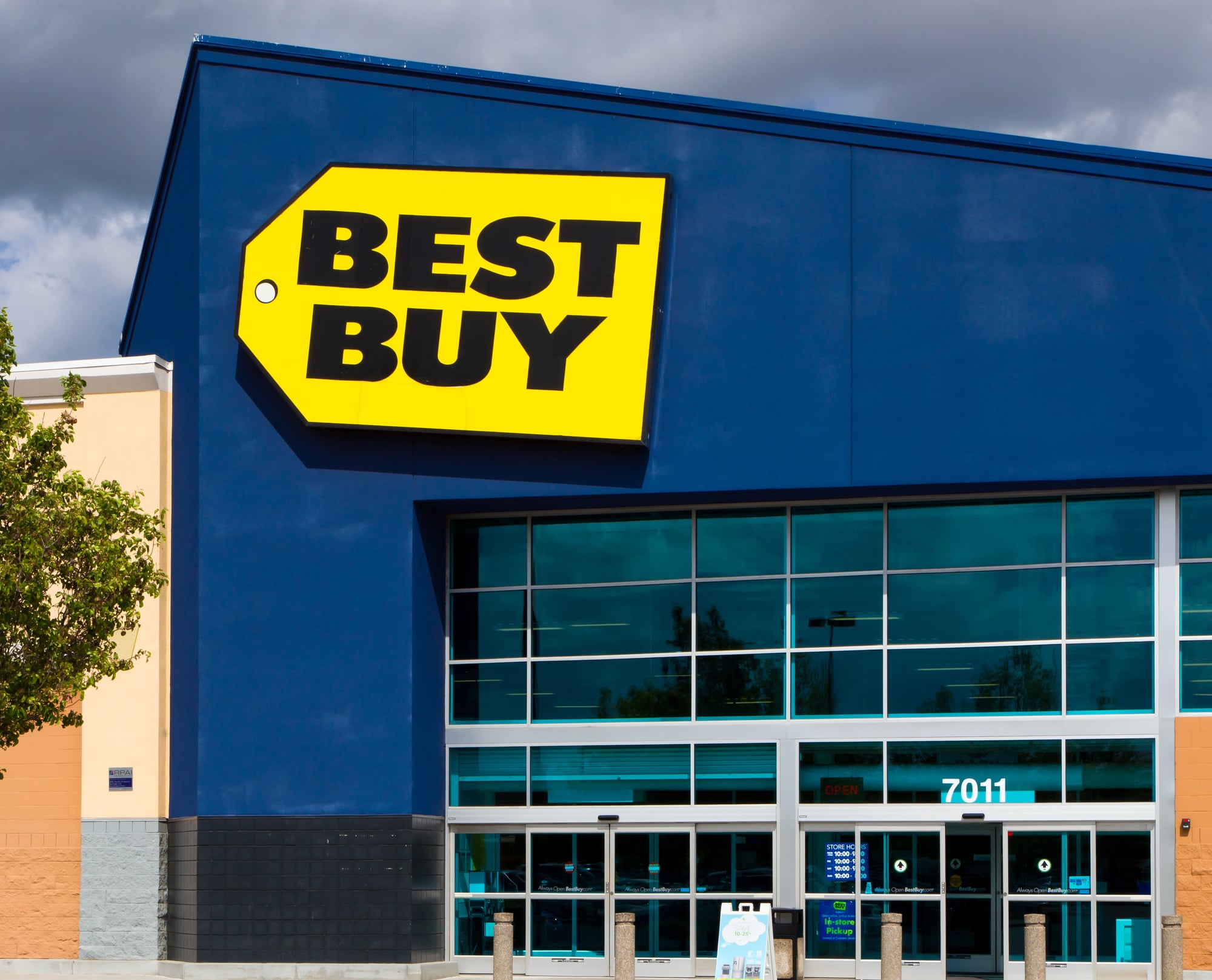
Best Buy expanded into Europe by purchasing a stake in Carphone Warehouse and opening massive stores in the UK and Turkey. The electronics retailer opened its first UK megastore in 2010 with great fanfare.
But European consumers already had established electronics retailers they trusted, and many preferred smaller local shops or online shopping. Best Buy’s large format stores with wide aisles and prominent displays didn’t appeal to shoppers used to more compact retail spaces.
The company closed all 11 of its big-box stores in the UK by 2011, just one year after opening. The venture cost Best Buy hundreds of millions of dollars.
Home Depot in China

Home Depot entered China in 2006, expecting Chinese homeowners would embrace the DIY culture that made the company successful in America. The problem was that labor in China cost so little that most people hired someone to do repairs and renovations rather than doing the work themselves.
The concept of spending a weekend fixing up your own house didn’t resonate with Chinese consumers. Home Depot also faced competition from local stores that understood the market better.
After losing money for years, Home Depot closed its last seven Chinese stores in 2012 and shifted to an online-only model.
Burger King in France

Burger King first tried to break into France in the 1980s but quickly retreated. The French food culture emphasizes quality ingredients and leisurely meals, which clashed with fast food’s quick-and-cheap approach.
When Burger King returned to France in 2012, the company had better luck by adapting its menu and marketing. But the initial failure showed how difficult it can be for American fast food chains to overcome cultural resistance.
France has strict food regulations and strong preferences for local cuisine that make it challenging territory for foreign chains.
Target in Canada
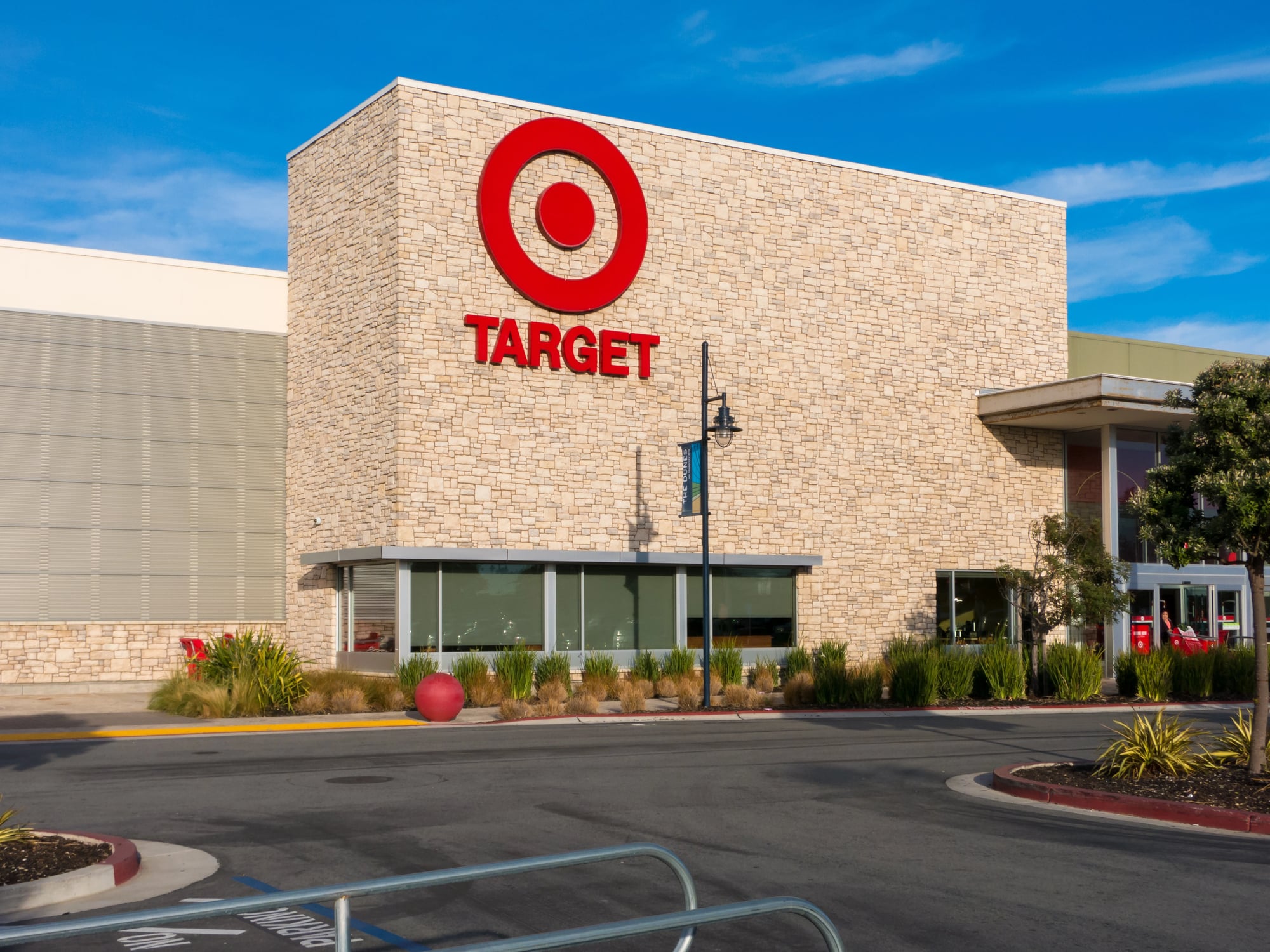
Target’s Canadian expansion in 2013 ranks among the biggest retail failures in recent history. The company opened 124 stores across Canada in just two years, rushing to fill locations left behind by Zellers, a discount chain Target purchased.
But Target made critical mistakes from the start. The stores had inventory problems, with empty shelves and products priced higher than in US locations.
Canadians expected the same deals and selection they saw when shopping at American Target stores. The disappointment was massive.
Target lost billions of dollars and closed all its Canadian stores in 2015, just two years after opening them.
Subway in Vietnam

Subway entered Vietnam in 2011, hoping to introduce Vietnamese consumers to submarine sandwiches. The concept didn’t catch on with locals who had their own beloved sandwich tradition in banh mi, which costs far less than a Subway sub.
Vietnamese consumers also found Subway’s sandwiches bland compared to the complex flavors they were used to eating. The chain managed to open about a dozen locations before momentum stalled.
By 2015, most Subway locations in Vietnam had closed. The remaining few cater mainly to Western tourists and expats rather than local customers.
McDonald’s in Iceland

McDonald’s operated in Iceland from 1993 to 2009, but the 2008 financial crisis made the situation impossible. Iceland’s economy collapsed, and the króna’s value plummeted.
McDonald’s imported most of its ingredients, and the currency crisis made those imports prohibitively expensive. A Big Mac in Reykjavik became one of the most expensive in the world.
The company decided the Icelandic market was too small and too expensive to justify continued operations. When the last McDonald’s closed, people showed up to buy final meals, and one person preserved a burger and fries as a historical artifact.
Iceland remains one of the few Western countries without a McDonald’s.
Starbucks in Israel

Starbucks showed up in Israel back in 2001 by teaming up with a homegrown business. Although it launched multiple spots, it had a tough time fitting into a scene where coffee was already deeply loved.
People there care a lot about their brews – plenty of neighborhood joints serve bold espressos. Customers called the brand too costly while saying the taste fell flat.
On top of that, protests tied to politics made running stores messy. By 2003, Starbucks shut every shop in Israel.
The effort didn’t even hit two years – so it became one of their fastest flops abroad.
Gap in France

Back in the 90s, Gap pushed into France yet failed to win over locals who weren’t keen on U.S.-style relaxed outfits. While Americans loved their simple tees and jeans, French buyers leaned toward sharp, elegant looks instead.
The brand’s shops came across as overly American – kinda out of step with city vibes. Styles on offer just didn’t click with what people wanted nearby.
Years went by with weak sales till they pulled back from nearly all spots there. The company stayed low-key with franchised outlets yet failed to break into the market like it hoped.
French shoppers just didn’t connect with how Gap did fashion.
Wendy’s in Australia
Wendy’s made several attempts to enter Australia back in the 1980s. But here’s the twist – another ice cream shop down under already held rights to the name Wendy’s.
So the U.S. fast-food brand either rebranded locally or found loopholes to keep selling burgers. On top of that, it struggled to match McDonald’s reach and lost ground to homegrown spots tuned into what Aussies actually liked.
The business shut down its spots then exited the scene. After that, comeback tries didn’t work either – Wendy’s still missing in Australia.
Domino’s in Italy

Taking American pizza to Italy sounds risky – Domino’s gave it a shot when they opened in Milan back in 2015. Pizza started there, so locals know what they like – it’s not just food, it’s tradition.
Sure, Domino’s had fast deliveries, yet most Italians would rather eat out or grab a slice from neighborhood spots using old-school recipes. Tourists stopped by, also folks just checking it out – but regulars? Not really.
Domino’s launched nearly twenty-four shops across a few years – yet Italy turned out harder than expected. By 2022, they said goodbye to every local spot due to ongoing losses.
Wendy’s in the United Kingdom
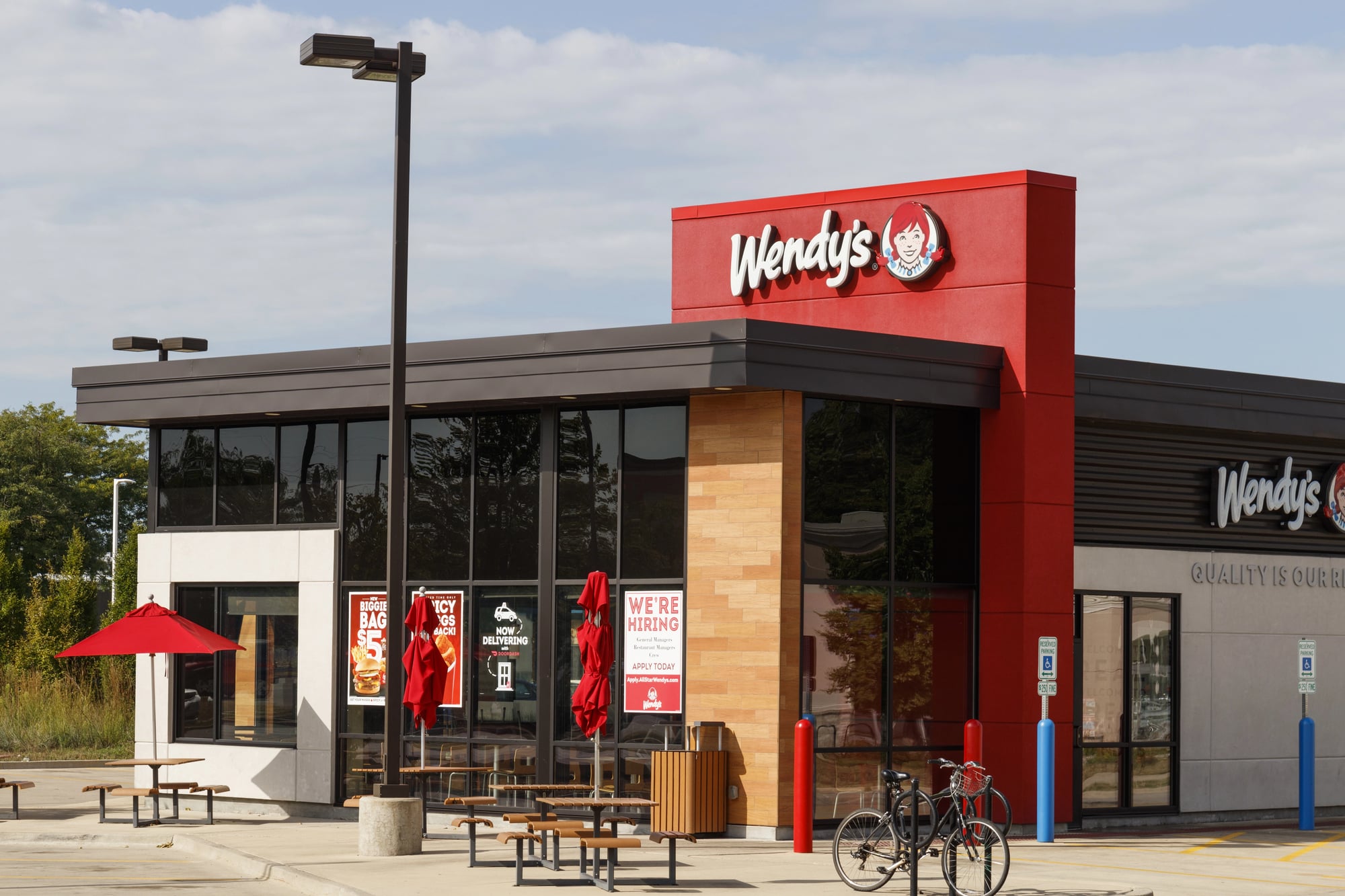
Wendy’s story in the UK hasn’t been smooth – full of false starts. It showed up back in the ‘80s but struggled against big-name burger spots already there.
After that flop, it left – but came creeping back in the ‘90s only to face the same fate. Then in 2021, another shot: fresh menu ideas, sleeker shops, and a handful of new outlets launched.
Yet UK shoppers see tons of burger choices, while Wendy’s never really stood apart somehow. Nobody knows yet if this new push will work after earlier tries flopped.
Best Buy in Turkey
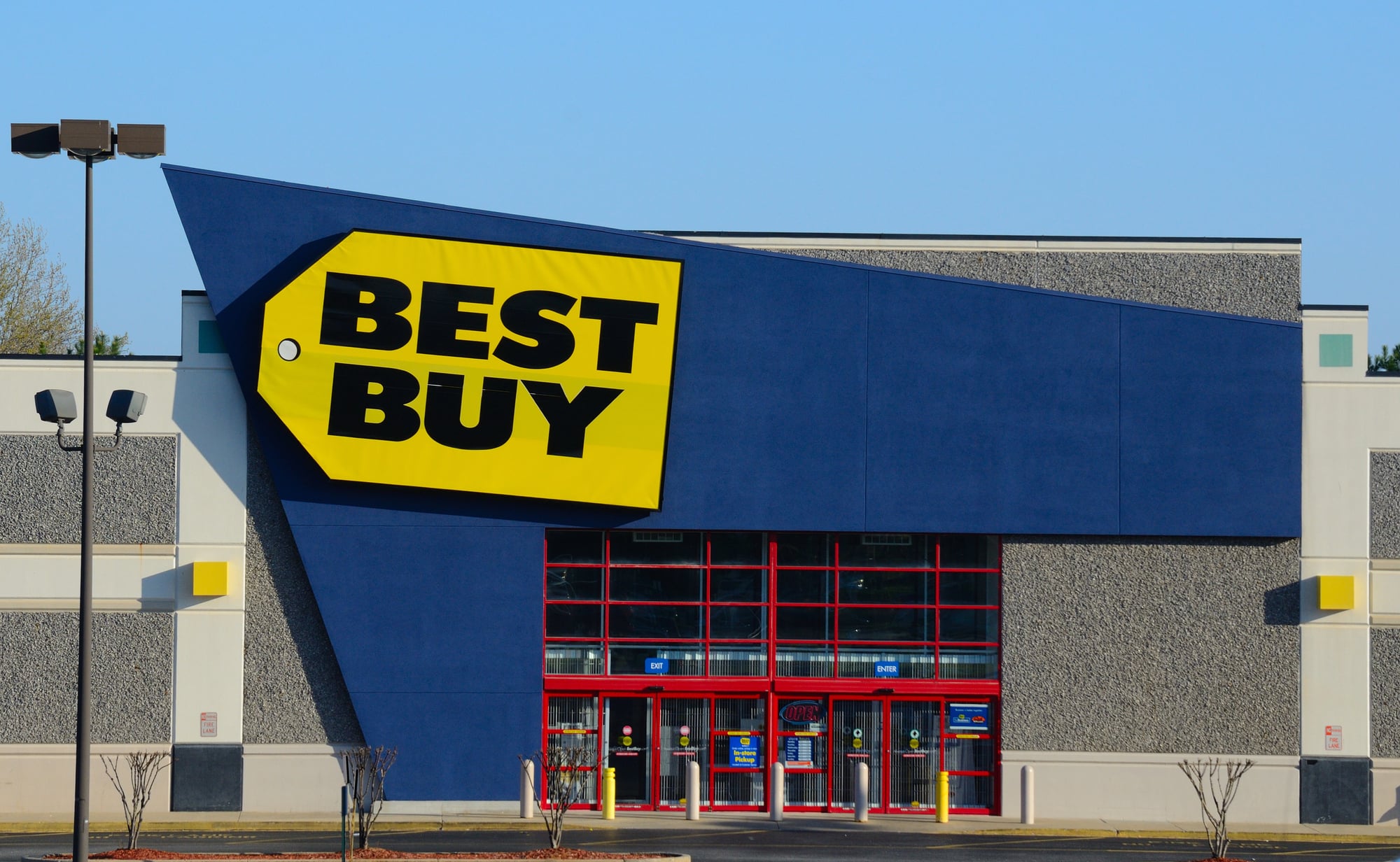
Best Buy showed up in Turkey back in 2010 while pushing into Europe, teaming up with a homegrown shop chain. Instead of growing together, things fell apart fast – clashes popped up between Best Buy and their local allies.
Stores launched in Istanbul along with several key urban spots, aiming to win over buyers with huge electronic hubs. Still, locals didn’t bite; they stuck with familiar shops rather than switching.
Best Buy left Turkey back in 2011, shutting every shop just months after opening. That move piled onto their string of expensive missteps across Europe.
Chevrolet in Europe

For many years, General Motors offered Chevrolet cars throughout Europe – yet the brand fell short of expectations. Europeans saw Chevys as low-cost, bulky models from the U.S., not ideal for those wanting smaller, economical rides.
It ended up looking a lot like Opel, another GM label there, so both brands were fighting each other for buyers. As sales kept dropping year after year, GM made a move in 2013 – to pull Chevrolet out of Europe completely by 2016.
The choice hit hundreds of dealerships – also impacting countless employees. Right now, Chevy offers cars in Europe just in a few spots.
Where American Dreams Meet Foreign Reality

These flops have something in common – shows how winning locally doesn’t mean winning overseas. Culture plays a bigger role than many firms expect during global moves.
A trait U.S. customers adore could repel buyers elsewhere. Eateries and stores thriving worldwide tweak their menu, honor regional tastes, yet spend time learning each area instead of thinking U.S. blueprints fit all.
More from Go2Tutors!

- The Romanov Crown Jewels and Their Tragic Fate
- 13 Historical Mysteries That Science Still Can’t Solve
- Famous Hoaxes That Fooled the World for Years
- 15 Child Stars with Tragic Adult Lives
- 16 Famous Jewelry Pieces in History
Like Go2Tutors’s content? Follow us on MSN.