15 Odd Movie Firsts We Never Would Have Thought Of
Movies have been capturing “firsts” since the medium began — first kiss, first talkie, first color film. Those milestones feel obvious now, documented in film history textbooks and anniversary retrospectives.
But buried in the archives are stranger achievements, the kind of pioneering moments that sound like trivia until you realize someone actually had to be first. These are the movie firsts that slipped past the history books, the peculiar boundaries someone crossed before anyone knew there was a boundary to cross.
Toilet Flushing
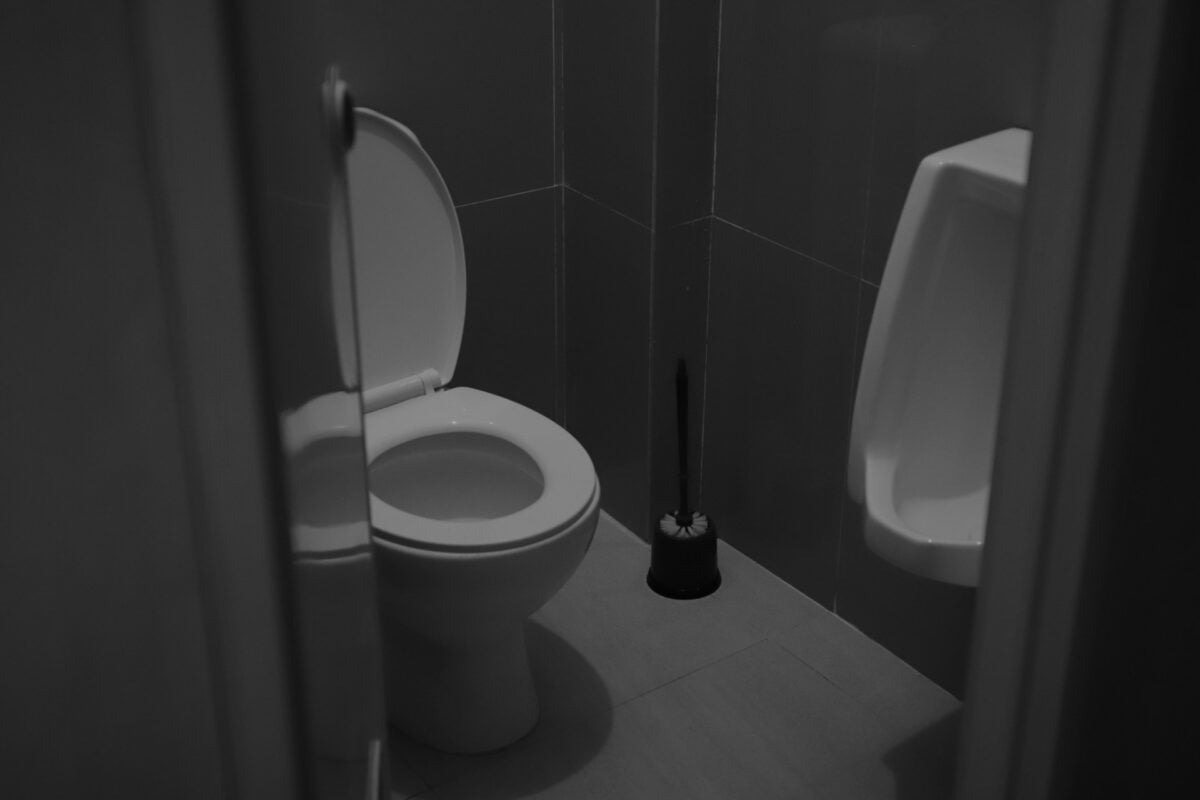
Psycho didn’t just revolutionize horror. It featured the first toilet flush ever heard on screen.
The Motion Picture Production Code had banned showing toilets in films for decades, considering them too crude for audiences. Alfred Hitchcock fought the censors specifically to include that bathroom scene.
The flush was essential to his story, he argued — and somehow, he won.
Pizza Delivery

Someone had to be the first person to order pizza in a movie. (And yet no one thought to document this moment properly — which tells you how ordinary it seemed at the time.)
But the first pizza delivery driver character who actually mattered to the plot, who wasn’t just background scenery holding a box: that was Fast Times at Ridgemont High in 1982, where Sean Penn’s Jeff Spicoli has pizza delivered to his history class because, as he explains to his bewildered teacher, he’s really hungry and learning is hard work.
Barcode Scanning
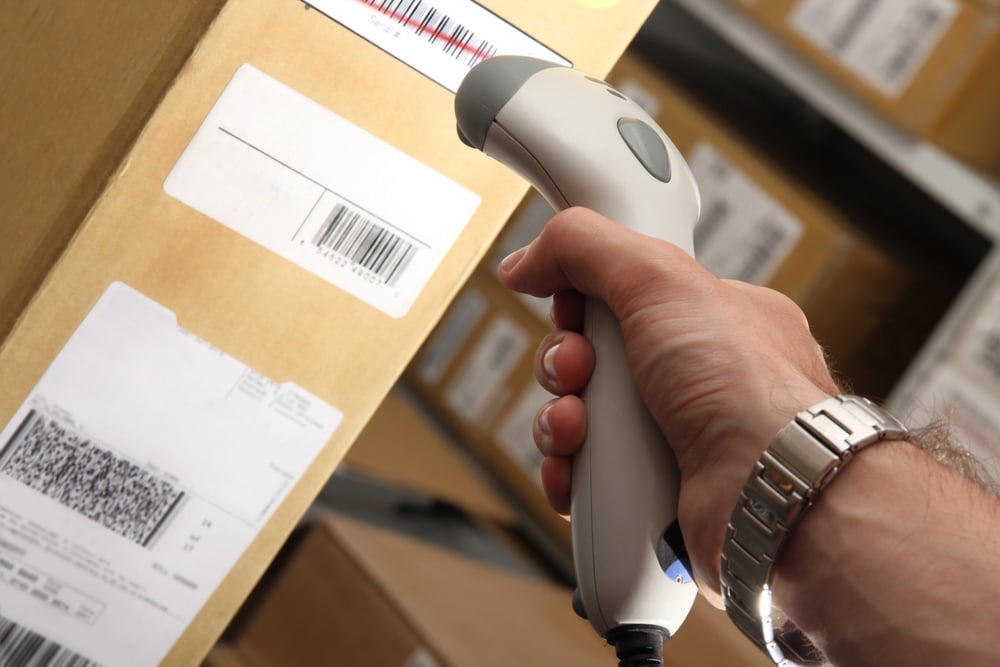
The mundane beep of a checkout scanner — so ordinary now that it barely registers — made its cinematic debut in a moment of pure product placement. The first movie to show someone scanning barcodes was actually a documentary about grocery store technology in 1974, but the first feature film to include the action was The Goodbye Girl in 1977, where Richard Dreyfuss’s character scans soup cans in a brief domestic scene that somehow made it past the editing room.
Cell Phone Use
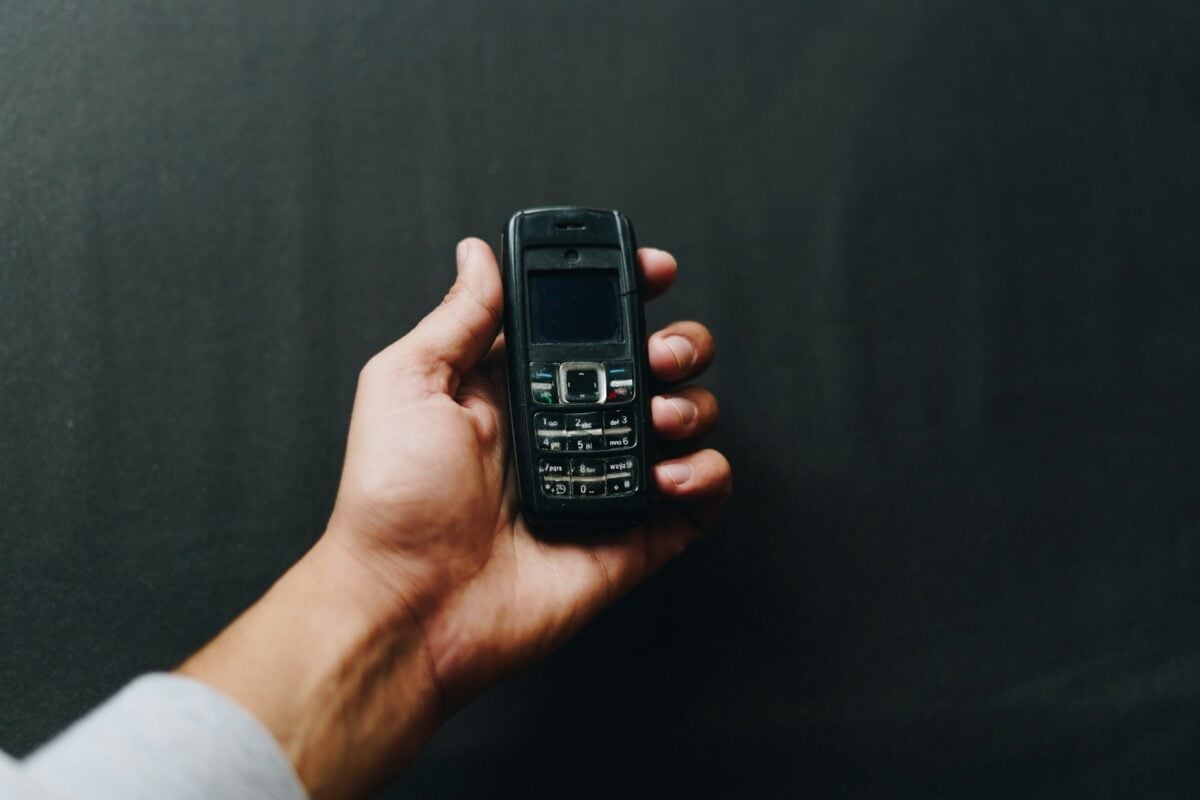
Wall Street didn’t just define 1980s excess; it featured the first cell phone conversation in movie history. Gordon Gekko’s massive Motorola DynaTAC 8000X wasn’t just a prop — it was a real working phone that cost more than most cars at the time.
The scene where Michael Douglas walks along the beach, making deals while the waves crash behind him, established a visual language that every power-hungry character since has borrowed. The phone weighed two pounds and had 30 minutes of battery life, which explains why Gekko looks like he’s lifting weights while he talks.
Credit Card Swiping
Before chip readers and tap payments, there was the satisfying scrape of a magnetic stripe through a card reader. That sound first appeared in a movie during a forgettable romantic comedy from 1983 called Easy Money, where Rodney Dangerfield’s character swipes his credit card at a department store.
The action takes maybe three seconds of screen time, but it marked the moment when electronic payments became normalized enough for Hollywood to treat them as everyday background details.
ATM Transaction
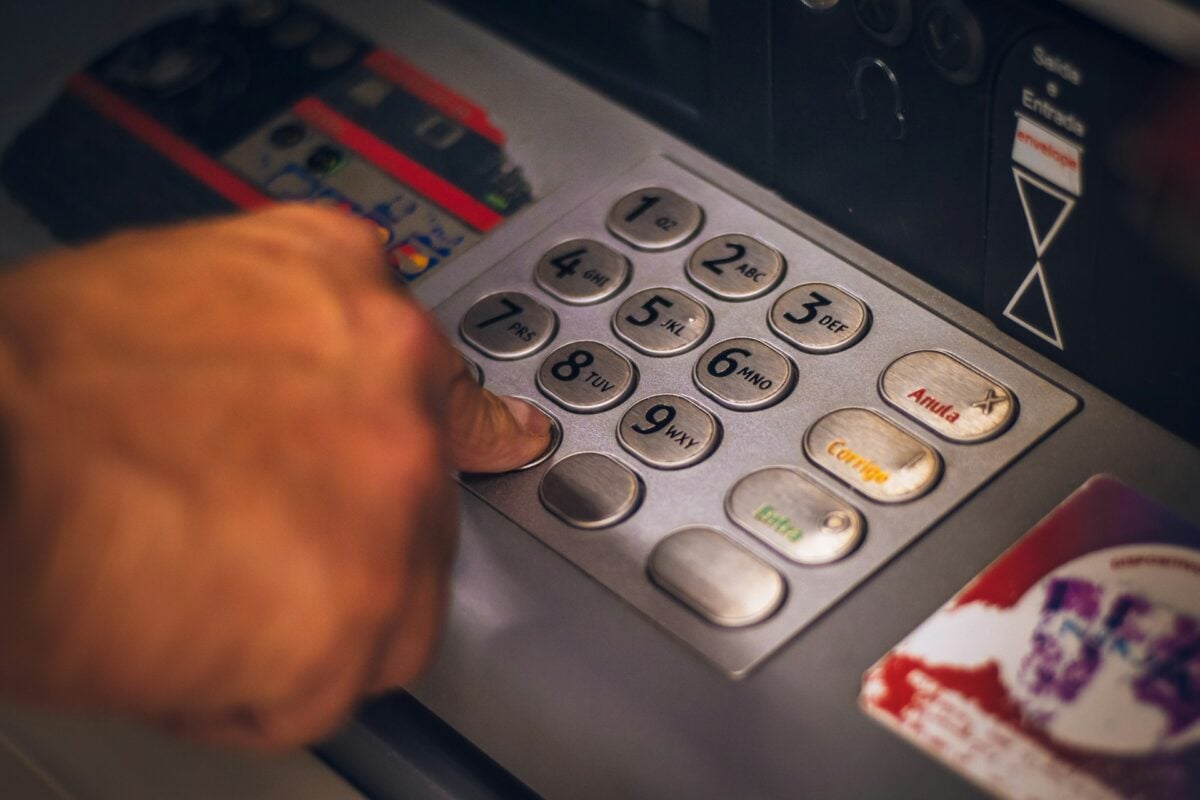
The automated teller machine — that monument to convenience and mild anxiety — made its film debut in a movie that barely anyone remembers. American Gigolo in 1980 shows Richard Gere’s character withdrawing cash from what looks like a primitive computer terminal mounted in a bank wall.
The machine makes mechanical whirring sounds that feel prehistoric now, but at the time, the technology was so new that audiences probably stared at the screen wondering what exactly they were watching.
Video Game Playing
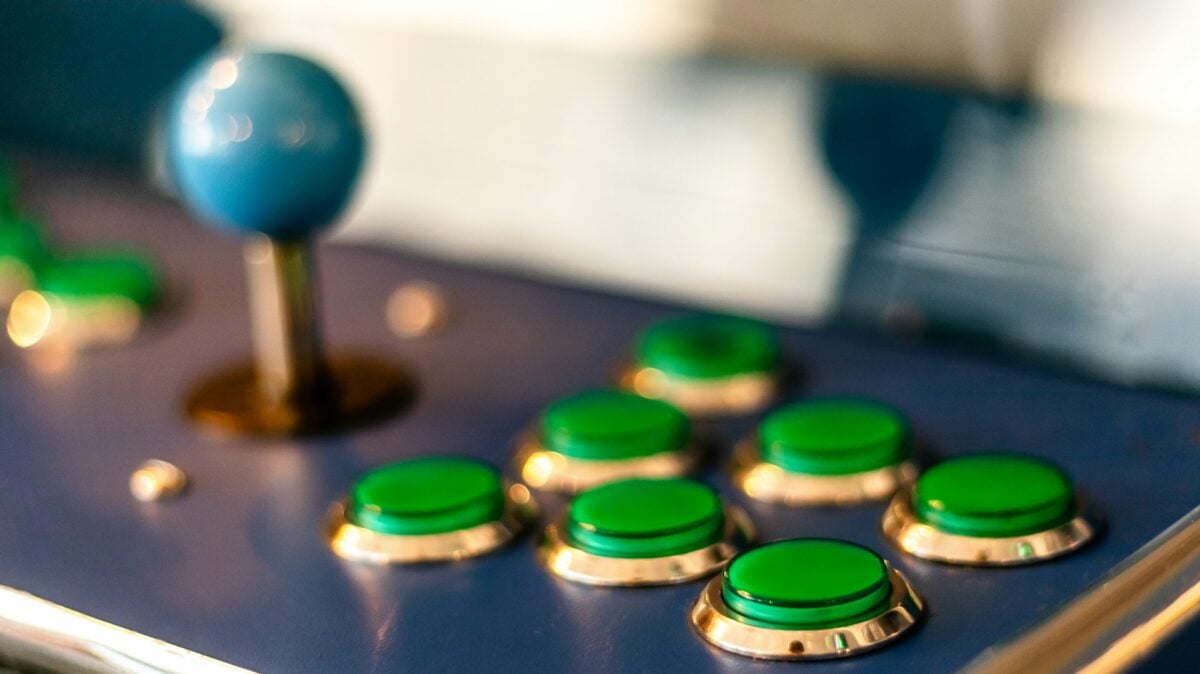
Someone had to be the first movie character to pick up a joystick and play a video game on screen. That honor goes to a child actor in The China Syndrome, who spends exactly 47 seconds playing what appears to be an early arcade game while the adults around him discuss nuclear power plant safety.
The juxtaposition feels accidental, but it perfectly captured the generational divide of 1979: kids embracing electronic entertainment while their parents worried about electronic catastrophe.
Compact Disc Playing
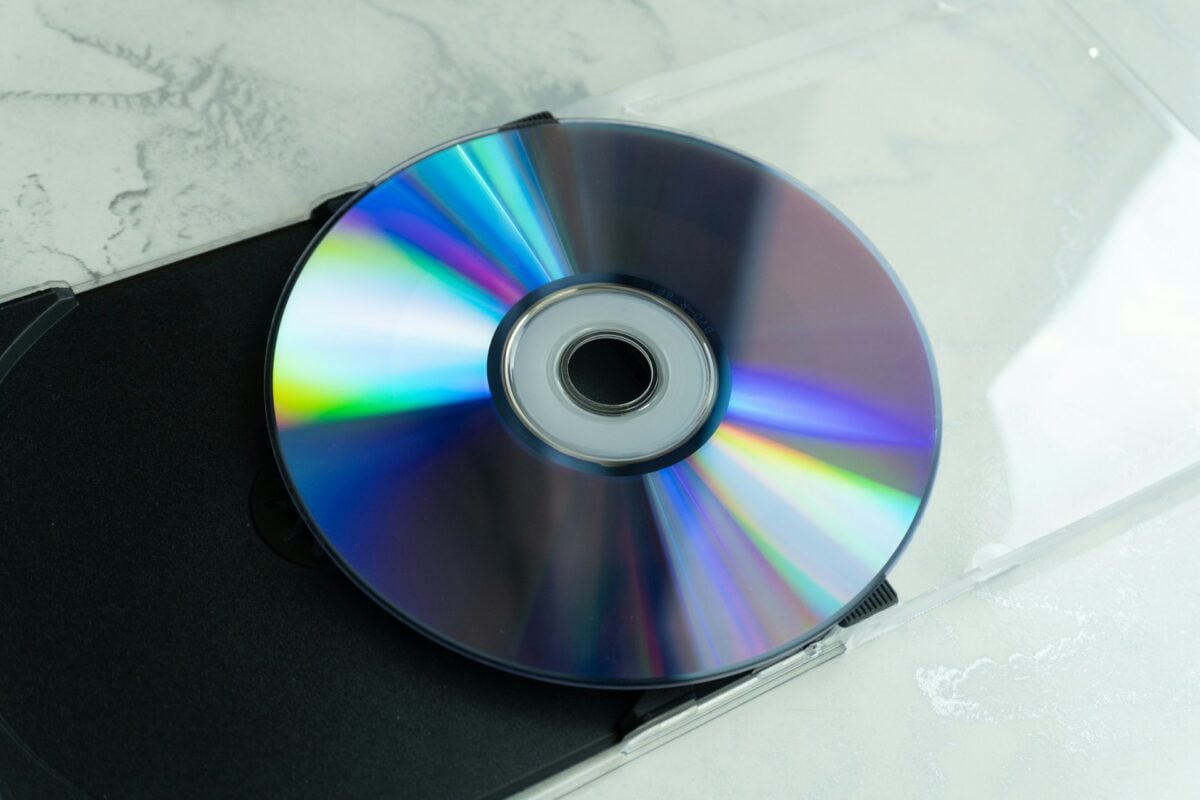
The CD — that perfect circle of digital promise that was supposed to last forever — first appeared in a movie during a brief scene in 1983’s Flashdance. Jennifer Beals’s character slides a disc into a player that looks like it belongs in a science laboratory, and suddenly music emerges with a clarity that vinyl records could never match.
The moment lasts just long enough to establish that she owns expensive audio equipment, but it documented the exact historical instant when physical music media started its journey toward obsolescence.
Fax Machine Operation
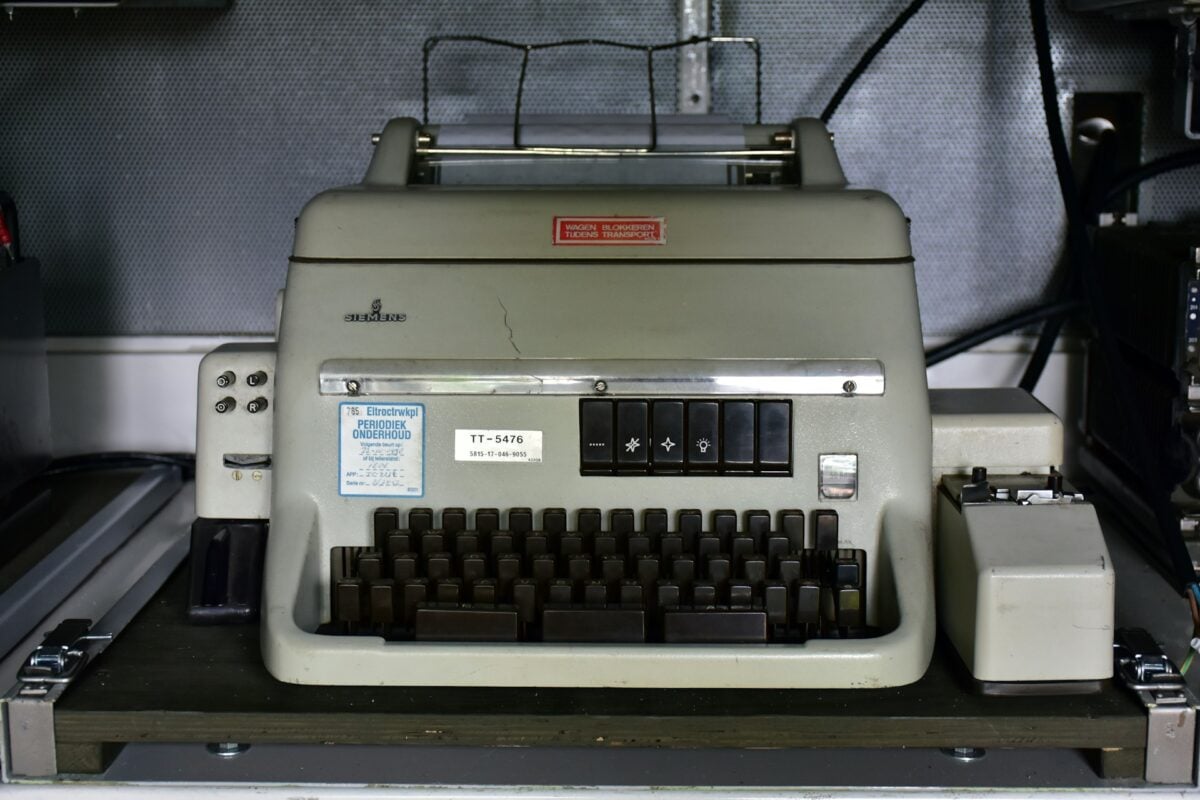
There’s something deeply satisfying about the mechanical rhythm of a fax machine — the dial tone, the handshake screech, the slow emergence of a document from what feels like a teleportation device. Working Girl in 1988 featured the first scene of someone actually operating a fax machine as a plot point, where Melanie Griffith’s character discovers her boss’s deception through intercepted fax transmissions.
The technology was so new that the movie had to show the entire process step by step, like a user manual disguised as drama.
VCR Programming
Programming a VCR to record shows became the defining technical challenge of the 1980s, a task so notoriously difficult that “12:00” flashing endlessly became a cultural punchline. The first movie to show someone successfully programming a VCR was Baby Boom in 1987, where Diane Keaton’s character sets up a recording system for her advertising presentations.
The scene demonstrates her professional competence by showing her mastering technology that defeated most adults, though the actual button-pressing sequence required three takes because even the actress couldn’t figure out the remote control.
Computer Password Entering
The ritual of typing a password — that moment of mild tension where you hope your fingers remember what your brain forgot — first appeared on screen in WarGames in 1983. Matthew Broderick’s character doesn’t just hack into computer systems; he demonstrates the emerging reality that access to information would soon be controlled by secret combinations of letters and numbers.
The movie treated password protection as science fiction, but it was actually documenting the birth of digital privacy.
Microwave Cooking
The microwave oven transformed kitchens by making cooking feel like operating a laboratory instrument — precise timing, electromagnetic radiation, food that emerged hot on the outside and frozen in the middle. The first movie to show someone actually cooking with a microwave was Ordinary People in 1980, where Mary Tyler Moore’s character heats up a casserole with the kind of efficiency that was supposed to represent modern living.
The scene emphasizes convenience over tradition, which perfectly matched the character’s emotional priorities.
Remote Control Channel Surfing
Channel surfing — that restless clicking through options, searching for something better than what you’re currently watching — became its own form of entertainment. The first movie to show someone channel surfing was actually about channel surfing: Being There in 1979, where Peter Sellers’s character discovers television and becomes mesmerized by his power to change reality with the click of a button.
The metaphor was heavy-handed, but the behavior was perfectly documented: the birth of remote control as a tool for constant dissatisfaction.
Answering Machine Playback
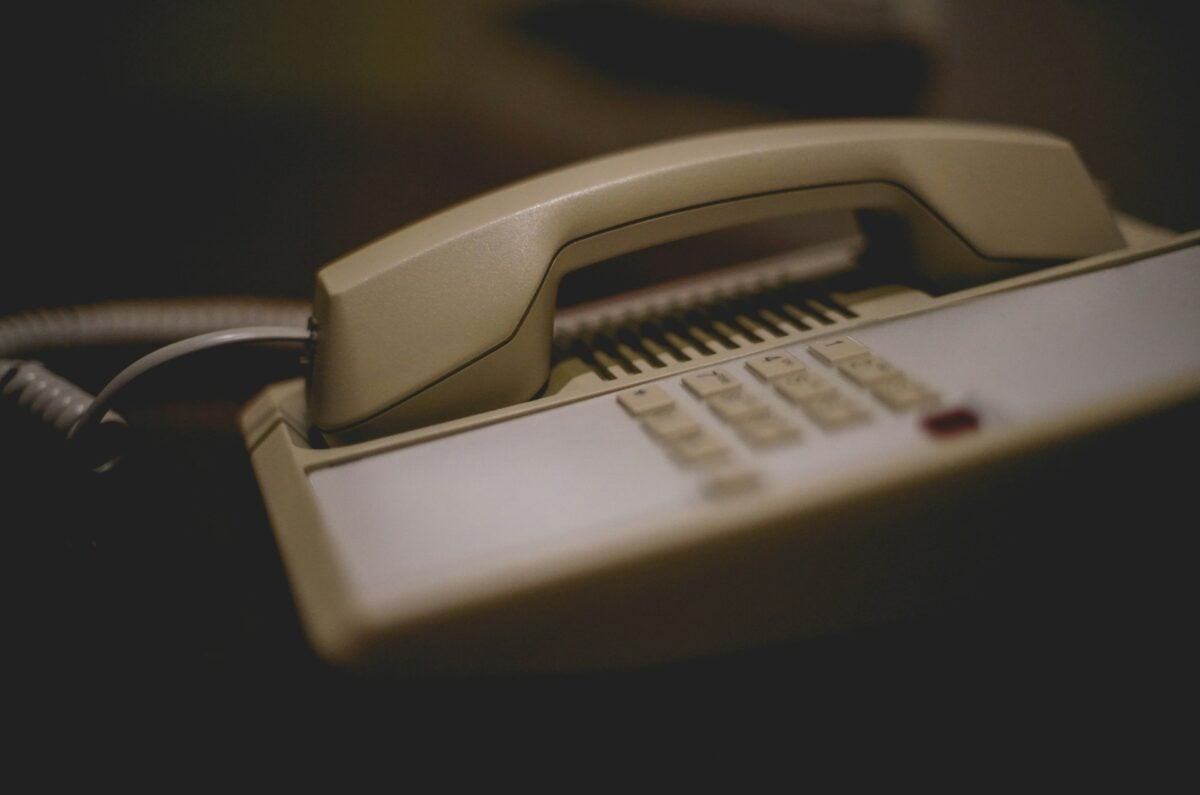
The answering machine created a new form of dramatic tension: the dreaded blinking light that might contain messages you don’t want to hear. The first movie to use answering machine playback as a major plot device was Blow Out in 1981, where John Travolta’s character discovers evidence of conspiracy through recorded phone messages.
The technology was so new that the movie had to establish the rules — how the machines worked, why people used them, what happened to messages after you played them.
Laser Barcode Price Checking
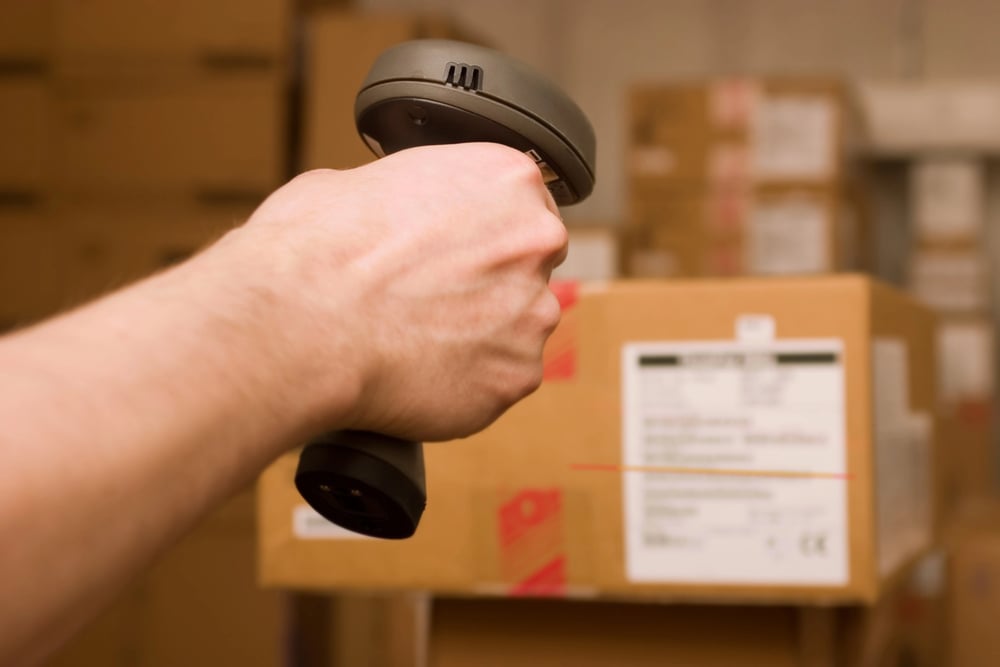
The supermarket price scanner evolved from simple barcode readers into laser-powered verification systems that could read codes from impossible angles while making science fiction sound effects. The first movie to show laser price scanning was Mr. Mom in 1983, where Michael Keaton’s character struggles with grocery shopping using technology that makes every purchase feel like a spaceship docking procedure.
The comedy came from watching someone learn to navigate retail automation, but it captured the exact moment when shopping became a high-tech experience.
Where Ordinary Moments Become History
These firsts remind you that someone always has to be the pioneer, even for actions that feel timeless. Every mundane technology was once revolutionary enough to confuse movie characters and audiences alike.
The moments when movies first showed people programming VCRs or swiping credit cards weren’t trying to make history — they were just reflecting the world around them, one beep and click at a time.
More from Go2Tutors!

- The Romanov Crown Jewels and Their Tragic Fate
- 13 Historical Mysteries That Science Still Can’t Solve
- Famous Hoaxes That Fooled the World for Years
- 15 Child Stars with Tragic Adult Lives
- 16 Famous Jewelry Pieces in History
Like Go2Tutors’s content? Follow us on MSN.