15 Historical Lasts That Made Us Say ‘Really?’
History books tend to focus on firsts. The first person to climb Everest, the first flight, the first moon landing.
But there’s something oddly fascinating about lasts — those final moments when something familiar disappeared forever, often without anyone realizing how significant that moment would become. Some historical lasts are exactly what you’d expect: solemn, ceremonial, marked with appropriate gravity.
Others? Well, they’re the kind that make you pause and wonder if history has a sense of humor.
The Last Public Execution by Guillotine

France ended public executions in 1939, but the guillotine itself kept working until 1977. The last person executed by guillotine was Hamida Djandoubi, a Tunisian immigrant convicted of murder.
This happened the same year Star Wars premiered. The juxtaposition feels impossible — Luke Skywalker learning about the Force while France was still using an 18th-century execution device.
The Last Known Speaker of Ubykh
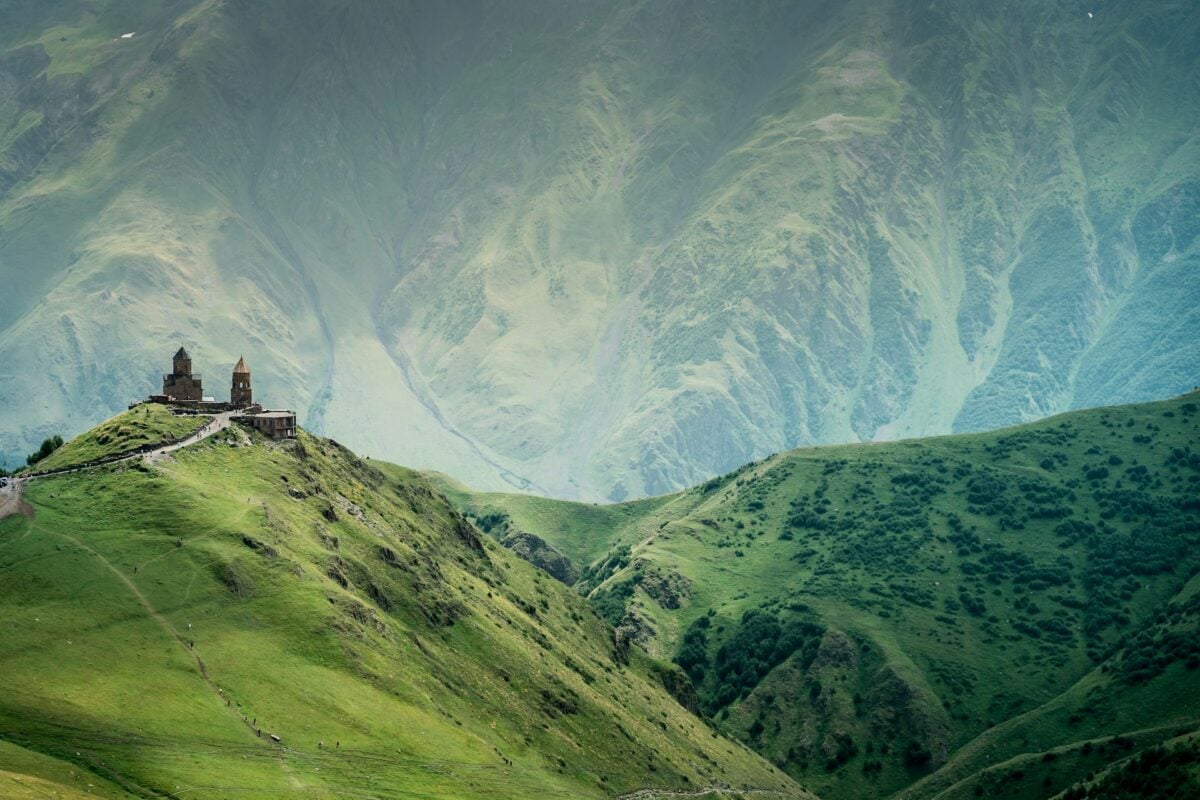
Tevfik Esenç died in Turkey in 1992, taking an entire language with him. Ubykh had been spoken in the Caucasus region for centuries, but political upheaval scattered its speakers.
Esenç spent his final years working with linguists, desperately trying to preserve what he could. When he died, so did the last native understanding of a language that had 84 consonants — more than any other known language.
The Last Tasmanian Tiger
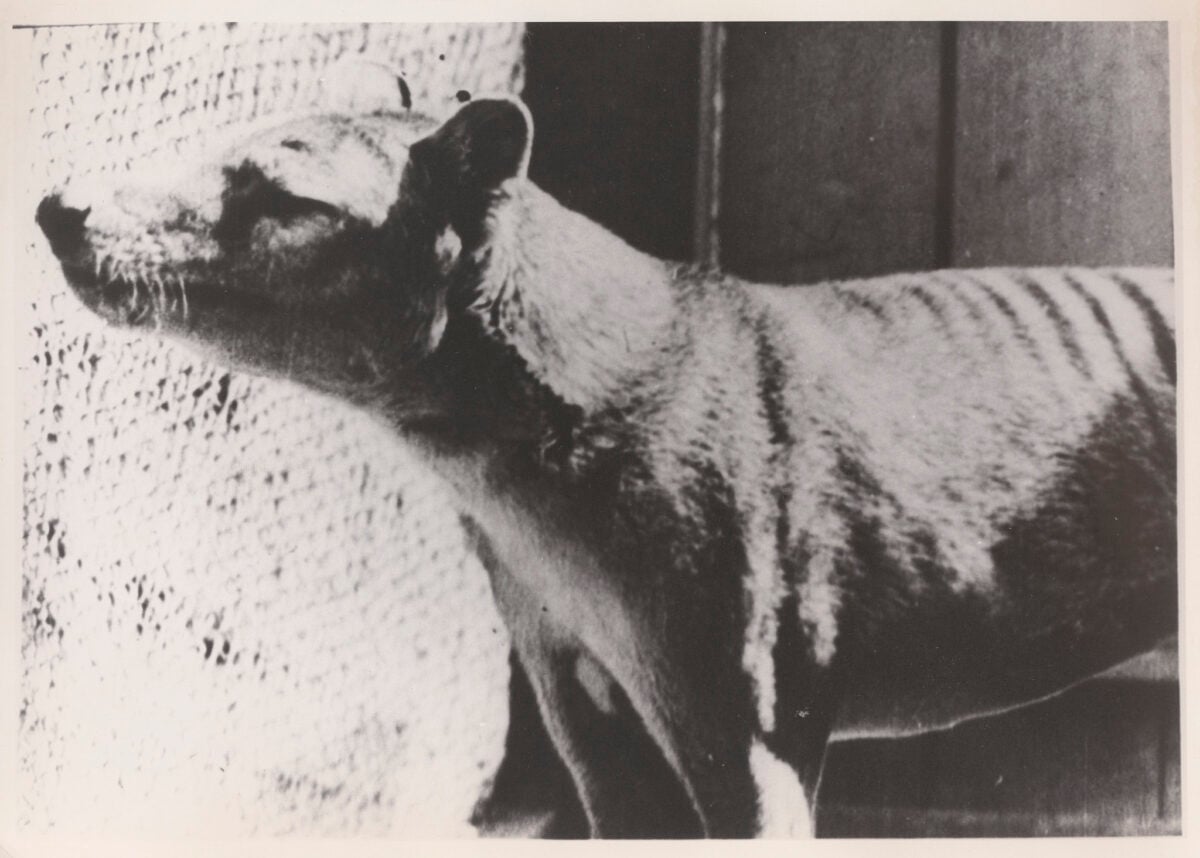
Benjamin (the name given later, because someone decided the last of a species needed a proper name) died in Hobart Zoo on September 7, 1936. The thylacine had survived ice ages and continental drift, but couldn’t survive European settlement.
What makes this particularly bitter is that Benjamin died just 59 days after the Tasmanian government finally granted the species protected status — which, frankly, is the kind of bureaucratic timing that would be funny if it weren’t so tragic, and tragic even though it’s darkly amusing in that way that makes you question whether the universe has a particularly cruel sense of irony. And the footage of Benjamin pacing in that concrete enclosure — grainy, black and white, but unmistakably real — feels like watching a ghost who doesn’t know he’s already dead.
The way he opens his jaw impossibly wide, that signature yawn that no one will ever see again except in those few minutes of film that somehow survived when the animal itself couldn’t.
The Last Person Born Into Slavery
The mathematics of human lifespans can be startling. Sylvester Magee claimed to be born into slavery in 1841 and lived until 1971.
If his birth year was accurate, this man experienced both the antebellum South and the moon landing. Historical verification remains disputed, but several people born into slavery definitely lived into the 1960s and 70s.
The Last Wild Aurochs
The aurochs — the massive wild cattle that once roamed Europe — went extinct in 1627 when the last individual died in Poland’s Jaktorów Forest. This wasn’t some prehistoric extinction either.
People were walking around in powdered wigs and founding American colonies while the genetic ancestor of all domestic cattle was breathing its last breath in a Polish forest.
The Last Messenger Pigeon Service
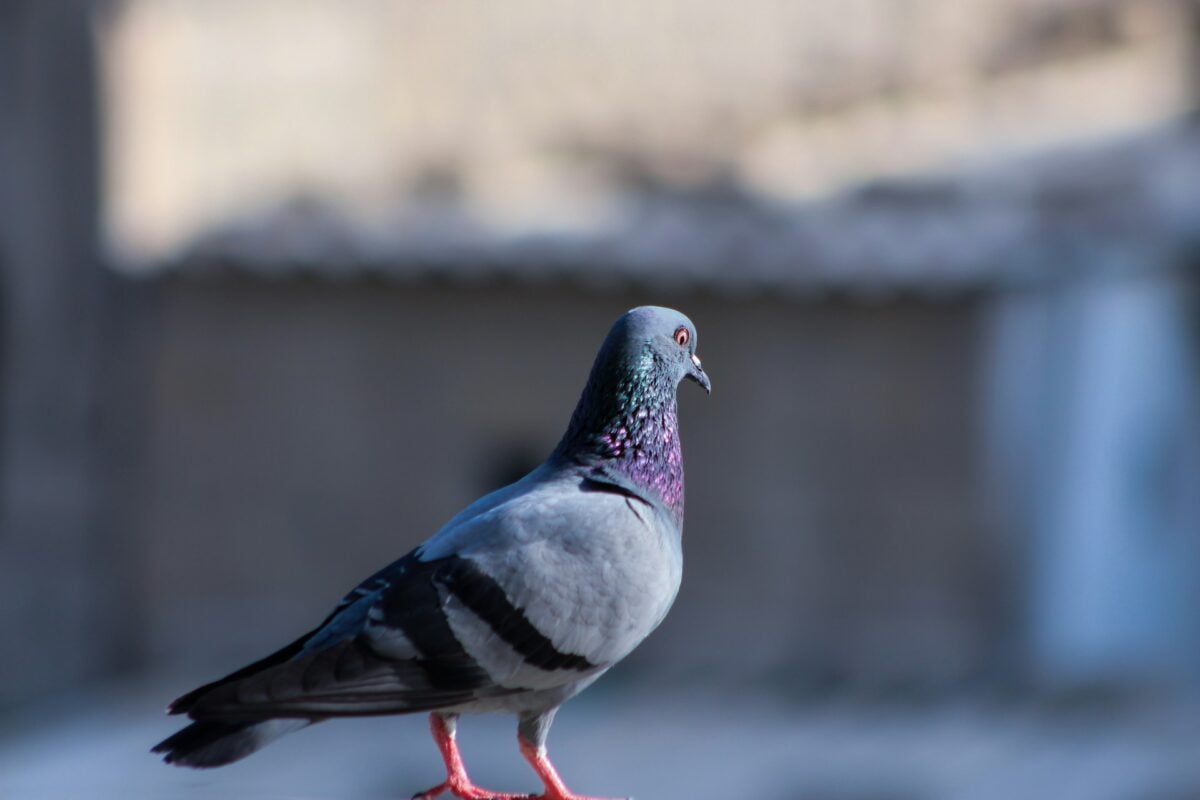
New Zealand discontinued its last official pigeon post service in 1908, but isolated communities kept using them much longer. The final commercial pigeon message service ended in Switzerland in 1996.
Picture it: the same year people were getting excited about this new thing called the internet, someone in Switzerland was still sending messages by bird. Technology doesn’t advance evenly.
The Last Blockbuster Video

Everyone knows Blockbuster died, but the actual last store feels like a museum exhibit that’s still operating. Located in Bend, Oregon, it continues renting DVDs in 2024 — not as a nostalgic stunt, but because people in the area still want to rent movies the old way (and because the internet infrastructure there makes streaming unreliable, which creates the peculiar situation where a “obsolete” technology remains more practical than its “superior” replacement).
The store has become a tourist attraction, complete with visitors taking selfies next to the comedy section, but locals still browse the new releases like it’s 2003. So streaming conquered the world except for one small town in Oregon where people still argue about late fees.
The Last Person to Leave Earth’s Surface
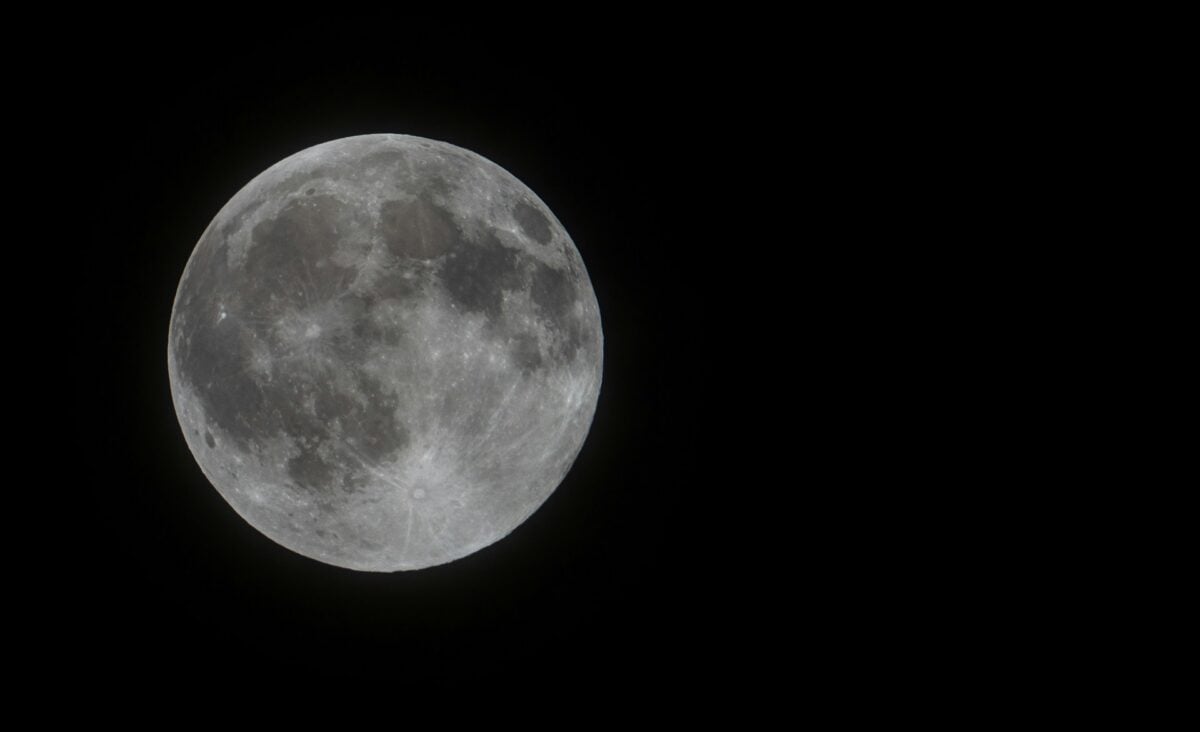
Every Apollo mission had someone who stayed behind — the command module pilot who orbited alone while his crewmates walked on the moon. For Apollo 17, that was Ronald Evans.
When Eugene Cernan and Harrison Schmitt blasted off from the lunar surface in December 1972, Evans was the last person to leave the vicinity of another world. He spent three days orbiting the moon by himself, more isolated from humanity than anyone had ever been.
The Last Duel in France

France banned dueling in 1547, then kept not enforcing the ban for nearly 400 years. The last recorded duel happened in 1967 — yes, 1967 — between Gaston Defferre and René Ribière, both members of parliament.
They fought with swords over an insult during a legislative session. Defferre won.
Both men returned to parliament the next day and continued their political careers.
The Last Captive Passenger Pigeon
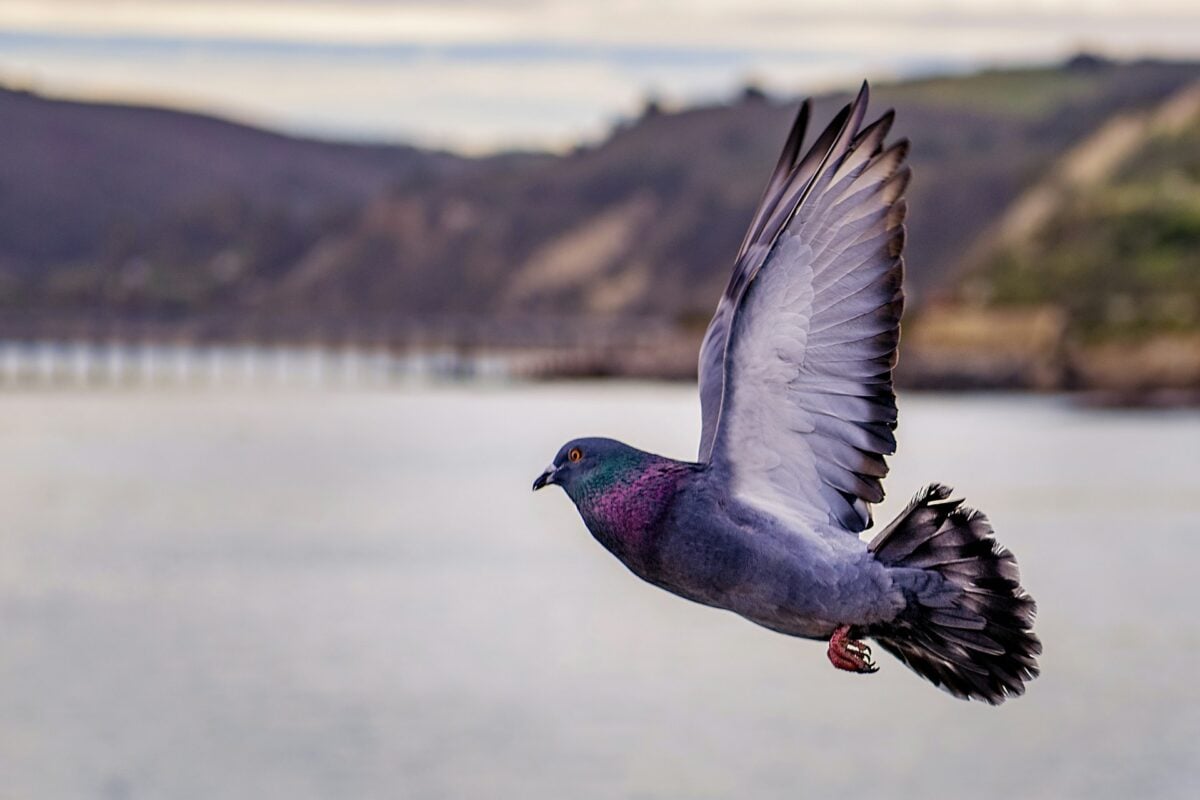
Martha died at the Cincinnati Zoo on September 1, 1914. She was the final passenger pigeon, ending a species that had once numbered in the billions.
Passenger pigeons had formed flocks so large they darkened the sky for hours — John James Audubon described one flock that took three days to pass overhead. From billions to zero in roughly fifty years.
What’s particularly unsettling is that Martha lived in the same enclosure where the last Carolina parakeet would die four years later (because apparently the Cincinnati Zoo had cornered the market on housing the final representatives of extinct American bird species, which seems like either the worst luck or the most specialized expertise in zoological history, depending on how you look at it). And the thing about Martha is that everyone knew she was the last — there was no mystery, no hope for a hidden population somewhere else.
She lived for years as a tourist attraction, people pointing and staring at the final member of a species that had once been the most abundant bird in North America. The loneliness of that existence, assuming birds can feel loneliness, would have been absolute.
The Last Telegram
Western Union sent its final telegram in 2006. The last official message was fittingly mundane — probably someone’s birthday greeting or business confirmation rather than the dramatic wartime communications telegrams are remembered for.
The death of the telegram meant the end of those urgent yellow envelopes that had delivered both terrible news and wonderful surprises for over 150 years.
The Last Cavalry Charge
The U.S. Army’s last official cavalry charge happened in 1942 in the Philippines during World War II. The 26th Cavalry Regiment, mounted on horses, charged Japanese positions on the Bataan Peninsula.
Machine guns versus horses — the medieval colliding with the modern in the most lopsided way possible.
The Last Neanderthal

Neanderthals disappeared around 40,000 years ago, but recent evidence suggests small populations survived in isolated pockets until as recently as 28,000 years ago. Somewhere in what is now Gibraltar or southern Spain, the last Neanderthal died.
They had survived ice ages, competed with early humans, developed tools and culture — then vanished. That final individual carried the end of a lineage stretching back hundreds of thousands of years.
The Last Naturally Occurring Case of Smallpox

Ali Maow Maalin, a hospital cook in Somalia, developed smallpox in October 1977. He recovered, making him the last person to naturally contract a disease that had killed millions throughout human history.
Smallpox now exists only in laboratory freezers — the first disease deliberately eradicated by human effort.
The Last Person to Remember When None of This Existed
The final telegram. The last duel.
The last cavalry charge. Each of these endings happened within living memory, yet they feel impossibly distant.
Someone alive today witnessed the end of practices that had persisted for centuries, watched the final curtain fall on ways of life that once seemed permanent. These lasts remind us that the world changes faster than we notice, and that significance often becomes clear only in hindsight.
The last person to do something rarely knows they’re making history — they’re usually just going about their day, unaware that they’re closing a chapter that will never be reopened.
More from Go2Tutors!

- The Romanov Crown Jewels and Their Tragic Fate
- 13 Historical Mysteries That Science Still Can’t Solve
- Famous Hoaxes That Fooled the World for Years
- 15 Child Stars with Tragic Adult Lives
- 16 Famous Jewelry Pieces in History
Like Go2Tutors’s content? Follow us on MSN.



