Museums Dedicated to the Bizarre
Ancient artifacts, well-known paintings, and dinosaur bones are the staples of most museums.
The typical cultural treasures that give you a sense of sophistication and education, you know.
However, there are museums all over the world that have taken a drastic detour into the incredibly bizarre.
From failed relationships to instant noodles to things that are simply unnerving, these establishments celebrate things that most other institutions would never think worthy of being on display.
They demonstrate that if someone is passionate enough about something to fill an entire building with related artifacts, almost anything can become worthy of being displayed in a museum.
The pure, unapologetic strangeness that makes you laugh, cringe, or scratch your head in confusion is something that traditional museums cannot provide.
You won’t believe these 15 museums about the strange actually exist.
Museum of Bad Art
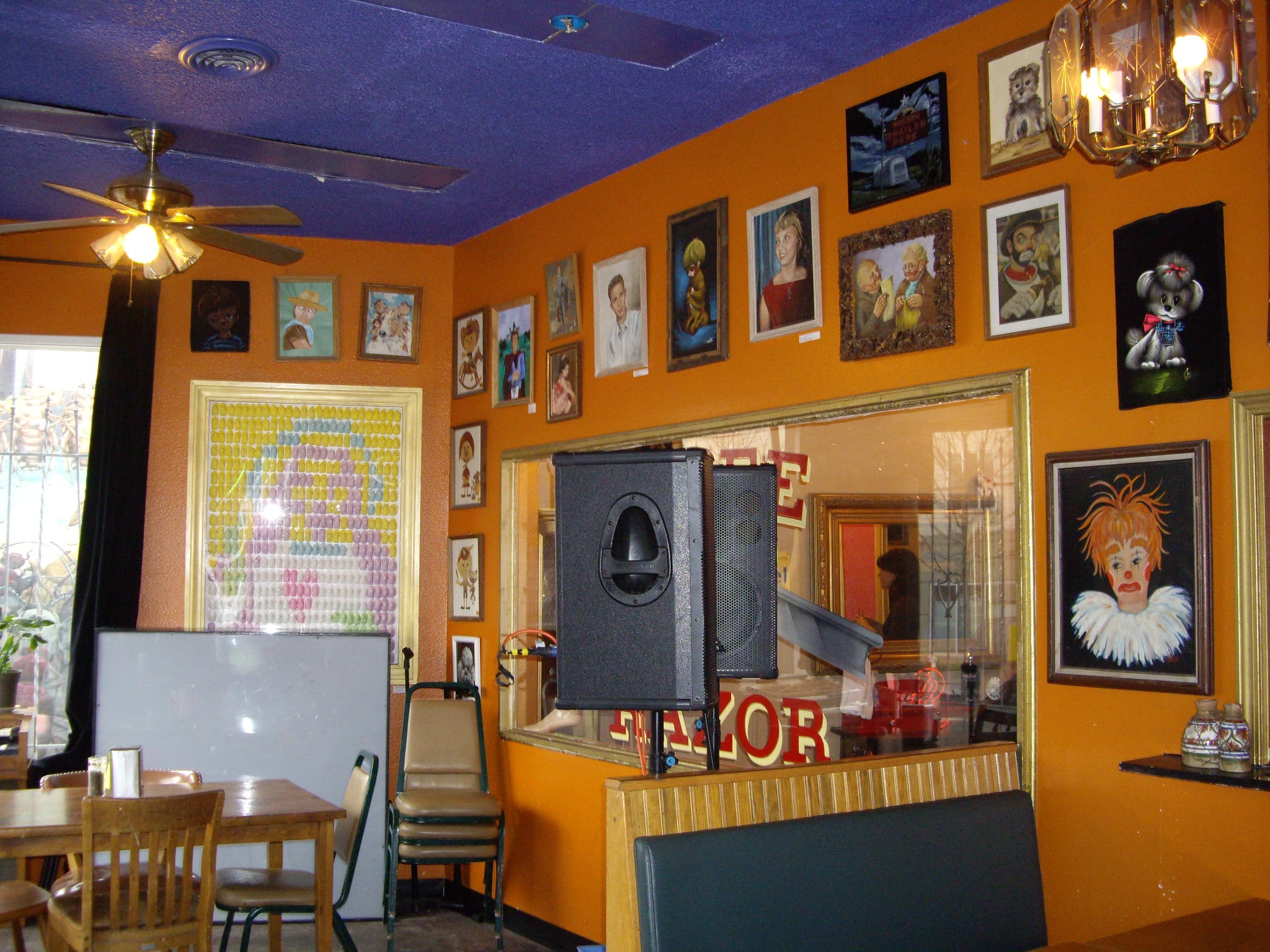
Massachusetts is home to a museum that celebrates art too terrible to ignore.
Screens today are sharper, brighter, and more detailed than anything from decades past.
The Museum of Bad Art, known as MOBA, was founded in 1993 by Scott Wilson and Marie Jackson and has collected over 600 pieces that were literally rescued from dumpsters, curbsides, and thrift stores.
They don’t accept just any lousy artwork though—the pieces must be original and created with genuine intent, not ironic attempts at being bad.
The museum has relocated several times over the years, and as of 2025, exhibits rotate between various community venues rather than occupying a single permanent building.
Museum of Broken Relationships

Zagreb, Croatia hosts a museum entirely dedicated to the wreckage of failed romances.
Founded in 2006 by artists Olinka Vištica and Dražen Grubišić, the museum invites people from around the world to donate mementos from their ended relationships, each accompanied by a brief note explaining its significance.
The collection includes everything from wedding rings to an axe used to destroy a cheating partner’s furniture.
What started as a joke between the two founders after their own breakup has grown into an international phenomenon, with a second branch opening in Los Angeles in 2016.
Like Go2Tutors’s content? Follow us on MSN.
Hair Museum

Deep in the caves beneath a pottery studio in Avanos, Turkey, you’ll find something truly creepy.
The Chez Galip Hair Museum displays locks of hair from more than 16,000 women, covering nearly every surface except the floor.
Potter Chez Galip started the collection in 1979 when a friend gave him a strand of her hair as a farewell souvenir.
When he told the story to other visitors, they started leaving their own hair samples, and the collection just kept growing.
Guinness World Records has recognized it as one of the largest collections of its kind, turning this hairy underground haven into a legitimate tourist attraction.
Mütter Museum
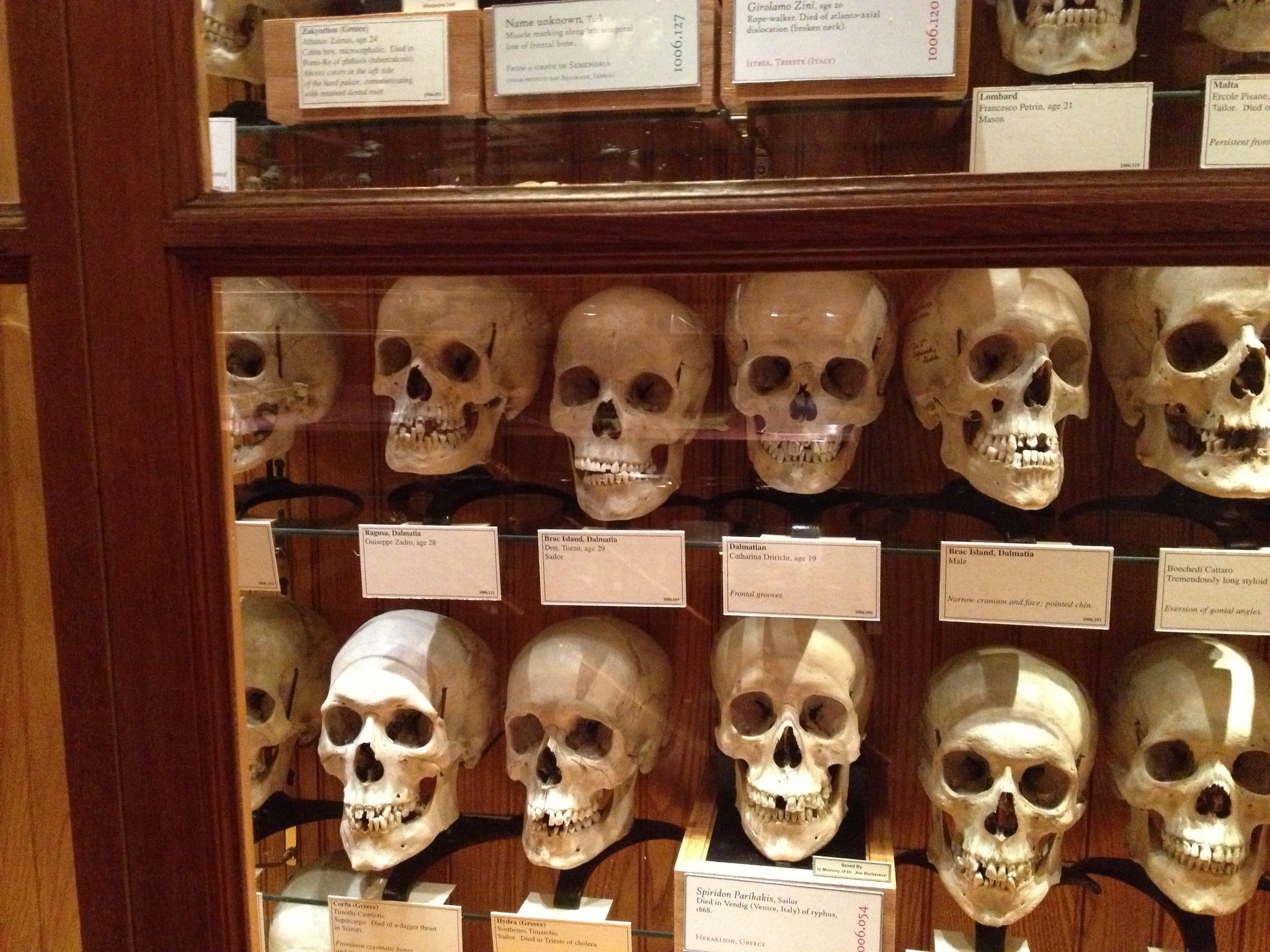
Philadelphia’s Mütter Museum is a wonderland of medical oddities that’s not for the squeamish.
Officially part of The College of Physicians of Philadelphia, the museum was founded in 1863 and now houses over 25,000 anatomical specimens.
The collection ranges from a skeleton of a man who stood seven feet six inches tall to preserved organs with rare diseases.
Highlights include authentic slides of Albert Einstein’s brain, President Grover Cleveland’s jaw tumor, and the famous Soap Lady whose body turned into an adipocere-preserved specimen after burial.
Underwater Museum of Art
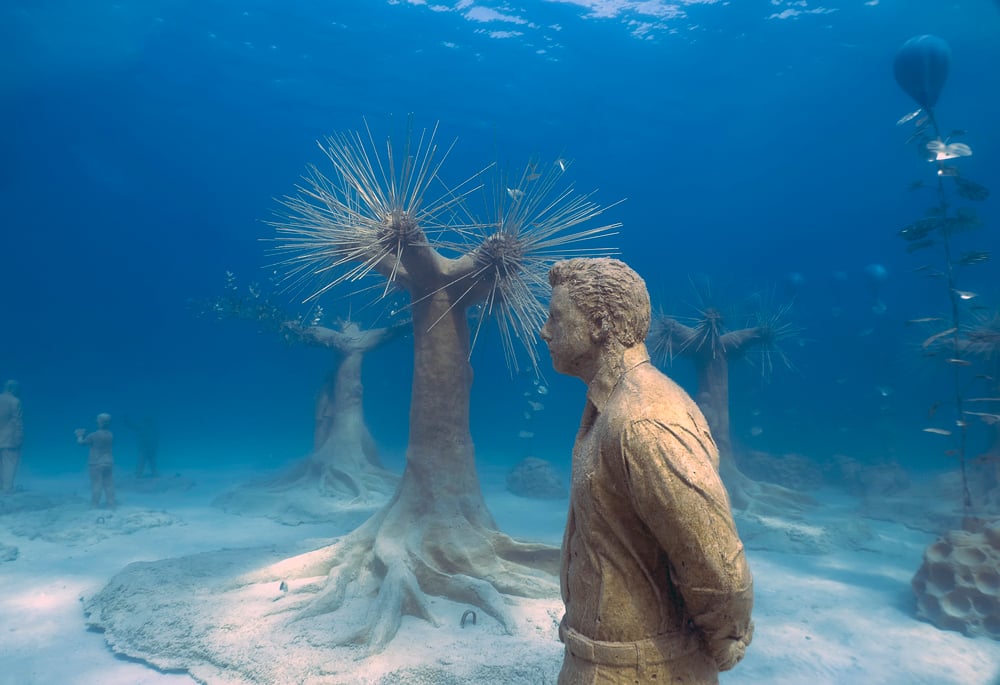
Cancun, Mexico offers a museum experience that requires snorkeling gear or scuba equipment.
The Museo Subacuático de Arte, known as MUSA, opened in 2009 and features over 500 sculptures created by artist Jason deCaires Taylor and installed on the ocean floor at depths between 26 and 33 feet.
Visitors can swim among the submerged artworks, which depict residents and celebrities from the region.
The sculptures are made from special marine-friendly materials that encourage coral growth, meaning the artworks constantly change appearance as sea life colonizes them, eventually transforming the museum into a thriving artificial reef.
Like Go2Tutors’s content? Follow us on MSN.
Cup Noodles Museum
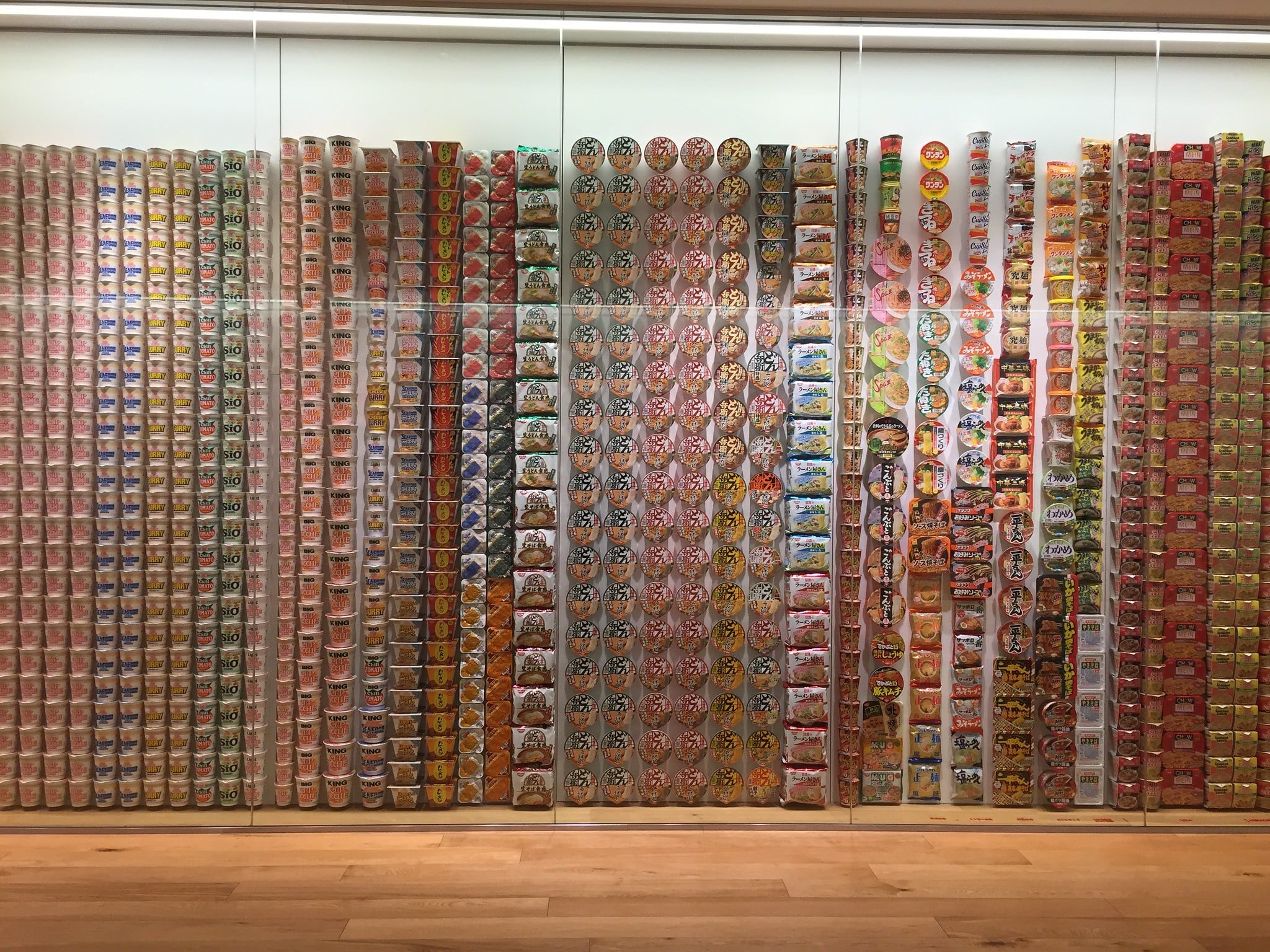
Japan takes its instant ramen seriously enough to dedicate entire museums to it.
The first Cup Noodles Museum opened in Ikeda in 1999, celebrating inventor Momofuku Ando who founded Nissin Foods and created the world’s first instant noodles.
Visitors can walk through a tunnel displaying 800 different instant noodle packages from around the world, learn about the evolution from chicken ramen to space ramen, and even customize their own Cup Noodles package at a special design station.
Vent Haven Museum

Fort Mitchell, Kentucky houses the world’s only museum dedicated to ventriloquism.
Founded by W.S. Berger in the 1910s and officially opened to the public in 1973, Vent Haven now displays more than 1,100 retired ventriloquist dummies, including some used by famous performers from the art form’s heyday in the 1950s and 1960s.
Walking into a room filled with hundreds of wooden puppets staring back at you creates an undeniably eerie atmosphere.
The museum remains semi-private, requiring visitors to book tours 48 hours in advance.
International Spy Museum
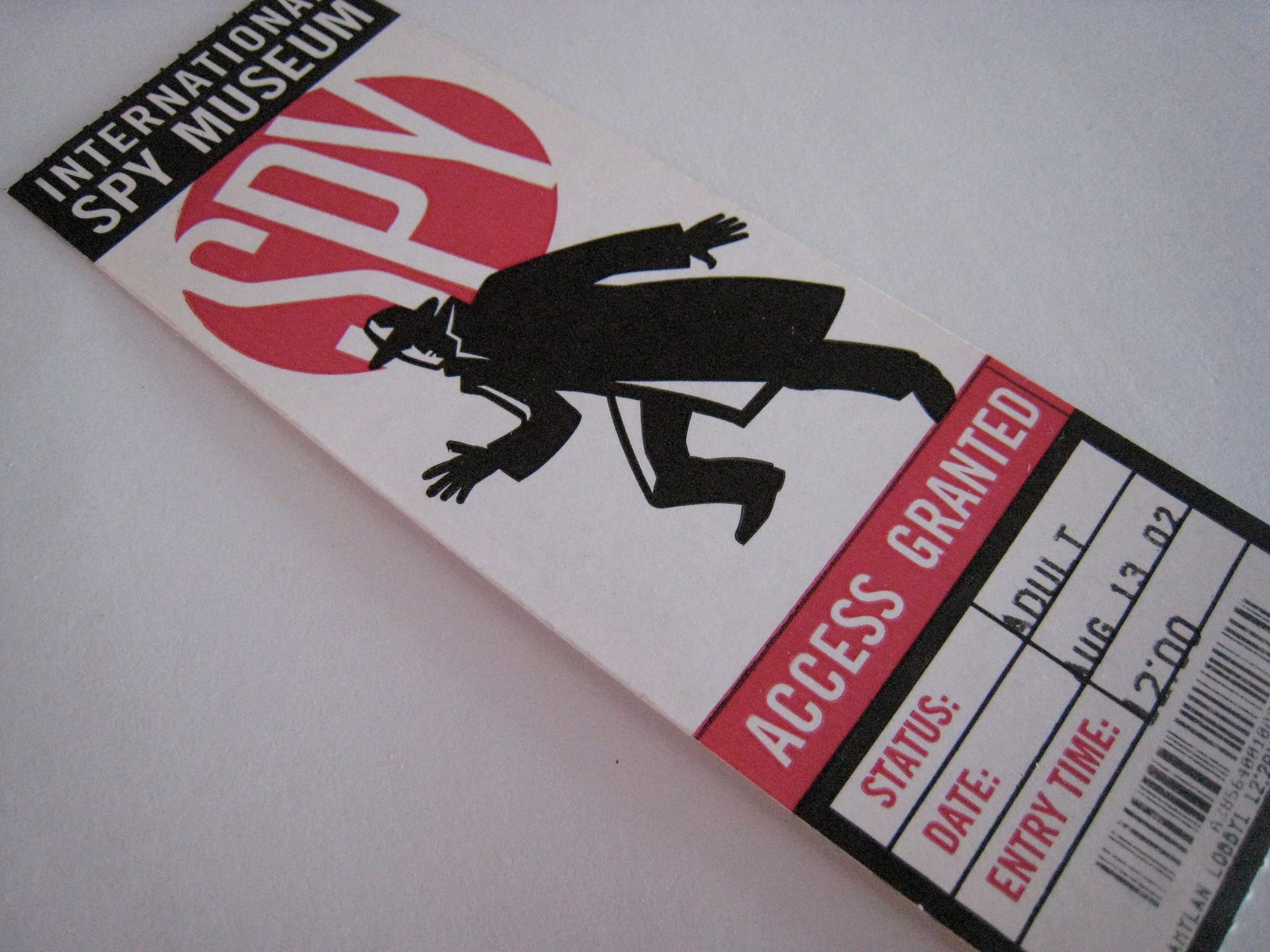
Washington DC’s International Spy Museum lets visitors explore the real world of espionage through an extensive collection of spy tools and gadgets.
The private nonprofit museum opened in 2002 and relocated to a larger facility near L’Enfant Plaza in 2019.
The exhibits include lipstick pistols, hidden cameras, and various surveillance devices used by actual intelligence agencies, though the museum itself isn’t affiliated with any government spy organization.
Interactive displays allow guests to try cracking codes, spotting forgeries, and learning about famous spy operations throughout history.
Like Go2Tutors’s content? Follow us on MSN.
Dog Collar Museum
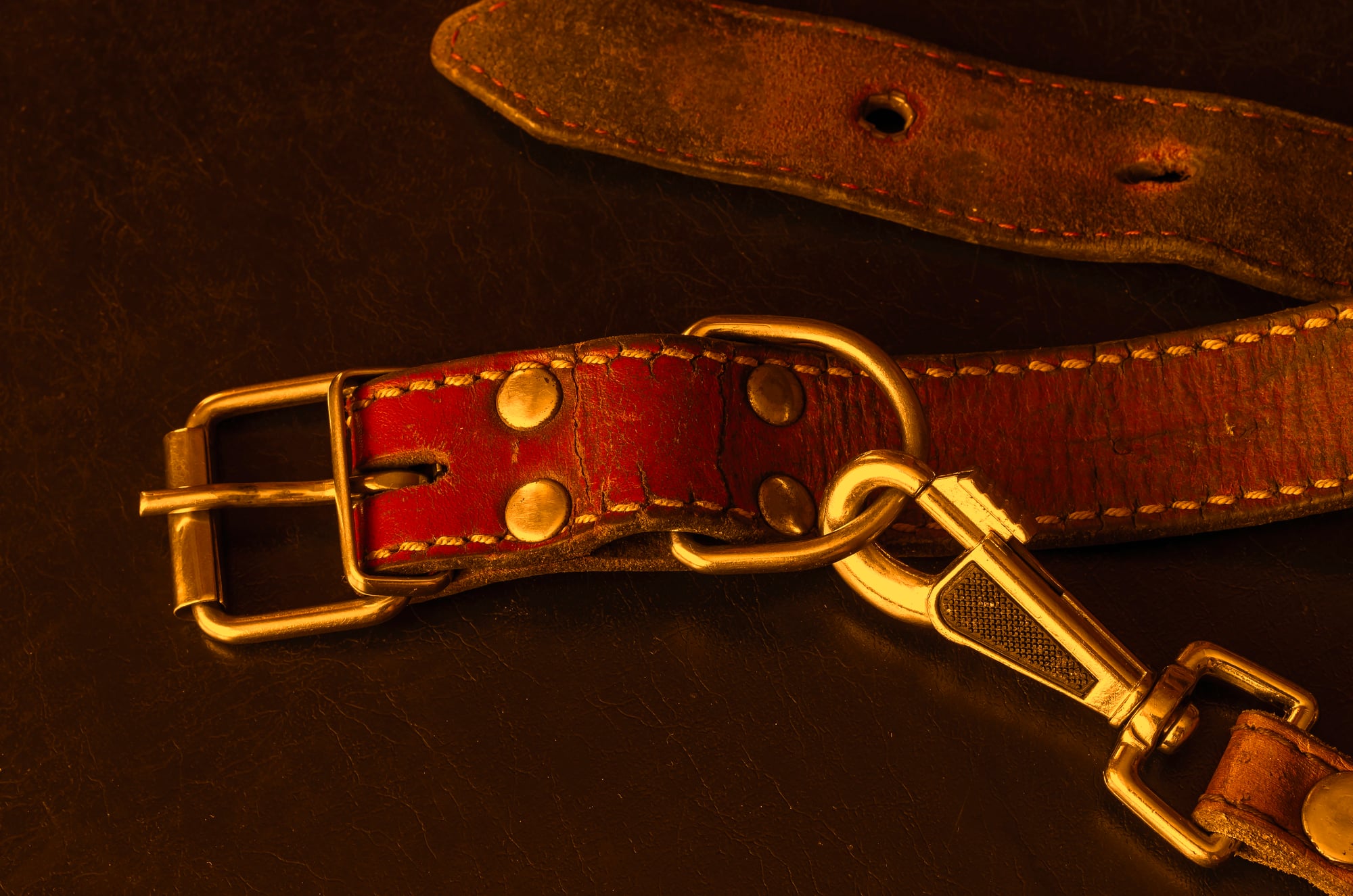
Leeds Castle in Kent, England contains a surprisingly comprehensive museum dedicated entirely to dog collars.
The Dog Collar Museum opened in 1977 and showcases more than 130 collars spanning from the fifteenth through twentieth centuries.
Visitors can see a fifteenth-century collar worn by Spanish hunting dogs to protect their necks from bears, ornate gilt designs from the baroque period, and elegant silver collars from the nineteenth century.
The museum was founded when collector Gertrude Hunt donated her beloved collection to the castle.
Sulabh International Museum of Toilets
New Delhi, India hosts a museum that traces the evolution of toilets across 4,500 years of human history.
Founded in 1992 by Dr. Bindeshwar Pathak, who also established the Sulabh Sanitation and Social Reform Movement, the museum displays everything from simple ancient chamber pots to elaborately decorated Victorian toilet seats.
The exhibits show how toilets vary around the world and include features ranging from the practical to the peculiar, including one cleverly disguised as a bookcase.
Kansas Barbed Wire Museum

La Crosse, Kansas is home to a museum dedicated entirely to barbed wire.
The Kansas Barbed Wire Museum opened in 1970 and features more than 2,400 different varieties of barbed wire along with various fencing tools.
The museum explores the crucial part barbed wire played in settling the American West by making it possible to fence vast stretches of land cheaply.
While it might sound like the most boring topic imaginable, the collection reveals surprising diversity in design and demonstrates how this simple invention dramatically changed ranching, farming, and property ownership.
Like Go2Tutors’s content? Follow us on MSN.
Meguro Parasitology Museum
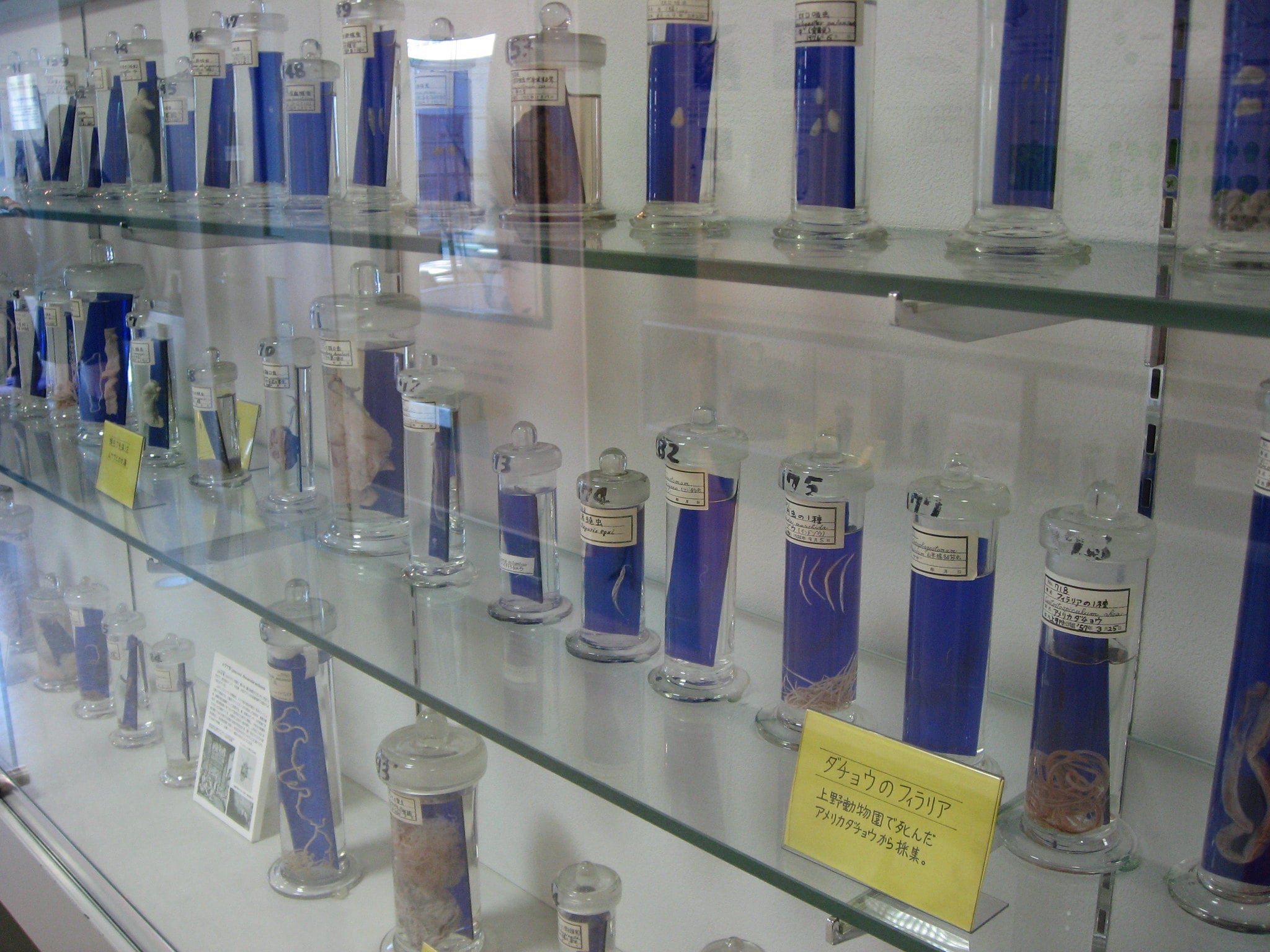
Tokyo’s Meguro Parasitology Museum will make your skin crawl with its collection of over 60,000 parasite specimens.
Founded in 1953 and still operated by the Meguro Parasitological Research Center, the museum includes 50,000 books on parasitology alongside the preserved creatures.
The star attraction is an 8.8-meter tapeworm—that’s 29 feet long—displayed next to a white ribbon to emphasize its truly horrifying length.
It’s educational, scientifically valuable, and guaranteed to make visitors feel itchy for hours afterward.
Museum of Witchcraft and Magic
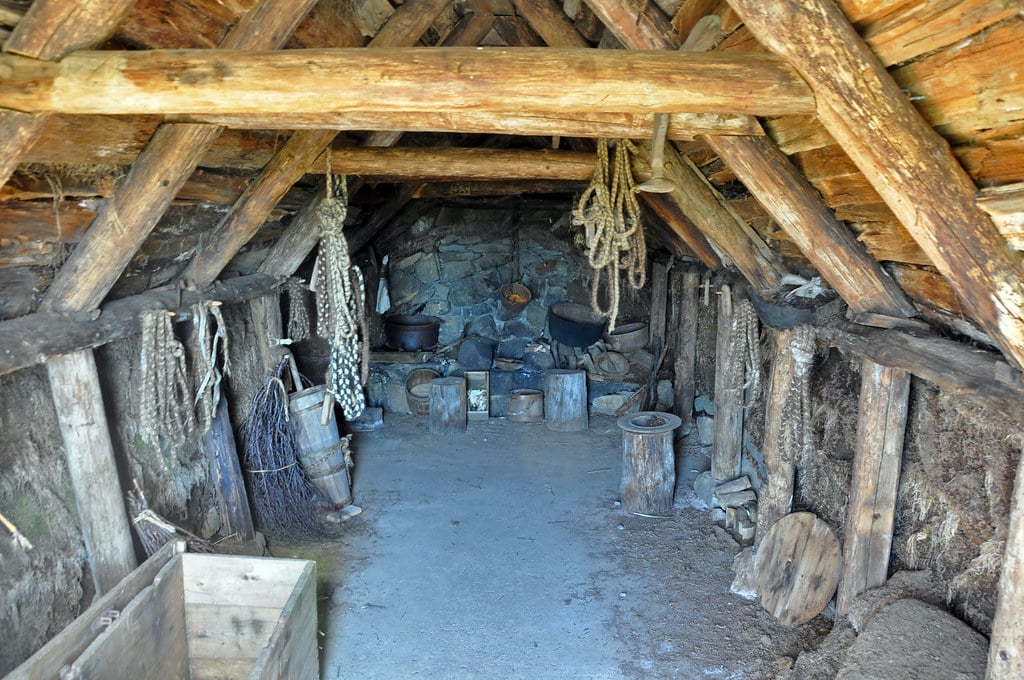
Boscastle, England houses the world’s largest collection of witchcraft-related objects and artifacts.
The Museum of Witchcraft and Magic was founded in 1951 by Cecil Williamson and moved to its current Boscastle location in 1960.
Currently curated by Simon Costin, the museum displays ritual tools, spell books, charms, and various items used in magical practices throughout history.
The collection provides serious scholarly insight into folk magic, modern witchcraft, and occult traditions while maintaining an appropriately mysterious atmosphere.
Currywurst Museum

Berlin once had a museum entirely dedicated to currywurst, the beloved German street food consisting of sliced sausage in curry ketchup.
The privately operated museum opened near Checkpoint Charlie in 2009 and featured a ketchup-shaped audio station playing currywurst-themed songs, a sausage-shaped sofa perfect for photos, and a sniffing station where visitors could smell the dish’s key spices.
There was even an extensive collection of currywurst literature for truly dedicated fans.
The museum closed in 2018, but during its run it perfectly captured Berlin’s ability to celebrate the everyday with earnest enthusiasm.
Like Go2Tutors’s content? Follow us on MSN.
American Visionary Art Museum
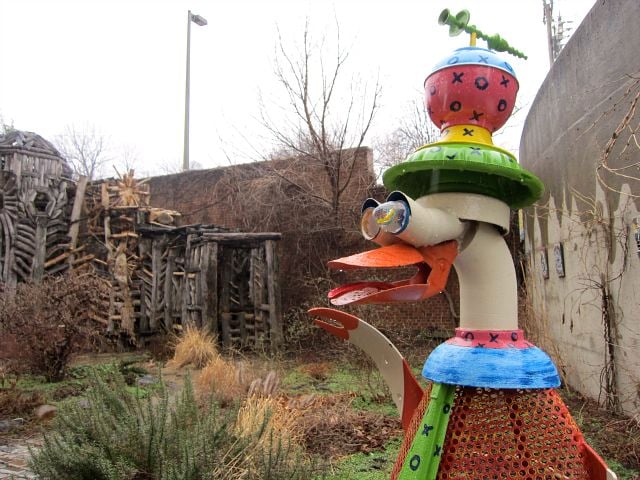
Baltimore’s American Visionary Art Museum celebrates self-taught artists who never attended art school.
Opened in 1995 and designated by the U.S. Congress as America’s national museum for intuitive art, the institution’s philosophy is that not all great artists need formal training.
The museum is notable for its annual kinetic sculpture race and striking large-scale mosaic façade.
The collection focuses on outsider art and folk art created by people with unique visions and unconventional techniques, challenging traditional ideas about what constitutes legitimate artistic expression.
Celebrating the Unconventional
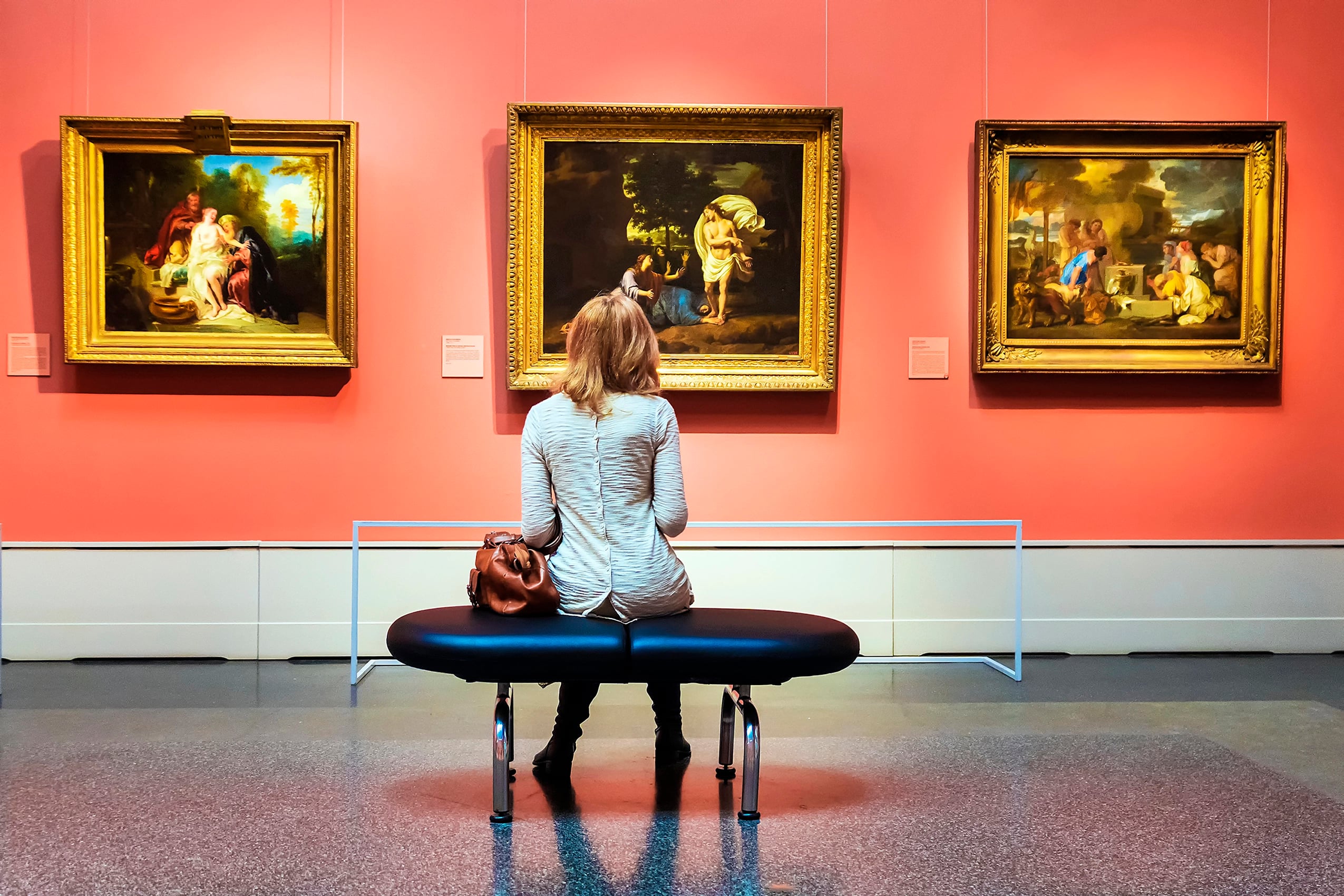
Because someone believed that traditional definitions of culture and history were too limited, these museums were established.
Each collection reflects true human fascination with topics that most institutions would ignore, whether it be hair, heartbreak, or terrifying parasites.
They remind us that culture does not have to be restricted to marble halls; it can just as easily flourish in a space filled with hair, puppets, or pickled parasites.
By transforming strangeness into celebration and oddity into education, these organizations have demonstrated that anything can become worthy of a museum with enough fervor and commitment.
More from Go2Tutors!

- 16 Historical Figures Who Were Nothing Like You Think
- 12 Things Sold in the 80s That Are Now Illegal
- 15 VHS Tapes That Could Be Worth Thousands
- 17 Historical “What Ifs” That Would Have Changed Everything
- 18 TV Shows That Vanished Without a Finale
Like Go2Tutors’s content? Follow us on MSN.



