17 Historical ‘Mosts’ That Made Our Jaws Drop
History has a way of producing moments so extreme they defy belief. The biggest disasters, the longest reigns, the most catastrophic mistakes — these aren’t just footnotes in textbooks.
They’re the moments that remind you how wild and unpredictable human experience can be. Some records were set by accident, others through sheer determination, and a few through circumstances so bizarre they sound made up.
But they all happened, and they all left their mark in ways that still echo today.
The Great Molasses Flood
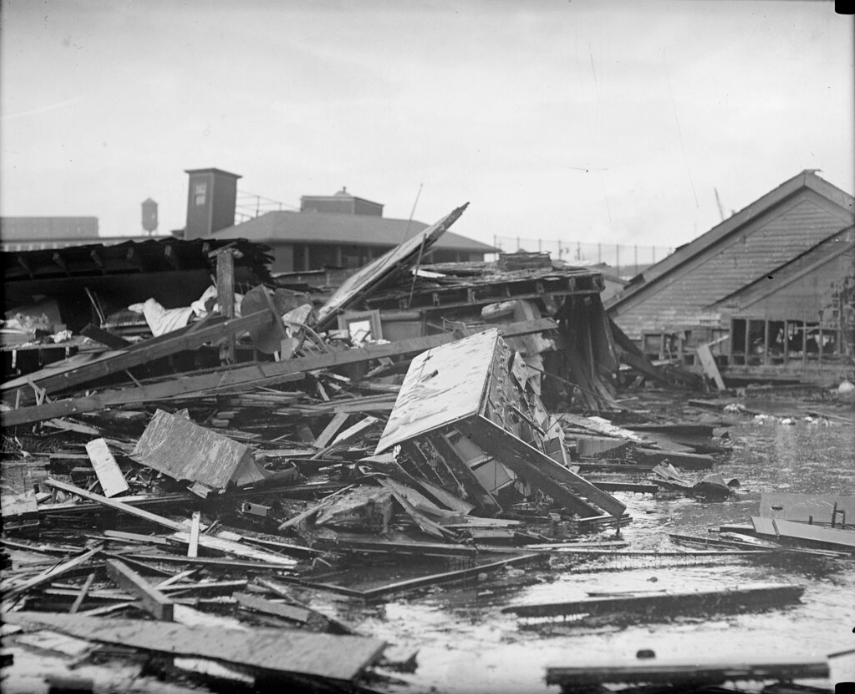
Boston, 1919. A storage tank holding 2.3 million gallons of molasses burst and sent a sticky tsunami through the North End at 35 miles per hour.
Twenty-one people died. The wave was 25 feet high in some places and strong enough to lift a train off its tracks.
The cleanup took weeks. Workers used salt water to dissolve the molasses off buildings and streets.
You could smell it for months afterward, and on hot summer days, locals claimed they could still catch a whiff decades later.
The War That Lasted 38 Minutes
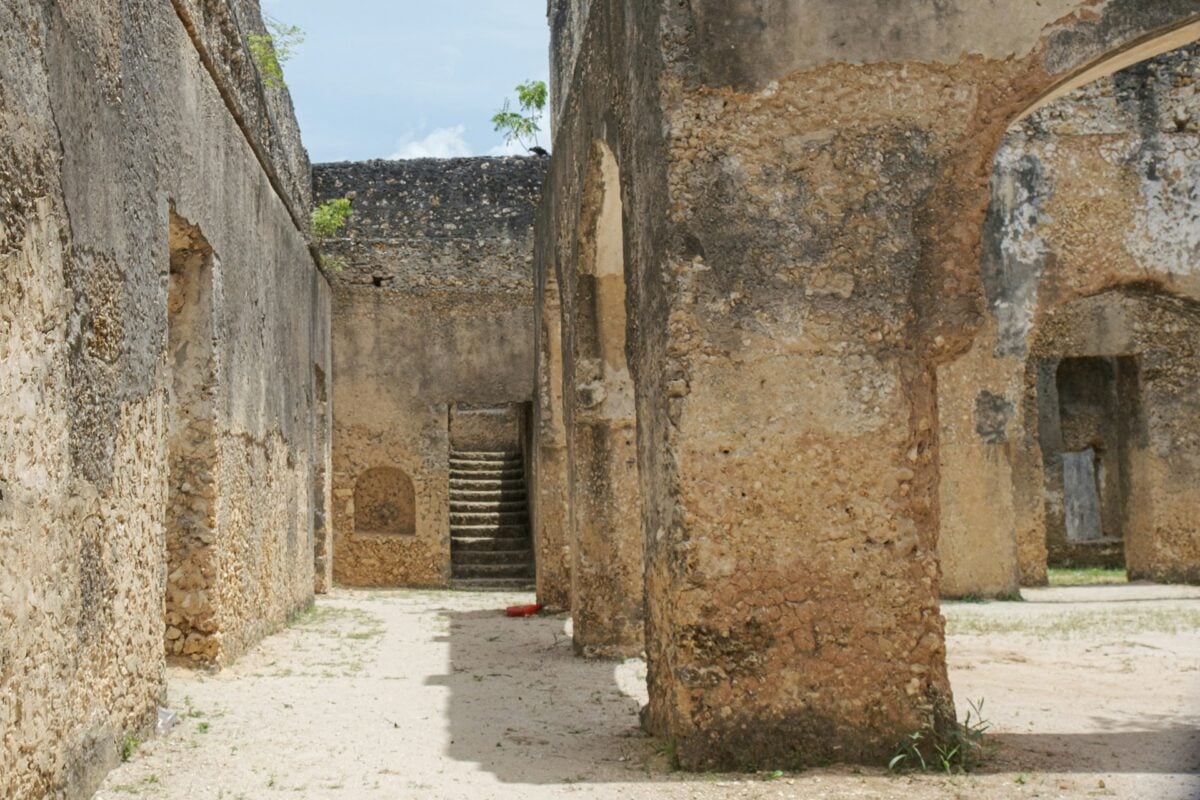
The Anglo-Zanzibar War of 1896 holds the record for shortest war in history, and it wasn’t even close (most historians agree it lasted between 38 and 45 minutes, but the shorter figure stuck). Sultan Khalid bin Barghash had taken power without British approval — which was, as it turned out, a significant oversight on his part.
The British had three warships in the harbor and sent an ultimatum: abdicate by 9 AM or face the consequences. At 9:02 AM, when Khalid was still presumably having his morning coffee and thinking it over, the bombardment began.
By 9:40 AM, the Sultan’s palace was in ruins, his makeshift navy was at the bottom of the harbor, and Khalid was seeking asylum at the German consulate. The British casualties numbered exactly one: a petty officer who was wounded.
The Zanzibari side lost approximately 500 people. So much for diplomacy.
Cleopatra’s Banquet Bet

Cleopatra once dissolved a pearl worth 10 million sesterces in vinegar and drank it to win a bet with Mark Antony. The wager was over who could host the most expensive dinner in history.
She won. The pearl was reportedly the size of a large walnut and one of a matching pair — the most valuable pearls in the world at the time.
Antony conceded defeat before she could dissolve the second one.
The Dancing Plague of 1518
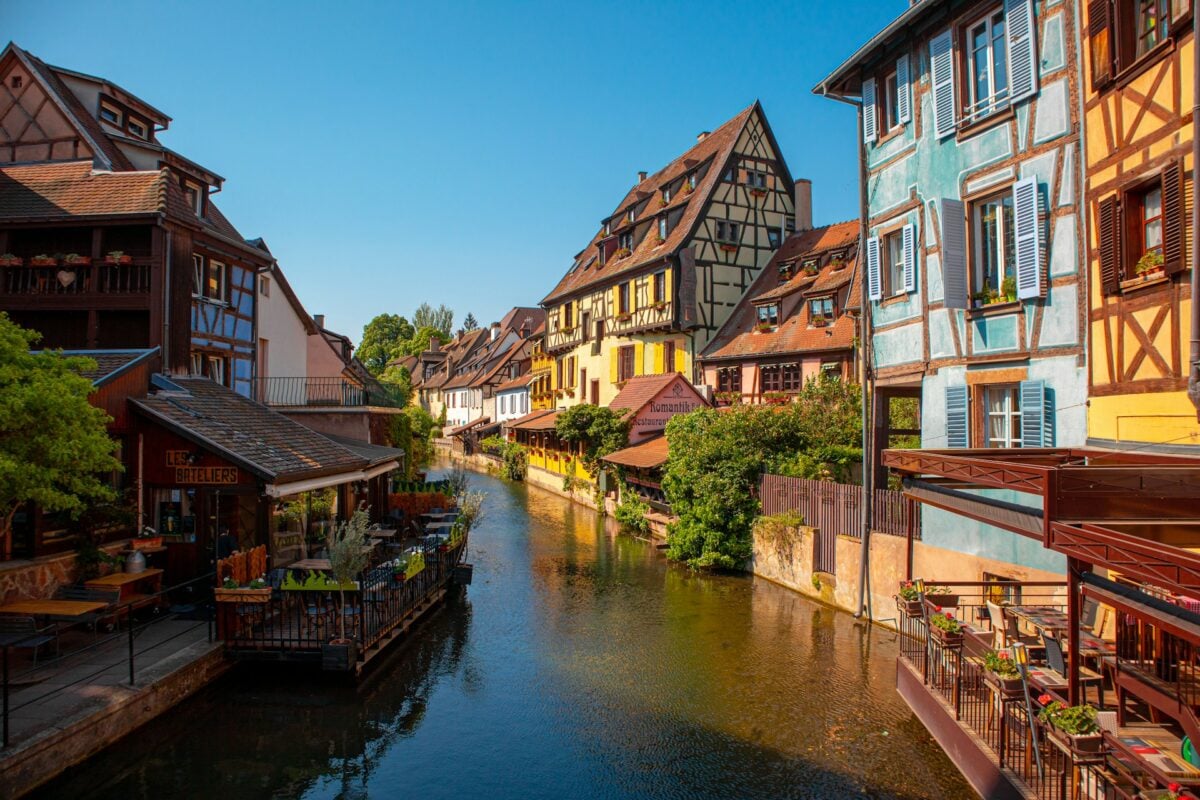
Picture a city where people danced until they collapsed, then got up and kept dancing. That was Strasbourg in the summer of 1518, when hundreds of residents were seized by an uncontrollable urge to dance for days on end.
It started with one woman, Frau Troffea, who stepped into the street and began dancing. Within a week, 34 others had joined her.
Within a month, the number had swelled to around 400. The authorities, displaying the kind of medieval logic that makes you wonder how anyone survived the Middle Ages, decided the cure was more dancing.
They hired musicians and built stages. People danced themselves to death — literally.
Heart attacks, strokes, and exhaustion claimed dozens of lives. The plague finally burned itself out after two months, leaving historians to puzzle over whether it was mass hysteria, ergot poisoning, or something else entirely.
The Great Emu War
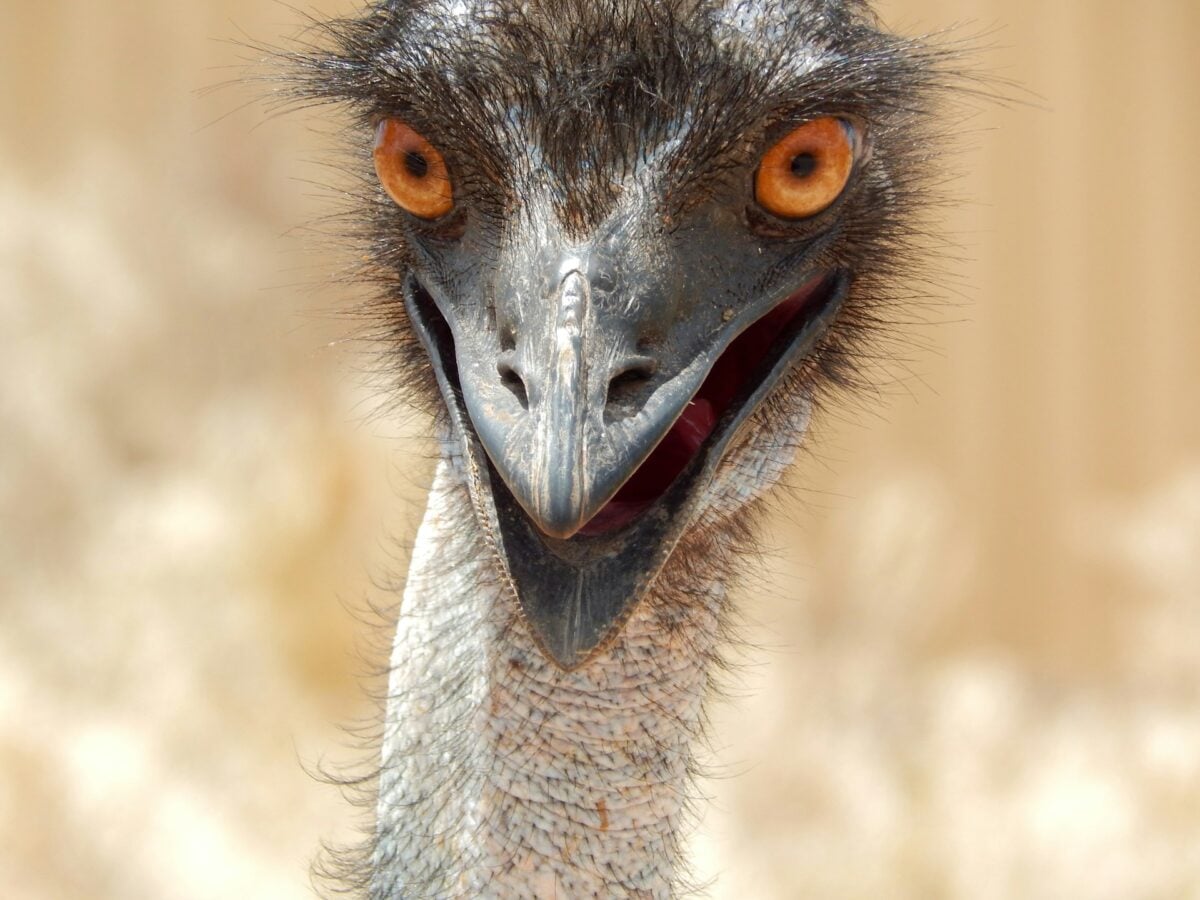
Australia declared war on emus in 1932. The government lost.
After World War I, veterans were given land in Western Australia to farm wheat. The emus had different plans for the wheat.
Twenty thousand of them descended on the farms like a feathered army, destroying crops and driving farmers to desperation. The military stepped in with machine guns and official support.
Three soldiers, two Lewis guns, and 10,000 rounds of ammunition were deployed against the birds. The emus proved surprisingly tactical.
They scattered when attacked, regrouped, and continued their agricultural rampage. After several weeks of combat, the military withdrew in defeat.
The official casualty count was disputed, but the emus remained in control of the wheat fields.
Emperor Norton I of San Francisco
Joshua Norton lost his fortune in a rice speculation scheme in 1859, suffered what appears to have been a complete mental break, and declared himself Emperor of the United States and Protector of Mexico. San Francisco not only tolerated this delusion — the city embraced it.
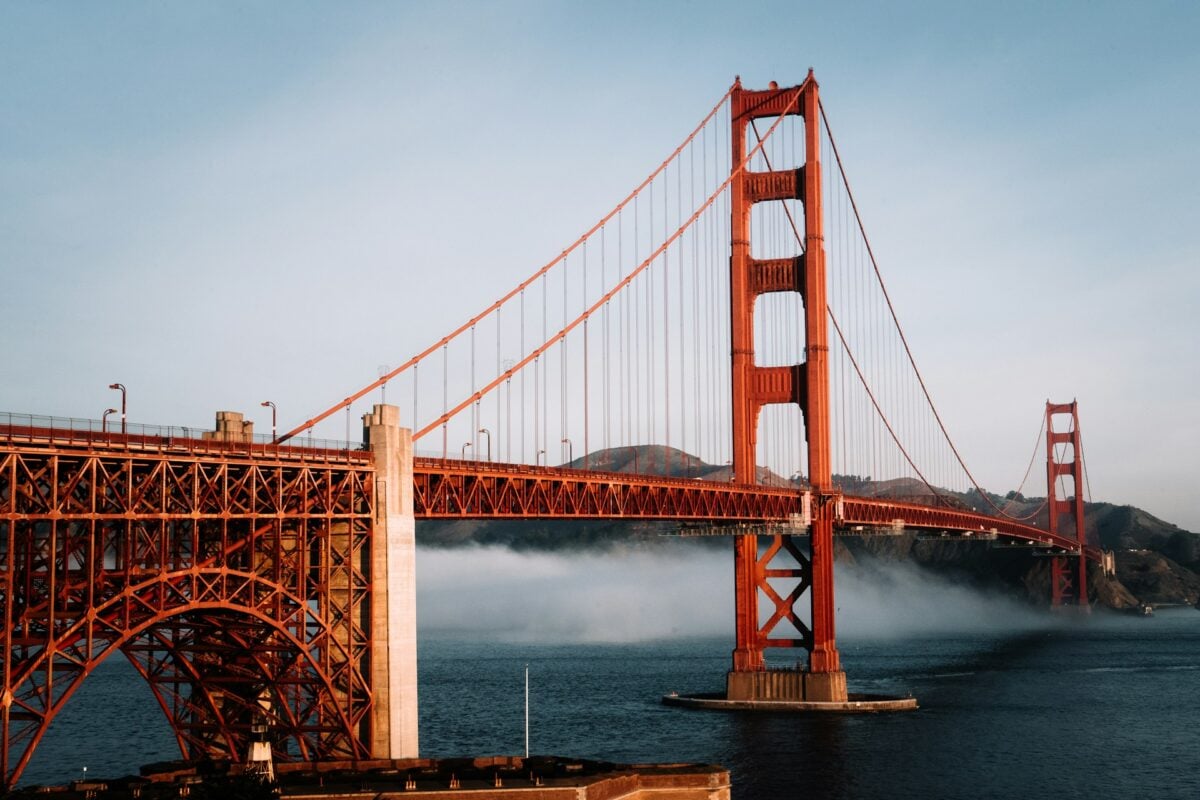
For 21 years, Norton wandered the streets in a blue military uniform with gold epaulettes, inspecting sidewalks, attending theatrical performances (theaters reserved seats for him), and issuing imperial decrees. He abolished Congress, ordered the construction of a bridge between San Francisco and Oakland (which happened, decades later), and commanded that a tunnel be built under San Francisco Bay (also eventually built).
When he died in 1880, 30,000 people attended his funeral. The city had lost its only emperor.
The Carrington Event
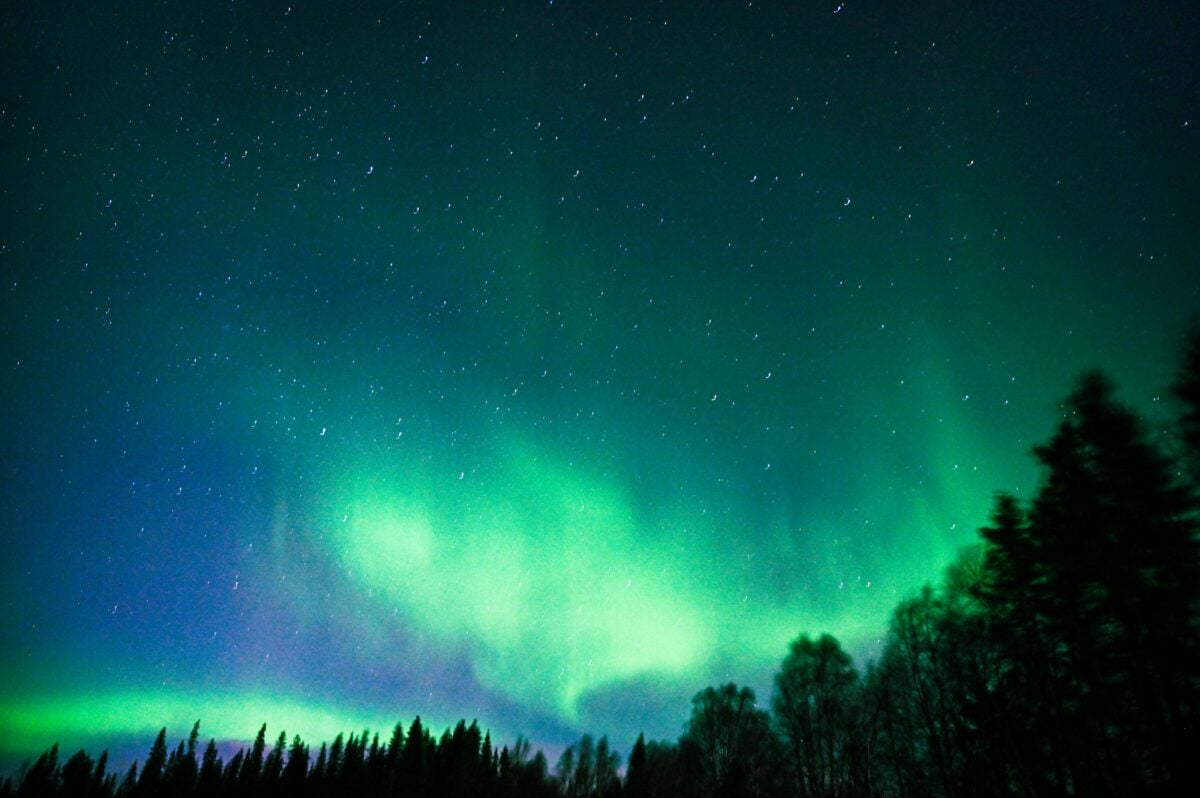
The most powerful geomagnetic storm in recorded history hit Earth on September 1, 1859. Telegraph systems worldwide went haywire — some operators received electric shocks, telegraph paper caught fire, and messages continued transmitting even after the power was disconnected.
The aurora was visible as far south as the Caribbean. People in the Rocky Mountains woke up thinking it was dawn and started making breakfast.
In Boston, you could read a newspaper by the light of the northern lights alone. If a similar storm hit today, it would cripple satellites, GPS systems, and power grids across the globe.
The Bone Wars
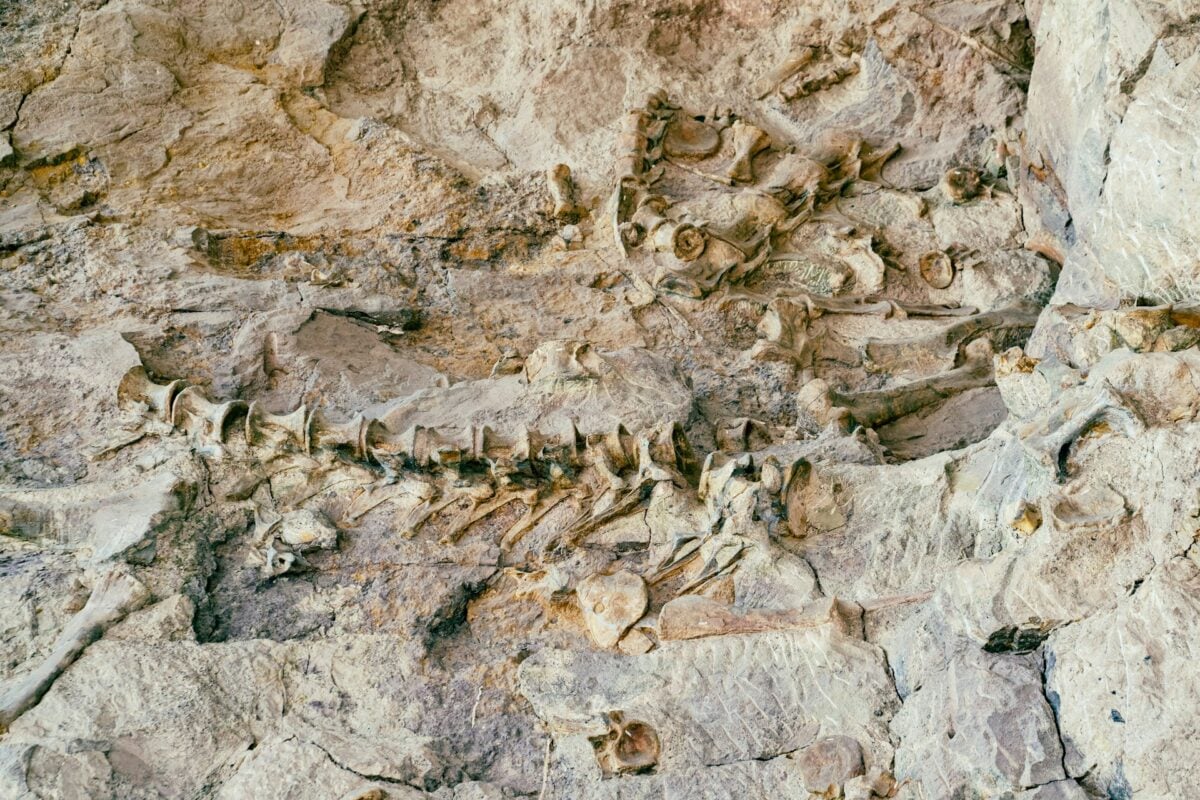
Two paleontologists turned fossil hunting into a blood sport. Othniel Charles Marsh and Edward Drinker Cope started as colleagues in the 1870s, but professional rivalry escalated into something approaching warfare.
They bribed each other’s workers, stole fossils, and dynamited dig sites to prevent their rival from accessing them. The competition led to genuine scientific discoveries — they uncovered over 130 dinosaur species between them. But it also led to espionage, public feuds conducted through scientific journals, and at least one incident where armed guards were hired to protect a fossil site.
Cope died nearly bankrupt, having spent his fortune trying to outcompete Marsh. Marsh died bitter and paranoid, convinced that Cope’s supporters were still plotting against him.
The Year Without a Summer
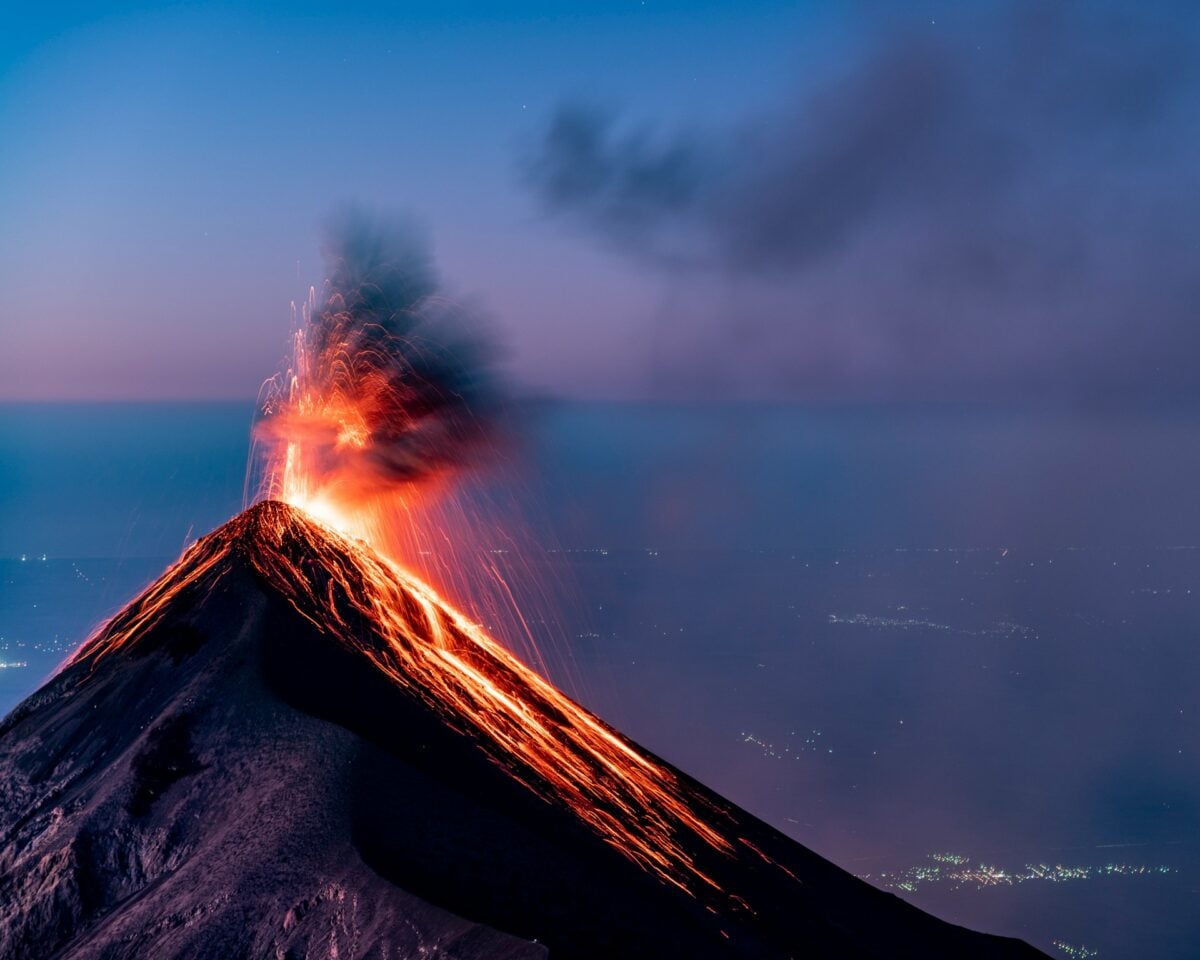
1816 became known as the Year Without a Summer after the eruption of Mount Tambora in Indonesia the previous year. The volcanic ash blocked sunlight across the Northern Hemisphere, dropping global temperatures by several degrees. Snow fell in June across New England and Europe.
Crops failed worldwide, leading to famine and mass migration. Mary Shelley spent that gloomy summer indoors with friends, including Lord Byron, telling ghost stories to pass the time.
Out of that dark, cold summer came “Frankenstein” — perhaps the most famous novel ever written because of a volcanic eruption half a world away.
The Bone Church of Sedlec
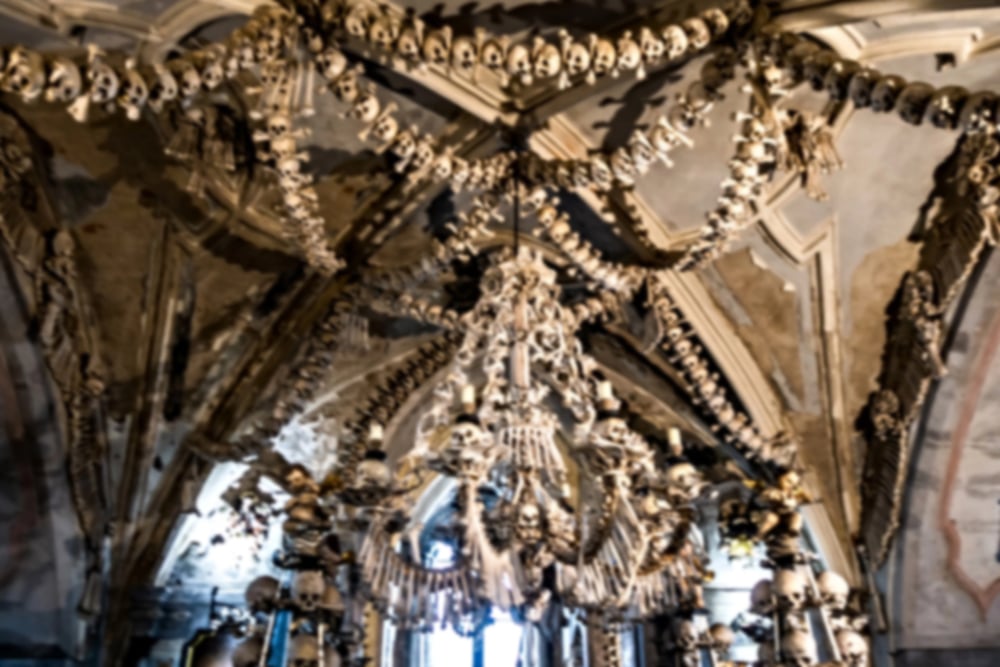
The Sedlec Ossuary in the Czech Republic contains the remains of between 40,000 and 70,000 people, arranged into decorative displays by a half-blind monk in the 1870s. Chandeliers made of human skulls hang from the ceiling. Garlands of ribs drape the walls.
A coat of arms constructed entirely from bones decorates one wall. It started as a practical problem.
The abbey’s cemetery was so popular as a burial site that bodies were stacked several layers deep. When space ran out completely, the monks began moving the oldest remains to the ossuary.
František Rint, the monk tasked with organizing the bones, decided that if you’re going to stack human remains, you might as well make them aesthetically pleasing.
The London Beer Flood
The Meux and Company Brewery disaster of 1814 released approximately 388,000 imperial gallons of beer onto the streets of London in a matter of minutes. A massive vat burst, creating a domino effect that ruptured several other tanks.
The resulting flood was 15 feet high in some places and powerful enough to demolish buildings. Eight people drowned in beer.
The flood destroyed two homes completely and damaged several pubs, which seems almost deliberately ironic. The brewery was later sued by victims’ families, but a jury ruled the disaster an “act of God,” and no compensation was paid.
The Taiping Rebellion Death Toll
The Taiping Rebellion (1850-1864) was the deadliest civil war in human history. Hong Xiuquan, a failed civil service candidate who believed he was the younger brother of Jesus Christ, led a religious movement that controlled much of southern China for over a decade.
Conservative estimates put the death toll at 20 million people. Some historians suggest it may have reached 30 million.
The rebellion featured mass executions, systematic destruction of entire cities, and a level of brutality that shocked even seasoned observers. When it ended, entire regions of China were virtually depopulated.
The Great Stink of London
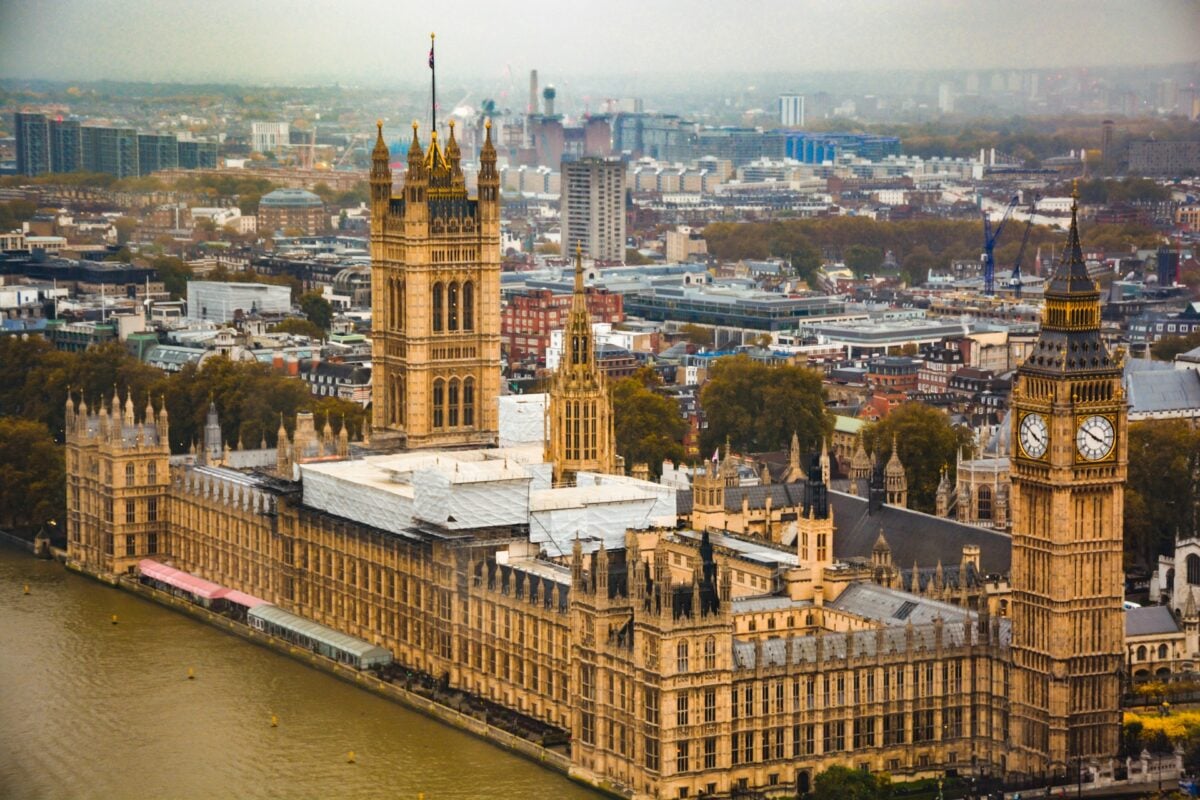
London in 1858 smelled so bad that Parliament considered relocating the government. The Thames had become an open sewer, and a particularly hot summer made the stench unbearable. Sheets soaked in lime were hung in the windows of the Houses of Parliament, but members still fled the chambers gasping.
The smell was so overpowering that people vomited in the streets. River traffic nearly stopped because boat passengers couldn’t tolerate the odor.
The crisis finally forced the government to approve a massive sewer system designed by Joseph Bazalgette — a project that had been debated for years but never funded until the nose made the decision.
The Shortest Commercial Flight
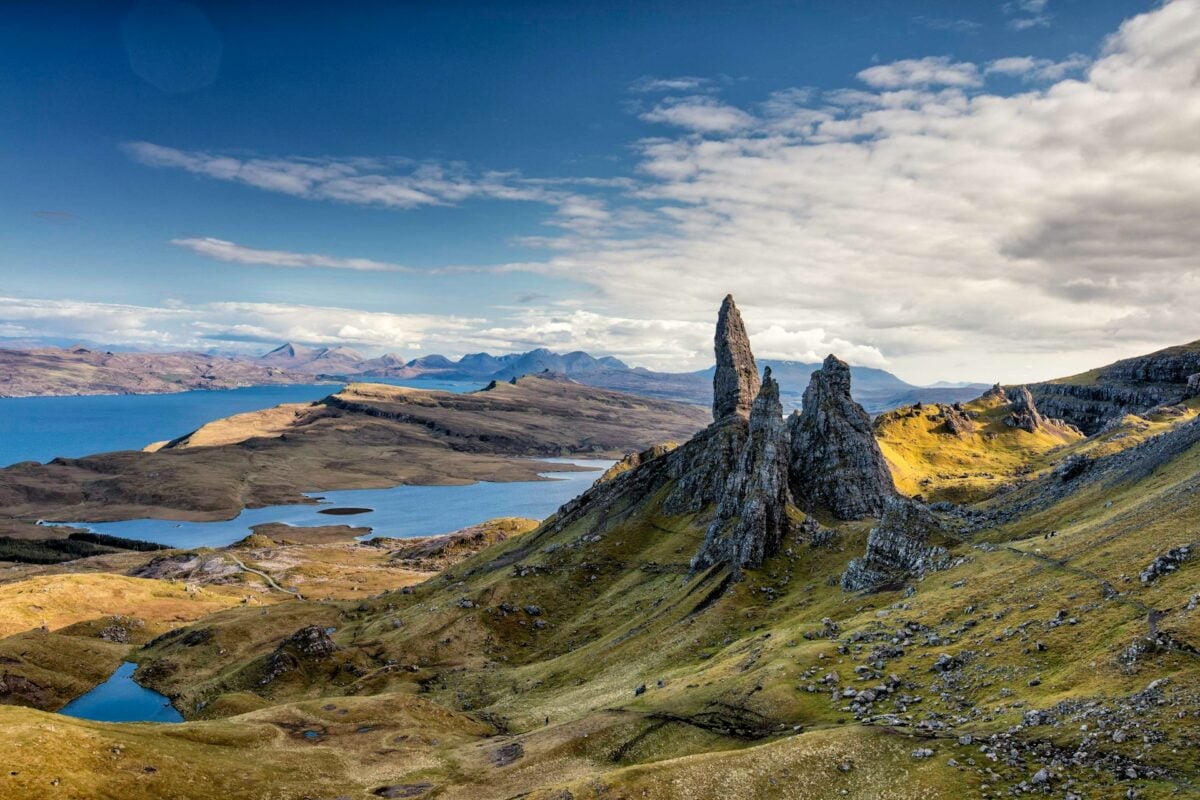
The world’s shortest scheduled commercial flight runs between two islands in Scotland’s Orkney archipelago. The flight between Westray and Papa Westray covers 1.7 miles and, with favorable winds, can take as little as 47 seconds.
Passengers barely have time to fasten their seatbelts before landing. The flight exists because the alternative is a two-hour boat journey that’s often canceled due to rough seas.
On a clear day, passengers can see their destination from the departure gate.
The Great Fire of Rome Under Nero
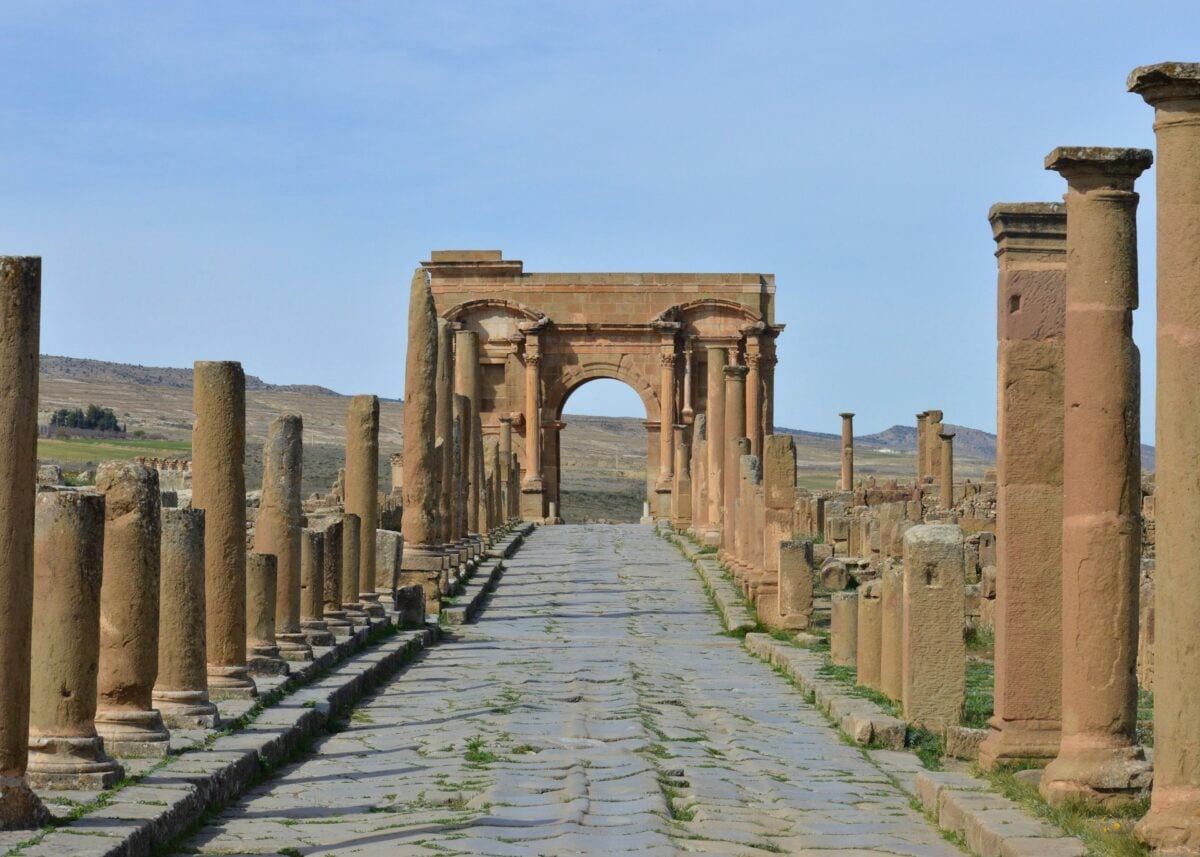
When Rome burned for six days in 64 AD, Emperor Nero probably wasn’t fiddling — fiddles hadn’t been invented yet, and he was likely in Antium, 35 miles away, when the fire started. But he did use the disaster as an opportunity for the ultimate urban renewal project.
The fire destroyed 70 percent of the city. Nero seized the cleared land and built the Domus Aurea, a palace complex that covered roughly 300 acres and featured a 120-foot statue of himself in the entrance hall.
The palace had a revolving dining room, walls covered in gold leaf, and gardens with exotic animals roaming freely. Romans were not amused by their emperor’s real estate ambitions.
The Youngest Pope in History
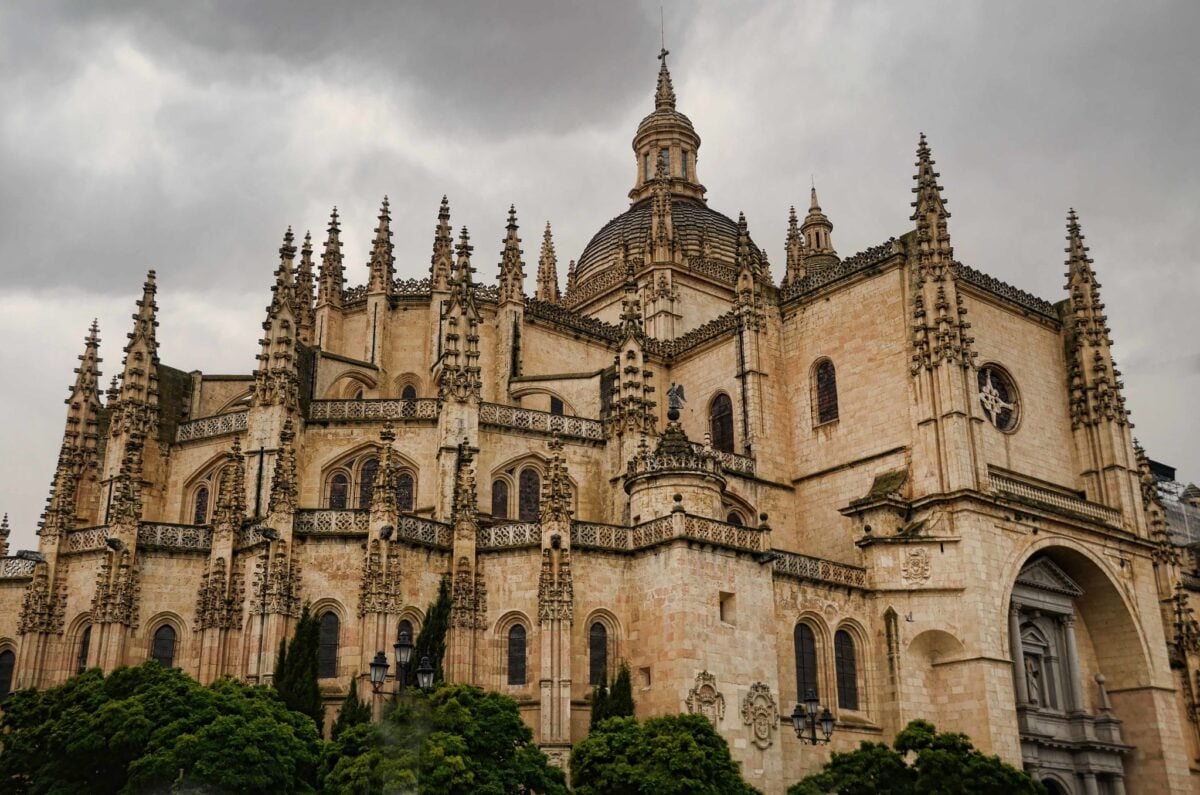
Pope Benedict IX was elected to the papacy at age 12 in 1032. He was pope three separate times, having been deposed twice for various scandals and crimes.
He sold the papal office to his godfather in 1045, making him the only pope to resign until Benedict XVI in 2013. Even by medieval standards, Benedict IX was considered exceptionally corrupt. Contemporary accounts describe him as “a demon from hell in the disguise of a priest.”
He threw wild parties in the papal palace, committed murders, and engaged in activities that medieval chroniclers were too scandalized to describe in detail.
The Coldest Temperature Ever Recorded
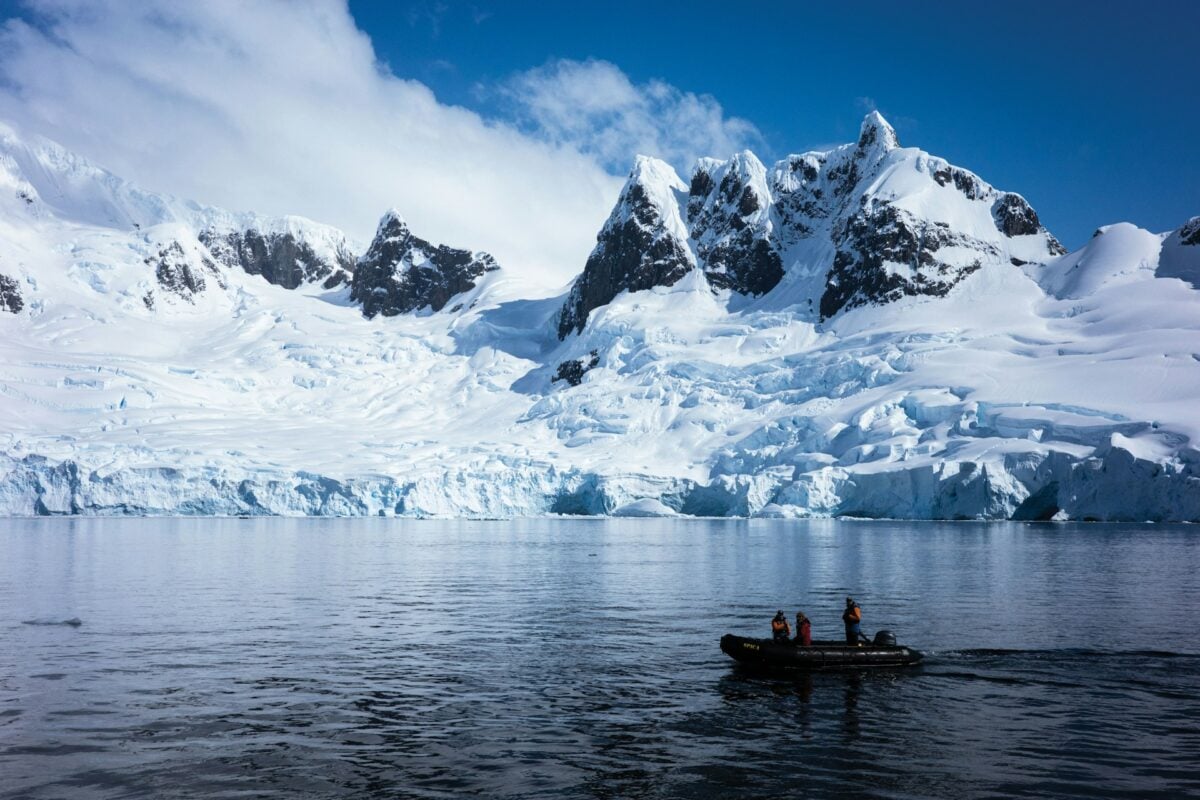
Antarctica reached -128.6°F (-89.2°C) at the Vostok Station in 1983. At that temperature, the air itself begins to behave differently — it becomes thick enough that breathing feels like inhaling liquid.
Exposed skin freezes in minutes. Metal becomes so brittle it shatters like glass.
The researchers who recorded the temperature had to warm their instruments with their hands before taking readings because the equipment stopped working in the cold.
When History Defies Logic

These records exist because history refuses to be predictable. The most extreme events often happen not through careful planning but through accident, obsession, or circumstances so unusual they couldn’t be repeated if anyone tried.
They’re reminders that reality has always been stranger than fiction — and that the most unbelievable stories are often the ones that actually happened. The next time someone tells you something is impossible, remember that humans have survived beer floods, declared war on birds, and elected a 12-year-old to run the Catholic Church. Impossible might just mean no one’s tried it yet.
More from Go2Tutors!

- The Romanov Crown Jewels and Their Tragic Fate
- 13 Historical Mysteries That Science Still Can’t Solve
- Famous Hoaxes That Fooled the World for Years
- 15 Child Stars with Tragic Adult Lives
- 16 Famous Jewelry Pieces in History
Like Go2Tutors’s content? Follow us on MSN.