Photos Of The World’s Most Haunted Bodies Of Water
Water holds memory differently than land. It swirls and shifts, carrying stories from one shore to another, never quite letting go of what it has witnessed.
These bodies of water around the world have earned their haunted reputations not through folklore alone, but through the weight of history that settles beneath their surfaces like sediment. From lakes that refuse to give up their dead to seas that seem to swallow ships whole, these waters challenge the living to remember what lies beneath.
Lake Lanier
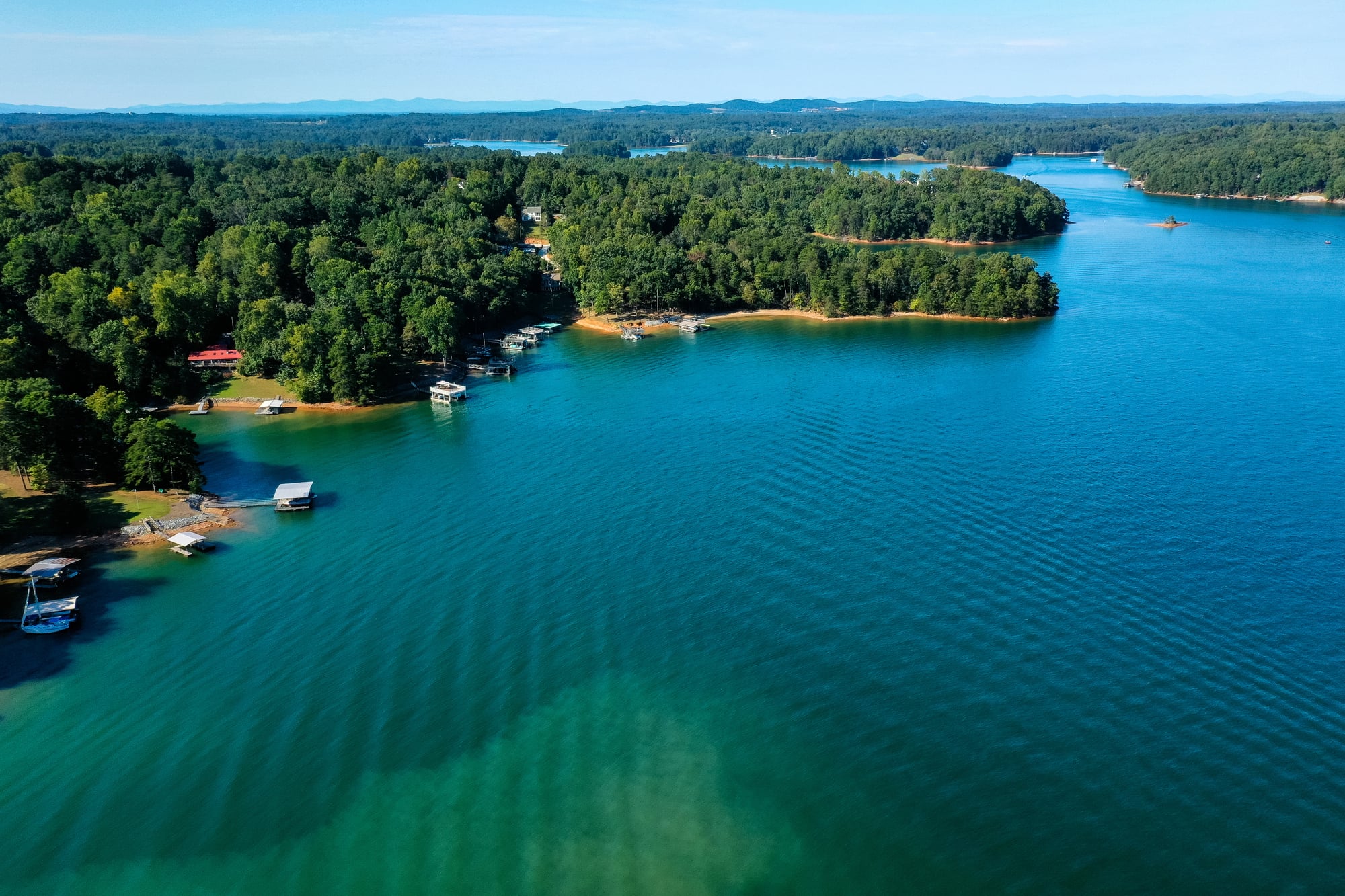
Georgia’s most popular lake sits on top of a town that never wanted to move. The government flooded Oscarville in the 1950s, and the lake has been collecting bodies ever since.
Over 700 people have died here — drowning, boating accidents, things that happen too often to be coincidence.
Aokigahara Jukai Ponds
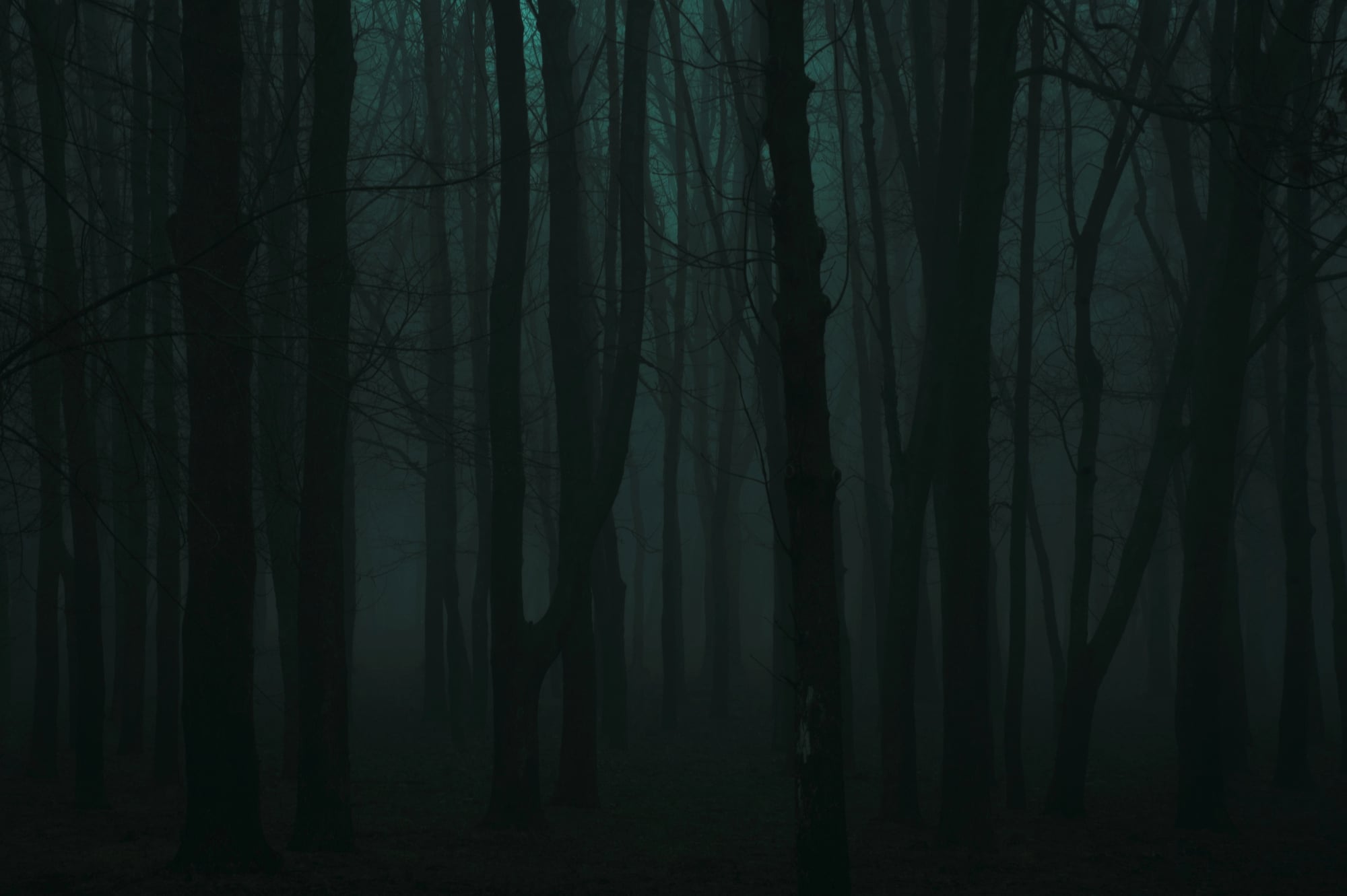
The ponds scattered throughout Japan’s Forest reflect more than trees. Visitors report faces in the water that aren’t their own, and the water stays unnaturally still even when wind shakes the branches overhead.
The volcanic soil underneath these small bodies of water creates pockets of silence that feel deliberate (as if the forest itself is holding its breath), and when you stare too long into the dark water, something always seems to stare back — which is exactly the kind of detail that makes people turn around and walk out faster than they walked in.
But the ponds remember everyone who has looked.
Devil’s Pool
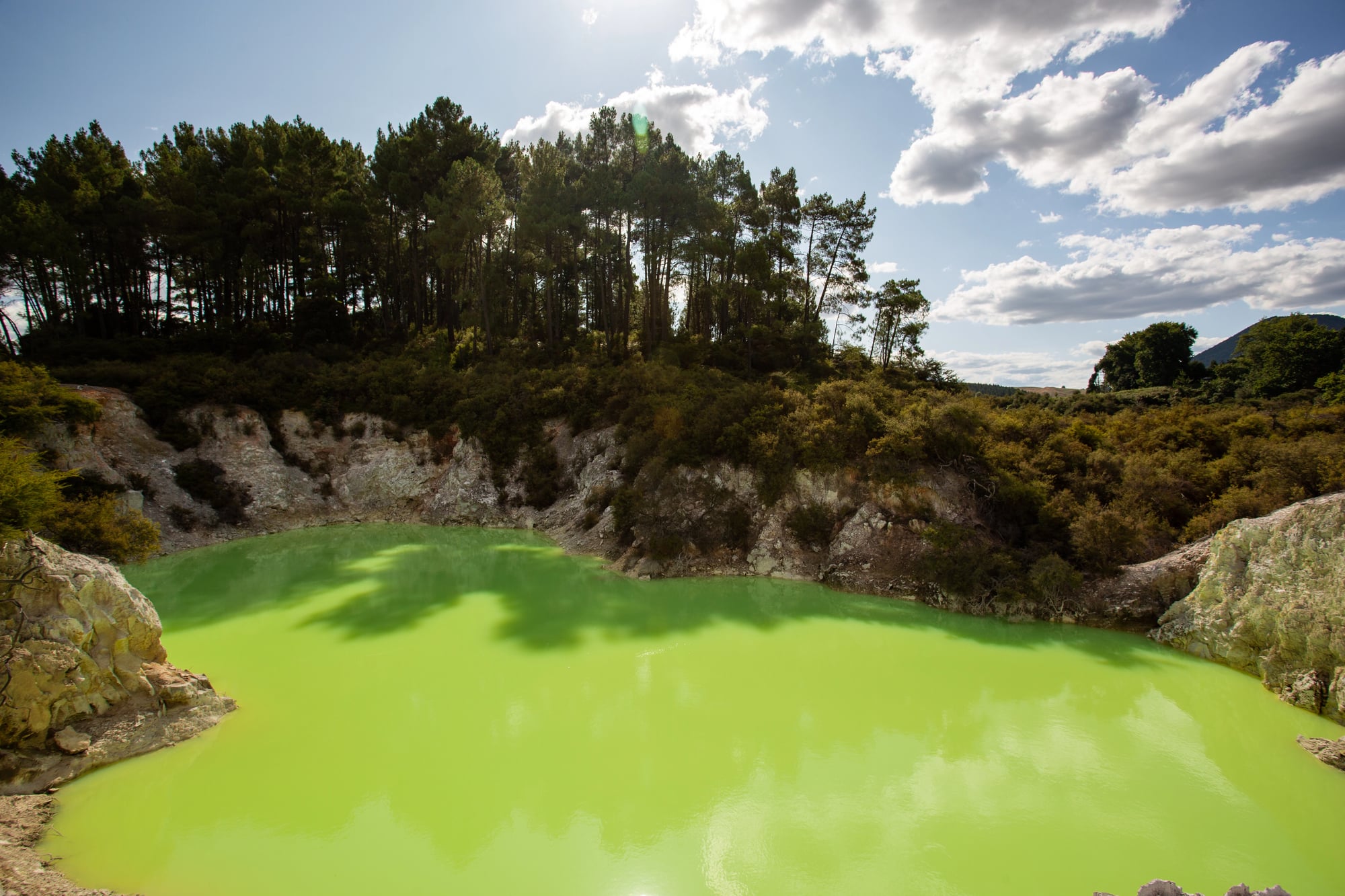
Zimbabwe and Zambia’s natural infinity pool kills tourists who can’t resist the perfect photo. Located at Victoria Falls on the border between the two countries, Devil’s Pool is a natural infinity pool that attracts tourists who can’t resist the perfect photo.
The rocks are slick, the current is stronger than it looks, and the pool has claimed enough lives that locals stopped counting. Standing at the edge feels like negotiating with something that has already decided your fate.
The Dead Sea
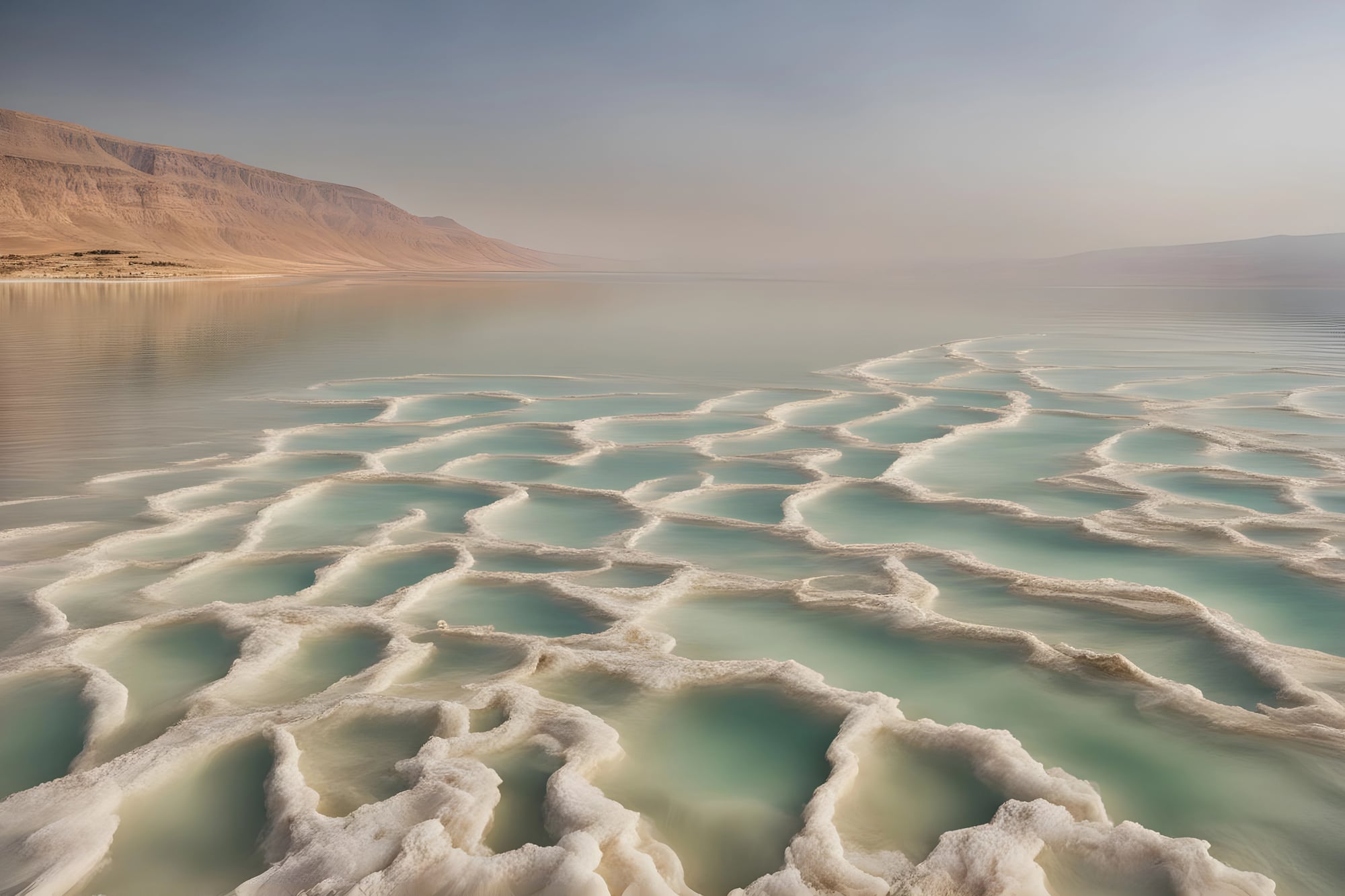
The most haunted thing about the Dead Sea is how it preserves everything. Bodies don’t decompose here — they mummify.
The salt content is so high that death becomes permanent installation art, and the landscape around it looks like the surface of a planet where nothing was ever meant to live.
Floating here feels less like swimming and more like being held in place by something that refuses to let go. The silence is complete.
Lake Nyos
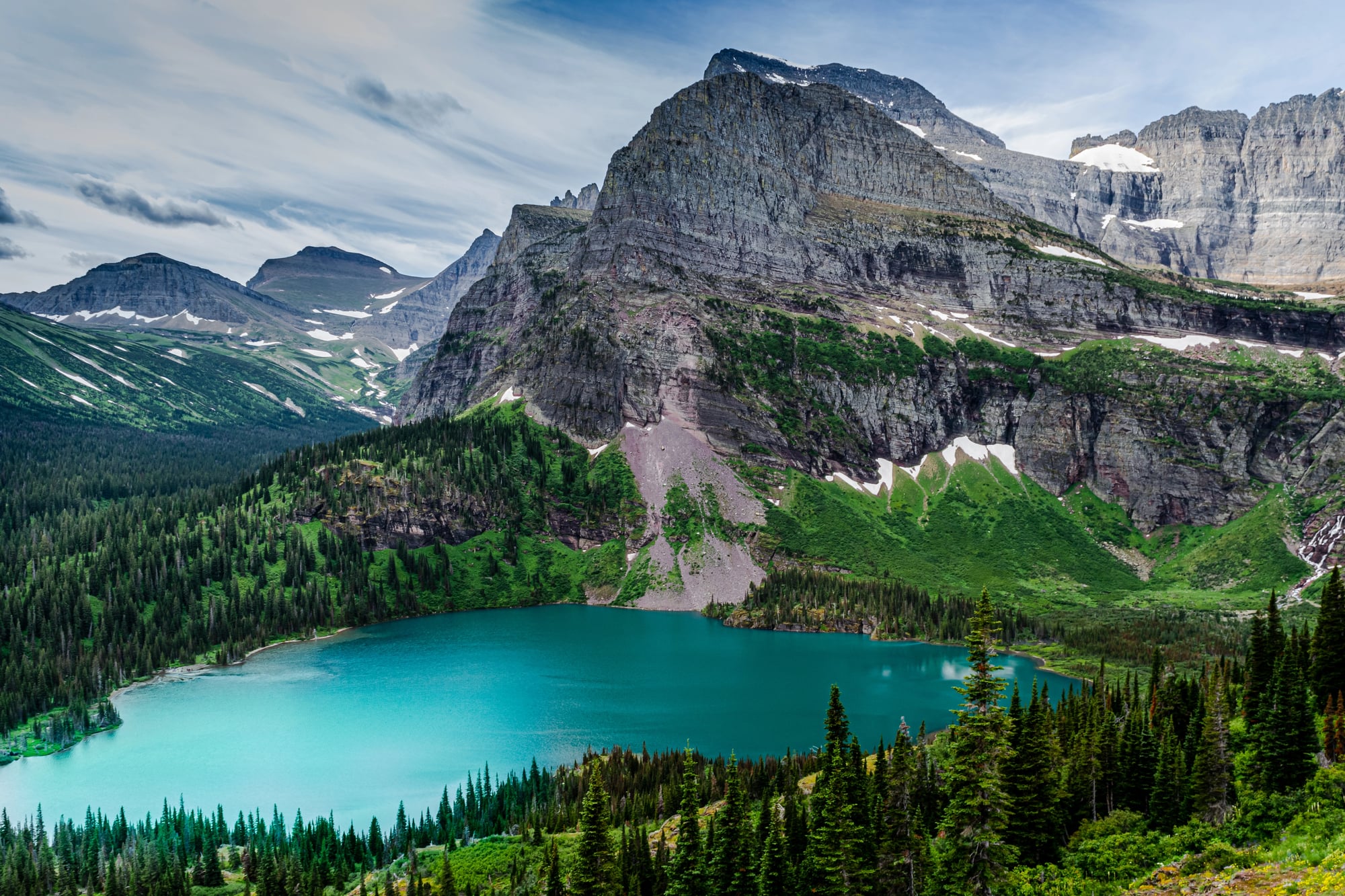
Cameroon’s killer lake is a loaded weapon disguised as scenery. In 1986, it released a cloud of carbon dioxide that suffocated 1,746 people and 3,500 livestock in minutes — no warning, no escape, just a lake that decided to empty its lungs all at once and turned an entire valley into a graveyard.
The water looks peaceful now, but underneath, volcanic gases still bubble up from depths that scientists measure in terms of how much death they could release.
And the lake keeps filling up with more of the same invisible poison, waiting for the next time atmospheric pressure drops just enough to turn the surface into a killing field again. So locals don’t trust the calm.
Boiling Lake
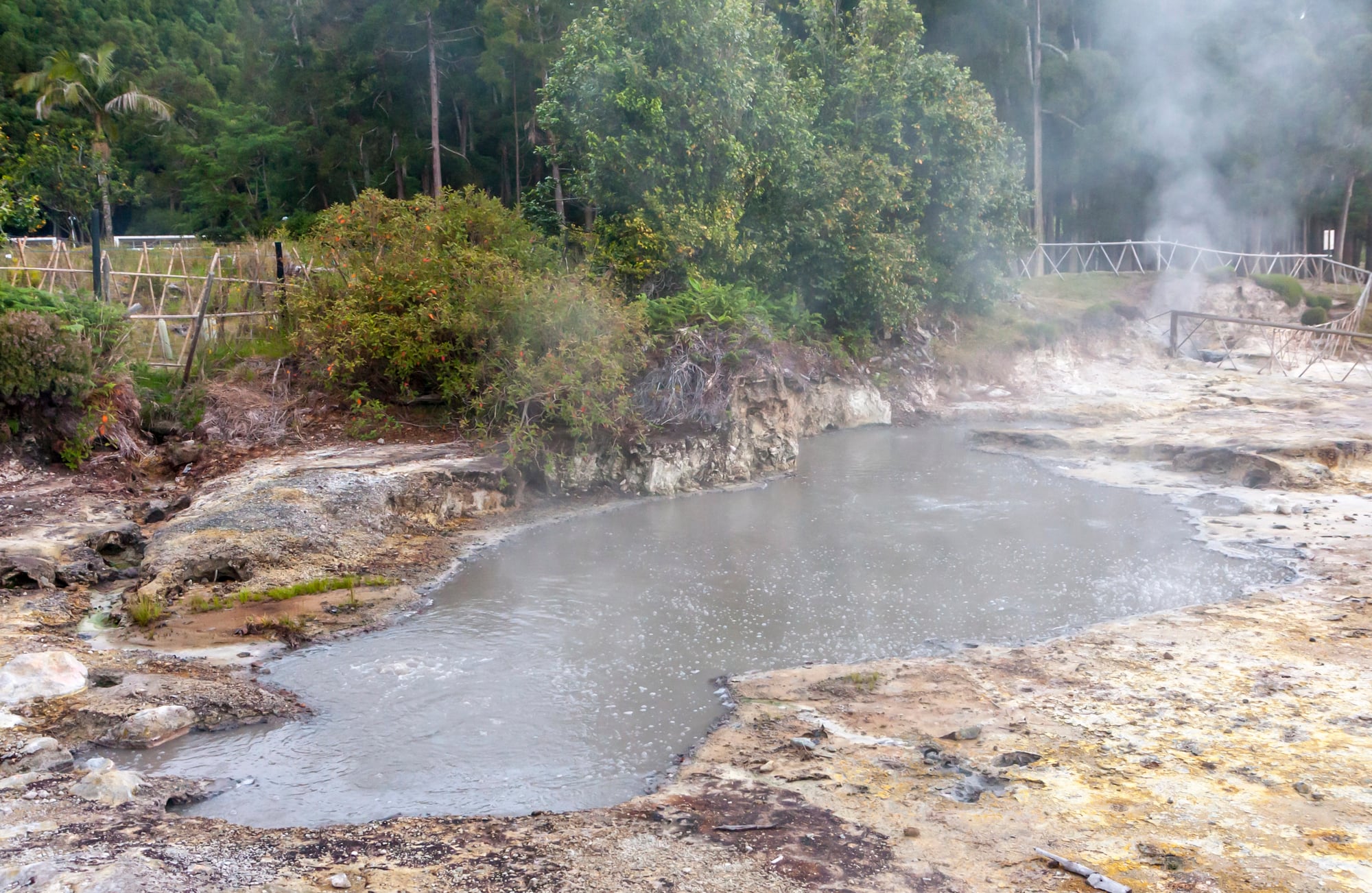
Dominica’s second-largest hot spring stays at 197 degrees Fahrenheit on a cool day. The water disappears into steam before you can focus on it, and the heat creates hallucinations that visitors insist aren’t hallucinations at all.
People see figures moving in the mist that their cameras never capture.
Lake Manitou
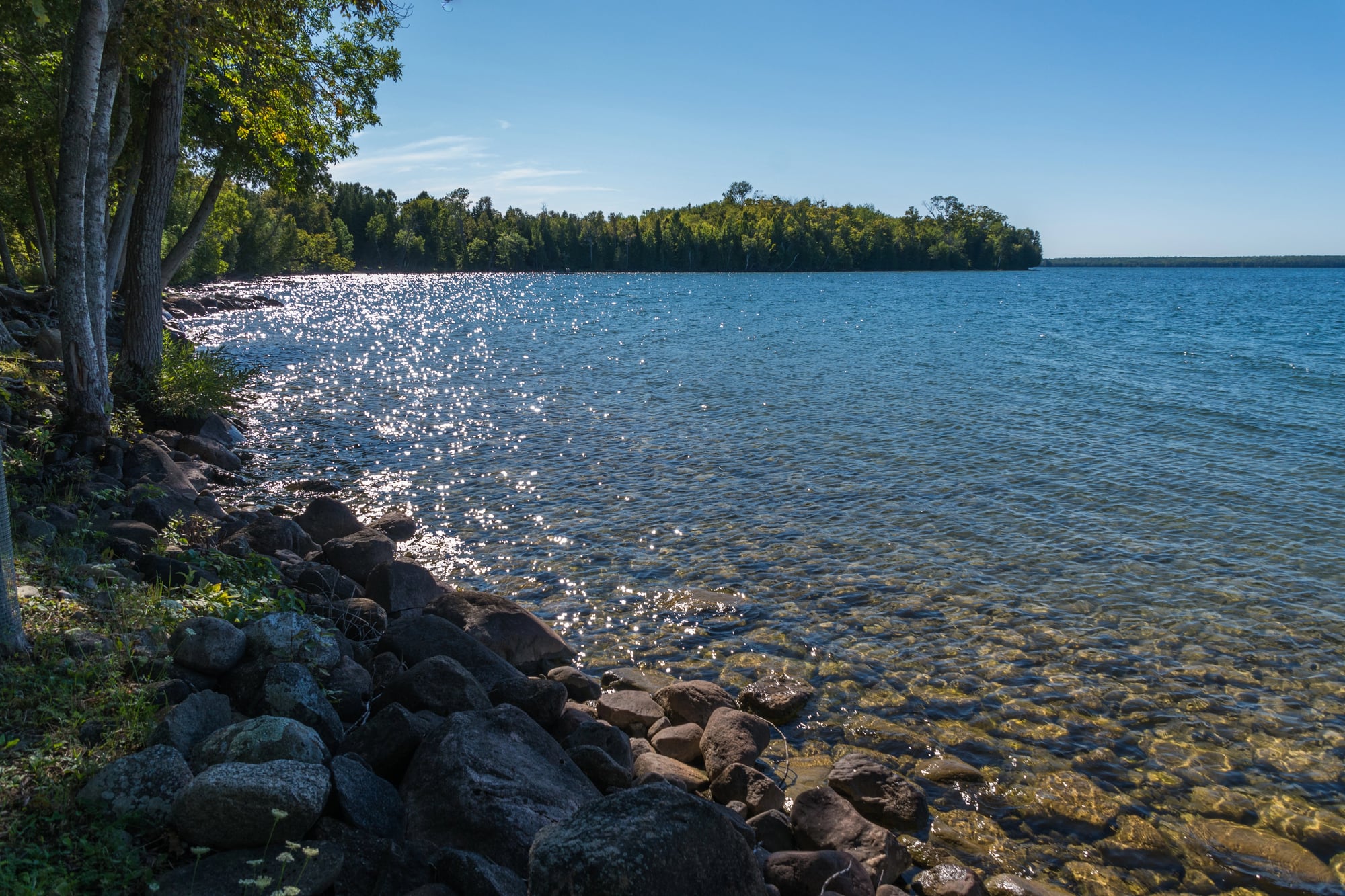
This Canadian lake traps everything that enters it in a layer of salt water so dense that nothing ever reaches the bottom. Bodies float in the middle layer indefinitely, perfectly preserved, watching the surface through 30 feet of water that acts like amber.
The Anishinaabe considered it sacred for reasons that become obvious the first time someone tries to dive down and realizes the water itself won’t let them.
The Sargasso Sea
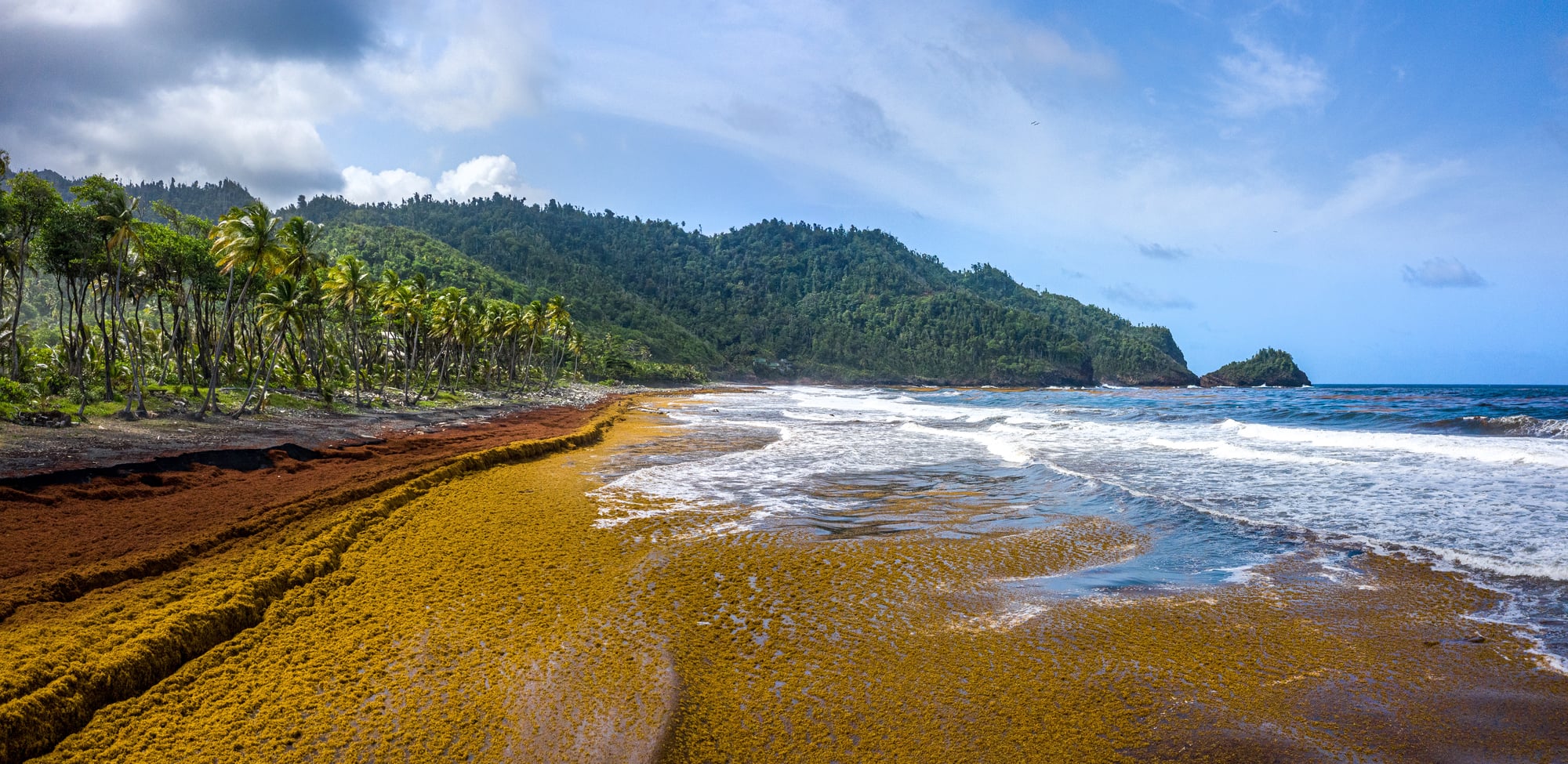
The Atlantic’s graveyard floats on the surface instead of hiding underwater, and that somehow makes it worse. Ships get tangled in seaweed that stretches beyond every horizon, and the water underneath is so deep and still that sounds carry for miles — which means every noise you hear out there came from somewhere you can’t see, and every noise you make announces your location to things that have been drifting in the weed for decades (or longer).
But the worst part is how the seaweed moves: not with the current or the wind, but in patterns that suggest something underneath is pulling it in directions that water doesn’t naturally flow.
And when the seaweed parts to reveal patches of open water, those patches are always perfectly round, always the same size, and always black enough to make you understand why ships that escape the Sargasso Sea report seeing lights under the surface that follow them for hundreds of miles after they think they’ve gotten away.
Crater Lake
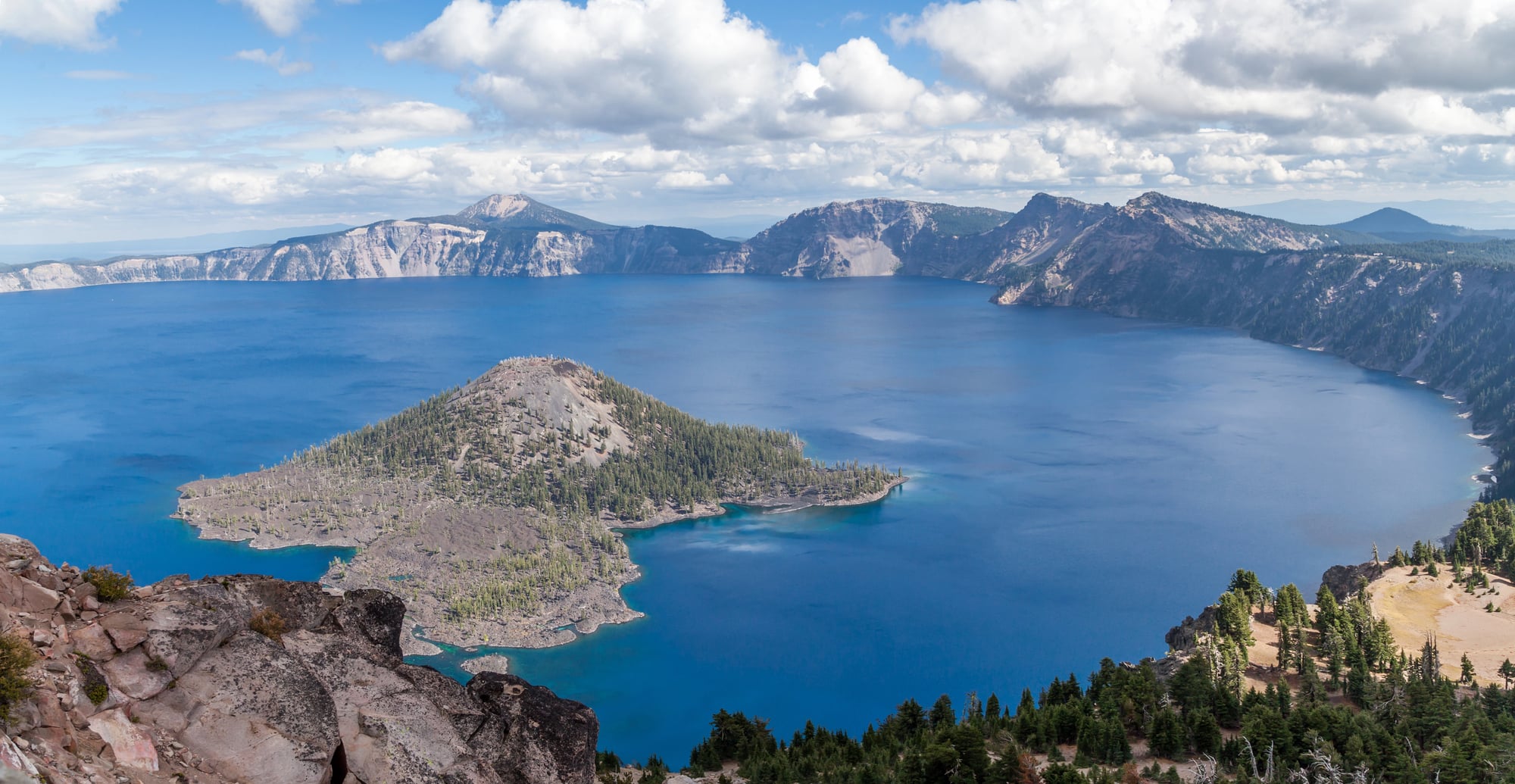
Oregon’s deepest lake fills a volcanic crater that has never been properly mapped. The water is so clear that objects 100 feet down look close enough to touch, but the lake is 1,943 feet deep in places that sonar can’t read consistently.
Native tribes considered it a gateway between worlds, and the lake still behaves like water that exists in more than one dimension at a time.
Lake Superior
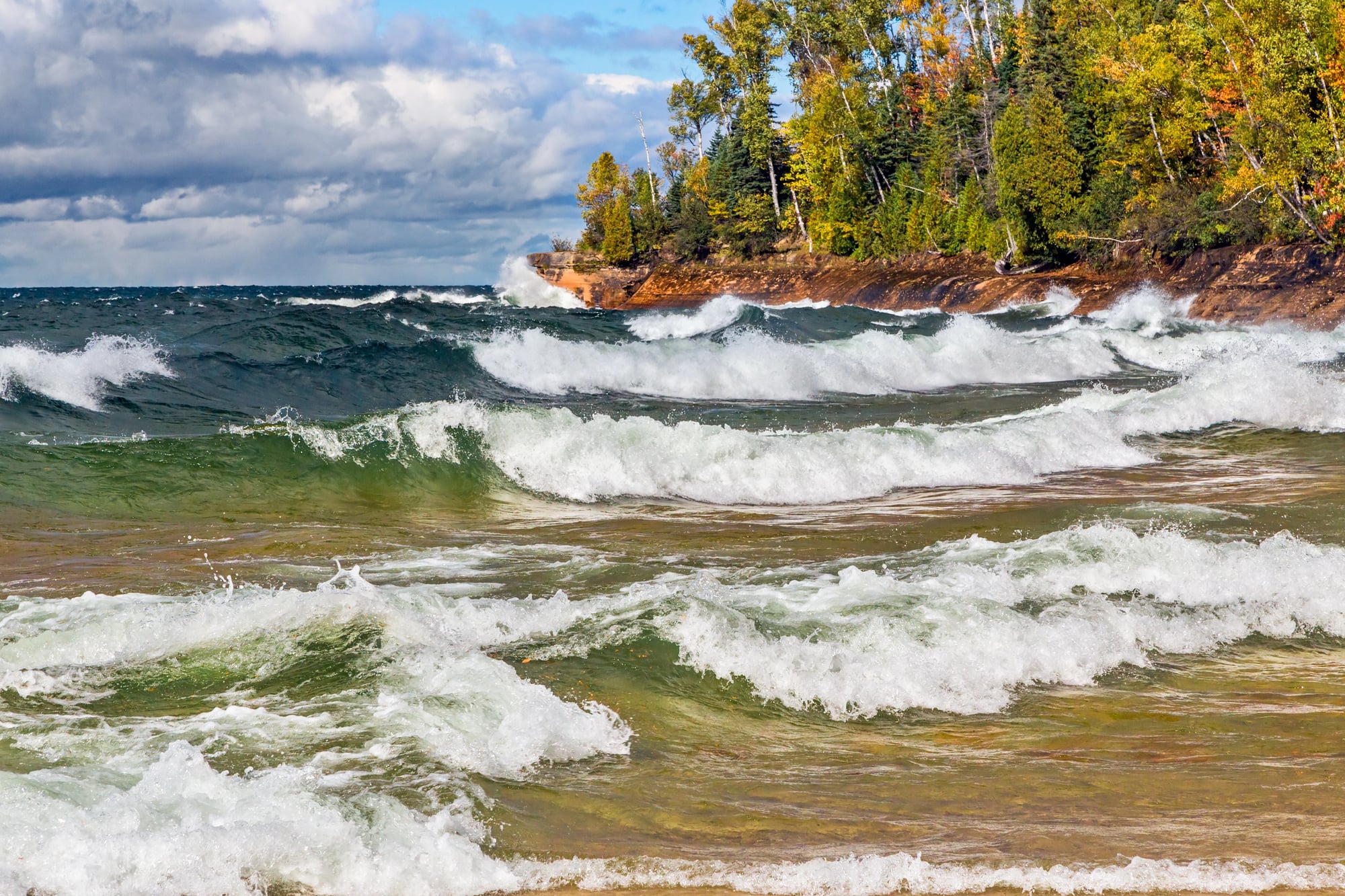
The Great Lakes’ graveyard keeps its dead in perfect condition. The water is so cold that bacteria can’t break down organic matter, so shipwrecks from the 1800s still have their crews sitting at their posts.
Edmund Fitzgerald went down in 1975 with all hands, and the lake has never given up a single body. Superior doesn’t just kill — it collects.
Hoia-Baciu Forest Pond
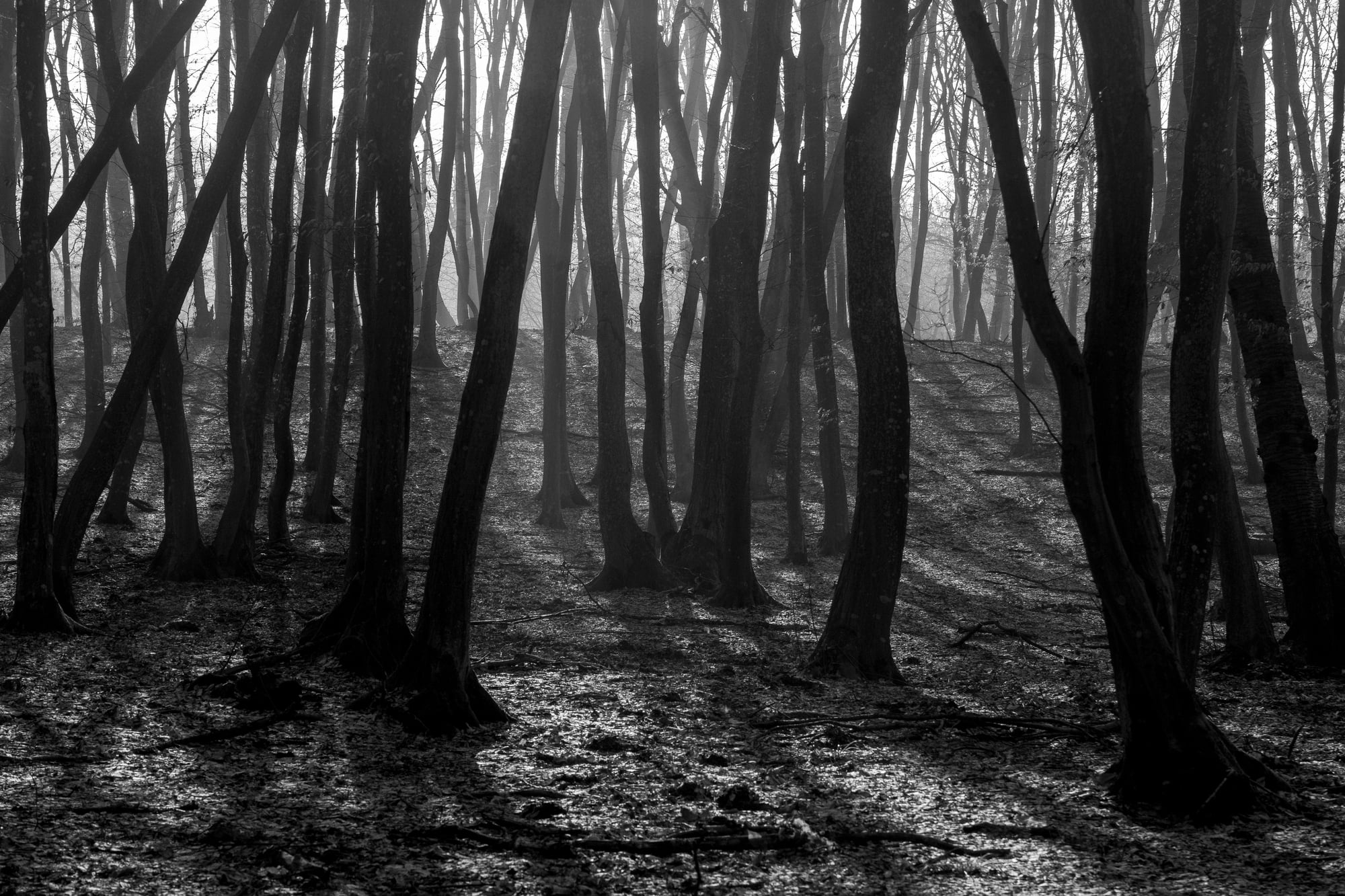
Romania’s most haunted forest contains a perfectly round pond that has no bottom anyone has been able to find. The water is always the same temperature regardless of season, and nothing grows in or around it despite the forest pressing against its banks on all sides.
Locals avoid it not because of superstition, but because people who swim in it come out different in ways that take weeks to become obvious.
Black Sea
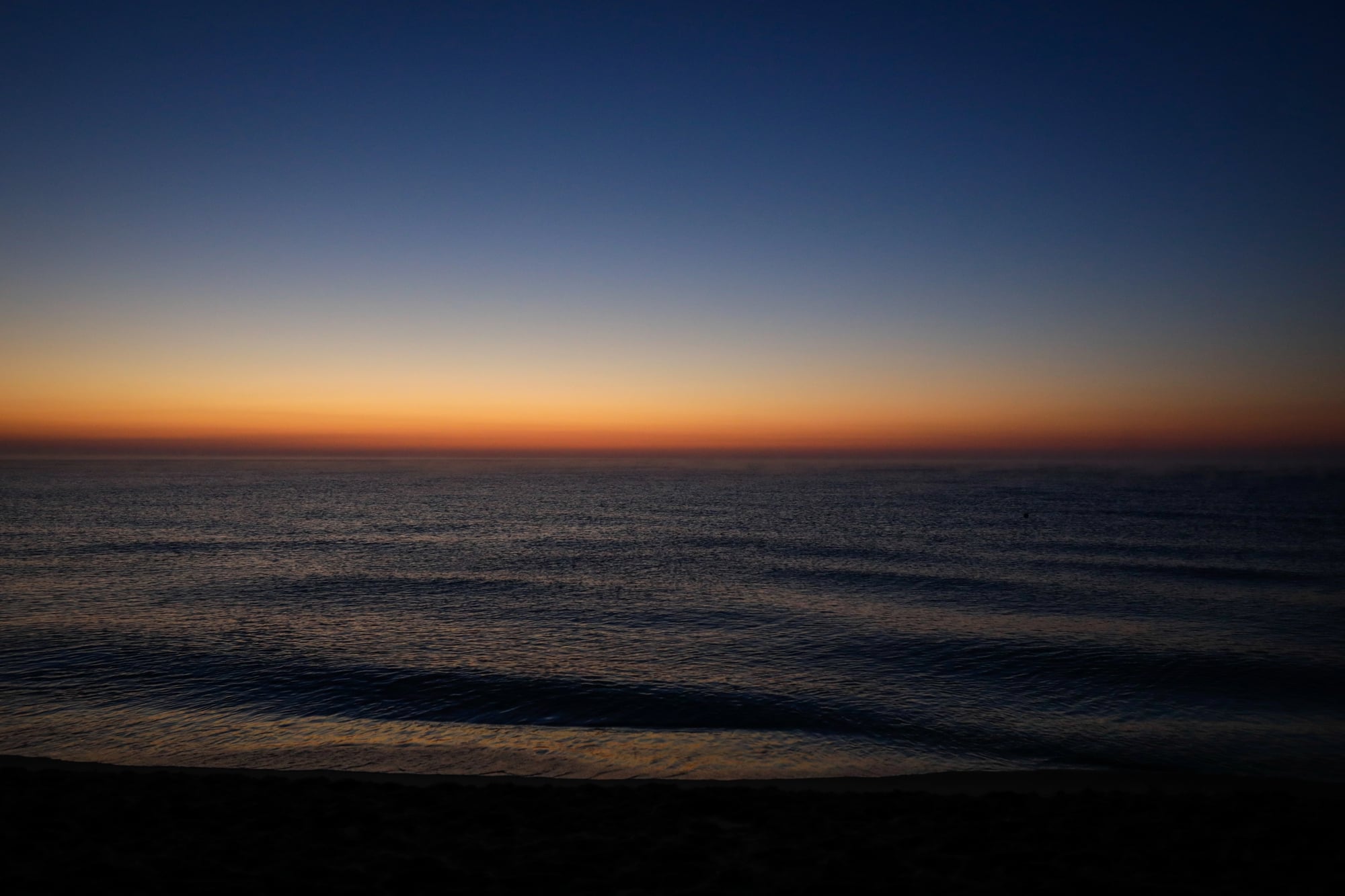
The Black Sea’s lower depths contain no oxygen and haven’t for thousands of years. Everything that sinks below 500 feet enters a preservation zone where time stops working properly.
Ancient ships rest on the bottom in perfect condition, their wooden hulls intact, their sails still recognizable.
The water itself turns black not because of sediment, but because light dies before it can reflect back to the surface.
Lake Shawnee
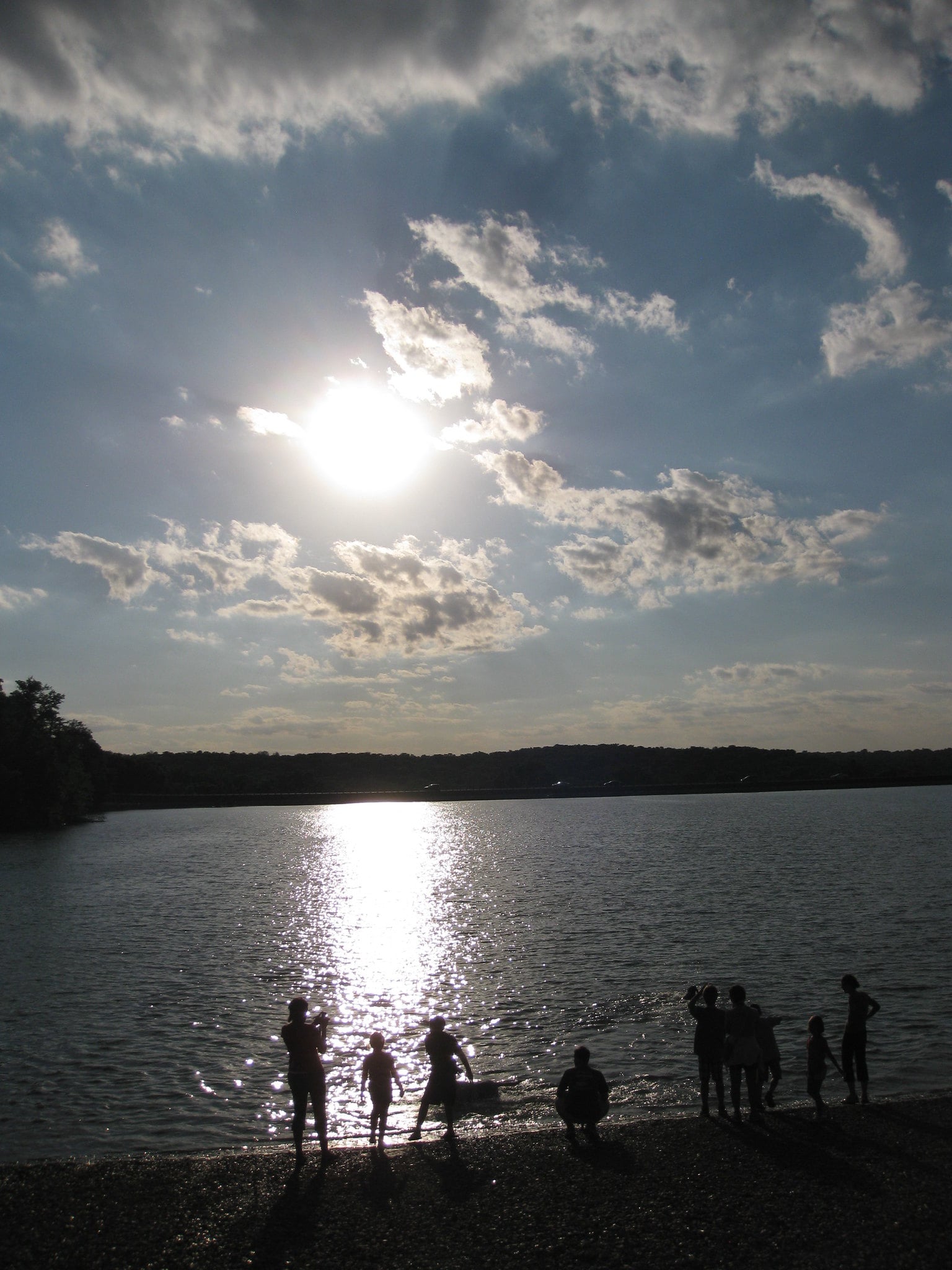
West Virginia’s abandoned amusement park sits next to a lake that was a Native American burial ground long before it was anything else. The lake reflects the rusted swings and ferris wheel, but visitors consistently photograph reflections that include people who aren’t standing on the shore.
The water level never changes, regardless of rainfall or drought, as if something underneath maintains it at the exact depth needed to keep the reflections clear.
When The Surface Lies
These waters teach the same lesson in different languages: the surface never tells the complete story. What makes them haunted isn’t the ghosts that might live in them, but the way they hold onto everything that has ever touched them.
They remember drowning victims and ancient burials, volcanic eruptions and mass suffocations, ships that sank and towns that were deliberately flooded to create something new.
And they’re patient. Water has more time than people do, and these haunted bodies of water use that time to collect stories that the living prefer to forget.
They’re not malicious — they’re just honest about what they’ve witnessed, and honesty about death has always looked like haunting to people who would rather pretend that water is just water, that depth is just distance, and that the past stays buried instead of floating just beneath the surface, waiting to be remembered.
More from Go2Tutors!

- The Romanov Crown Jewels and Their Tragic Fate
- 13 Historical Mysteries That Science Still Can’t Solve
- Famous Hoaxes That Fooled the World for Years
- 15 Child Stars with Tragic Adult Lives
- 16 Famous Jewelry Pieces in History
Like Go2Tutors’s content? Follow us on MSN.