Fashion Accessories That Defined Entire Decades
Think about your favorite photo from childhood or a picture of your parents when they were young. Chances are, it’s not just the clothes that place that image in time.
It’s the accessories. Maybe it’s a chunky bracelet, an oversized pair of sunglasses, or a hat that nobody would wear today. These little details are like time stamps, instantly telling you which decade you’re looking at.
Accessories have this funny way of capturing a moment better than anything else. They’re the pieces people remember, the things that bring back memories of who they were and what mattered back then.
Cloche hats
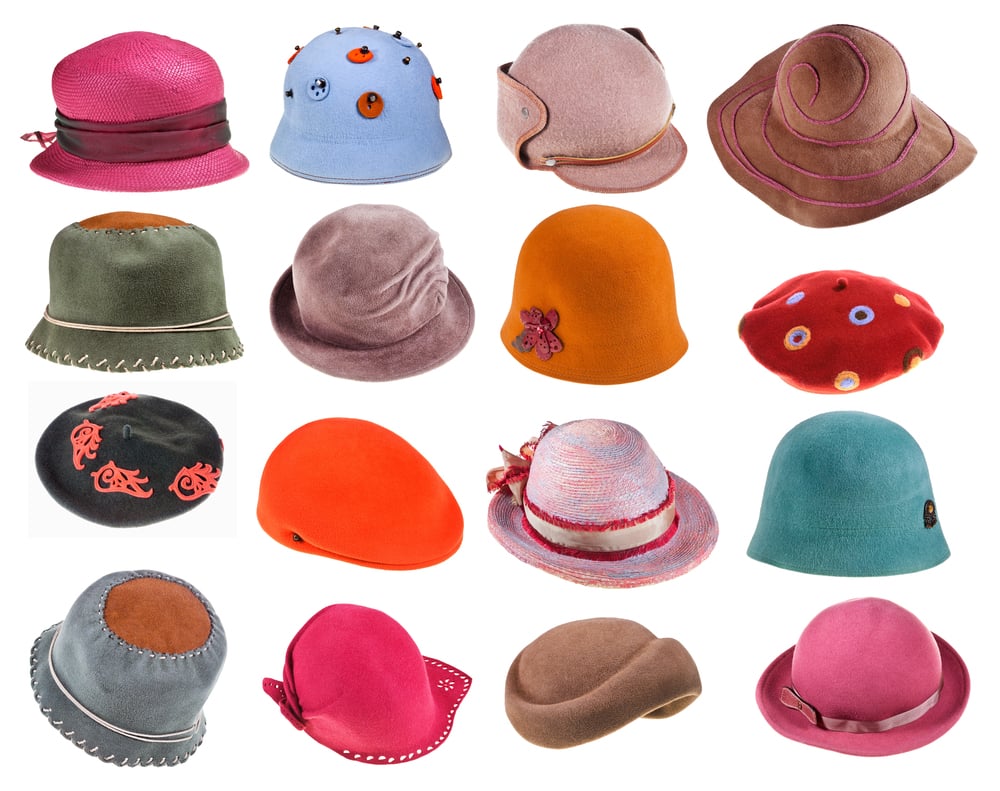
The 1920s brought a new kind of freedom for women, and the cloche hat was right there to announce it. This bell-shaped hat fit snugly over bobbed hair, sitting low on the forehead in a way that felt both mysterious and modern.
Women wore them with everything, from day dresses to evening wear. The cloche wasn’t just about fashion.
Art deco jewelry
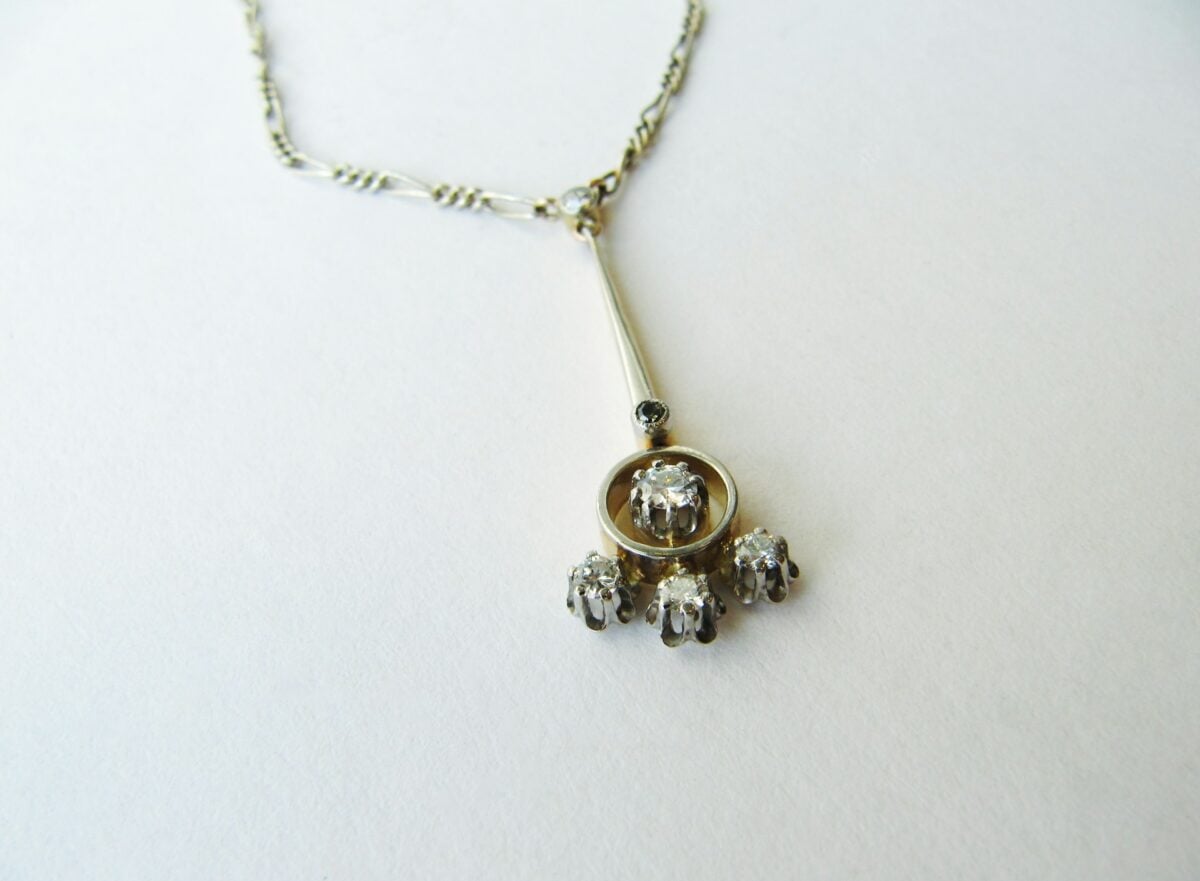
Geometric shapes and bold colors defined the jewelry of the 1920s and early 1930s. Long pearl necklaces, jeweled brooches, and statement bracelets caught the light at jazz clubs and speakeasies.
These pieces borrowed from ancient Egyptian and Asian designs, mixing cultures in ways that felt fresh and daring. The bigger and more eye-catching, the better. Wearing art deco jewelry meant you appreciated beauty and weren’t afraid to show it off.
Like Go2Tutors’s content? Follow us on MSN.
Fedoras
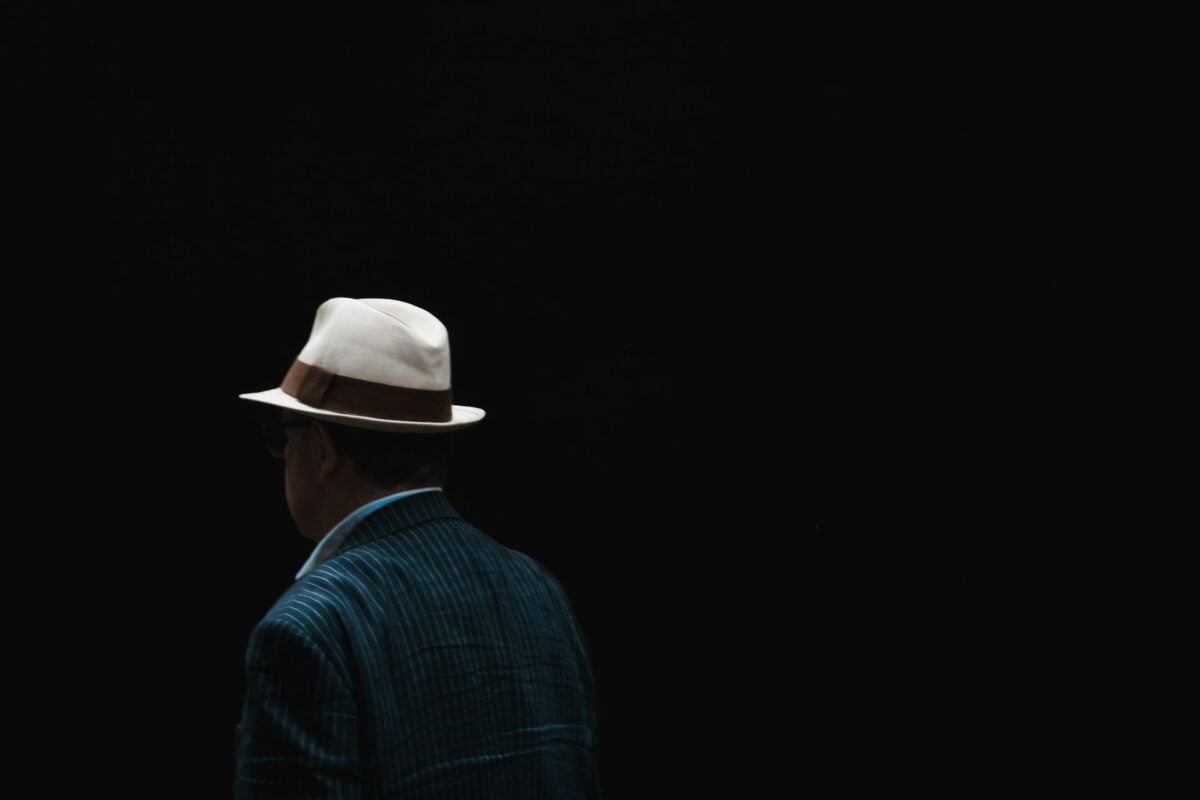
Men in the 1940s and 1950s wouldn’t dream of leaving the house without a fedora. This soft felt hat with its creased crown and snap brim became the uniform of businessmen, detectives, and movie stars alike.
It added instant sophistication to any suit, no matter how ordinary the rest of the outfit might be.
Cat-eye sunglasses
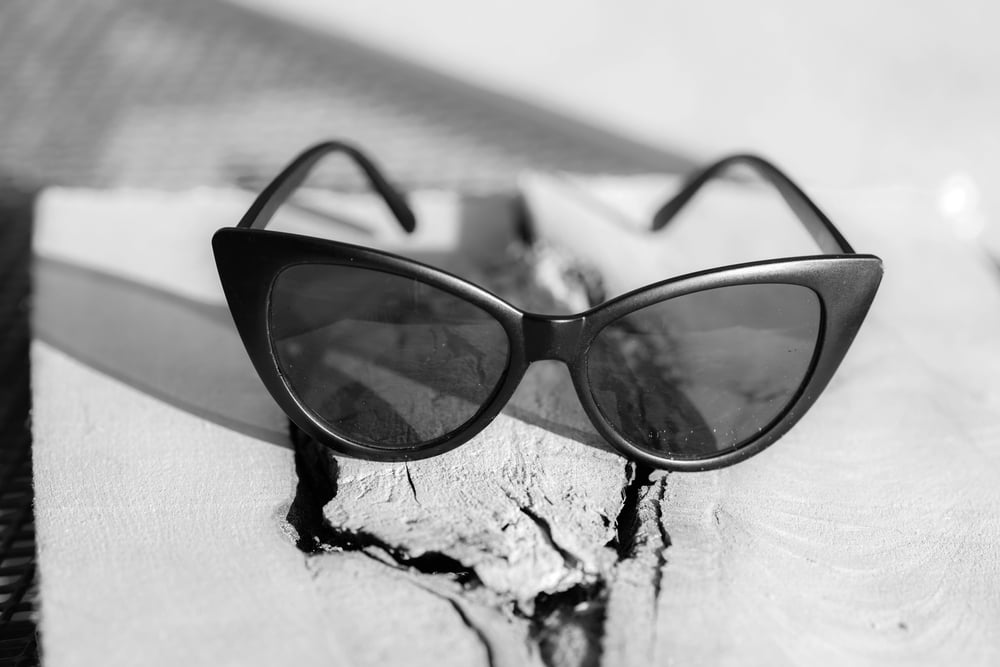
The 1950s gave us cat-eye sunglasses, and nothing says vintage glamour quite like them. These frames swept upward at the outer edges, creating a feline look that flattered almost every face shape.
Women paired them with headscarves and bright lipstick for a polished, put-together appearance that made them feel like movie stars. Hollywood actresses made them famous, but everyday women quickly adopted them too.
They were playful and elegant at the same time, which is a rare combination that’s hard to pull off.
Pillbox hats
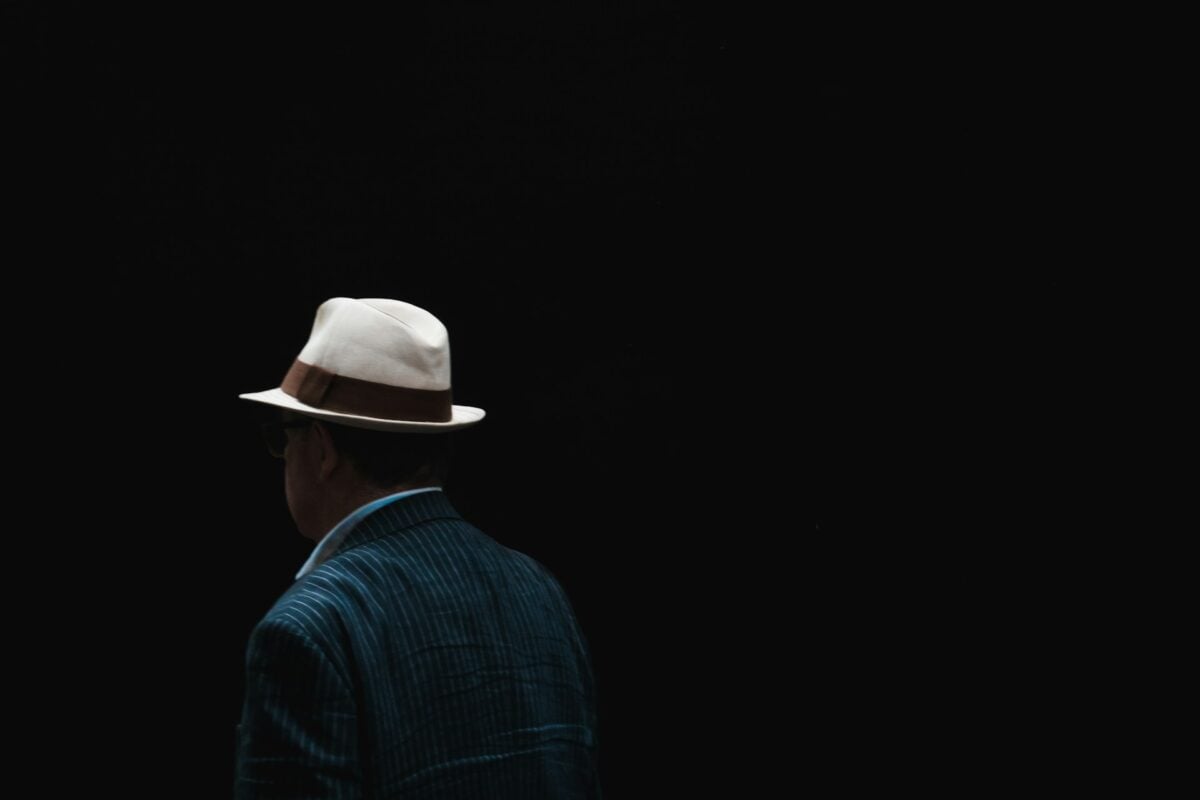
Jackie Kennedy made the pillbox hat an icon of the early 1960s. This small, round hat sat perfectly atop bouffant hairstyles and embodied grace and sophistication in ways that felt effortless.
Women wore them to church, weddings, and formal events, trying to capture just a bit of that Kennedy elegance. The pillbox represented a certain kind of refinement that defined the era before everything started to loosen up.
It was polished, proper, and absolutely everywhere for a few brief years before the world changed.
Like Go2Tutors’s content? Follow us on MSN.
Go-go boots
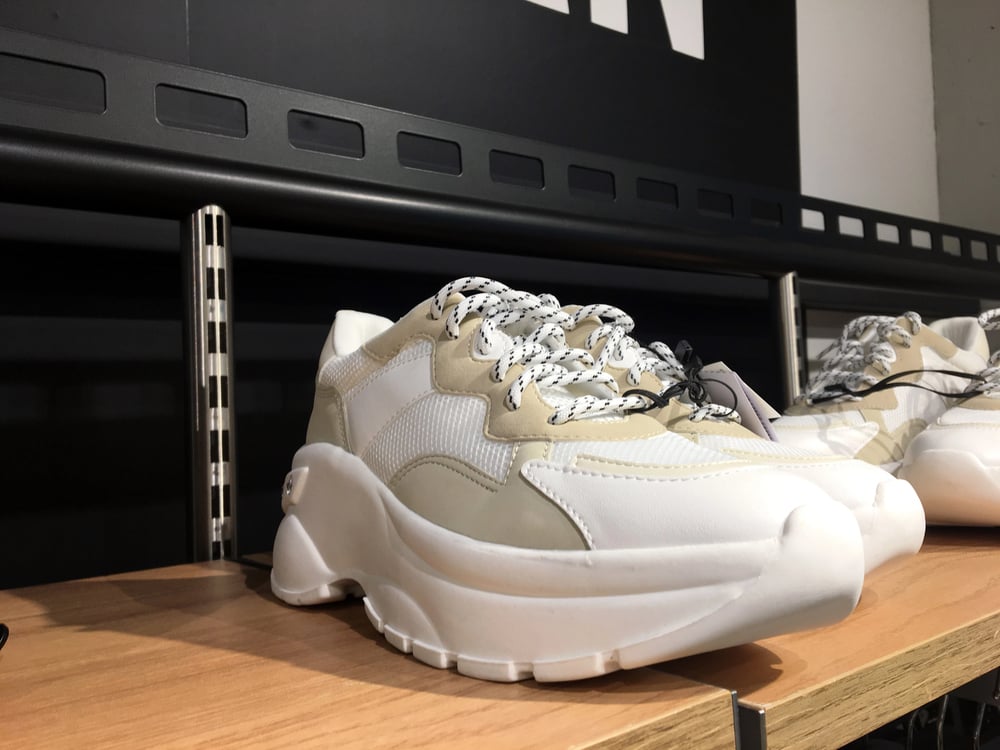
When the mid-1960s arrived, go-go boots kicked down the door. These knee-high or mid-calf boots, usually in white or bright colors, were made for dancing and moving freely.
They showed up in music videos, on television, and in clubs where people twisted and grooved to new sounds that their parents didn’t understand. Go-go boots were young, fun, and a little bit wild.
They matched the energy of a decade that was constantly pushing boundaries and asking questions nobody had thought to ask before.
Oversized sunglasses
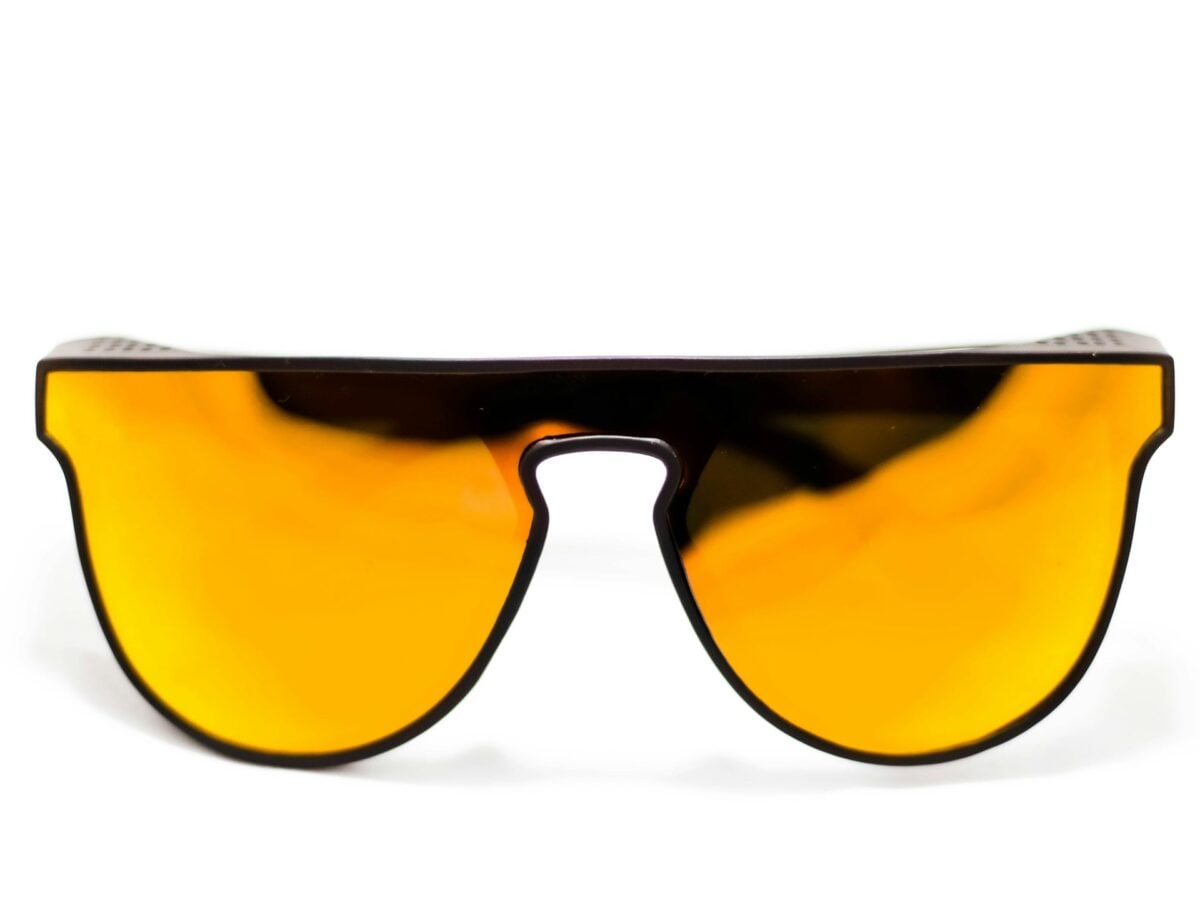
The 1970s took sunglasses to new extremes with frames so big they covered half the face. These oversized shades came in all shapes, from round to square to butterfly.
They were perfect for hiding from photographers or just looking effortlessly cool while walking down the street on a sunny afternoon. Both men and women embraced them without hesitation.
The bigger the better was the rule, and subtlety was definitely not the goal.
Platform shoes
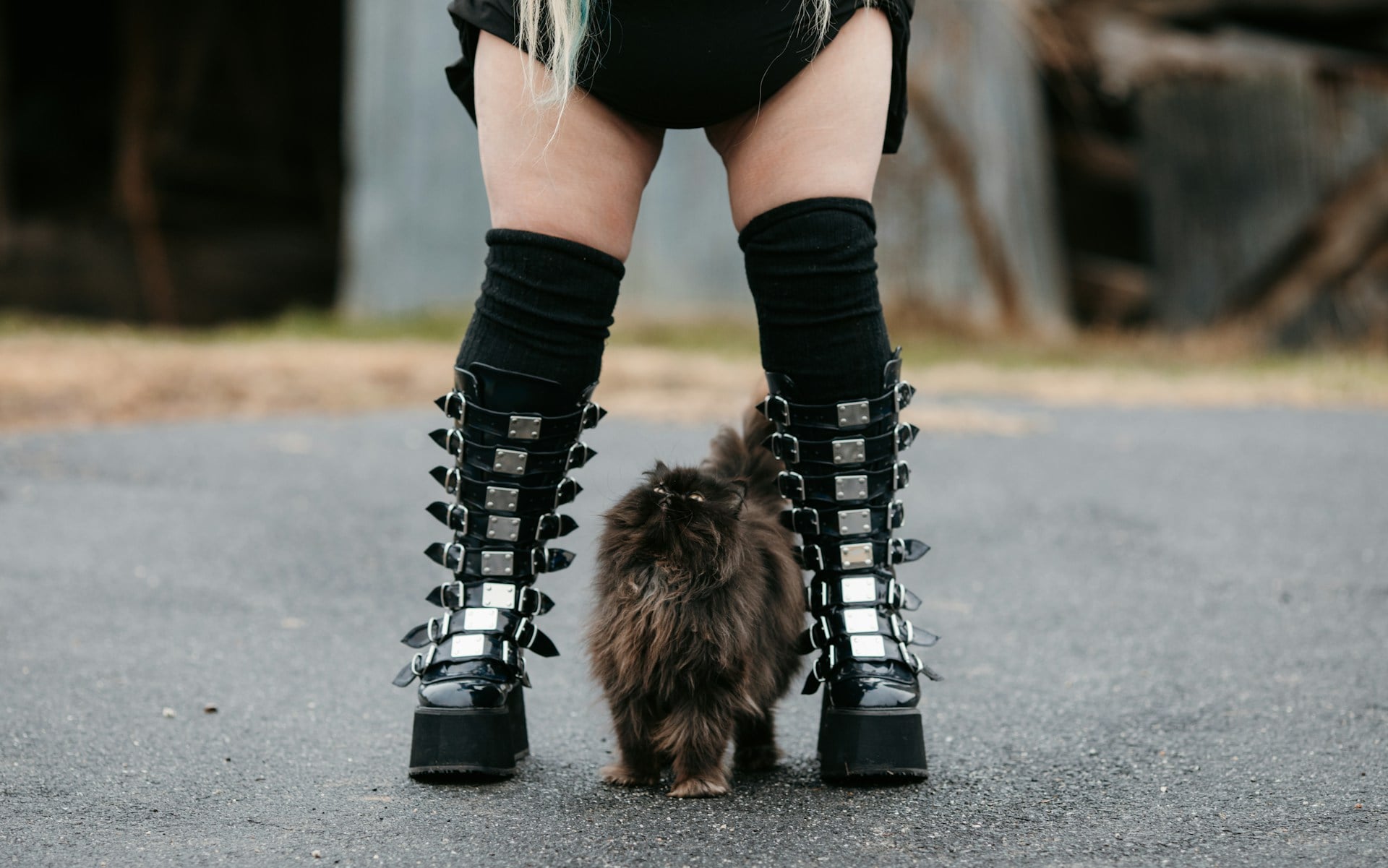
Nothing says 1970s quite like platform shoes. These thick-soled shoes added inches of height and a whole lot of attitude to anyone brave enough to wear them.
Disco dancers wore them, rock stars performed in them, and fashion lovers stacked them as high as they could go without falling over. Platforms came in every style you can think of, from sandals to boots to sneakers.
They were bold, impossible to ignore, and made everyone just a little bit taller and a lot more confident.
Like Go2Tutors’s content? Follow us on MSN.
Leg warmers
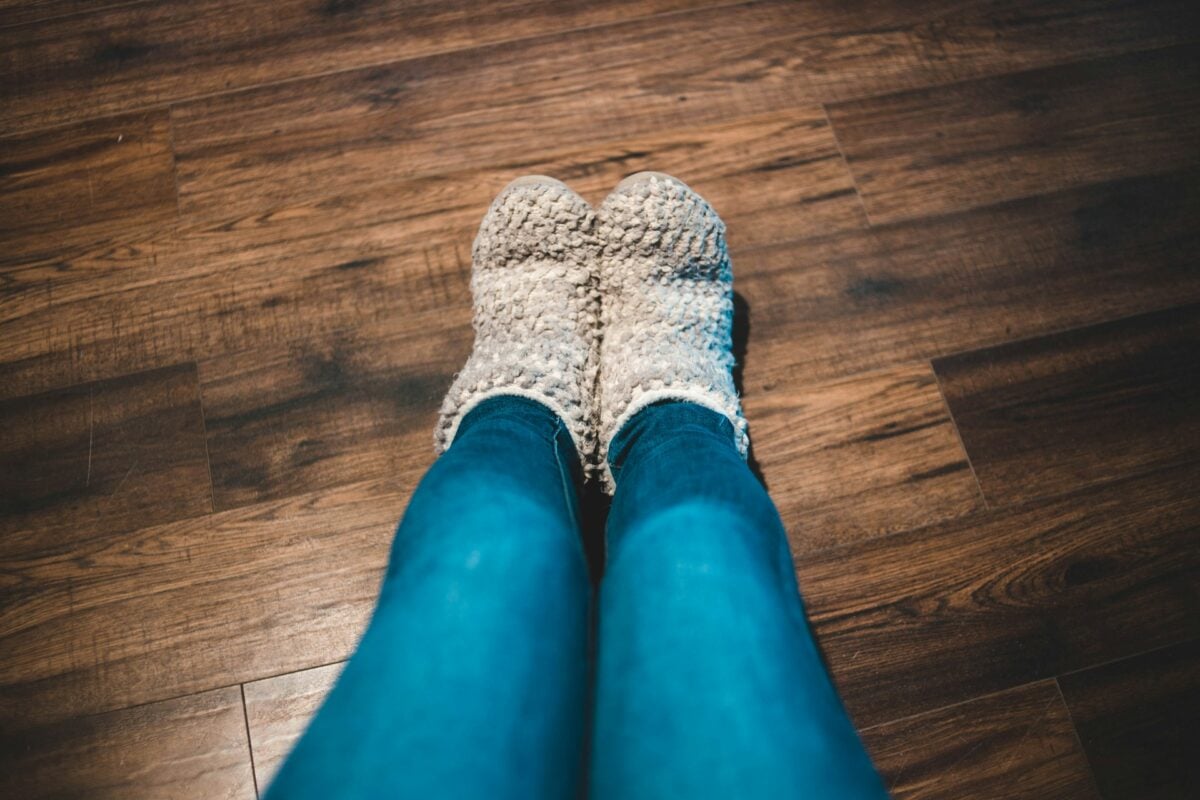
Dance studios gave us leg warmers in the early 1980s, but the streets quickly claimed them as their own. These knitted tubes bunched around ankles and calves, originally meant to keep dancers’ muscles warm between rehearsals.
Then movies and music videos featured them, and suddenly everyone wanted a pair whether they danced or not. People wore them with jeans, skirts, leggings, and sometimes even over their pants in combinations that made no practical sense.
They were cozy, colorful, and completely impractical for everyday life, which somehow made them absolutely perfect.
Scrunchies
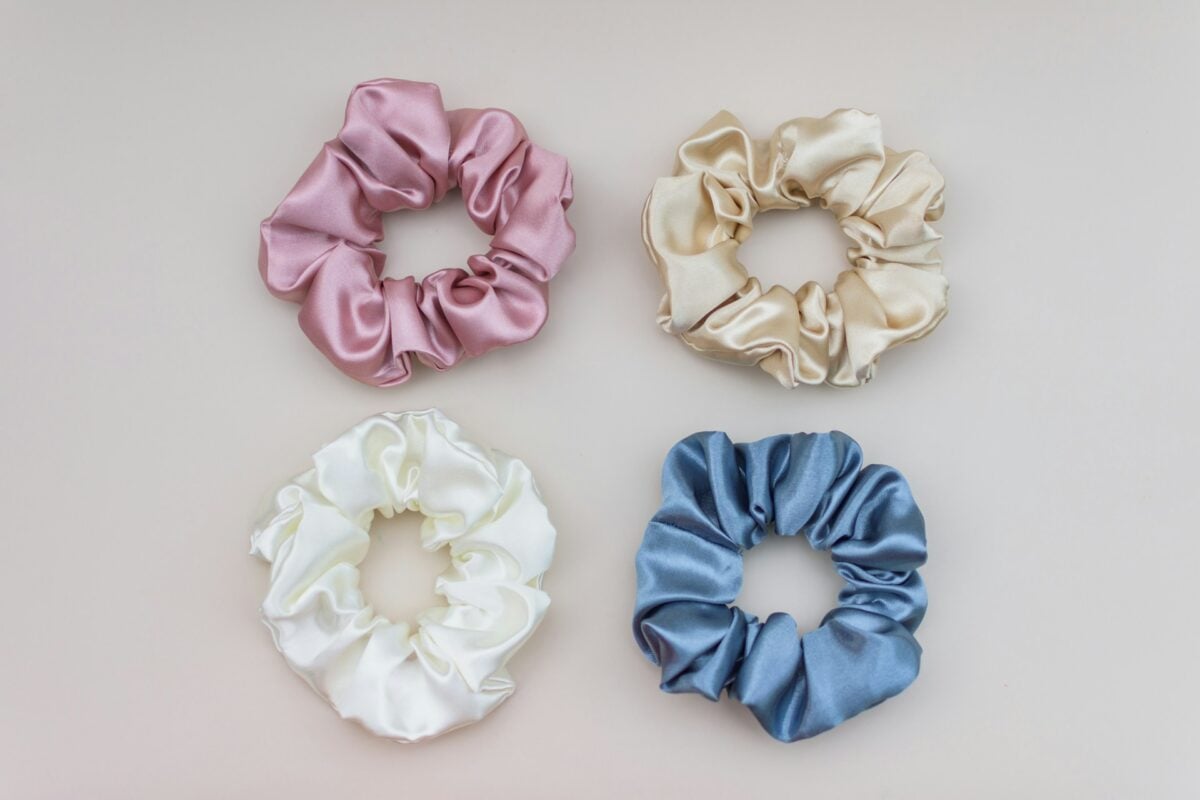
The humble scrunchie became the hair accessory of the 1980s and early 1990s, showing up in every school hallway and shopping mall. Made from fabric-covered elastic, these soft hair ties came in every pattern and color you could imagine and plenty you couldn’t.
They were kinder to hair than regular rubber bands and added a pop of personality to any ponytail without much effort. Girls and women collected them like treasures, matching them to outfits or just grabbing whatever was closest.
The scrunchie was simple, functional, and somehow made every hairstyle look more complete.
Slap bracelets
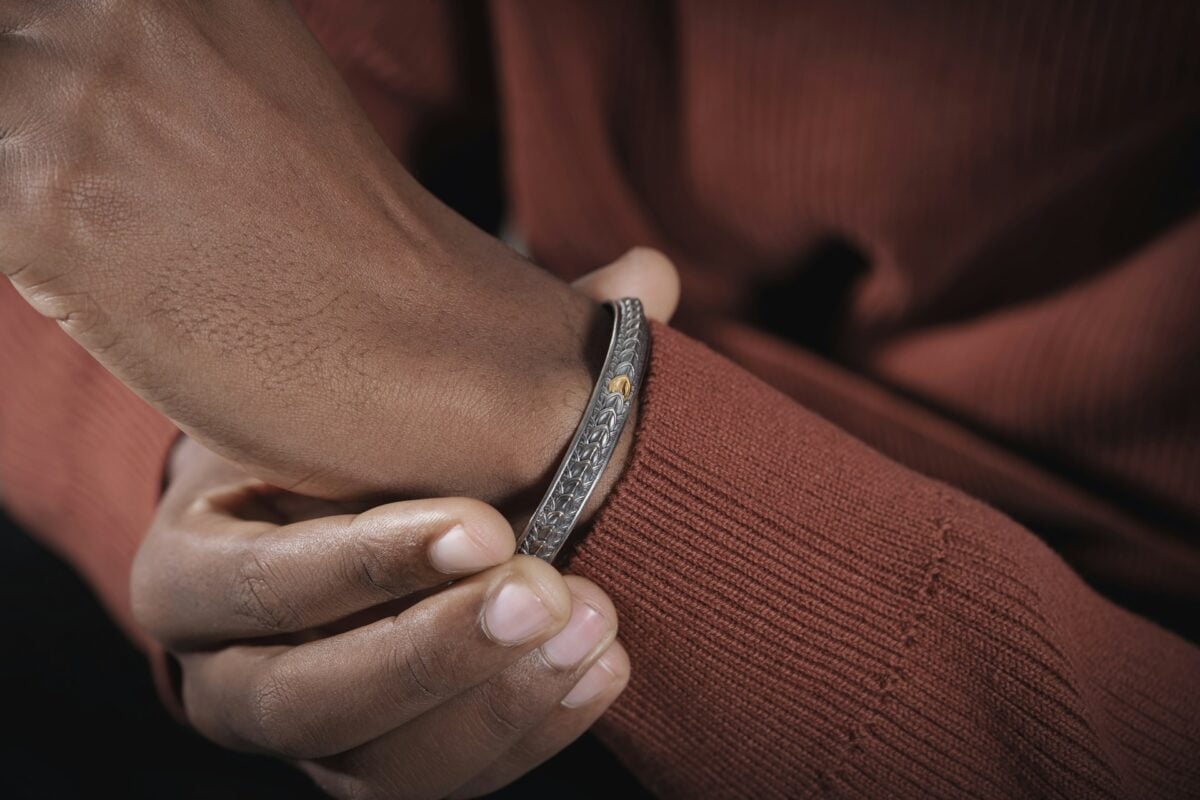
One of the most fun accessories of the late 1980s and early 1990s was the slap bracelet. These flat strips of spring steel covered in fabric would curl around the wrist when slapped against it with a satisfying snap.
Kids loved them, schools often banned them for being too distracting, which only made them more desirable and cool. They came in endless designs and patterns, from neon colors to holographic finishes.
The simple joy of that snapping sound and instant bracelet made them addictive to collect and wear until they eventually lost their spring.
Like Go2Tutors’s content? Follow us on MSN.
Bucket hats

Hip-hop culture brought bucket hats into the mainstream during the 1990s, and they stuck around longer than anyone expected. These soft, downward-sloping hats offered sun protection and serious style points at the same time.
Rappers, skaters, and youth culture embraced them as part of a casual, streetwear look that felt authentic and real. They were the opposite of fancy or formal, which was exactly the point.
Comfortable and unpretentious, bucket hats showed that fashion could be relaxed and still make a strong statement.
Chokers
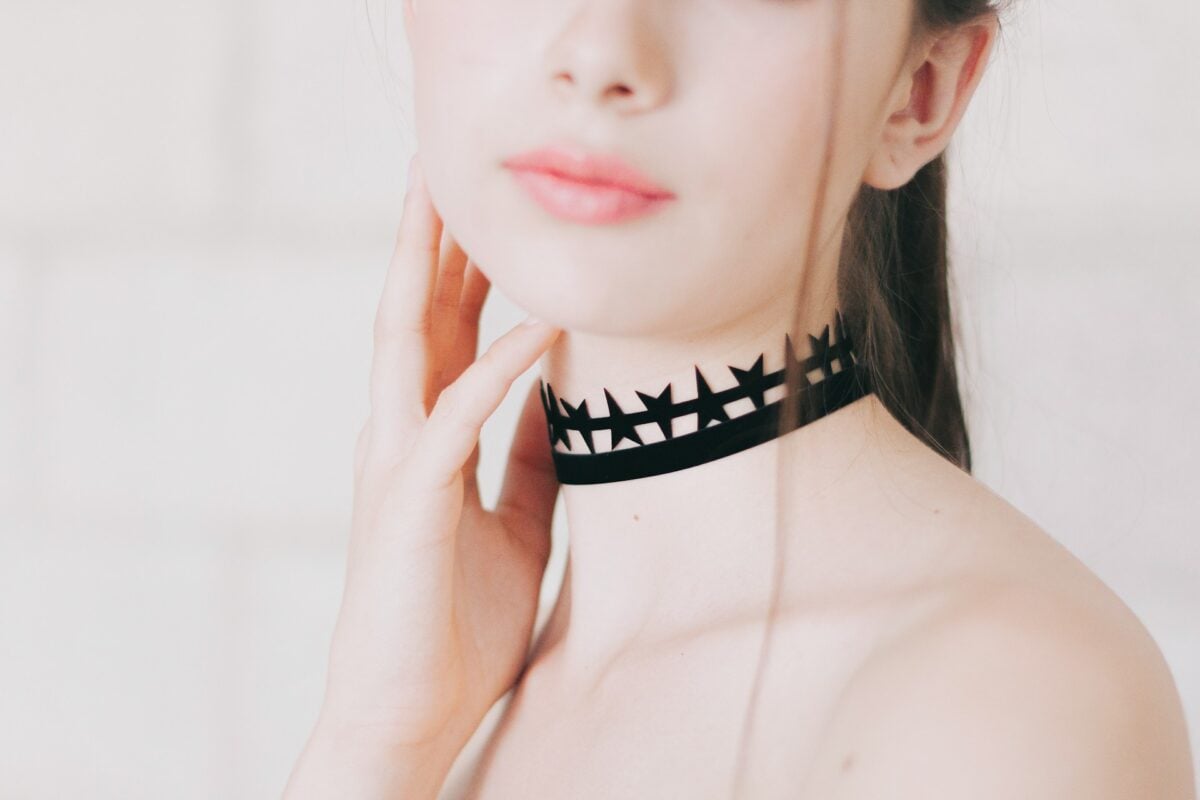
The 1990s saw chokers wrap tightly around nearly every young person’s neck like a uniform nobody planned. These close-fitting necklaces came in countless varieties, from simple black velvet ribbons to stretchy plastic tattoo designs to beaded creations made during sleepovers.
They were edgy, a bit rebellious, and completely different from the delicate jewelry previous decades had favored. Wearing a choker meant you were part of the alternative scene or at least wanted to look like you were.
Some parents hated them, which naturally made them even more appealing to teenagers everywhere.
Why these pieces still matter
Looking back at these accessories shows how much fashion reflects the world around it and the people living in it. Each decade brought new attitudes, new music, new ways of thinking, and the accessories changed right along with them like a visual diary nobody meant to keep.
More from Go2Tutors!

- 16 Historical Figures Who Were Nothing Like You Think
- 12 Things Sold in the 80s That Are Now Illegal
- 15 VHS Tapes That Could Be Worth Thousands
- 17 Historical “What Ifs” That Would Have Changed Everything
- 18 TV Shows That Vanished Without a Finale
Like Go2Tutors’s content? Follow us on MSN.