Precious Metals Utilized in Modern Electronics
The smartphone in your pocket weighs less than half a pound, yet it contains more than half the elements on the periodic table. Hidden inside that sleek device — and countless other pieces of modern technology — are microscopic quantities of some of Earth’s rarest and most valuable metals.
These precious elements don’t just add cost to our gadgets; they make our digital world possible. From the gold threading through circuit boards to the platinum enabling catalytic processes, precious metals serve as the invisible backbone of electronic innovation.
Their unique properties — exceptional conductivity, resistance to corrosion, and chemical stability — make them irreplaceable in applications where failure isn’t an option. Understanding which metals power our technology reveals just how much treasure lies hidden in plain sight.
Gold
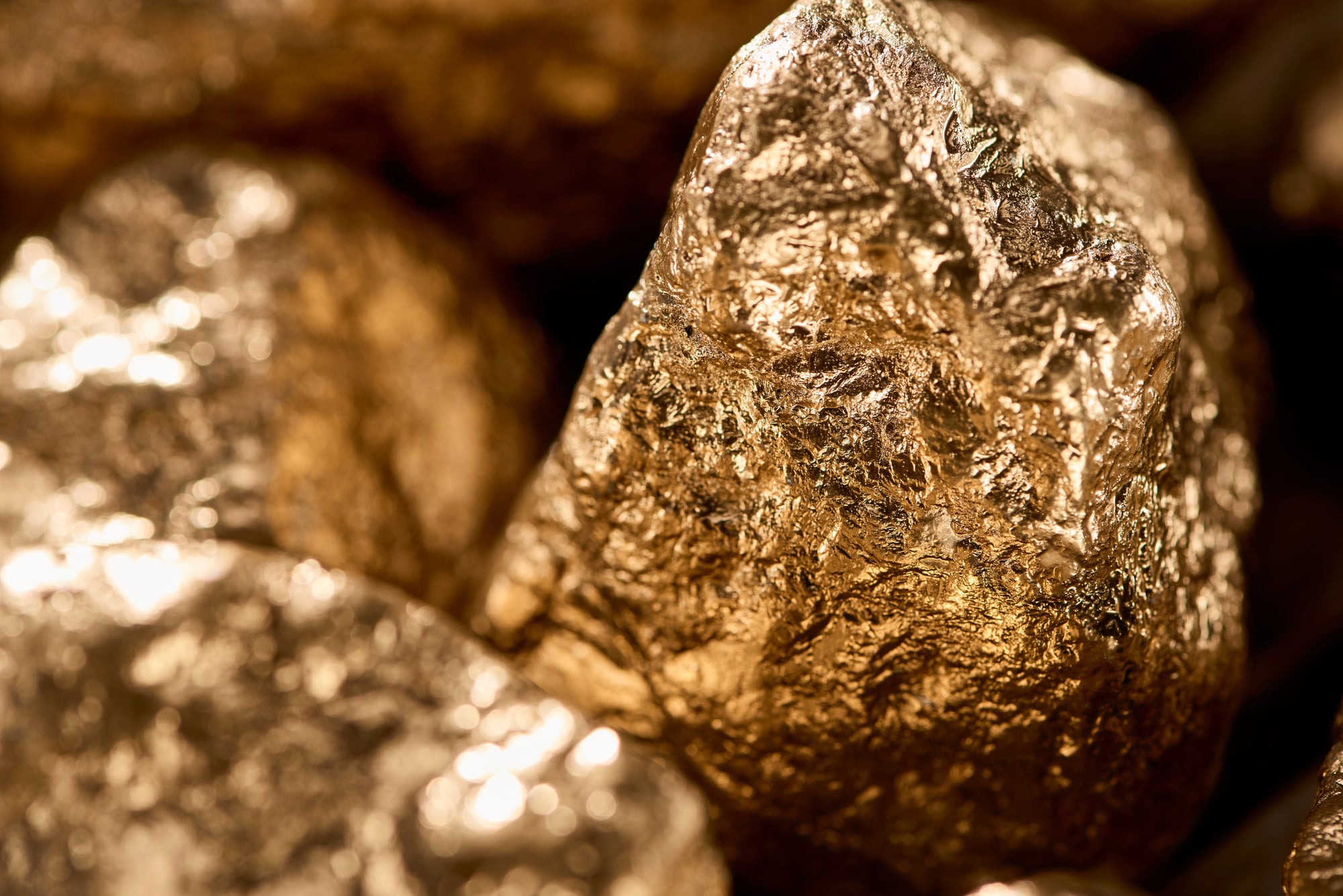
Gold dominates electronics for one simple reason. It doesn’t corrode.
Ever. When a connection absolutely cannot fail, gold is the only choice that makes sense.
Circuit boards shimmer with thin gold plating across their most critical pathways. Connectors, pins, and contact points all rely on gold’s perfect conductivity and eternal stability.
Your computer’s processor contains gold wiring so fine it’s measured in atoms, yet those microscopic threads carry the signals that power every calculation.
Silver
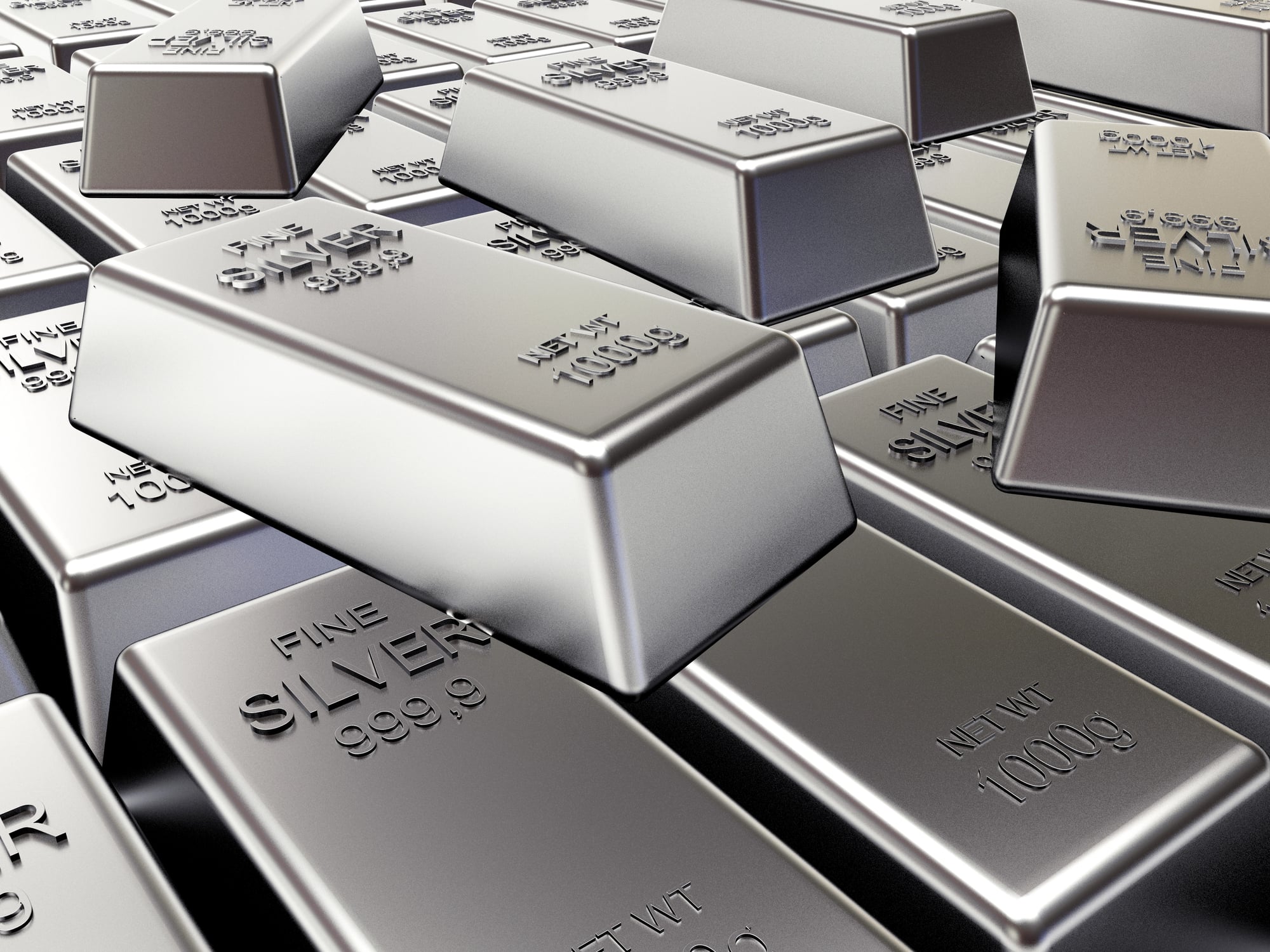
Silver conducts electricity better than any other element on Earth, which creates an interesting problem: it’s almost too good at its job. While gold gets the spotlight for reliability, silver quietly handles the heavy lifting in applications where maximum conductivity trumps everything else (including cost, as it turns out).
High-frequency circuits depend on silver’s superior electrical properties — and this is where things get complicated, because silver tarnishes when exposed to sulfur compounds in the air. So engineers coat silver components with protective layers, creating a delicate balance between peak performance and practical durability.
The result is a metal that’s simultaneously indispensable and frustrating to work with. And yet manufacturers keep using it, because when you need the absolute best conductivity, silver remains unmatched.
Platinum
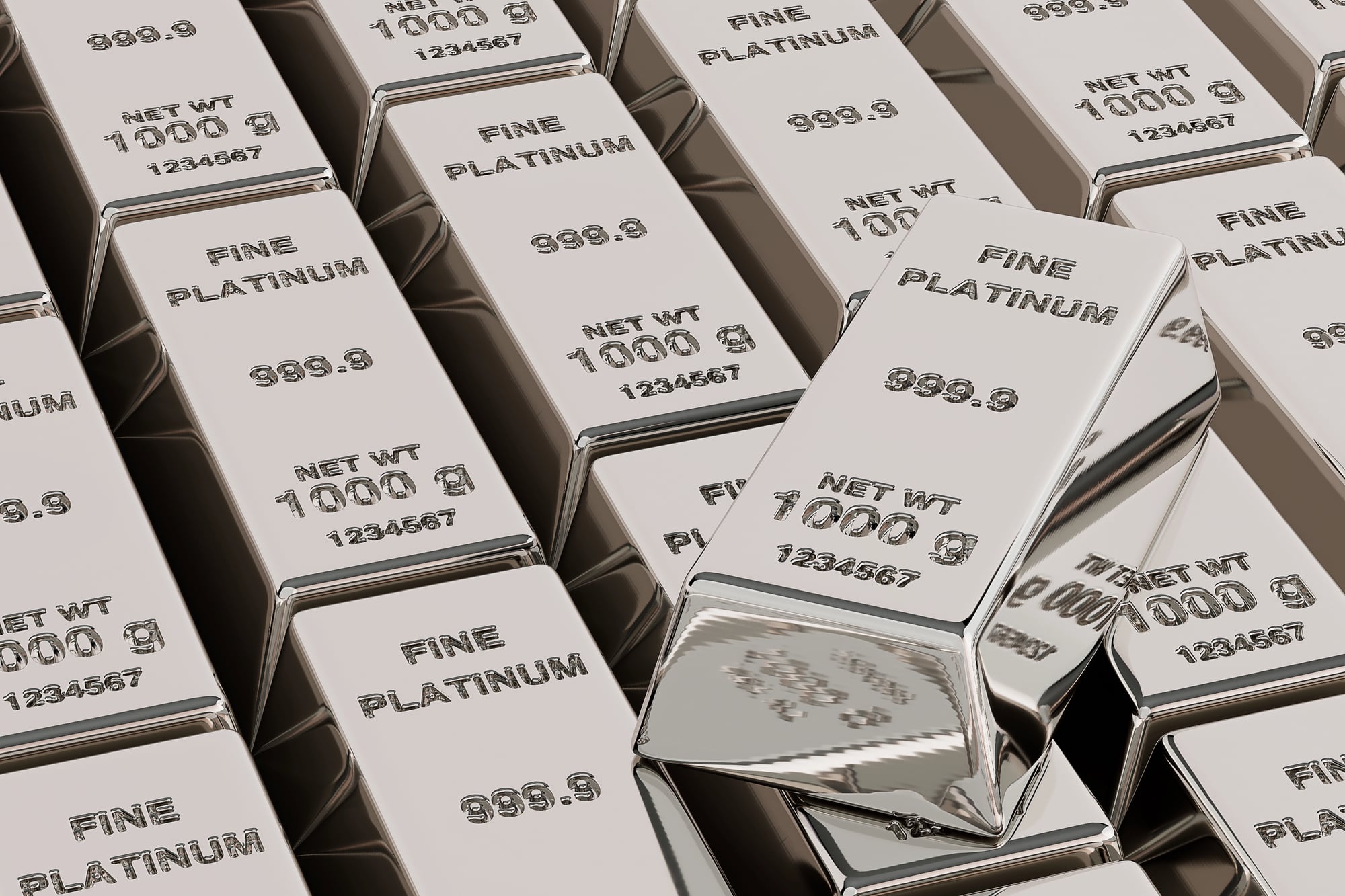
Think of platinum as the diplomatic envoy of the metals world — it mediates between incompatible materials and makes peace where none should exist. In electronics, this translates to a role that’s less visible but absolutely critical: enabling chemical reactions that would otherwise refuse to happen.
Fuel cells rely on platinum catalysts to split hydrogen molecules and generate electricity cleanly. The metal doesn’t participate in the reaction itself; it simply creates the conditions where hydrogen and oxygen can dance together and produce power.
There’s something almost magical about a substance that can orchestrate such transformations while remaining unchanged. Hard disk drives use platinum-based magnetic layers for data storage, where the metal’s stability ensures that your files remain readable years after they were written.
Palladium
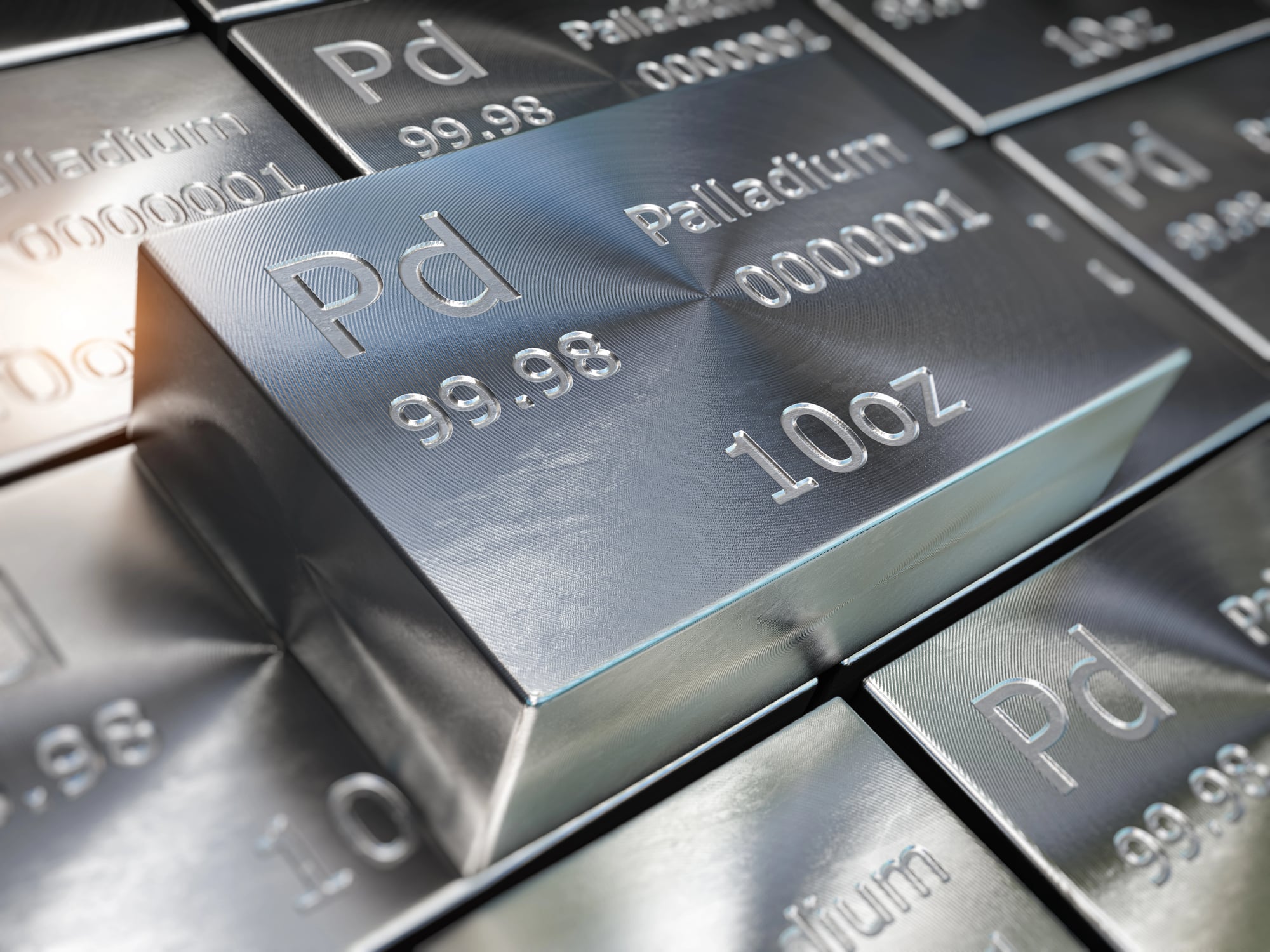
Palladium suffers from an identity crisis. It looks like platinum, behaves similarly in many applications, and often gets used as a substitute when platinum prices climb too high.
Most people have never heard of it, despite the fact that it’s hiding in nearly every piece of modern technology.
Capacitors in smartphones and tablets rely on palladium electrodes. The metal’s ability to absorb hydrogen makes it valuable in specialized electronic components where gas absorption matters.
Palladium also appears in automotive electronics, where its catalytic properties help reduce emissions from internal combustion engines. Fair enough — it’s the understudy that stepped into the spotlight and never left.
Rhodium
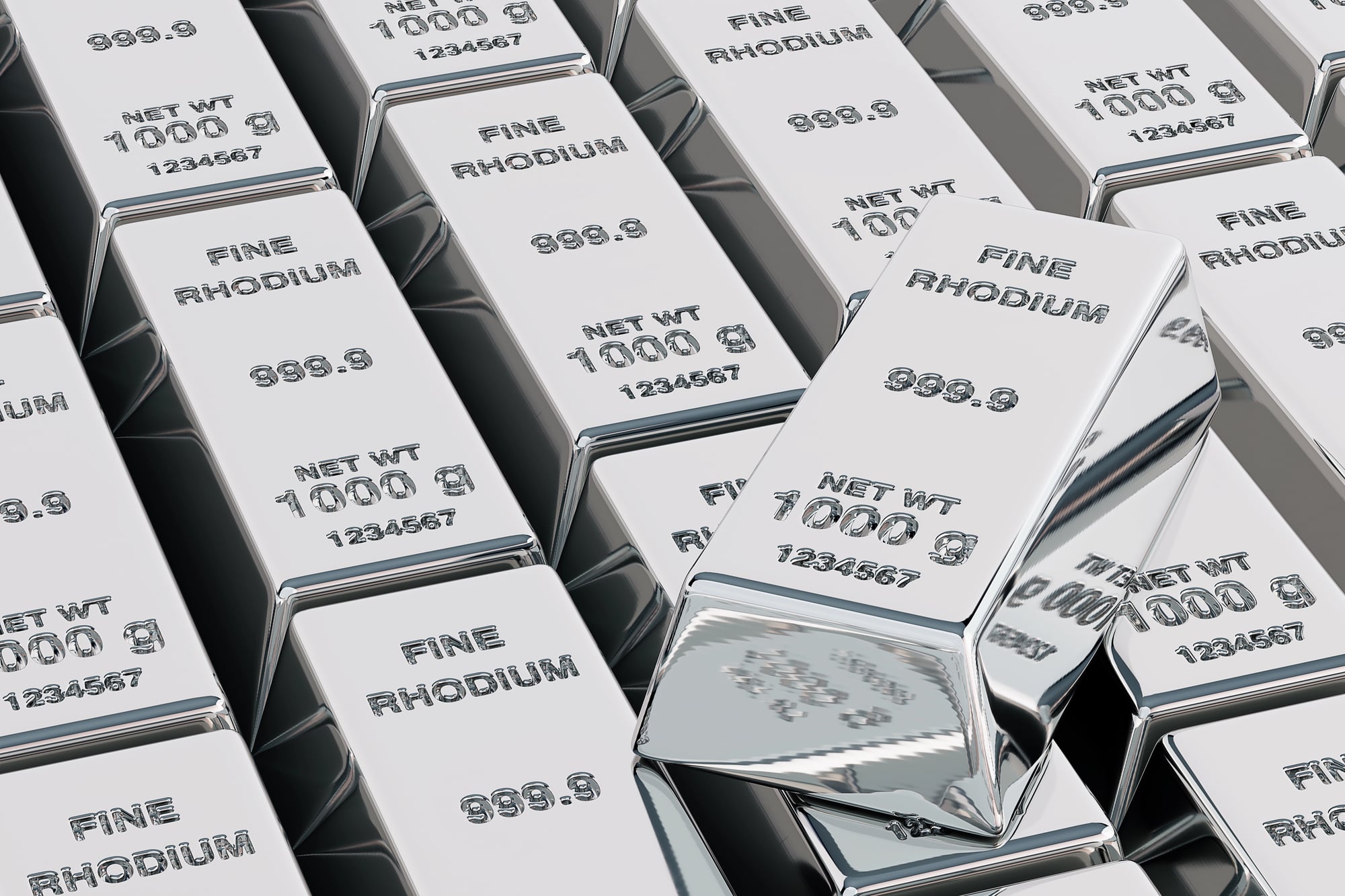
Rhodium makes platinum look common. This metal is so rare that annual global production could fit in a small room, yet its properties are so extraordinary that electronics manufacturers pay astronomical prices just to access microscopic quantities.
The automotive industry consumes most of the world’s rhodium supply for catalytic converters. But electronics applications, while smaller in volume, are equally critical.
High-end audio equipment uses rhodium plating on contacts and connectors, where the metal’s exceptional conductivity and corrosion resistance justify the extreme cost.
Ruthenium
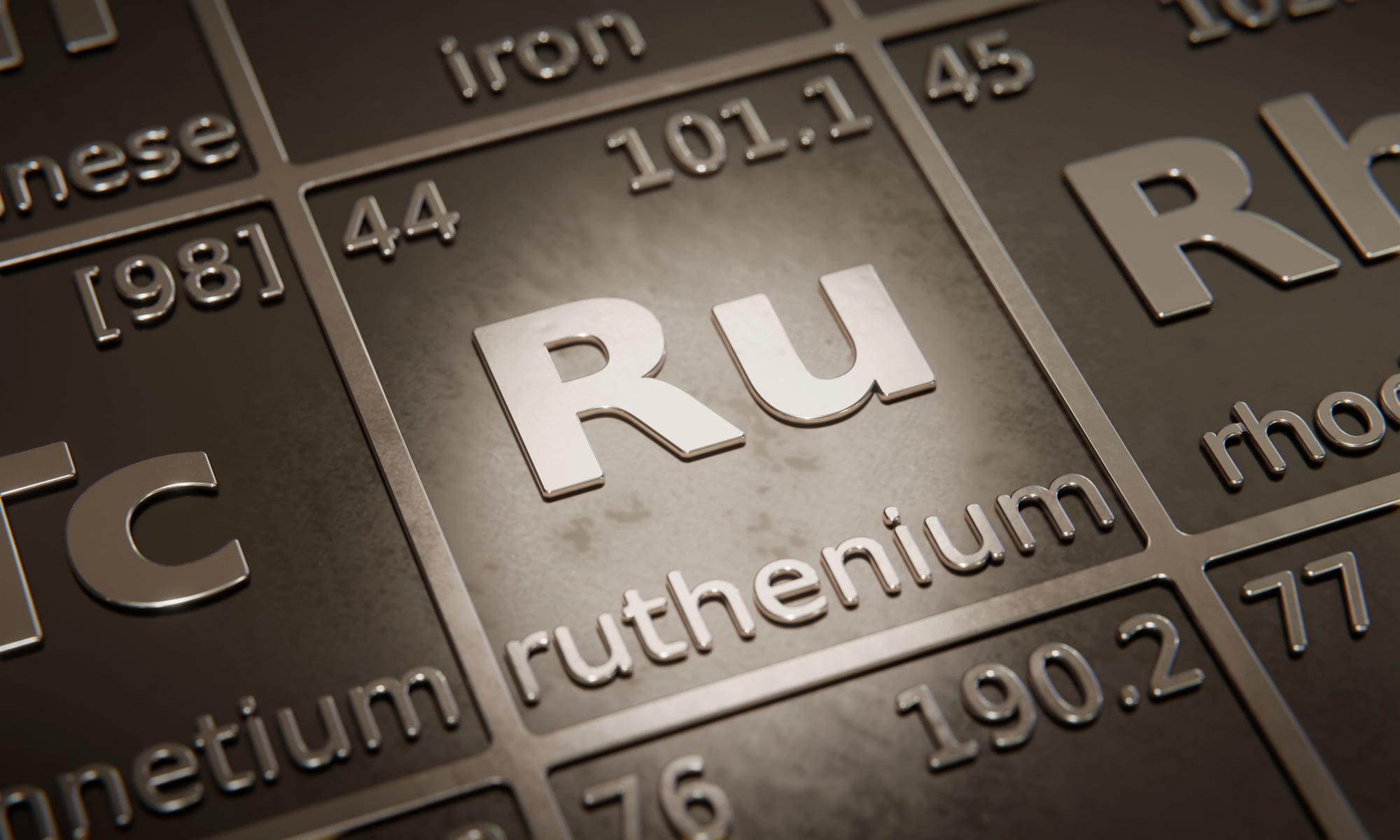
Ruthenium occupies a strange position in the precious metals hierarchy — technically precious, occasionally useful, but often overlooked until a specific application demands its unique properties. The electronics industry discovered ruthenium’s value relatively recently, and the applications keep expanding as manufacturers push the boundaries of miniaturization.
Hard disk drives use ruthenium in their magnetic storage layers, where the metal helps create the precise magnetic properties needed for high-density data storage. Resistors and capacitors sometimes incorporate ruthenium compounds when standard materials can’t handle the electrical demands.
So ruthenium quietly enables the storage of terabytes of data and the precise control of electrical flow in advanced circuits. Not bad for a metal most people can’t pronounce.
What’s particularly interesting about ruthenium is how its applications keep evolving — researchers continue discovering new ways to exploit its properties as electronic components shrink and performance requirements increase. And the metal seems ready for whatever challenge comes next.
Iridium
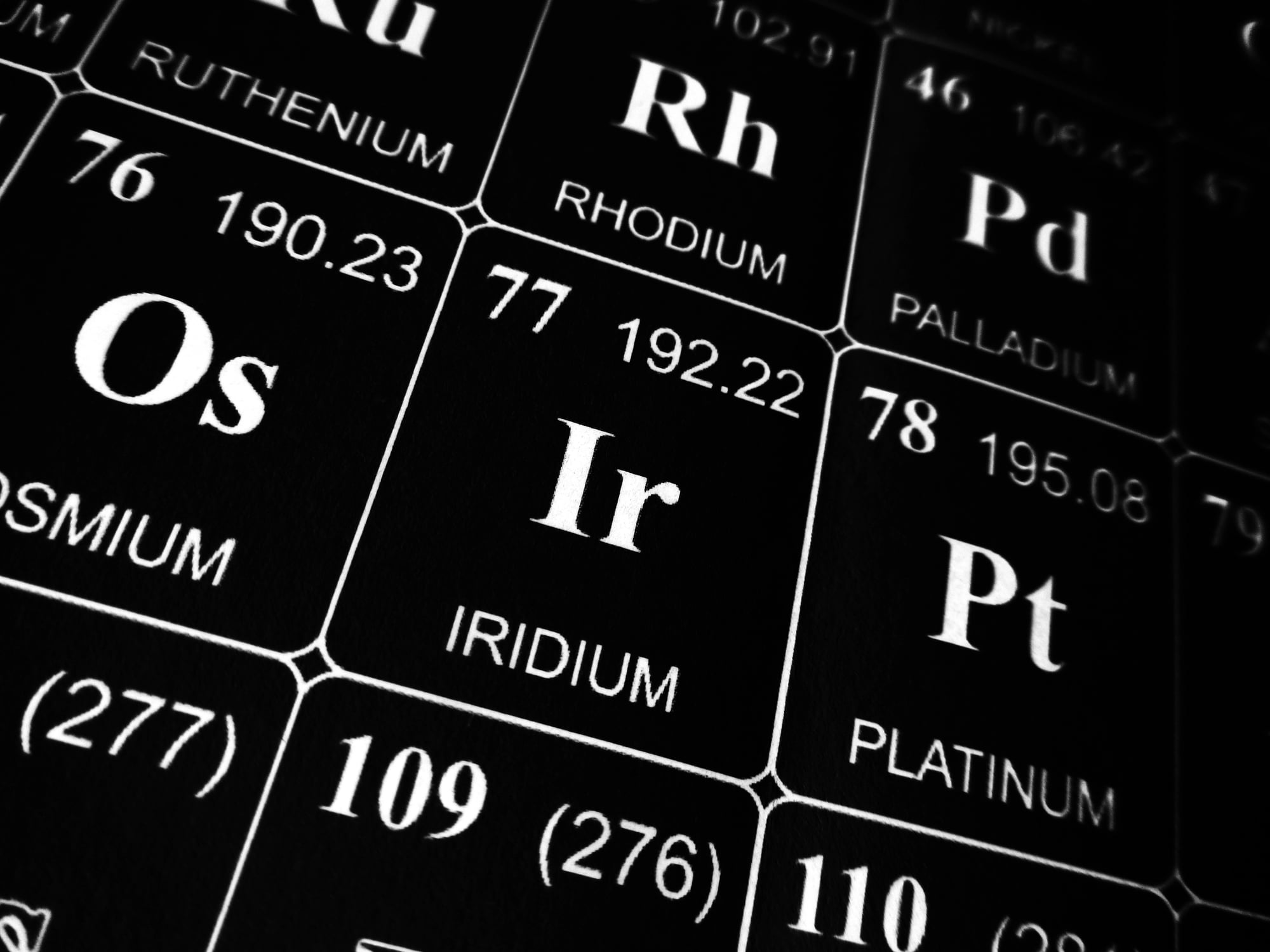
Iridium is stubborn in all the right ways. It resists corrosion with an almost defiant intensity, remains stable at temperatures that would melt most other metals, and maintains its properties under conditions that would destroy lesser materials.
Spark plugs in high-performance engines rely on iridium electrodes for precisely this reason. The metal endures thousands of electrical discharges without degrading, ensuring consistent ignition across hundreds of thousands of miles.
Electronic components operating in harsh environments — satellites, military equipment, industrial sensors — often depend on iridium’s ability to function when everything else fails.
But iridium’s most fascinating application might be in specialized electronic contacts where failure could be catastrophic. Medical implants sometimes use iridium electrodes because the metal remains inert inside the human body while conducting electrical signals reliably.
Osmium
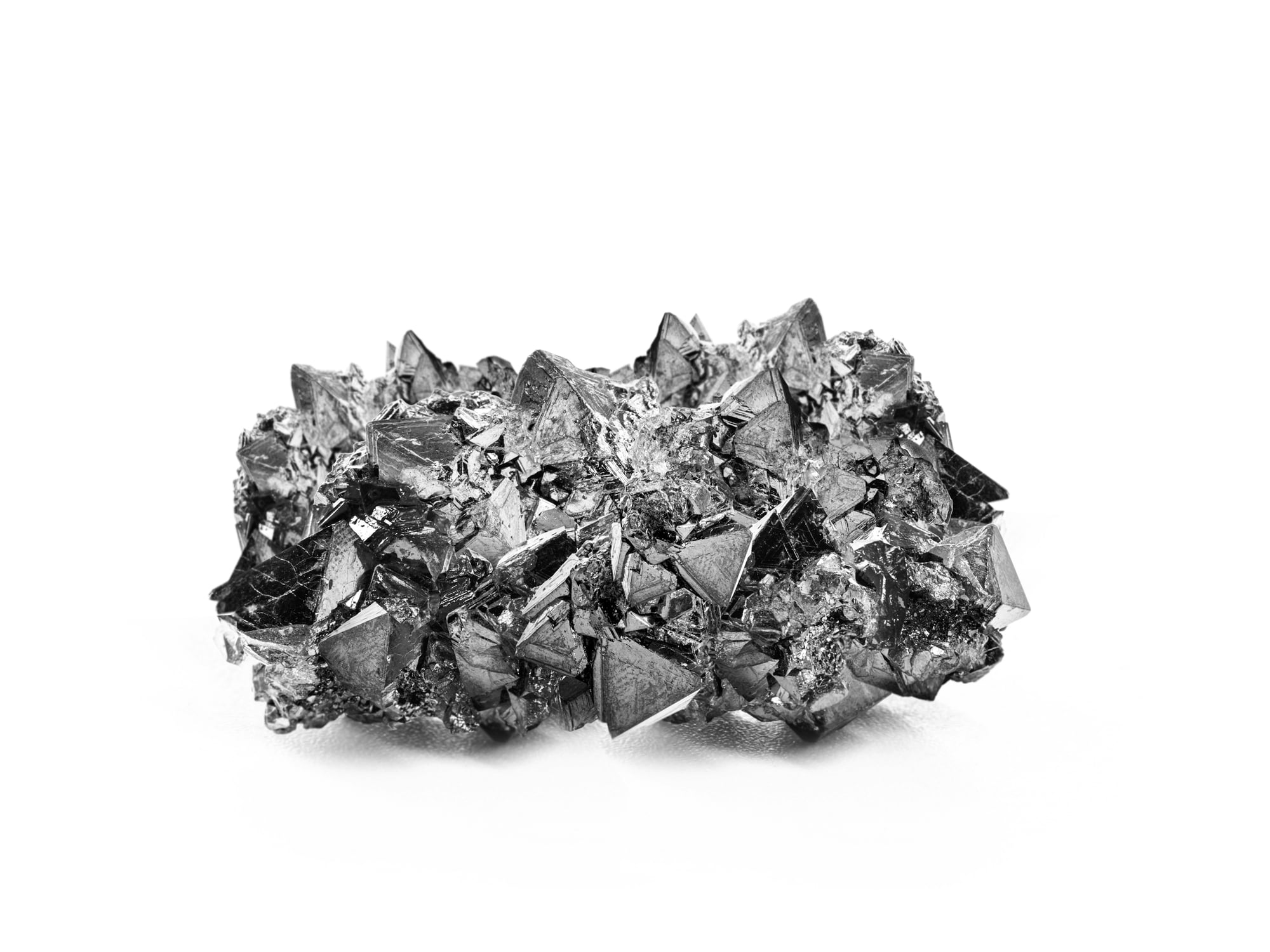
Osmium rarely appears in consumer electronics, which makes sense given that it’s both extremely rare and notoriously difficult to work with. Yet this metal’s extreme density and hardness make it valuable in very specific applications where no substitute will suffice.
High-precision instruments sometimes use osmium alloys in components that must maintain their shape and properties under extreme conditions. The metal’s density — nearly twice that of lead — creates unique opportunities in applications where mass and stability matter more than cost.
Specialized electrical contacts in industrial equipment occasionally incorporate osmium when standard materials can’t handle the electrical and mechanical stresses involved.
Rhenium
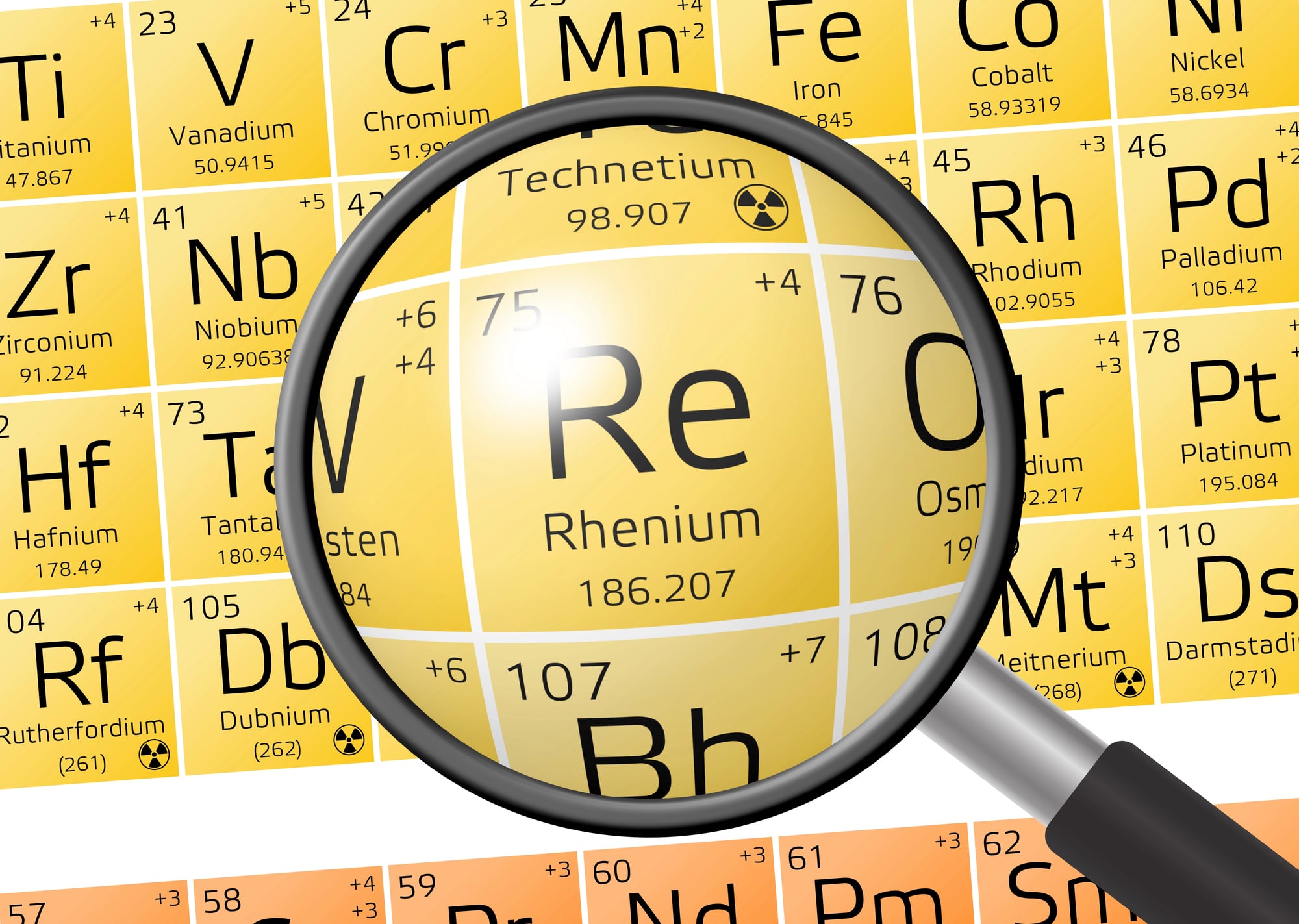
Rhenium pushes back against the typical precious metals narrative because it’s not traditionally considered precious, yet it commands prices that make gold look affordable. Electronics applications for rhenium remain limited but growing, particularly in specialized components where extreme performance justifies extreme cost.
High-temperature electronic components sometimes incorporate rhenium alloys when operating conditions exceed the capabilities of more common materials. The metal’s ability to maintain its properties at elevated temperatures makes it valuable in aerospace and industrial applications where electronic components must function reliably in harsh environments.
Mass spectrometers and other analytical instruments occasionally use rhenium components when precision and stability are paramount.
Indium
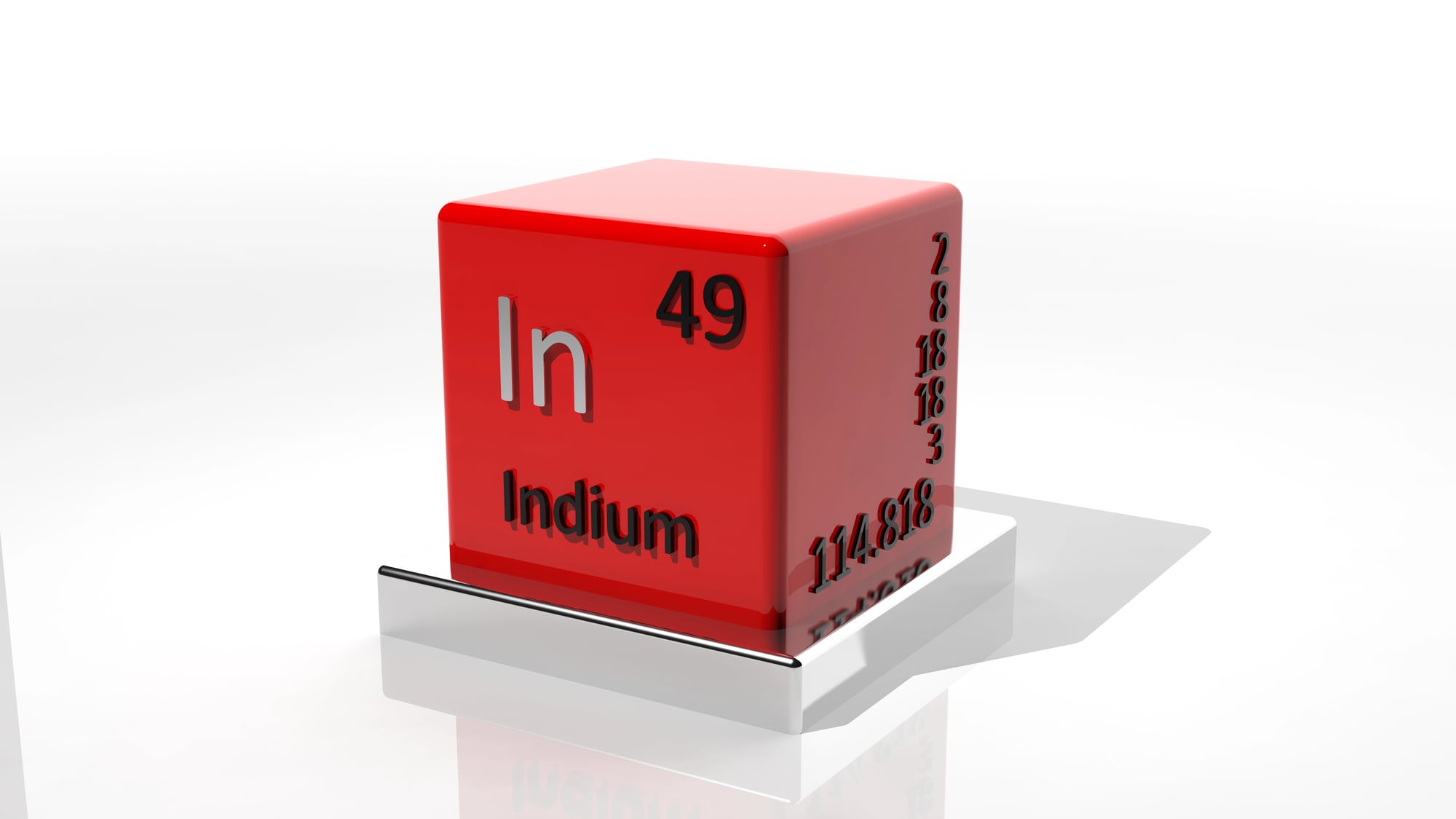
Indium bridges the gap between precious and industrial metals, finding its way into electronics through a combination of useful properties and relative availability. While not as rare as platinum or rhodium, indium’s unique characteristics make it valuable in several important applications.
Touchscreen displays rely on indium tin oxide (ITO) coatings to create transparent, electrically conductive surfaces. Your smartphone’s ability to respond to finger touches depends on indium’s capacity to conduct electricity while remaining nearly invisible.
LCD displays also use indium compounds in their backlighting systems. The metal’s softness and low melting point make it useful in specialized solders and thermal interface materials where standard metals won’t work.
But indium faces supply challenges that could affect electronics manufacturing. The metal occurs primarily as a byproduct of zinc mining, which means indium availability depends on demand for zinc rather than direct mining efforts.
Germanium
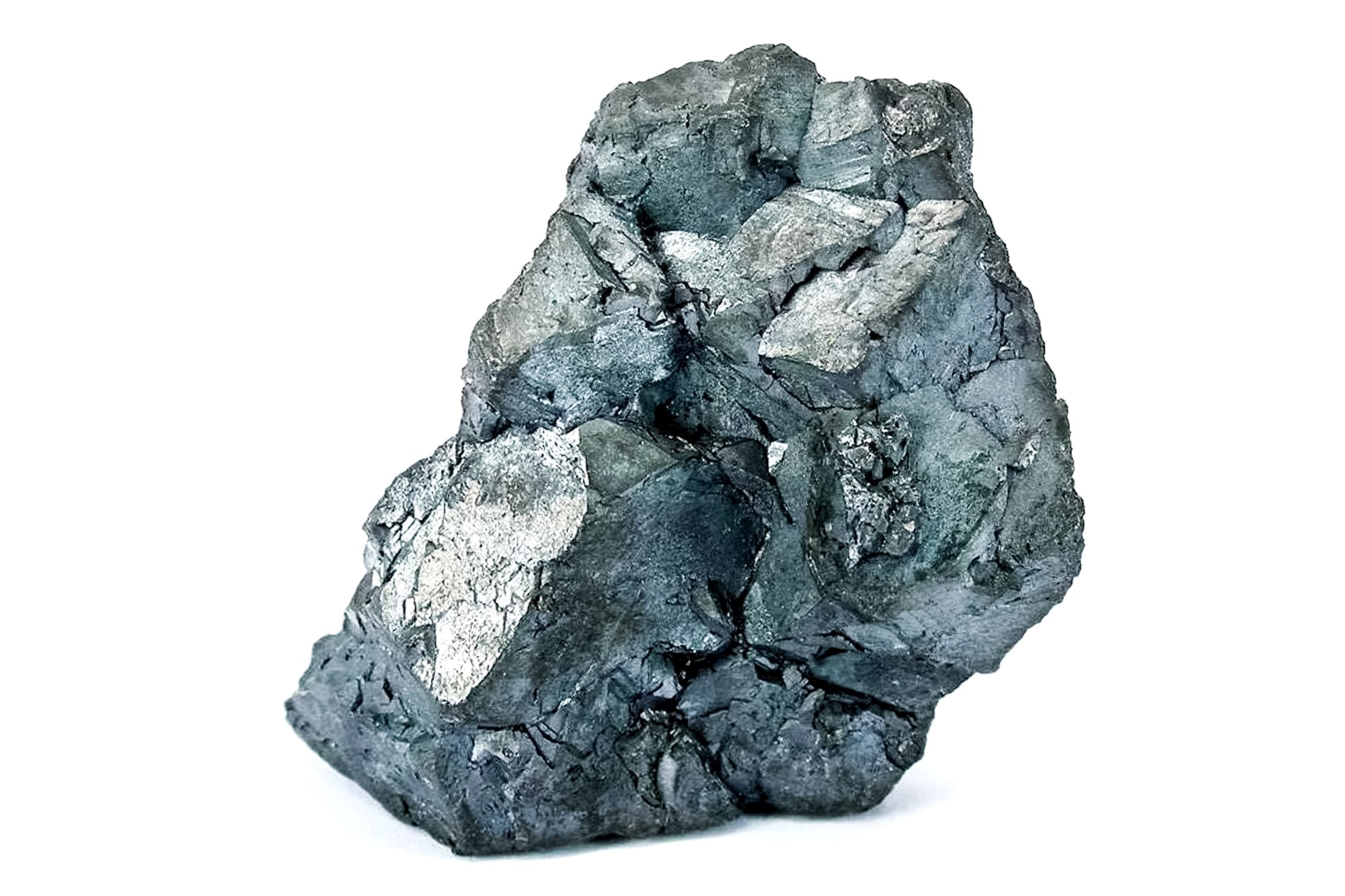
Germanium launched the semiconductor revolution, then stepped aside as silicon took over. But this metalloid — technically not a precious metal, yet priced like one due to its specialized applications — continues playing important roles in modern electronics where silicon falls short.
Fiber optic systems depend on germanium-doped glass for signal transmission. The metal’s optical properties enable the high-speed data transfer that powers internet infrastructure.
High-frequency electronics sometimes use germanium transistors when silicon can’t handle the speed requirements. Military and aerospace applications value germanium’s performance in extreme conditions where standard semiconductors fail.
The irony is that germanium was too expensive for the mass market applications that made silicon dominant, yet those same high costs make it perfect for specialized applications where performance matters more than price.
Tellurium
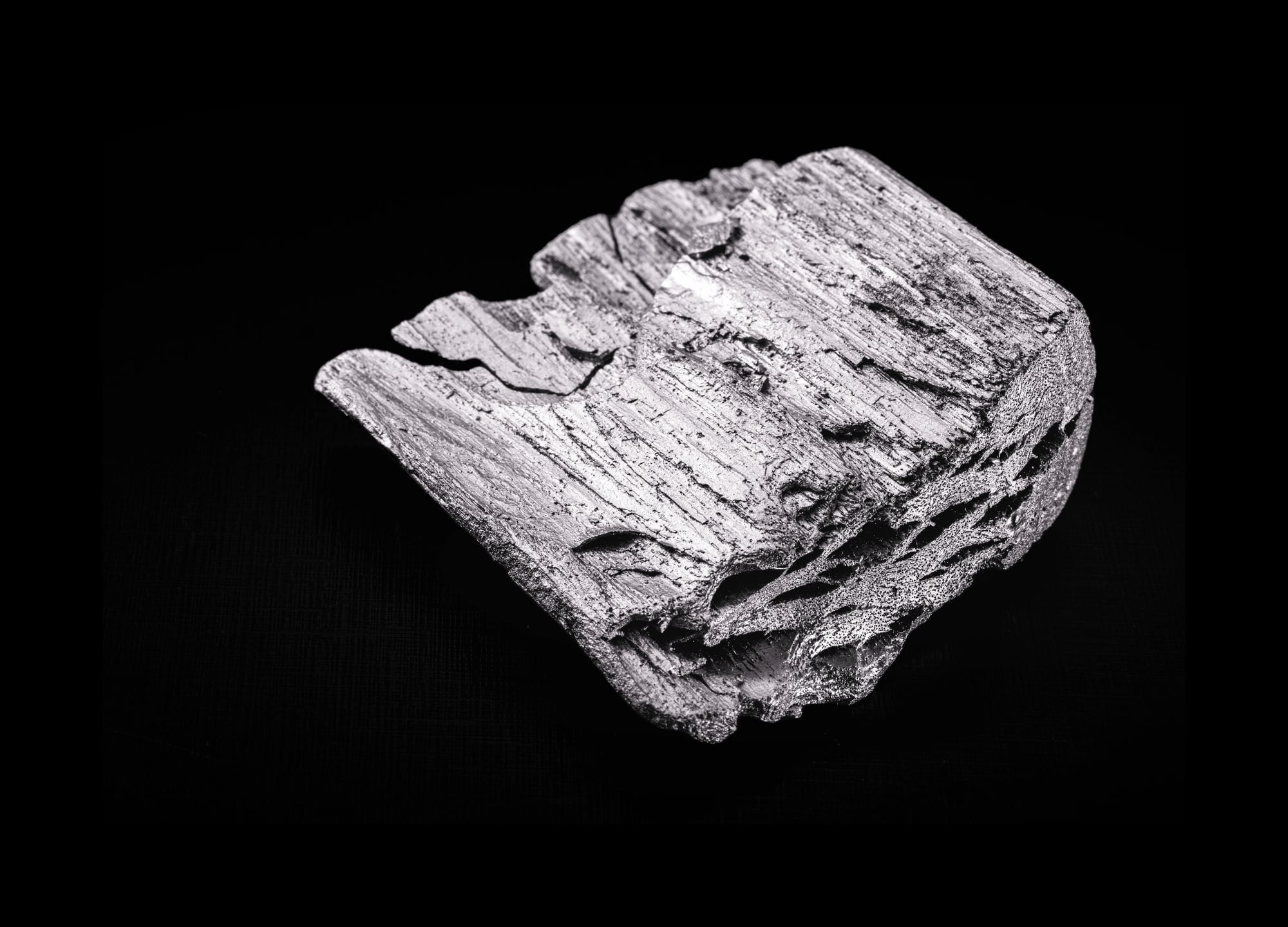
Tellurium exists in a category of its own — more abundant than gold yet less widely available for commercial use, essential for certain electronic applications, yet largely unknown outside specialized industries. The metal’s scarcity creates supply challenges that force manufacturers to use it sparingly and efficiently.
Phase-change memory devices use tellurium compounds to store data by switching between crystalline and amorphous states. Solar panels incorporate tellurium in certain types of photovoltaic cells, where the metal’s semiconducting properties help convert sunlight to electricity.
Thermoelectric devices sometimes rely on tellurium alloys to generate electricity from temperature differences.
What makes tellurium particularly interesting is how its applications keep expanding despite supply constraints. Researchers continue finding new ways to exploit its unique properties while minimizing the quantities needed.
Tantalum
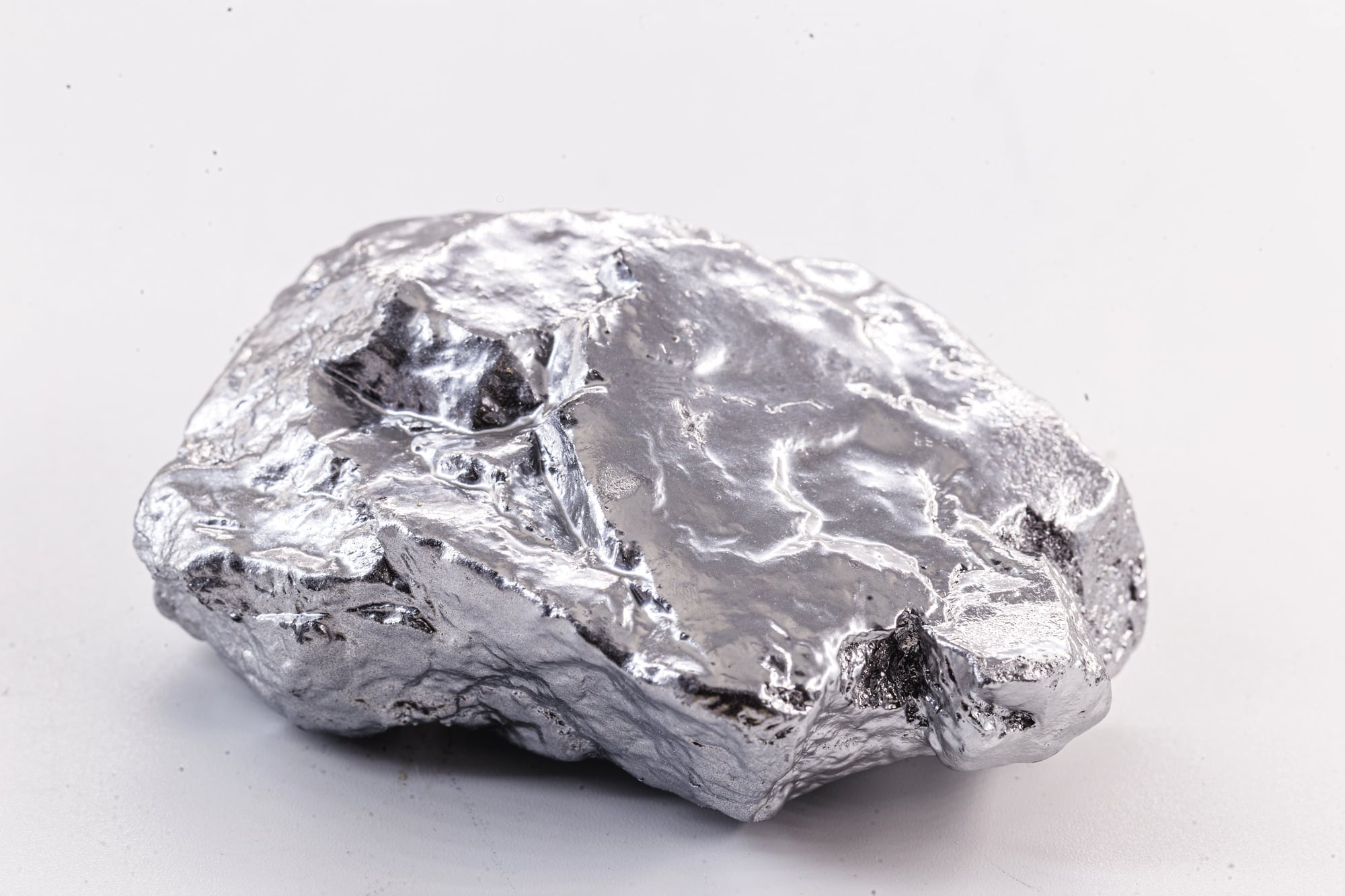
Tantalum capacitors power nearly every piece of portable electronics, yet most people have never heard of the metal that makes their devices possible. These components store electrical charge in spaces so small that traditional capacitors simply won’t fit, enabling the miniaturization that defines modern electronics.
The metal’s ability to form stable oxide layers makes it ideal for capacitor applications where reliability is crucial. Tantalum doesn’t just store charge efficiently — it does so consistently over millions of charge and discharge cycles.
Medical implants rely on tantalum’s biocompatibility and electrical properties for pacemakers and other life-critical devices.
But tantalum carries ethical complications that other precious metals avoid. Much of the world’s supply comes from conflict regions where mining operations have funded armed conflicts.
Electronics manufacturers increasingly demand certified conflict-free tantalum, which adds complexity and cost to supply chains.
The Weight of Hidden Value
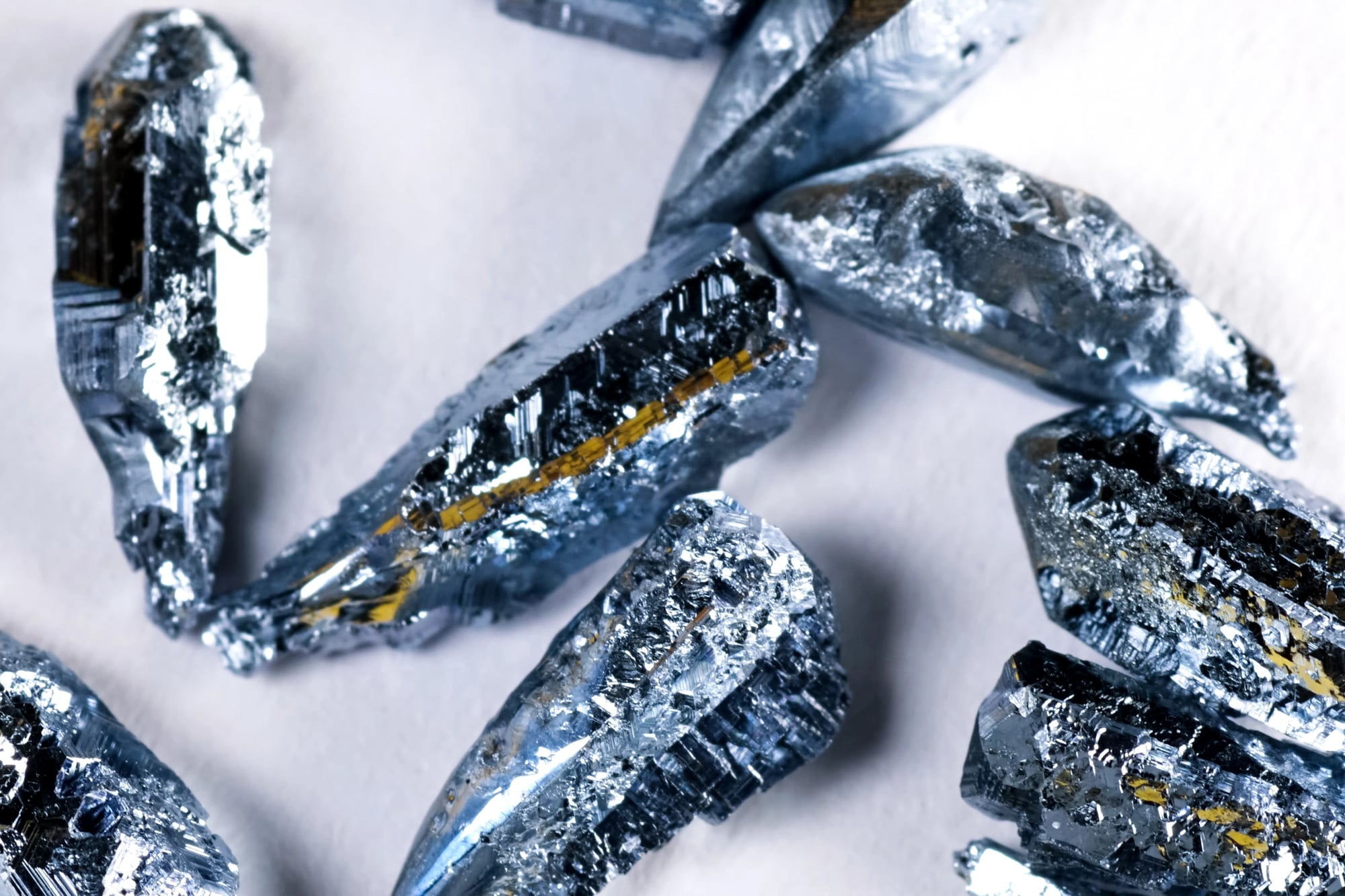
Every discarded smartphone contains roughly $2 worth of precious metals — a tiny fortune scattered across millions of devices heading to landfills. Multiply that by billions of phones, tablets, computers, and other electronics, and the numbers become staggering.
Urban mining companies now extract more gold from electronic waste than traditional mines pull from the ground, which says something profound about how much treasure we casually throw away.
The precious metals enabling our digital age represent both incredible technological achievement and sobering resource reality. These elements make possible the instantaneous communication, vast data storage, and computational power that define modern life.
Yet their scarcity and the environmental costs of extraction raise questions about sustainability that the industry continues grappling with. The future of electronics may well depend not just on finding new applications for precious metals, but on learning to use them more wisely.
More from Go2Tutors!

- The Romanov Crown Jewels and Their Tragic Fate
- 13 Historical Mysteries That Science Still Can’t Solve
- Famous Hoaxes That Fooled the World for Years
- 15 Child Stars with Tragic Adult Lives
- 16 Famous Jewelry Pieces in History
Like Go2Tutors’s content? Follow us on MSN.