Secrets Park Rangers Want You to Know
There’s something magical about stepping into a national park for the first time. The vastness, the silence, the way nature seems to dwarf every worry you brought with you.
But behind every pristine trail and breathtaking vista stands a park ranger — someone who knows these wild places intimately, who’s witnessed their moods and seasons, and who’s learned lessons that can’t be found in any guidebook.
These are the people who understand the real rhythms of wilderness, the hidden dangers, and the quiet secrets that transform a casual visit into something unforgettable.
Most Accidents Happen on Easy Trails
The hardest trails don’t cause the most injuries. People respect difficulty.
They pack water, wear proper shoes, tell someone where they’re going. Easy trails make people careless.
Rangers see the same pattern everywhere: twisted ankles on flat paths, dehydration on short hikes, people wearing flip-flops to waterfalls. The trail that seems harmless is the one that catches you off guard.
Wildlife Follows Patterns You Can Predict

So here’s the thing about animals (and this took years of observation to understand, watching the same bears return to the same berry patches at precisely the same time each summer): they’re creatures of habit in ways that would surprise most visitors, following routines so predictable that experienced rangers can almost set their watches by them.
Bears emerge from winter dens and head straight to specific meadows where the first green shoots appear — not randomly, but to exact locations they’ve visited for generations.
And elk move through mountain passes on schedules so reliable that you could plan your photography around them. But visitors rarely see these patterns because they’re looking at the wrong times, in the wrong places, expecting wilderness to be as unpredictable as their own lives.
Most people think animal encounters are pure chance. They’re not.
Timing matters more than luck ever will.
Dawn Changes Everything
There’s a version of every park that exists only in the first hour after sunrise, a place that feels entirely separate from the crowded trails and busy parking lots that define the daytime experience. The light moves differently then, cutting through mist and shadows in ways that make familiar landscapes look like they’re being born for the first time.
Even the sounds are different — not just quieter, but more layered, as if you’re finally hearing the park’s actual voice instead of the tourist overlay.
This is when parks reveal their true character. The version most people never see because sleeping in feels more appealing than setting an alarm on vacation.
The Weather Service Doesn’t Know Mountain Weather
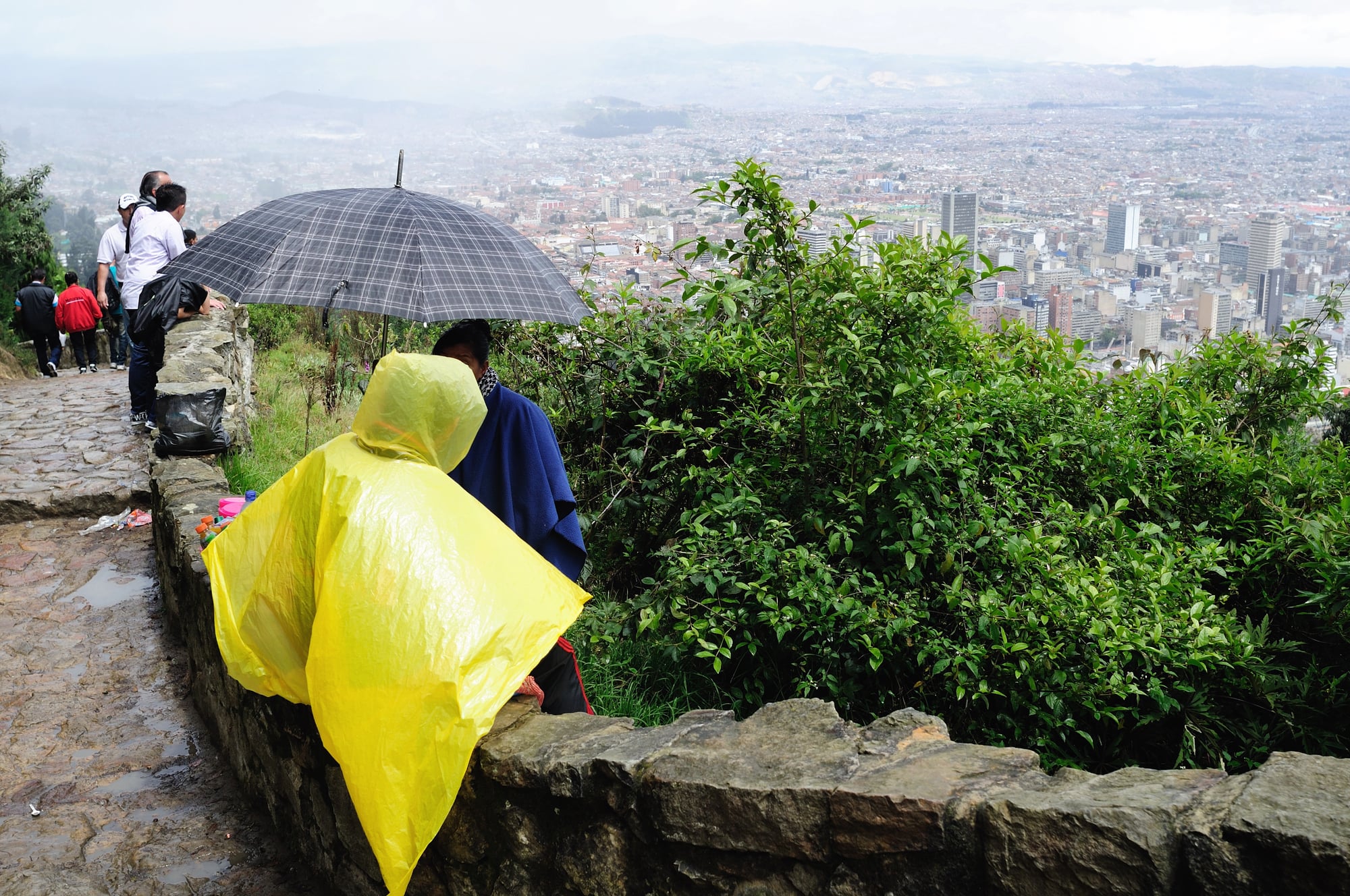
Weather apps lie about mountains. They report conditions for the nearest town, which might be 5,000 feet lower and completely irrelevant to what’s happening on the peaks.
Rangers learn to read the sky, not the forecast. Clouds building in certain directions mean specific things.
Wind patterns tell stories that satellites miss. Temperature drops that would barely register in town can be the difference between a great hike and a rescue operation.
Smart visitors ask rangers about conditions, not their phones. The difference can save a life.
Your Cell Phone Is Not a Safety Plan

And here’s where the real disconnect happens between modern expectations and wilderness reality (something that becomes painfully obvious during search and rescue operations): people venture into backcountry areas assuming their devices will work the same way they do in civilization, that calling for help will be as simple as dialing 911 from their living room.
So they take risks they’d never consider if they truly understood how alone they were — hiking solo without telling anyone their route, pushing into weather that looks questionable, ignoring that nagging feeling that says turn around.
But mountains don’t care about data plans or GPS satellites, and cell towers stop where profit margins get thin — which happens pretty quickly once you’re more than a few miles from any road.
The mountains are littered with spots where phones show zero bars and GPS units point to nothing useful. Rangers know these dead zones by heart because that’s where they end up running rescues.
Emergency beacons exist for a reason. Cell phones give people false confidence that gets them into trouble they can’t call their way out of.
Animals Are More Afraid of You Than You Think
Most wildlife encounters happen because an animal got surprised, not because it was being aggressive. Bears don’t want to meet you any more than you want to meet them.
Making noise prevents 90% of problems. Talking, clapping, even playing music gives animals time to move away before you get close.
The dangerous encounters happen when something gets startled at close range with no escape route.
Predators avoid humans instinctively. The exceptions are almost always situations where normal patterns got disrupted — usually by people doing something unpredictable.
The Busiest Viewpoints Aren’t the Best Ones

But there’s a peculiar psychology to how people choose what to see in parks (and this becomes clear after watching visitor patterns for years, noticing how crowds form and where they go): the famous viewpoints get famous precisely because they’re accessible, not because they’re superior, which means the most photographed spots are often the most compromised by crowds and infrastructure.
And yet people will stand shoulder-to-shoulder at these overlooks, fighting for position to capture the same shot that millions have taken before, while better views — sometimes dramatically better views — sit empty just a half-mile away on trails that require slightly more effort.
So you get this strange situation where the “must-see” destinations become the least rewarding to actually see.
Rangers know dozens of spots that offer better views with a fraction of the crowds. They’re not secret locations — they’re just places that require walking past the obvious stopping point.
The effort to find them is never wasted.
Backcountry Permits Protect Your Experience

Permit systems aren’t bureaucracy for the sake of bureaucracy. They’re what keeps wilderness feeling wild instead of like an outdoor shopping mall.
Limited numbers mean you actually hear birds instead of conversations from other groups. You see wildlife that hasn’t been spooked by constant human traffic.
You experience the kind of solitude that makes wilderness valuable in the first place.
The parks that don’t require permits often feel more like well-maintained outdoor gyms than natural areas. The difference is striking once you’ve experienced both.
Flash Floods Happen on Sunny Days

Desert washes can fill with water when there isn’t a cloud in the sky. Rain falls 20 miles upstream, flows downhill, and turns a dry creek bed into a torrent in minutes.
Rangers see the signs: dark clouds on distant peaks, that slightly humid smell that means rain somewhere uphill, subtle changes in the sound coming from canyon mouths. Visitors see sunshine and assume safety.
Never camp in washes, no matter how dry they look. Water always finds the lowest path, and it moves faster than people expect.
Your Hiking Boots Matter Less Than Your Hiking Sense

The gear industry wants people to believe that having the right equipment is what keeps them safe in the wilderness (and rangers see the results of this thinking constantly, watching people with thousands of dollars worth of technical gear make decisions that no amount of fancy equipment can fix): they’ll have GPS units but won’t bother learning how to use them properly, wear expensive boots but never break them in, carry emergency shelters but pitch them in locations that amplify wind instead of blocking it.
But wilderness safety has more to do with judgment than gear — knowing when to turn around, recognizing when conditions are deteriorating, understanding the difference between acceptable risk and stupidity.
And experienced hikers often carry less equipment than beginners, not because they’re careless, but because they’ve learned what actually matters.
Good boots won’t save you from bad decisions. Common sense beats expensive gear every time.
Rangers Remember Repeat Visitors
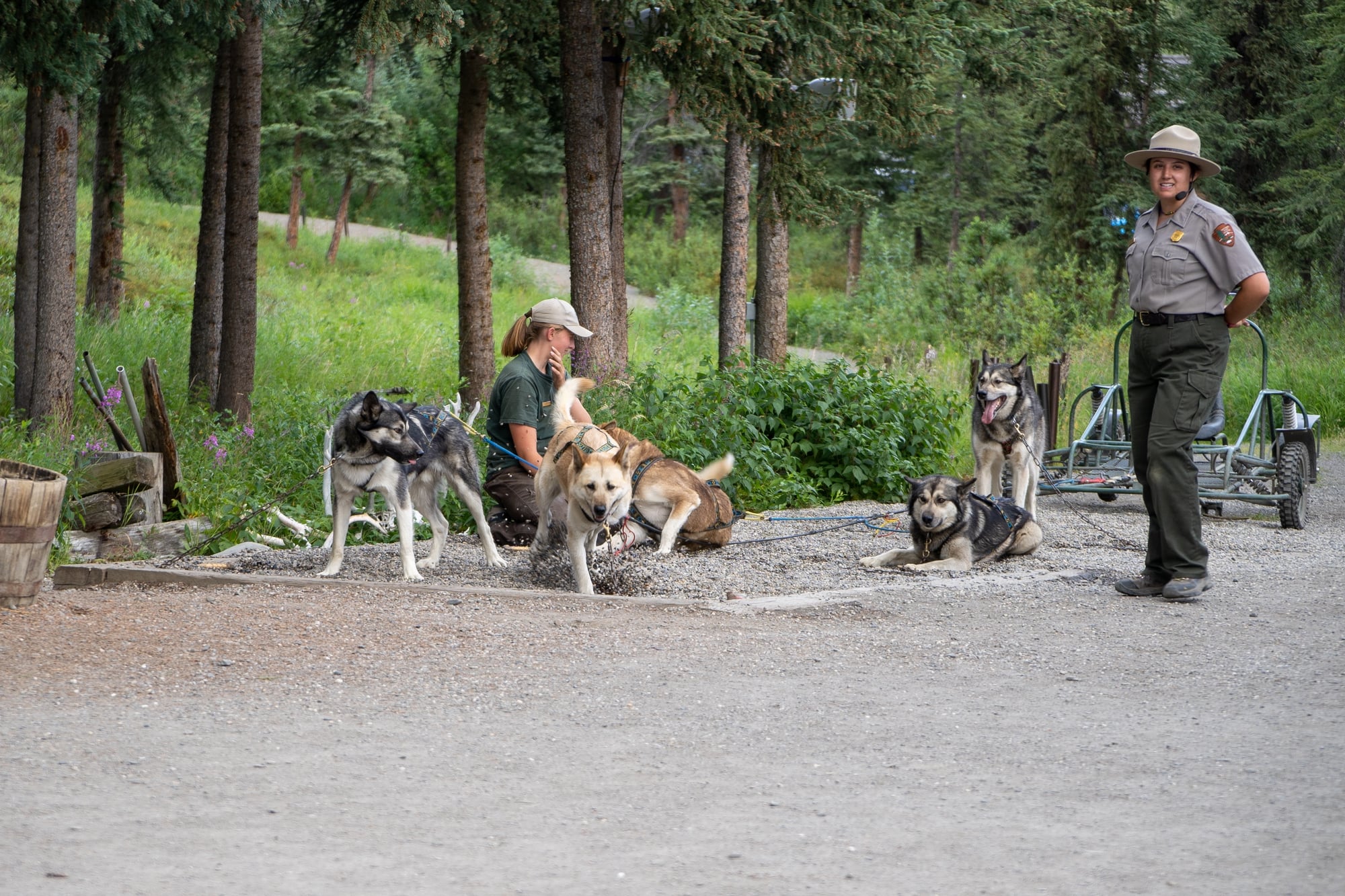
There’s something deeply satisfying about recognizing someone who returns to the same park year after year, watching them develop their own relationship with a place over time. These are the visitors who stop asking about the famous attractions and start asking about trail conditions in specific areas, who time their visits around wildlife migrations or wildflower blooms rather than vacation schedules.
Repeat visitors understand that parks change with seasons and weather, that the same trail offers different rewards at different times.
They’ve moved past the checklist mentality into something more like genuine appreciation.
Rangers develop a quiet fondness for these people because they’ve learned to see parks the way rangers do — as living places rather than scenic backdrops.
Water Sources Can Disappear

Streams that flow reliably for decades can dry up during drought years. Springs that seem permanent can shift underground and emerge somewhere else entirely.
Water sources marked on older maps might not exist anymore.
Rangers track these changes season by season, updating their knowledge constantly. Visitors often plan trips around water sources that haven’t flowed in years.
Carrying extra water feels unnecessary until the stream you were counting on is a dry creek bed. Then it feels like the smartest decision you’ve made all year.
The Real Danger Is Overconfidence
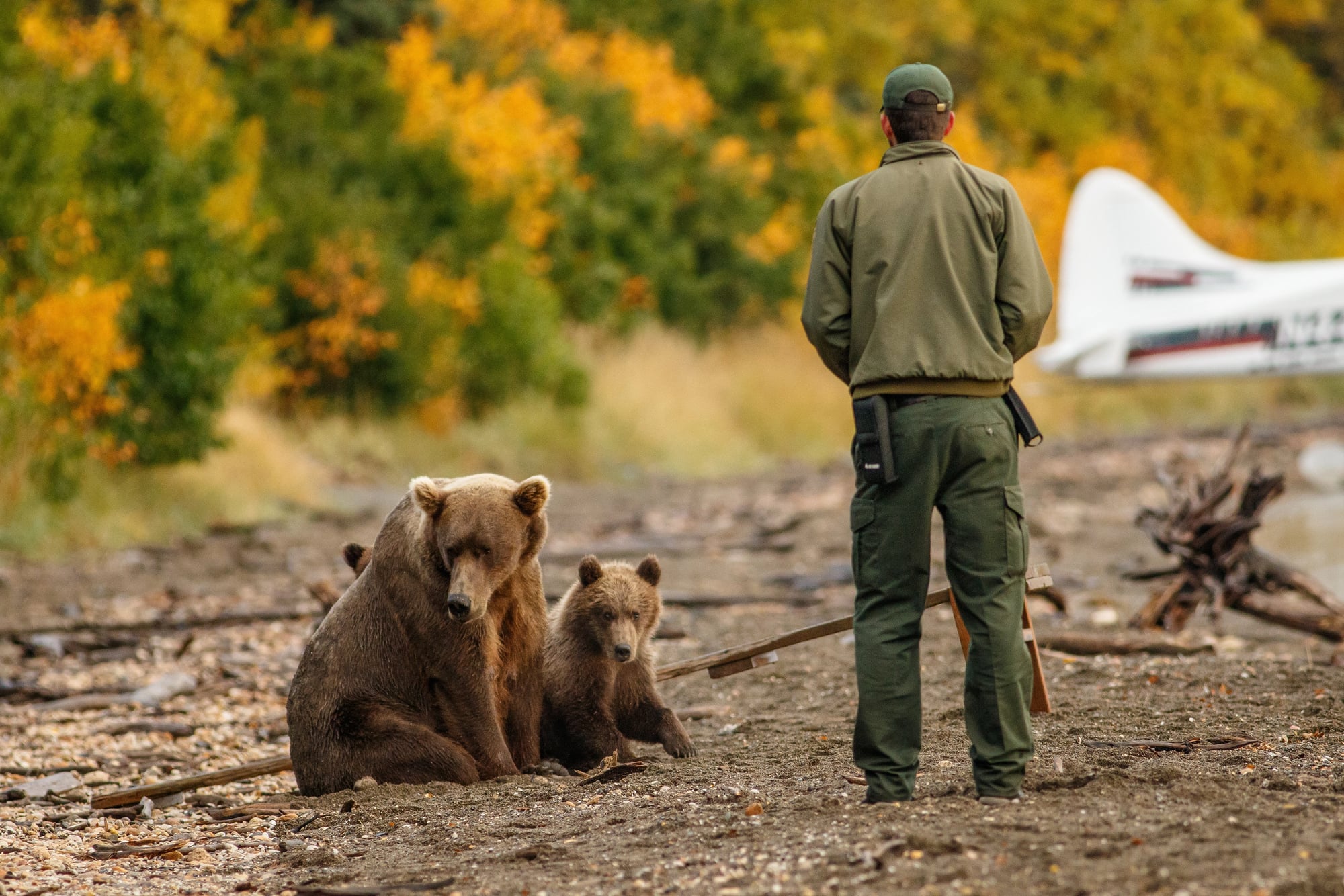
People who’ve hiked extensively in one area often assume their experience translates everywhere. Mountain skills don’t work in deserts.
Desert knowledge doesn’t apply to alpine environments. What keeps you safe in one ecosystem can get you killed in another.
Rangers see this pattern constantly: experienced outdoor people making beginner mistakes because they’re operating outside their familiar territory.
The confidence that serves them well at home becomes a liability somewhere new.
The most dangerous phrase in wilderness is “I’ve done this before.” Every environment has its own rules, and learning them takes humility more than experience.
Finding Your Rhythm in Wild Places
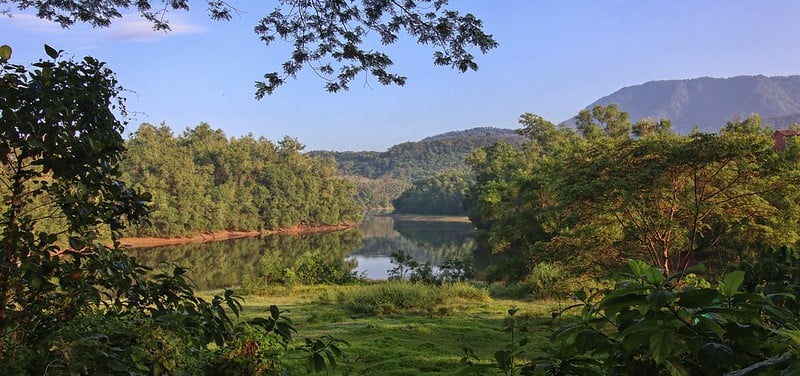
The best advice any ranger can offer isn’t about gear or safety or trail recommendations — it’s about learning to move at the pace that wilderness requires rather than the speed that normal life demands. Parks have a way of correcting hurried visitors, forcing them to slow down through sheer beauty or physical demand or the simple reality that rushing through amazing places defeats the entire purpose of being there.
The visitors who figure this out early have better trips, see more wildlife, feel less exhausted, and leave with the kind of memories that pull them back again and again.
The ones who never adjust spend their time fighting the experience instead of receiving it.
More from Go2Tutors!

- The Romanov Crown Jewels and Their Tragic Fate
- 13 Historical Mysteries That Science Still Can’t Solve
- Famous Hoaxes That Fooled the World for Years
- 15 Child Stars with Tragic Adult Lives
- 16 Famous Jewelry Pieces in History
Like Go2Tutors’s content? Follow us on MSN.