Reactive Elements Found On the Periodic Table
The periodic table tells stories, and some of its most dramatic characters are the elements that can’t sit still. These reactive elements don’t wait around—they grab electrons, donate them, or rearrange themselves at the first opportunity.
Understanding which elements behave this way helps explain everything from why sodium explodes in water to why your car rusts in the rain.
Hydrogen
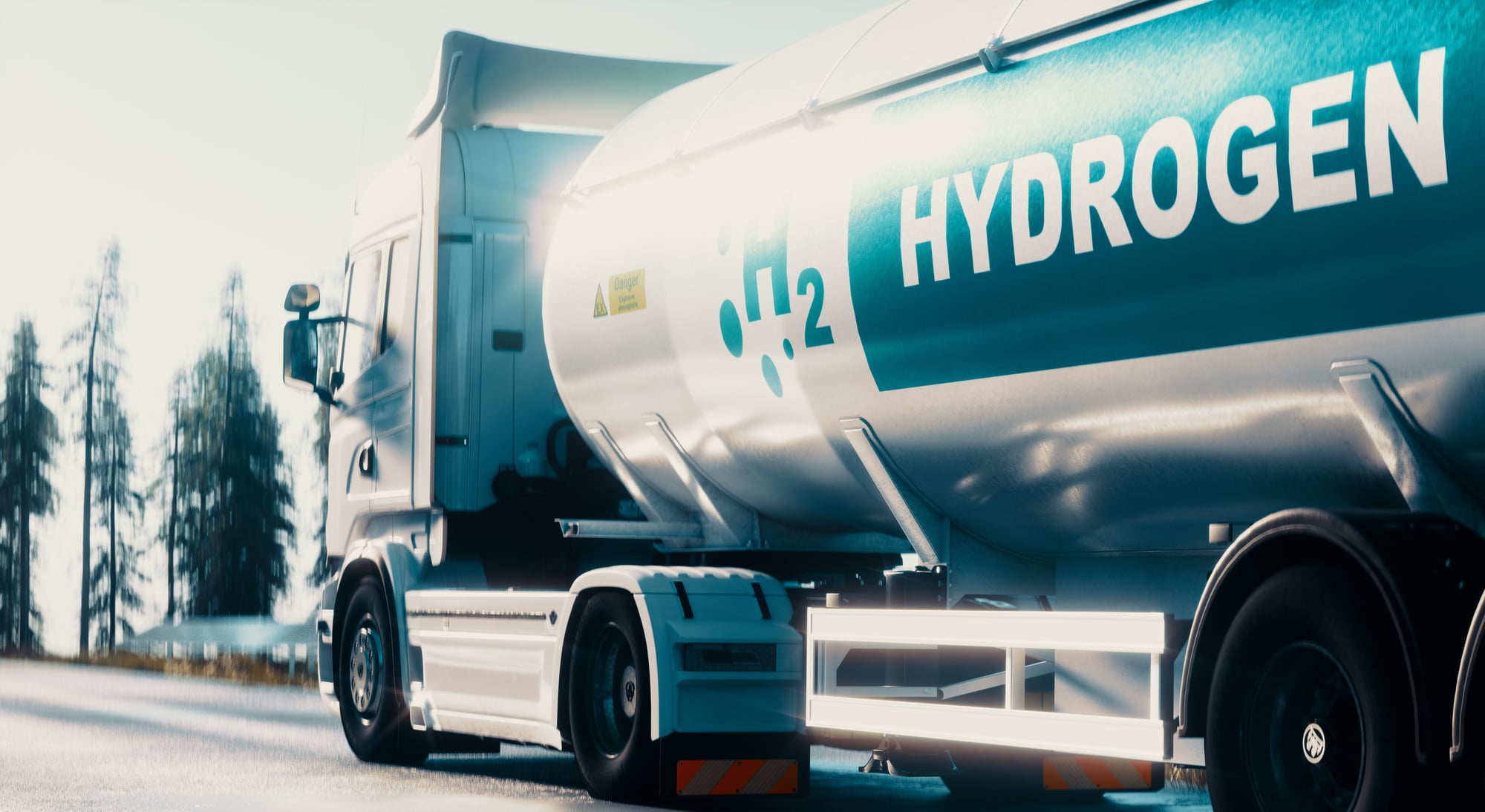
Hydrogen sits alone at the top of the periodic table for good reason. One proton, one electron, and a desperate need to find stability.
It burns with oxygen to make water. It combines with nearly everything else to form compounds.
Hydrogen doesn’t stay pure for long in nature because it would rather be part of something bigger than exist on its own.
Lithium
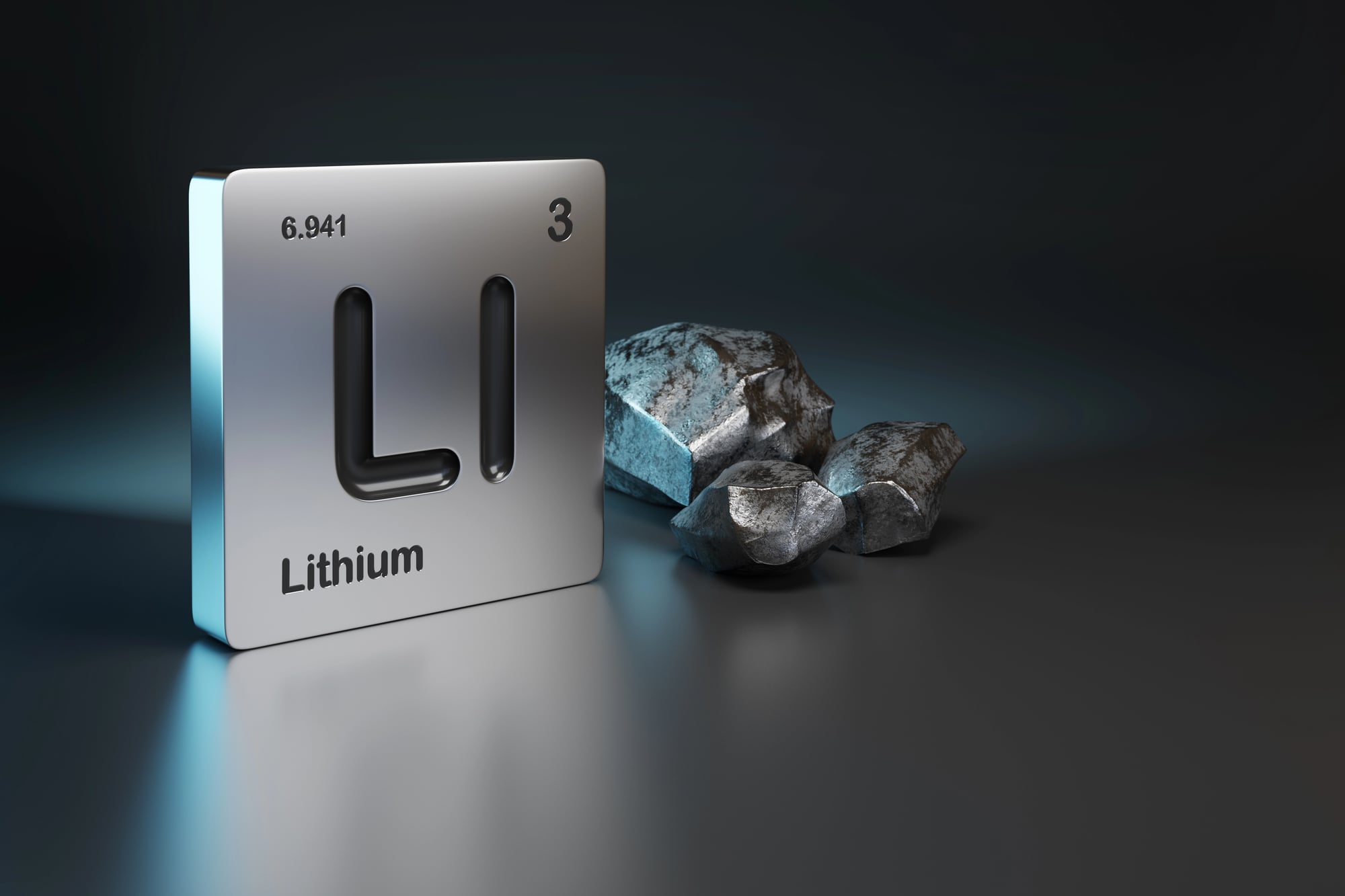
The lightest metal on the periodic table floats on water—right before it reacts violently with it. Lithium’s single outer electron practically jumps off the atom when given the chance.
This element powers your phone and tablet, but in its pure form, it has to be stored under oil to prevent it from reacting with moisture in the air. Touch a piece of lithium to water and watch it dance across the surface while it dissolves.
Sodium
Sodium metal looks innocent enough—soft, silvery, and lightweight. But there’s a reason chemistry teachers keep it locked away in mineral oil, because sodium treats water like an enemy to be destroyed on contact.
The reaction happens so fast that the hydrogen gas produced often ignites, creating a small explosion that would make you think twice about the salt on your dinner table (which is sodium chloride, thankfully much more stable). And yet, this same element that reacts explosively with water is something your body needs to survive—sodium ions help your nerves fire and your muscles contract, though your cells are careful to keep the metal form far away.
So the element that could burn through your kitchen counter is the same one keeping your heart beating, which says something about chemistry’s sense of irony.
Potassium
Potassium makes sodium look calm. This element reacts so violently with water that the reaction often produces a flame that burns with a distinctive purple color.
The bigger the alkali metal, the more reactive it becomes. Potassium’s outer electron sits farther from the nucleus than sodium’s, making it even easier to lose.
Chemistry demonstrations with potassium require safety shields and a healthy respect for what happens when metals really want to get rid of electrons.
Fluorine
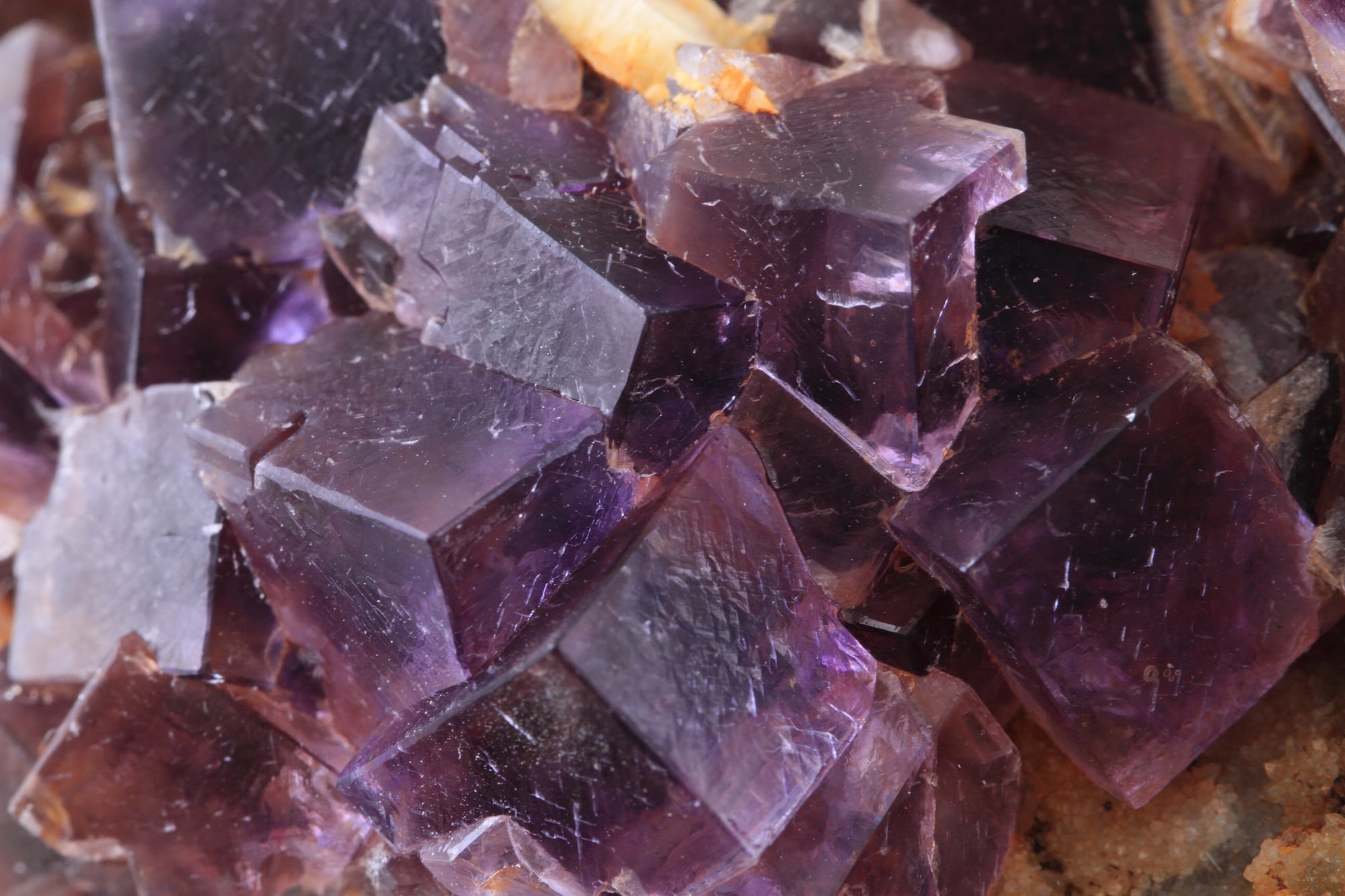
Fluorine doesn’t react with other elements—it attacks them. This pale yellow gas is so aggressive that it will pull electrons away from nearly anything, including elements that most people consider unreactive.
Fluorine compounds are everywhere despite the element’s nasty reputation. Teflon contains fluorine.
So does the fluoride in toothpaste. The key is getting fluorine locked into stable compounds where it can’t roam free, looking for something else to oxidize.
Chlorine
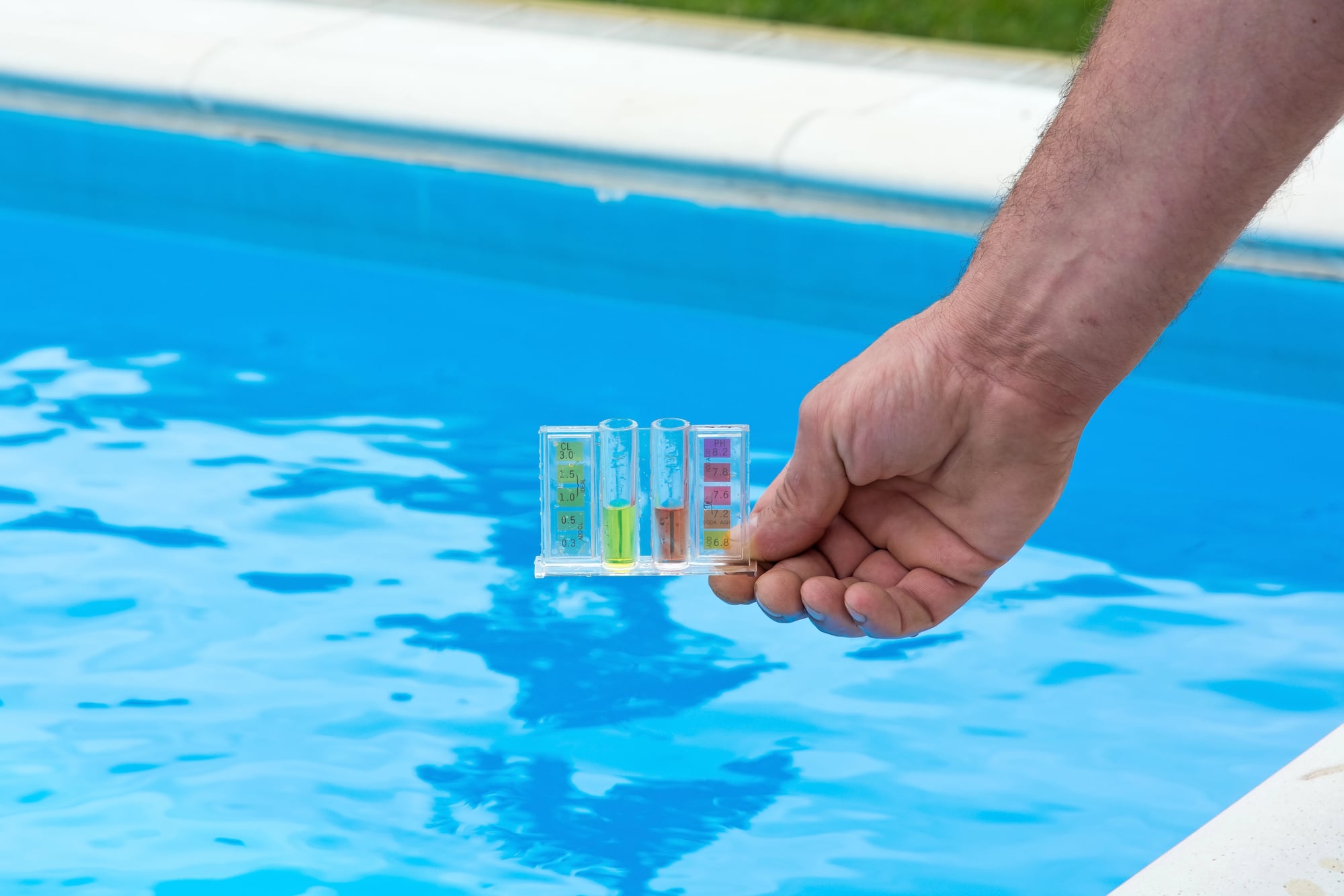
That sharp smell at swimming pools comes from chlorine compounds, not pure chlorine gas. Good thing too—pure chlorine was used as a chemical weapon in World War I.
Chlorine sits just below fluorine on the periodic table and shares its aggressive nature, though it’s slightly less reactive. Still reactive enough to kill bacteria in drinking water and bleach the color out of fabric.
Chlorine wants electrons badly enough to take them from organic compounds, which is exactly why it works as a disinfectant.
Cesium
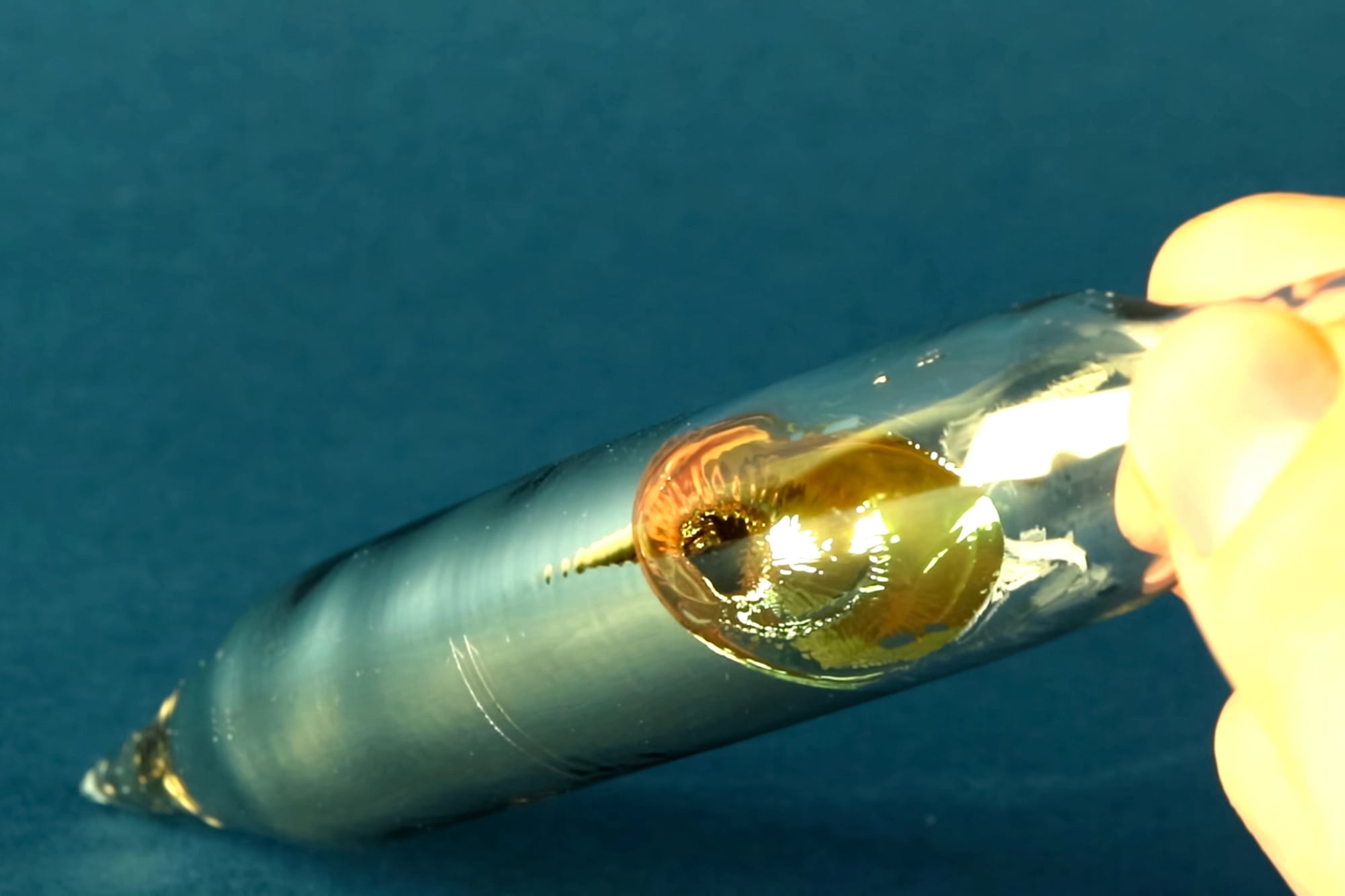
Cesium represents what happens when you take the alkali metal concept to its logical extreme. This soft, golden metal melts at just 83 degrees Fahrenheit—you could melt it with hot coffee.
Its reaction with water is so violent that even tiny amounts produce explosions. The outer electron in cesium sits so far from the nucleus that it’s barely hanging on.
When cesium meets water, that electron practically throws itself at the nearest available atom, and the energy released from that enthusiasm creates quite a show. Cesium is reactive enough that it will ignite spontaneously in air, which explains why samples are sealed in glass ampoules under inert gas—because even the oxygen in air is too much temptation for this metal to resist.
Francium
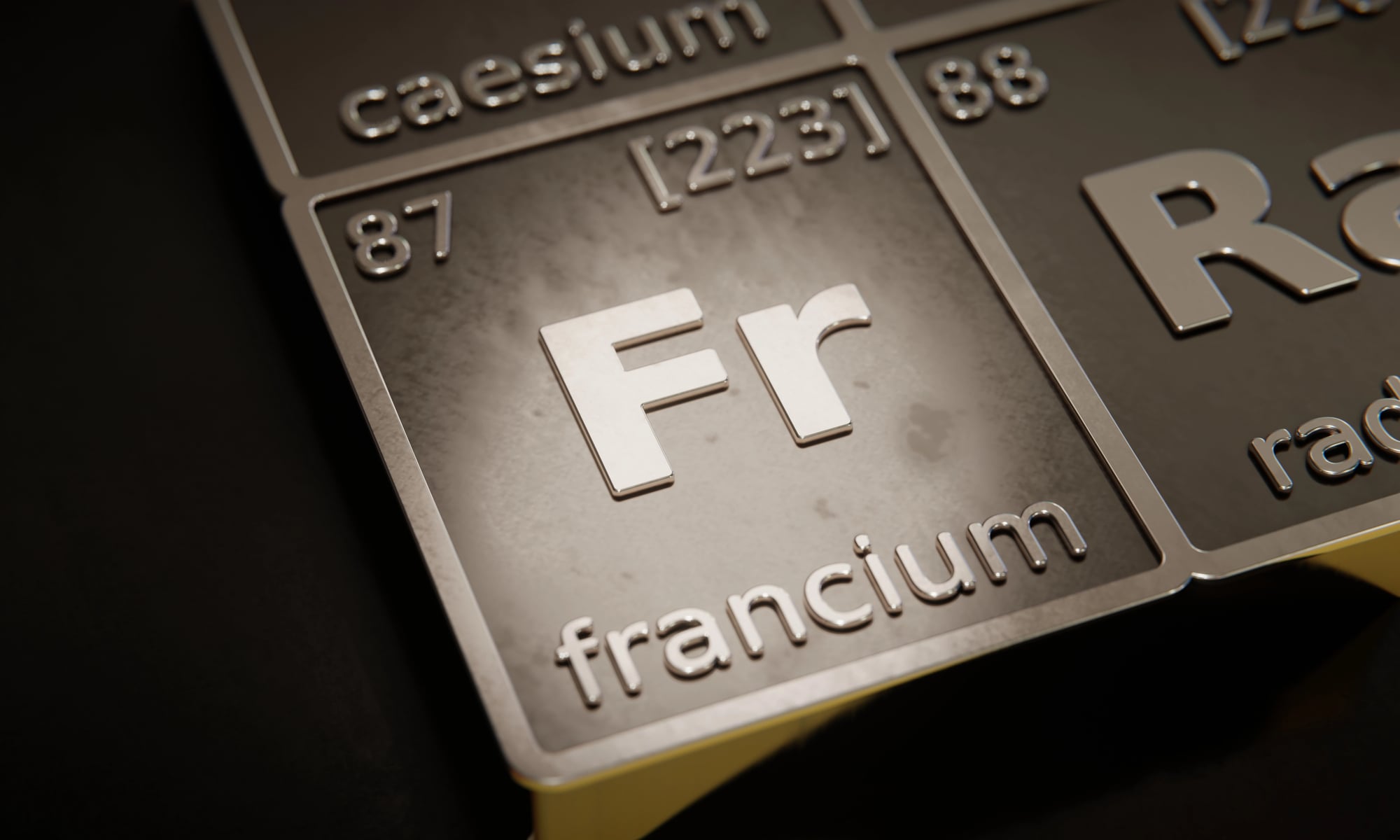
Francium holds the title of most reactive element, though proving it is nearly impossible. This element is so radioactive that it decays almost as soon as it forms.
The largest sample of francium ever assembled contained about 300,000 atoms and lasted for a few seconds. Scientists can only theorize about its reactivity based on periodic trends, but those trends suggest francium would make cesium look stable.
Rubidium
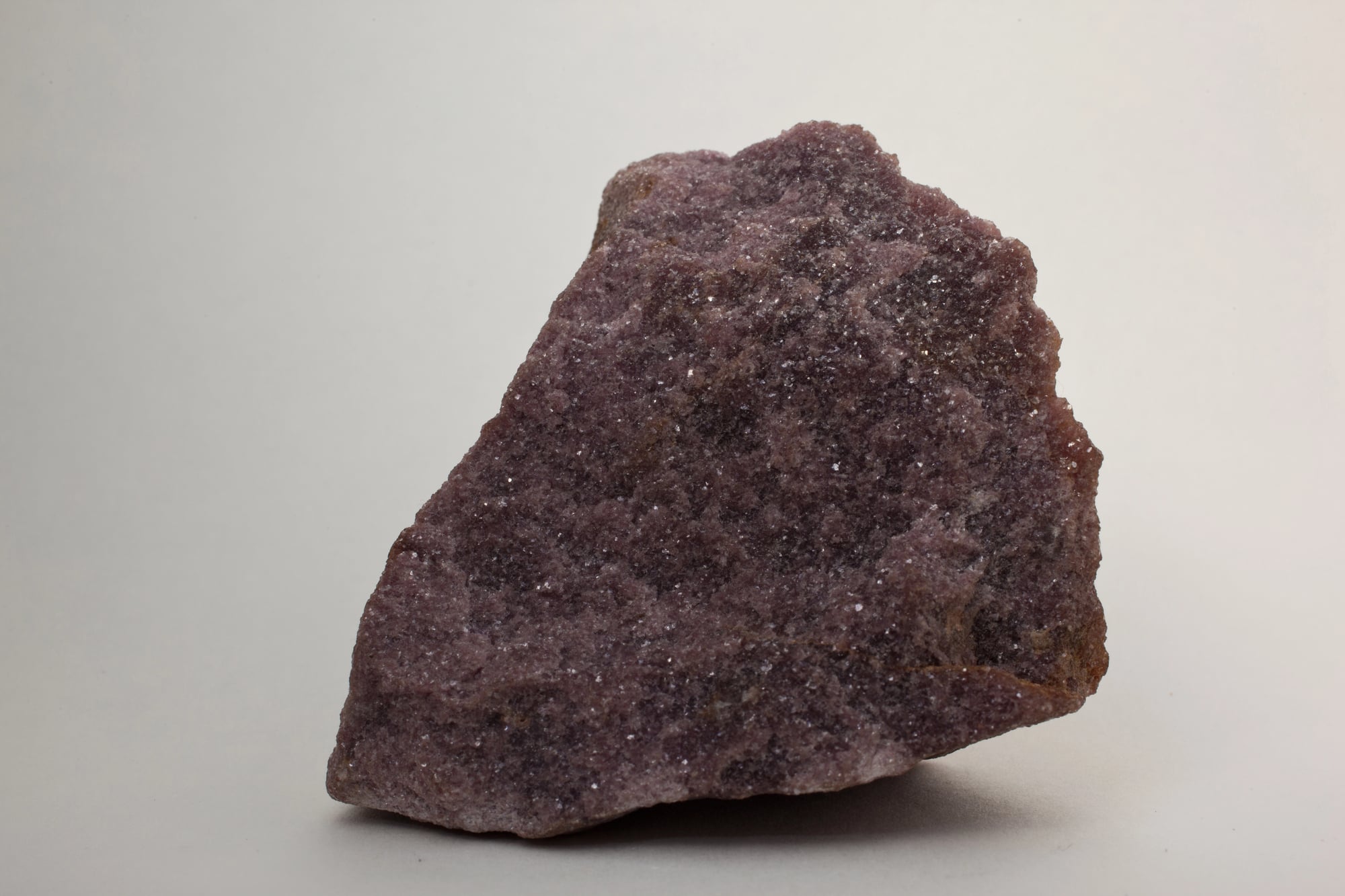
Rubidium falls between potassium and cesium on the periodic table, and its reactivity follows suit. This soft, silvery metal ignites spontaneously in air and reacts explosively with water.
Like other alkali metals, rubidium has found its way into specialized applications despite its reactive nature. Atomic clocks use rubidium because its atoms vibrate at precise frequencies, though keeping the metal contained requires careful engineering.
Oxygen

Oxygen’s reactivity built the world around us, then slowly tears it apart. This element combines eagerly with most others, which is why fires burn and metals rust.
Pure oxygen makes everything more flammable. A glowing splint bursts into flame when inserted into a test tube of oxygen gas.
The oxygen in air is already reactive enough to support combustion—concentrate it and the effects become dramatic.
Bromine
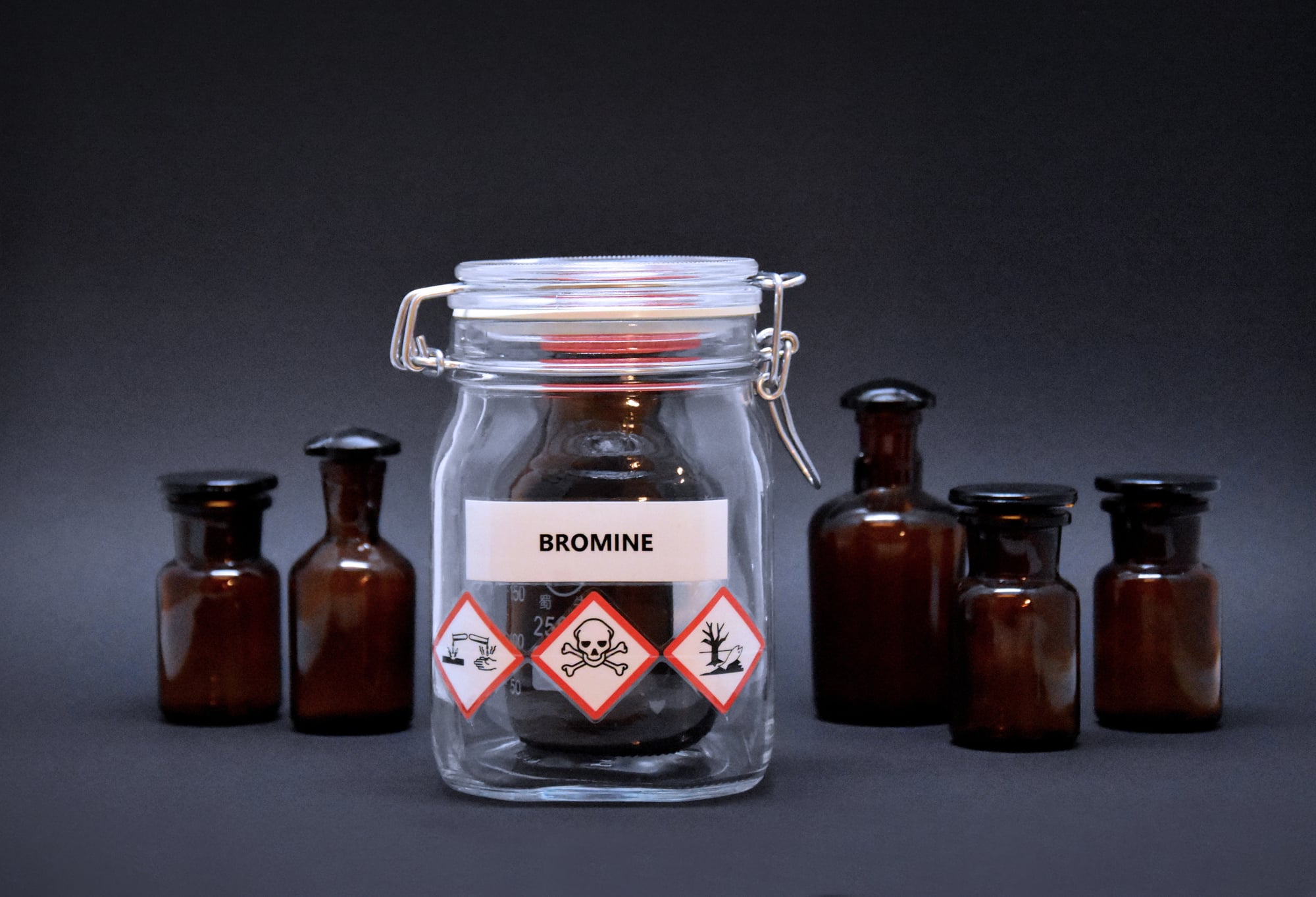
Bromine is one of only two elements that exist as liquids at room temperature, and that reddish-brown liquid gives off toxic vapors that attack anything organic they touch.
This element sits between chlorine and iodine on the periodic table, making it reactive enough to cause chemical burns but not quite as aggressive as its lighter relatives. Bromine compounds were once used in flame retardants until people realized the cure might be worse than the fire.
Phosphorus
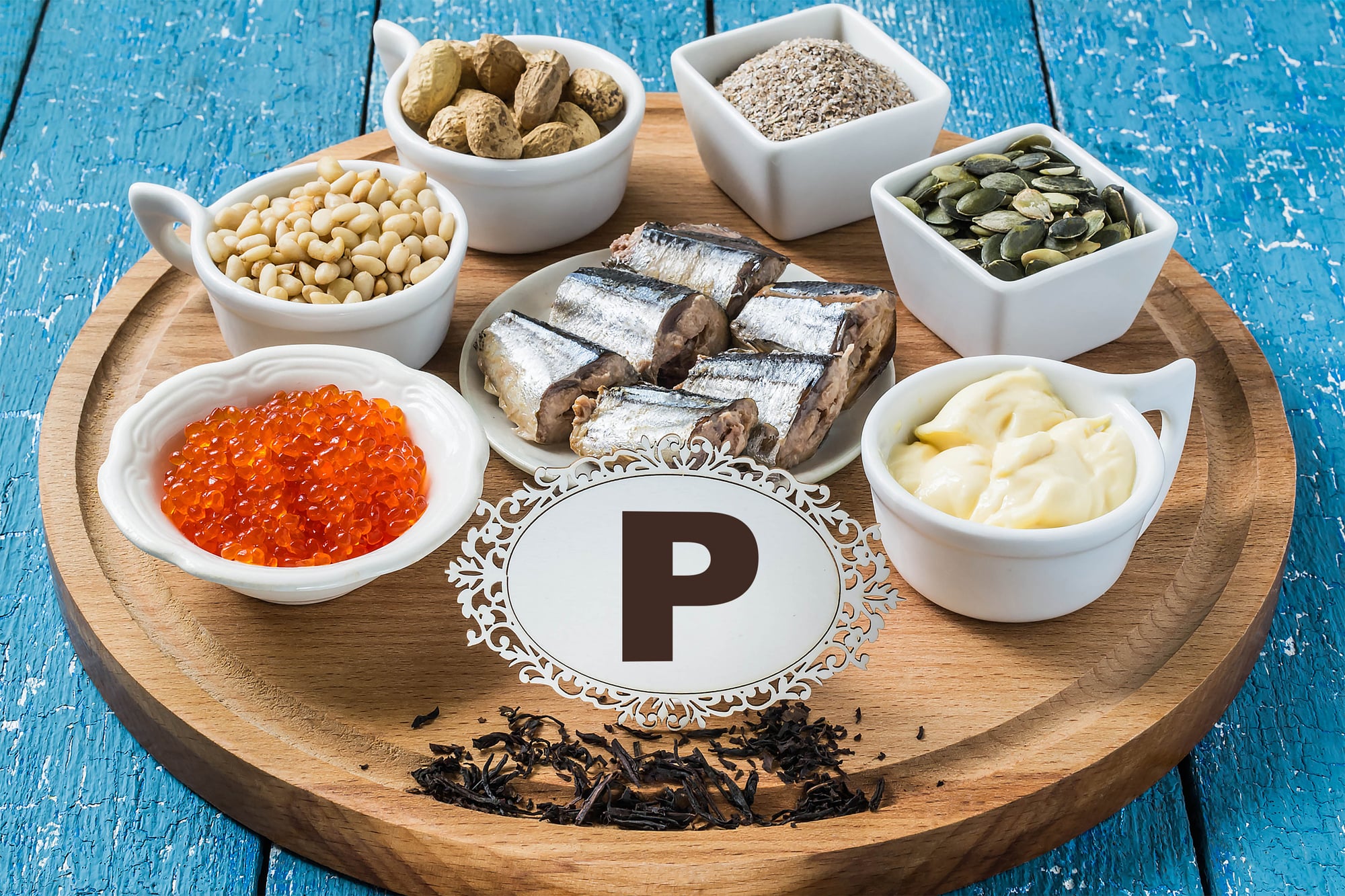
White phosphorus glows in the dark and ignites spontaneously in air—a combination that makes it both beautiful and dangerous. This form of phosphorus is so reactive that it must be stored underwater.
Red phosphorus, a different form of the same element, is much more stable and shows up on matchbook striking surfaces. The difference between these two forms of phosphorus demonstrates how the same atoms can behave completely differently depending on how they’re arranged.
Calcium
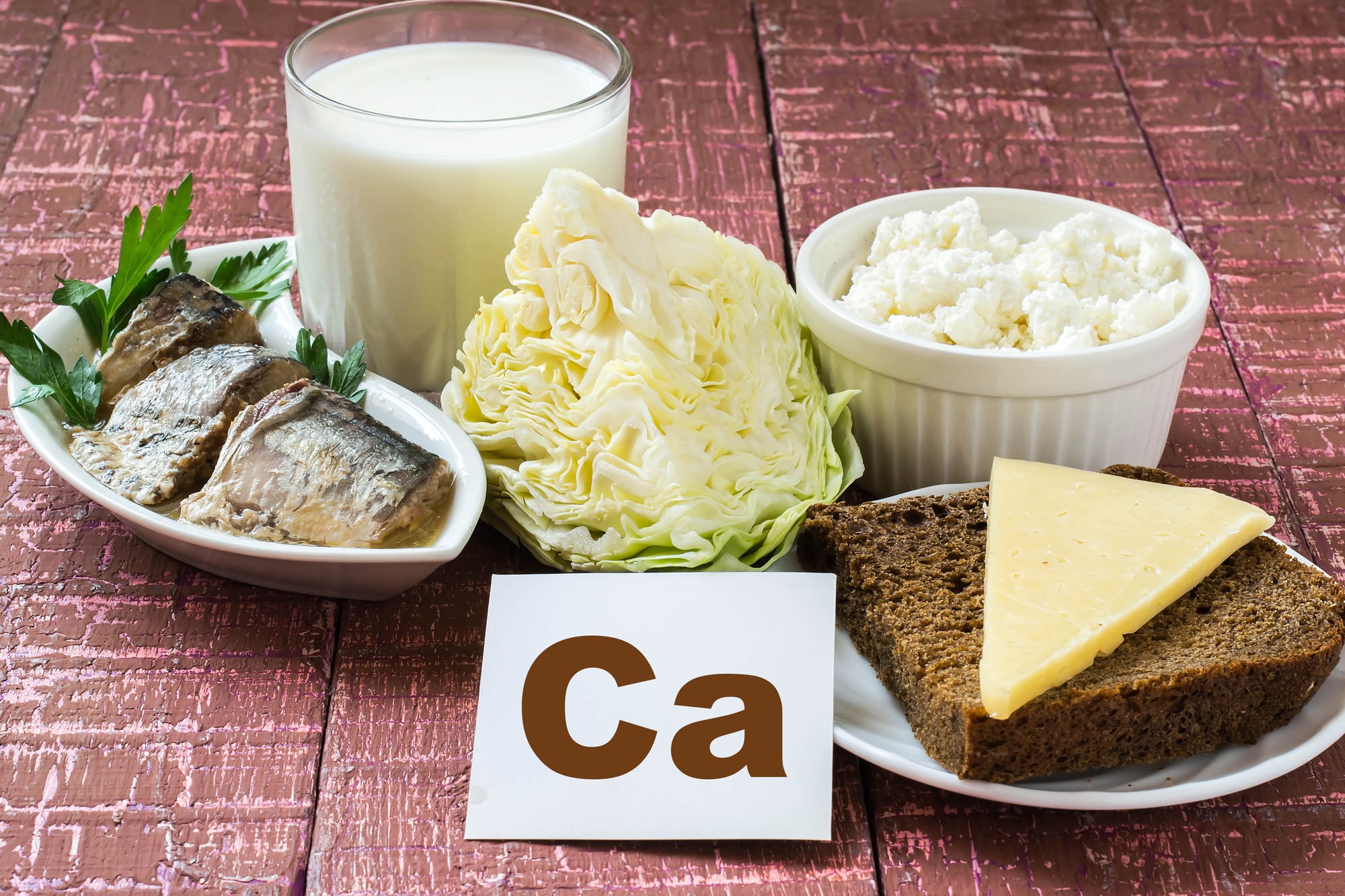
Calcium metal doesn’t get much attention, but it reacts readily with water to produce hydrogen gas and calcium hydroxide. The reaction is vigorous enough to generate heat and cause the hydrogen to ignite.
Most people encounter calcium as compounds like calcium carbonate in limestone or calcium phosphate in bones and teeth. These compounds are stable, which is fortunate since calcium makes up a significant portion of your skeleton.
Magnesium
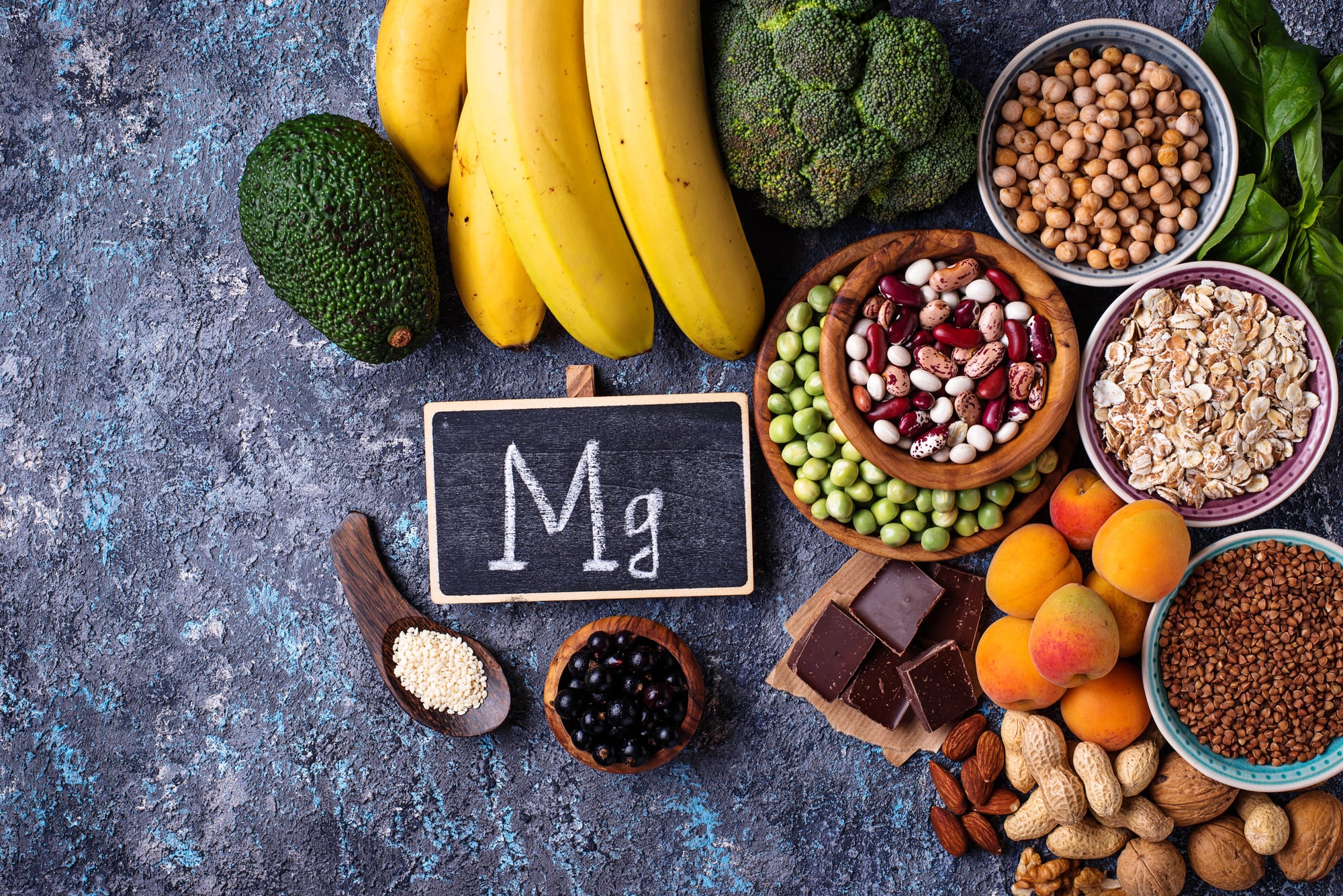
Magnesium burns with a brilliant white light that can damage your eyes if you look directly at it. Once ignited, magnesium is almost impossible to extinguish—water just makes it burn more vigorously.
This element combines readily with oxygen, which is why magnesium metal is often coated with a thin layer of magnesium oxide. That coating actually protects the underlying metal from further reaction, demonstrating how sometimes the products of reactivity can slow down the process.
The Patterns That Emerge
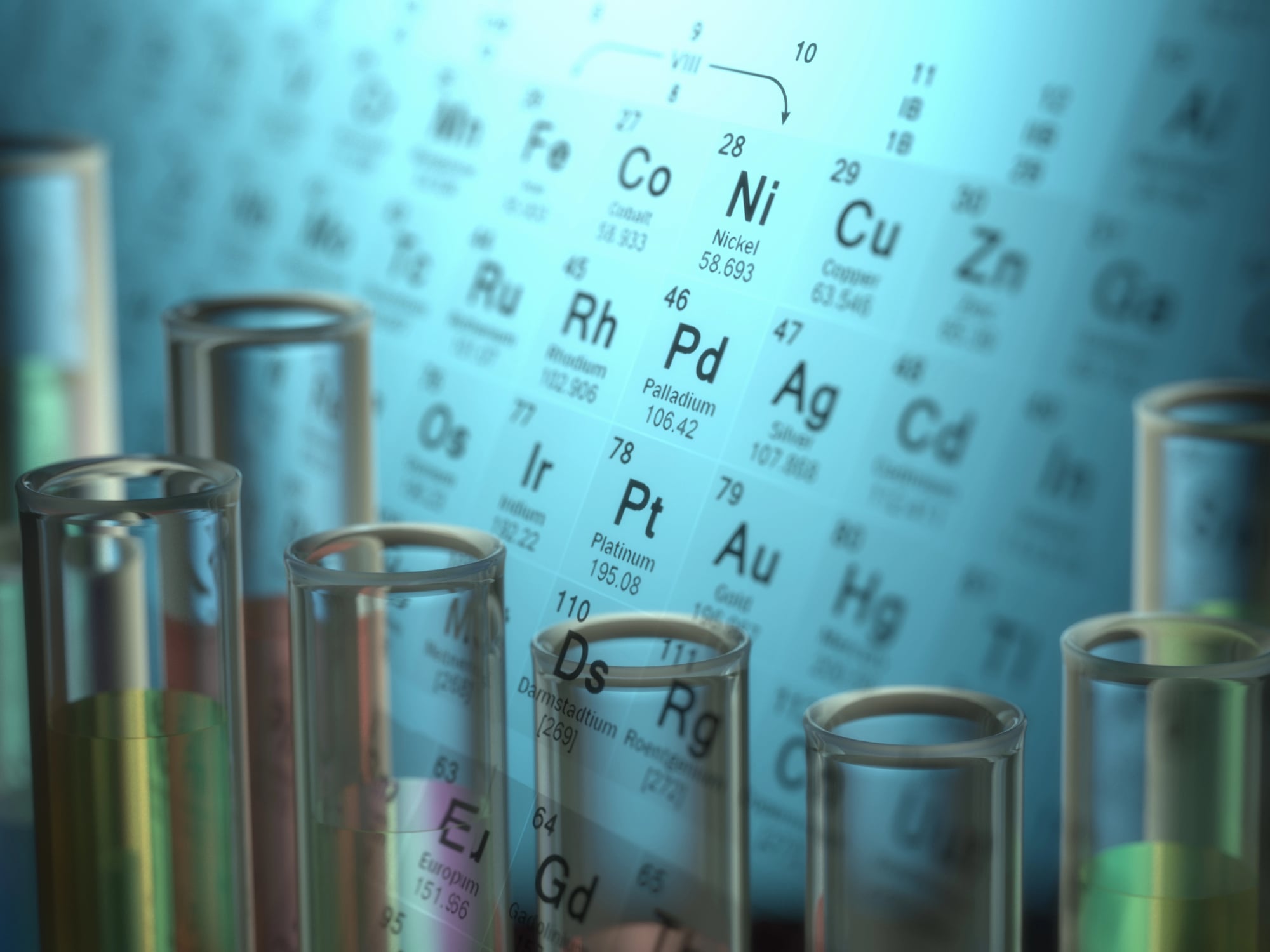
Reactivity follows predictable patterns across the periodic table, like weather systems moving across a continent. The alkali metals on the far left want to lose electrons, while the halogens on the far right want to gain them—and when these two groups meet, the reactions are immediate and often spectacular.
The noble gases sit quietly in the rightmost column, their electron shells complete and content. They represent what all these other elements are trying to become: stable, balanced, and unreactive.
Everything else is just chemistry in motion, atoms trading electrons until they find that same kind of peace.
More from Go2Tutors!

- The Romanov Crown Jewels and Their Tragic Fate
- 13 Historical Mysteries That Science Still Can’t Solve
- Famous Hoaxes That Fooled the World for Years
- 15 Child Stars with Tragic Adult Lives
- 16 Famous Jewelry Pieces in History
Like Go2Tutors’s content? Follow us on MSN.