Household Staples Born by Accident
Sometimes the best discoveries happen when everything goes wrong. A failed experiment, a distracted moment in the kitchen, or a manufacturing mistake that somehow creates something better than intended.
Many of the products sitting in your pantry, medicine cabinet, and cleaning supply closet exist because someone made an error — and had the wisdom to recognize genius when they saw it.
These accidental inventions didn’t emerge from careful market research or corporate boardrooms. They came from spilled chemicals, forgotten batches, and moments when curiosity overcame frustration.
The stories behind these everyday essentials remind us that innovation often wears the disguise of failure.
Post-It Notes

Spencer Silver was trying to create a super-strong adhesive in 1968. What he got instead was embarrassingly weak — a glue that barely stuck and peeled off without leaving residue.
For five years, this “failed” adhesive sat around 3M’s labs, a solution without a problem.
Art Fry changed everything during church choir practice. His bookmark kept falling out of his hymnal, and suddenly Silver’s useless glue made perfect sense.
The first Post-it Notes were born from that moment of irritation in a church pew.
Cornflakes
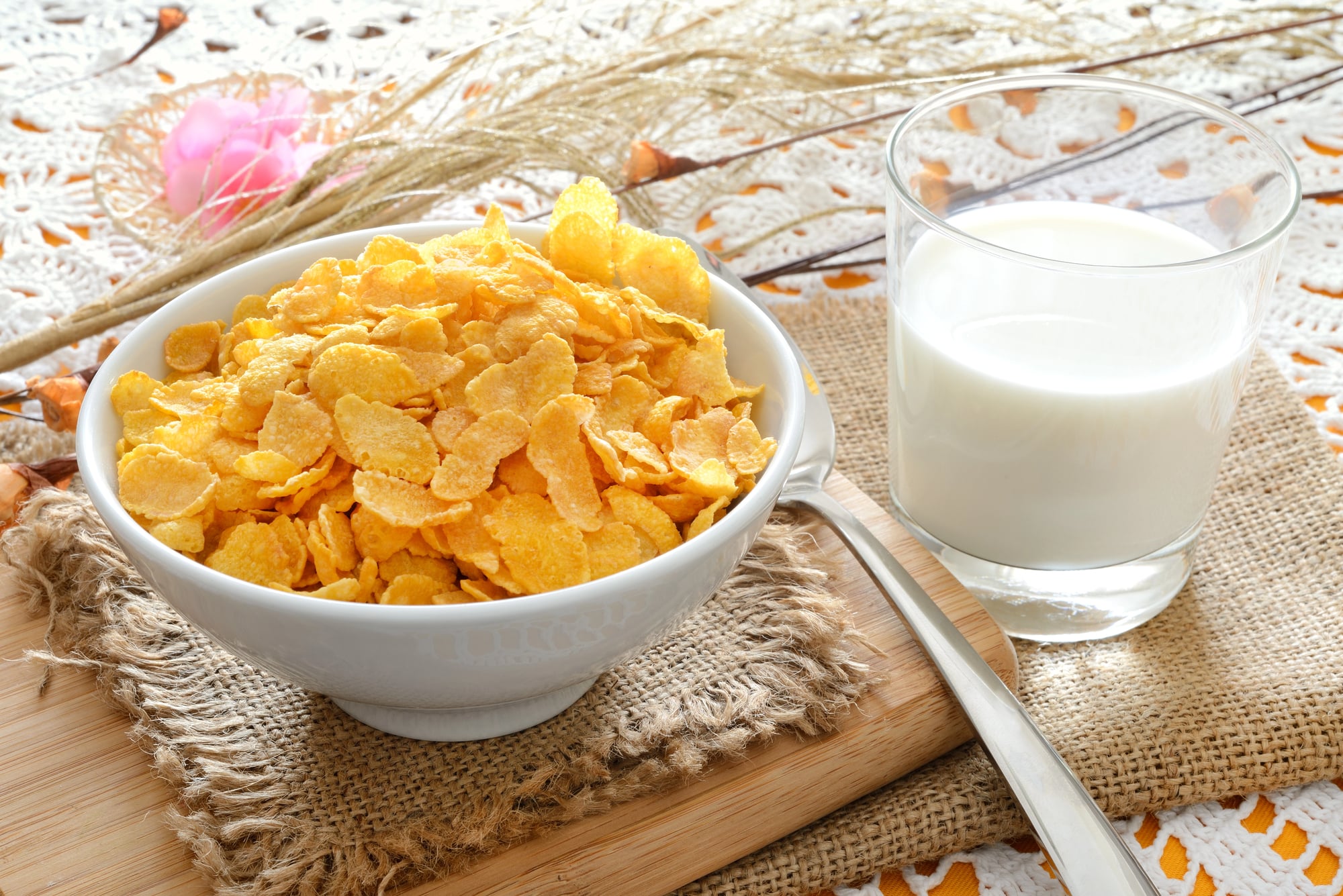
The Kellogg brothers were running a health sanitarium and trying to create easily digestible food for their patients. One night in 1894, they accidentally left a pot of boiled wheat sitting out too long.
The wheat went stale.
Rather than throwing it away, they decided to roll it anyway. Instead of the usual dough, the wheat separated into individual flakes.
They toasted the flakes and served them to patients, who loved them. Later, they tried the same process with corn and created what would become one of America’s most popular breakfast cereals.
Penicillin
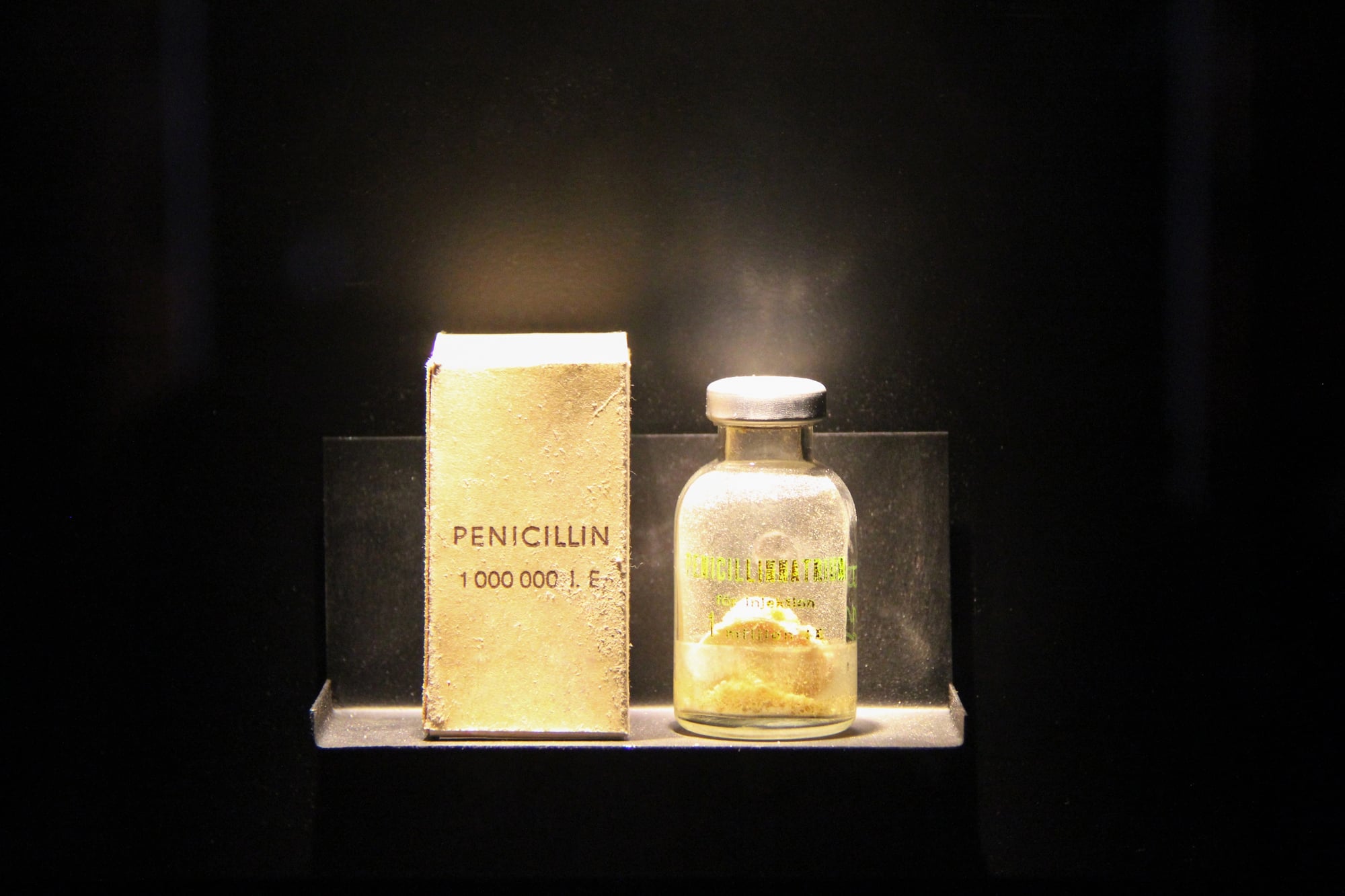
Alexander Fleming was notoriously messy in his laboratory — a habit that would accidentally save millions of lives. In 1928, he left a culture dish of bacteria uncovered while he went on vacation (which tells you something about his housekeeping standards, and also about the more relaxed pace of scientific research back then, when people could disappear for weeks without anyone panicking about deadlines).
When he returned, he found mold had contaminated the dish. Most scientists would have tossed it and started over.
Fleming noticed something odd: the bacteria around the mold had died. So instead of cursing his carelessness, he isolated the mold and began testing it.
The mold turned out to be Penicillium notatum, and it produced a substance that could kill bacteria without harming human tissue — the world’s first antibiotic. That moment of scientific sloppiness became the foundation of modern medicine.
Scotchgard
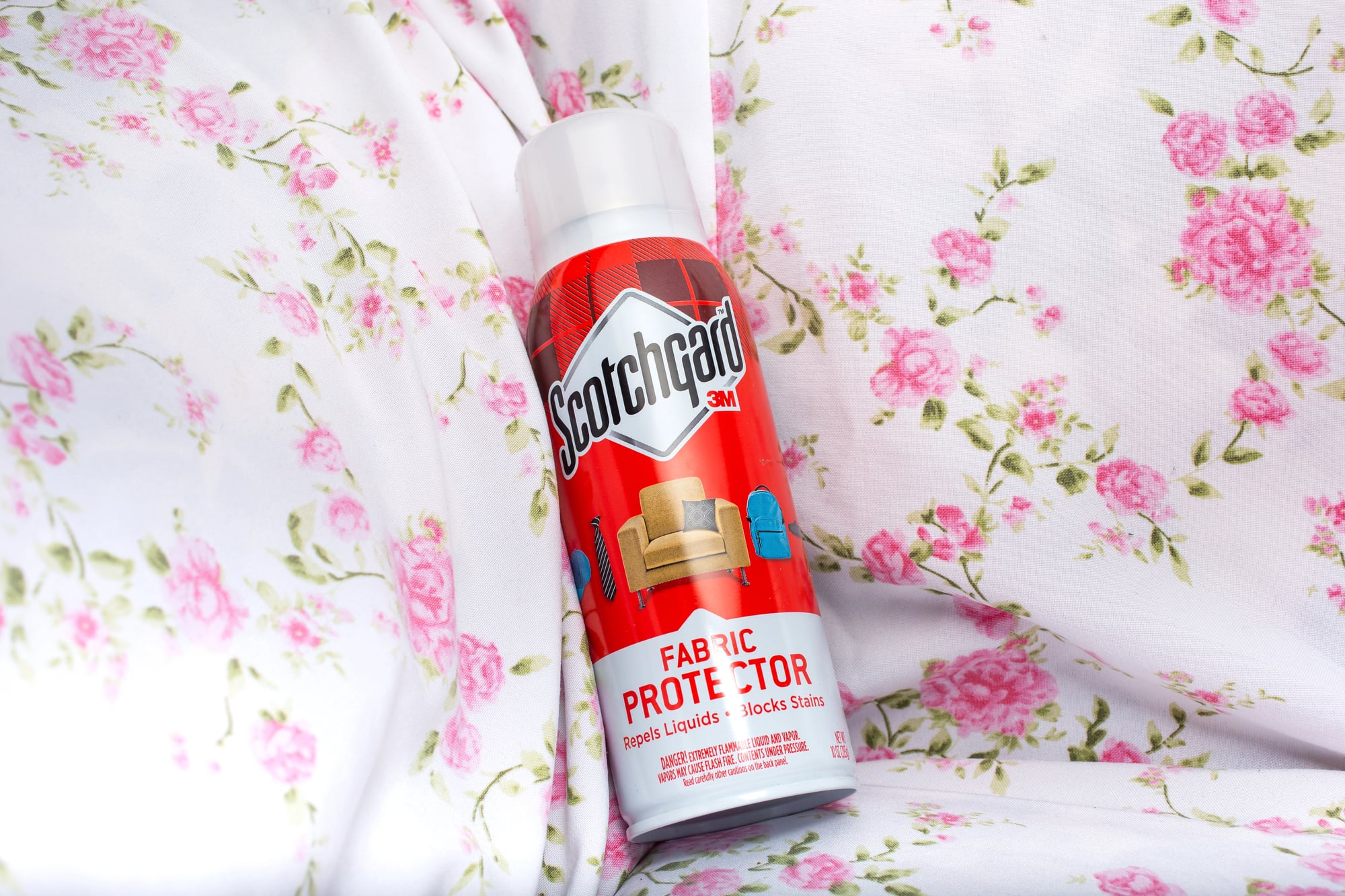
Patsy Sherman was working on fluorochemical compounds for 3M in 1953 when an assistant accidentally spilled some experimental mixture on her tennis shoes. Like watching rain on a freshly waxed car, liquids simply rolled off that spot on her shoe.
The accident revealed what would become fabric protection technology. Sherman recognized that this accidental spill had created something remarkable — a way to make fabrics repel stains and water.
That tennis shoe mishap became a household staple found in closets across America.
Saccharin
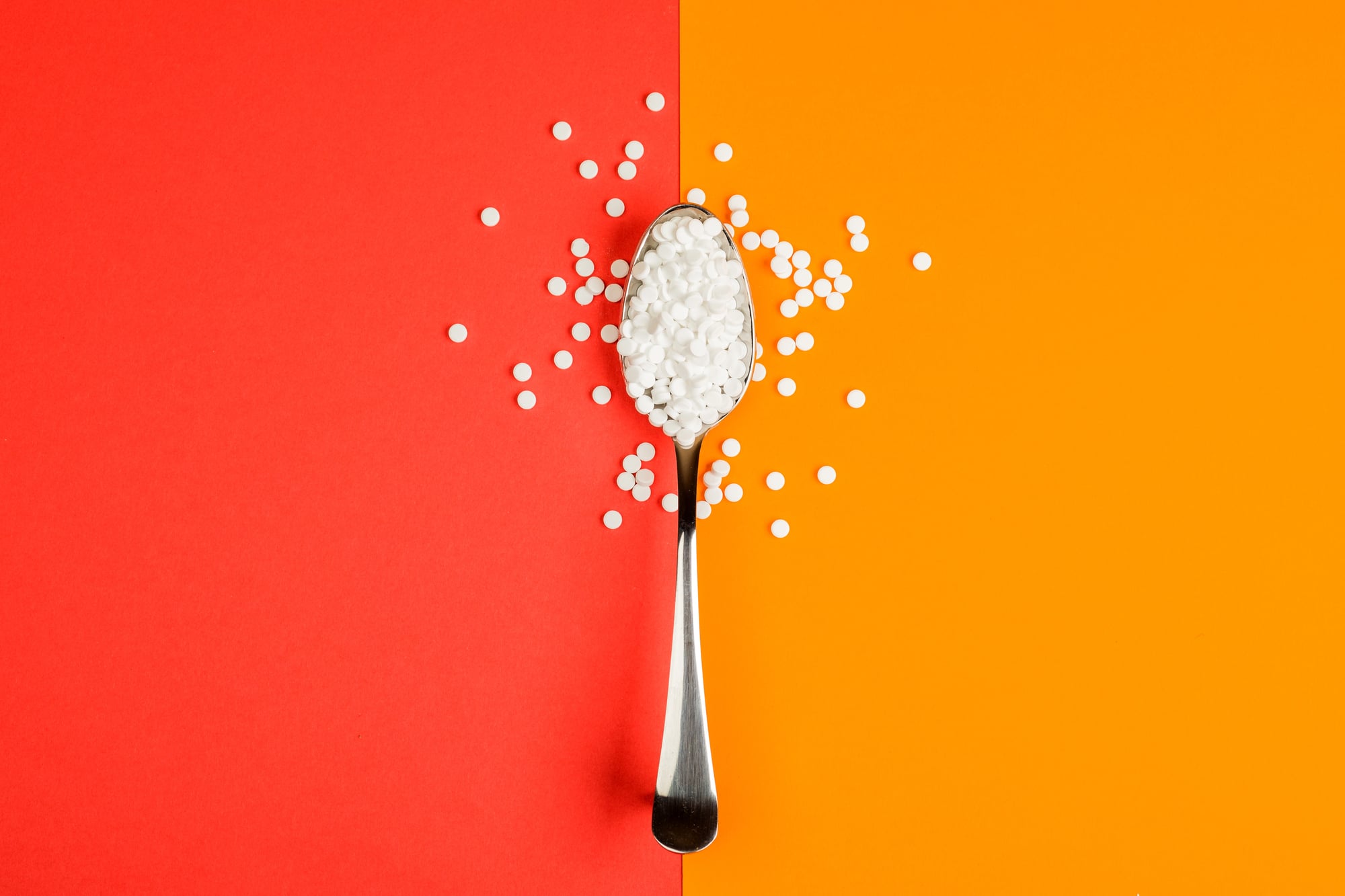
Constantine Fahlberg was researching coal tar derivatives in 1879 — not exactly appetizing work. He forgot to wash his hands before dinner, which turned out to be a fortunate lapse in hygiene.
Everything he touched tasted incredibly sweet. He traced the sweetness back to his laboratory work and discovered he had accidentally created the first artificial sweetener.
Saccharin became essential for diabetics and dieters, all because a scientist skipped hand washing.
Silly Putty
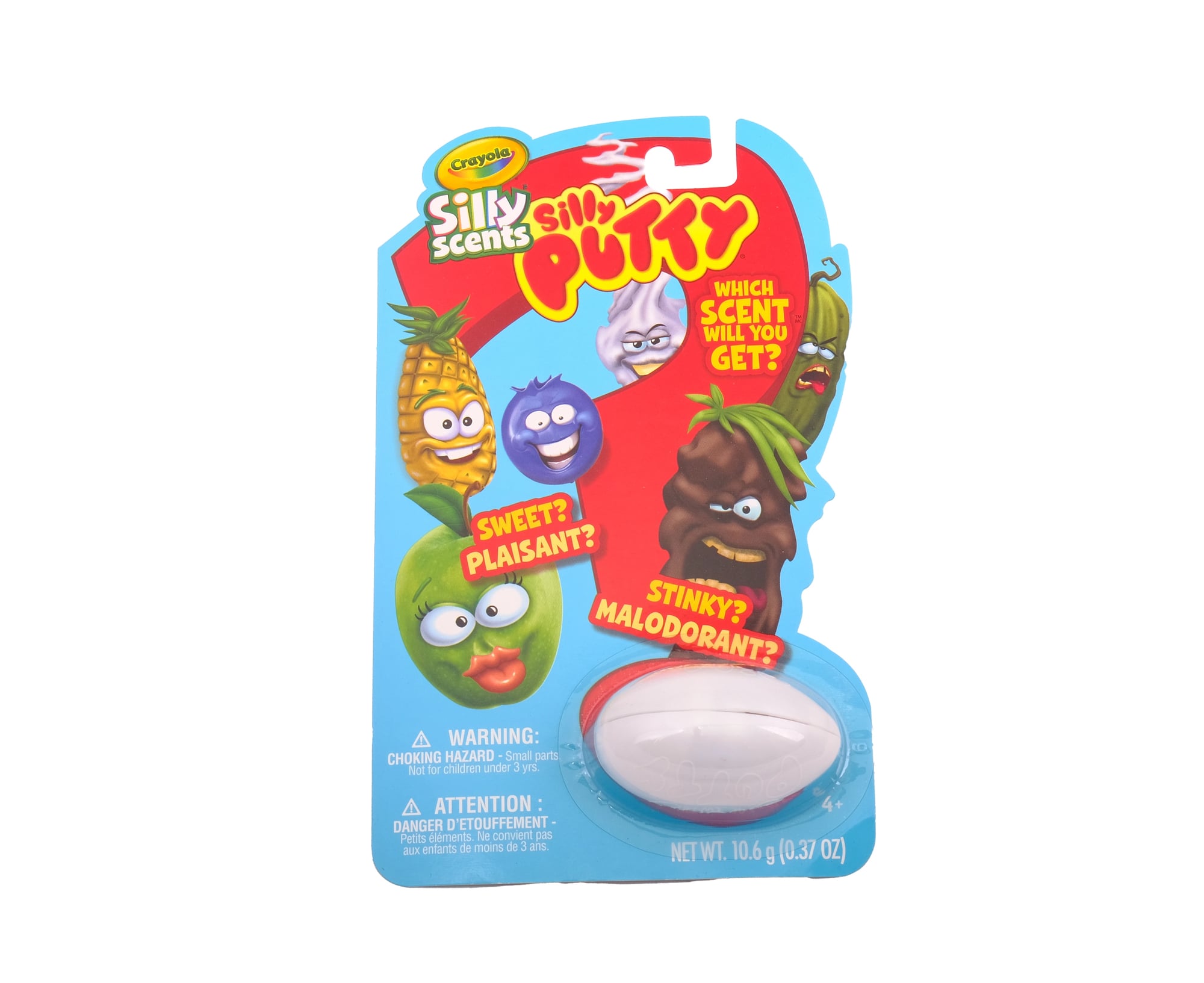
James Wright was trying to create synthetic rubber during World War II when America faced severe rubber shortages. His experiment combining boric acid and silicone oil produced something that bounced, stretched, and copied newspaper print — but was utterly useless as rubber.
The strange substance sat around for years until toy store owner Ruth Fallgatter saw its potential. She packaged it in plastic eggs and sold it as a toy.
Silly Putty became one of the most successful toys in history, proving that sometimes the best solutions come from completely abandoning the original problem.
Teflon
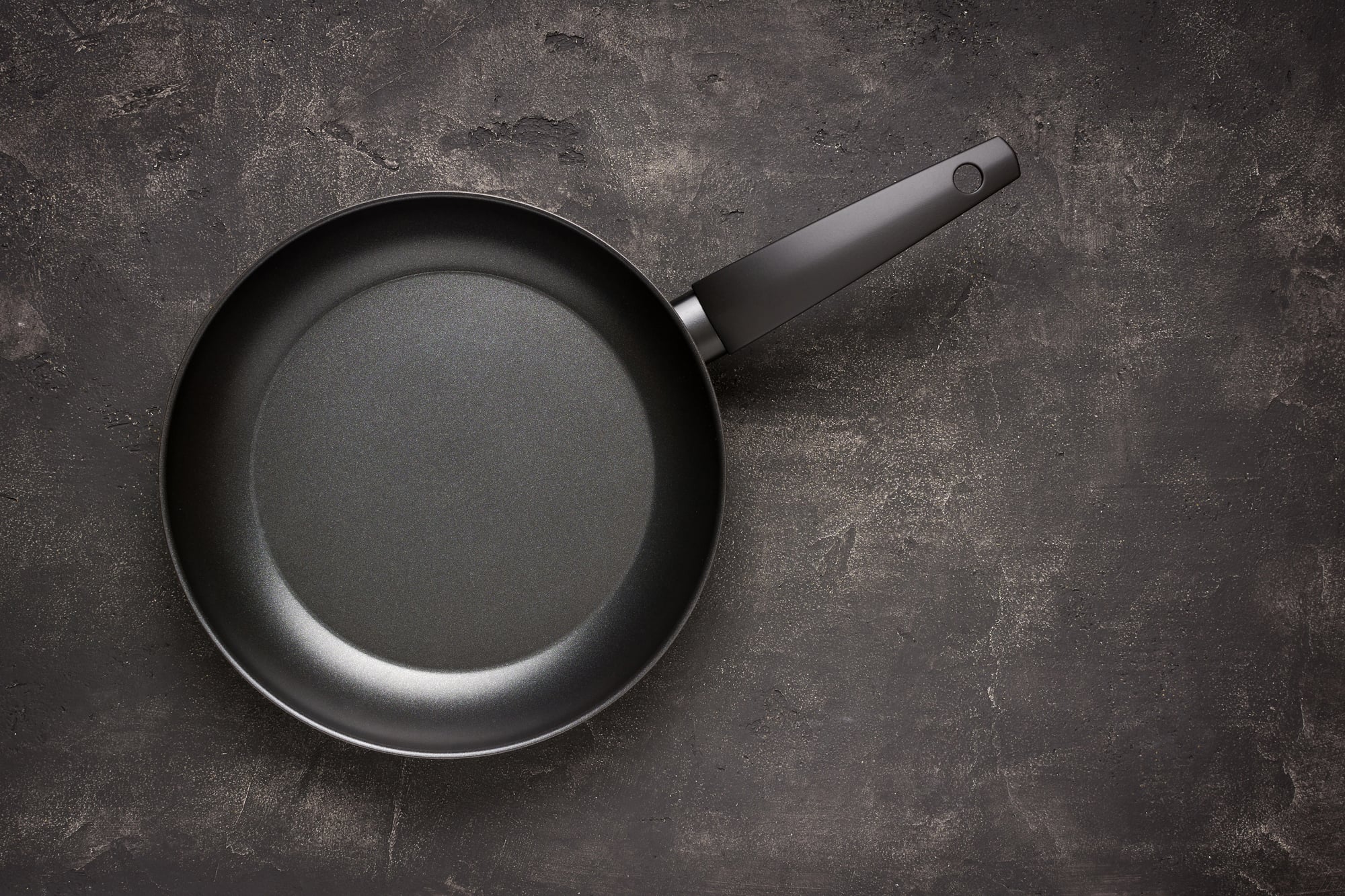
Roy Plunkett was working with refrigerant gases at DuPont in 1938 when one of his containers failed to discharge properly. Instead of the expected gas, he found a white, waxy substance coating the inside — something that seemed to repel everything (and probably his initial reaction was somewhere between curiosity and mild annoyance, since failed experiments rarely lead to promotion prospects, at least not in the short term).
But the substance was incredibly slippery and heat-resistant, two properties that made it perfect for cookware.
And yet it took decades for Teflon to find its way into kitchens. The military used it first for Manhattan Project equipment.
Only later did someone realize that a coating nothing could stick to might be useful for cooking eggs.
Microwave Oven
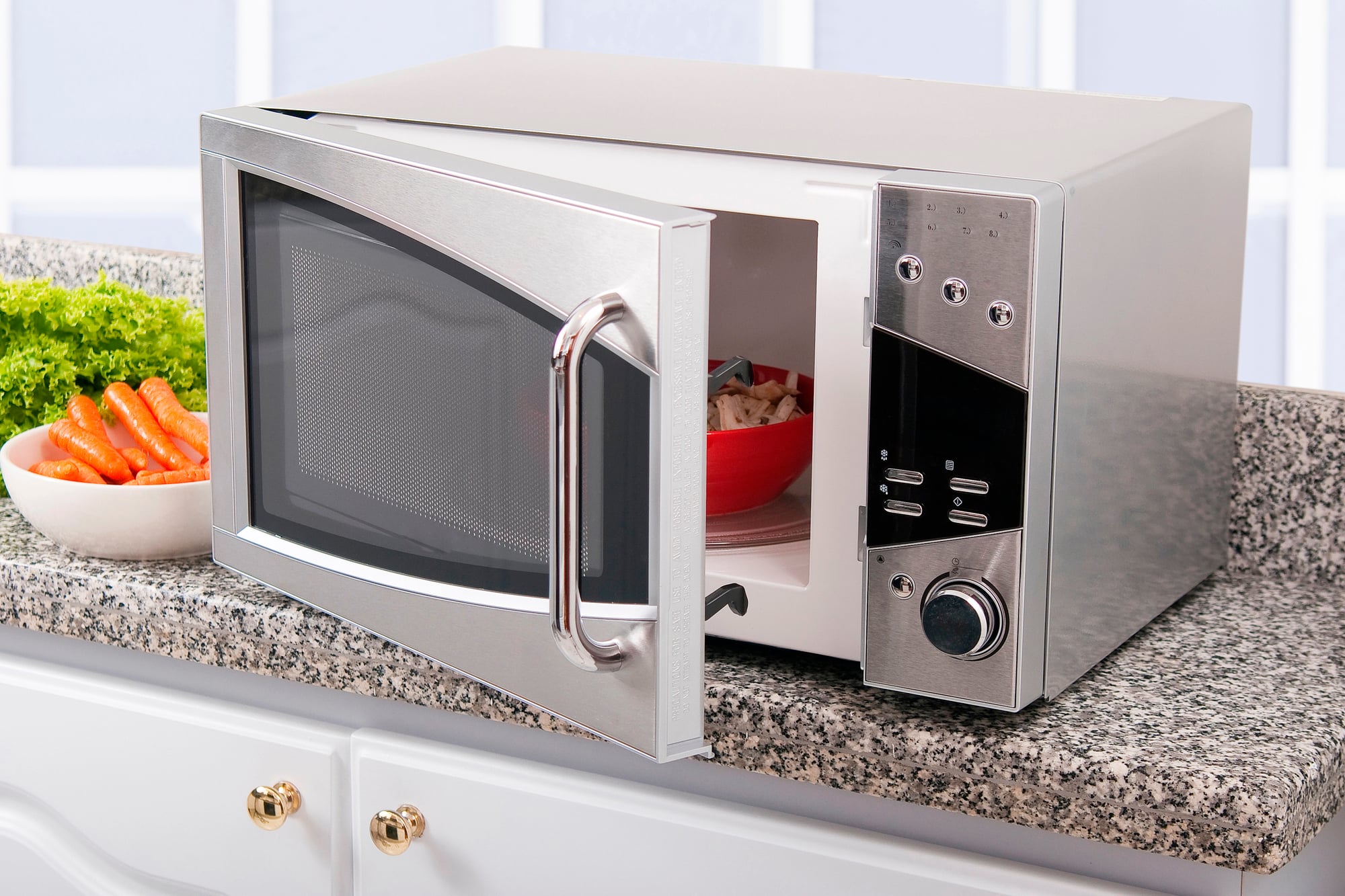
Percy Spencer was working on radar technology for Raytheon when he noticed something strange in his pocket. The chocolate bar he had been carrying had completely melted while he stood near a magnetron, the device that generates microwaves for radar systems.
Most people would have cursed the ruined candy and moved on. Spencer grabbed popcorn kernels and placed them near the magnetron.
They popped. Then he tried an egg, which exploded.
Instead of cleaning up the mess and returning to his original work, he realized he had discovered a new way to cook food using microwave radiation.
Velcro
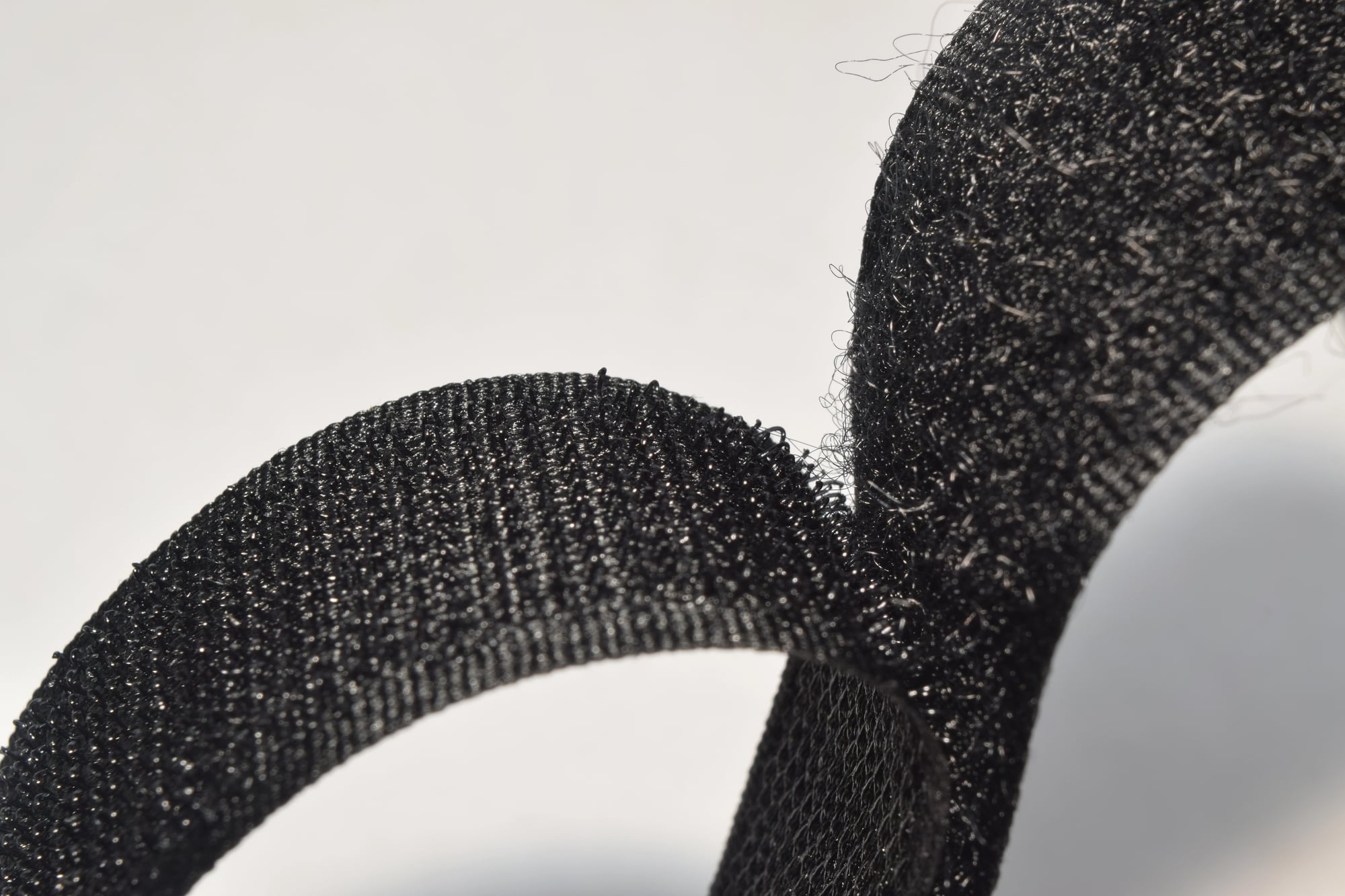
George de Mestral returned from a hunting trip in 1941 covered in burrs — those annoying seed pods that stick to clothing and dog fur. Instead of simply picking them off and forgetting about it, he examined them under a microscope.
The burrs had tiny hooks that grabbed onto fabric loops. De Mestral spent the next eight years developing a fabric fastener based on this natural design.
Velcro became indispensable for everything from shoes to space suits, all because someone paid attention to an everyday annoyance.
Super Glue
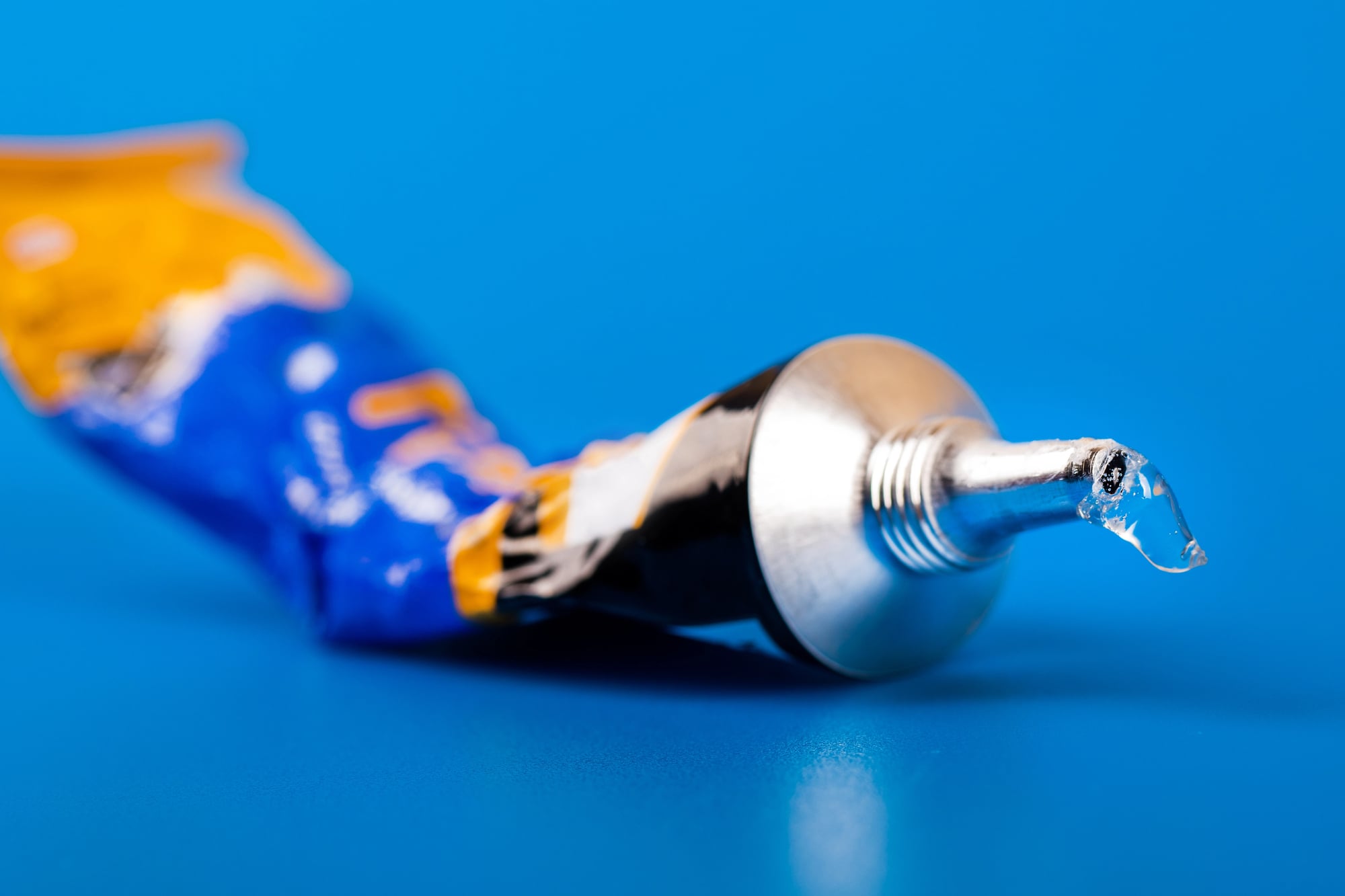
Harry Coover was trying to create clear plastic gun sights during World War II. His experiment with cyanoacrylates failed spectacularly — the substance stuck to everything it touched and was impossible to work with.
Years later, while working on heat-resistant airplane canopies, Coover encountered cyanoacrylates again. This time he recognized their potential.
The substance that had ruined his earlier experiment became Super Glue, perfect for emergency repairs and countless household fixes.
Bubble Wrap
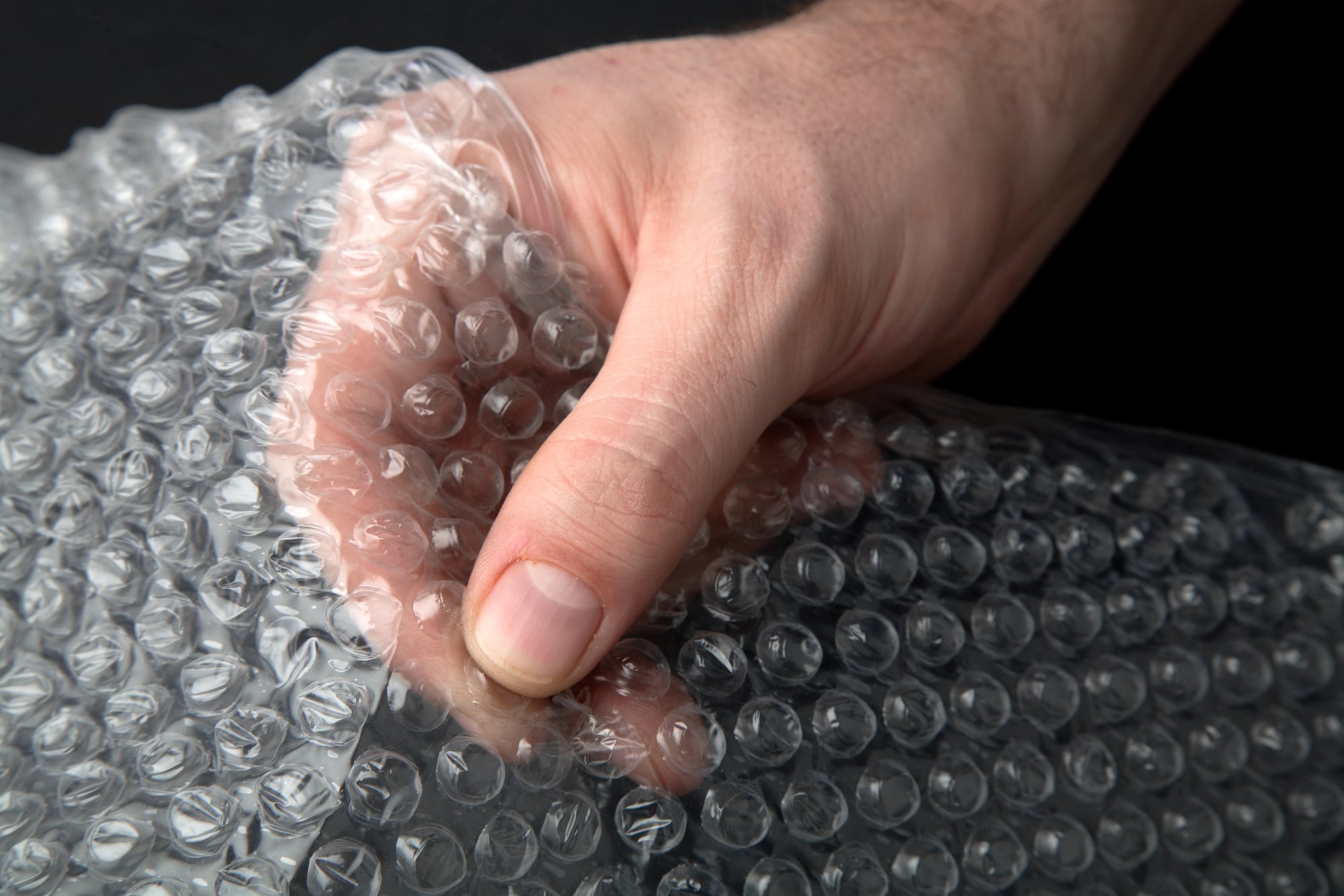
Alfred Fielding and Marc Chavannes were trying to create textured wallpaper in 1957 by sealing two shower curtains together. The result looked nothing like wallpaper and had no decorative appeal whatsoever.
They tried marketing it as greenhouse insulation, but that failed too. Finally, IBM needed protective packaging for their computers, and bubble wrap found its true purpose.
The failed wallpaper became the standard for protecting fragile items during shipping — and an irresistible source of stress relief.
WD-40
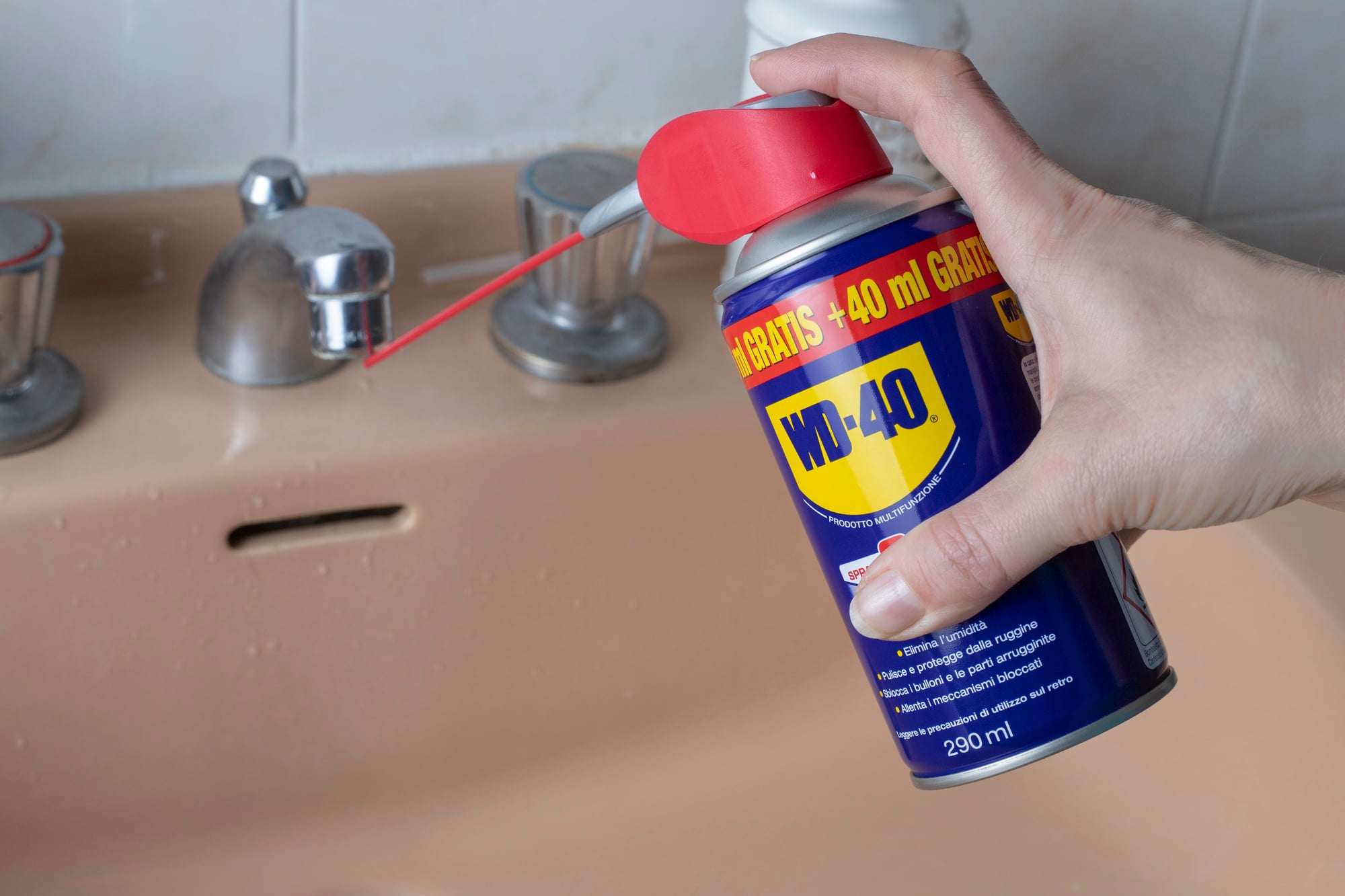
The Rocket Chemical Company needed something to prevent nuclear equipment from corroding. Their thirty-ninth attempt failed.
So did formulas one through thirty-eight. But the fortieth formula worked perfectly.
Employees started sneaking the stuff home to use on their own squeaky hinges and stuck bolts. The company realized they had created something with broader appeal than nuclear equipment maintenance.
WD-40 became the go-to solution for household repair problems, proving that sometimes persistence pays off in unexpected ways.
Play-Doh
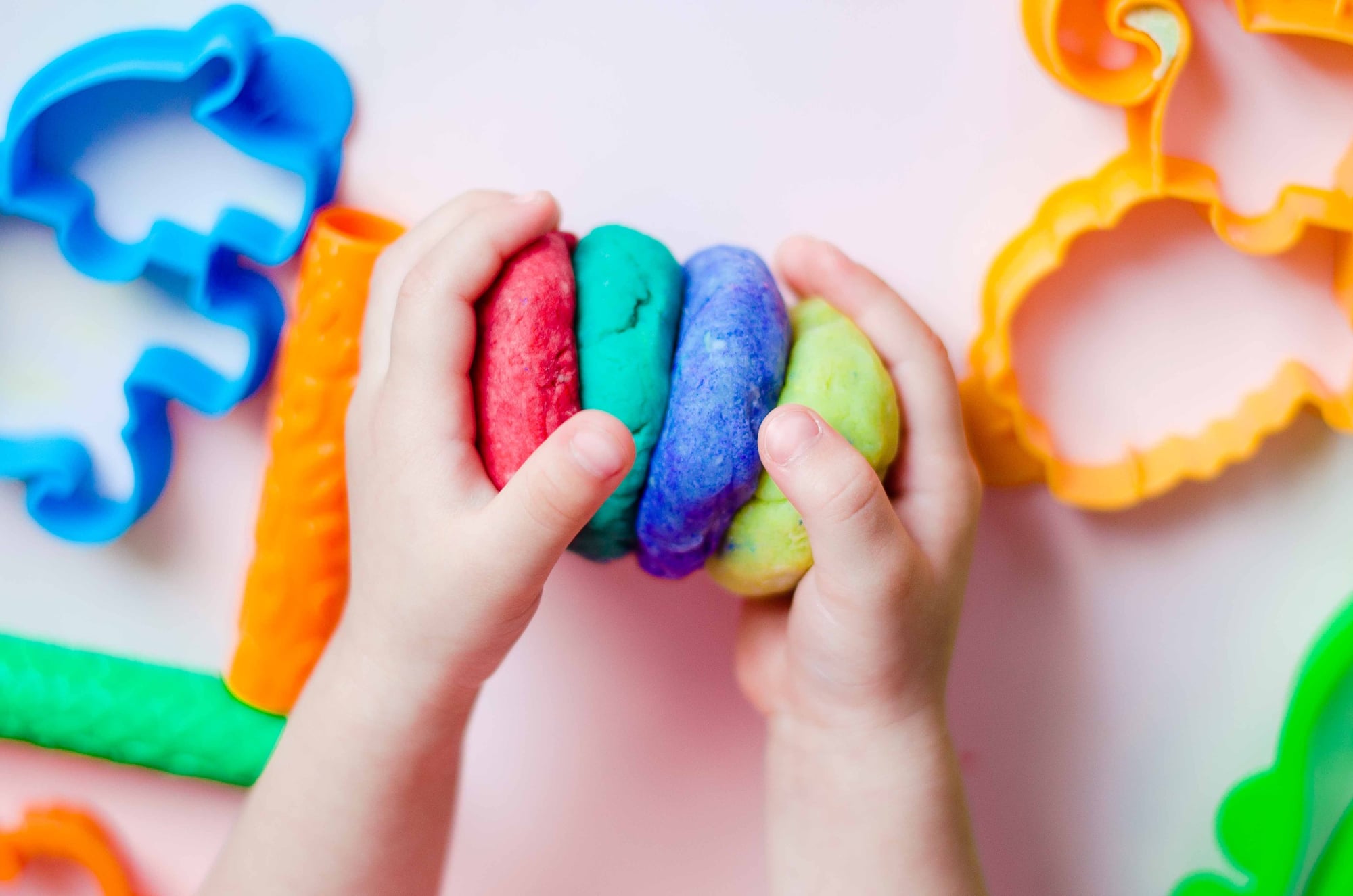
Noah McVicker was trying to create wallpaper cleaner in the 1950s — a putty-like substance that could remove coal dust and dirt from walls. As homes switched from coal to natural gas heating, the product became obsolete before it ever really took off.
McVicker’s sister-in-law was a nursery school teacher who tried the cleaning compound as modeling clay for her students. The children loved it.
By removing the detergent and adding colors and scent, the failed wallpaper cleaner became one of the most beloved childhood toys ever created.
When Mistakes Become Miracles
These accidental inventions share something beyond their origin stories. Each required someone willing to see possibility where others saw failure.
The real innovation wasn’t in the initial mistake — it was in recognizing that the mistake had created something valuable.
Your kitchen drawers and bathroom cabinets are filled with these happy accidents, each one a reminder that the best discoveries often happen when plans go sideways. Sometimes the most useful things in life come from moments when everything goes wonderfully wrong.
More from Go2Tutors!

- The Romanov Crown Jewels and Their Tragic Fate
- 13 Historical Mysteries That Science Still Can’t Solve
- Famous Hoaxes That Fooled the World for Years
- 15 Child Stars with Tragic Adult Lives
- 16 Famous Jewelry Pieces in History
Like Go2Tutors’s content? Follow us on MSN.