Hidden Secrets of the Tower of London History
Standing on the Thames riverbank for nearly a thousand years, the Tower of London holds more mysteries than any tourist guidebook could capture. Behind those imposing stone walls lie tales of intrigue, betrayal, and secrets that have been whispered through centuries but rarely spoken aloud.
Some stories never made it into the history books. Others were deliberately buried.
The Tower’s reputation as a fortress, palace, and prison barely scratches the surface of what really happened within those walls.
The Lost Royal Menagerie’s Deadly Games
The Tower’s royal zoo wasn’t just for show. Medieval kings used exotic animals as living weapons of psychological warfare.
Visitors who displeased the monarch might find themselves “accidentally” too close to a lion’s cage. The elephant given to Henry III in 1255 was trained to trumpet on command — specifically when certain political prisoners walked past.
Records show the polar bear wasn’t just allowed to fish in the Thames for entertainment; it was a deliberate demonstration that even Arctic predators bent to English royal will.
Secret Tunnels That Still Exist
Beneath the Tower runs a network of passages that most visitors never see, and that’s entirely by design (because some of them still serve purposes the Crown prefers to keep quiet). The tunnels weren’t just medieval construction — they were expanded during both World Wars, and while the official tours mention wartime use, they don’t mention that several passages remain classified.
So when guides say the tunnel system was “sealed after the war,” what they really mean is that the entrances you’re allowed to know about were sealed. The others, well — those are a different conversation entirely.
Anne Boleyn’s Hidden Letters
Like pressed flowers found decades later in forgotten books, Anne Boleyn’s final communications surface in the strangest places. Three letters, written in her own hand during her imprisonment, turned up in a Vatican archive in 1987 — not exactly where you’d expect correspondence from a woman who helped break England from Rome.
The letters weren’t to Henry, as historians initially assumed. They were to her daughter Elizabeth, written with the kind of desperate hope that only a mother facing execution could muster.
The Church kept them hidden for five centuries, perhaps understanding that some words carry more power than armies.
The Bloody Tower’s False Identity
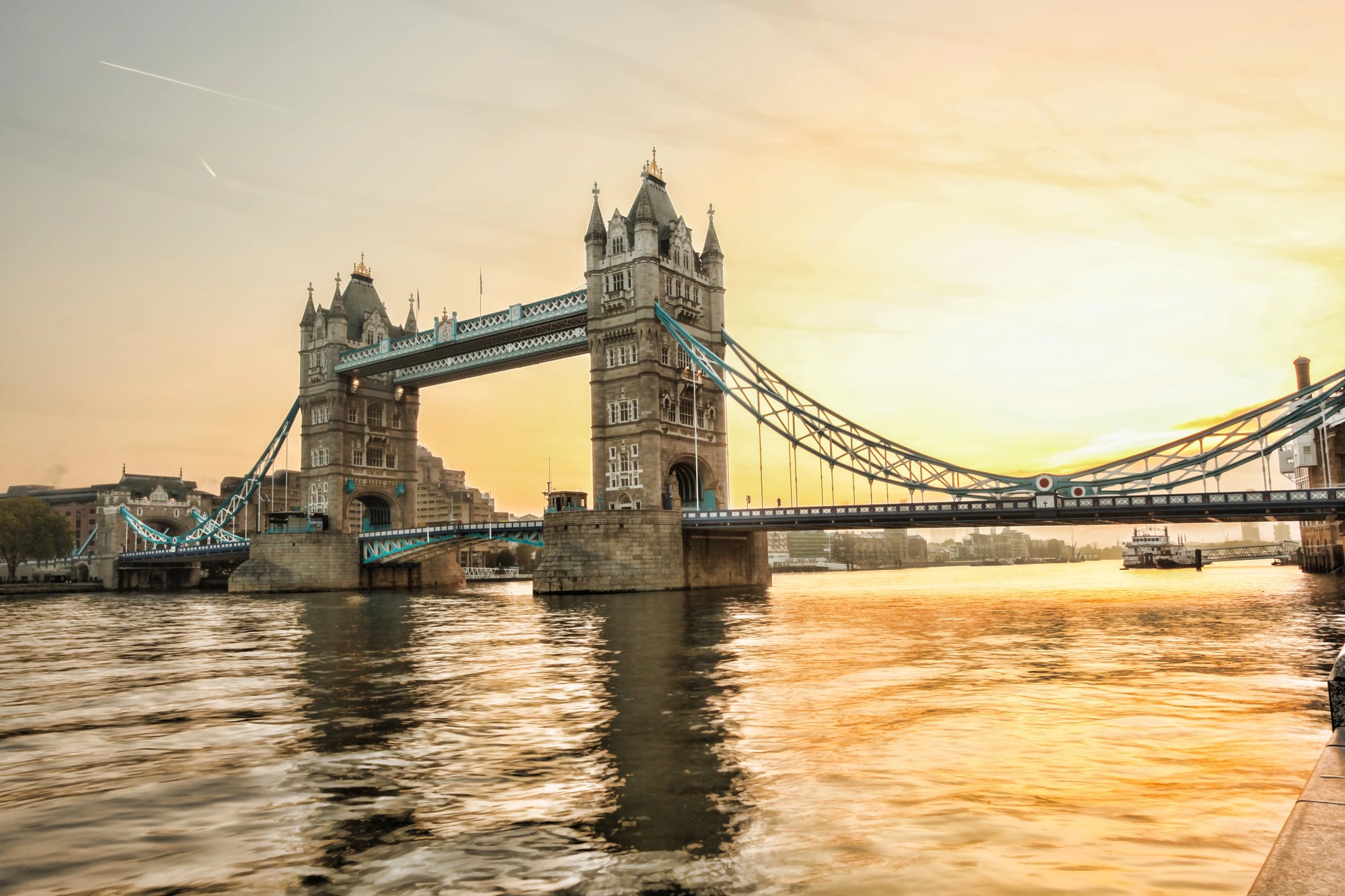
The Bloody Tower wasn’t originally called the Bloody Tower. That name stuck around the 16th century, but it has nothing to do with the princes who supposedly died there.
The real blood came from something far more systematic and deliberate. The tower served as an unofficial medical experimentation site where royal physicians tested treatments on prisoners before applying them to nobility.
The mortality rate was extraordinary, even by medieval standards, and the smell of death became so associated with that particular building that locals started calling it bloody long before anyone thought to blame Richard III for anything.
The Crown Jewels’ Body Doubles
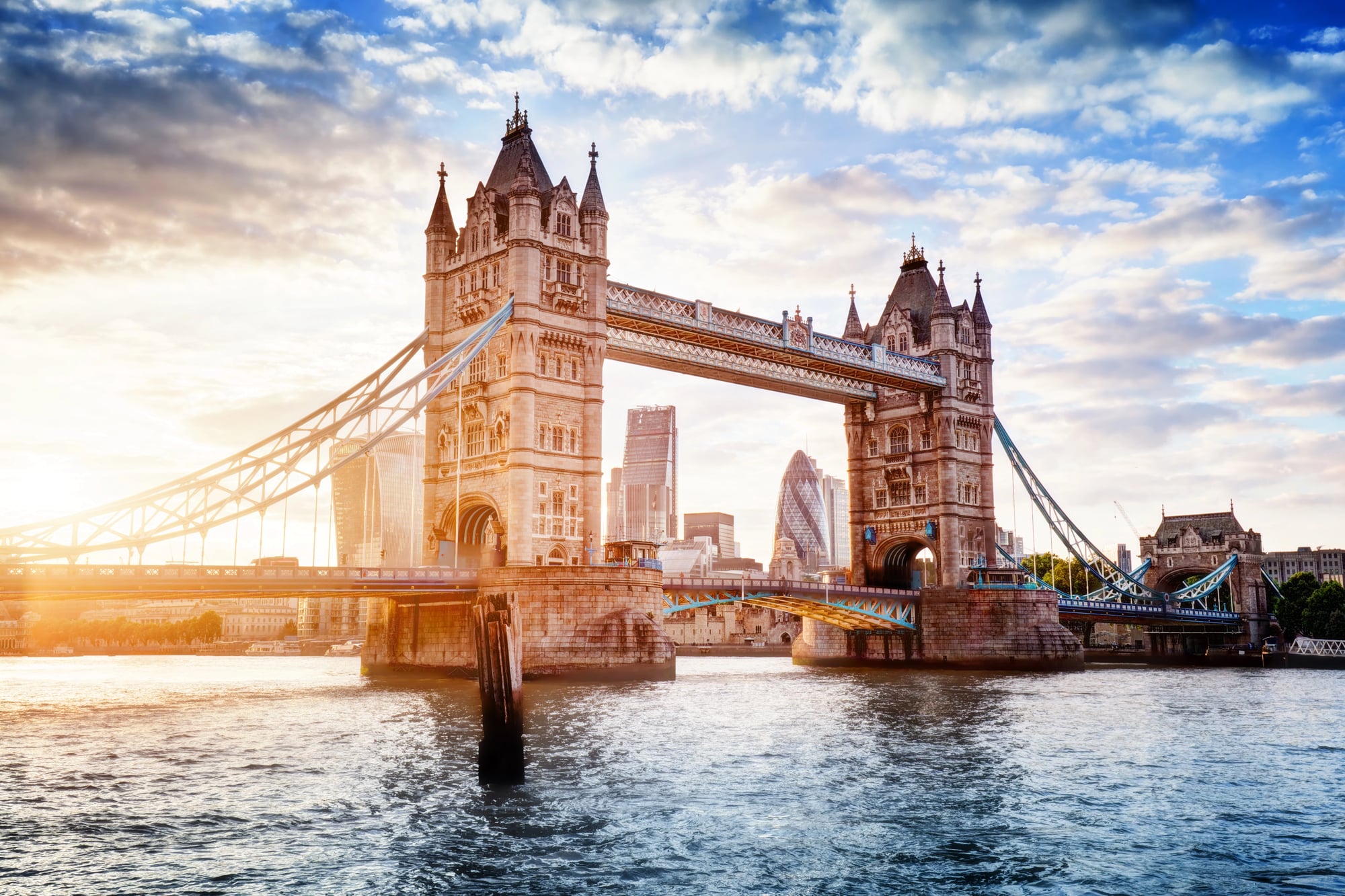
Every major piece in the Crown Jewels collection is a reproduction. The originals disappeared during Oliver Cromwell’s Commonwealth, supposedly melted down or sold, but evidence suggests they were hidden so thoroughly that their location died with the people who concealed them.
Charles II had the entire collection recreated from memory and surviving sketches when the monarchy was restored. But here’s the part that gets interesting (and which the Jewel House doesn’t advertise): at least three separate treasure hunters have found medieval crowns and scepters buried in different locations around London over the past century, all matching descriptions of the “lost” originals.
The Crown quietly acquired each find and stored them away from public view. Whether these discoveries are authentic or elaborate fakes designed to muddy the historical waters — well, that’s classified too.
Rudolf Hess and the Tower’s Last Prisoner
Rudolf Hess holds the distinction of being the Tower’s final prisoner, but his four-day stay in May 1941 involved more than just detention. British intelligence used his imprisonment for an elaborate psychological operation, convincing him that the Tower itself was haunted by the spirits of previous Nazi sympathizers who had been secretly executed there.
The operation worked so well that Hess spent the rest of his life convinced he had supernatural protection, which British agents exploited to extract information about German occult research programs. The transcripts of his Tower interrogations remain sealed, officially because they contain sensitive wartime intelligence, but insiders suggest the real reason is that they document the systematic use of fabricated paranormal phenomena as an interrogation technique.
The Princes in the Tower Weren’t Alone
The two young princes who vanished in 1483 weren’t the only royal children to disappear within the Tower walls. At least four other instances of missing royal offspring occurred between 1066 and 1500, but these cases were successfully buried in historical records.
The pattern suggests a systematic method for dealing with inconvenient heirs — not necessarily murder, but removal from the line of succession through staged deaths followed by secret relocations. Parish records from remote Yorkshire villages contain baptismal entries for children with suspiciously royal names and birth dates that align with Tower disappearances, all recorded by priests who received substantial anonymous donations around the same time.
The Warders’ Secret Society
Like a guild that never disbanded, the Yeoman Warders maintain traditions that go far beyond their public duties. They operate an informal intelligence network that has provided information to British security services for over 300 years.
The famous ravens aren’t just symbolic — they’re trained to recognize and react to specific individuals, and their behavior serves as an early warning system for potential security threats. Each raven learns to associate certain scents and voices with danger, a practice that began during the Jacobite uprisings and continues today.
When tourists notice a raven acting aggressively toward another visitor, it’s not random bird behavior.
Guy Fawkes’s Torture Chamber Still Exists
The White Tower houses a basement room that doesn’t appear on any public floor plan, and for good reason. Guy Fawkes underwent interrogation there using techniques that were advanced even by Elizabethan standards.
The chamber contained a chair fitted with metal components that could be heated from below, essentially creating a torture device that left no external marks while causing excruciating internal pain. The room was sealed in 1670, but it was reopened during World War II for “historical research purposes.”
That research apparently continued longer than anyone officially admits, because the chamber was modernized with electrical components sometime in the mid-20th century, and the wiring suggests the updates were functional rather than purely academic.
The Tower’s Connection to Jack the Ripper
Three Tower employees lived in Whitechapel during the Ripper murders, and all three had access to surgical instruments through the Tower’s medical facilities. Police files that remained classified until 1988 show that Scotland Yard seriously investigated the possibility that the Ripper was using the Tower as a base of operations, entering and leaving through the old Traitors’ Gate water entrance to avoid street-level detection.
The theory gained credibility when investigators realized that the timing of several murders coincided exactly with low tide on the Thames — the only times when the water gate passage would be easily navigable. One suspect was a Tower guard who had medical training and whose shift schedule aligned perfectly with the murder timeline, but the investigation was quietly terminated when it became clear that pursuing it would require revealing sensitive details about the Tower’s security arrangements.
The Lost Execution Records
Official records claim that 112 people were executed at the Tower of London, but the real number is significantly higher. A cache of documents discovered during renovations in 1953 detailed at least 200 additional executions that were carried out in secret, primarily during the Tudor period.
These weren’t political prisoners or famous traitors — they were individuals who had learned sensitive information about royal activities and needed to be eliminated quietly. The executions took place in the basement of the Bell Tower, and the bodies were disposed of through a tunnel that connected directly to the Thames, ensuring that no graves or burial records would ever surface.
The 1953 documents were immediately reclassified, and the tunnel entrance was sealed with concrete.
The Tower’s Occult Library
Hidden within the walls of the Bloody Tower sits a collection of books that would make the Vatican’s secret archives look like light reading. The library was assembled over centuries by various Tower governors who confiscated occult materials from prisoners accused of witchcraft or sorcery.
Rather than destroying these books, as official policy dictated, the governors secretly preserved them for study. The collection includes original manuscripts on alchemy, demonology, and ritual magic, some dating back to the 12th century.
During World War II, British intelligence consulted this library while investigating Nazi occult research, and several books were loaned to government researchers who were attempting to understand German supernatural warfare programs. The library still exists, still grows, and is still consulted by people whose job descriptions would surprise you.
The German Spy Who Never Left
In 1916, a German spy named Carl Lody was executed by firing squad at the Tower, but his story didn’t end there. Lody had managed to memorize the entire layout of the Tower’s defenses during his imprisonment, and British intelligence realized that this information could be valuable if other German agents attempted to infiltrate the fortress.
Rather than simply burying Lody, they preserved his body and used early embalming techniques to maintain it for identification purposes. The preserved corpse was kept in a sealed room beneath the Chapel of St. Peter ad Vincula, where it remained until sometime in the 1960s.
Official records claim the body was quietly buried in an unmarked grave, but Tower employees occasionally report seeing a figure in German military uniform walking the battlements at night, always alone, always observing the fortifications with the methodical attention of someone conducting reconnaissance.
A Legacy Written in Stone and Shadow
The Tower of London stands as more than just a monument to British history — it serves as a vault where the nation’s deepest secrets have been kept for nearly a millennium. Those ancient stones have absorbed more truth than any official record could contain, and the shadows between them hold stories that will likely never be fully told.
Perhaps that’s exactly as it should be. Some secrets grow more powerful when they remain hidden, and the Tower has always understood that the most effective fortress protects not just against physical threats, but against the kind of revelations that could reshape how we understand the past itself.
More from Go2Tutors!

- The Romanov Crown Jewels and Their Tragic Fate
- 13 Historical Mysteries That Science Still Can’t Solve
- Famous Hoaxes That Fooled the World for Years
- 15 Child Stars with Tragic Adult Lives
- 16 Famous Jewelry Pieces in History
Like Go2Tutors’s content? Follow us on MSN.