15 Times a Movie Was Completely Rewritten During Filming
The screenwriter’s carefully crafted script is supposed to be the blueprint for a film, but Hollywood reality often tells a different story. What audiences see on screen sometimes bears little resemblance to what was originally planned.
Behind-the-scenes chaos, creative disagreements, and sudden inspirations can transform a movie while cameras are already rolling. Here is a list of 15 famous films that underwent dramatic rewrites during production, sometimes resulting in unexpected masterpieces and other times leading to notorious disasters.
Jaws

Steven Spielberg’s breakthrough thriller about a man-eating shark arrived on set with a script that wasn’t fully ready for the ocean. When the mechanical shark repeatedly malfunctioned, Spielberg and screenwriter Carl Gottlieb rewrote scenes daily, shifting focus from the shark to the human characters and their relationships.
The technical limitations forced a creative solution that made the unseen shark more terrifying—the film’s signature suspense came from desperate rewrites rather than the original plan.
Star Wars
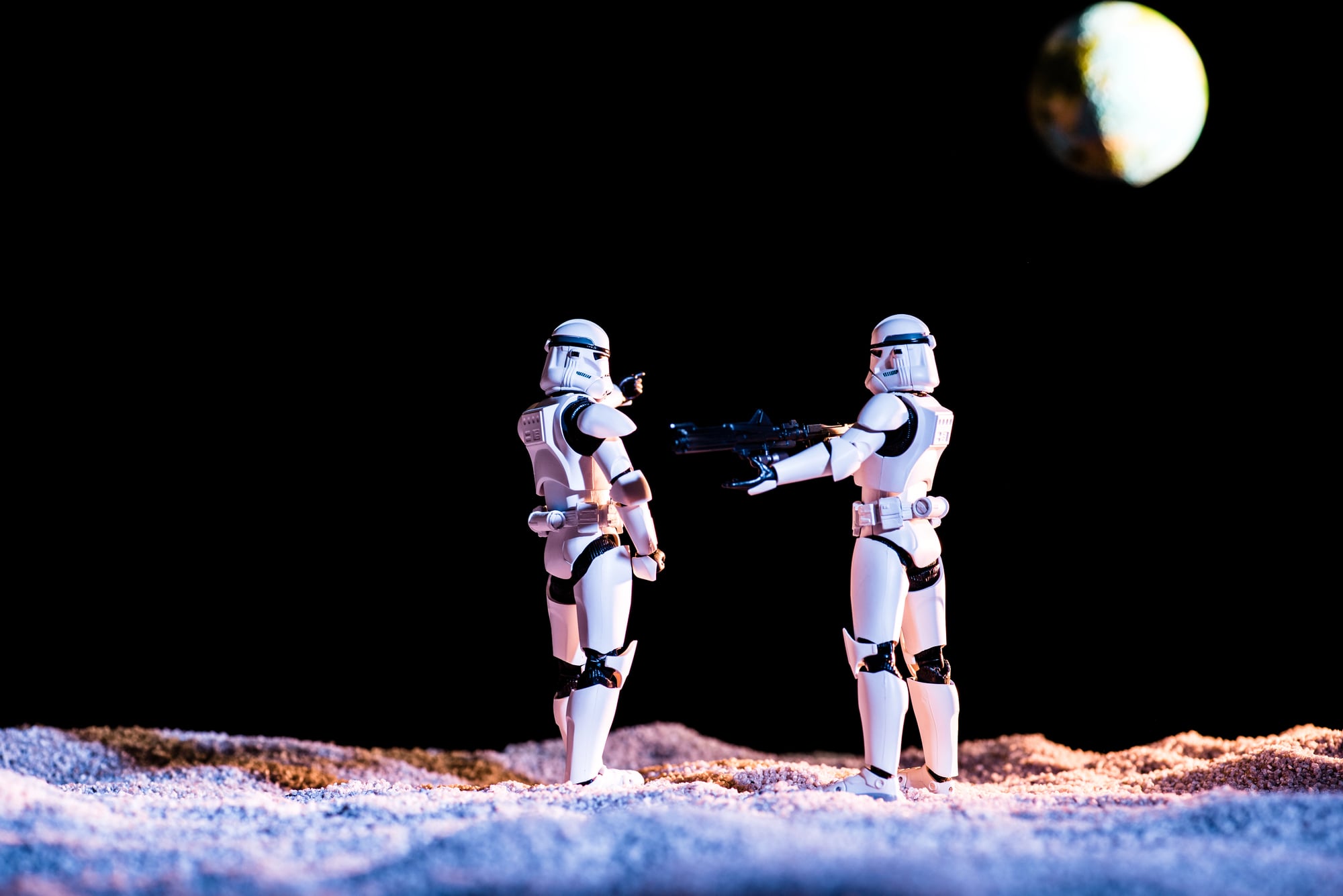
George Lucas’s space epic underwent constant revision throughout production. The original screenplay was nearly incomprehensible to the cast, featuring dense mythology and strange character names.
As filming progressed, Lucas simplified the dialogue, clarified the story, and reworked entire sequences. The famous opening crawl was added late in production as a way to explain the complicated backstory without overwhelming viewers with exposition.
Apocalypse Now
Francis Ford Coppola’s Vietnam War epic evolved dramatically from its original script by John Milius. The production’s infamous difficulties in the Philippine jungle led Coppola to rewrite constantly, sometimes creating dialogue the morning before shooting.
The film’s ending underwent multiple complete revisions, with the original script featuring a massive battle sequence that was abandoned. Marlon Brando’s refusal to learn his lines forced further rewrites that transformed Colonel Kurtz into a more enigmatic character than initially intended.
Iron Man

The first film in the Marvel Cinematic Universe remarkably had no completed script when filming began. Director Jon Favreau and star Robert Downey Jr. often improvised scenes, with writers arriving on set each morning to create new pages based on the previous day’s footage.
The film’s structure, character arcs, and even its tone evolved organically during production. This improvisational approach established a template that Marvel would refine for future projects.
Casablanca

Scenes were shot when this famous classic was still under development; actors occasionally received dialogue sheets just hours before shooting. Late in production, it was settled on the well-known denouement whereby Rick puts Ilsa on the plane with Victor Laszlo.
Writers and producers argued about several endings, including ones whereby Rick and Ilsa ended up together. Humphrey Bogart’s improvisation of the most well-known phrase in the movie, “Here’s looking at you, kid,” came from filming instead of any draft.
World War Z
Brad Pitt’s zombie apocalypse thriller underwent perhaps the most expensive rewrite in film history. After filming was nearly complete, executives decided the entire third act didn’t work.
The production hired screenwriter Damon Lindelof to completely reconceive the ending, resulting in seven additional weeks of shooting and a budget increase of $20 million. The original climactic battle sequence in Russia was scrapped entirely, and replaced with a more contained finale in a Welsh medical facility.
Rogue One

The first Star Wars standalone film faced major story problems during production. Gareth Edwards completed principal photography, but Disney executives were unhappy with the tone and narrative flow.
Writer Tony Gilroy was hired to rewrite and reshoot significant portions of the film, earning nearly as much as the original screenwriter. The extensive reshoots completely transformed the third act, replacing what was reportedly a much darker ending where more characters survived.
The Wizard of Oz
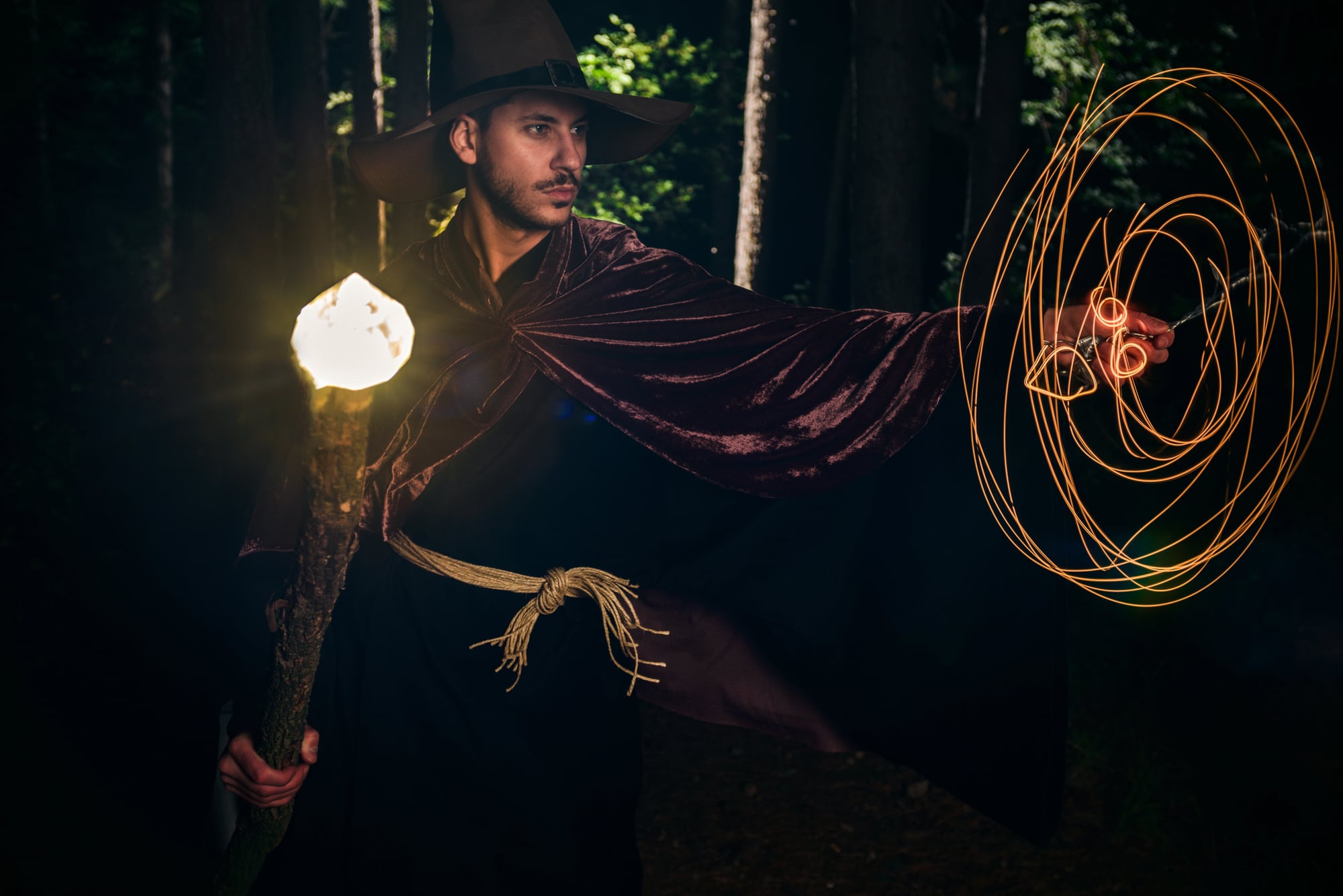
The journey to Oz was nearly as chaotic behind the scenes as it was for Dorothy. The film cycled through multiple directors and screenwriters, each putting their stamp on the material.
Entire sequences were filmed and discarded, including a dance number called ‘The Jitterbug’ that was cut from the final version. The original ending featured much more explanation about Oz, but was simplified when test audiences preferred ambiguity about whether Dorothy’s adventure was real or a dream.
Tootsie
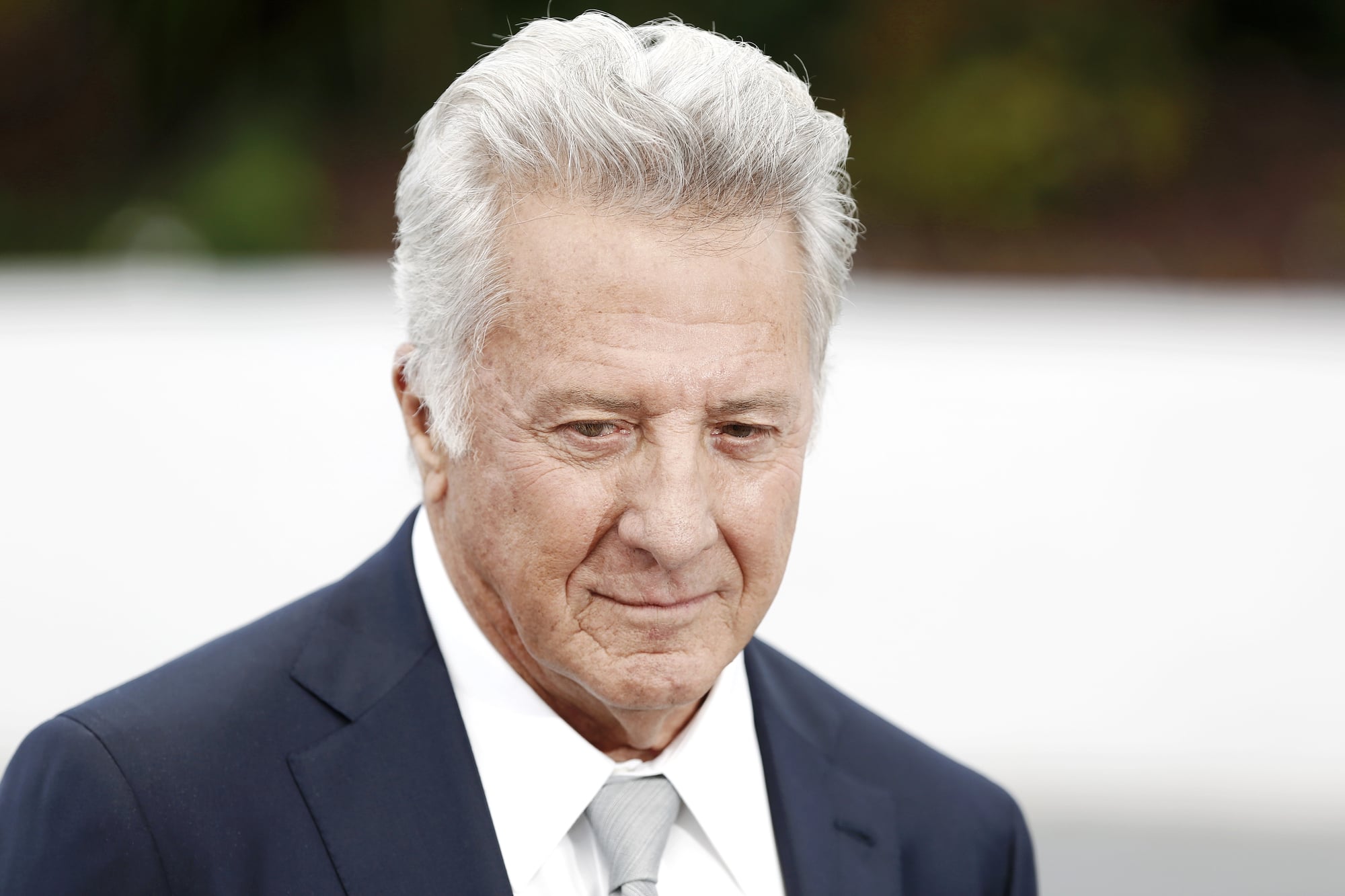
The comedy starring Dustin Hoffman as an actor who disguises himself as a woman underwent constant revision throughout production. Director Sydney Pollack and Hoffman clashed over the film’s approach, leading to multiple screenwriters being brought in to reconcile their visions.
The script was rewritten so extensively that the Writers Guild of America had to arbitrate who would receive credit. Elaine May reportedly did uncredited rewrites focusing on the feminist themes that became central to the film’s success.
Annie Hall

What began as a murder mystery called ‘Anhedonia’ transformed during both production and post-production into the romantic comedy that won Best Picture. Woody Allen and co-writer Marshall Brickman originally conceived a much more experimental film investigating the protagonist’s personality through a series of vignettes.
The love story between Alvy Singer and Annie Hall emerged as the narrative focus only after editor Ralph Rosenblum suggested restructuring the existing footage around their relationship.
Thor: Ragnarok
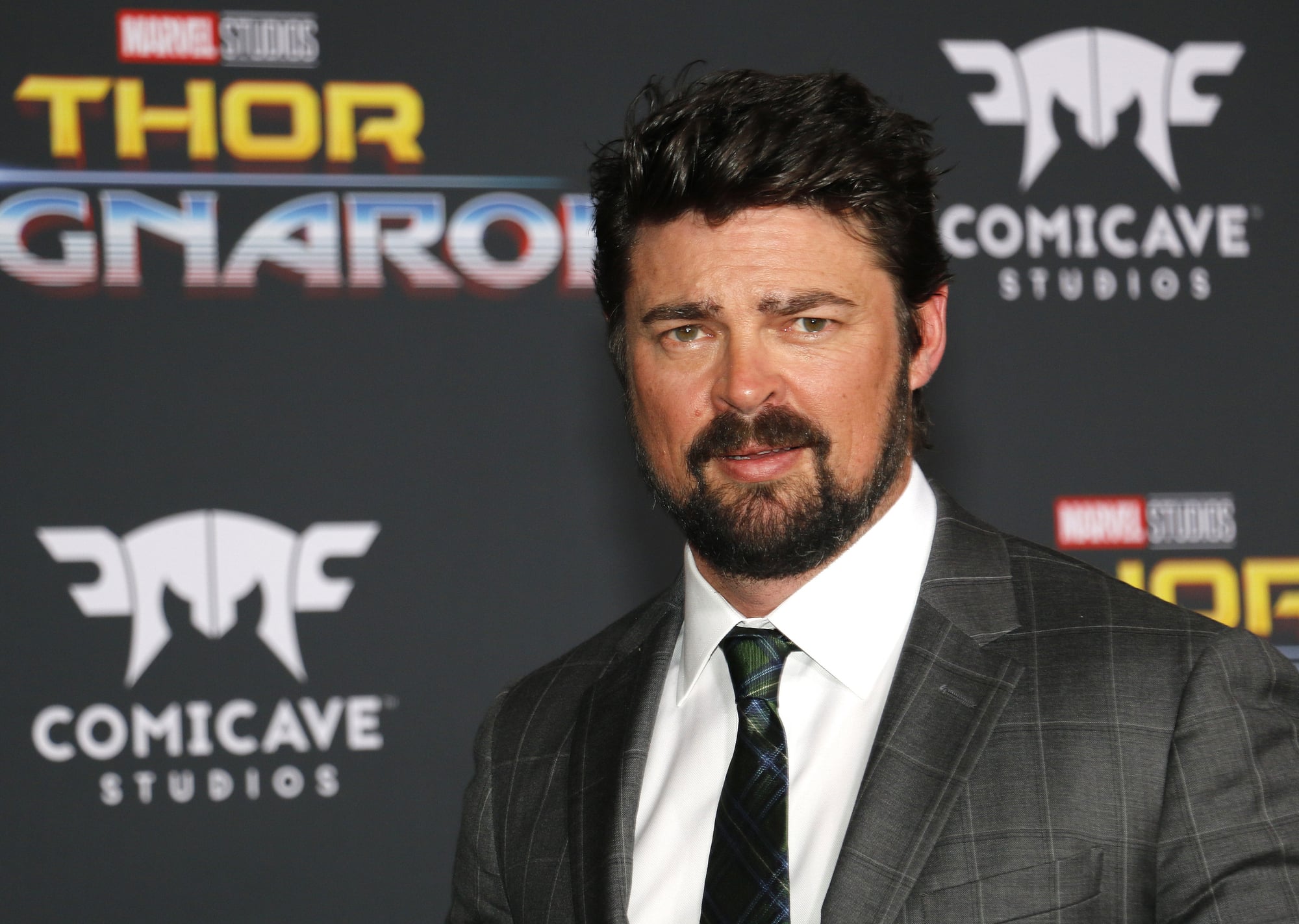
Director Taika Waititi brought his improvisational style to the Marvel universe, encouraging actors to deviate from the script and find moments of humor on set. The film evolved substantially during production, with Waititi rewriting scenes the night before shooting based on discoveries made during rehearsals.
The character of Korg, played by Waititi himself, expanded from a minor role to a fan favorite based on positive reactions to improvised lines during filming.
Back to the Future
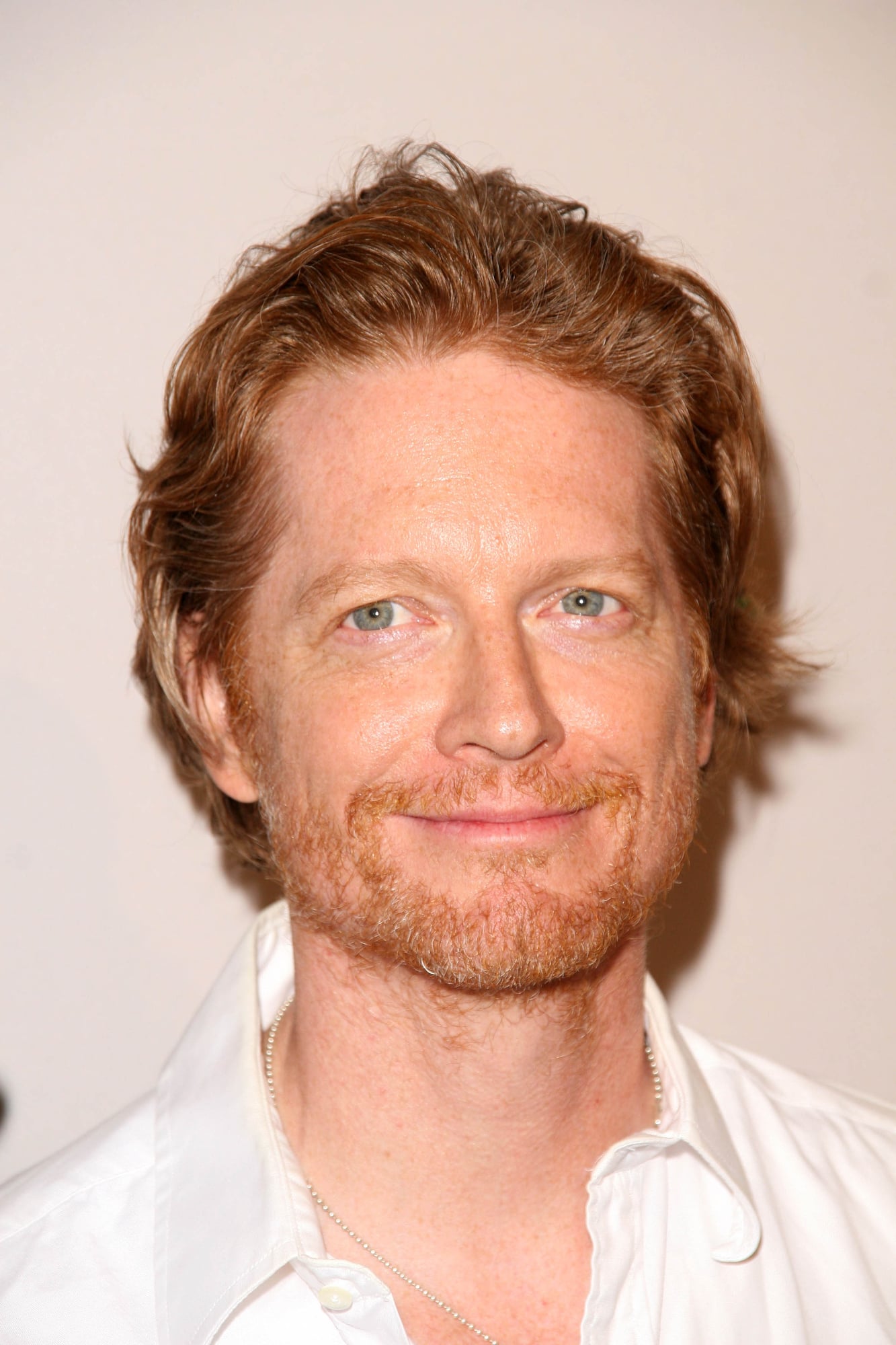
The time-traveling classic underwent significant changes after weeks of filming had already been completed. Most dramatically, the role of Marty McFly was recast from Eric Stoltz to Michael J. Fox nearly a month into production.
This recasting necessitated extensive rewrites to better suit Fox’s comedic strengths. The original script also featured a nuclear test site rather than a lightning strike as the power source for sending Marty back to the future—a change made well into production to reduce the budget.
Mad Max: Fury Road

George Miller’s action masterpiece began shooting with minimal traditional script pages, relying instead on 3,500 storyboard panels to map the narrative. The film’s spare dialogue and complex world-building evolved during the difficult nine-month shoot in Namibia.
Writer-director Miller and co-writer Brendan McCarthy continued developing character backstories and mythology throughout production. The relationship between Max and Furiosa grew more nuanced as actors Tom Hardy and Charlize Theron developed their characters during filming.
The Lord of the Rings Trilogy

Peter Jackson’s epic adaptation of Tolkien’s work involved constant script revisions throughout the mammoth production. Writers Fran Walsh, Philippa Boyens, and Jackson would rewrite scenes the night before filming, sometimes finishing new pages just hours before cameras rolled.
Major character moments, including Aragorn’s reluctance to claim the throne, were developed during production rather than in pre-production. The trilogy’s ending underwent multiple revisions, with the final ‘scouring of the Shire’ sequence from the books being abandoned during production.
Clerks

Originally, Kevin Smith’s indie debut was planned with a harsher ending in which the main character Dante was killed and the convenience store was robbed. Though it was filmed, this ending was removed during test runs when viewers objected to the tone change.
The shift mirrored Smith’s developing awareness of his material during the production process, realizing that the slice-of-life observations of his picture had more strength than dramatic plot developments.
From Page to Screen Reality

The fluid nature of these films exposes the cooperative, occasionally chaotic reality of filming. When confronted with the pragmatic difficulties of production, the chemistry between actors, or just better ideas developing at the moment, what starts as one story can become something quite different.
These movies remind us that movies are made via a creative process that lasts even as the cameras roll, not in a straight line from script to screen. Often, the magic occurs in those unanticipated events when directors have to constantly reinterpret their narrative.
More from Go2Tutors!

- The Romanov Crown Jewels and Their Tragic Fate
- 13 Historical Mysteries That Science Still Can’t Solve
- Famous Hoaxes That Fooled the World for Years
- 15 Child Stars with Tragic Adult Lives
- 16 Famous Jewelry Pieces in History
Like Go2Tutors’s content? Follow us on MSN.