17 Cultural Traditions Now Questioned by Society
Every generation inherits traditions that once made perfect sense to their ancestors. Marriage customs that protected family wealth. Coming-of-age rituals that forged community bonds. Holiday celebrations that marked the rhythm of agricultural seasons.
But traditions are strange things — they outlive the circumstances that created them, turning from practical solutions into unquestioned habits. Now more people are asking why they still follow practices that no longer serve them, or worse, that actively harm the communities they were meant to protect.
Arranged Marriages

The practice crumbles under modern expectations of romantic love and personal choice. Parents selecting spouses based on family compatibility, financial status, or social standing made sense when marriages were economic partnerships between clans.
Today it feels like selling your children. Young people increasingly reject the notion that their families know better than they do about intimate compatibility.
The divorce rates tell the story clearly enough.
Dowry Systems

Money, property, and goods flowing from bride’s family to groom’s family at marriage — it’s a tradition that turns women into expensive transactions rather than equal partners. The practice creates debt that can destroy families for generations, all to secure what should be a celebration of love.
In communities where dowries persist, families often view daughters as financial burdens rather than blessings. Some parents go into crushing debt, sell family land, or take dangerous loans to meet dowry demands.
And yet the tradition continues because rejecting it means social isolation. The weight of expectation sits heavy on families who know the system is broken but feel powerless to step outside it.
Male Primogeniture Inheritance

Inheritance laws favoring firstborn sons feel increasingly ridiculous in societies that officially embrace gender equality. The eldest male gets the family fortune, the family land, the family business — regardless of competence, interest, or character.
Meanwhile, daughters and younger sons are left to fend for themselves despite potentially being far better suited to manage family assets. The tradition assumes that men are natural leaders and women are temporary family members who will marry out.
Those assumptions crumble when daughters become doctors while sons drop out of college, or when the eldest male has no interest in running the family farm that his sister has been successfully managing for years.
Circumcision Rituals
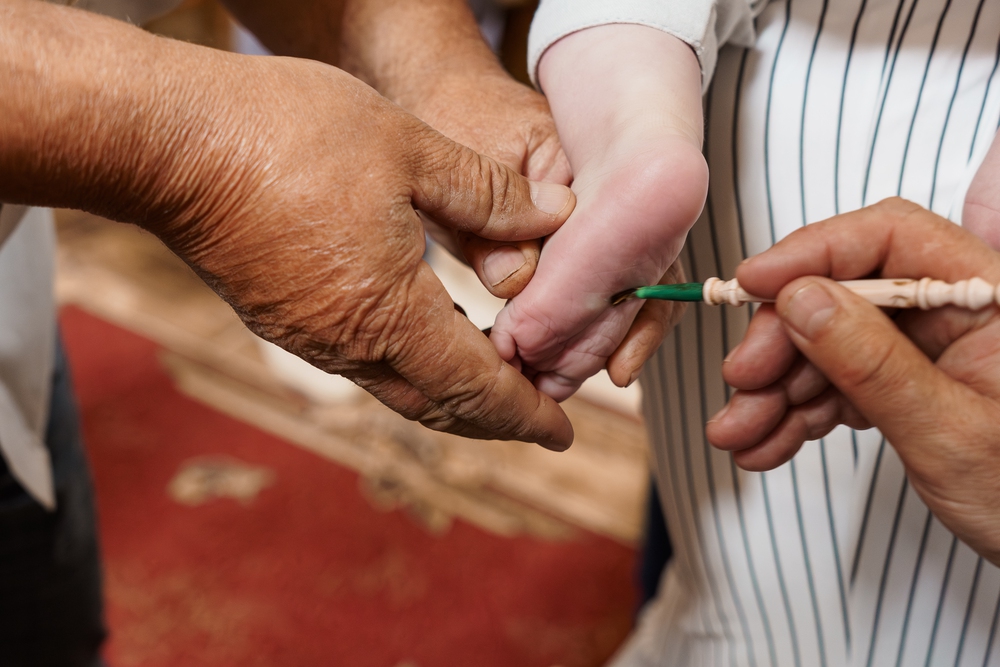
Medical professionals increasingly question routine circumcision practices that remove functional body parts from children who cannot consent. Religious and cultural justifications that once seemed unquestionable now face scrutiny from parents who want their children to make their own decisions about permanent body modifications.
The conversation has shifted from automatic acceptance to genuine consideration of bodily autonomy. Parents who grew up assuming circumcision was simply what responsible families did now find themselves researching medical studies, questioning religious authorities, and sometimes choosing different paths than their own parents took.
Caste Systems

Social hierarchies based on birth circumstances rather than individual merit contradict every principle of modern democracy and human rights. The tradition of treating people as inherently superior or inferior based on family lineage creates systematic oppression that no contemporary society should tolerate.
Professional success, educational achievement, and personal character mean nothing when ancient social categories determine where someone can live, whom they can marry, and what opportunities remain available to them. Young people especially reject these inherited limitations on their lives and relationships.
Child Marriage
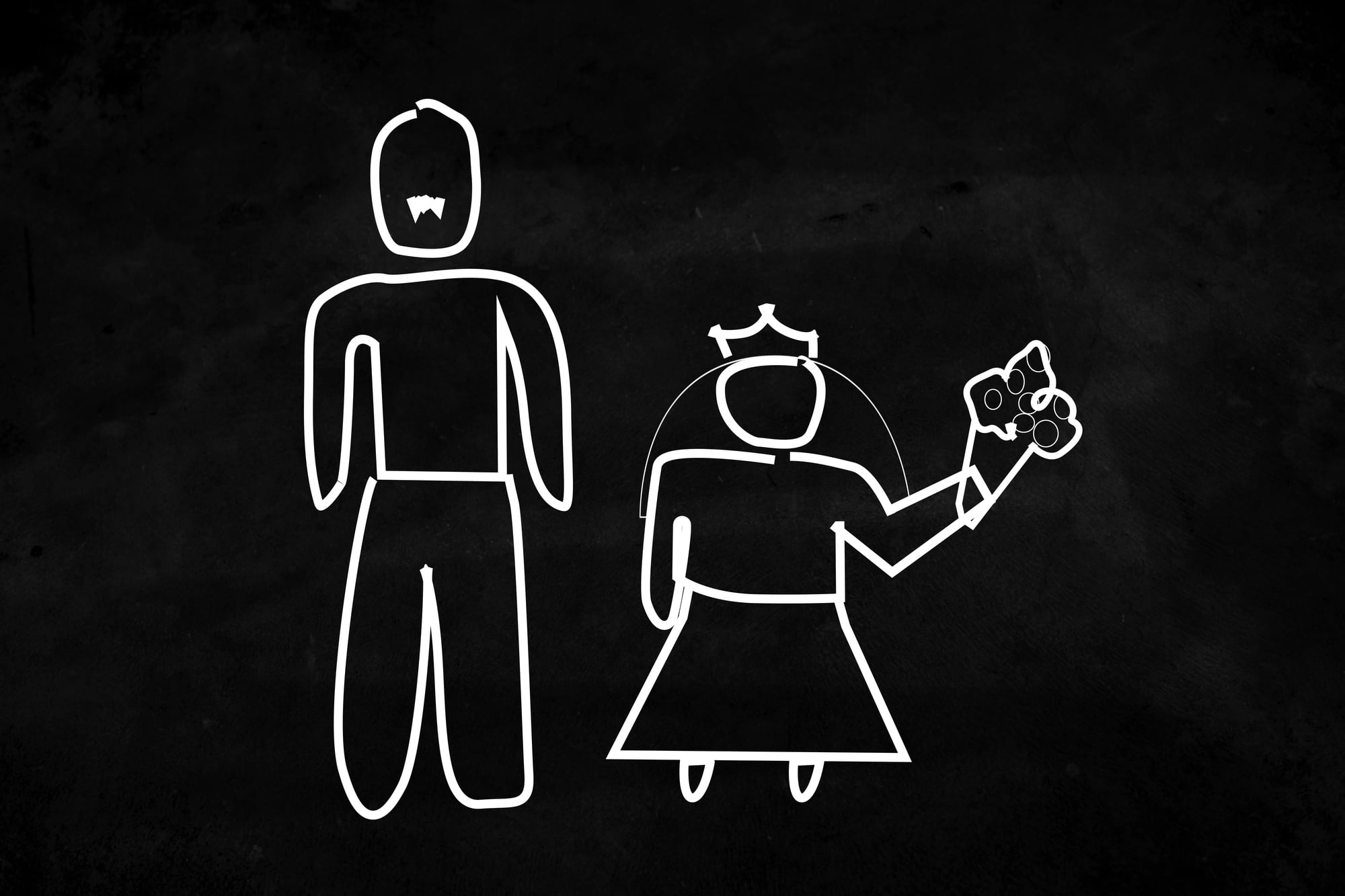
Matrimony that takes place before individuals reach physical, emotional, and psychological maturity — this is not a romantic union but a form of institutional harm. The tradition developed in societies where childhood was brief and adult responsibilities began early, but it has no place in modern life.
Children forced into marriage lose educational opportunities, face dangerous health consequences from early pregnancy, and never develop the autonomy needed for healthy adult relationships. The practice steals childhoods and futures from young people who deserve protection rather than premature adult responsibilities.
Honor Killing Practices
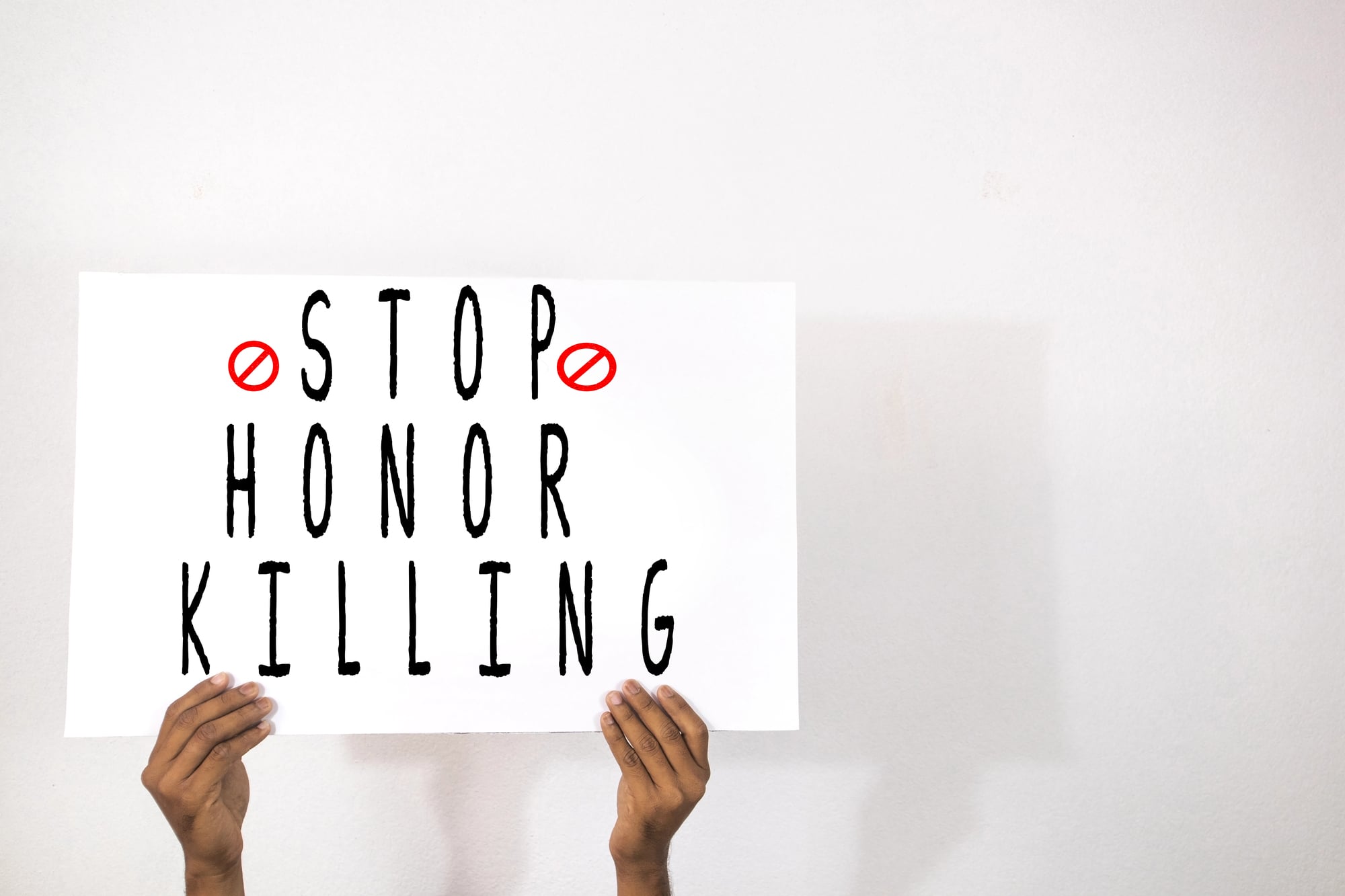
Violence committed to preserve family reputation represents the complete moral inversion of what families should provide. Rather than protecting their children, these traditions sacrifice individual lives to maintain social standing within communities that have elevated abstract concepts of honor above human beings.
The practice reveals how tradition can become its own form of tyranny when community approval matters more than the safety and wellbeing of family members. Young people who make independent choices about relationships, career paths, or lifestyle decisions should expect support from their families, not violence.
Female Genital Modification

The cutting, alteration, or removal of female reproductive anatomy serves no medical purpose and often causes lifelong physical and psychological trauma. Communities that practice these modifications claim they preserve purity, ensure marriageability, or fulfill religious obligations, but medical evidence shows only harm.
Women who survived these procedures increasingly speak out against inflicting similar trauma on their daughters. The tradition persists primarily in communities where women have limited voice in family decisions, which itself highlights how the practice reinforces broader patterns of oppression rather than promoting genuine cultural values.
Bride Kidnapping

The abduction of women for forced marriage still occurs in several regions despite clear violations of consent, human rights, and basic human dignity. What communities sometimes frame as playful tradition or romantic pursuit is actually systematic violence that destroys women’s autonomy and life prospects.
Women taken through bride kidnapping often face social pressure to accept the marriage rather than bring shame on their families through resistance. The practice traps them in relationships they never chose with partners who began the relationship through violence and coercion.
Ancestor Worship Obligations
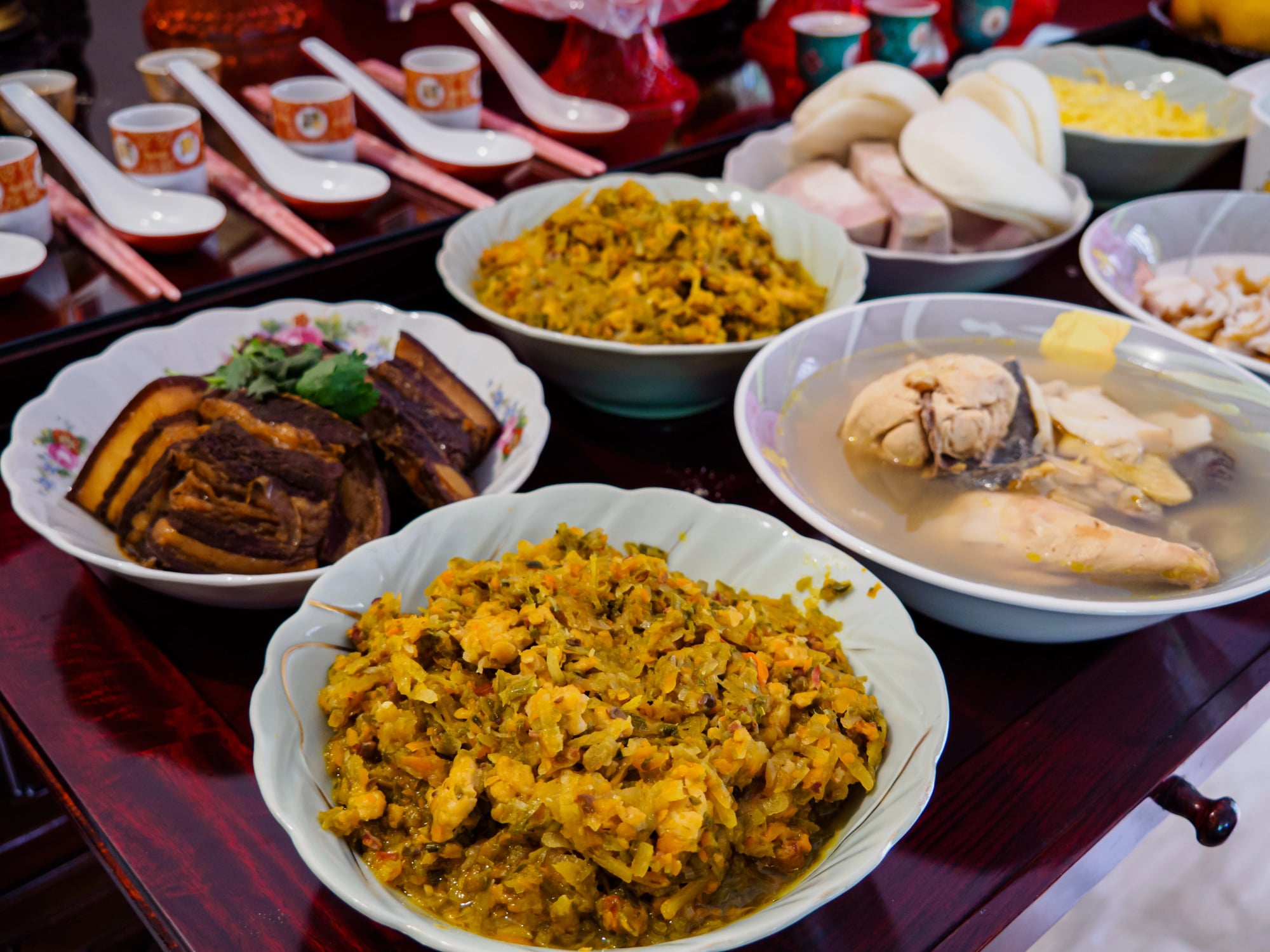
Elaborate rituals, expensive ceremonies, and rigid observance requirements that consume enormous family resources while providing little tangible benefit to living family members. The traditions often require specific gender roles, with certain family members bearing disproportionate responsibility for maintaining practices that may conflict with their personal beliefs or life circumstances.
Families spend money they cannot afford on ceremonial requirements while neglecting pressing needs like education, healthcare, or housing improvements. The emphasis on appeasing the dead sometimes comes at the expense of caring for the living, creating internal conflict for family members who love their heritage but question its priorities.
Rigid Gender Role Assignments

Traditional expectations that limit career choices, personal expression, and life paths based solely on reproductive anatomy feel increasingly outdated in societies that recognize diverse talents and interests. When communities insist that men must be breadwinners while women must be caregivers, they waste human potential and create unnecessary hardship for families whose natural strengths don’t match prescribed roles.
Some women excel at leadership, financial planning, or mechanical work. Some men have natural gifts for teaching, nurturing, or artistic expression.
Traditions that suppress these abilities in service of gender conformity harm individuals while weakening communities that lose access to everyone’s full range of talents.
Tribal Scarification and Extreme Body Modification
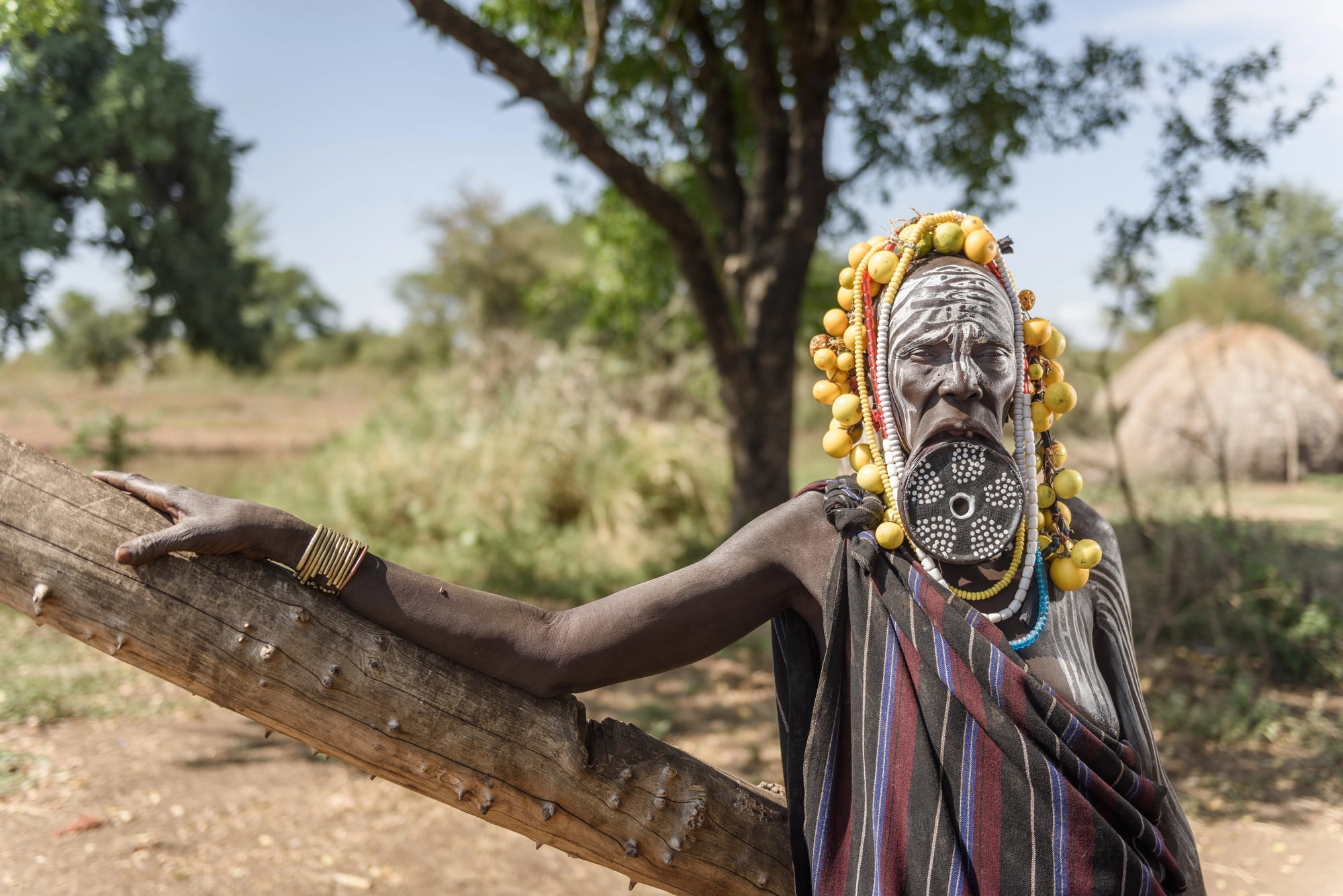
Permanent markings, piercings, or alterations made on children and adolescents without their informed consent raise questions about bodily autonomy and individual choice. While many communities view these modifications as essential identity markers, young people increasingly want the right to make their own decisions about permanent changes to their bodies.
The practices often carry significant health risks when performed without proper medical oversight, and individuals who later wish they could reverse the modifications may find themselves marked for life with symbols that no longer represent their personal beliefs or cultural identification.
Animal Sacrifice Rituals
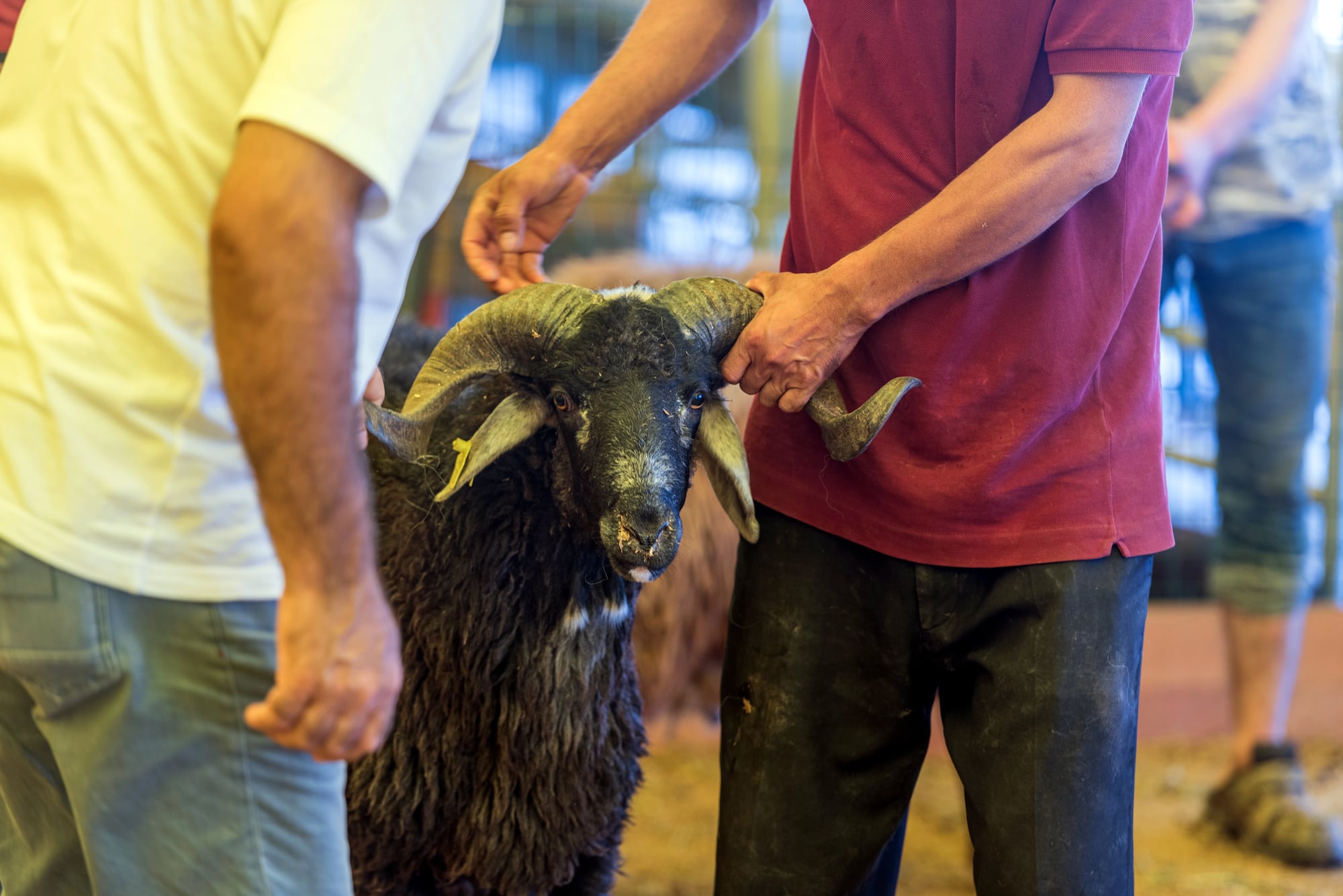
Religious and cultural ceremonies that involve killing animals for spiritual purposes face growing opposition from people who question whether divine favor requires taking innocent lives. Many communities that historically practiced animal sacrifice now seek alternative ways to honor their traditions without causing unnecessary suffering.
The shift reflects broader changes in how people think about animal welfare and environmental responsibility. Ceremonial practices that once demonstrated prosperity through waste now seem irresponsible in a world facing ecological challenges and increased awareness of animal consciousness.
Excessive Funeral Spending
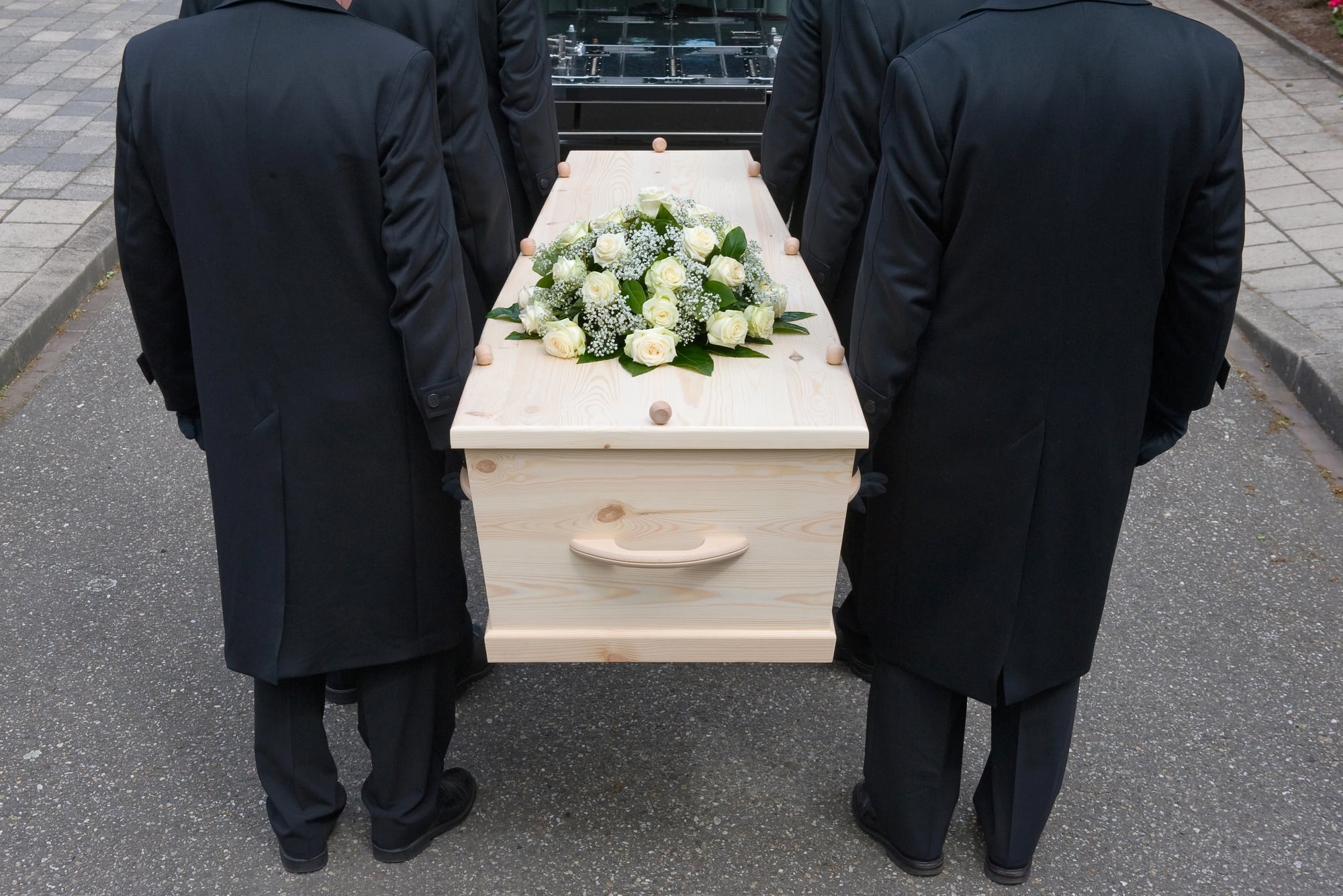
Burial and memorial customs that require families to spend enormous sums on elaborate ceremonies, expensive caskets, and lavish celebrations often create financial hardship during already difficult periods of grief and loss. Communities sometimes judge families by how much they spend on funerals, creating social pressure to go into debt rather than appear disrespectful.
The tradition of demonstrating love through expensive displays can trap families in cycles of debt that last for years after their loved ones are gone. Simpler, more affordable approaches to honoring the deceased allow families to grieve without adding financial stress to emotional pain.
Forced Religious Conformity

Community expectations that all family members must practice the same faith, attend the same services, and follow identical religious rules prevent individuals from developing their own spiritual relationships or exploring different belief systems. The tradition assumes that religious truth is inherited rather than personally discovered.
Young adults who question inherited beliefs or feel drawn to different spiritual practices face family rejection, social isolation, and economic punishment for following their consciences. Communities that demand religious uniformity often lose their most thoughtful members who choose authenticity over acceptance.
Restrictive Widow Practices

Customs that severely limit what widowed women can wear, where they can go, whom they can marry, or how they can support themselves treat women as extensions of their deceased husbands rather than independent human beings. These traditions often leave women in poverty while preventing them from rebuilding their lives after loss.
Widow restrictions frequently include dress codes, social isolation, and prohibitions on remarriage that can last for years or even entire lifetimes. The practices ignore the reality that women who lose their spouses still have decades of life ahead of them and deserve the opportunity to find happiness, companionship, and economic security.
Extreme Hospitality Debt

Social customs that require families to provide elaborate entertainment, expensive meals, and costly accommodations for guests can create significant financial strain while perpetuating competitive displays of wealth that benefit no one. The tradition of demonstrating respect through excessive spending often forces families to choose between genuine hospitality and financial stability.
Communities where hospitality customs have become arms races of conspicuous consumption lose sight of the original purpose — welcoming others and building relationships. When the focus shifts from genuine care to impressive displays, both hosts and guests feel the burden of maintaining appearances rather than enjoying authentic connection.
What We Keep, What We Leave Behind
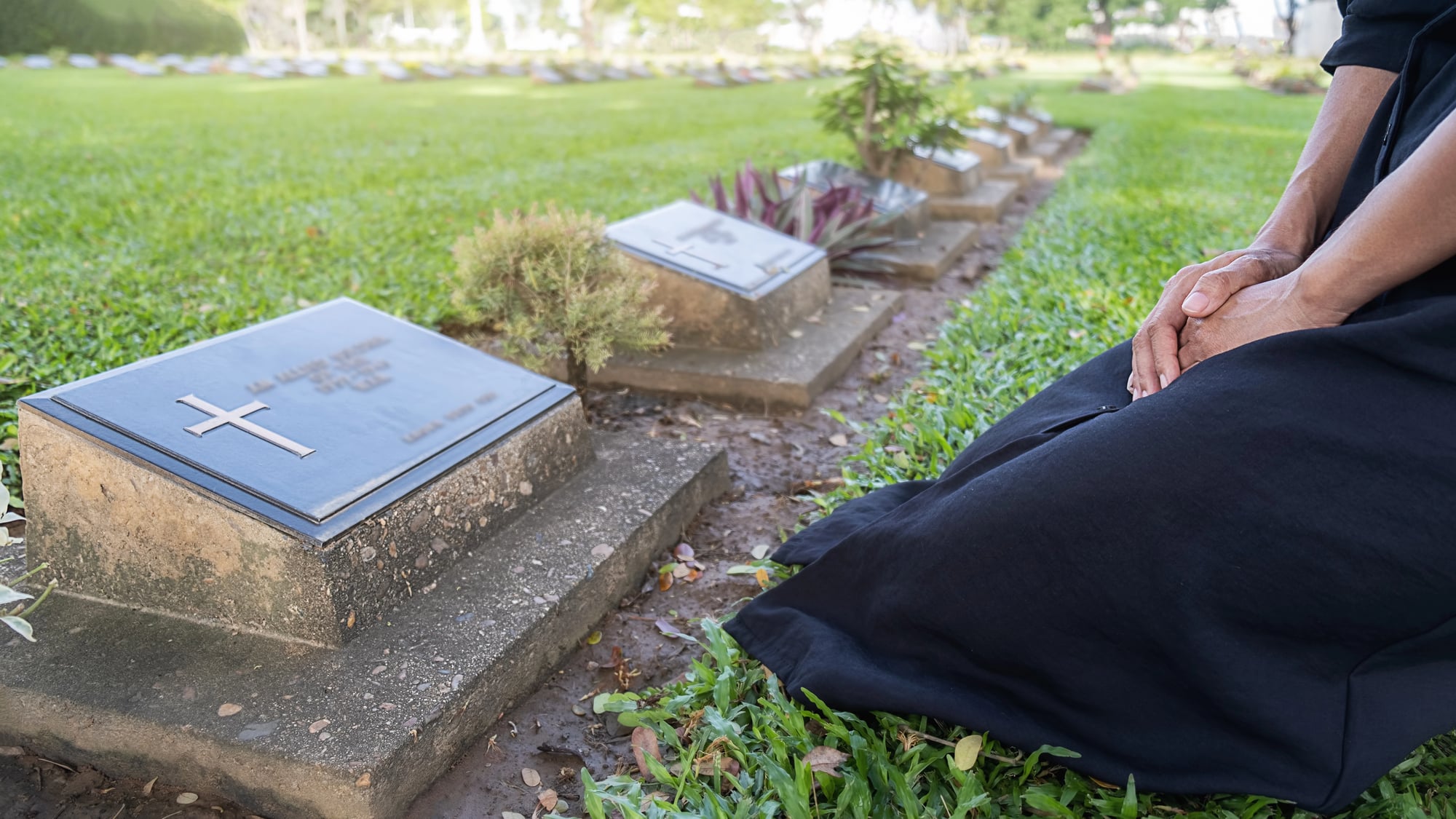
The questioning of inherited practices doesn’t represent cultural destruction — it reflects cultural maturation. Every tradition once served a purpose, and some still do.
The challenge lies in distinguishing between customs that continue to build community and strengthen families from those that have outlived their usefulness or cause active harm. Cultures that can make these distinctions thoughtfully rather than defensively tend to preserve what matters most while discarding what no longer serves them.
More from Go2Tutors!

- The Romanov Crown Jewels and Their Tragic Fate
- 13 Historical Mysteries That Science Still Can’t Solve
- Famous Hoaxes That Fooled the World for Years
- 15 Child Stars with Tragic Adult Lives
- 16 Famous Jewelry Pieces in History
Like Go2Tutors’s content? Follow us on MSN.