16 Animals That Can Live Unusually Long
Life surprises us in many ways, especially when we look at how long some animals can live. While many creatures have short lifespans, there are some that stick around for decades, even centuries. These animals don’t just live long by chance—they have special traits that help them outlast many others.
Let’s take a closer look at these amazing animals. Their stories make us rethink what old age really means in the animal world, showing us that time can stretch out in some very unexpected ways.
Bowhead whale

Bowhead whales are incredible animals that live in the freezing Arctic waters. What’s really amazing is that some of these whales have been found to live more than 200 years.
They grow very slowly and spend their lives in cold water, which seems to slow down aging. Scientists are very interested in their genes because they might hold secrets to a longer, healthier life for all mammals.
Their ability to survive so long in such tough conditions makes them a true wonder of the sea.
Galápagos tortoise

Galápagos tortoises are some of the oldest land animals around, living well beyond 100 years. Their slow metabolism helps them conserve energy, and their thick shells protect them from predators.
These tortoises move at a relaxed pace but have a powerful survival strategy. Because of their long lives, they have become symbols of endurance, showing that patience really does pay off in nature.
Like Go2Tutors’s content? Follow us on MSN.
Red sea urchin

The red sea urchin is a small but surprisingly long-lived sea creature. These spiny animals live along the Pacific coast and can survive for more than 200 years.
Unlike many land animals, they don’t show obvious signs of aging. Scientists think their cells might keep renewing themselves endlessly, which stops them from getting old like most creatures.
This quiet life on the ocean floor is a perfect example of nature’s slower rhythms.
Olm
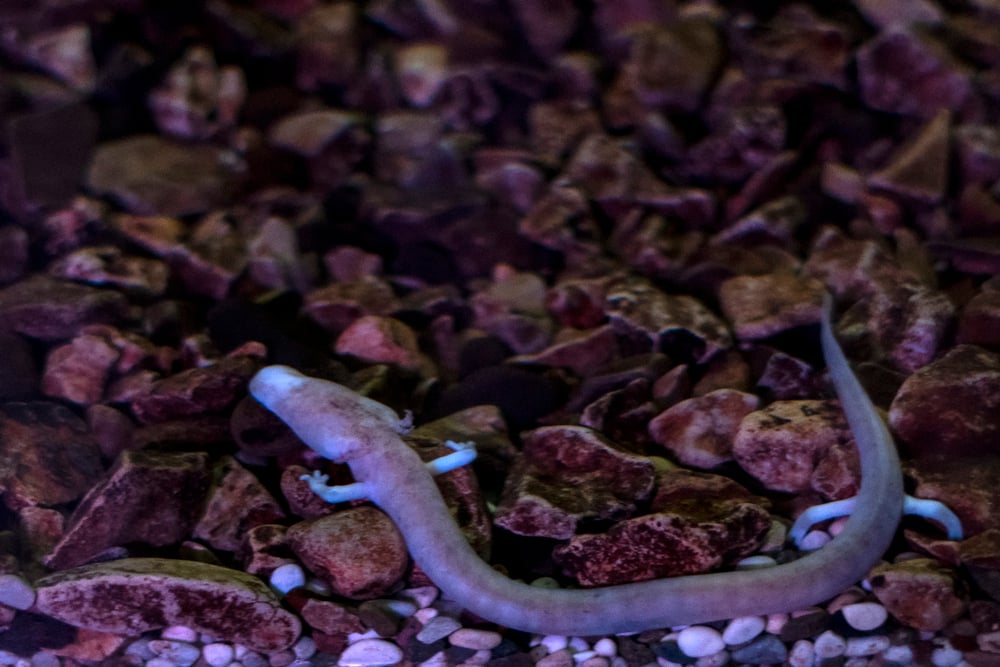
The olm is a special kind of salamander that lives in the dark caves of Europe. It can live 100 years or more, which is very rare for amphibians.
Living in a cold, stable cave environment helps olms grow very slowly and stay alive for a long time. They can survive long periods without food, which also adds to their longevity.
The olm’s life in the shadows teaches us how different environments shape how long animals live.
Giant clam

Giant clams are peaceful ocean creatures that can live over 100 years. They attach themselves firmly to coral reefs and grow slowly over time.
Scientists can even count the growth rings on their shells to figure out their age, just like counting tree rings. These clams aren’t just old—they’re important parts of their ecosystems, providing shelter and food for many other animals over their long lives.
Like Go2Tutors’s content? Follow us on MSN.
Rougheye rockfish

The rougheye rockfish lives deep in the North Pacific Ocean and can live for up to 200 years. Their slow growth and late maturity keep them alive for a long time.
Being in deep water protects them from many predators, which helps too. These fish remind us that some ocean creatures live on a very different timeline from animals on land, with time stretching out over centuries.
Antarctic sponge
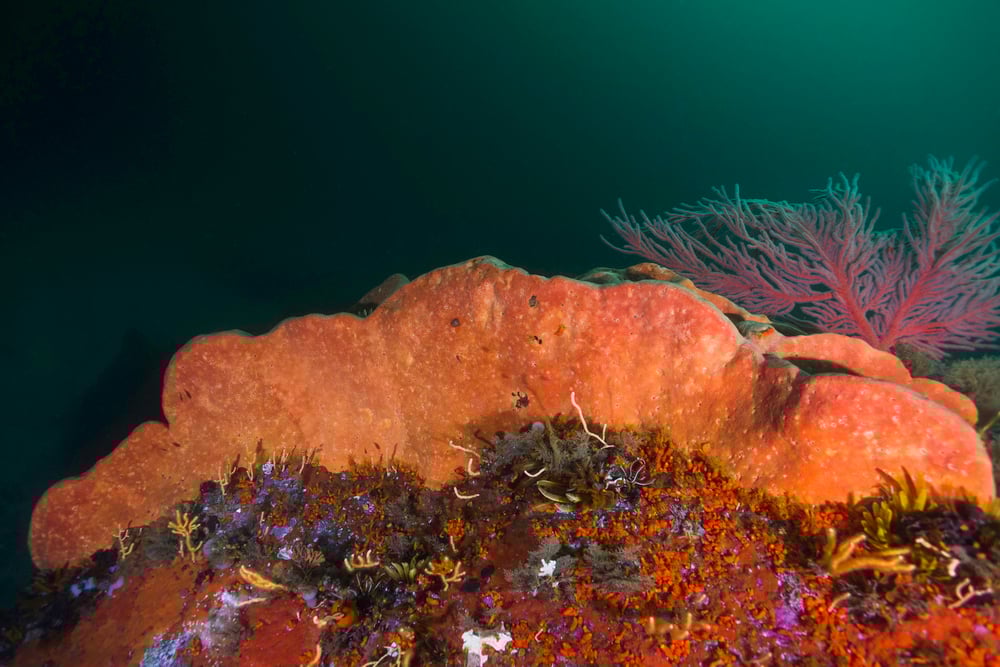
Some sponges in Antarctic waters hold the record for oldest animals on Earth, with ages over 1,500 years. These simple animals live attached to rocks and filter water to get food.
Their cold, stable environment helps them grow incredibly slowly, which is linked to their long lives. Scientists study Antarctic sponges to learn how life can survive and even thrive in the harshest places on Earth.
Freshwater pearl mussel

Freshwater pearl mussels can live for over 100 years in clean, flowing rivers. Their thick shells protect them from danger, and they grow at a very slow pace.
Sadly, many of these mussels are now rare because of pollution and changes to their homes. Their long lives show just how delicate and important river ecosystems are, and why we need to protect these quiet survivors.
Like Go2Tutors’s content? Follow us on MSN.
Kakapo

The kakapo is a unique, flightless parrot from New Zealand that can live for more than 90 years. It’s a rare bird that has faced many threats but has survived thanks to conservation efforts.
The kakapo’s slow breeding and calm nature help it live longer than many other parrots. Their gentle personality and long life make them one of the most interesting birds on the planet.
Common carp

Common carp are freshwater fish that can live for several decades, sometimes reaching over 40 years. They are tough fish that adapt well to different environments, which helps them survive hard times.
In many cultures, carp are seen as lucky, partly because of their long lifespan. Their strength and resilience make them a symbol of endurance in ponds and rivers worldwide.
Tuatara

Tuatara is a reptile native to New Zealand that can live over 100 years. They look like lizards but belong to an ancient reptile group that’s been around since the time of dinosaurs.
Tuataras grow slowly and only mature late in life, which helps them live longer. They are living links to the past, giving us a glimpse into a world long gone.
Like Go2Tutors’s content? Follow us on MSN.
Hydra

Hydras are tiny animals that live in freshwater and are known for a unique trait—they may not die from old age at all. Scientists believe hydras can renew their cells indefinitely, making them biologically immortal.
They can still die from injuries or illness, but they show us that nature sometimes defies the usual rules of aging. These little creatures challenge what it means to grow old and remind us of the mystery of life.
Sand puppy
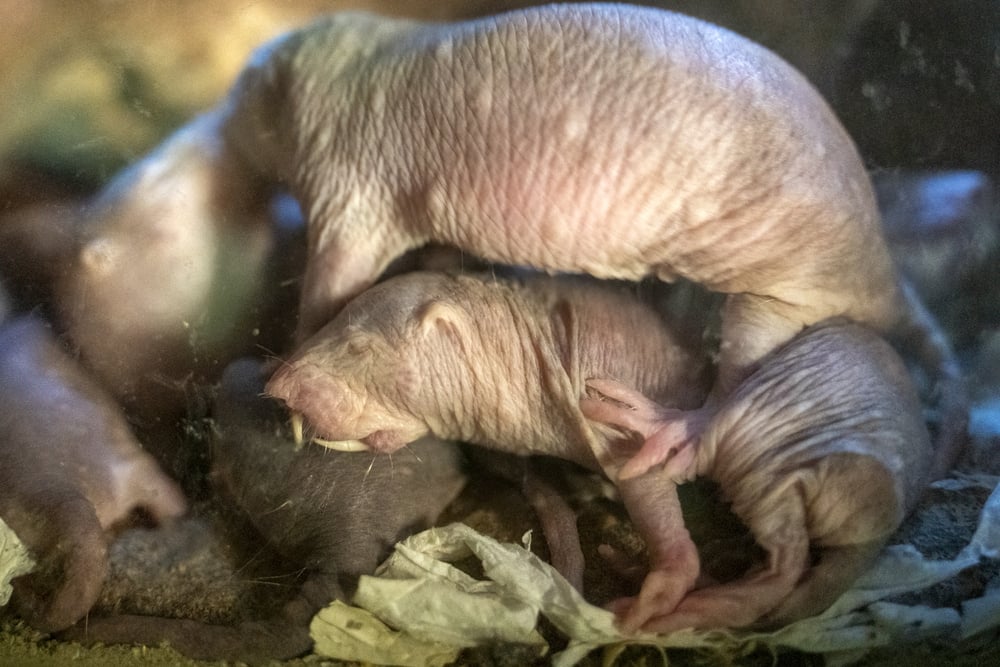
Sand puppies (mole-rats) live underground in Africa and can live up to 30 years, which is very long for rodents. These animals rarely get cancer and don’t show the usual signs of aging.
Their social lifestyle and ability to live in low-oxygen environments likely help them stay healthy longer. These mole-rats have become popular in aging research because they offer clues about living a long, disease-free life.
Ocean quahog
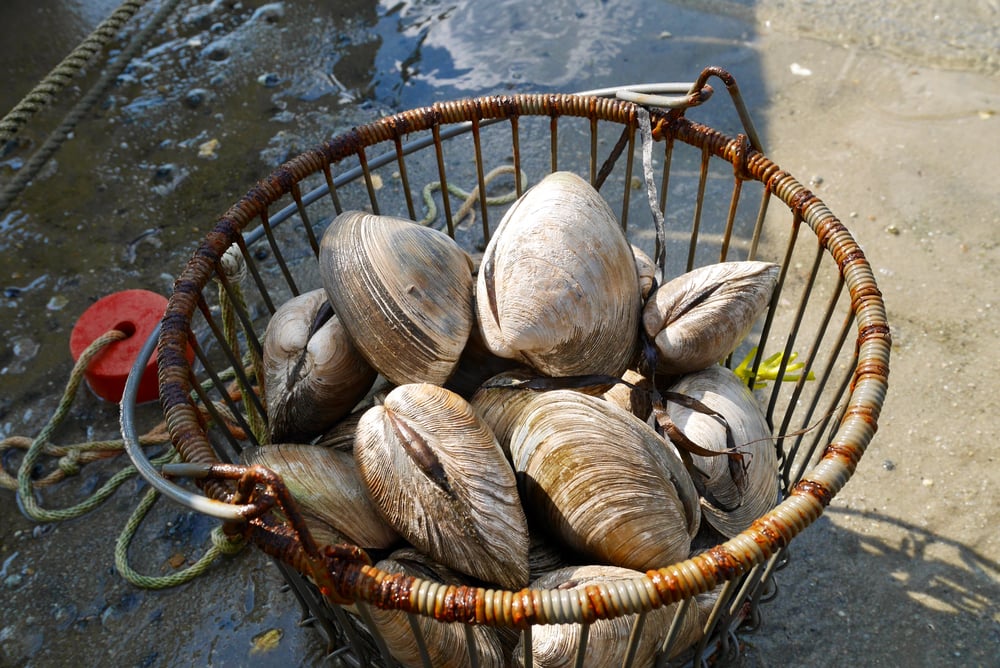
Ocean quahogs are clams living on the sea floor that can be over 500 years old. They grow slowly in cold water and have very hard shells that protect them.
One famous clam was discovered to be 507 years old. These ancient clams teach scientists about how long life can last in the ocean’s quiet places, far from the surface bustle.
Like Go2Tutors’s content? Follow us on MSN.
Greenland shark
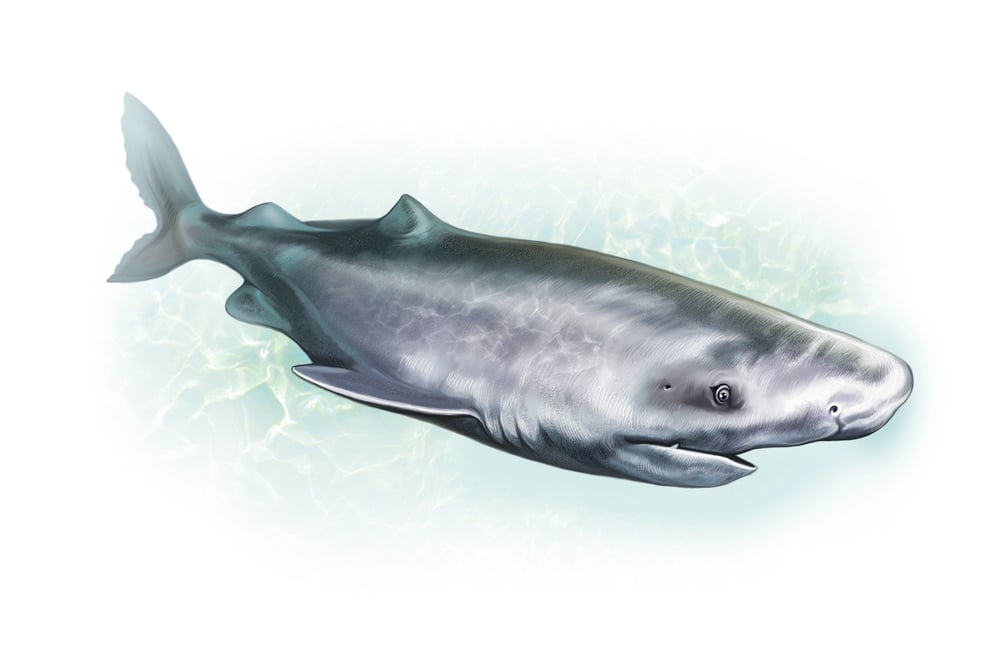
The Greenland shark is one of the longest-living vertebrates in the world. It lives in cold Arctic and North Atlantic waters and can live up to 400 years.
These sharks grow about one centimeter a year and don’t mature until around 150 years old. Their slow, steady life pace is the secret to their long survival in harsh, cold waters.
Macaw

Macaws are brightly colored parrots from Central and South America that can live 60 years or more in the wild. In captivity, some macaws have even lived longer.
Their sharp intelligence, social nature, and healthy diet help keep them strong over many decades. Macaws are well-loved not just for their feathers but also for the close bonds they form with humans and each other.
What old age teaches us about life

Looking at these animals, it becomes clear that long life happens in many ways. Some grow slowly, some avoid damage, and others can renew themselves.
They show that aging is not the same for all creatures. These animals remind us to respect the many ways life stretches out over time.
Understanding their lives helps us see old age not just as an end, but as a different part of life’s big story.
More from Go2Tutors!

- 16 Historical Figures Who Were Nothing Like You Think
- 12 Things Sold in the 80s That Are Now Illegal
- 15 VHS Tapes That Could Be Worth Thousands
- 17 Historical “What Ifs” That Would Have Changed Everything
- 18 TV Shows That Vanished Without a Finale
Like Go2Tutors’s content? Follow us on MSN.