17 Amazing Google Images of Famous Places Worldwide
There’s something almost magical about seeing the world through Google’s lens. These aren’t just satellite photos or street-view snapshots — they’re windows into places that feel both impossibly distant and surprisingly intimate.
Whether it’s the way shadows fall across ancient stones or how a city sprawls toward the horizon, these images capture moments that make you want to book the next flight out.
Machu Picchu
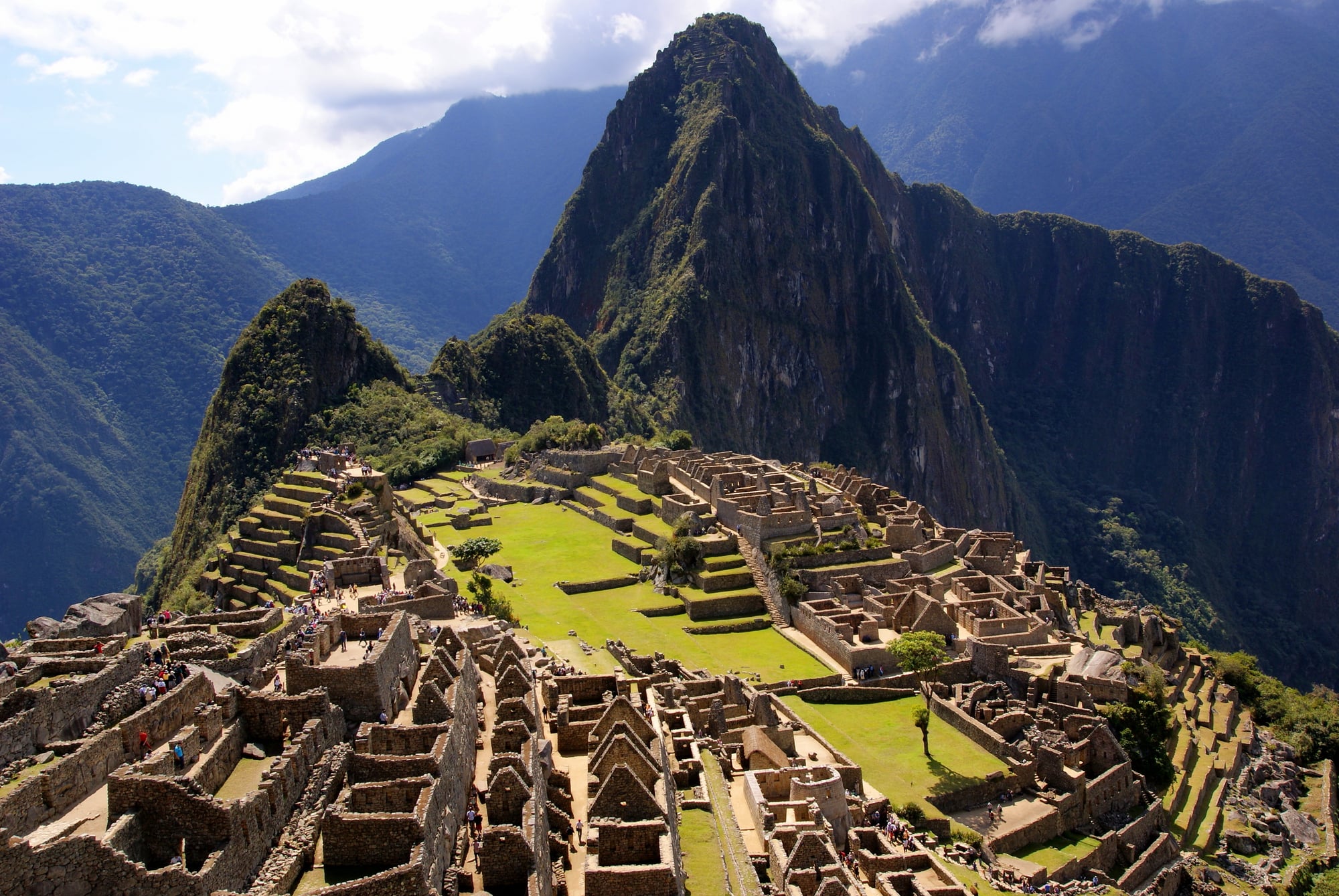
The ruins don’t care about your travel plans. Perched on that ridge, wrapped in morning mist, Machu Picchu looks exactly like it should — untouchable and ancient.
Google’s aerial view captures the precision of those terraces carved into impossible slopes.
Great Wall of China
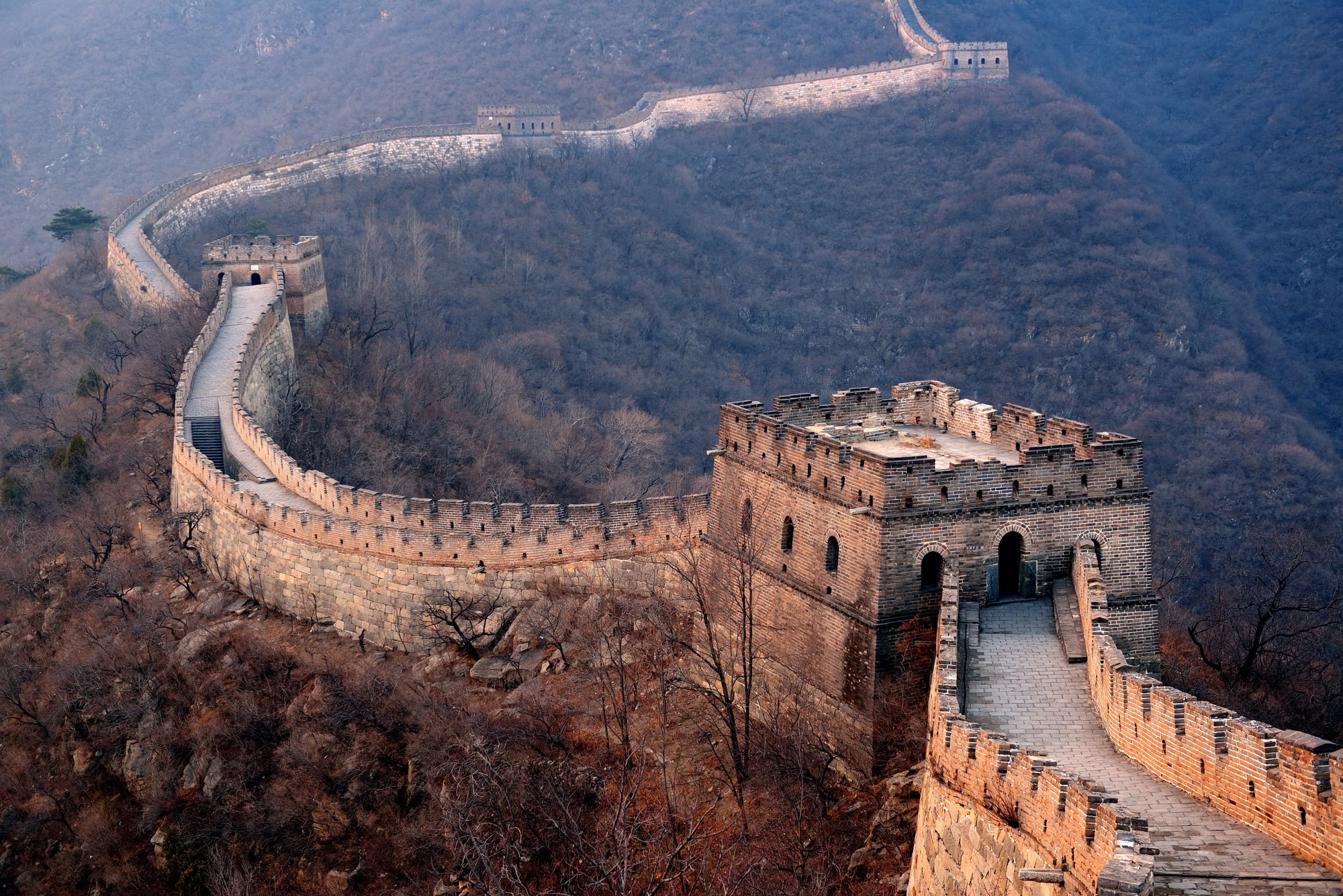
So here’s the thing about the Great Wall that satellite images make brutally clear: it’s not one wall, and it definitely snakes through terrain that would break most people before lunch (because apparently the ancient Chinese decided that flat ground was for amateurs, and the most logical place to build a massive fortification was along every ridgeline, valley, and mountain peak they could find).
The perspective from above shows just how ambitious this whole project really was. Which is saying something.
Aurora Borealis Over Alaska
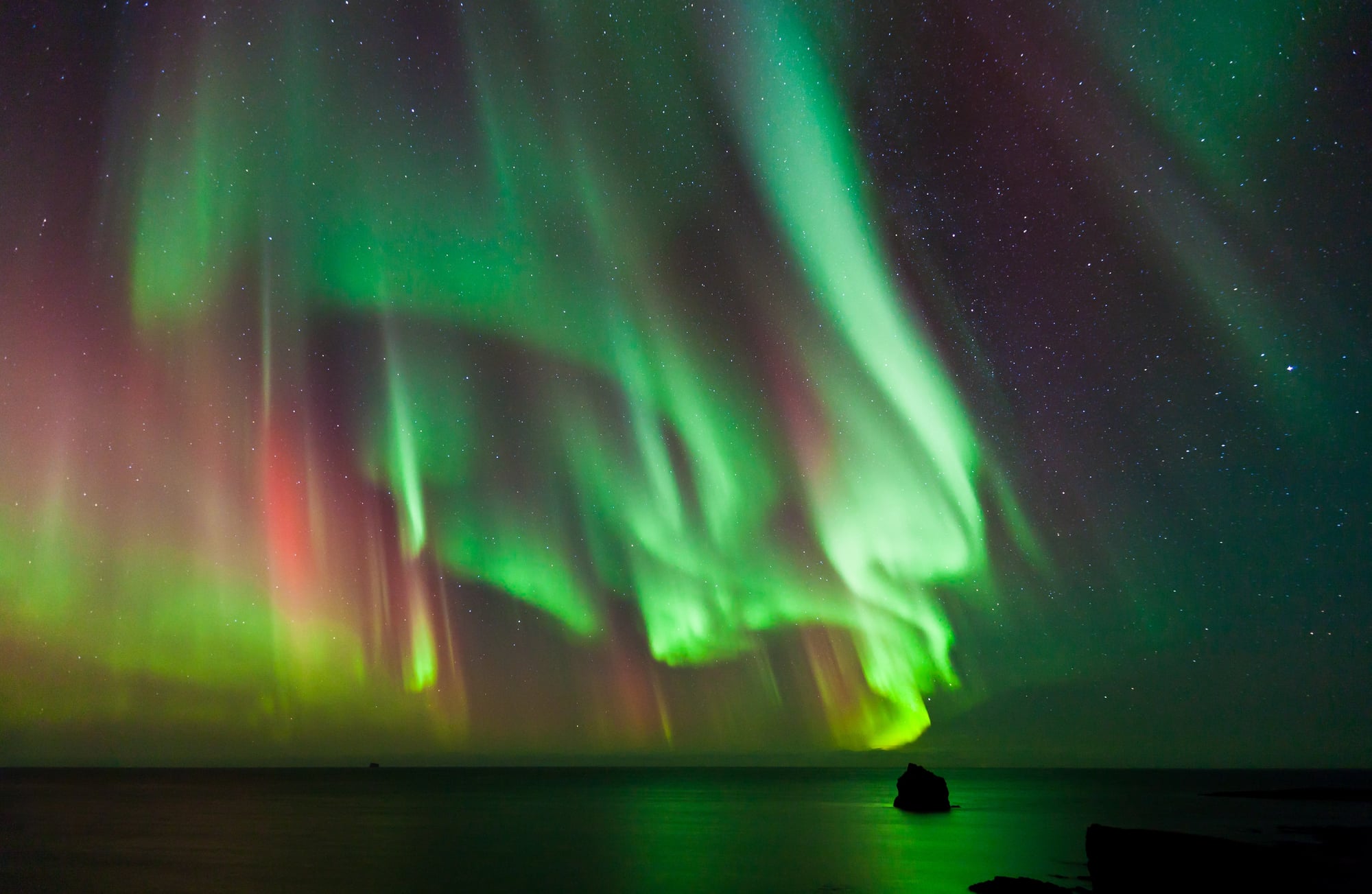
The northern lights don’t perform on schedule, which makes Google’s captured images of them feel like stolen glimpses of something private. Green curtains ripple across the darkness above Alaska’s wilderness, and the photograph holds that sense of movement even in stillness.
You can almost feel the cold air and hear the silence that comes with standing under such vastness.
The way the aurora reflects off snow-covered mountains creates layers of light that seem to breathe. There’s something about seeing this phenomenon from above that reveals its true scale — not just a pretty display, but a conversation between Earth and space that happens to be beautiful.
Antelope Canyon
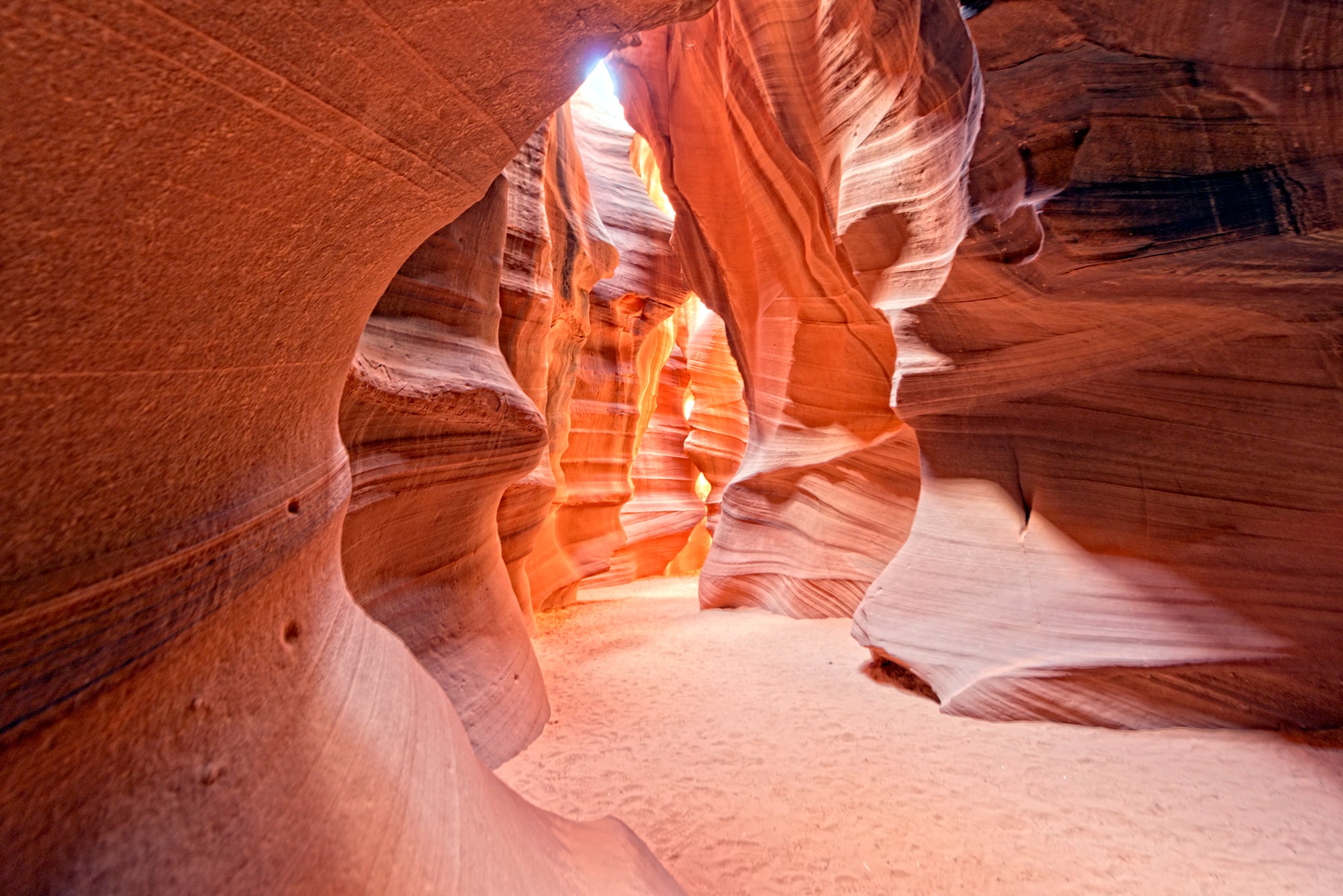
Antelope Canyon is the most photographed slot canyon in the world, which should make it feel overdone by now. It doesn’t.
The way light filters down through that narrow opening and paints the sandstone walls in shades of orange and red remains genuinely stunning, even when you’ve seen a thousand versions of the same shot.
Victoria Falls
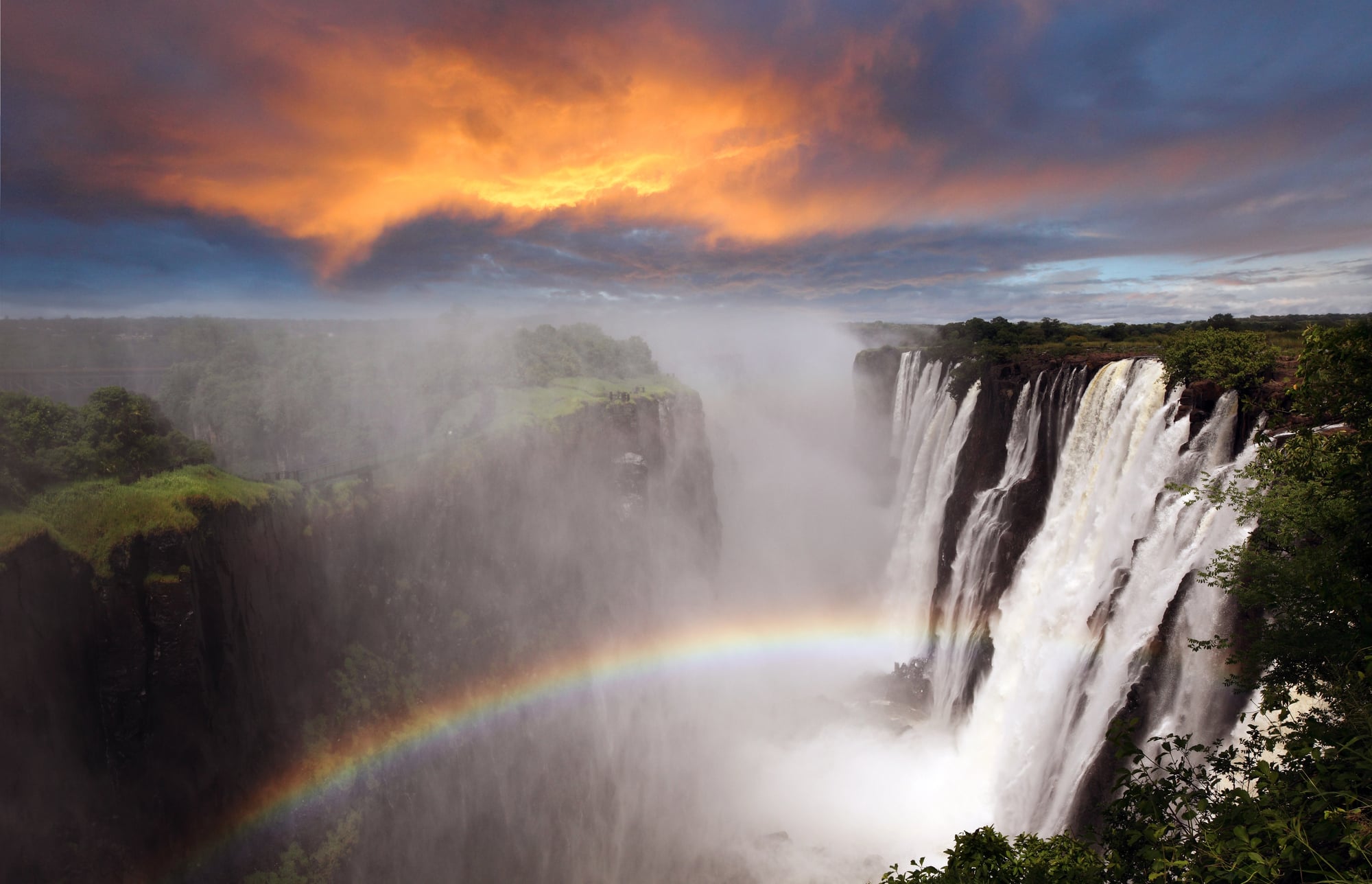
The locals call it “the smoke that thunders,” and Google’s satellite imagery shows you exactly why — that massive column of mist rising from where the Zambezi River drops into the gorge below (and when you see it from this angle, you realize the falls aren’t just wide, they’re over a mile wide, spanning approximately 1.7 kilometers across the riverbank).
The spray reaches so high it creates its own weather system. Fair enough.
Petra Treasury
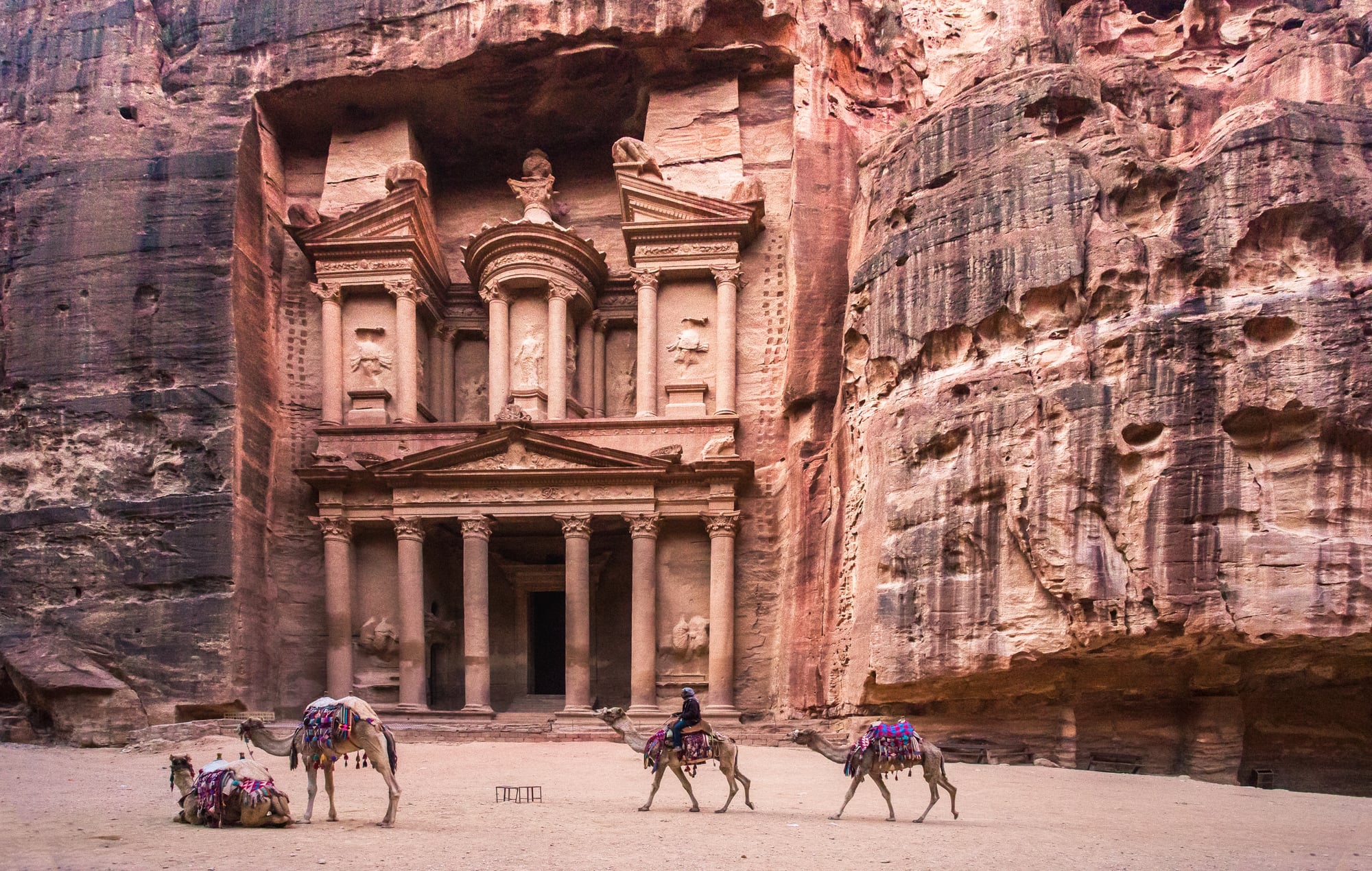
There’s something quietly persistent about the way Petra’s Treasury emerges from pink sandstone, as if it grew there rather than being carved by human hands. The facade holds secrets in its shadows — doorways that lead deeper into rock, chambers that stay cool when the desert burns outside.
Google’s street view lets you stand in that narrow canyon approach, where the walls press close and the light grows dim, before the Treasury reveals itself in full sunlight. It’s the kind of architectural patience that doesn’t exist anymore — the willingness to hide something magnificent until the very last moment.
Northern Lights Over Iceland
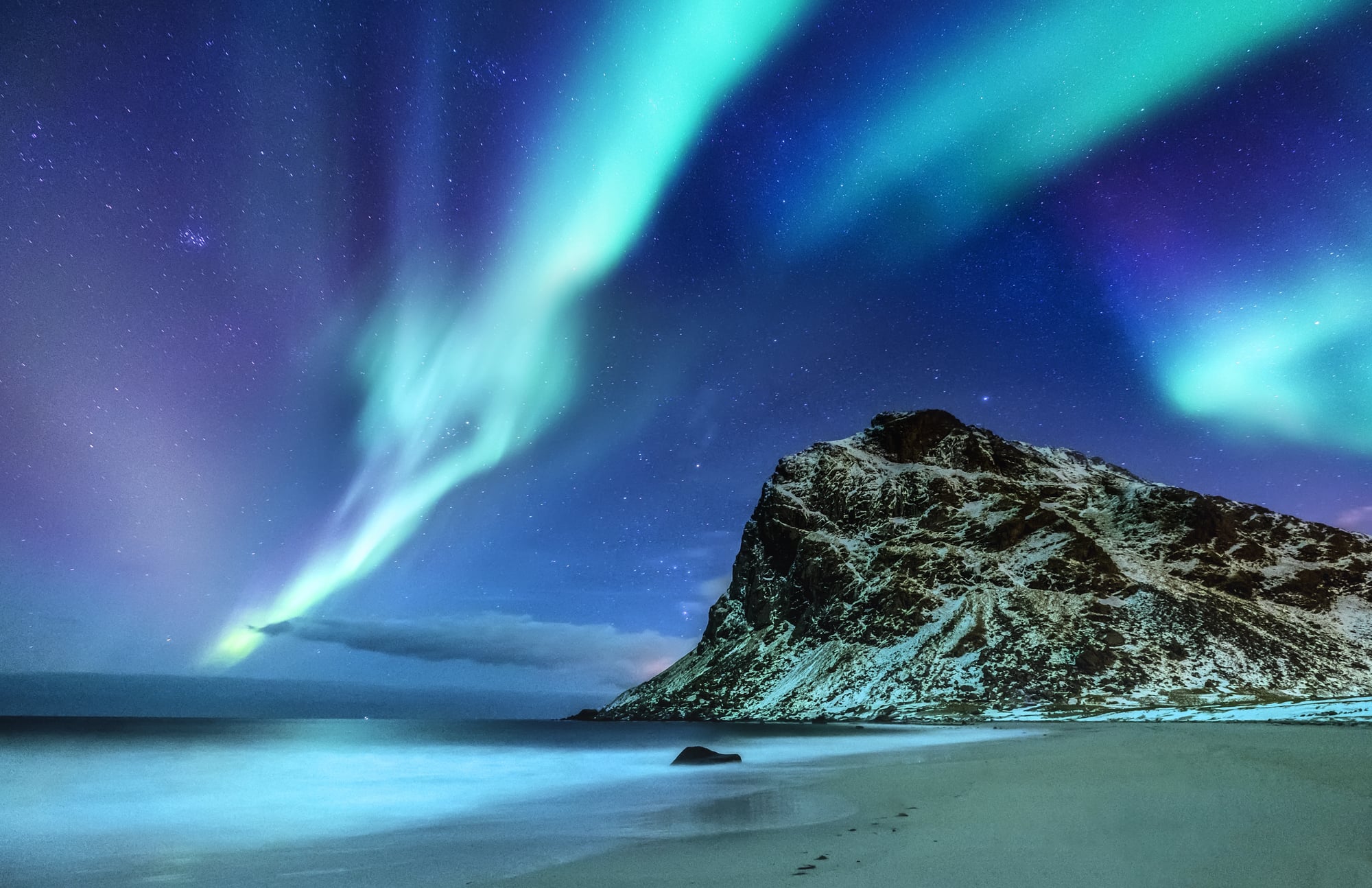
Iceland sits right in the sweet spot for aurora viewing, and the Google images prove it — those green and purple lights dance above landscapes that already look otherworldly.
The contrast between the aurora and Iceland’s volcanic terrain creates scenes that feel like they belong on a different planet.
Mount Everest
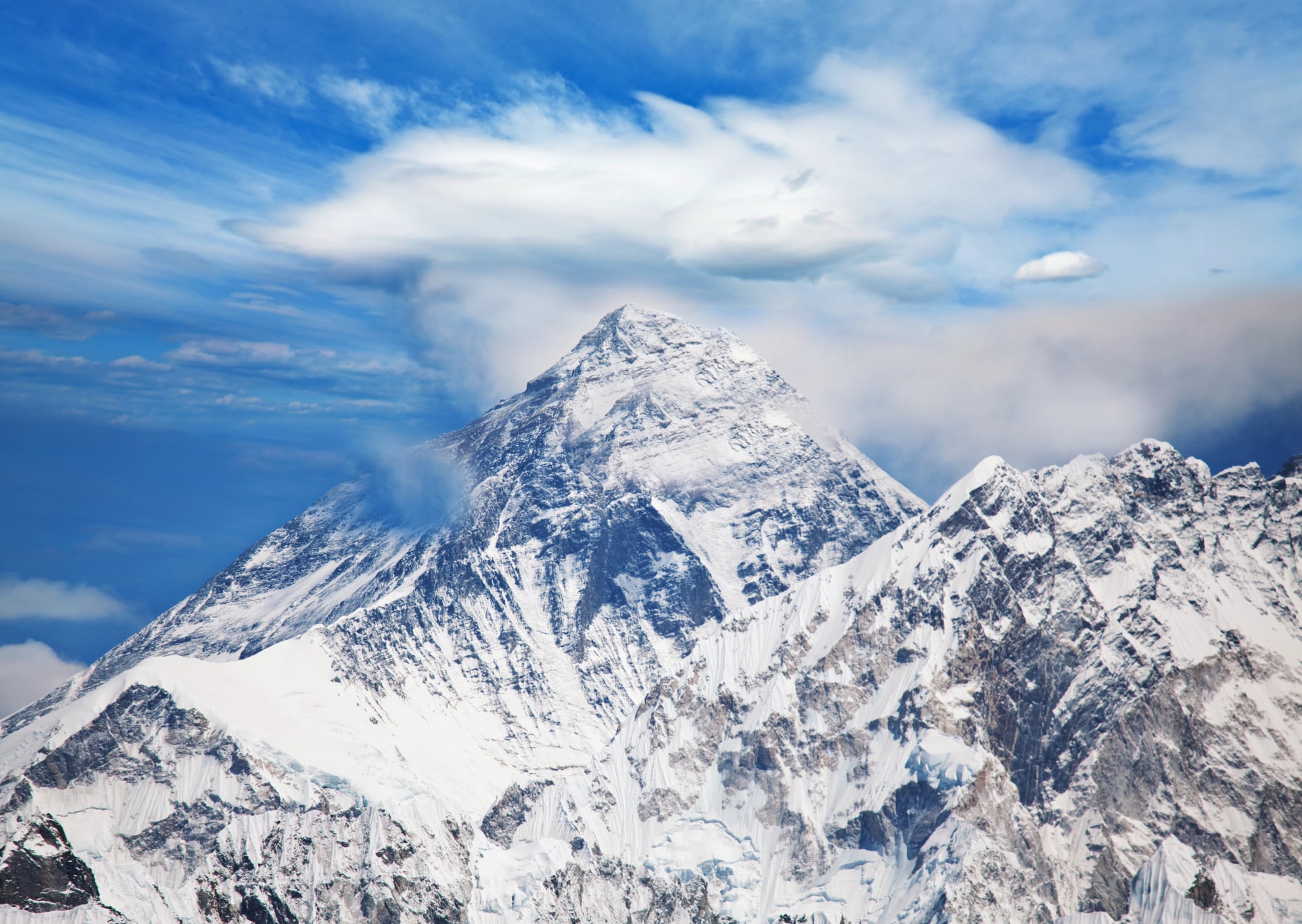
Everest doesn’t try to be photogenic (it just sits there at 29,032 feet, looking like exactly what it is: the place where the earth decided to see how high it could push rock and ice before running out of atmosphere).
Google’s satellite view shows the mountain’s brutal pyramid shape and those ridges where climbers become tiny dots against something much larger than human ambition. The summit looks surprisingly small from above.
Stonehenge
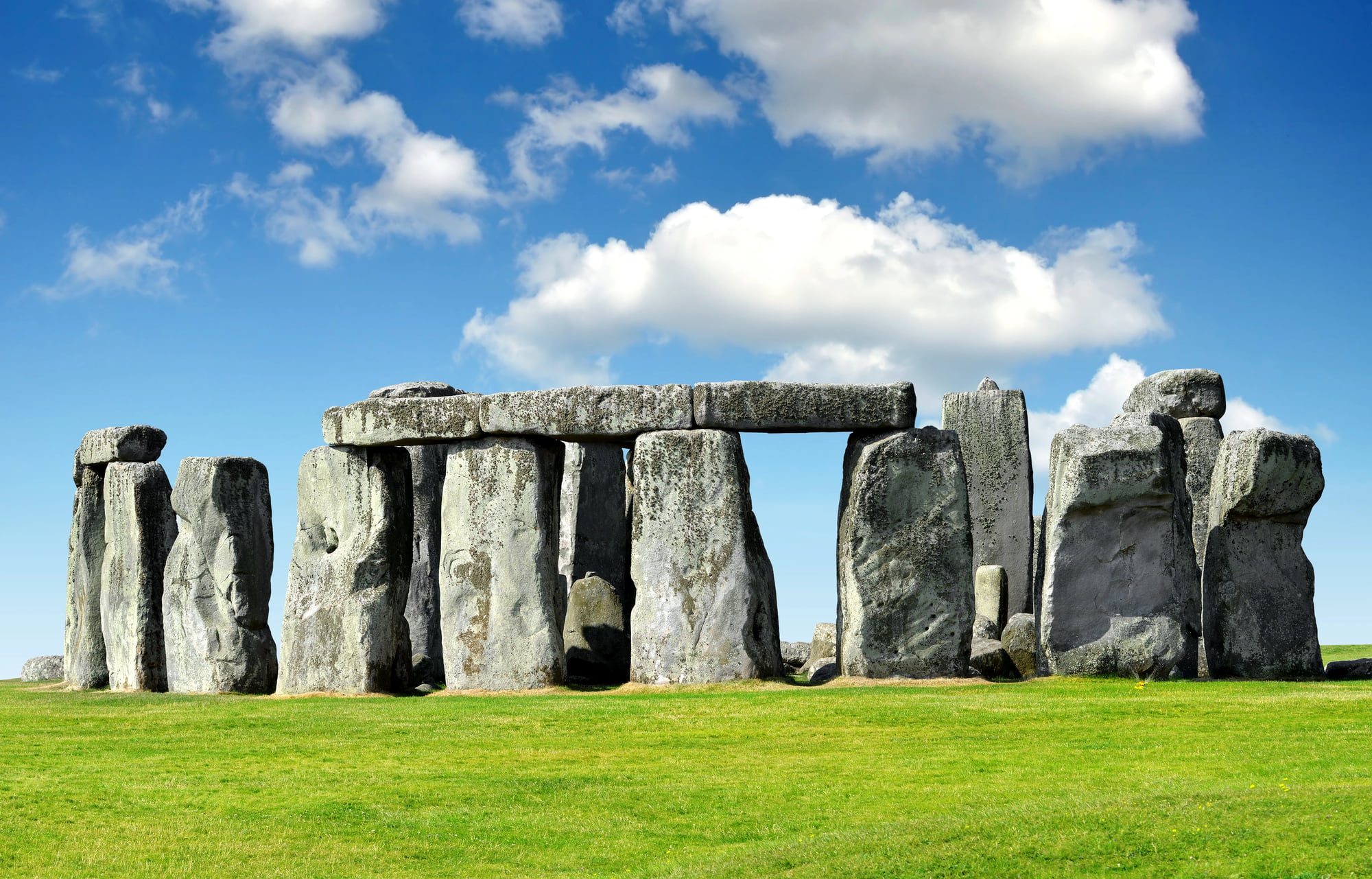
The stones arrange themselves in patterns that archaeologists still debate, but from Google’s aerial perspective, Stonehenge reveals its careful geometry. Each massive trilithon was placed with intention that becomes clear only when you pull back far enough to see the whole circle.
There’s something both monumental and intimate about these ancient stones standing in the English countryside. Sheep graze nearby, indifferent to the mystery that draws visitors from around the world.
The contrast between the ordinary and the extraordinary captures something essentially human — this need to build things that outlast us.
Grand Canyon
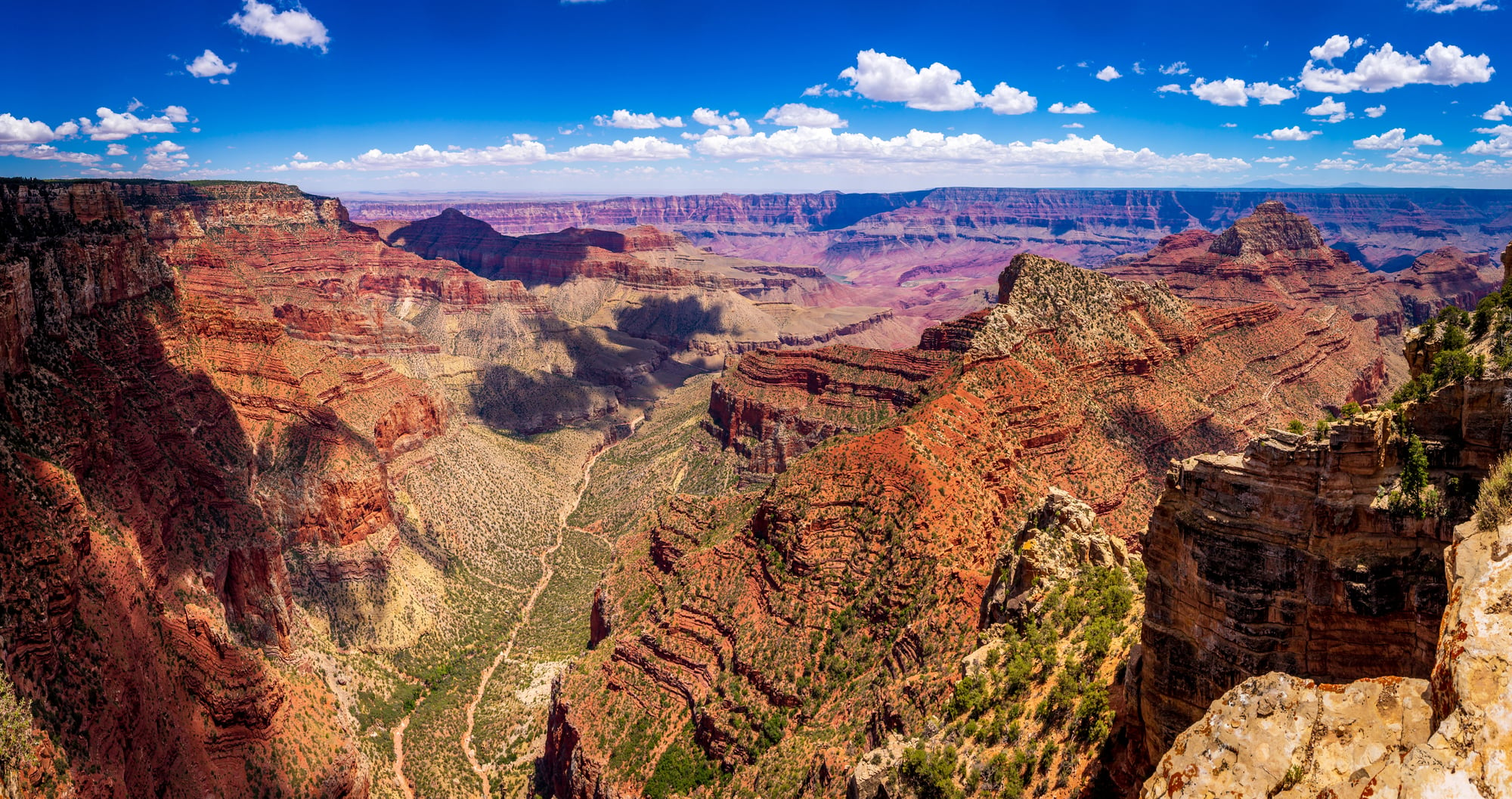
The Grand Canyon forces perspective on you whether you want it or not. Google’s satellite imagery shows layer after layer of geological history stacked in red and orange bands, each one representing millions of years of patient erosion.
The Colorado River looks impossibly small from this height — just a thin line cutting through rock.
Santorini Cliffs
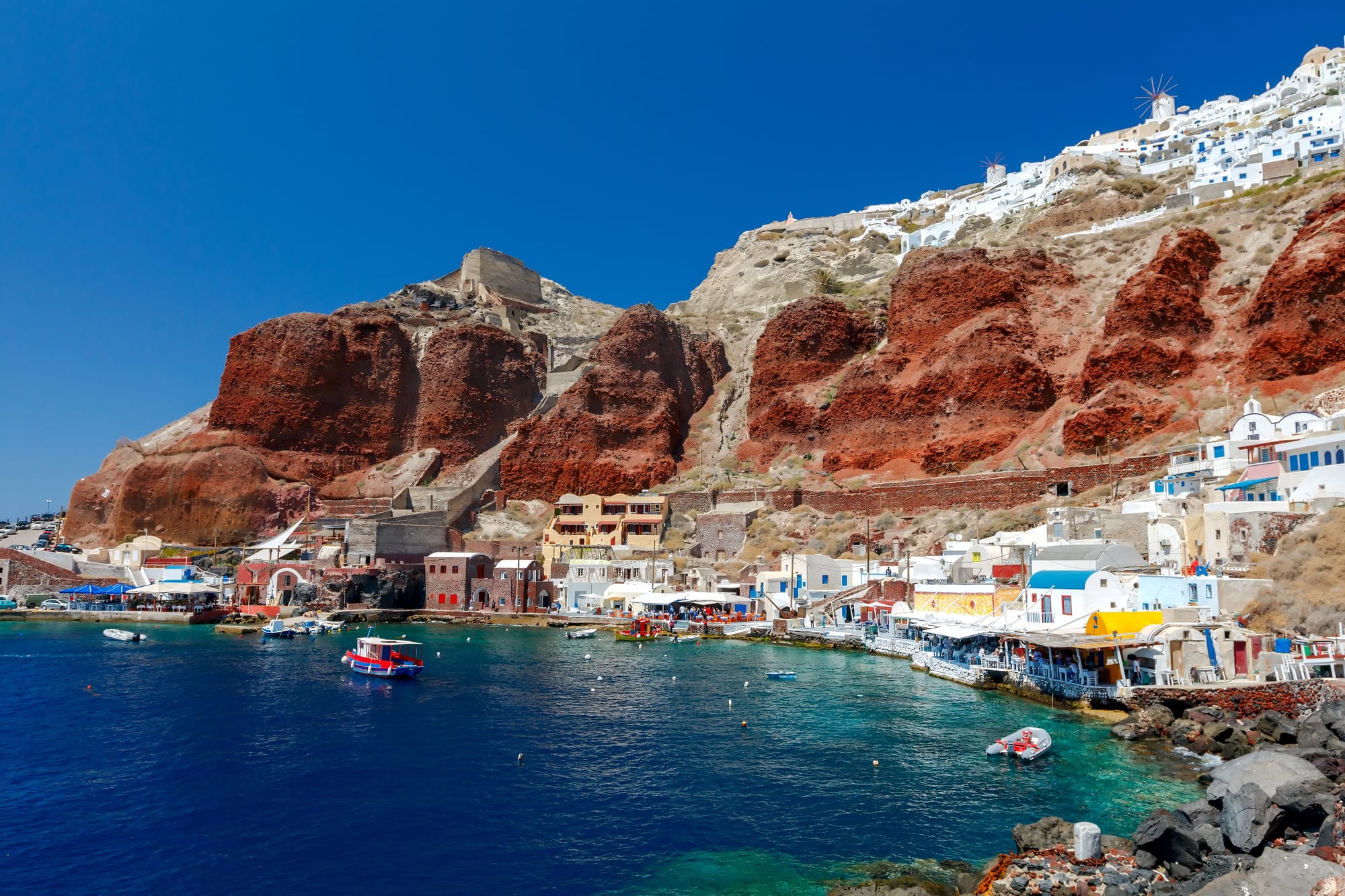
Those white buildings perched on Santorini’s volcanic cliffs don’t just sit there — they cling, defying gravity and common sense with the kind of architectural optimism that only works in the Greek islands.
Google’s aerial shots capture the way the town curves along the caldera’s edge, every building positioned to catch the light that bounces off the Aegean Sea below.
Angel Falls
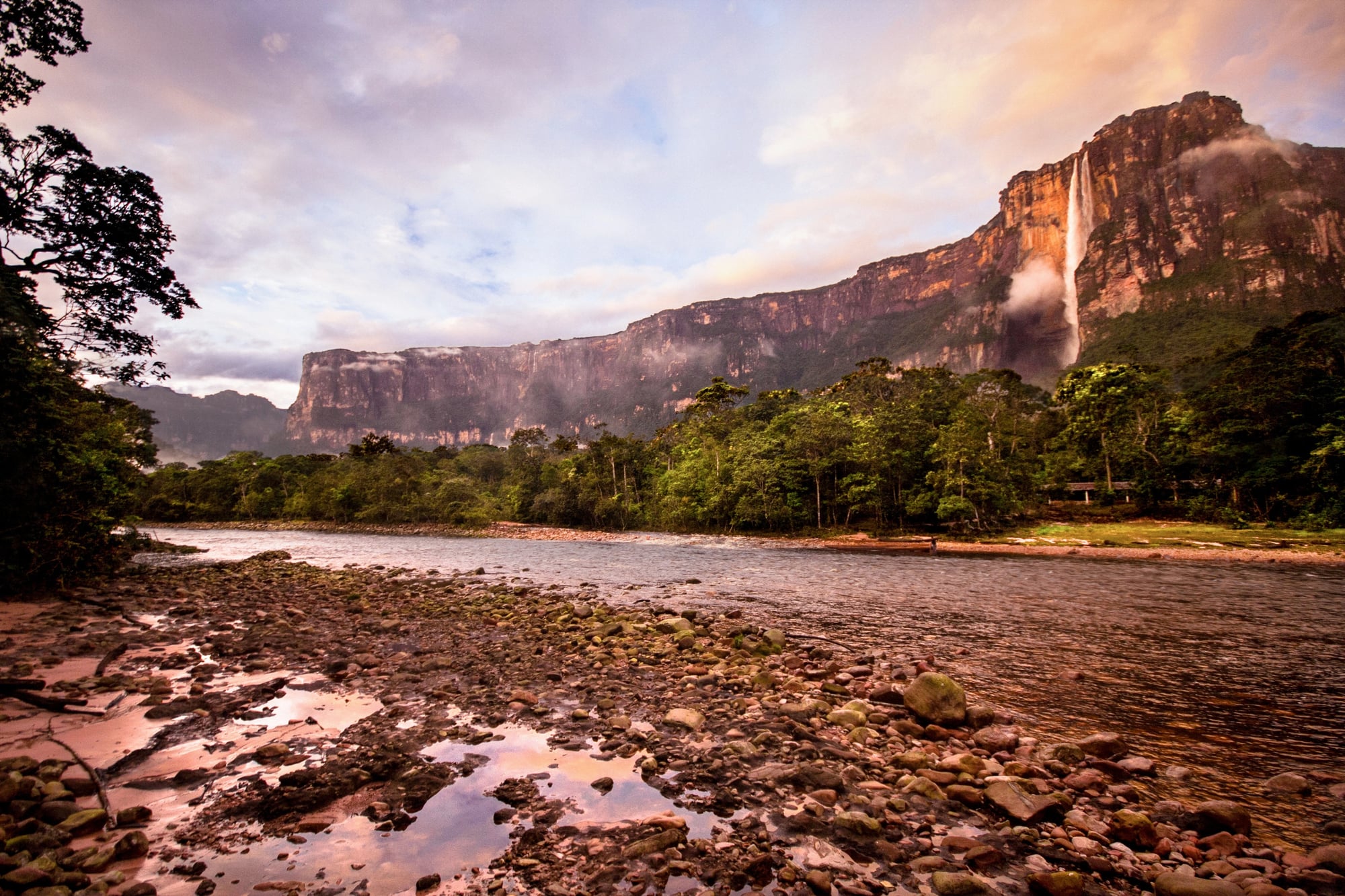
Angel Falls drops 3,212 feet from a tabletop mountain in Venezuela, which makes it the tallest waterfall in the world by a considerable margin (and when you see it from Google’s perspective, you understand why it took so long for outsiders to find this place — it’s hidden in jungle so dense and remote that the waterfall seems to emerge from green nothingness).
The water falls so far it turns to mist before reaching the bottom.
Maldives Atolls
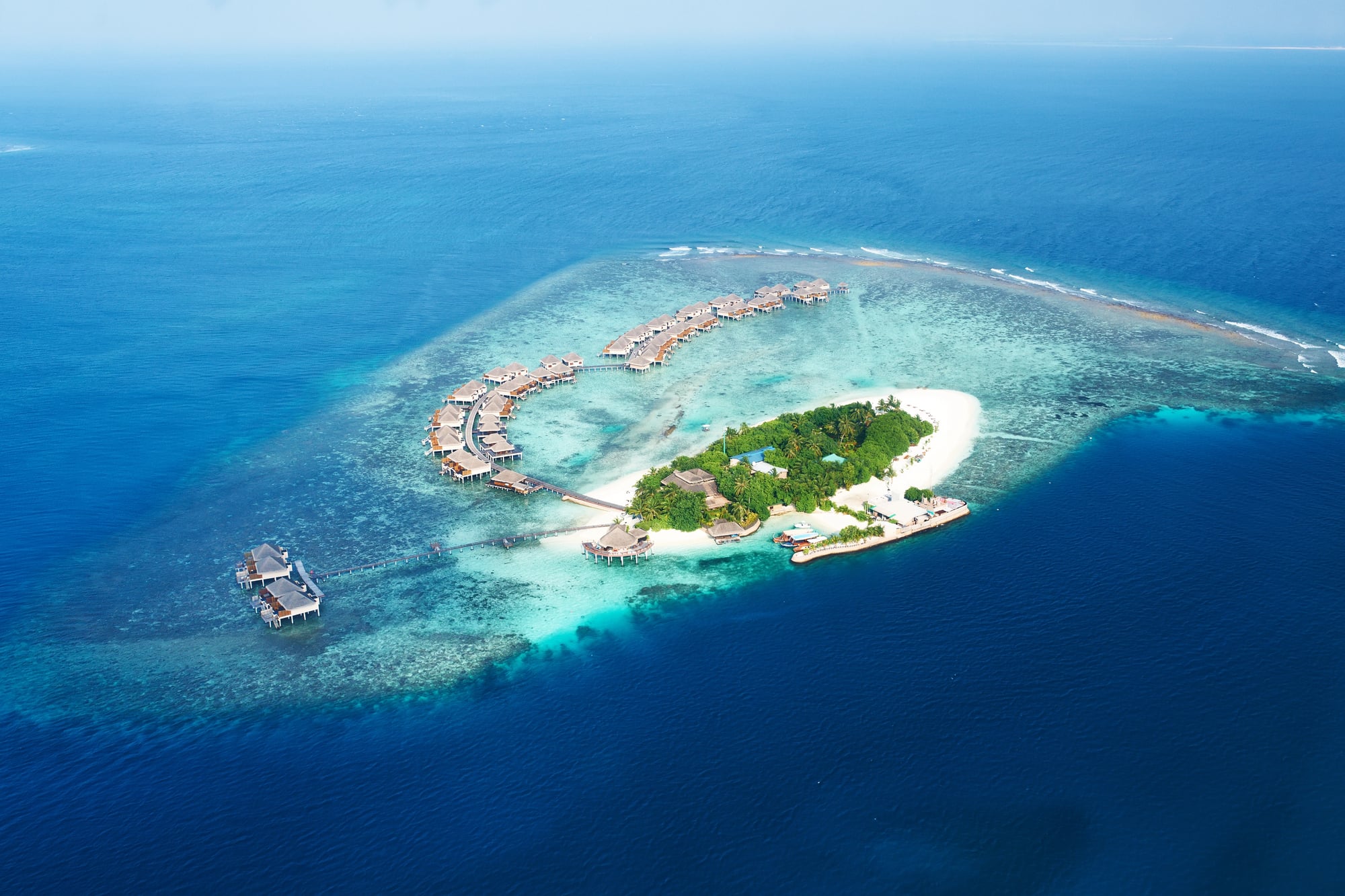
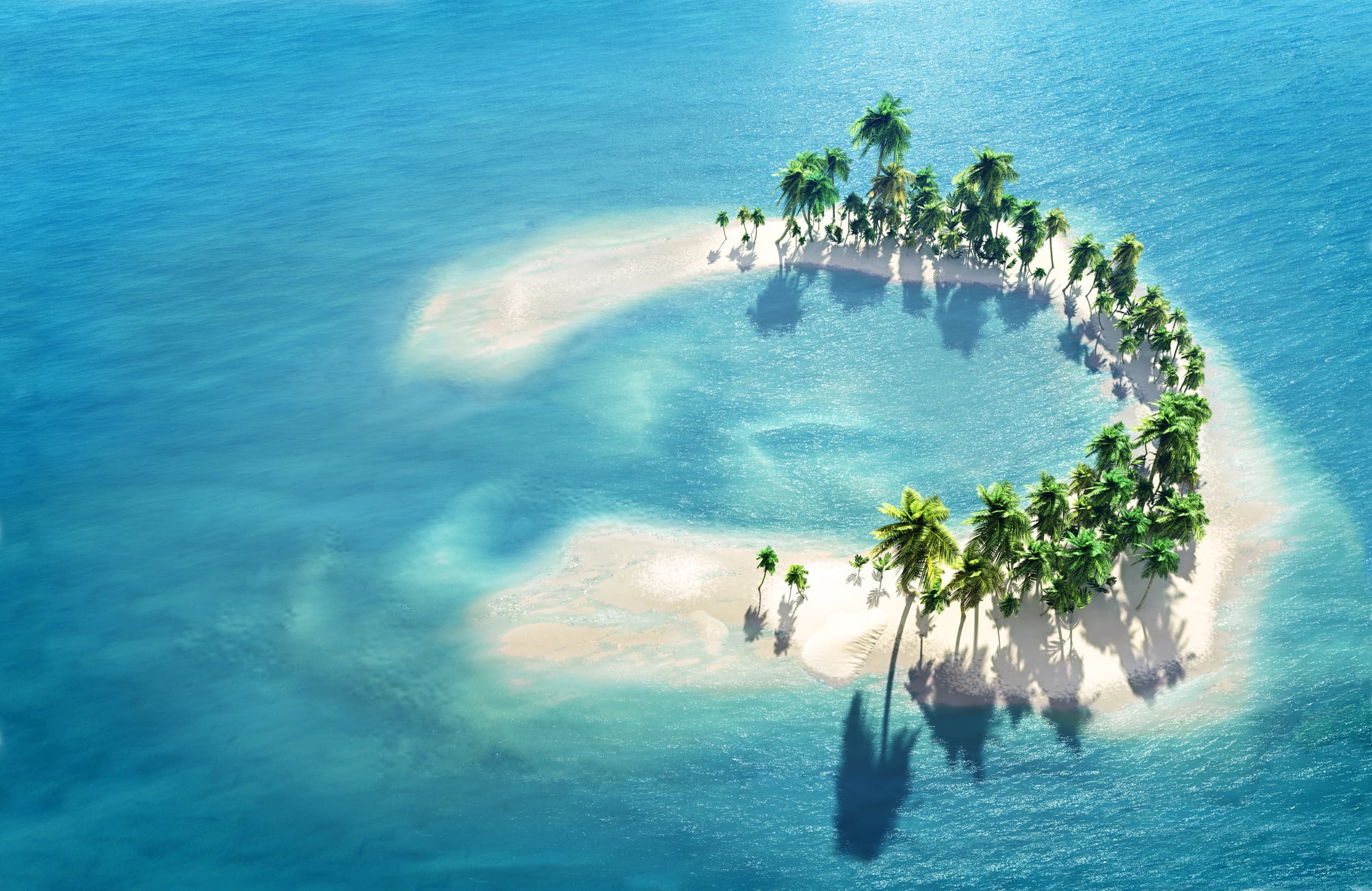
The Maldives exist as a collection of impossibly blue circles scattered across the Indian Ocean — coral atolls that look from above like someone spilled turquoise paint on dark water. Each island sits just barely above sea level, surrounded by lagoons so clear you can see the sand patterns beneath.
These images capture something fragile and temporary. The atolls won’t be here forever, and they seem to know it.
There’s a dreamlike quality to the way they float in all that blue space, like places that exist only as long as you’re looking at them.
Easter Island Statues
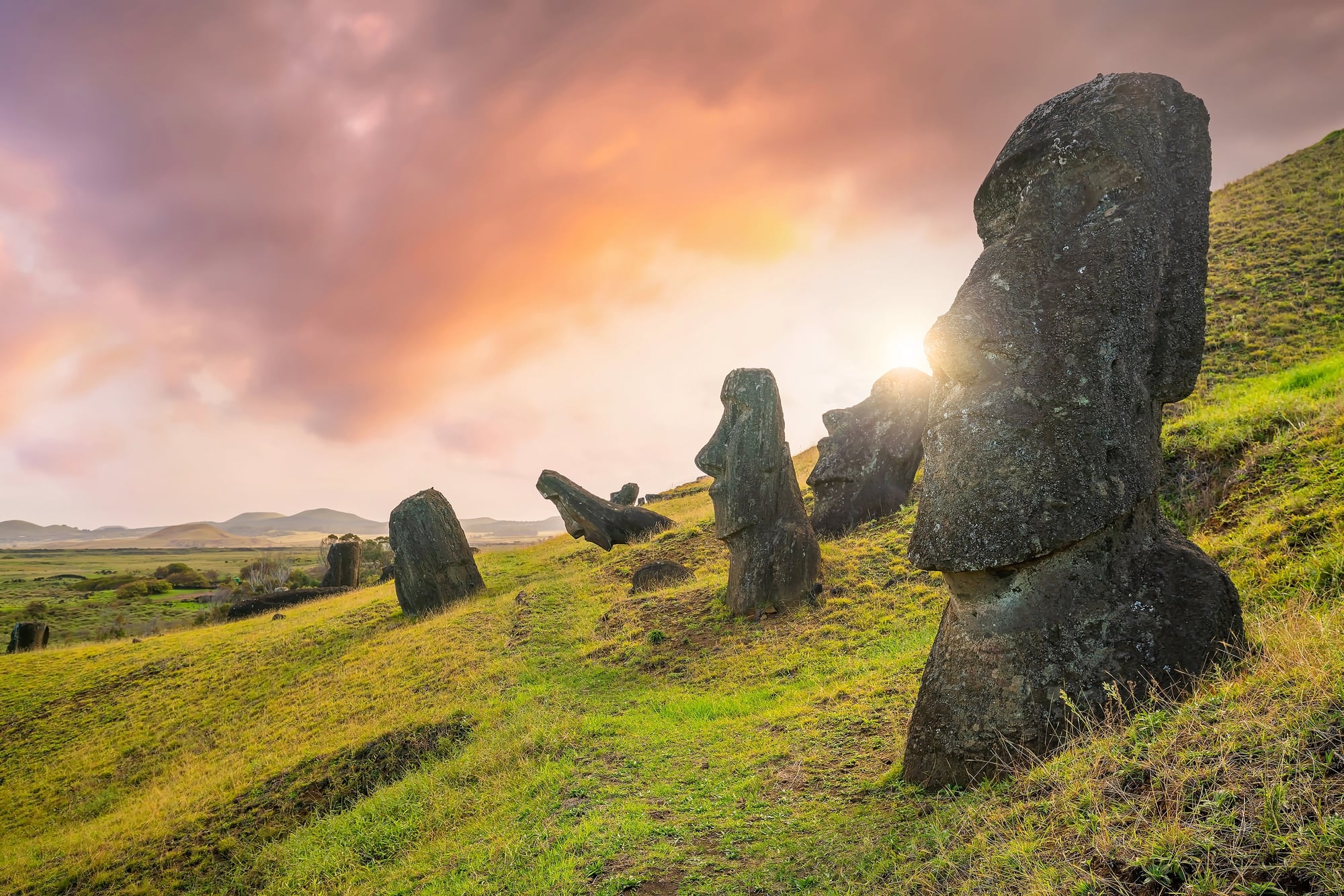
The moai stand with their backs to the ocean, facing inland toward the island that created them. Google’s satellite view shows nearly 900 of these stone figures scattered across Easter Island’s grasslands — some buried to their necks, others standing full-height, all of them keeping watch over an island that feels impossibly remote.
Neuschwanstein Castle
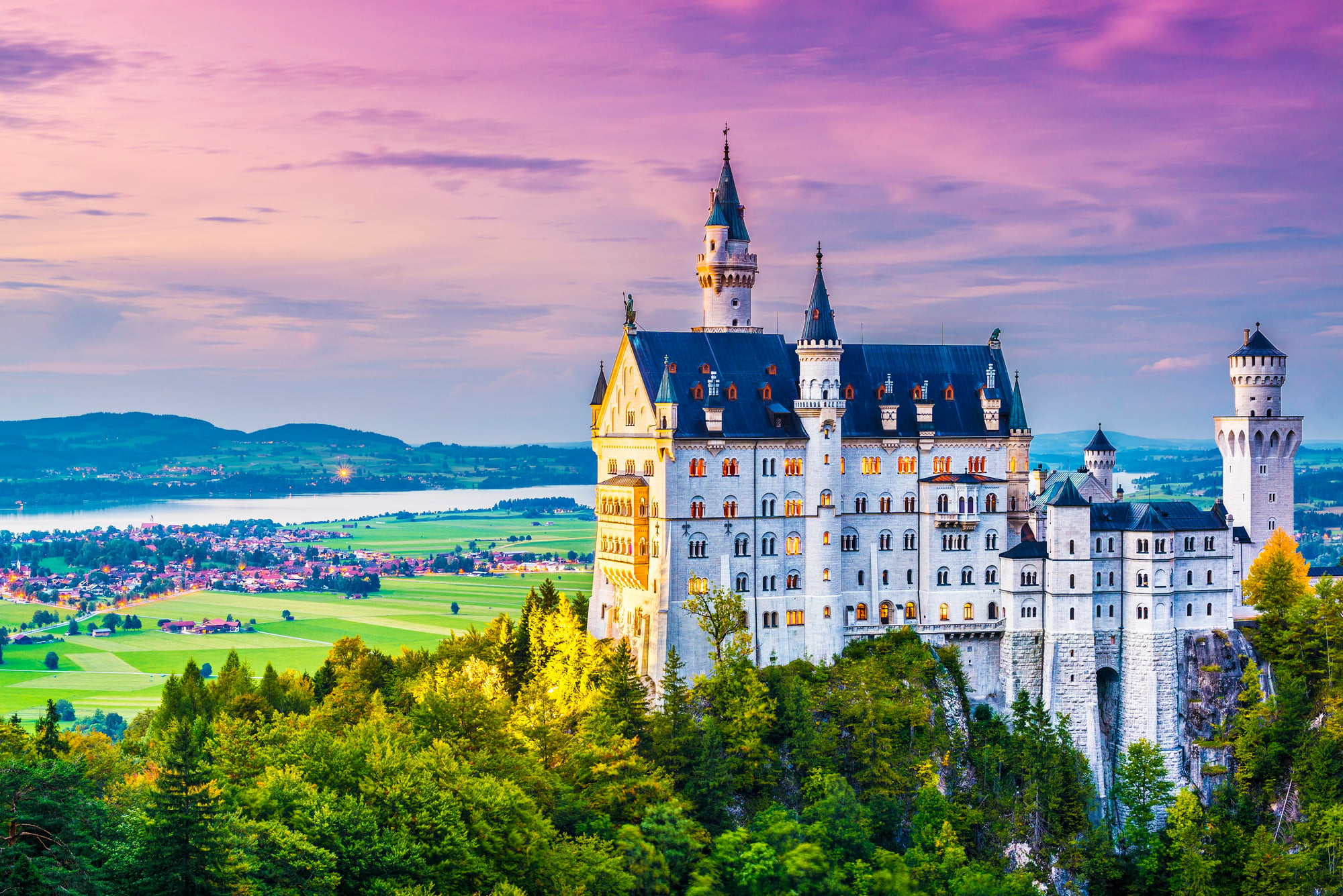
Mad King Ludwig built Neuschwanstein as a retreat from reality, and Google’s aerial images show exactly how well he succeeded. The castle sits on its rocky outcrop above the Bavarian countryside like something from a fairy tale that someone actually decided to build.
The surrounding forest and mountains make the castle feel even more fantastical. This wasn’t meant to be practical — it was meant to be beautiful and impossible, and from every angle Google captures, it succeeds at both.
Sahara Desert Patterns
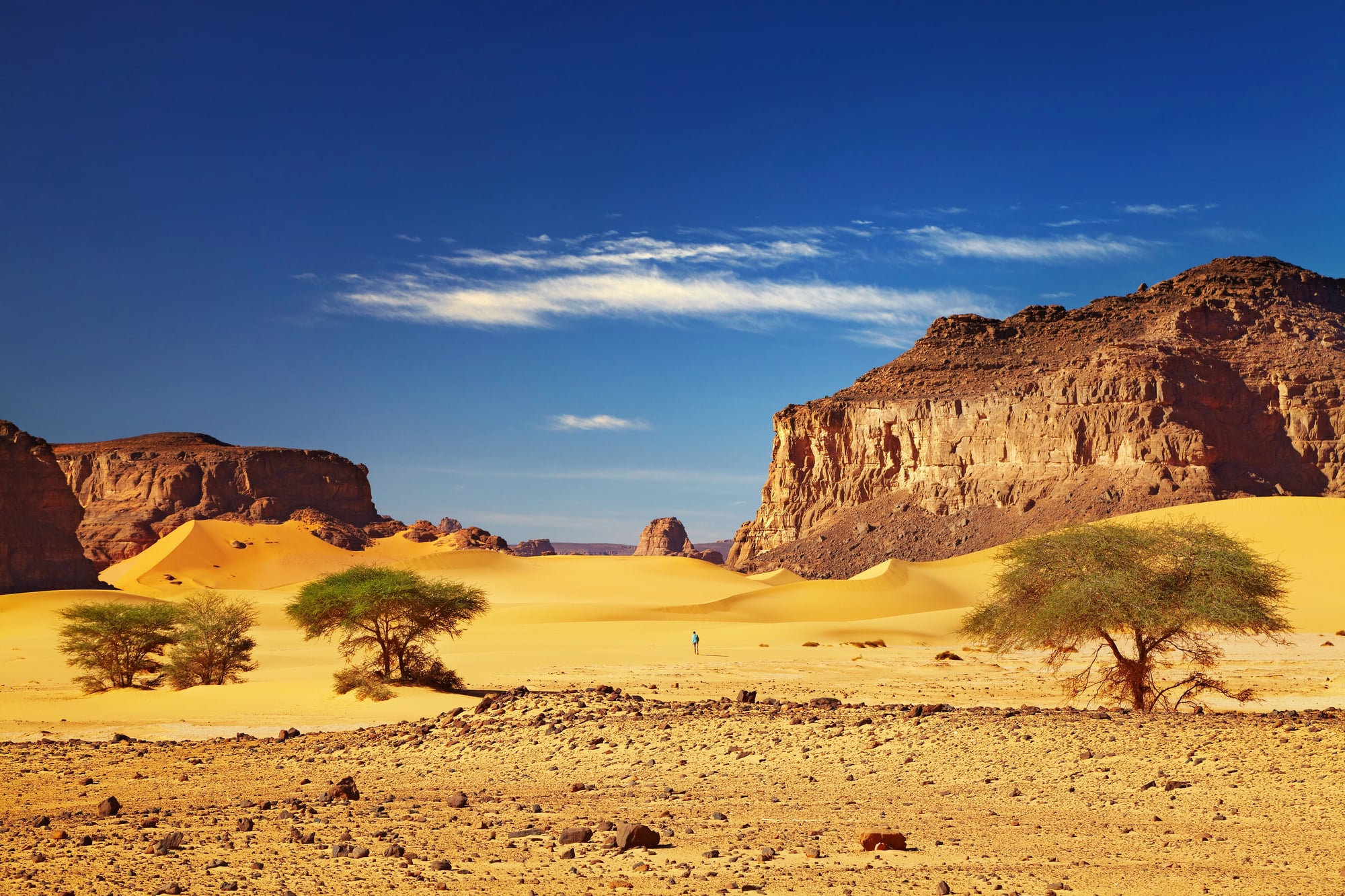
The Sahara doesn’t just stretch endlessly — it creates patterns. Google’s satellite imagery reveals sand dunes arranged in waves and spirals, carved by winds that follow rules older than civilization.
The desert makes art without knowing it, shifting and reshaping itself according to physics and weather.
Uluru
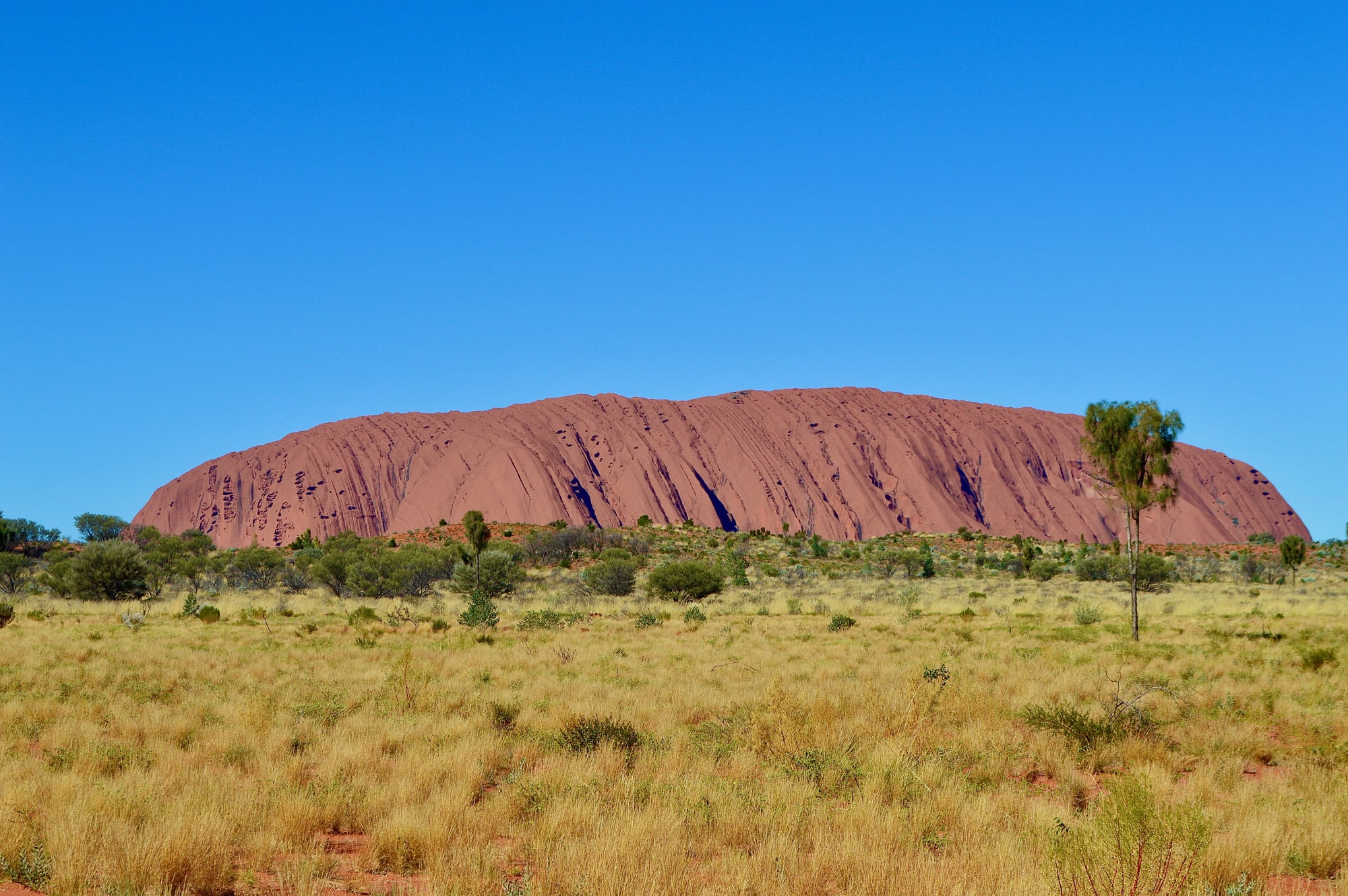
Uluru rises from the Australian Outback like punctuation in the middle of a very long sentence. The monolith changes color throughout the day — deep red at sunrise, orange at midday, purple at sunset — and Google’s images capture that sense of presence that makes this place sacred to the Anangu people.
The View That Changes Everything
Looking at these places through Google’s eyes does something unexpected — it makes the world feel both larger and more accessible at the same time. These aren’t just tourist destinations or geographical features.
They’re reminders that the planet contains wonders that exist whether we visit them or not, places that have been magnificent long before cameras existed to capture them and will continue being magnificent long after we’re gone.
More from Go2Tutors!

- The Romanov Crown Jewels and Their Tragic Fate
- 13 Historical Mysteries That Science Still Can’t Solve
- Famous Hoaxes That Fooled the World for Years
- 15 Child Stars with Tragic Adult Lives
- 16 Famous Jewelry Pieces in History
Like Go2Tutors’s content? Follow us on MSN.