Countries That Were Once Superpowers – and What Happened
Empires rise with remarkable speed and fall even faster. The superpowers that once dominated entire continents now exist as ordinary nations—or don’t exist at all.
Their decline followed different paths. Some empires crumbled in sudden collapse.
Others faded gradually over centuries. A few transformed into something entirely new.
Understanding how these giants fell reveals patterns that repeat throughout history.
The Mongol Empire

Genghis Khan and his descendants conquered the largest contiguous land empire in human history. The Mongols controlled territory from Korea to Hungary, ruling over more people than any empire before them.
Their military tactics revolutionized warfare. Their postal system connected continents.
Trade flourished across the Silk Road under Mongol protection. Then the empire fractured.
Genghis Khan’s grandsons fought each other for supremacy. The empire split into separate khanates that competed instead of cooperating.
The Yuan Dynasty in China fell to the Ming rebellion. The Golden Horde weakened and splintered.
The Il-Khanate in Persia dissolved into rival states. Within 150 years of Genghis Khan’s death, the unified Mongol Empire had vanished entirely.
Mongolia today ranks as one of the least densely populated countries on Earth, with an economy based largely on mining and agriculture.
The Ottoman Empire
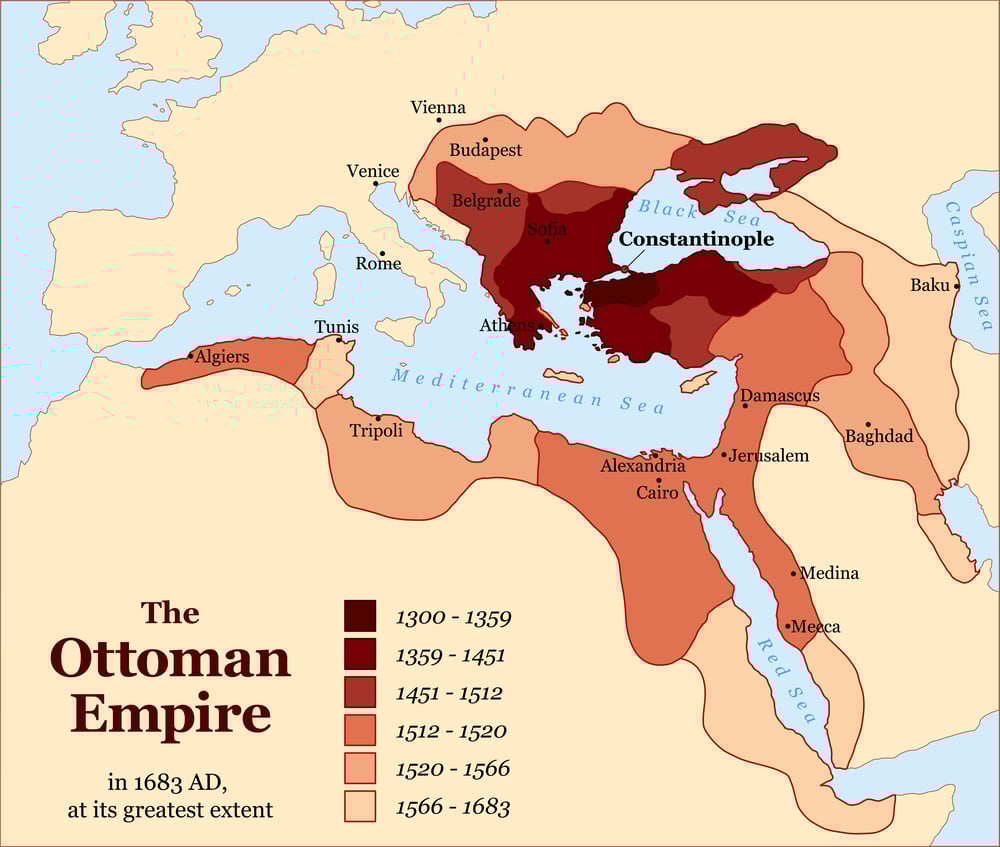
The Ottomans controlled the Mediterranean, the Middle East, and southeastern Europe for over 600 years. Their armies besieged Vienna twice.
Their navy dominated the Mediterranean Sea. Constantinople, renamed Istanbul, became one of the world’s great cities.
The empire administered a diverse population of Muslims, Christians, and Jews with relative tolerance for its era. Decline came slowly, then catastrophically. The empire lost territory steadily throughout the 1800s as nationalist movements won independence.
Greece, Serbia, Romania, and Bulgaria broke away. Egypt effectively became independent under British influence.
The empire earned the nickname “the sick man of Europe” as European powers carved up its territory. World War I delivered the final blow. The Ottomans chose the losing side, and the empire dissolved in 1922.
The modern Turkish Republic emerged from its heartland, but lost all the empire’s former territories.
The Spanish Empire

Spain claimed vast territories in the Americas, Philippines, and parts of Europe after Columbus’s voyage. Silver from Mexican and Peruvian mines flowed into Spanish coffers.
The Spanish Armada commanded fear across Europe. The sun never set on Spanish territory.
That wealth proved more of a curse than a blessing. The flood of silver created massive inflation.
Spain fought expensive wars across Europe trying to maintain its position. It spent its American riches instead of investing in industry or infrastructure.
Other European powers developed more advanced economies while Spain stagnated. The Spanish American colonies won independence throughout the early 1800s.
The Spanish-American War in 1898 stripped away the last major overseas territories. Spain became a middling European power, recovering economically only after democratization in the late 1900s.
The Portuguese Empire

Portugal established the first global maritime empire. Portuguese explorers reached India, China, Japan, and Brazil.
They controlled the spice trade and established trading posts across three continents. For a small country, Portugal punched far above its weight for centuries.
The empire persisted longer than most, but eventually crumbled. Brazil declared independence in 1822, taking Portugal’s most valuable colony.
African colonies drained resources through costly wars in the 1960s and 1970s. A military coup in 1974 finally ended Portugal’s commitment to the empire.
The new government granted independence to African territories almost immediately. Portugal joined the European Union and modernized its economy, but its global influence diminished to nearly nothing.
The British Empire

Britain ruled a quarter of the world’s population at its peak. The empire spanned every continent. The Royal Navy dominated the seas.
English became the global language of commerce and diplomacy. London served as the world’s financial center.
Two world wars bankrupted the empire and shattered British power. India gained independence in 1947, removing the jewel from the crown.
African and Caribbean colonies followed throughout the 1950s and 1960s. The Suez Crisis in 1956 demonstrated that Britain could no longer act as a great power without American approval.
Hong Kong’s return to China in 1997 marked the symbolic end. The United Kingdom still exists as a significant economy, but its role as a superpower ended decades ago.
The Austro-Hungarian Empire
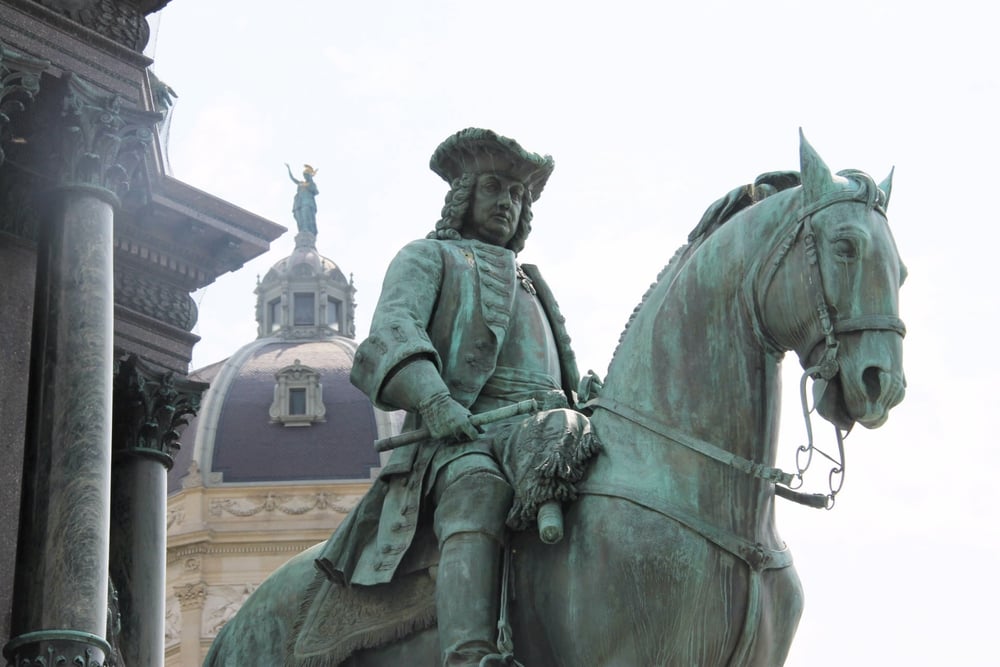
The Habsburg Empire controlled central Europe for centuries. Vienna rivaled Paris as Europe’s cultural capital.
The empire’s diverse population included Germans, Hungarians, Czechs, Slovaks, Poles, Ukrainians, Romanians, Croatians, Serbs, and Italians. That diversity became the empire’s fatal weakness.
Nationalist movements demanded independence or greater autonomy. The empire held together through careful balancing acts and military force.
World War I destroyed this delicate equilibrium. The empire fought alongside Germany and lost. It disintegrated in 1918 into multiple new nations—Austria, Hungary, Czechoslovakia, Yugoslavia, and parts of Poland, Romania, and Italy.
Austria and Hungary became small, landlocked countries with little international influence.
The Persian Empire

Ancient Persia controlled the largest empire the world had seen up to that point. Cyrus the Great and his successors ruled from Greece to India.
The empire developed an efficient administration, built remarkable infrastructure, and generally governed with tolerance unusual for its time. Alexander the Great conquered the empire in just a few years, demonstrating how quickly even vast empires can fall to a determined military force.
Later Persian empires rose and fell over the centuries. Modern Iran descends from this imperial tradition but faces international isolation and economic struggles. The grandeur of ancient Persia exists now mainly in archaeological sites and historical memory.
The Roman Empire
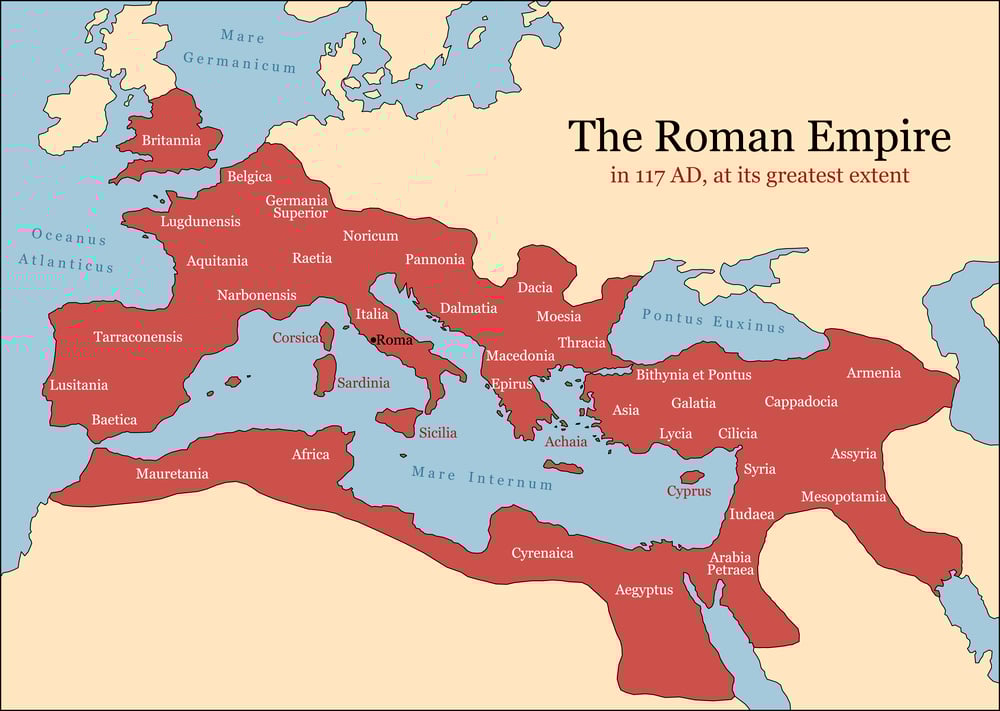
Rome dominated the Mediterranean world and much of Europe for centuries. Roman law, engineering, and military organization influenced every subsequent European civilization.
The empire’s road network, aqueducts, and buildings still stand today. The Western Roman Empire collapsed in 476 CE under pressure from Germanic invasions, economic decay, and internal instability.
The Eastern Roman Empire, known as Byzantium, survived another thousand years before falling to the Ottomans in 1453. Modern Italy inherited the Roman cultural legacy but gained political unity only in 1861.
It never recovered Rome’s dominant position. The Roman Empire’s influence persists in language, law, and architecture, but its political power ended permanently.
Ancient Egypt
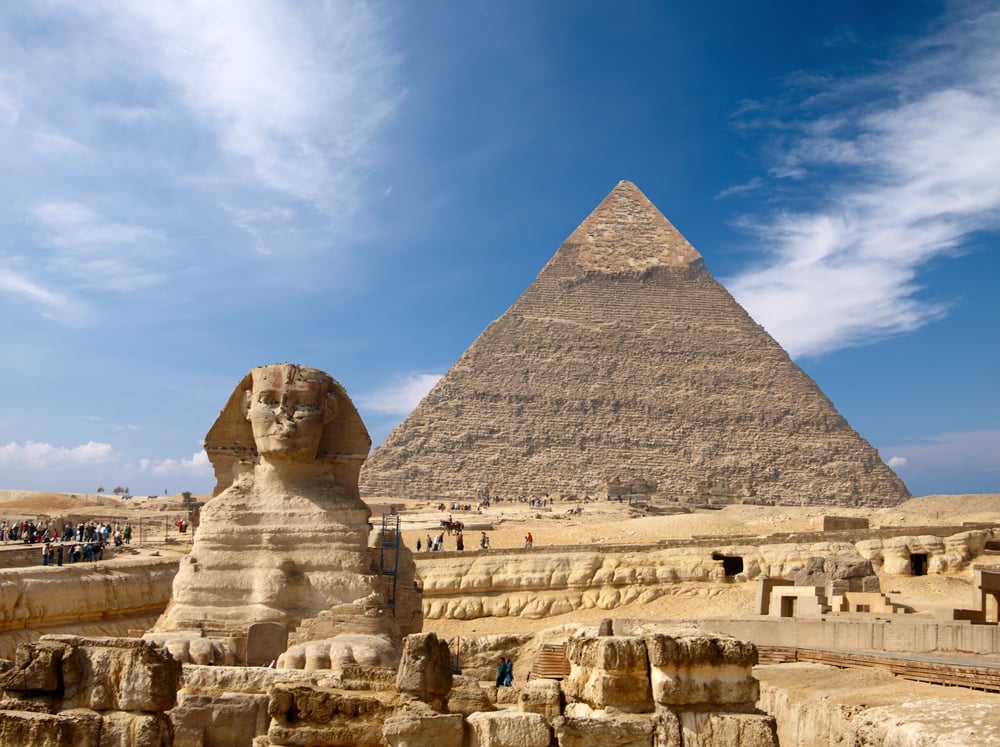
Egypt ruled as a superpower for over 3,000 years—longer than any other empire in history. The pyramids demonstrated engineering capabilities that astonished subsequent civilizations.
Egyptian culture influenced the entire Mediterranean region. Foreign conquest eventually ended Egyptian independence.
Persians, Greeks, and Romans successively conquered Egypt. The Roman Empire absorbed it as a province valued primarily for wheat production.
The Arab conquest in the 600s CE transformed Egypt’s language, religion, and culture. Modern Egypt remains a significant regional power but bears little resemblance to the ancient civilization that built the pyramids.
The continuity broke so completely that Egyptians themselves couldn’t read hieroglyphics until European scholars deciphered them in the 1800s.
The Russian Empire and Soviet Union
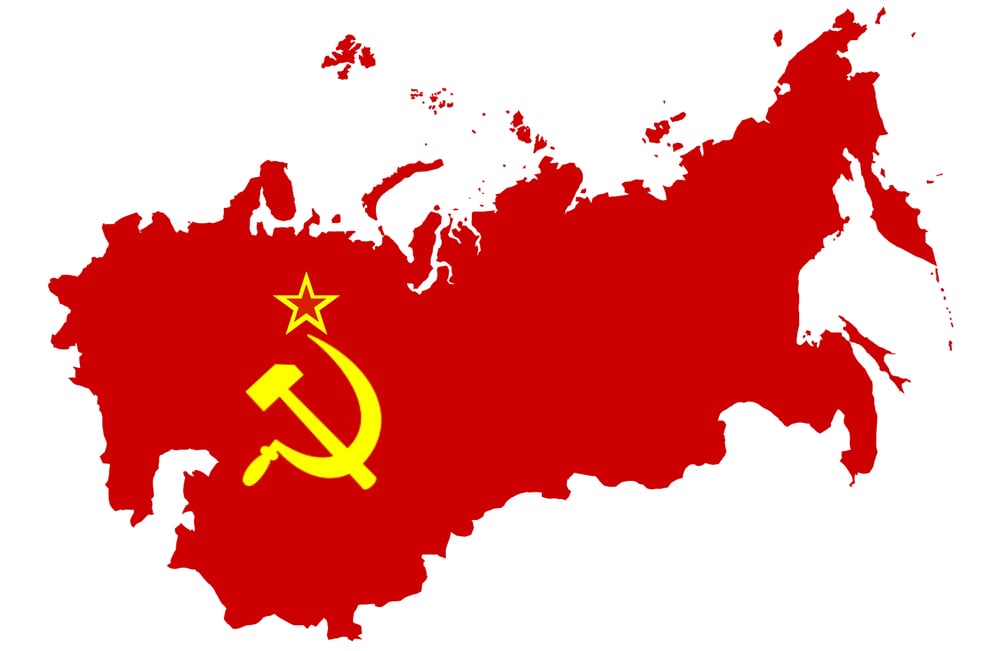
The Russian Empire expanded across eleven time zones, conquering Siberia and Central Asia. The Soviet Union, which succeeded it, controlled Eastern Europe and competed directly with the United States as a superpower.
Soviet military might, nuclear weapons, and space achievements commanded global respect and fear. The Soviet system carried fatal contradictions. The planned economy couldn’t match Western productivity.
Military spending consumed resources needed for consumer goods and infrastructure. Ethnic tensions simmered beneath the surface.
Mikhail Gorbachev’s reforms accelerated the collapse rather than preventing it. The Soviet Union dissolved in 1991 into fifteen separate countries.
Russia inherited most Soviet territory and military capacity, but lost its superpower status. Economic problems and international sanctions further reduced Russian influence, though it remains a significant regional power.
Imperial China

Chinese dynasties ruled as superpowers repeatedly throughout history. The Han Dynasty, Tang Dynasty, and Ming Dynasty each dominated East Asia.
Chinese inventions—paper, printing, gunpowder, the compass—spread across the world. Chinese culture influenced Korea, Japan, Vietnam, and much of Southeast Asia.
Internal rebellions and foreign invasions repeatedly toppled dynasties. The last dynasty, the Qing, collapsed in 1912 after failing to resist European imperialism.
China endured a century of weakness, civil war, and foreign occupation. The communist revolution in 1949 reunified the country but left it poor and isolated.
Only market reforms starting in the late 1970s restored Chinese power. Modern China rises again as a superpower, but the imperial system that governed for thousands of years ended permanently.
The Dutch Empire

The Netherlands built a commercial empire based on trade rather than territorial conquest. Dutch merchants dominated global commerce in the 1600s. The Dutch East India Company became the world’s first multinational corporation.
Amsterdam served as Europe’s financial center. The Dutch controlled valuable territories in Indonesia, the Caribbean, and parts of the Americas.
Larger powers eventually overwhelmed Dutch influence. Wars with England and France drained resources.
The Napoleonic Wars particularly damaged Dutch power. Indonesia gained independence in 1949 after a bitter war. The Netherlands today remains wealthy and stable, but its imperial ambitions ended long ago.
The country found prosperity through trade and finance within the European Union rather than through colonies.
The Umayyad Caliphate

The Umayyad Caliphate expanded Islam’s reach from Spain to Central Asia within a single century. This early Islamic empire spread religion, culture, and learning across three continents.
Cordoba under Umayyad rule became Europe’s largest and most advanced city. Internal conflicts shattered the caliphate.
The Abbasid Revolution overthrew the Umayyads in 750 CE, moving the capital from Damascus to Baghdad and fundamentally changing the empire’s character. Only in Spain did an Umayyad remnant survive, eventually falling to the Christian reconquest.
The rapid conquests that built the caliphate proved impossible to sustain once internal unity fractured.
The Weight of Fallen Crowns
Empty now, these ruins were palaces for rulers long gone. The Colosseum sits broken beneath today’s clouds, its echoes louder than any present sound.
From dust, the Pyramids rose without speech, built while myths still breathed on earth. Across ridges, the Great Wall winds – like a wound left by time’s oldest clash.
There, the Alhambra shines at twilight, shaped by forgotten fingers. Others snap pictures now, never pausing on the ones who placed every stone.
Once, all believed it would stand endlessly. Certain they had mastered permanence, each kingdom overlooks the cracks that undid earlier thrones.
One by one they fell. When ground cracks, commerce crawls elsewhere, tools evolve, old ways crumble – motion never stops.
Power that ruled now kills its owners. Again and again, proof arrives.
Yet ears stay shut till ruin hits.
More from Go2Tutors!

- The Romanov Crown Jewels and Their Tragic Fate
- 13 Historical Mysteries That Science Still Can’t Solve
- Famous Hoaxes That Fooled the World for Years
- 15 Child Stars with Tragic Adult Lives
- 16 Famous Jewelry Pieces in History
Like Go2Tutors’s content? Follow us on MSN.



