Forgotten Snacks From Childhood Kitchens
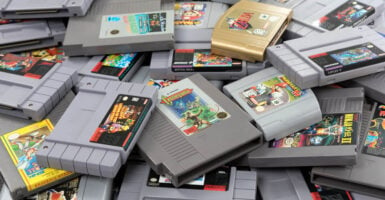
Remember when grocery shopping meant begging your parents to toss certain items into the cart? Those brightly colored packages promised adventure, fun, and flavors that seemed almost too good to be true. Many of those snacks have vanished from store shelves, leaving behind only memories and the occasional online petition demanding their return.
These treats defined after-school snacking and lunchbox trading for an entire generation.Here is a list of forgotten snacks that once ruled childhood kitchens across America.
P.B. Crisps
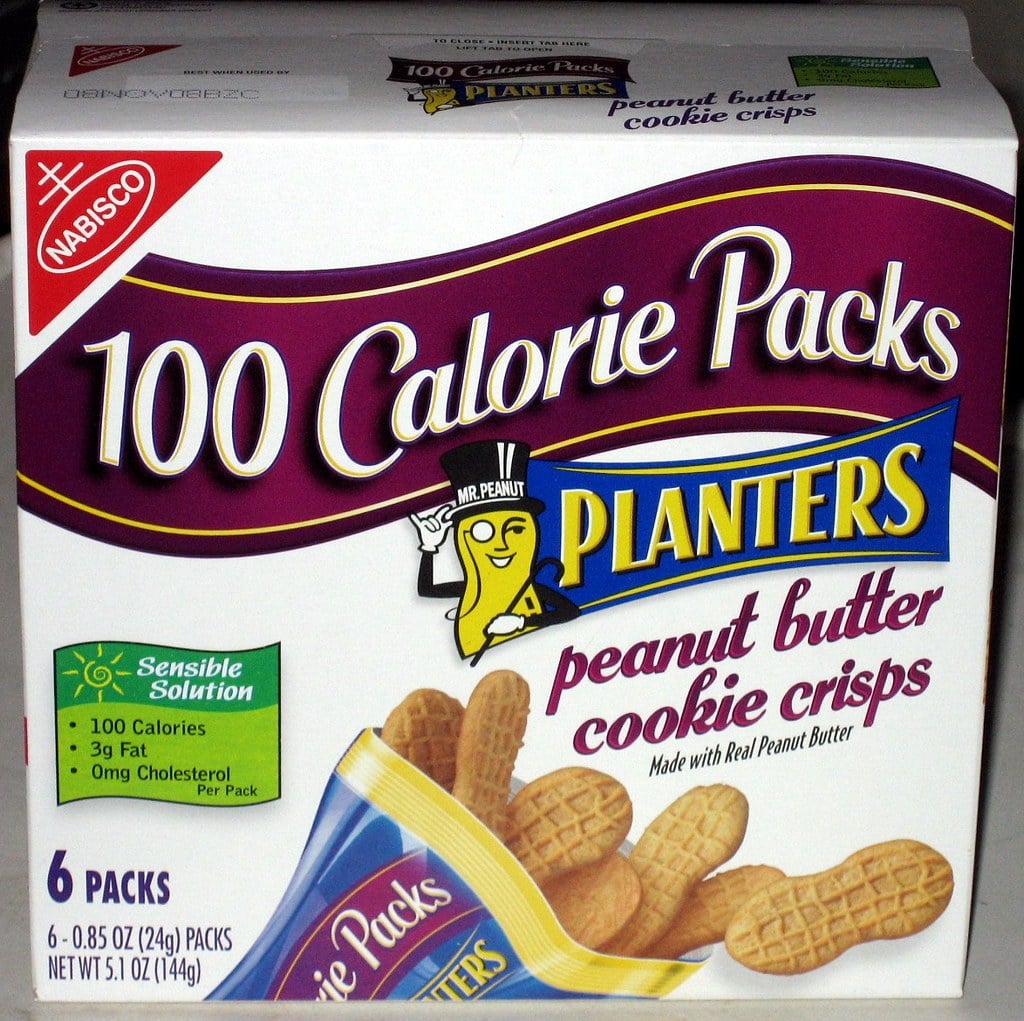
Planters introduced these peanut-shaped, peanut butter-filled cookies in 1992, and they instantly became lunchbox legends. The graham cracker cookies came with a creamy peanut butter filling, and later versions included chocolate creme and even a PB&J variety with strawberry filling.
Planters quietly discontinued them in the mid-1990s, but fans still gather online to demand their comeback.
Squeezits

These squeezable juice bottles hit shelves in 1985 and quickly became the must-have drink for any kid’s lunch. The bottles featured fun character faces like Chucklin’ Cherry and Mean Green Puncher, and half the appeal was crushing the empty bottle afterward.
General Mills stopped making them in 2001, ending an era of colorful, squeezable hydration.
Crystal Pepsi
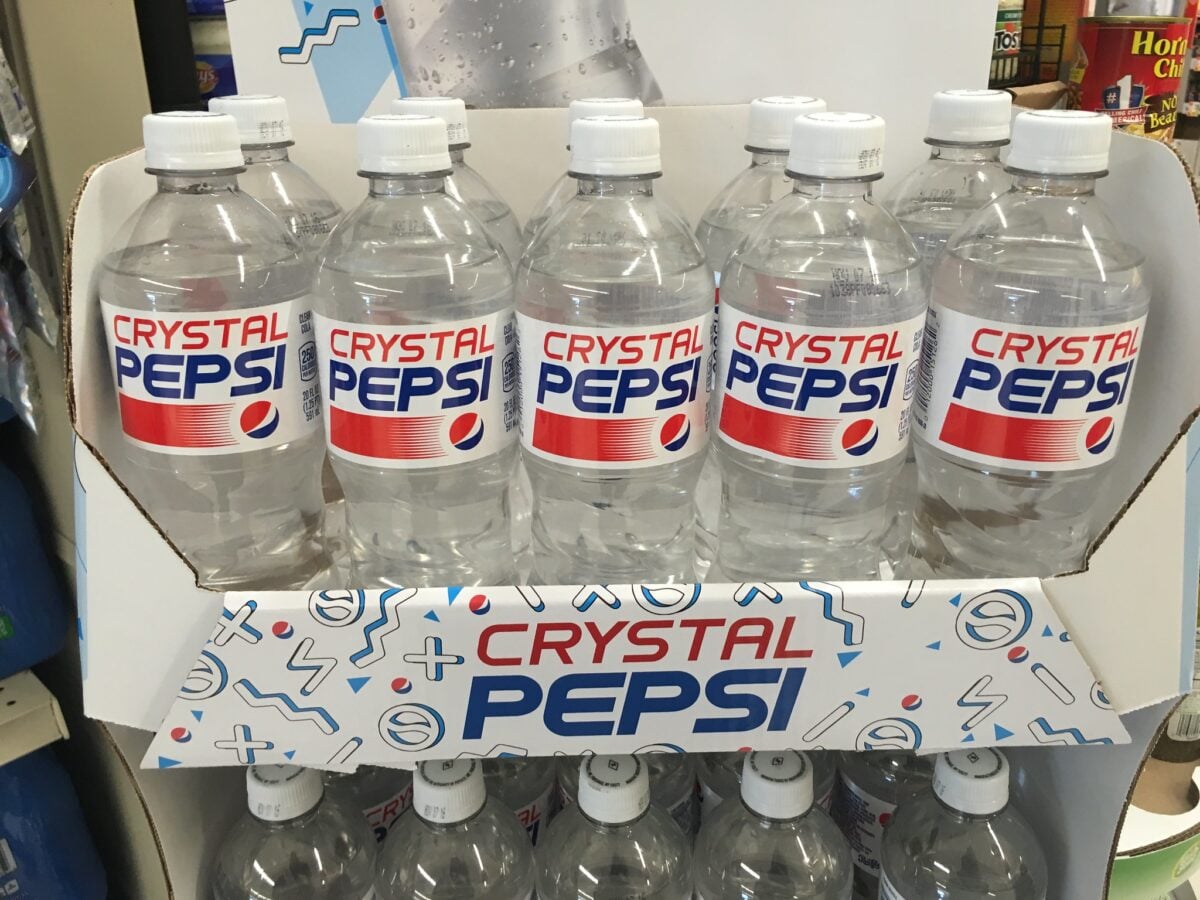
Pepsi’s attempt at a clear cola launched in the early 1990s and created quite a buzz. The caffeine-free drink looked like water but tasted like regular Pepsi, which confused as many people as it impressed.
Saturday Night Live famously parodied it with a crystal-clear gravy sketch, and the product disappeared after a short run, though it occasionally returns for limited nostalgic comebacks.
Fruitopia
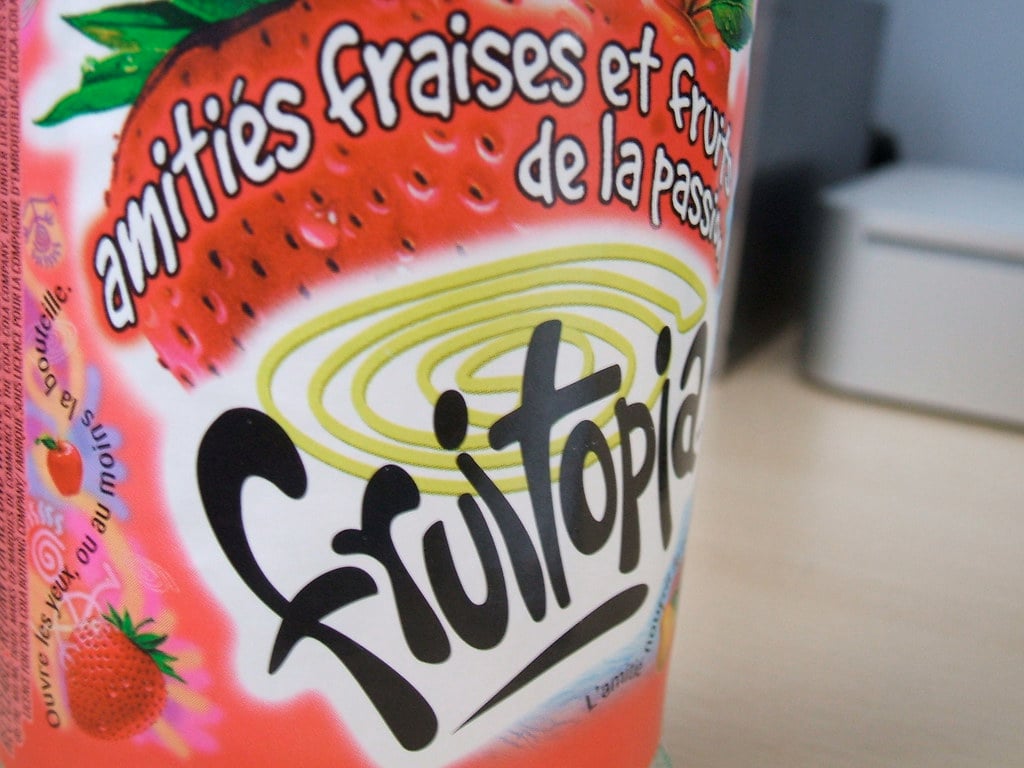
Coca-Cola unleashed this fruit drink line in the mid-1990s with flavors sporting names like ‘Strawberry Passion Awareness’ and ‘Citrus Consciousness.’ The drinks came in distinctive bottles and were so popular that vending machines dedicated entirely to Fruitopia appeared in schools.
The brand faded away in the early 2000s, taking its New Age marketing philosophy with it.
Yogos

Kellogg’s marketed these yogurt-covered fruit snacks as a good source of calcium and vitamin C when they launched in 2005. The colorful spheres looked like tiny lava lamp bubbles and came in flavors like Strawberry Slam and Crazy Berries.
A 2010 exposé revealing their 15-gram sugar content per serving led to declining sales and their discontinuation that same year.
Fruit Wrinkles

Betty Crocker released these raisin-like fruit snacks in 1986, shaped like jelly beans in strawberry, orange, lemon, and cherry flavors. Fans still claim they were the most delicious fruit snacks ever created, with a texture and taste that no modern snack can replicate.
They disappeared in the early 1990s, leaving behind a devoted cult following.
Jell-O Pudding Pops

These frozen pudding treats became a summer staple after their 1970s debut, heavily promoted through television commercials. The pops combined the creamy texture of pudding with the refreshment of a frozen treat.
Jell-O licensed the name to Popsicle in 2004, but the reformulated versions never matched the original, and they faded away by 2011.
3D Doritos
Doritos took chips to another dimension with these puffed, pyramid-shaped snacks in the late 1990s. The three-dimensional design meant more crunch and flavor in every bite, making them incredibly satisfying to eat.
They vanished in the early 2000s but made a comeback in 2021 with Spicy Ranch and Chili Cheese Nacho flavors.
Gator Gum

Gatorade dabbled in chewing gum during the 1970s and 1980s with this sports-themed product. The gum came in original lemon-lime and orange flavors, with packaging that claimed it could quench your thirst.
Most people remained skeptical about gum’s ability to hydrate, and the product disappeared by the 2000s.
Kudos Bars
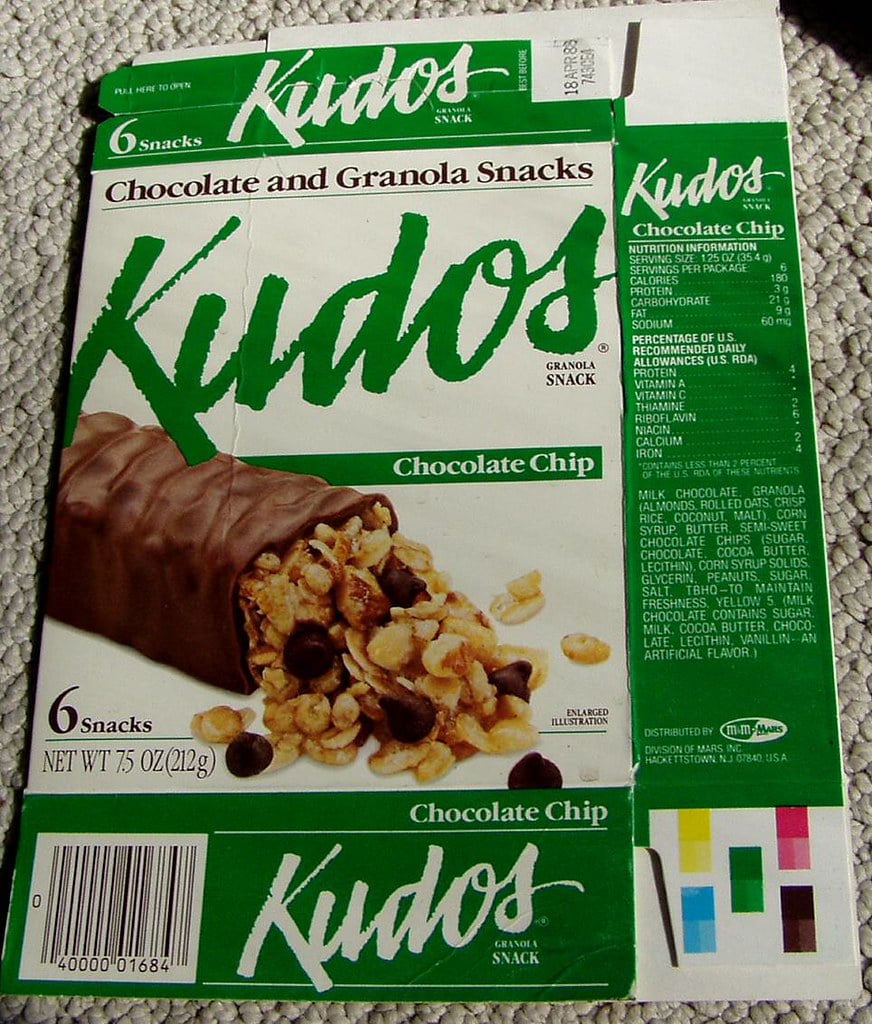
These glorified candy bars masqueraded as a wholesome breakfast option throughout the 1990s and early 2010s. The granola bars featured chocolate from Dove, M&Ms, or Snickers, making them far more dessert than nutritious morning meal.
They quietly disappeared around 2017, though Canadians could still find them a bit longer.
Shark Bites

General Mills created these fruit snacks in the late 1980s, and kids everywhere hunted for the white opaque shark piece in every package. The different colored sharks supposedly had different flavors, though most people swear they all tasted the same.
Modern versions have returned to shelves, but longtime fans insist the recipe changed and they’re just not the same.
Cheese Nips

Nabisco positioned these cheese crackers as a competitor to Cheez-Its, and they held their own for decades. The SpongeBob-shaped versions became particularly popular with kids in the 2000s.
Cheez-Its ultimately won the cheese cracker wars, and Nabisco discontinued Cheese Nips, though they remain available in Canada under the Christie’s label.
Big Stuf Oreo

Nabisco sold these gigantic Oreos individually wrapped from 1984 to 1991. Each cookie weighed in at 316 calories and supposedly took 20 minutes to eat.
The novelty of a supersized Oreo wore off after seven years, and the Big Stuf became a fond memory for those lucky enough to experience one.
Dunkaroos
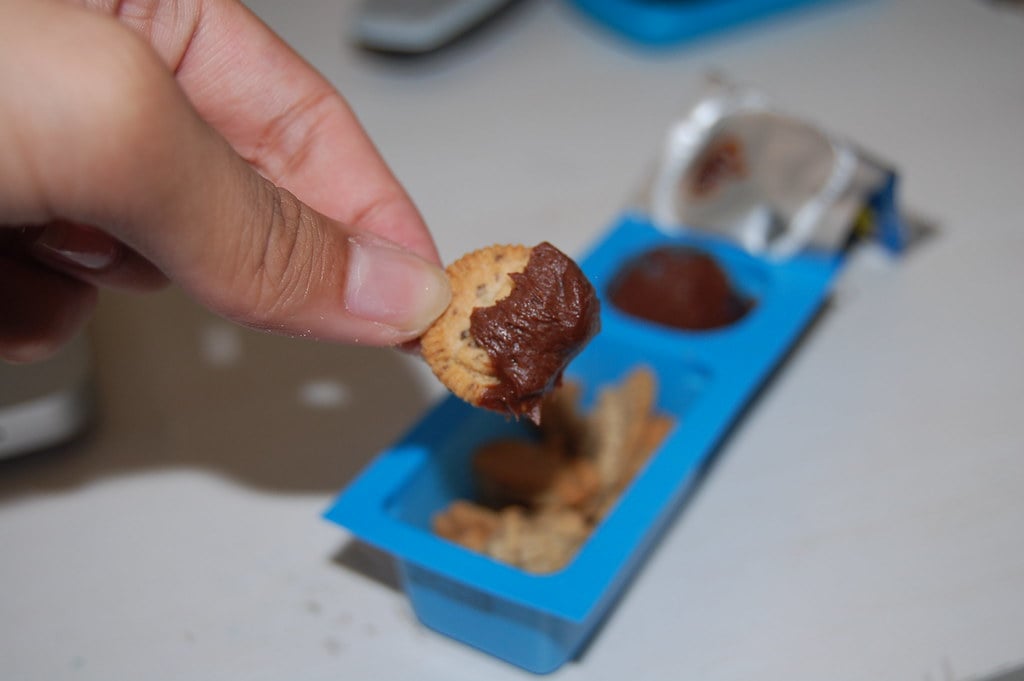
These cookies paired with frosting for dipping became the ultimate lunchbox status symbol in the 1990s. Dunkaroos disappeared from U.S. shelves in 2012, though Canadians kept enjoying them.
American fans organized smuggling operations and online petitions until the snack finally returned to U.S. stores in 2020.
Fruit String Thing

Betty Crocker introduced these spaghetti-like fruit strips in 1994, wrapped into elaborate patterns on cardboard backing. Kids could twist them, braid them, and tie them before eating, making snack time interactive.
The product even partnered with R.L. Stine’s Goosebumps series for special promotions before disappearing in the early 2000s.
The Snack Aisle Time Machine
These forgotten treats remind us that food companies constantly experiment with new ideas, hoping to capture lightning in a bottle. Some snacks disappeared because they were ahead of their time, while others simply couldn’t compete in an ever-changing market.
The occasional comeback of products like Dunkaroos and 3D Doritos proves that nostalgia remains a powerful force, and sometimes the snacks we loved really were as special as we remember them being.
More from Go2Tutors!

- The Romanov Crown Jewels and Their Tragic Fate
- 13 Historical Mysteries That Science Still Can’t Solve
- Famous Hoaxes That Fooled the World for Years
- 15 Child Stars with Tragic Adult Lives
- 16 Famous Jewelry Pieces in History
Like Go2Tutors’s content? Follow us on MSN.