Individuals Who Changed Sports Through Style
Sports have always been about more than just winning and losing. Throughout history, certain athletes have transcended their games not merely through their performance, but through the way they carried themselves, dressed, played, and presented their craft to the world.
These individuals understood something fundamental: style isn’t superficial decoration—it’s a form of communication that can reshape entire sports cultures.
When an athlete brings genuine style to their sport, they’re not just playing differently; they’re expanding what’s possible within that space. They’re showing fans, fellow competitors, and future generations that there are new ways to approach something that might have felt locked in tradition.
The ripple effects often extend far beyond the playing field, influencing fashion, media coverage, fan engagement, and even the fundamental identity of the sport itself.
Muhammad Ali
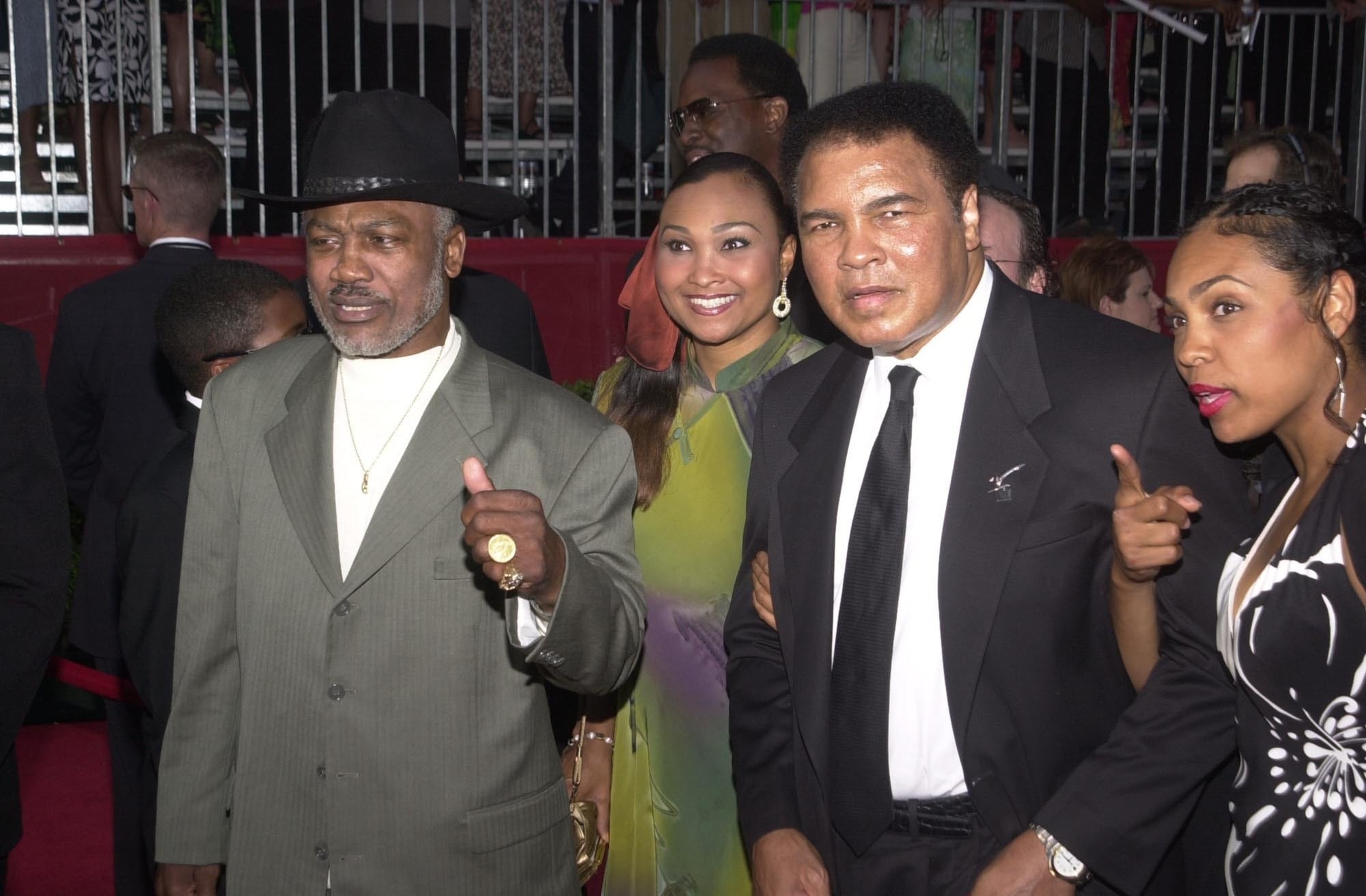
Ali didn’t just box differently—he performed differently. The pre-fight poetry, the theatrical press conferences, the way he moved around the ring like he was dancing at a party where everyone else was working.
Boxing had seen great fighters before Ali, but it had never seen someone who understood that the fight began the moment he stepped in front of a camera.
His verbal sparring was as calculated as his footwork. “Float like a butterfly, sting like a bee” wasn’t just memorable phrasing—it was a complete reimagining of what a heavyweight could be.
And that famous shuffle? Pure theater, designed to frustrate opponents and delight crowds. Ali turned boxing into entertainment without diminishing its essence as sport.
Joe Namath
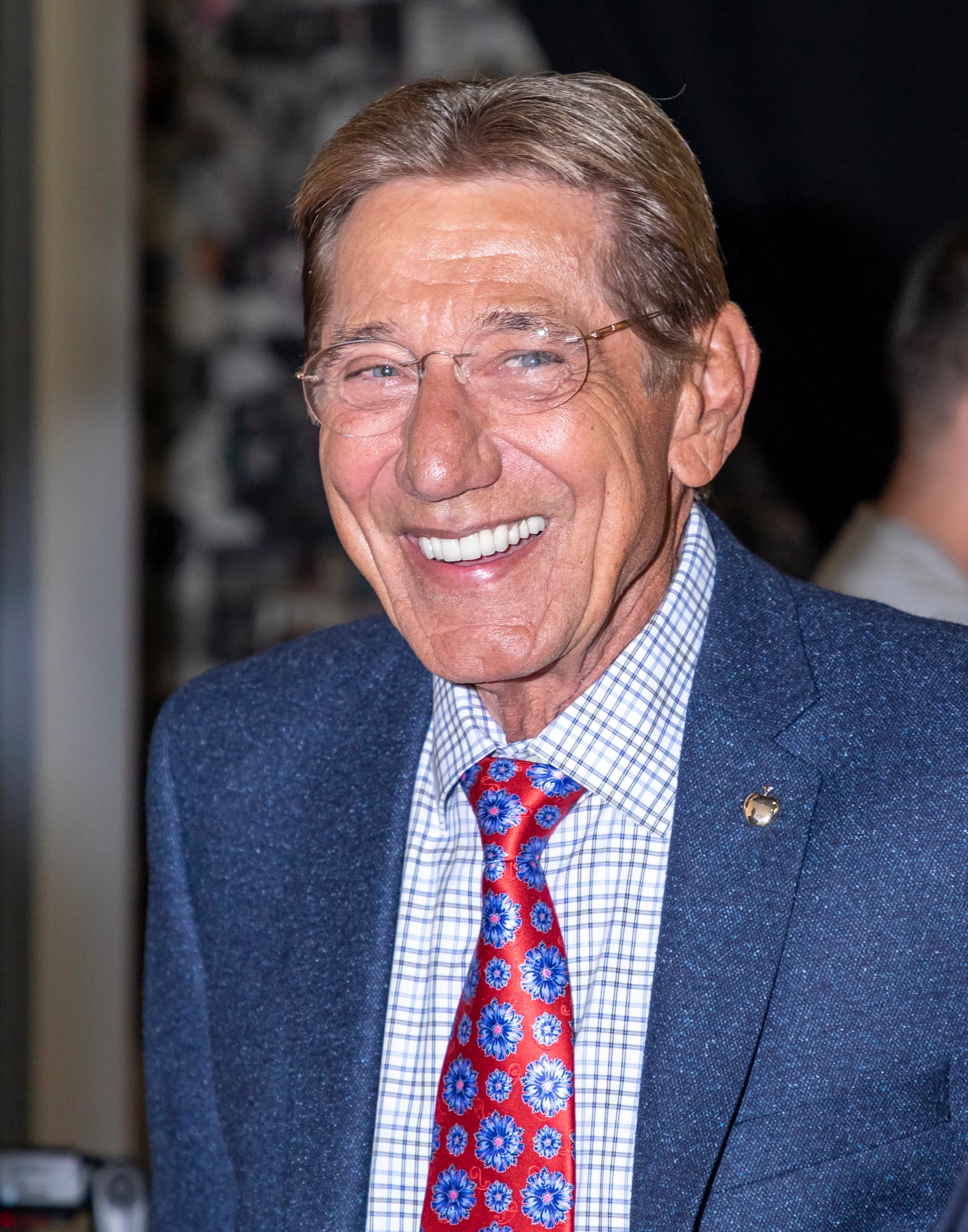
Namath wore a fur coat to games. In 1969. In professional football.
The audacity was so complete that it somehow worked perfectly, which tells you everything about his particular brand of confidence and the moment he inhabited (though the cultural context of that era, with its shifting attitudes toward masculinity and self-expression, certainly helped create the space for such gestures).
Broadway Joe understood that being a quarterback in New York meant being a performer, and he leaned into that role with the kind of shameless commitment that either fails spectacularly or changes everything. It changed everything.
His white cleats, his bachelor lifestyle, his willingness to guarantee victory in Super Bowl III—it was all part of a carefully constructed persona that made football feel more glamorous. And somehow this worked: the AFL-NFL merger that followed wasn’t just about talent parity, but about the kind of star power Namath had demonstrated was possible in professional football.
Magic Johnson
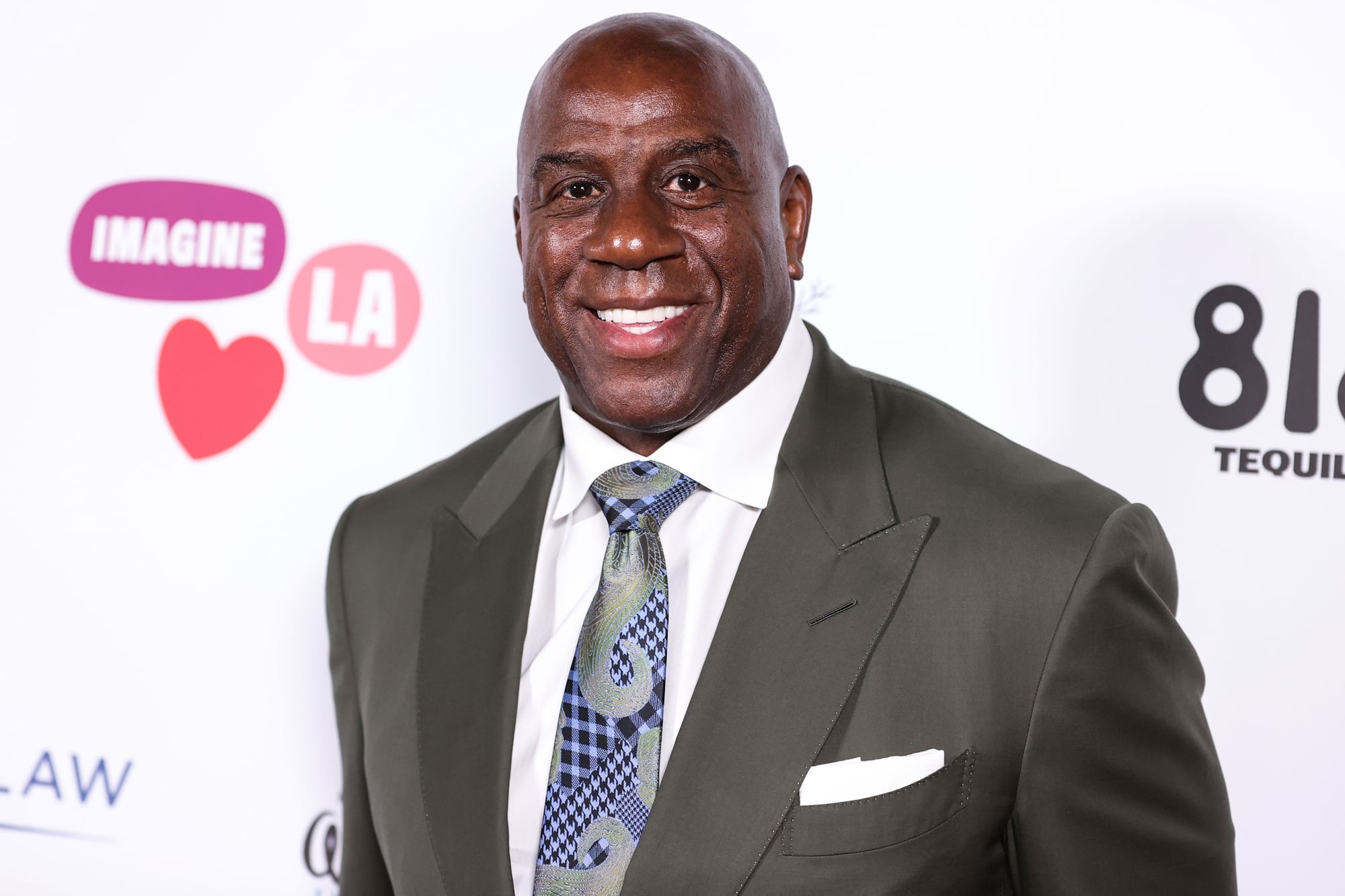
Basketball had been serious business before Magic arrived. Not that it lacked joy, but there was something almost academic about the way the game was often discussed and played—strategies dissected, fundamentals emphasized, efficiency prized above all else.
Magic smiled his way through warm-ups like he was hosting a dinner party where the entertainment happened to be world-class basketball.
The no-look passes were style made functional. Magic could have thrown conventional passes that accomplished the same tactical objective, but where’s the conversation in that?
His flair wasn’t decoration—it was communication, telling teammates, opponents, and fans that basketball could be art and sport simultaneously. The Showtime Lakers became a cultural phenomenon partly because Magic understood that style, when authentic, doesn’t diminish substance but amplifies it.
Billie Jean King
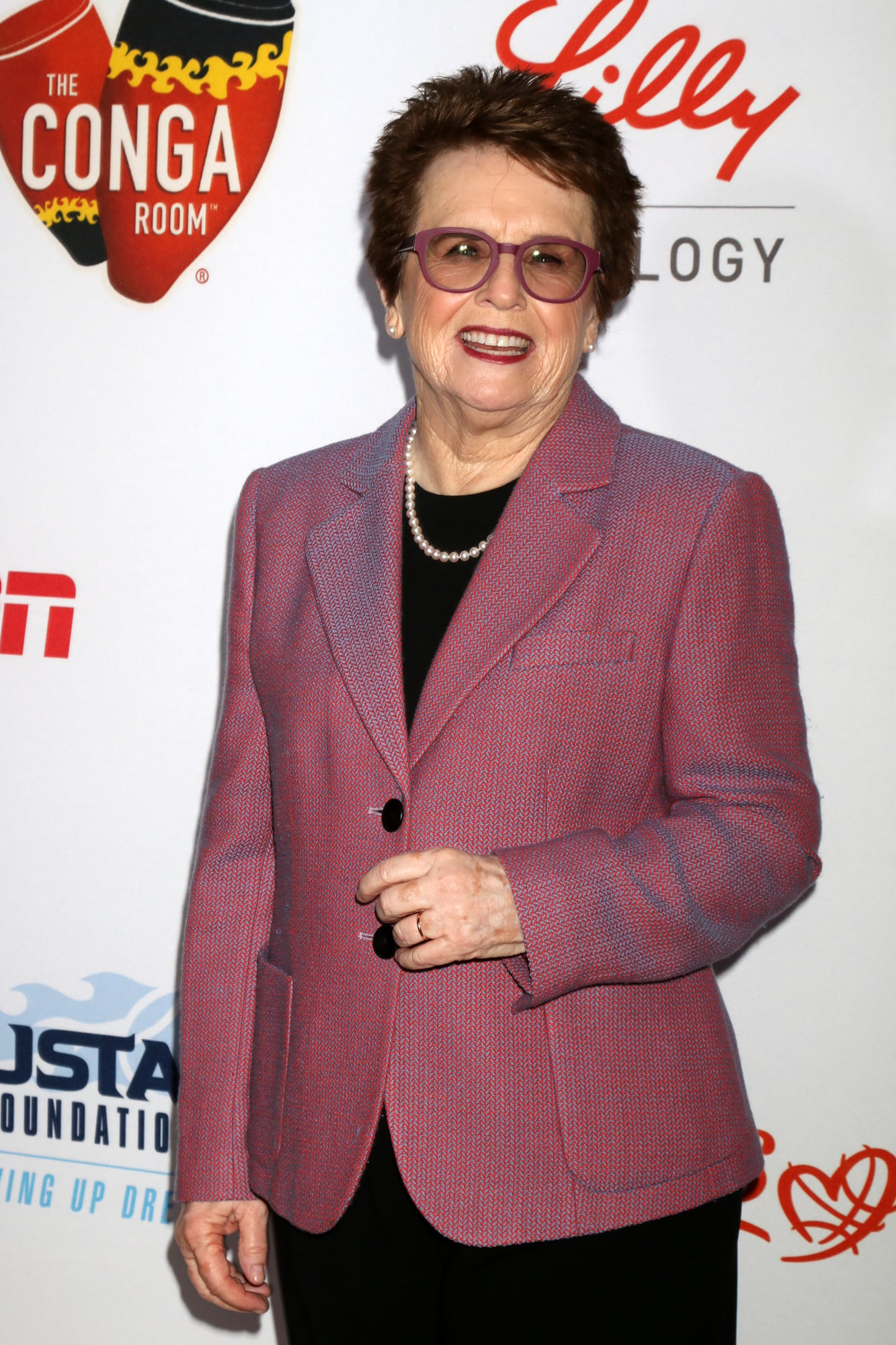
King changed tennis by refusing to treat it like a genteel hobby for the wealthy. Her approach was confrontational in the best sense—she demanded that women’s tennis be taken seriously as both sport and business, and she backed up those demands with a playing style that was as aggressive as her advocacy.
The 1973 “Battle of the Sexes” match against Bobby Riggs was pure theater, but King played it like the serious competition it needed to be. She wore the same focused intensity she brought to Wimbledon, understanding that this exhibition match was actually about the future of professional women’s sports.
Style here meant refusing to play along with the circus atmosphere while still acknowledging the stage she was on.
Dennis Rodman
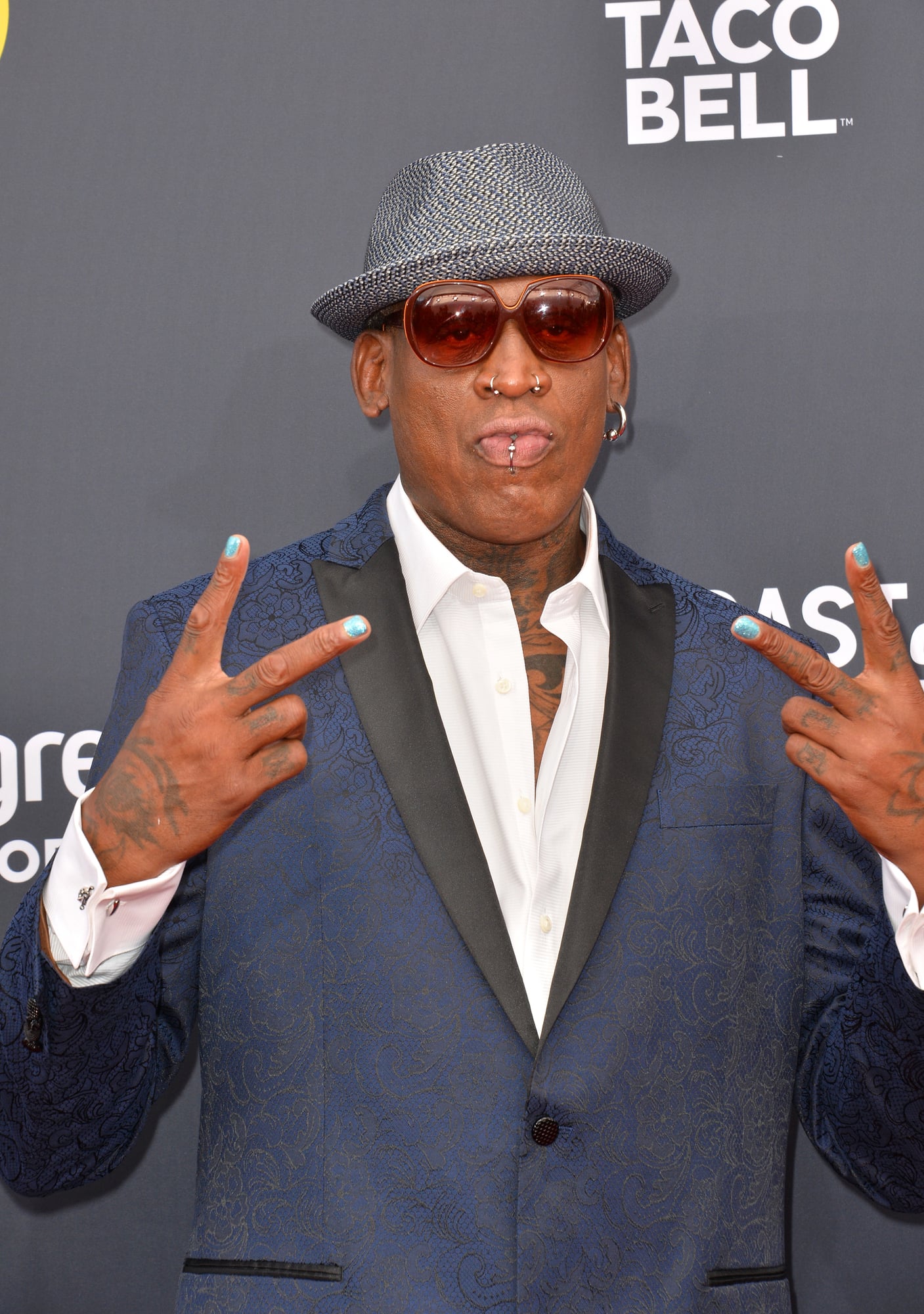
Rodman figured out that basketball stardom didn’t have to look like basketball stardom had always looked, which sounds simple until you consider how rigid sports culture can be about acceptable forms of self-expression. The hair colors, the tattoos, the wedding dress—it was all genuine expression from someone who happened to be incredibly gifted at basketball’s least glamorous tasks (rebounding, defense, the grunt work that wins championships but rarely gets highlight reels).
But here’s what made it work: Rodman never let his off-court persona compromise his on-court value. He remained obsessively dedicated to the aspects of basketball that helped teams win games.
His style was rebellion, but it was rebellion backed by undeniable professional competence. Teams put up with the circus because Rodman delivered when it mattered.
Tiger Woods
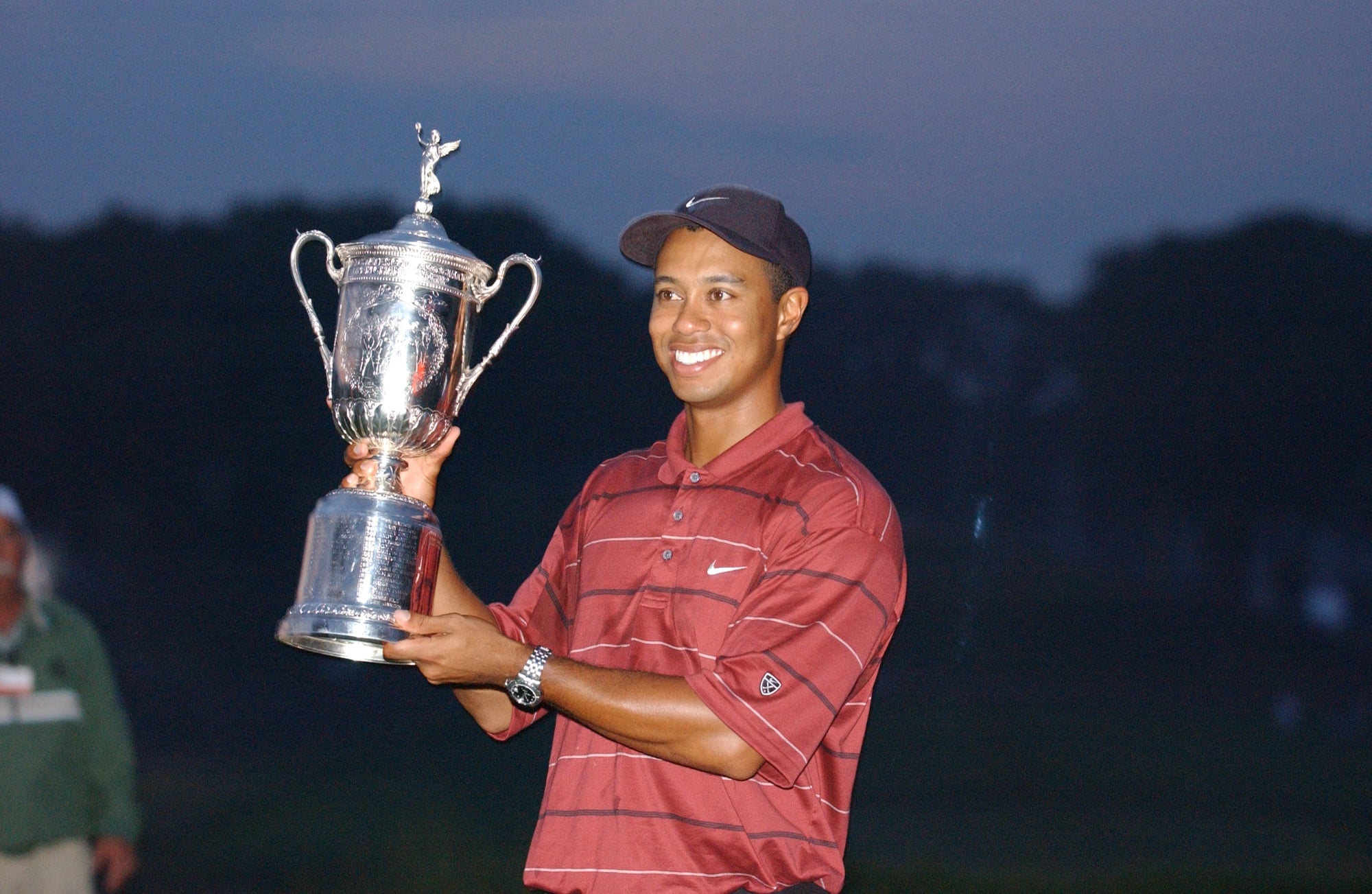
Golf before Tiger was a sport that seemed content with its limitations—country club atmosphere, hushed commentators, a certain demographic homogeneity that felt both comfortable and static (the Augusta National Golf Club didn’t admit Black members until 1990, just to put the timeline in context). Tiger arrived wearing red shirts on Sundays, pumping his fist after crucial putts, and playing with an intensity that felt borrowed from other sports.
Golf had never seen anyone celebrate quite like that.
The red shirt became iconic partly because it was so deliberately chosen—Tiger understood the psychology of intimidation and the power of visual consistency. But the real style revolution was in how he approached the game itself: aggressive course management, fearless shot-making, and an emotional investment that made golf feel urgent in a way it rarely had before.
Galleries started following golf the way they followed basketball or football, and prize money increased accordingly.
Serena Williams
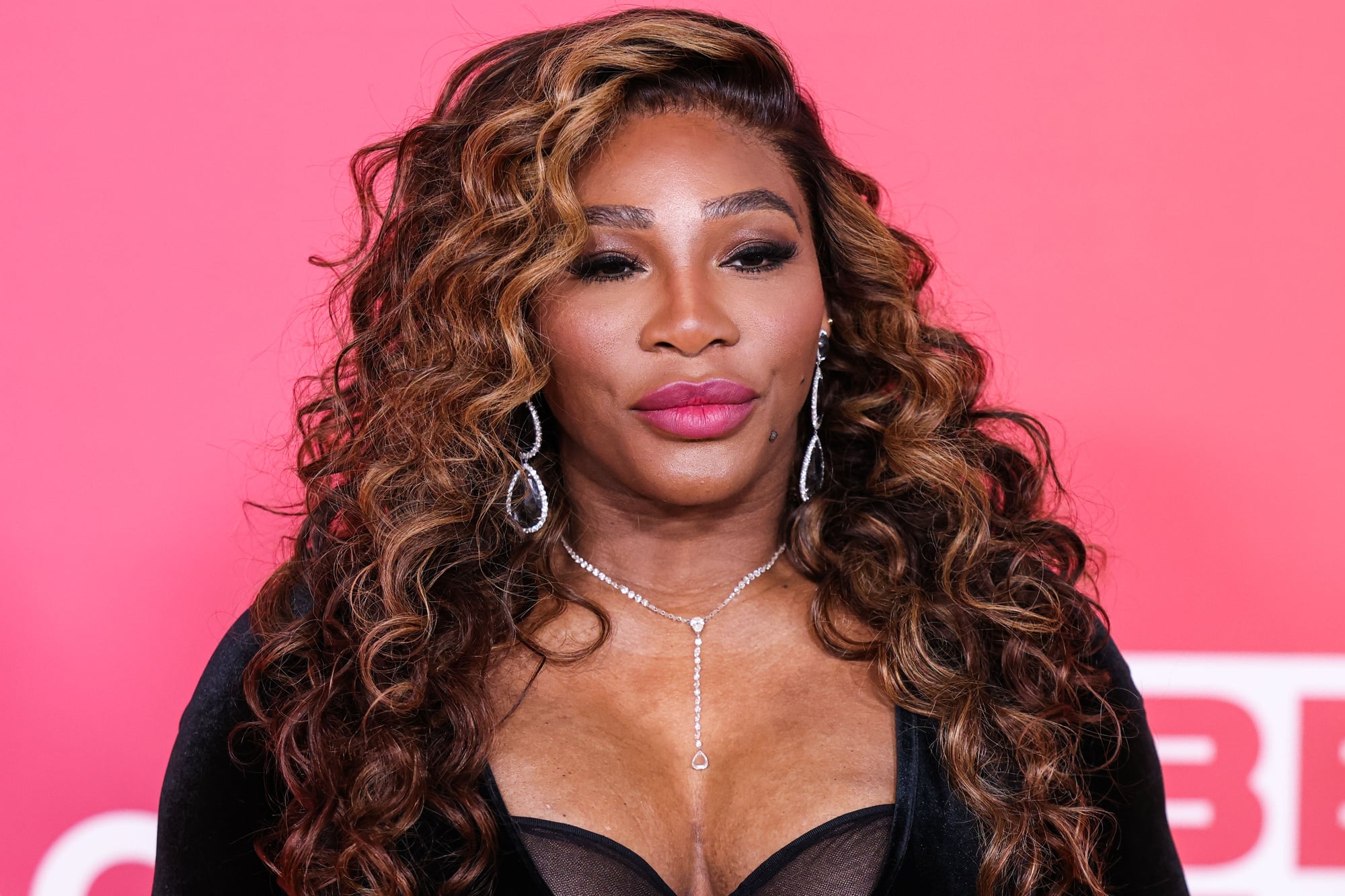
Tennis whites had been the standard for over a century when Serena started showing up in custom Nike outfits that treated the tennis court like a fashion runway. The black catsuit at the 2018 French Open wasn’t just stylish—it was medical equipment designed to prevent blood clots—but the combination of function and bold aesthetic choice captured something essential about how Serena approached her sport.
Her celebration style was equally revolutionary. The intensity, the emotion, the refusal to apologize for wanting to win badly—it changed how women’s tennis was covered and discussed.
Serena played with the kind of visible passion that had always been acceptable in men’s sports but was often criticized when displayed by female athletes. She persisted anyway, and the sport became more dynamic as a result.
Allen Iverson
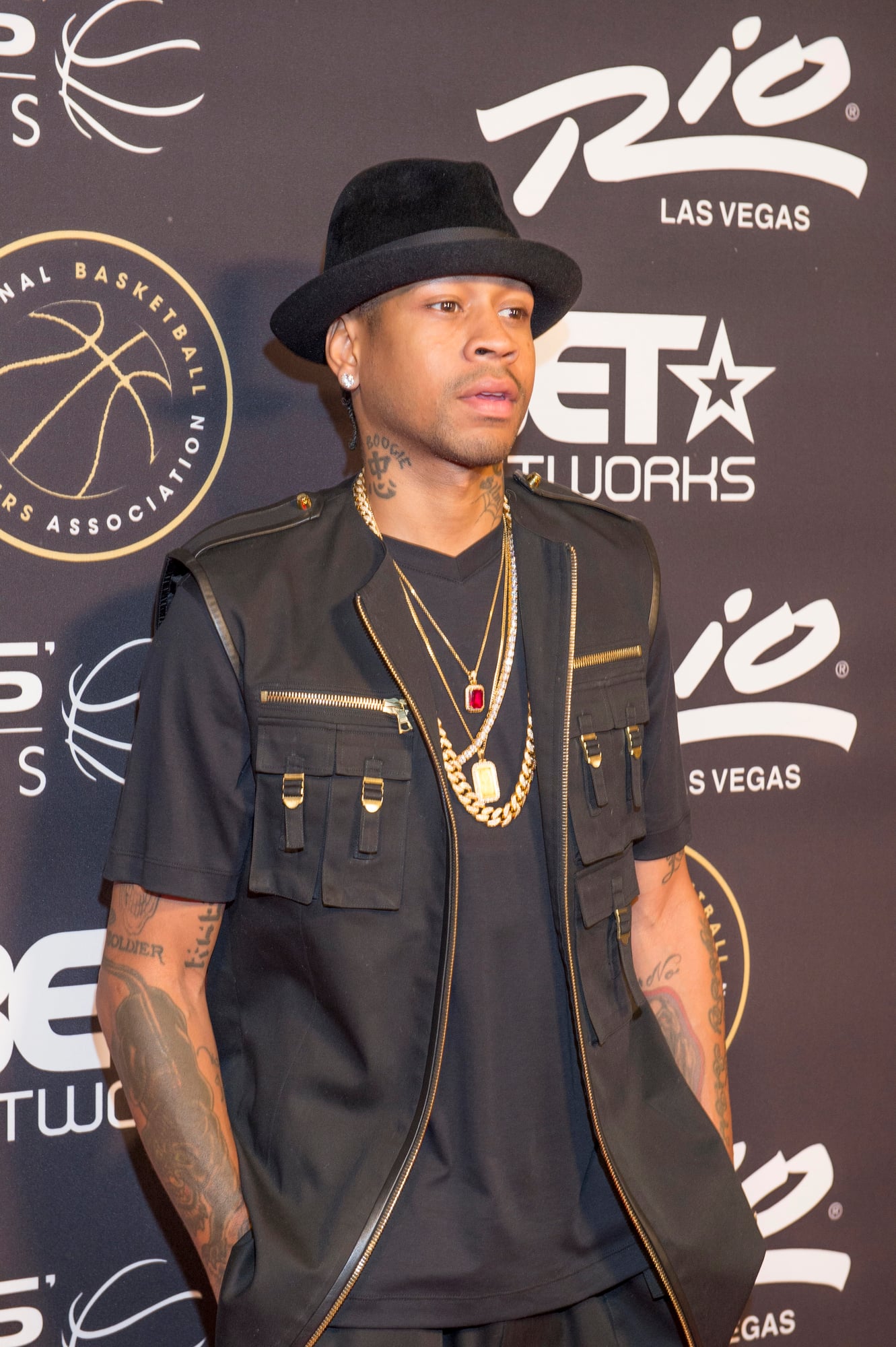
The NBA had a dress code problem, and Allen Iverson was the problem—or the solution, depending on how you viewed the league’s relationship with hip-hop culture and the broader question of athlete self-expression (the fact that the dress code wasn’t implemented until 2005, well into Iverson’s career, tells you something about the tensions that had been building around these issues). Iverson showed up to games in chains, durags, and baggy clothes because that’s how he dressed in real life, and he saw no reason why becoming a professional basketball player should require him to cosplay as someone else.
The cornrows, the tattoos, the way he wore his uniform—it was all authentic expression from someone who played basketball with the same unapologetic intensity he brought to everything else. The crossover wasn’t just a basketball move; it was a cultural statement about whose game basketball could be.
Wayne Gretzky
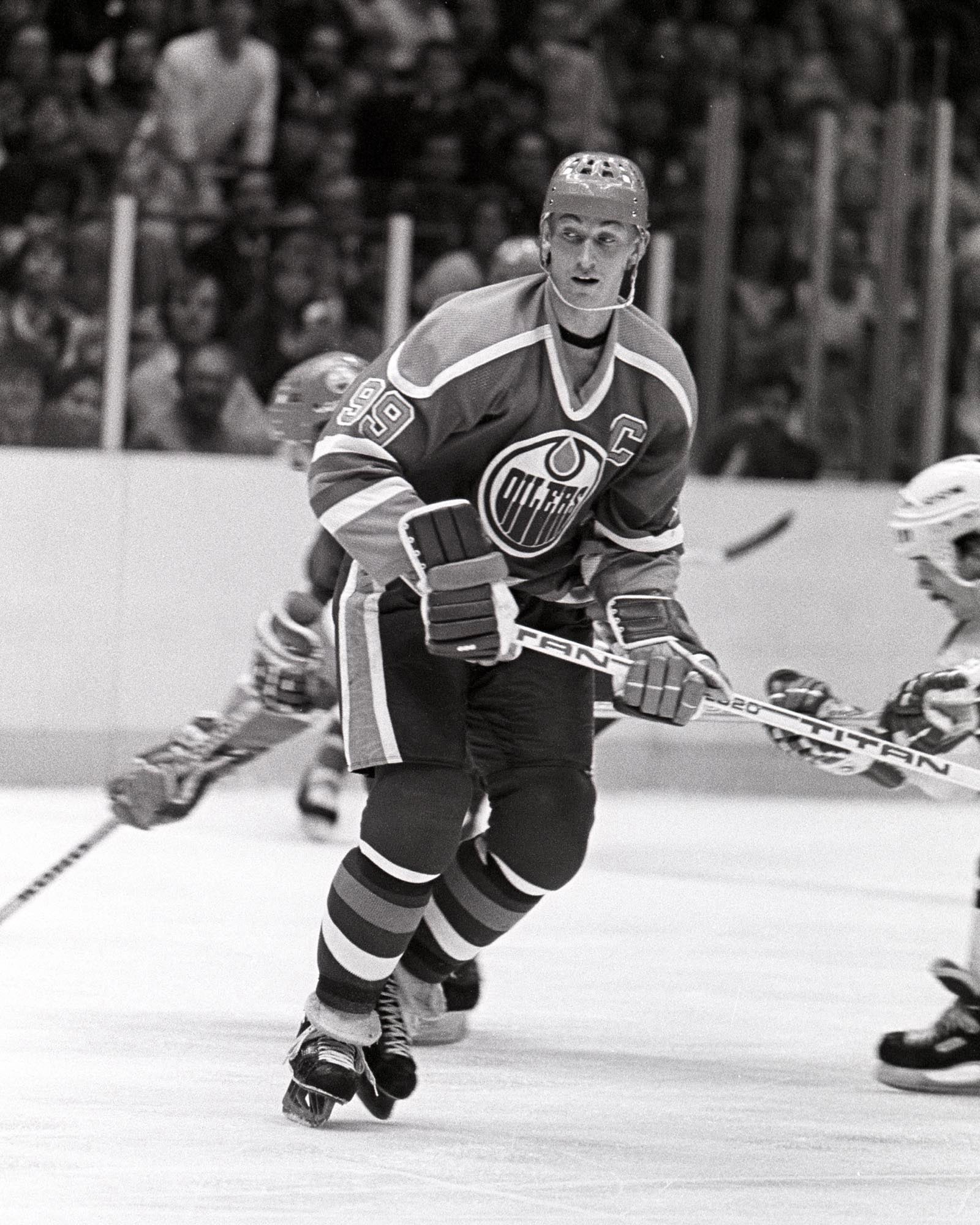
Hockey had always been about toughness and grinding out wins through physical play and defensive discipline, which made Gretzky’s approach feel almost revolutionary: he played like he was conducting an orchestra where everyone else was playing in a garage band, finding passing lanes and scoring opportunities that other players couldn’t even see (his famous quote about skating to where the puck was going, not where it had been, wasn’t just strategy—it was a different way of understanding time and space on the ice).
The tucked-in jersey became iconic partly because it looked so deliberately old-fashioned in a sport that was becoming increasingly modern.
His style was intellectual rather than physical, strategic rather than confrontational. Gretzky changed hockey by proving that finesse could dominate a sport that had always celebrated brute force.
And he did it while looking like he was having more fun than anyone else on the ice.
Deion Sanders
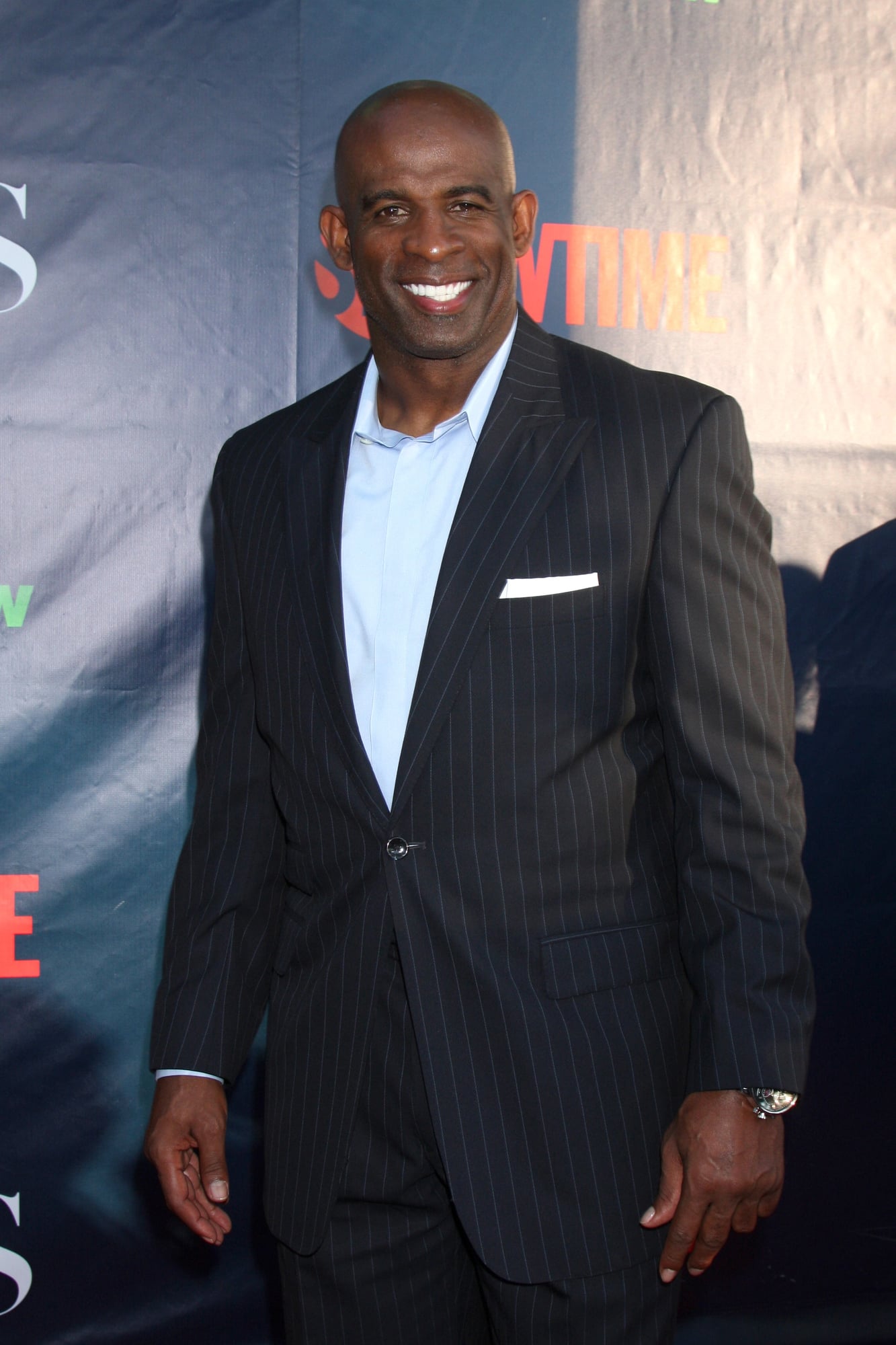
Sanders played two professional sports simultaneously and somehow made both look effortless, which should have been impossible but felt inevitable when you watched him do it. The high-stepping into the end zone, the elaborate celebrations, the diamond stud earrings—it was all performance art designed to enhance rather than distract from exceptional athletic ability.
Prime Time understood that being great at sports wasn’t enough; you had to be memorable. His style was about confidence made visible, and it worked because the performance was always backed by production.
Sanders could celebrate because he consistently delivered moments worth celebrating.
Andre Agassi
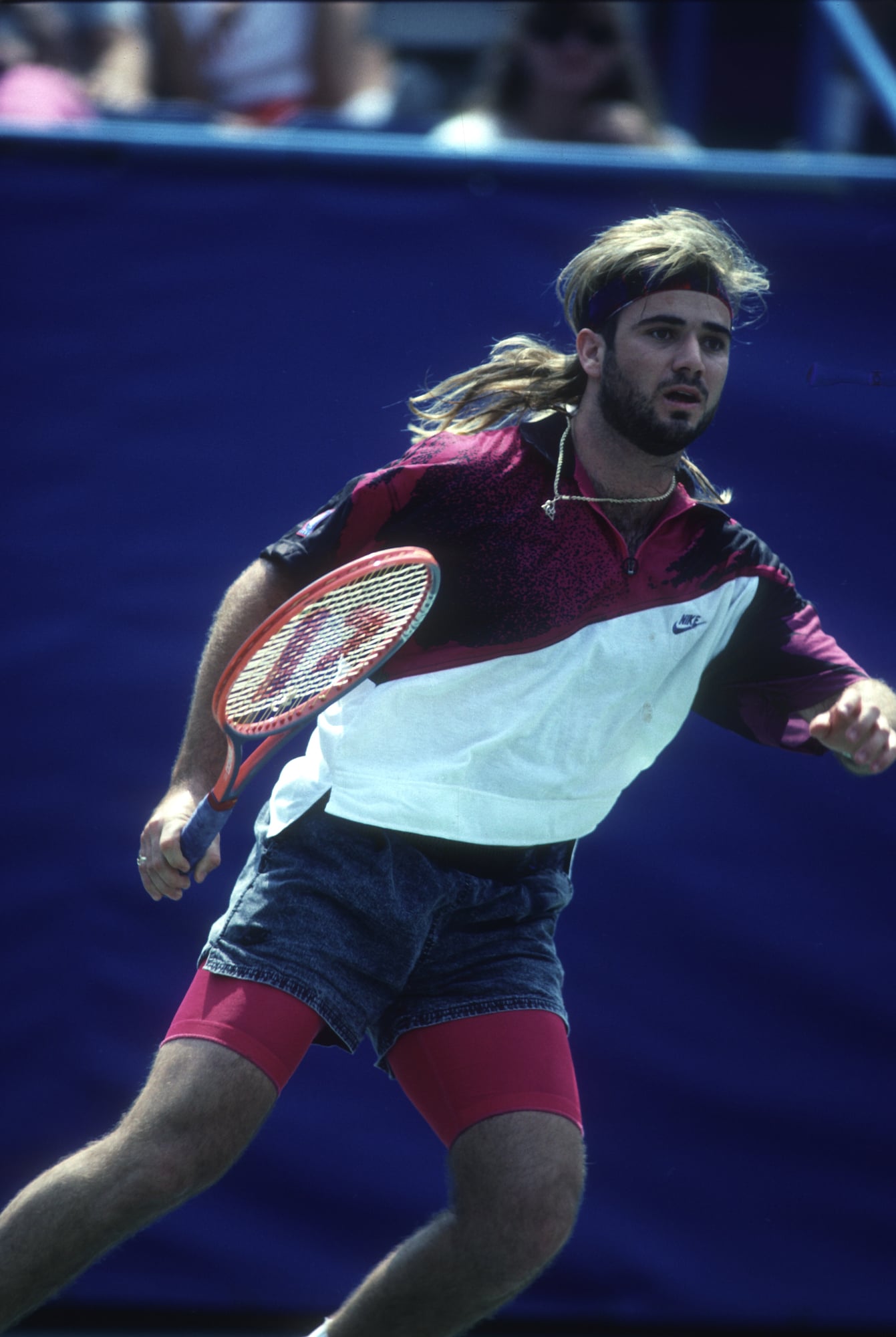
Tennis had been about tradition and respectful adherence to established norms until Agassi showed up with long hair, neon colors, and a serve-and-volley game that prioritized power over finesse (though his eventual evolution into a baseline player would prove even more revolutionary, demonstrating that style could mature without losing its essential character).
The “Image is Everything” Canon camera campaign wasn’t just marketing—it was a manifesto about the relationship between athletic performance and personal expression.
His eventual transformation—shaved head, stripped-down game, focus on fundamentals—was itself a style choice, proving that authenticity could look like rebellion or discipline depending on what the moment required. Agassi’s career arc showed that style wasn’t static; it could evolve as the athlete evolved.
Pelé
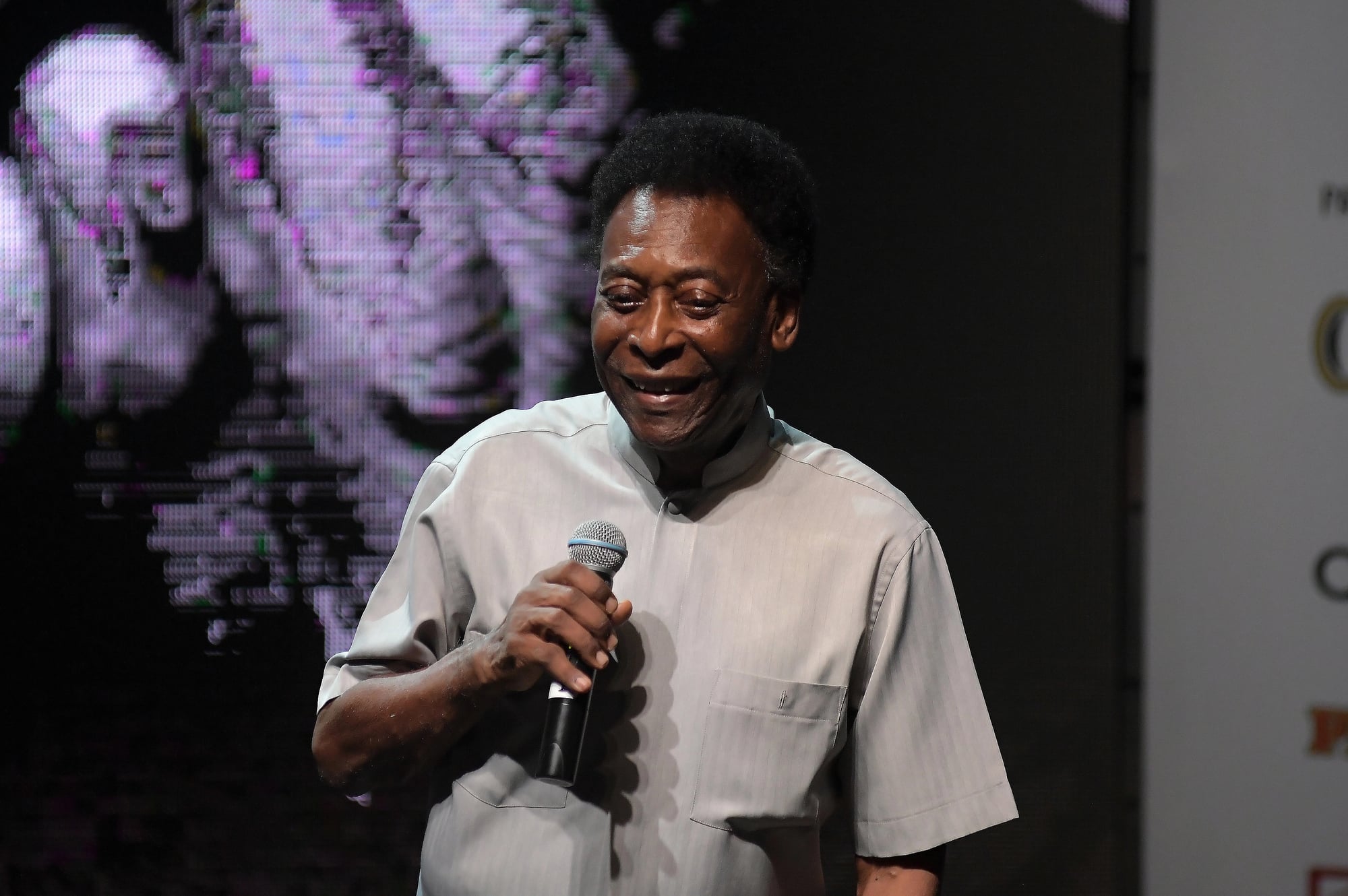
Soccer before Pelé was often a regional sport with regional heroes, but Pelé played like he understood he was performing for a global audience that didn’t exist yet but would exist because of players like him. The bicycle kicks, the creativity, the joy he brought to every touch of the soccerball—it wasn’t just skillful play, it was an invitation to fall in love with soccer.
His style transcended technique and became something closer to artistry. Pelé made soccer feel like the world’s game partly through his skill, but also through the evident pleasure he took in playing it.
Style here meant making the beautiful game actually beautiful to watch.
The Lasting Impact
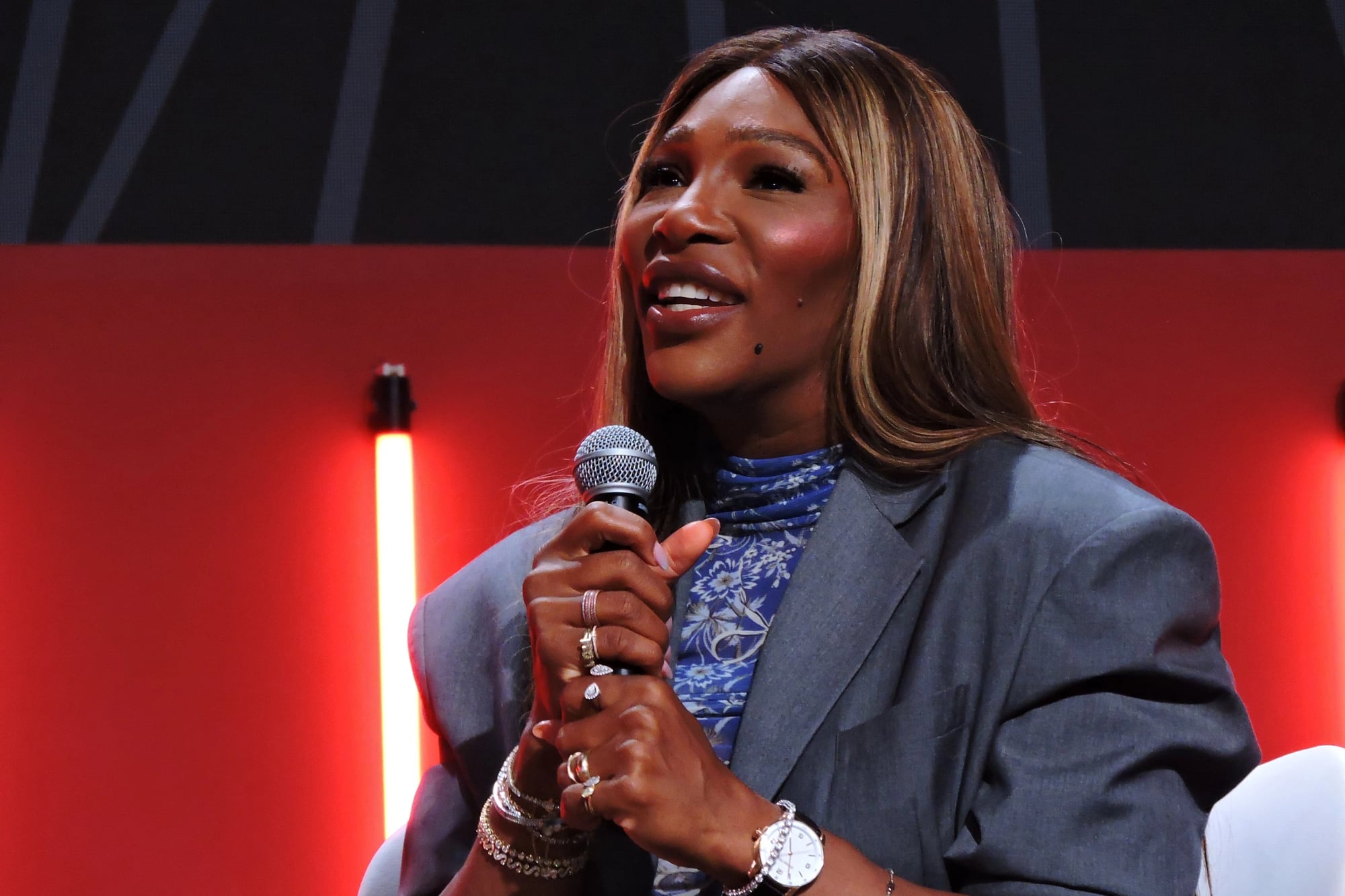
These athletes understood something fundamental about the relationship between individual expression and cultural change. They didn’t just play their sports differently; they expanded the possibilities for how their sports could be played, covered, marketed, and understood by fans.
Their influence extended beyond their own careers, creating space for future athletes to bring their own authentic selves to competition.
Style in sports isn’t superficial when it’s genuine—it’s a form of leadership that shows others new ways to approach familiar challenges. The athletes who changed sports through style didn’t abandon excellence in favor of flash; they found ways to make excellence more compelling, more personal, and ultimately more human.
Their legacy lives on in every athlete who refuses to choose between being great and being themselves.
More from Go2Tutors!

- The Romanov Crown Jewels and Their Tragic Fate
- 13 Historical Mysteries That Science Still Can’t Solve
- Famous Hoaxes That Fooled the World for Years
- 15 Child Stars with Tragic Adult Lives
- 16 Famous Jewelry Pieces in History
Like Go2Tutors’s content? Follow us on MSN.