15 Lost Kingdoms We Forgot
History textbooks tend to focus on the same familiar empires – Rome, Egypt, the Aztecs, and a handful of others that dominated their regions for centuries. But scattered across time and continents were dozens of powerful kingdoms that once commanded vast territories, influenced trade routes, and shaped the cultures around them, only to fade into obscurity when larger powers absorbed them or internal conflicts tore them apart.
These forgotten realms often possessed sophisticated governments, impressive architecture, and military might that rivaled their more famous contemporaries. Their stories reveal how quickly even the mightiest kingdoms can disappear from collective memory when the right combination of circumstances aligns against them.
Here is a list of 15 lost kingdoms that once held significant power but have largely vanished from popular consciousness.
Kingdom of Kush

The Kingdom of Kush dominated the region of modern-day Sudan and was a major regional power until the fourth century AD, when it weakened and disintegrated amid worsening climatic conditions, internal rebellions, and foreign invasions. This African kingdom actually conquered and ruled Egypt for nearly a century, with Kushite pharaohs becoming the 25th Dynasty of Egypt around 727 BCE.
The kingdom’s wealth came from gold mines and its position as a trade hub between sub-Saharan Africa and the Mediterranean world, making it one of the richest nations of its time.
Kingdom of Gandhara
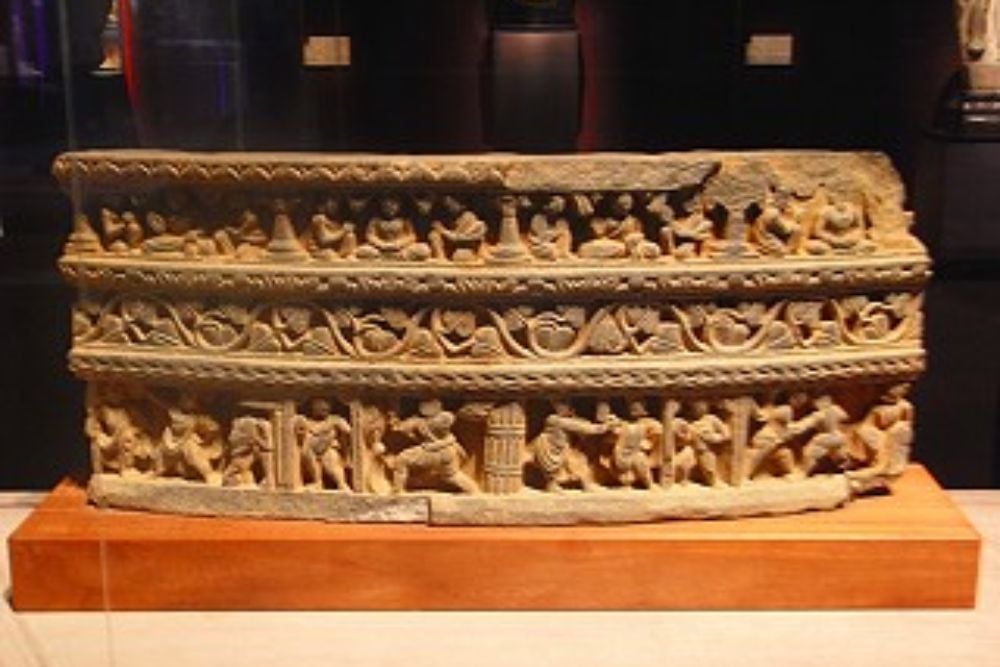
The lost kingdom of Gandhara was nestled in the mountains of what is today Pakistan and Afghanistan, spanning a region abundant with water between the Kabul and Indus rivers. This kingdom became famous for its unique blend of Greek, Indian, and Persian cultures after Alexander the Great passed through the region.
Gandhara produced some of the world’s most beautiful Buddhist art and served as a crucial stop along the Silk Road, but it gradually faded as trade routes shifted and new powers emerged in Central Asia.
Like Go2Tutors’s content? Follow us on MSN.
Visigothic Kingdom

Although the Visigoth kingdom is now forgotten by most modern people, it was instrumental in the fall of Rome and made the Muslim conquest of Spain easier than it would have been otherwise. The Visigoths established a kingdom in what’s now Spain and southern France that lasted from 418 to 711 CE.
They developed a sophisticated legal system and maintained Roman administrative structures while blending Germanic and Roman cultures, but their kingdom collapsed when Muslim armies invaded the Iberian Peninsula.
Kingdom of Aksum
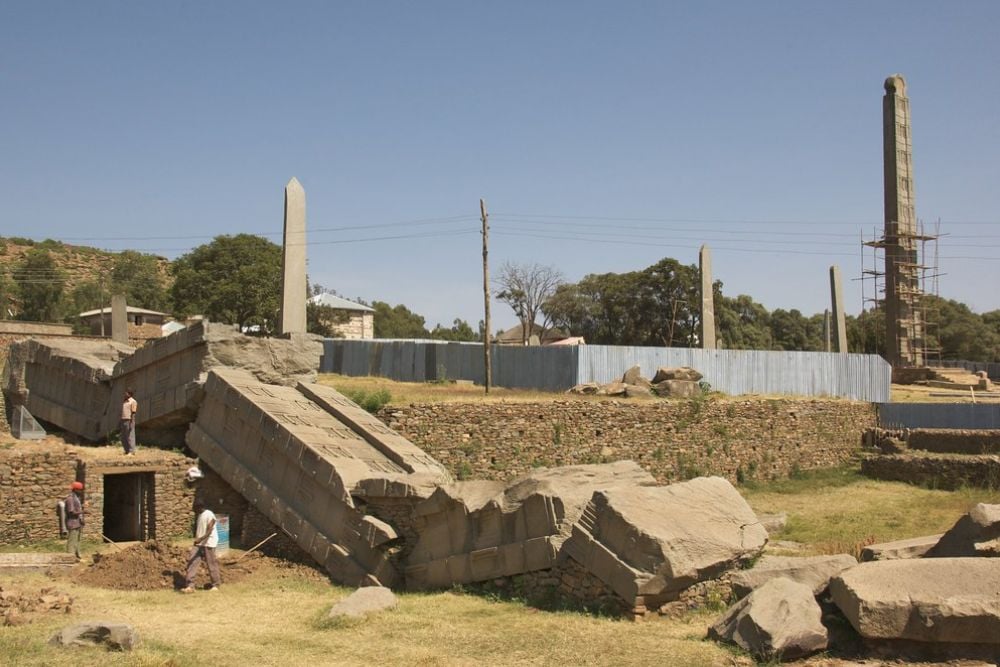
The Ethiopian Kingdom of Aksum invaded and contributed to Kush’s collapse in the fourth century AD, while also establishing three Christian kingdoms: Nobatia, Makuria and Alodia. Aksum controlled trade between the Roman Empire and Ancient India, making it one of the four great powers of its time alongside Rome, Persia, and China.
The kingdom issued its own currency and erected massive stone obelisks that still stand today, but it gradually declined as Islamic expansion cut off its trade routes to the Mediterranean.
Sogdiana
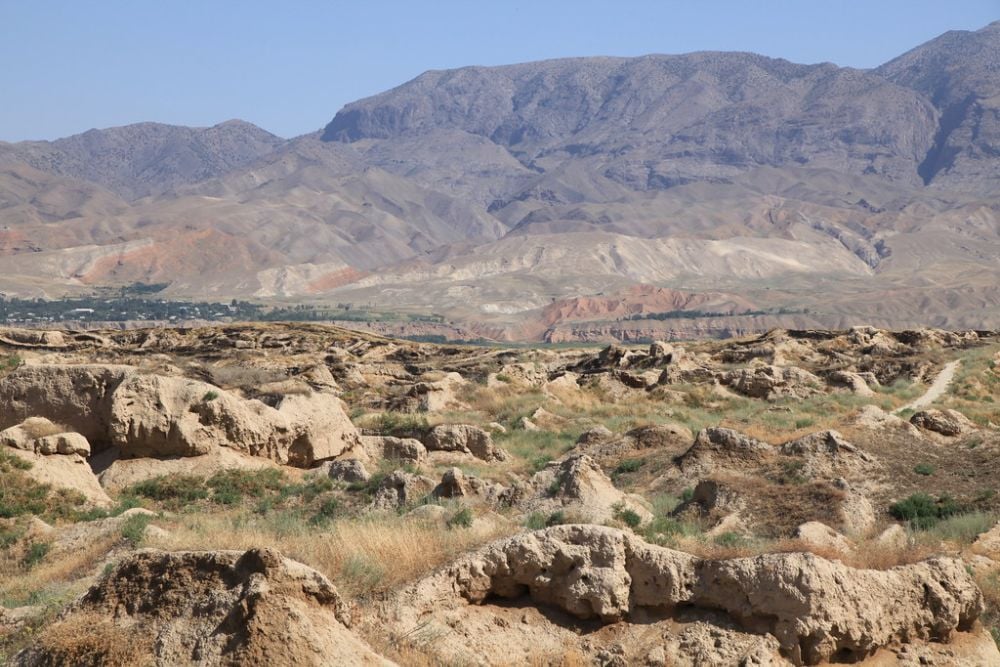
The kingdom of Sogdiana occupied parts of modern Uzbekistan and Tajikistan and became incredibly wealthy by controlling key segments of the Silk Road. Sogdian merchants were so successful that their language became the lingua franca of Central Asian trade, much like English is today for international business.
The kingdom maintained its independence for centuries by playing larger powers against each other, but it eventually succumbed to Arab conquest in the 8th century and was absorbed into the expanding Islamic world.
Like Go2Tutors’s content? Follow us on MSN.
Kingdom of Northumbria

Northumbria emerged as the most powerful Anglo-Saxon kingdom in early medieval Britain, stretching from the Humber River to the Scottish Highlands. The kingdom produced some of Europe’s greatest scholars and monks, including the Venerable Bede, and its monasteries preserved classical knowledge during the Dark Ages.
Viking raids in the 9th century devastated Northumbria’s monasteries and weakened its power, leading to its eventual absorption by the emerging Kingdom of England.
Silla Kingdom
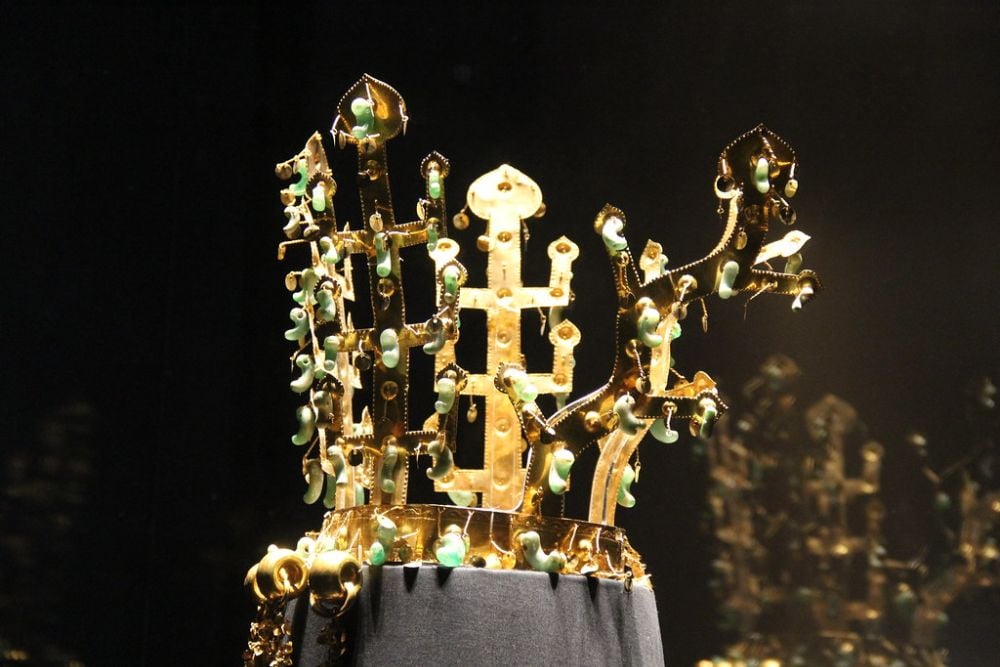
The Kingdom of Silla unified the Korean Peninsula in 668 CE after centuries of warfare with the rival kingdoms of Goguryeo and Baekje. Silla created a sophisticated Buddhist culture and maintained diplomatic relations with Tang Dynasty China, adopting Chinese governmental structures while preserving Korean identity.
The kingdom’s rigid bone rank system eventually led to internal conflicts and rebellions that caused its collapse in 935 CE, when it was replaced by the Goryeo Dynasty.
Kingdom of Champa
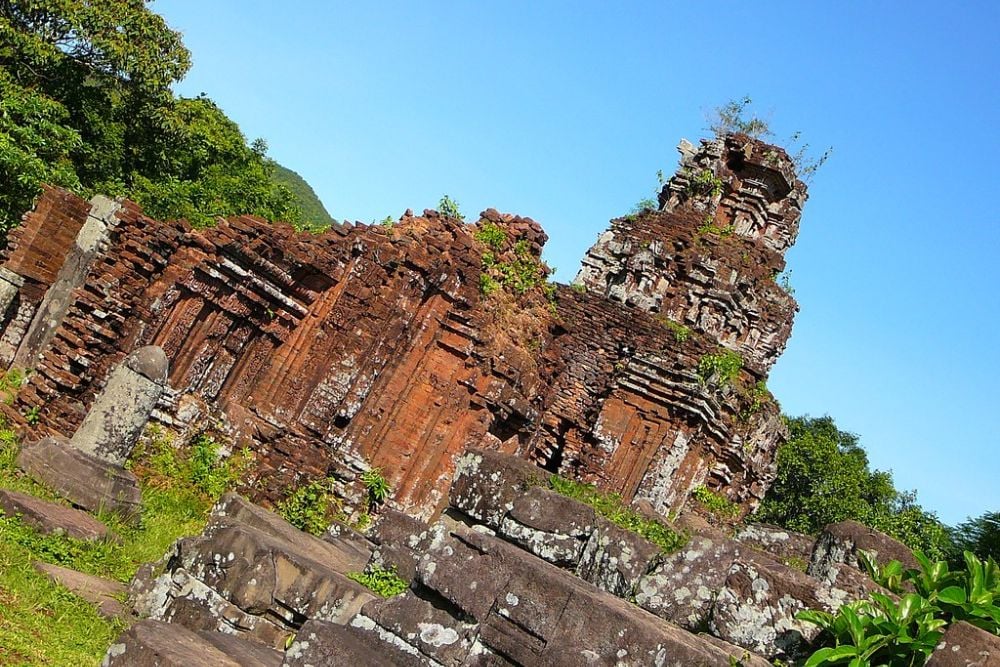
The Kingdom of Champa controlled much of what is now central and southern Vietnam from the 2nd to 19th centuries, though its power peaked much earlier. Cham rulers built impressive Hindu temples and maintained a powerful navy that dominated South China Sea trade routes.
The kingdom gradually lost territory to the expanding Vietnamese state through a process called ‘Nam tiến’ (southward expansion), with the final remnant falling to French colonial control in 1832.
Like Go2Tutors’s content? Follow us on MSN.
Burgundian Kingdom
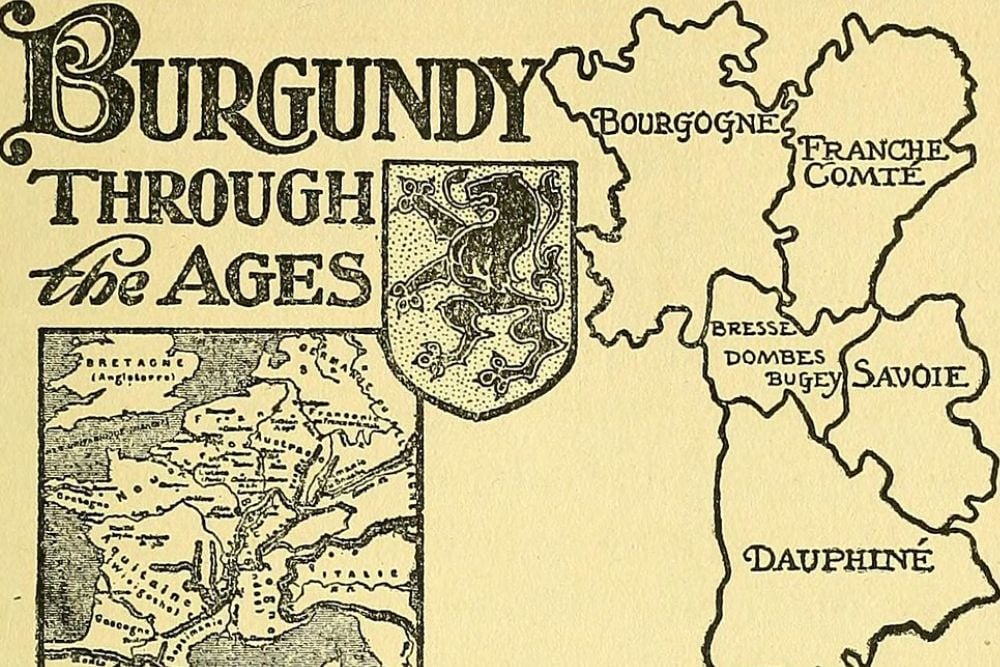
The Kingdom of Burgundy emerged from the chaos following Rome’s collapse and at its height controlled territories in what are now France, Switzerland, and parts of Italy. The Burgundians developed a sophisticated court culture and legal system that influenced medieval European governance.
The kingdom fragmented into several smaller states over time, with different portions being absorbed by France and the Holy Roman Empire, leaving behind only the famous wine region that bears its name.
Kingdom of Mercia
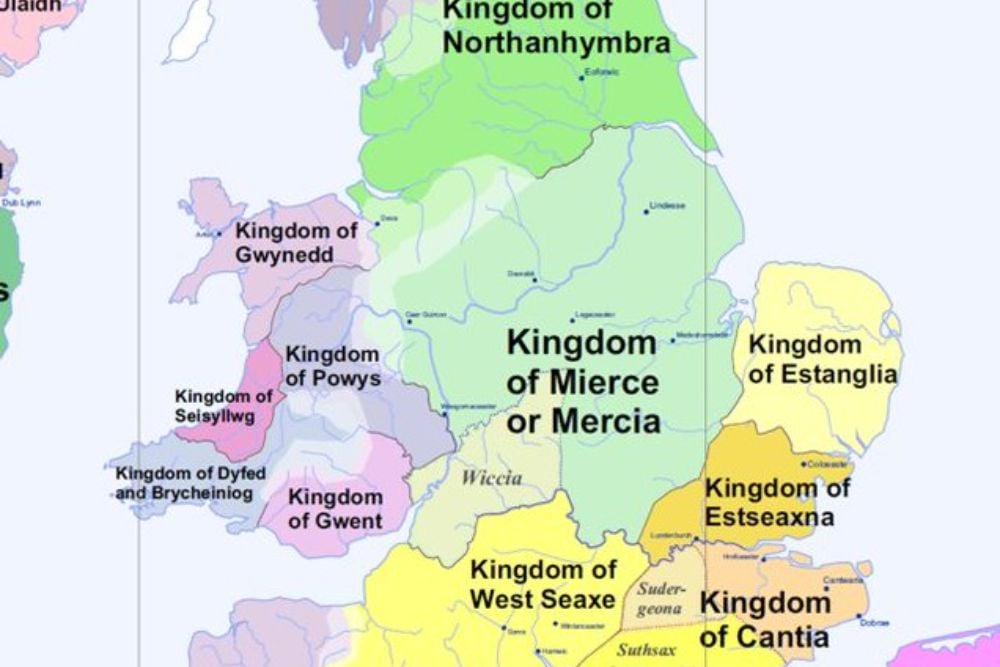
Mercia dominated central England during the 7th and 8th centuries, controlling territory from the Thames to the Humber River. King Offa of Mercia was so powerful that Charlemagne treated him as an equal in diplomatic correspondence, and Offa’s Dyke (an earthwork barrier along the Welsh border) still exists today.
The kingdom’s power waned after conflicts with Vikings and the rising Kingdom of Wessex, which eventually united England under Alfred the Great’s descendants.
Bactrian Kingdom
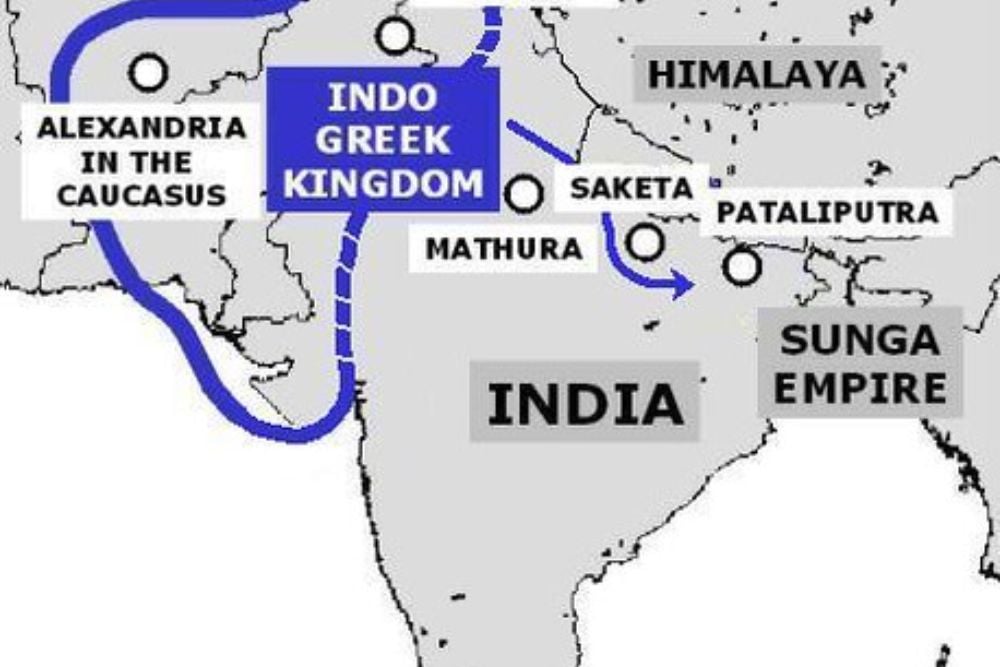
The Greco-Bactrian Kingdom emerged when Greek settlers in modern Afghanistan broke away from the Seleucid Empire around 250 BCE. These Greek rulers adopted local customs while maintaining Hellenistic culture, creating a unique fusion that produced some of the world’s most beautiful ancient coins.
The kingdom controlled crucial trade routes and even invaded India, but it gradually succumbed to nomadic invasions and internal divisions, disappearing around 125 BCE.
Like Go2Tutors’s content? Follow us on MSN.
Kingdom of Kanem
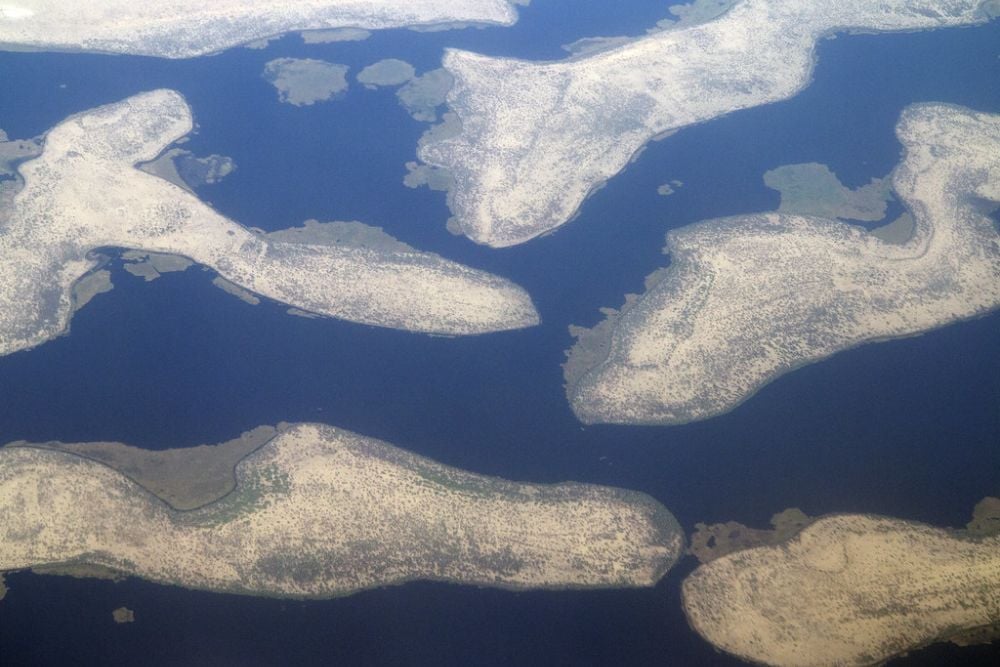
The Kingdom of Kanem arose around Lake Chad in the 9th century and became one of Africa’s longest-lasting medieval states. The kingdom grew wealthy by controlling trans-Saharan trade routes and converting to Islam, which helped establish diplomatic relations with North African states.
Kanem later merged with the Bornu Empire to form Kanem-Bornu, which survived in various forms until the early 20th century, making it one of the most enduring of Africa’s forgotten kingdoms.
Chola Kingdom

The Chola Kingdom of southern India reached its peak between the 9th and 13th centuries, creating one of history’s most powerful maritime empires. Chola naval forces controlled the Indian Ocean and established colonies in Southeast Asia, while their sophisticated administrative system influenced governance across the region.
The kingdom declined due to pressure from the Pandyan Kingdom and the Delhi Sultanate, fragmenting into smaller states that were eventually absorbed by the Vijayanagara Empire.
Kingdom of Leon

The Kingdom of Leon emerged in northwestern Spain after the fall of the Visigothic Kingdom and played a crucial role in the Christian Reconquista of the Iberian Peninsula. Leon’s kings claimed to be the legitimate heirs of the Visigothic kingdom and led many of the early campaigns against Muslim rule.
The kingdom gradually lost power as Castile grew stronger, and it was permanently united with Castile in 1230, though it maintained a separate identity for centuries afterward.
Like Go2Tutors’s content? Follow us on MSN.
Kingdom of Arles
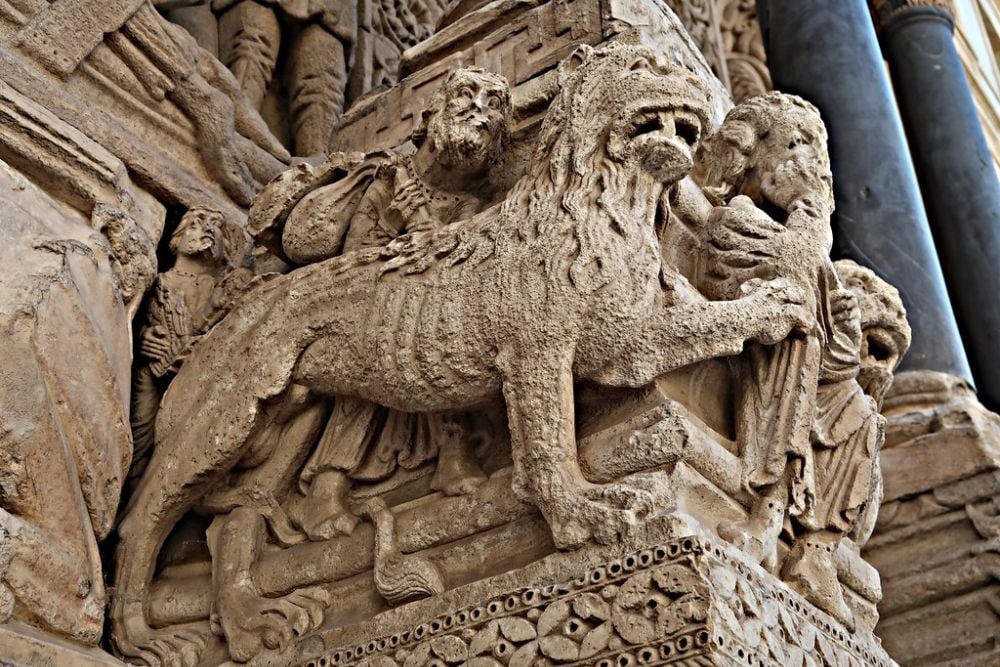
The Kingdom of Arles controlled southeastern France and parts of Switzerland and Italy from 933 to 1378 CE, serving as a buffer between France and the Holy Roman Empire. The kingdom maintained nominal independence while its rulers navigated complex relationships with more powerful neighbors.
Arles gradually lost its autonomy as French royal power expanded, eventually being absorbed into France through a combination of inheritance disputes and political maneuvering.
The Echoes That Remain
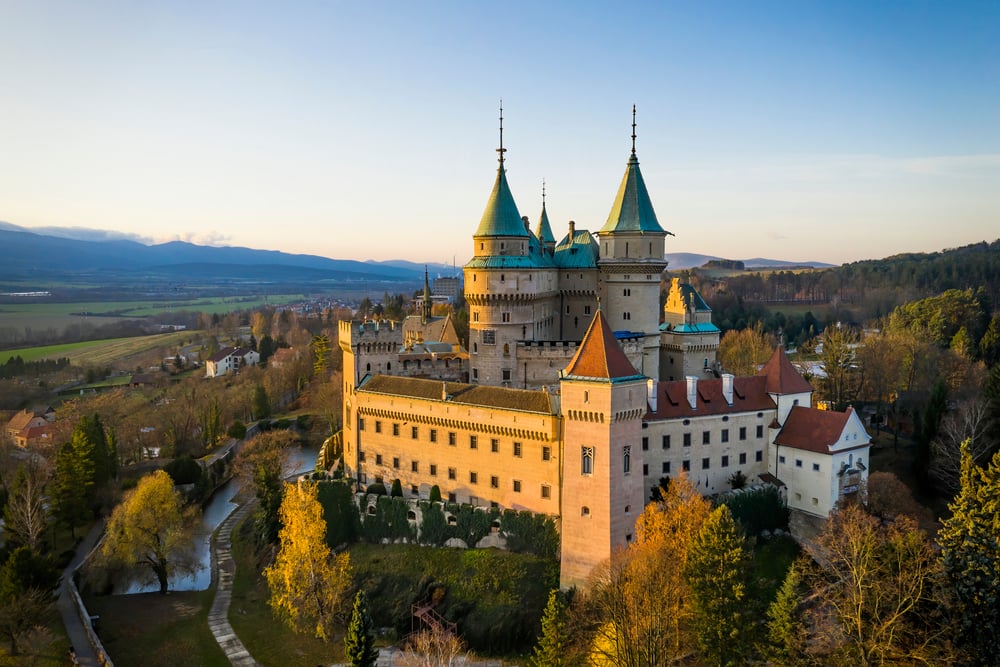
These forgotten kingdoms remind us that political power is often more fragile than it appears. Many of these realms lasted longer than some modern nations have existed, yet they’ve faded from memory because their successors either absorbed their achievements or deliberately erased their legacies.
The languages, laws, and cultural practices they developed often survived their political structures, influencing the world in ways we barely recognize today. While their borders have vanished from maps and their royal lines have ended, the foundations they laid continue to shape the regions they once ruled, proving that even forgotten kingdoms leave permanent marks on history.
More from Go2Tutors!

- 16 Historical Figures Who Were Nothing Like You Think
- 12 Things Sold in the 80s That Are Now Illegal
- 15 VHS Tapes That Could Be Worth Thousands
- 17 Historical “What Ifs” That Would Have Changed Everything
- 18 TV Shows That Vanished Without a Finale
Like Go2Tutors’s content? Follow us on MSN.



