Why Memorial Day Matters
The long weekend arrives every year like clockwork. Barbecues get planned, pools open, summer unofficially begins.
But somewhere between the sales advertisements and travel plans, the actual reason for Memorial Day can get lost in the shuffle. This isn’t just another three-day weekend—it’s a day set aside to honor those who gave everything in service to their country.
Understanding what Memorial Day truly represents changes how you experience it. The meaning runs deeper than parades and flag displays, touching something fundamental about sacrifice, memory, and what we owe to those who came before us.
Honoring the Ultimate Sacrifice
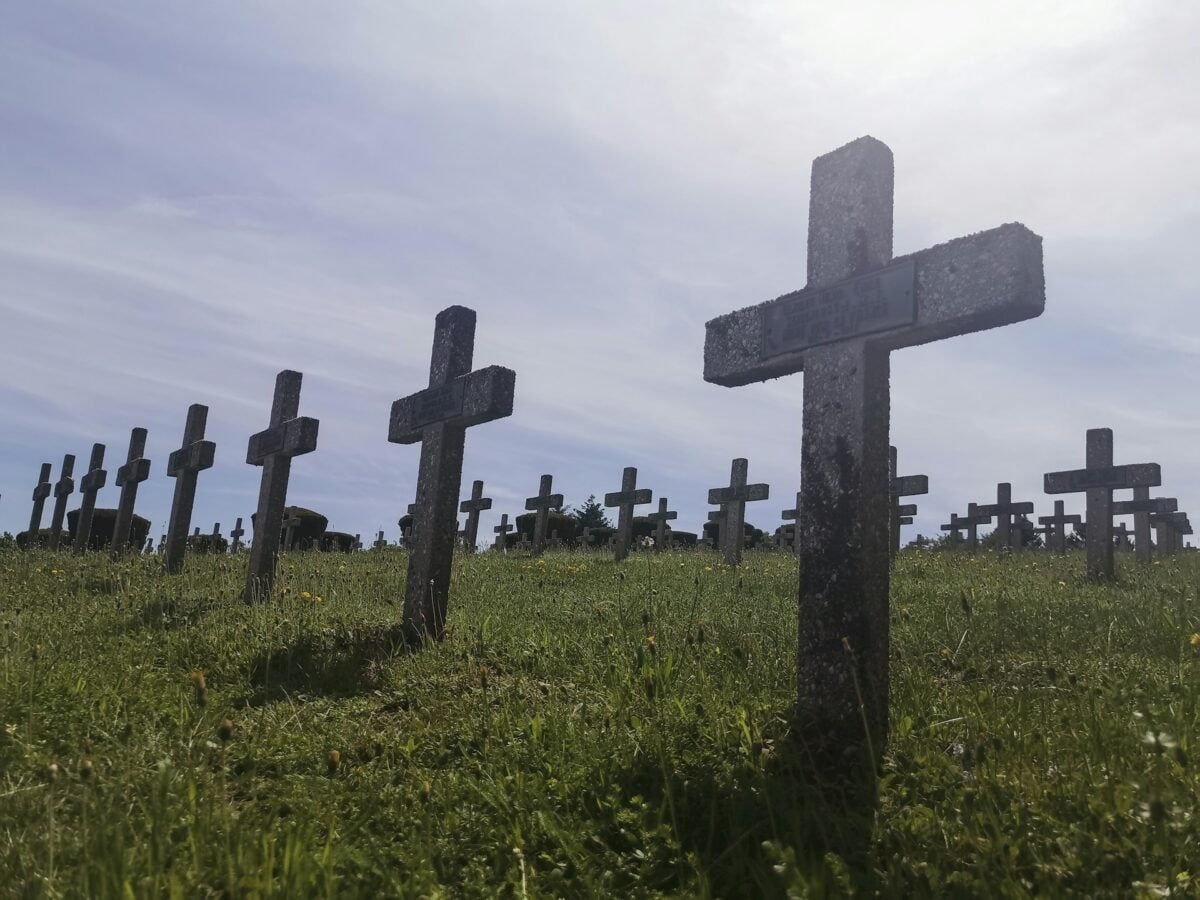
Memorial Day exists for one reason. To remember those who died in military service.
Not veterans who came home—that’s Veterans Day. This day belongs specifically to the ones who didn’t make it back.
The distinction matters. It’s the difference between celebrating survival and mourning loss.
The Weight of Remembering
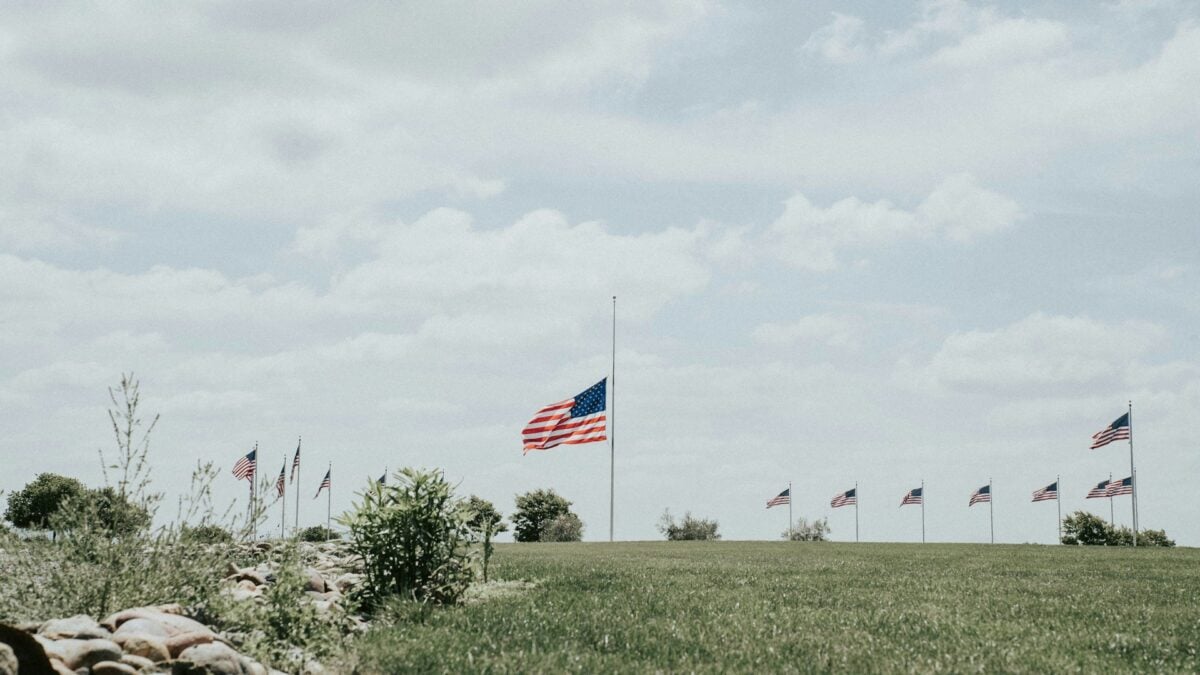
There’s something unsettling about how easily we forget (and perhaps that’s exactly why we need designated days for remembering, because human memory, for all its power to hold onto song lyrics from decades ago or the exact way someone hurt our feelings in third grade, has this peculiar habit of letting the most important things slip away). But Memorial Day doesn’t let that happen—it’s a stubborn interruption in our regular lives, demanding we stop and acknowledge what happened before we were born, before we cared, before it became history instead of headline news.
So we gather in cemeteries, we place flags on graves, we listen to speeches. The day forces a pause.
And the pause matters more than it seems at first—because remembering isn’t just about the past, it’s about carrying forward something that would otherwise disappear entirely, which is the only kind of immortality most people get.
A Bridge Between Past and Present
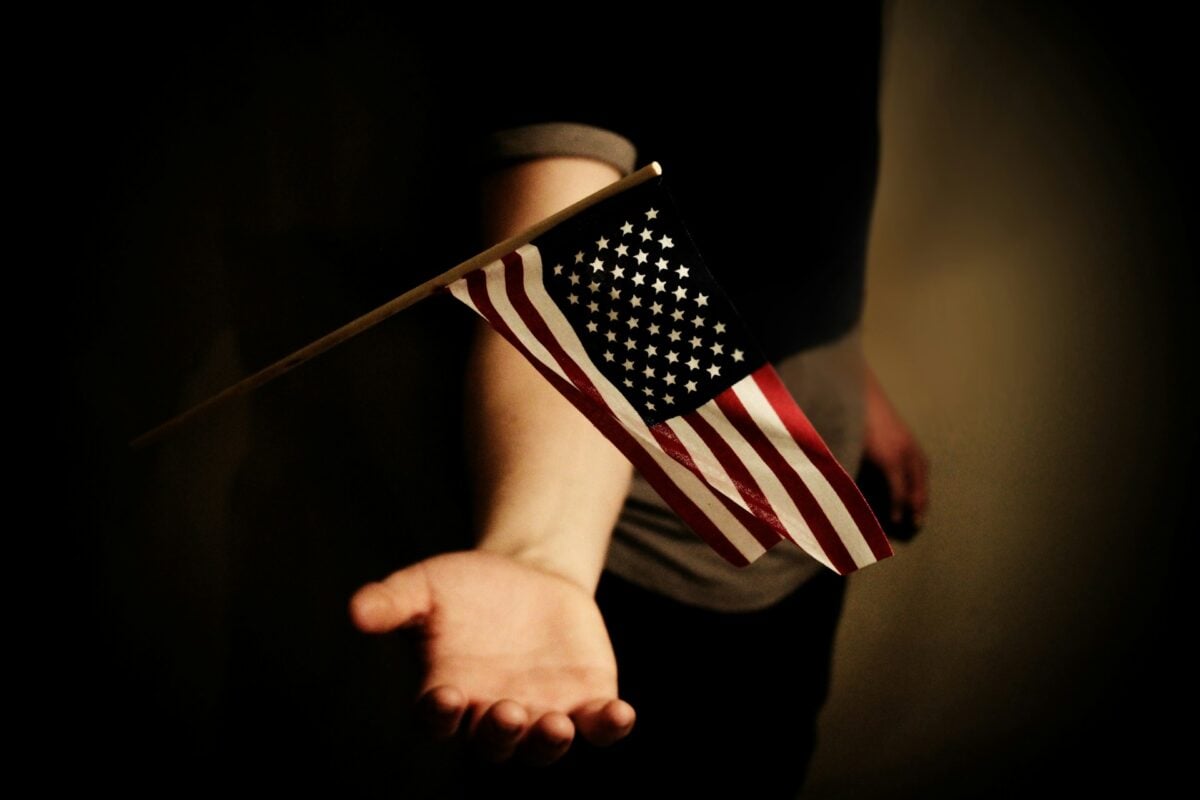
Picture a teenager placing a flag on a grave marked with a date from 1944. The math spans generations—great-grandfather to great-grandchild, world war to smartphone era.
Yet the gesture connects them across decades in a way that feels both ancient and immediate. That’s the quiet power of Memorial Day.
It turns abstract history into something personal, something that asks for your attention rather than your analysis. The names on monuments stop being just names.
They become reminders that real people made choices that led to empty chairs at family tables.
The Uncomfortable Truth About Freedom’s Price
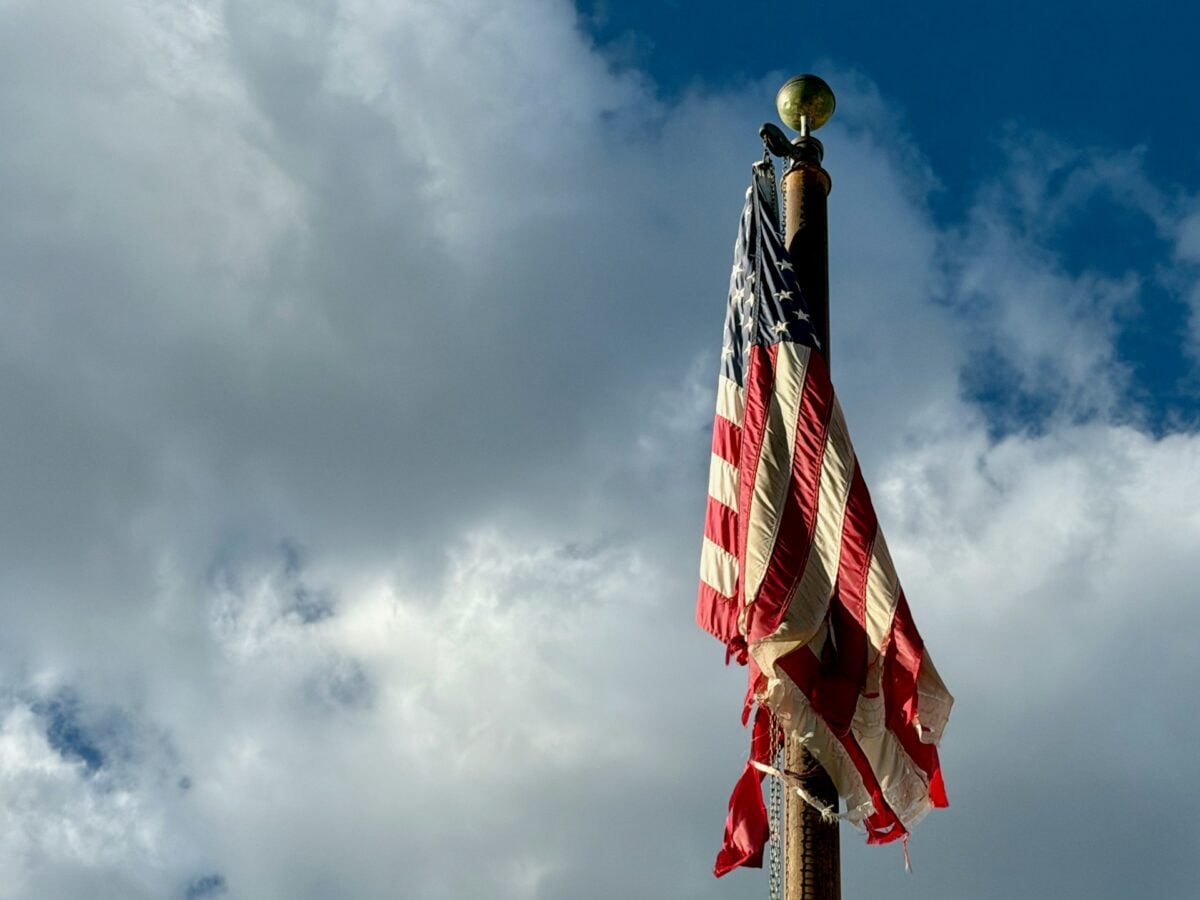
Democracy isn’t free. This gets said so often it borders on cliché, but that doesn’t make it less true. Someone paid for your ability to criticize the government without fear.
Someone died so you could vote, speak freely, and live without foreign occupation. That’s an uncomfortable debt to carry, which explains why most people don’t think about it regularly.
Memorial Day forces the accounting, even if just for one day. Fair enough—most of us can handle being uncomfortable for 24 hours.
Military Families Carry the Weight Differently
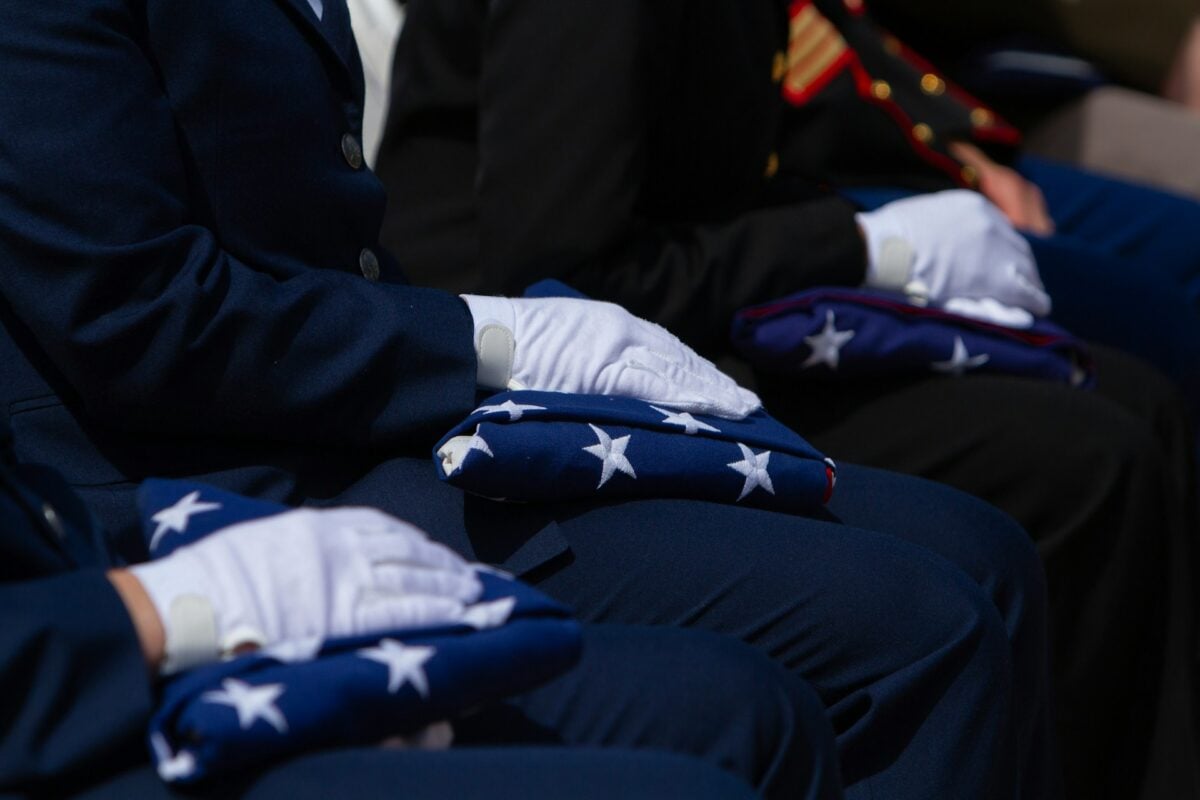
Gold Star families don’t need a calendar to remember. Memorial Day isn’t an abstract concept when the person being honored once helped with homework or taught you to drive.
These families live with loss every day—but they also understand, better than anyone, why the day matters. Their presence at Memorial Day events carries a gravity that speeches and ceremonies can’t match.
The Evolution of How We Remember
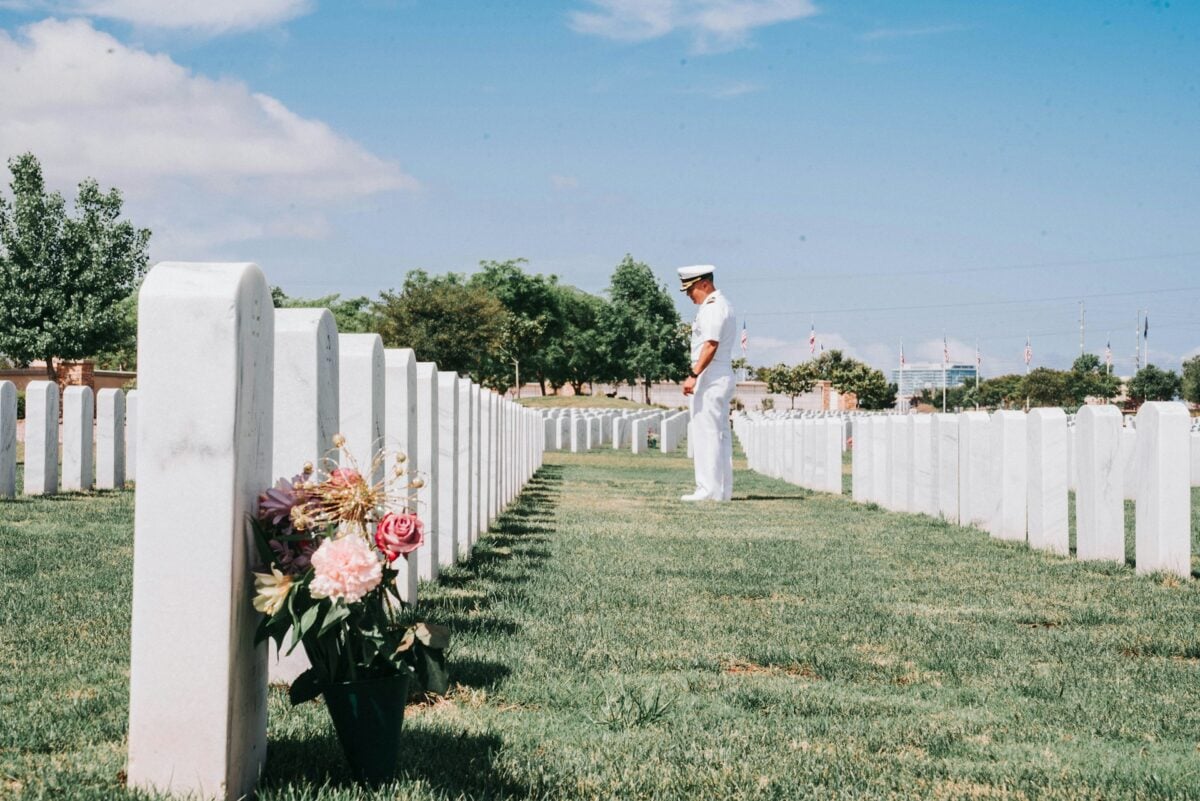
The holiday started after the Civil War. Back then, it was called Decoration Day—families would decorate graves with flowers and flags.
The ritual was simpler, more direct. People knew exactly who they were remembering and why.
Modern Memorial Day serves the same function but spans more wars, more generations, more complexity. The core purpose remains unchanged.
Small Towns Get It Right
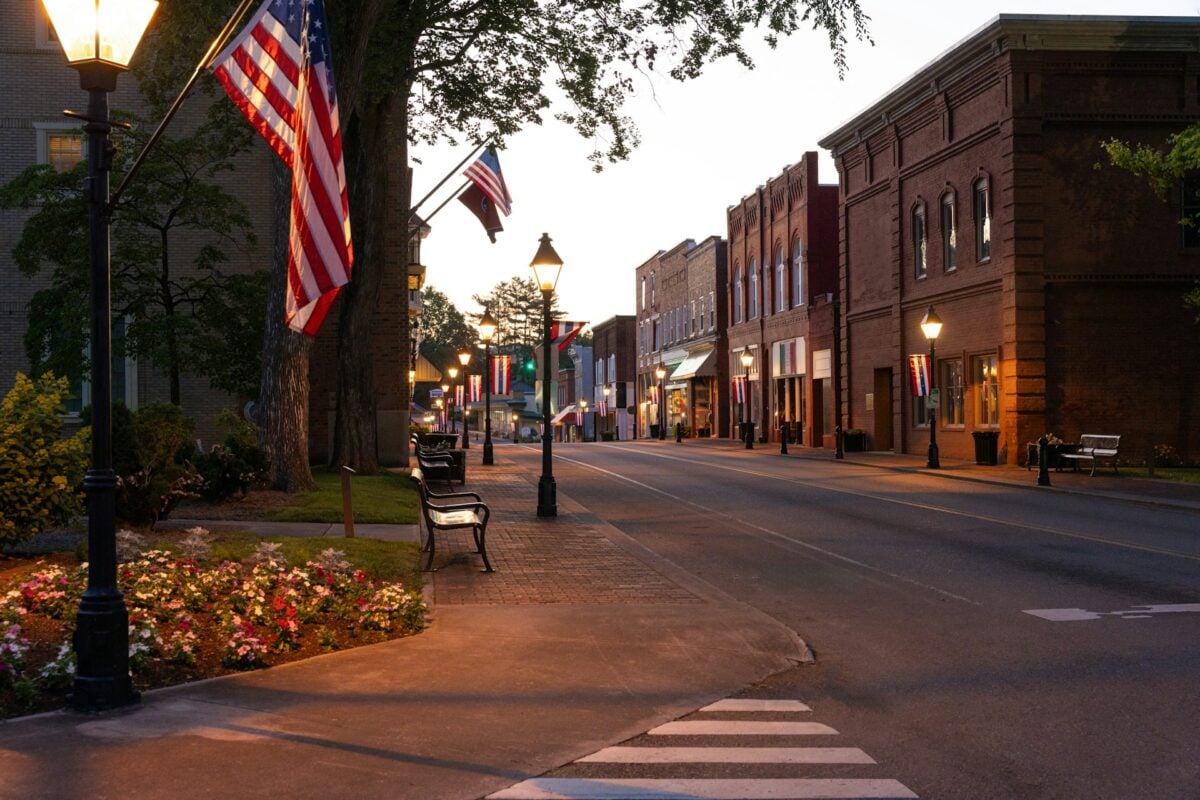
Memorial Day feels most authentic in places where everyone knows the local families who lost someone (where the VFW still meets regularly and the high school marching band plays the same songs their parents played twenty years earlier, and the cemetery sits just off Main Street instead of hidden behind a shopping center like it is in newer suburbs). These communities treat Memorial Day like what it is: a family obligation that extends beyond blood relation.
But even in small towns, you notice the gradual changes—fewer World War II veterans each year, more Afghanistan and Iraq memorials, the steady march of time adding new names to old monuments. So the day adapts, but it endures.
And there’s something reassuring about traditions that bend without breaking, that find ways to honor new losses while still remembering old ones.
The Quiet Moments Matter Most
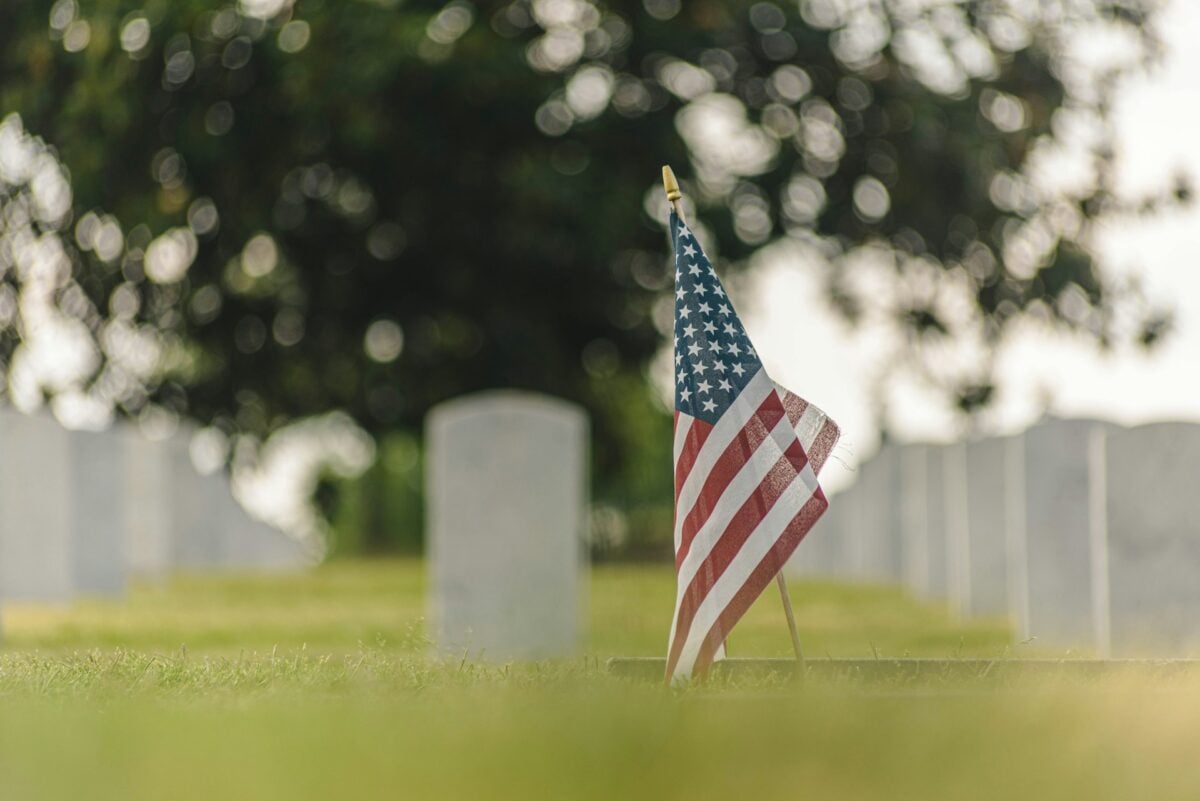
The best Memorial Day observances happen in the spaces between official events. A veteran pausing at a specific grave.
A child asking what the flags mean. Someone reading names aloud when no one else is listening.
These moments don’t make the news, but they’re where the real memorial happens. Personal, quiet, and often brief—but they’re what the day was designed to create.
Beyond the Parades
Parades serve their purpose. They’re public, visible, communal. But Memorial Day doesn’t require fanfare to be meaningful.
Sometimes the most honest way to observe the day is simply acknowledging what it represents—that your ordinary Monday exists because other people had extraordinary Mondays that ended everything for them. The recognition doesn’t need to be elaborate.
It just needs to be real.
Teaching the Next Generation
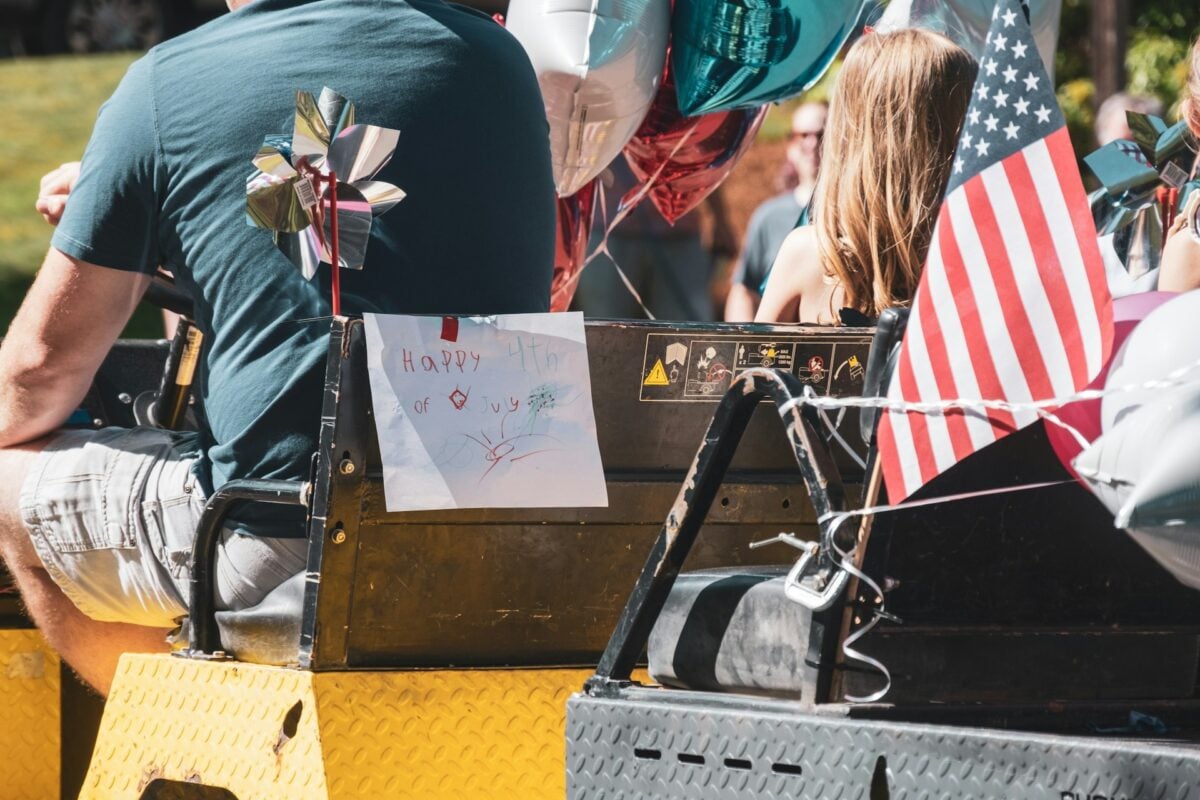
Kids don’t naturally understand Memorial Day. Why would they? The concept of dying for something abstract like freedom or democracy doesn’t compute when you’re eight years old and worried about summer vacation plans.
But they can understand that some people made really big sacrifices so their families could be safe. Start there.
The rest comes later, when they’re ready to handle more complex truths about what citizenship costs.
The Connection to Current Events
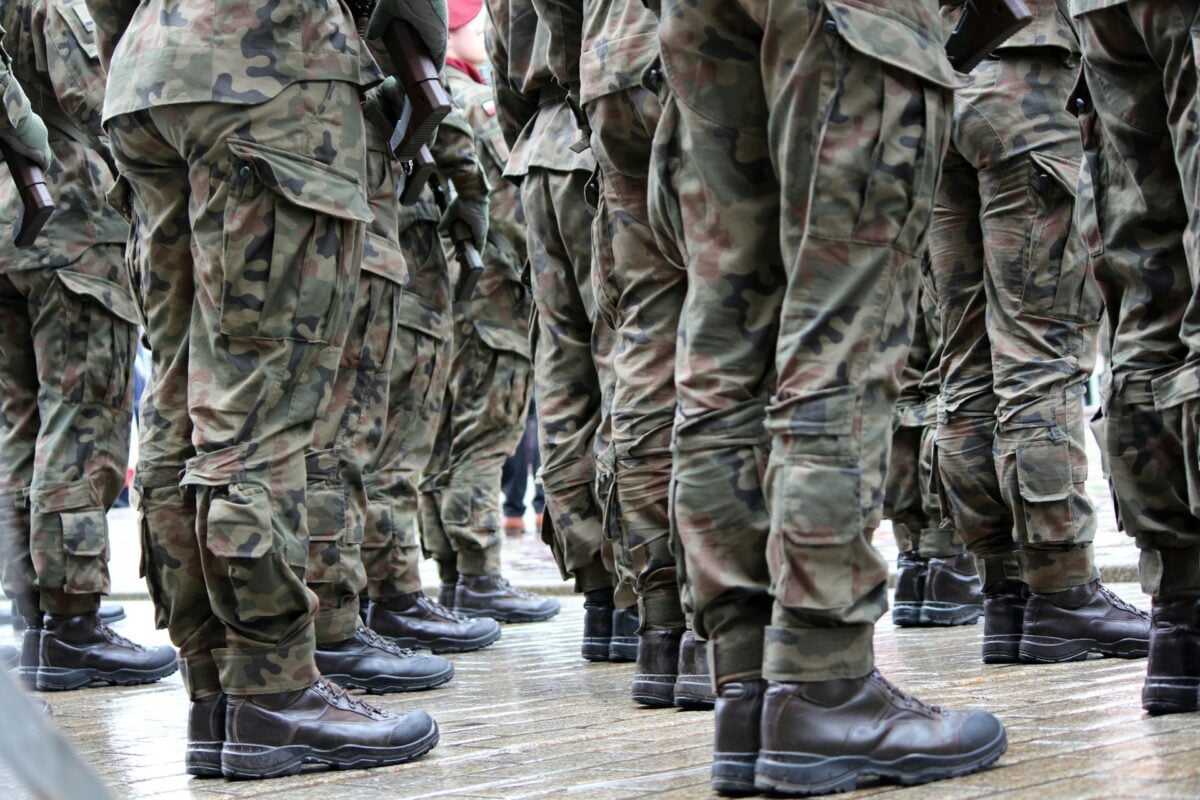
Memorial Day isn’t just about past wars—it’s about ongoing commitment. Military personnel serving today know they might become the names read aloud at future Memorial Day ceremonies.
That’s not morbid; it’s realistic. It’s also why their service deserves recognition that goes beyond one weekend per year. The day reminds us that military sacrifice isn’t historical—it’s continuous.
The price of freedom gets paid in real time, not just in history books.
What Individual Citizens Can Do
You don’t need to attend every ceremony or memorize every battle. But Memorial Day does ask something of you.
Acknowledge what happened. Recognize that your life—complaints, opportunities, freedoms, and all—exists partly because other people died to preserve it.
That recognition can be private, brief, simple. It can happen while you’re flipping burgers or sitting in traffic or watching a parade.
The important thing is that it happens at all.
The Difference Between Honoring and Understanding
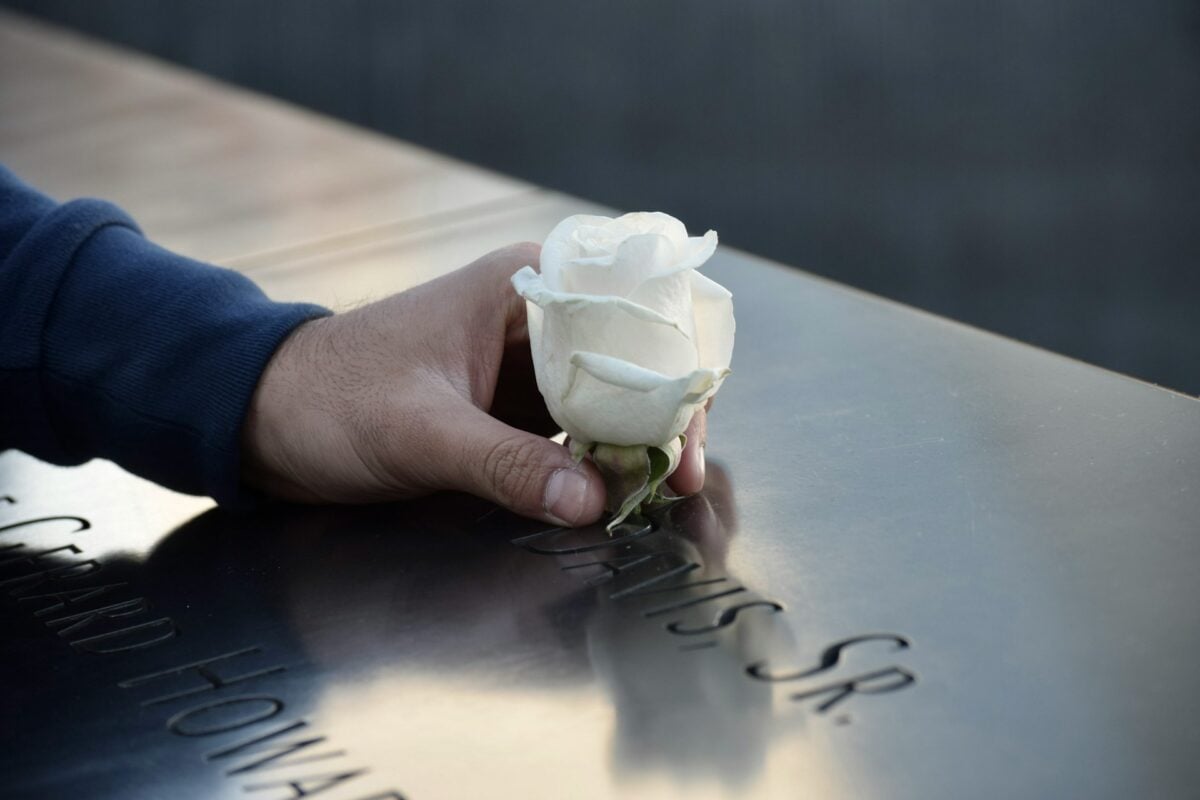
Memorial Day doesn’t require you to understand military strategy or political decisions about war. It asks for something simpler and more difficult: honoring people who made a choice you might never have to make.
Gratitude doesn’t require comprehension—just acknowledgment that someone else paid a price you didn’t have to pay. This kind of honoring is both easier and harder than understanding. Easier because it doesn’t require expertise.
Harder because it requires humility.
More Than Just a Long Weekend
So Memorial Day persists, year after year, weekend after weekend, refusing to become just another day off work. It carries weight that hamburgers and swimming pools can’t diminish, even when they threaten to overwhelm the original purpose. The day has survived decades of commercialization and distraction because the need it serves is permanent—humans have to remember their dead, especially the ones who died for others.
Whether you spend the day at ceremonies or cookouts, in cemeteries or at the lake, something important is happening. The memory gets passed forward another year. Names get spoken aloud. The debt gets acknowledged, even imperfectly. That’s enough to matter, and it’s exactly why Memorial Day endures.
More from Go2Tutors!

- The Romanov Crown Jewels and Their Tragic Fate
- 13 Historical Mysteries That Science Still Can’t Solve
- Famous Hoaxes That Fooled the World for Years
- 15 Child Stars with Tragic Adult Lives
- 16 Famous Jewelry Pieces in History
Like Go2Tutors’s content? Follow us on MSN.