Libraries Situated in Unusual Places
Most libraries occupy predictable spaces—traditional buildings with rows of shelves and quiet reading rooms. But around the world, some libraries exist in places you’d never expect.
These aren’t just quirky experiments. They serve real communities in ways that conventional libraries can’t, reaching people who might never step foot in a standard library building.
A Converted Phone Booth in Rural England
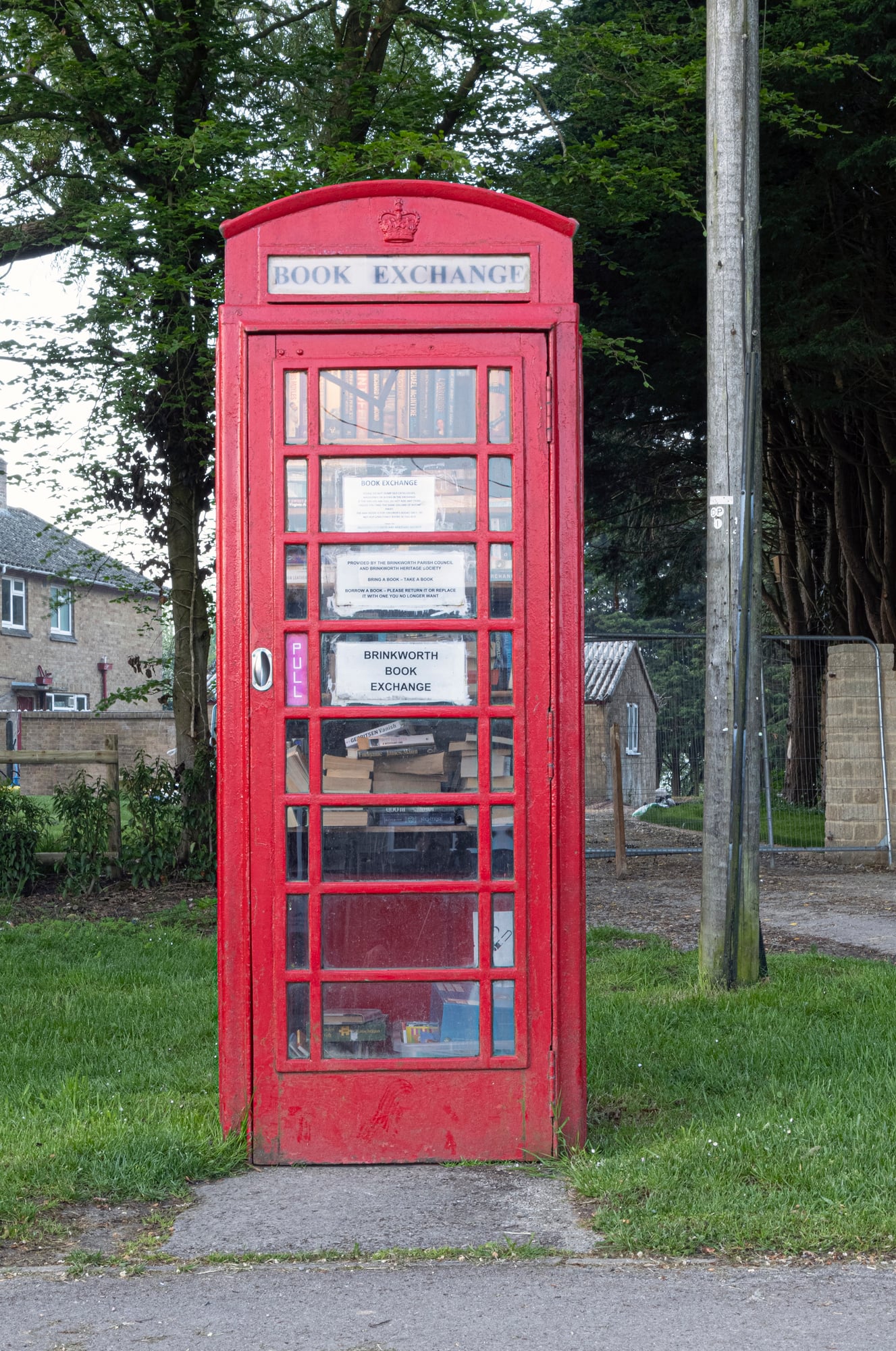
Phone booths became obsolete fast. Communities across England found themselves with these bright red boxes that nobody used anymore.
Some villages turned them into libraries. You open the door, and instead of a phone, you find shelves stocked with books.
The system runs on trust—take what you want, bring back what you’re done with, leave something for others.
These tiny libraries work because rural areas often lack easy access to traditional library services. The phone booth becomes a landmark, a gathering point, and a reminder that reading still matters even when technology moves on.
Underground in a Former Metro Station
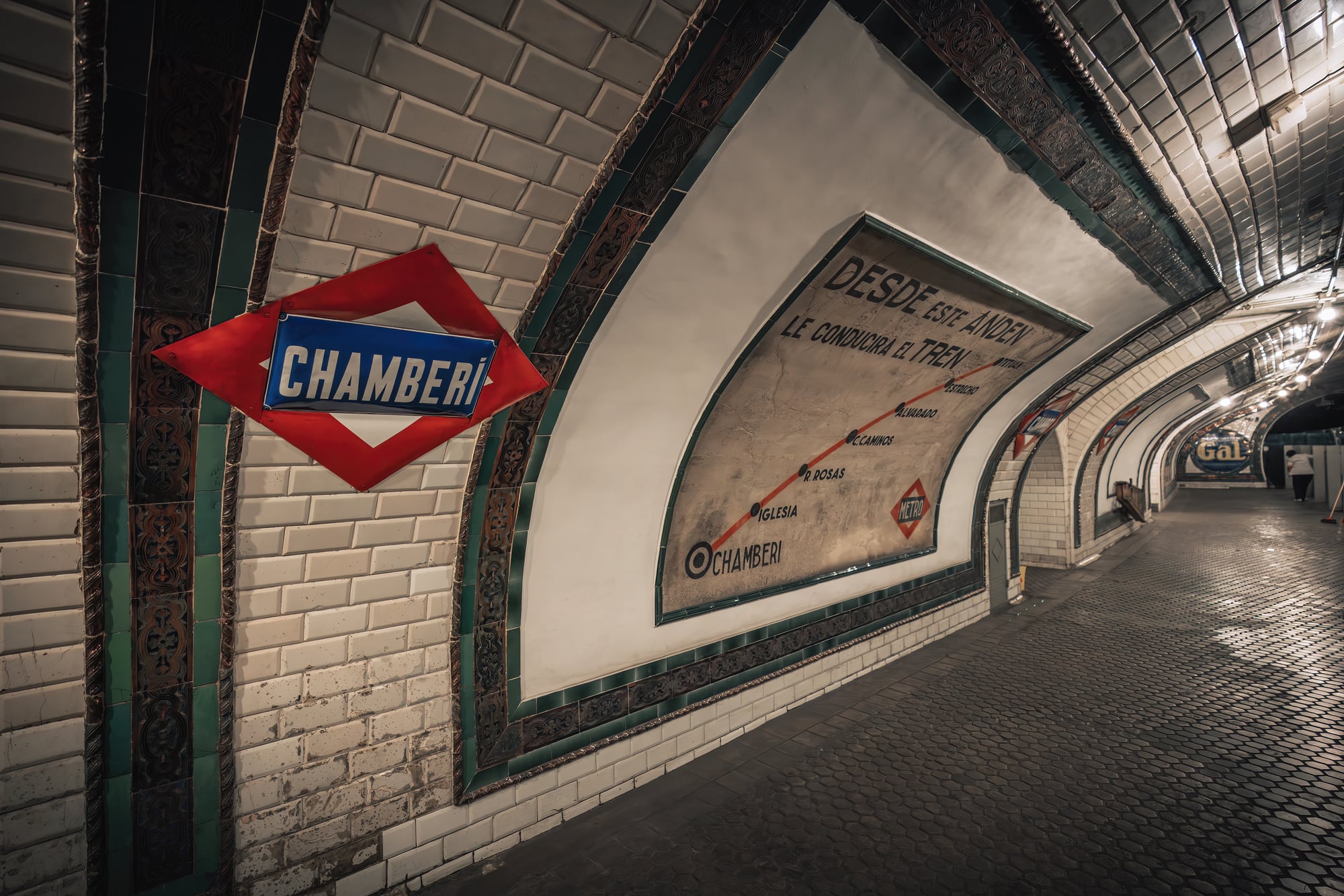
Stockholm closed down an old metro station and someone had the sense to fill it with books. The now occupies a space that once served commuters rushing to catch trains.
The tunnels create natural quiet zones, and the constant temperature underground actually helps preserve the books.
Readers describe the experience as surreal. You descend below street level, past the remnants of old signage, into a world of literature.
The space feels hidden, almost secretive, which gives reading there a different quality than it has in a building above ground.
Inside a Working Monastery

The Strahov Monastery Library in Prague has operated for nearly 900 years. Monks still live there, still follow their routines, but visitors can access certain sections of the library during designated hours.
The baroque architecture overwhelms you first—ceiling frescoes, ornate woodwork, books bound in leather that’s older than most countries.
This isn’t a museum pretending to be a library. Scholars still use the collection for research.
The monks maintain it. The space serves its original purpose while also allowing the public to experience something that would otherwise remain completely private.
Floating on the Water in Norway

Norway built a library boat. The Epos sails along the coast, stopping at remote communities that have no other library access.
Islands, fishing villages, places where the nearest bookstore sits hours away by ferry—the boat brings thousands of books right to the dock.
Children wait for it like others wait for ice cream trucks. The librarians know the regulars, remember what they checked out last time, make recommendations.
It’s a full library service, just delivered by sea instead of from a building.
Tucked Into a Treehouse
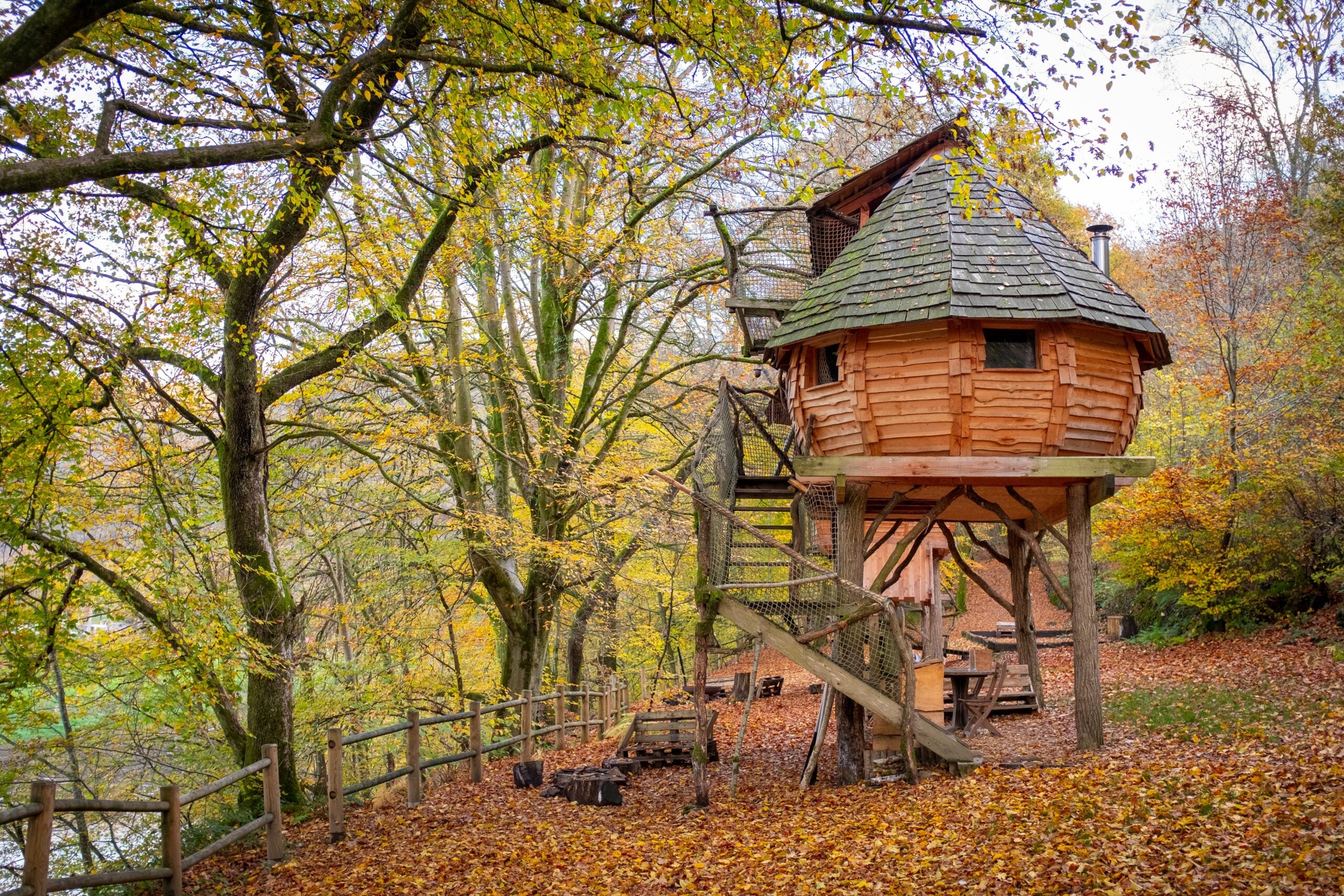
Several communities have built libraries in treehouses. Not playful structures for kids, but actual functional libraries elevated in the branches.
One in upstate New York holds over a thousand books, has WiFi, and stays open year-round despite the weather.
The height changes how you interact with books. You climb up, settle into a space surrounded by leaves and wood, and read with the ground far below.
It filters out distractions in a way that ground-level buildings can’t match.
Carved Into Beach Sand
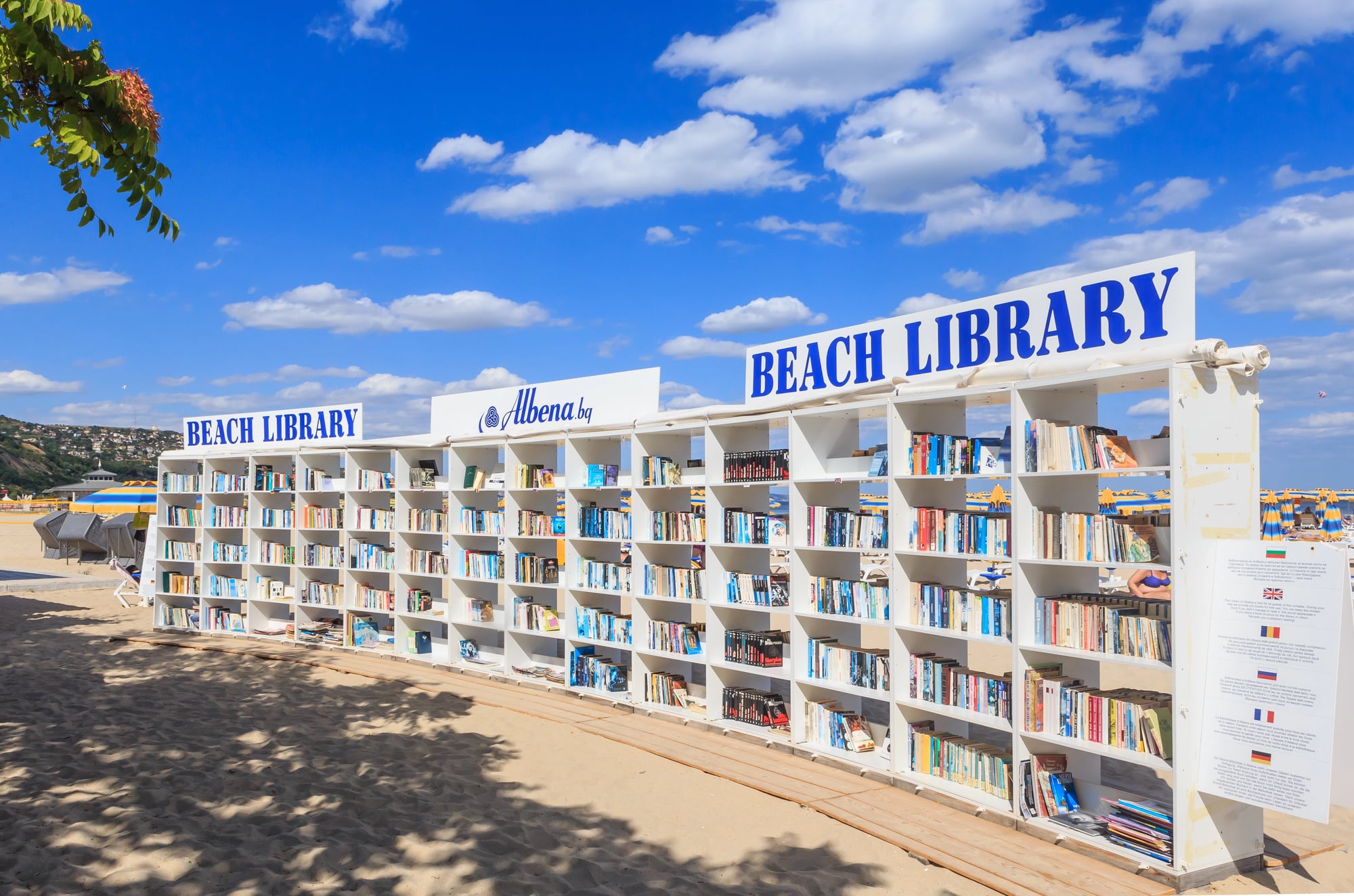
The BeachLibrary in Bulgaria appears every summer on the coast near Albena. Volunteers construct it from sand—shelves, seating areas, even decorative elements—all sculpted from beach material.
Books sit in waterproof containers, protected from the elements but accessible to anyone on the beach.
It lasts one season. By autumn, the ocean reclaims the sand.
Next summer, they build it again, sometimes in the same spot, sometimes a different design. The impermanence makes it special.
You can’t take it for granted because it won’t be there in a few months.
Built Into a Cemetery Wall
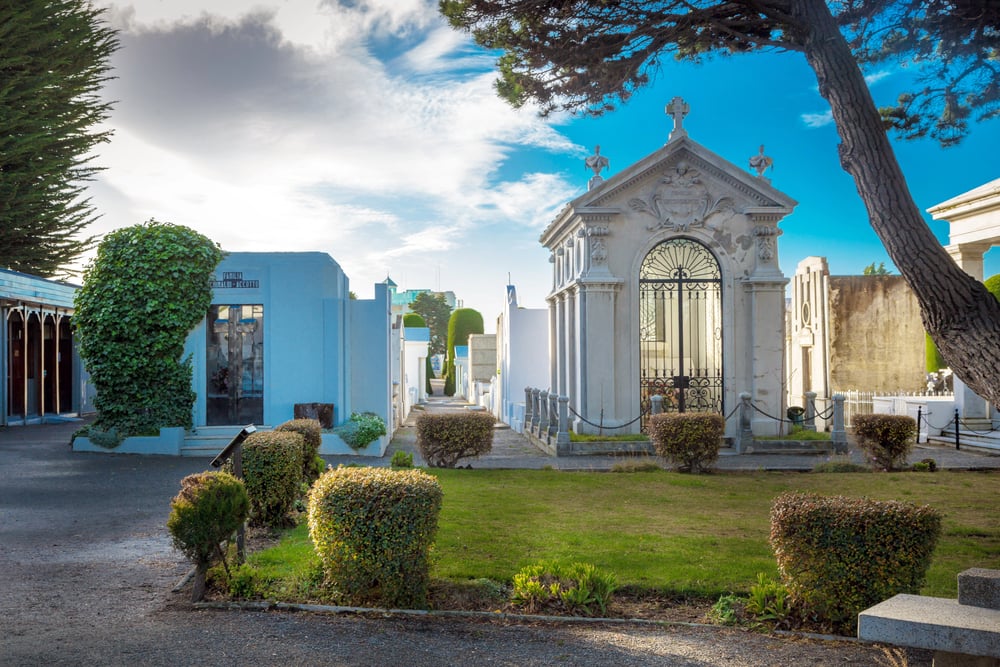
Buenos Aires placed a library in the wall of Recoleta Cemetery. The books sit in glass-fronted niches where burial vaults might otherwise go.
People browse the collection while visiting graves, or they come specifically to exchange books, surrounded by monuments to the dead.
The location makes sense in a way. Both cemeteries and libraries preserve what came before.
Both offer quiet contemplation. The juxtaposition feels natural once you’re there, even though it sounds oddly described from a distance.
Installed in Public Laundromats
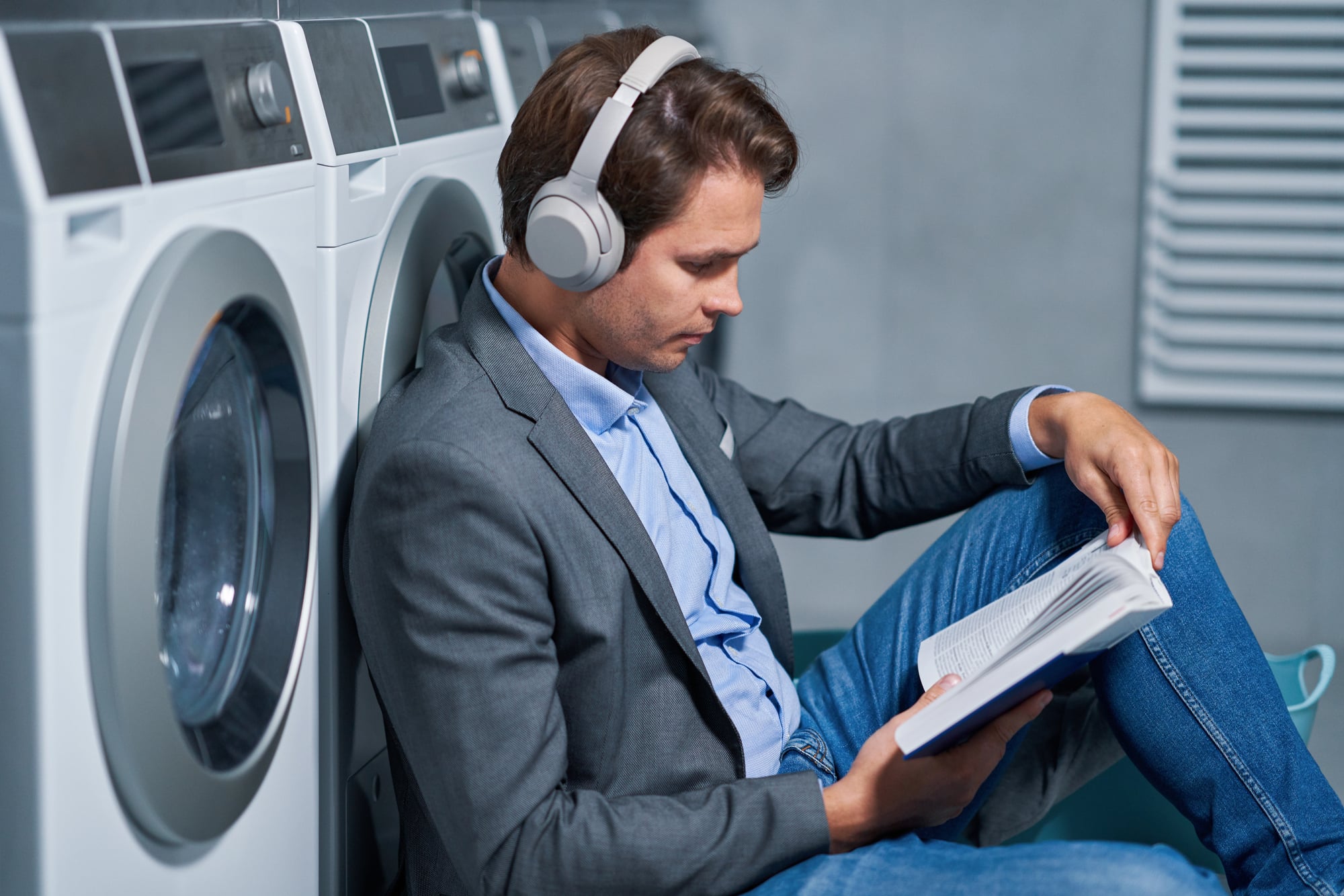
Several cities have added libraries to laundromats. You bring your dirty clothes, start the machines, and instead of staring at your phone for 45 minutes, you can read.
The books are donated, the shelves are simple, but the service fills time that otherwise goes to waste.
Laundromats serve people who might not make a separate trip to a library. The combined service meets people where they already are, doing something they already need to do.

Housed in Retired Cable Cars
San Francisco converted old cable cars into mobile libraries. They park in different neighborhoods throughout the week, bringing books to areas far from the main library branches.
The cable cars are iconic to the city, so they attract attention even from people who might ignore a standard bookmobile.
Inside, the space is cramped but functional. The seats now hold books instead of passengers.
The experience of browsing in such a narrow, moving-piece-of-history makes it memorable in ways that regular library visits aren’t.
Suspended From a Bridge
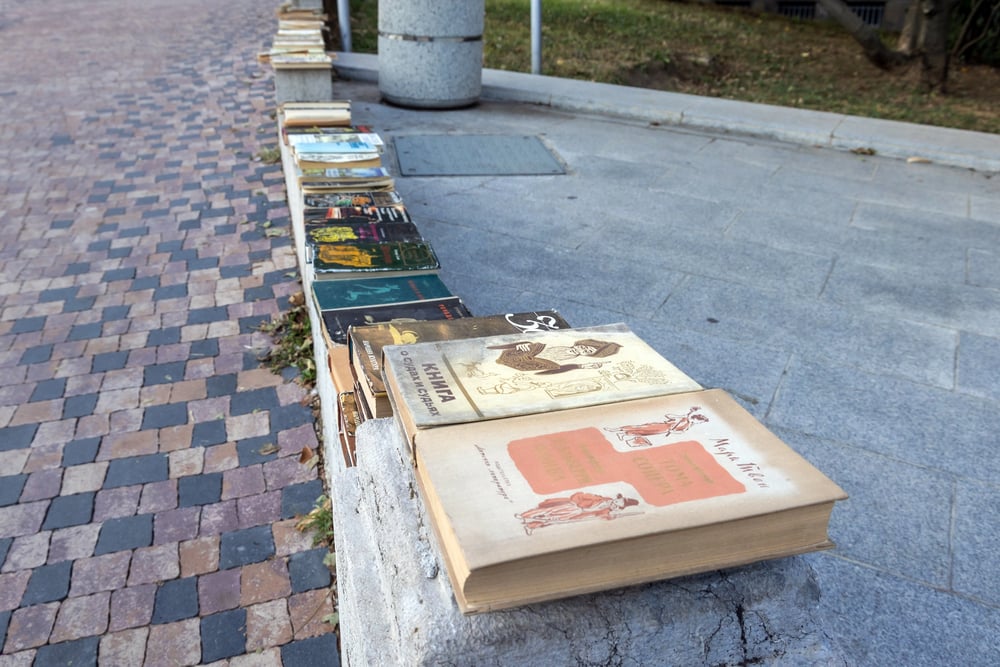
Lima, Peru hung a small library structure from a pedestrian bridge. You access it by walking across the bridge, then descending stairs into the suspended room.
Books line the walls, natural light comes through windows on all sides, and you’re literally hanging in the air while you read.
The design makes a statement about how cities use vertical space. Bridges usually just connect two points.
This one also provides a destination worth stopping for.
Placed in an Airport Terminal
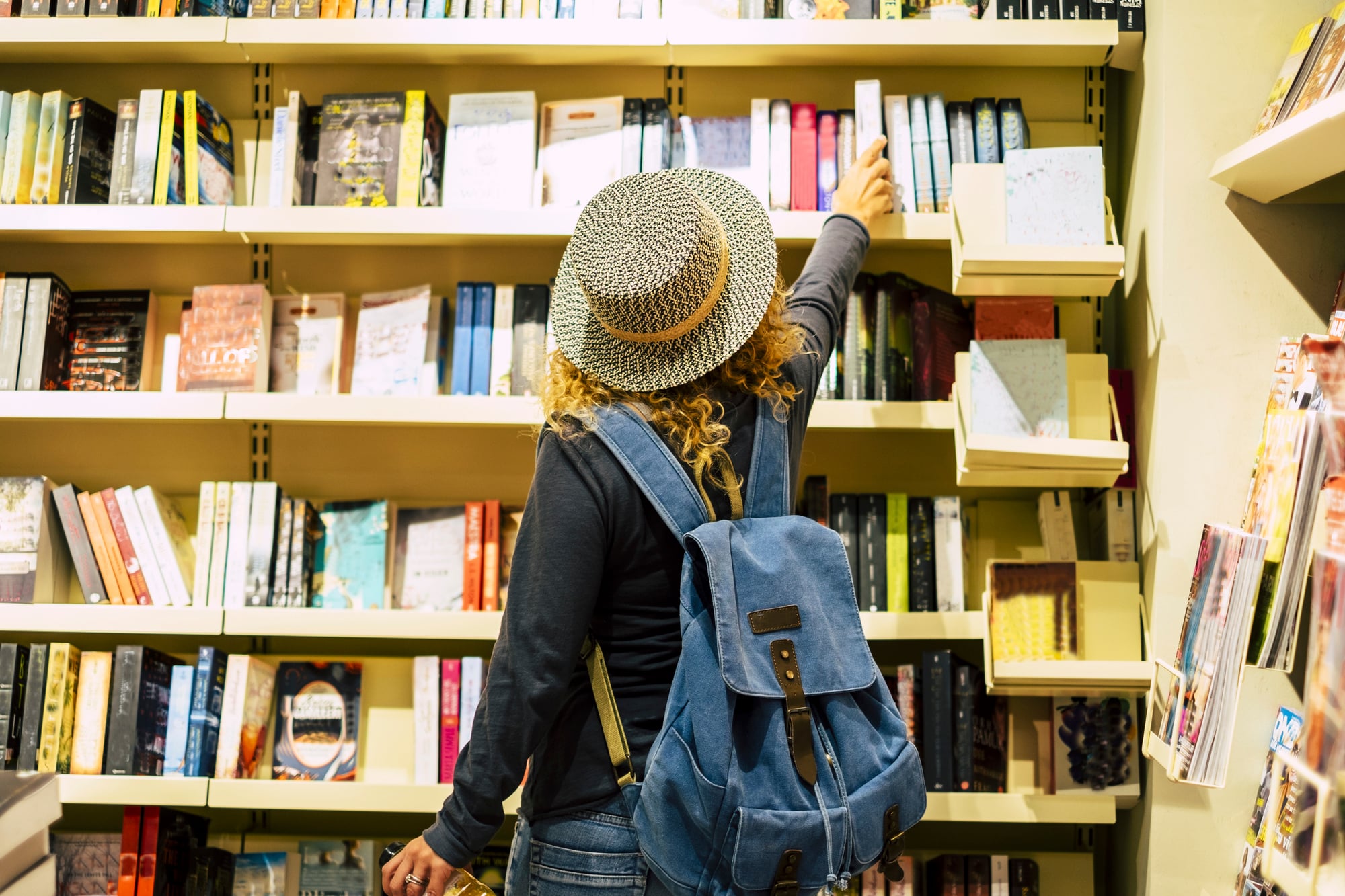
Several airports now maintain full libraries past security. Singapore’s Changi Airport leads this trend, with sections dedicated to different genres scattered across the terminals.
You can check out books before your flight, read during delays, and return them at your destination if that airport participates in the network.
This solves the problem of what to do during long layovers. You can only browse duty-free shops for so long.
A library gives you better options without requiring you to pay for something you’ll read once.
Constructed Entirely From Ice
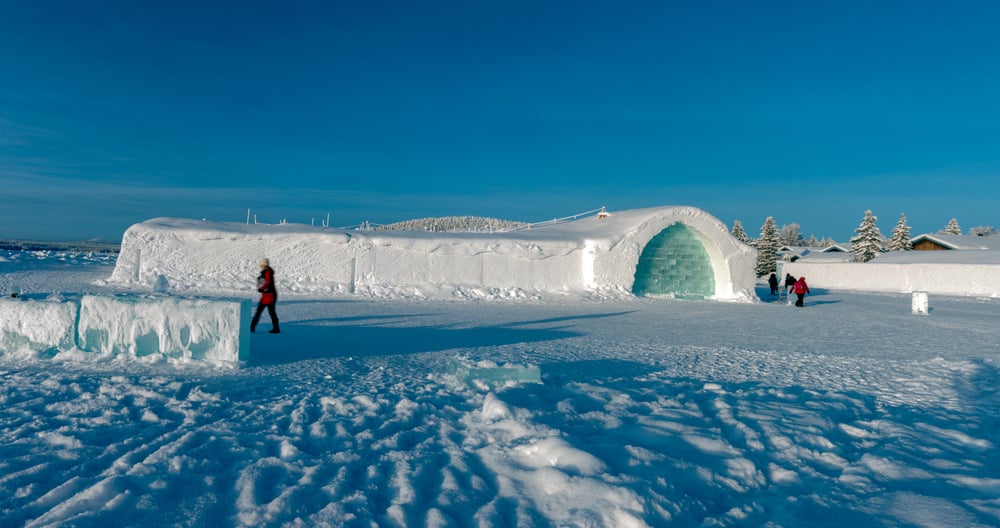
Quebec builds an ice library during winter festivals. Sculptors create shelves, reading nooks, and decorative elements entirely from frozen water.
The books inside are real, though they rotate them frequently because the cold and moisture do damage over time.
You need warm clothes to spend time there, but people do. The novelty draws visitors, but once inside, the cold and quiet create a unique reading environment.
Everything muffles sound differently when surrounded by ice.
Converted From a Horse-Drawn Carriage
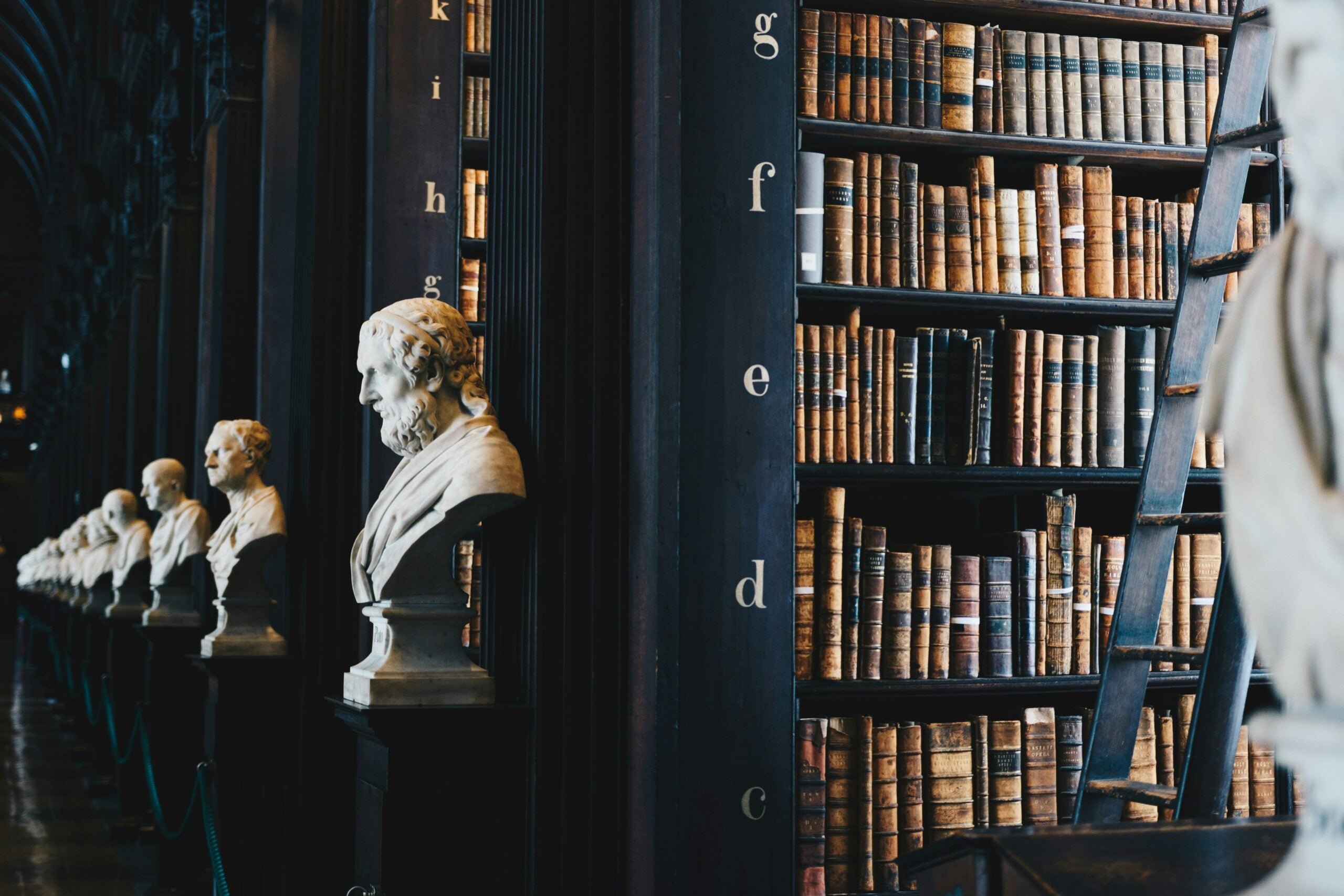
One library in Wales operates out of a restored horse-drawn carriage. It parks in village centers on market days, opening its doors to anyone who wants to browse.
The wheels stay, the original structure remains largely intact, but the interior now holds books instead of passengers and luggage.
The carriage connects to local history while serving modern needs. Children especially love the novelty of stepping into something that looks like it belongs in a different era.
Established in Subway Waiting Areas
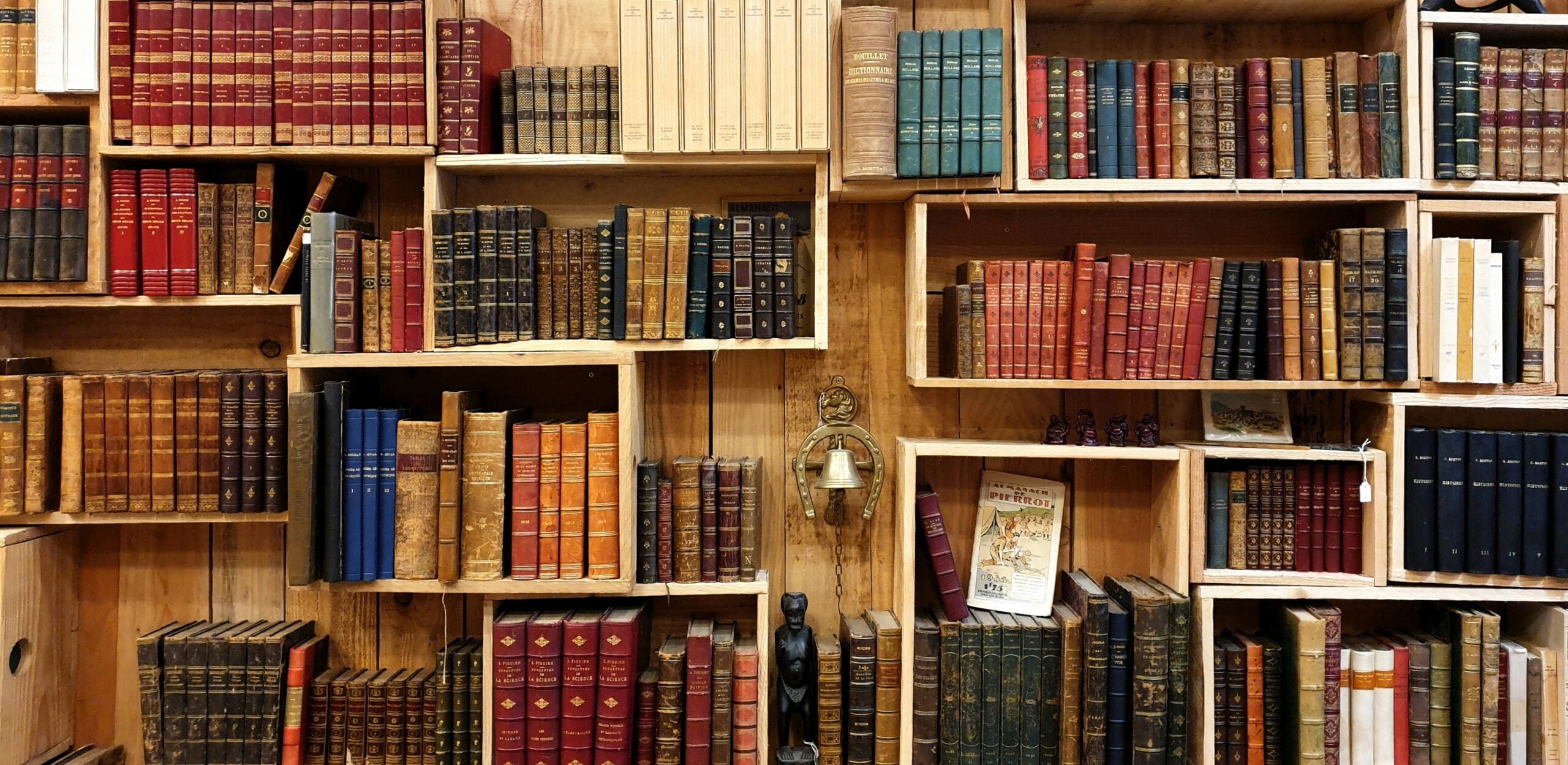
Built into corners of underground platforms, reading spots popped up across Mexico City’s transit hubs. Where commuters once stared at walls, shelves now hold novels and guides near benches.
A traveler might flip open a story during downtime between rides. Pages stay available for whoever comes next – unless someone carries one away to read again later.
These quiet stacks live right inside daily routes. Every day, people wait – sometimes five minutes, sometimes ten.
Those moments pile up without anyone noticing. A book at hand changes empty seconds into pages turned.
It fits right into the rhythm of standing around underground.
Stories That Come to You

The odd part about quirky book spots? Not where they are.
What matters is seeing proof that stories go wherever people make room. Picture a sailboat, an old kiosk, even up among branches – hardly logical at first glance.
Yet once spotted in action, it just makes sense. Suddenly those places feel right for reading.
And quietly, your mind drifts toward empty corners waiting their turn.
Out here, these little libraries show up where big systems fall short. Getting to a central spot just isn’t doable for some folks.
For others, stopping by takes too much effort – unless the book is already sitting nearby while they stand on the platform. Instead of forcing people into old routines, the idea bends to fit real life.
Because of that shift, pages still get turned in spots most would’ve written off long ago.
More from Go2Tutors!

- The Romanov Crown Jewels and Their Tragic Fate
- 13 Historical Mysteries That Science Still Can’t Solve
- Famous Hoaxes That Fooled the World for Years
- 15 Child Stars with Tragic Adult Lives
- 16 Famous Jewelry Pieces in History
Like Go2Tutors’s content? Follow us on MSN.



