May the Fourth History Explained
Every year on May 4th, something peculiar happens. Normal adults start speaking in backwards sentences, wearing brown robes to work, and posting cryptic messages about forces and chosen ones.
What started as a clever wordplay has evolved into a cultural phenomenon that spans generations. The transformation from a simple pun to a globally recognized celebration reveals something deeper about how modern traditions take root and flourish.
The Original Pun
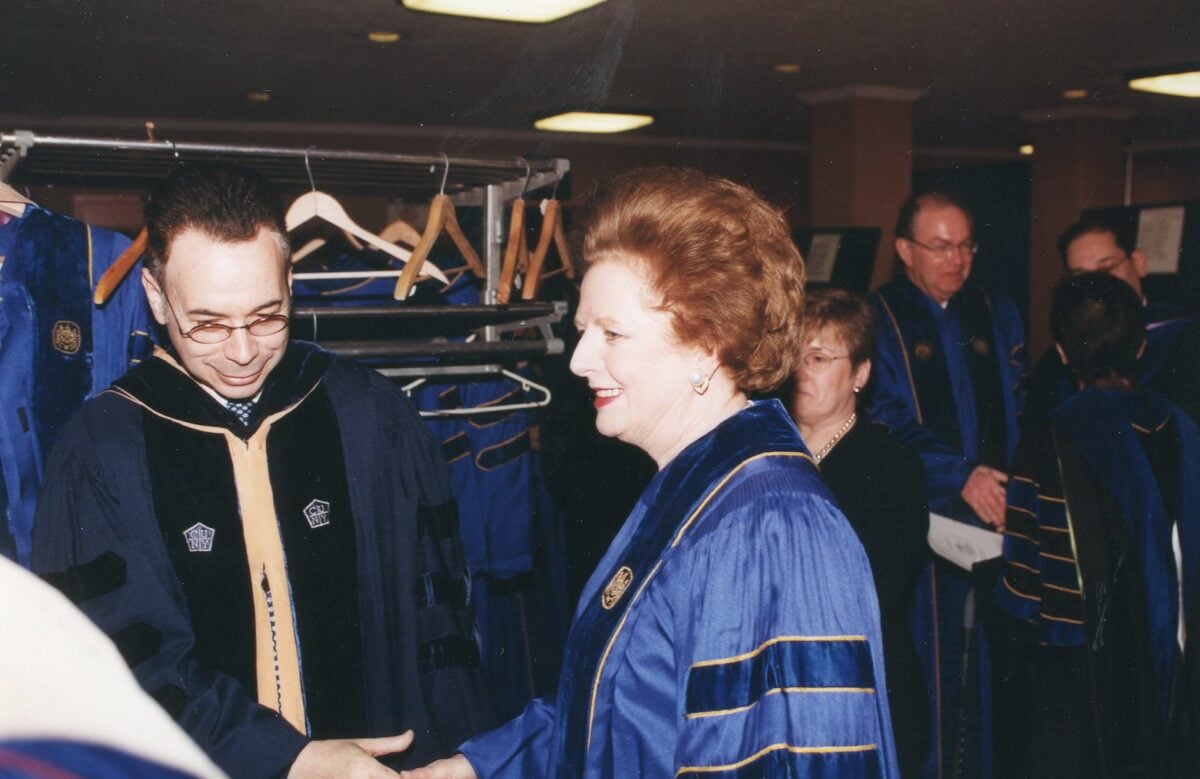
Margaret Thatcher won a general election on May 4th, 1979. The Conservative Party took out a congratulatory ad in The London Evening News that read “May the Fourth Be With You, Maggie.”
This wasn’t about space operas or mystical forces. Just British politicians making a timely joke about their victory coinciding with what sounded like the famous movie line.
The pun was obvious enough that it probably occurred to thousands of people simultaneously when Star Wars premiered in 1977. But seeing it in print, attached to something as formal as a political victory announcement, gave it a kind of legitimacy.
Star Wars Fan Communities
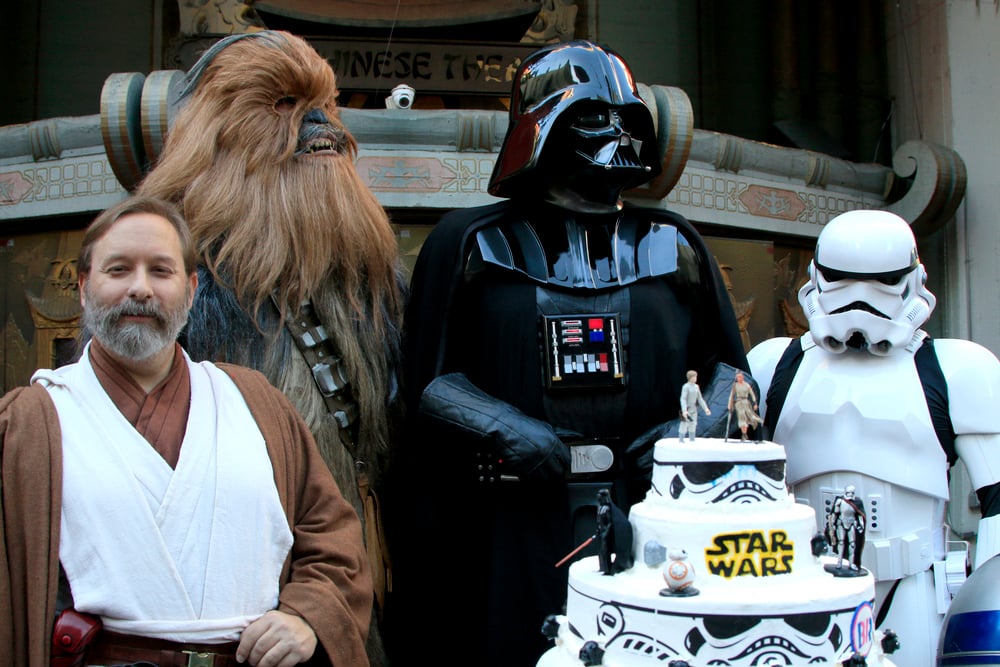
The internet changed everything for niche communities, and Star Wars fans were no exception (though calling them “niche” by the 1990s was already a stretch). Early bulletin boards and forums gave scattered enthusiasts a place to gather, share theories, and create inside jokes that could actually stick around long enough to become traditions.
And so the May 4th pun, which had been floating around in various forms since the late 1970s, found a home where it could grow into something larger than a one-off newspaper gag. These early online spaces operated like small towns where everyone knew each other’s screen names and favorite characters.
When someone posted “May the Fourth be with you” on May 4th, 1994, it wasn’t broadcast to millions — it was shared among maybe a few hundred dedicated fans who thought it was clever enough to remember for next year. The intimacy of these early communities meant that traditions could develop organically, without corporate oversight or marketing strategies driving their evolution.
So the joke spread slowly at first, person to person, forum to forum. But it spread with intention. Each year, a few more people remembered to post it.
Each year, the responses got a little more elaborate. Someone would add Yoda-speak.
Another person would post ASCII art of a lightsaber. The pun was becoming a ritual, though nobody called it that yet.
Corporate Recognition
Disney knows a marketing opportunity when it sees one. The company didn’t invent May the Fourth, but once they acquired Lucasfilm in 2012, they certainly weren’t going to let a fan-created holiday go to waste.
Corporate backing transformed what had been a grassroots celebration into a full merchandising event, complete with special promotions, limited-edition products, and official social media campaigns. The shift was both inevitable and slightly melancholic — like watching your favorite local band sign with a major label.
Sure, more people would hear the music, but something intimate gets lost in the translation to mass appeal. Disney’s embrace of May the Fourth brought it to mainstream attention while simultaneously sterilizing some of its original charm.
The Meme Evolution
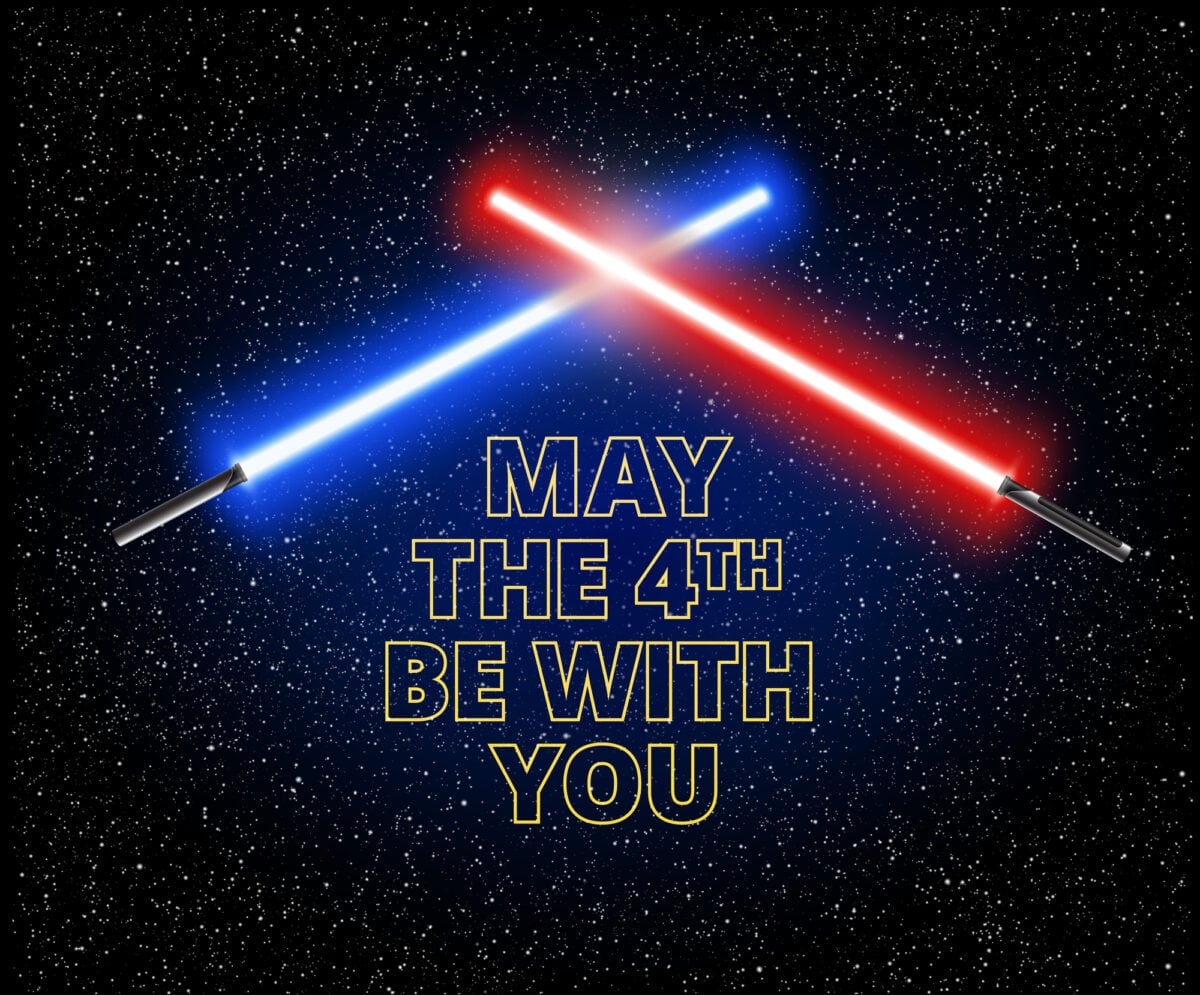
Memes don’t follow rules the way other forms of communication do. They mutate, combine with other ideas, and suddenly appear in contexts that would have been impossible to predict.
May the Fourth started as a simple pun but became raw material for countless variations: “May the Forks be with You” at cooking websites, “May the Horse be with You” at equestrian blogs, and hundreds of other permutations that stretched the original concept until it barely resembled itself.
This linguistic flexibility kept the celebration fresh even as it became more commercialized. Every year brought new iterations, new ways to twist the familiar phrase into something unexpected.
The meme had developed its own momentum, independent of both the original fans who nurtured it and the corporate interests that later adopted it.
Beyond Star Wars

The celebration outgrew its source material years ago. People who have never seen a single Star Wars movie participate in May the Fourth activities because the cultural reference has become ubiquitous enough to understand without context.
You don’t need to know who Obi-Wan Kenobi is to appreciate the wordplay or to join in the collective silliness that the day represents. This expansion beyond the original fan base represents something interesting about how modern culture works.
Ideas that start in specific communities can break free and become part of the broader cultural vocabulary, carrying traces of their origin while adapting to new audiences and purposes. May the Fourth has become less about celebrating Star Wars specifically and more about celebrating the kind of shared cultural literacy that makes collective jokes possible.
Retail Impact

Store managers learned to stock up on Star Wars merchandise in late April. Online retailers create special May the Fourth landing pages months in advance.
The economic impact of a fan-created holiday became significant enough that major retailers now plan their inventory and marketing calendars around it. What started as an inside joke among movie enthusiasts became a measurable blip in quarterly earnings reports.
The transformation reveals how quickly organic cultural moments can become commercial opportunities in the modern economy. Retailers didn’t create May the Fourth, but they certainly perfected the art of capitalizing on it.
Educational Opportunities

Teachers discovered that May the Fourth provided an unexpected hook for lessons about storytelling, mythology, and popular culture. Science teachers used it as an excuse to discuss space exploration and physics.
Literature teachers found ways to connect Star Wars themes to classical hero narratives. The day became an excuse to make learning more engaging by connecting academic concepts to something students already found interesting.
Schools began hosting May the Fourth events, costume contests, and themed activities. What had started as an adult fan celebration trickled down to elementary classrooms, ensuring that future generations would grow up with May the Fourth as simply part of the cultural calendar rather than something they had to discover independently.
Global Spread

The celebration jumped language barriers with remarkable ease. Non-English speaking countries adapted the concept to their own languages and cultural contexts, creating local versions that maintained the spirit while adjusting the specific wordplay to fit different linguistic structures.
The underlying idea — using a date-based pun to celebrate a beloved fictional universe — proved flexible enough to work across diverse cultural contexts. This global adaptation shows how certain types of cultural phenomena can transcend their specific origins and become truly international.
May the Fourth became less about American pop culture specifically and more about the universal appeal of shared celebration and playful language.
Social Media Amplification
Twitter, Instagram, and Facebook transformed May the Fourth from a niche holiday into a trending topic. Social media gave everyone a platform to participate, whether through sharing memes, posting photos in costume, or simply adding their voice to the collective conversation.
The day became less about deep fandom and more about finding creative ways to engage with a shared cultural moment. The amplification effect of social media also compressed the timeline of tradition-building.
What had taken decades to develop in early online communities could now happen in a matter of years, or even months. Viral spread replaced gradual adoption as the primary mechanism for cultural change.
But social media also democratized participation. You didn’t need to be part of any particular community or demonstrate any specific level of knowledge to join the celebration.
The barrier to entry dropped to essentially zero, which expanded participation while inevitably diluting some of the specialized knowledge that had originally sustained the tradition.
The Revenge of the Fifth

Someone, somewhere, decided that May 5th should be “Revenge of the Fifth” — a play on “Revenge of the Sith” that gives Star Wars villains their own day. The symmetry was too perfect to ignore: heroes get May 4th, villains get May 5th.
The addition shows how successful cultural innovations inspire imitations and expansions, as if one day of themed celebration created an appetite for more. Revenge of the Fifth never achieved the same cultural penetration as May the Fourth, but it didn’t need to.
Its existence as a sequel holiday demonstrates how organic traditions continue evolving even after they achieve mainstream recognition. The fan impulse to expand and elaborate on successful ideas persists regardless of corporate involvement or commercial success.
Cultural Staying Power
May the Fourth has achieved something that most internet phenomena never manage: genuine staying power that survives changes in technology, ownership, and cultural context. The celebration has persisted through multiple shifts in how people consume media, communicate online, and engage with popular culture.
That durability suggests it tapped into something deeper than temporary enthusiasm for a particular movie franchise. The holiday’s resilience comes from its fundamental simplicity.
The basic concept — a pun-based celebration that gives people permission to be playfully nerdy in public — doesn’t depend on any specific platform, technology, or corporate sponsor. It can adapt to whatever communication tools and cultural contexts emerge because its core appeal remains constant.
A New Kind of Tradition

Traditional holidays develop over centuries, carrying religious or historical significance that gives them cultural weight beyond entertainment. May the Fourth represents something different: a tradition that emerged from shared media consumption and collective playfulness rather than deeper cultural or spiritual meaning.
Yet it has achieved genuine traditional status, complete with annual observance, established customs, and intergenerational transmission. The success of May the Fourth suggests that modern culture can create meaningful traditions around shared fictional universes and collective humor.
These new traditions may not carry the same historical weight as older celebrations, but they serve similar social functions: they create opportunities for community bonding, shared identity, and annual renewal of group belonging. Whether this represents cultural evolution or cultural decline depends entirely on perspective. But the phenomenon itself is undeniable: a simple pun became a global celebration because enough people decided it was worth celebrating.
The democratic nature of that process — no central authority decreed May the Fourth into existence — makes it distinctly modern while serving ancient human needs for ritual and community.
When Fandom Becomes Culture

The line between specialized interest and general culture has blurred beyond recognition. What started in Star Wars fan communities has become part of the broader cultural landscape, familiar even to people who have never seen the movies that inspired it.
This transformation reflects how quickly niche enthusiasms can become mainstream touchstones in an interconnected world where information spreads faster than cultural gatekeepers can control it. May the Fourth succeeded because it offered people something genuinely valuable: permission to be enthusiastic about things they love, a reason to connect with others who share their interests, and an excuse to be silly in public without embarrassment.
Those are basic human needs that transcend any particular fandom or cultural moment. The Star Wars connection provided the initial framework, but the underlying appeal runs much deeper than space opera appreciation.
The phenomenon proves that modern traditions don’t need centuries to develop or institutional blessing to achieve legitimacy. They just need enough people who think they’re worth preserving and passing along. In that sense, May the Fourth represents a fundamentally democratic approach to culture-building — bottom-up rather than top-down, organic rather than imposed, collaborative rather than institutional.
Whether that’s an improvement over older models of tradition-making remains an open question, but it’s certainly become the dominant model for how new cultural practices emerge and spread in the digital age.
More from Go2Tutors!

- The Romanov Crown Jewels and Their Tragic Fate
- 13 Historical Mysteries That Science Still Can’t Solve
- Famous Hoaxes That Fooled the World for Years
- 15 Child Stars with Tragic Adult Lives
- 16 Famous Jewelry Pieces in History
Like Go2Tutors’s content? Follow us on MSN.