15 Truths About the Spanish Inquisition
The Spanish Inquisition has long been a symbol of fear and secrecy, its very name wrapped in dark legend. Tales of hidden trials, torture chambers, and shadowy agents still capture the imagination. But behind the myth lies a reality that was often stranger—and sometimes more ordinary—than the stories suggest.
Here’s a list of truths that reveal what really defined the Inquisition and how it shaped history.
Established by Ferdinand and Isabella

Launched in 1478, the Inquisition began under the rule of Spain’s Catholic monarchs. Their aim was to enforce religious unity after centuries of Christian, Muslim, and Jewish coexistence. Power, faith, and politics are all tied together.
Focus on Conversos

The earliest targets were conversos—Jewish converts to Christianity suspected of secretly practicing Judaism. Suspicion alone could spark an investigation. Even a casual rumor in the marketplace might be enough. Dangerous gossip.
Papal Approval
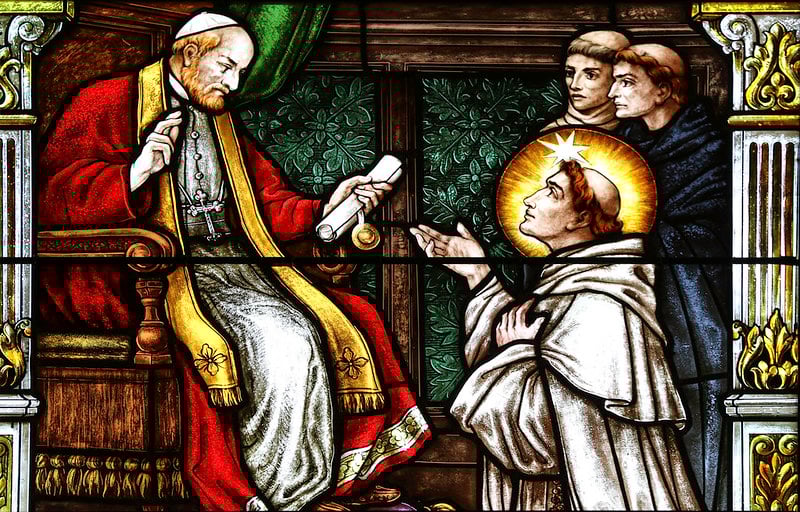
Although driven by Spanish monarchs, the Inquisition operated with papal blessing. Rome gave permission, but Madrid pulled the strings. Still, it was more a royal machine than a church one.
Not Just About Torture

Torture was used, yes—but far less than popular imagination suggests. Most trials relied on witness testimony, forced confessions, and careful records. Torture was tightly regulated, at least on paper. Even so, the dread of it was often punishment enough.
Public Spectacle of Autos-da-fé
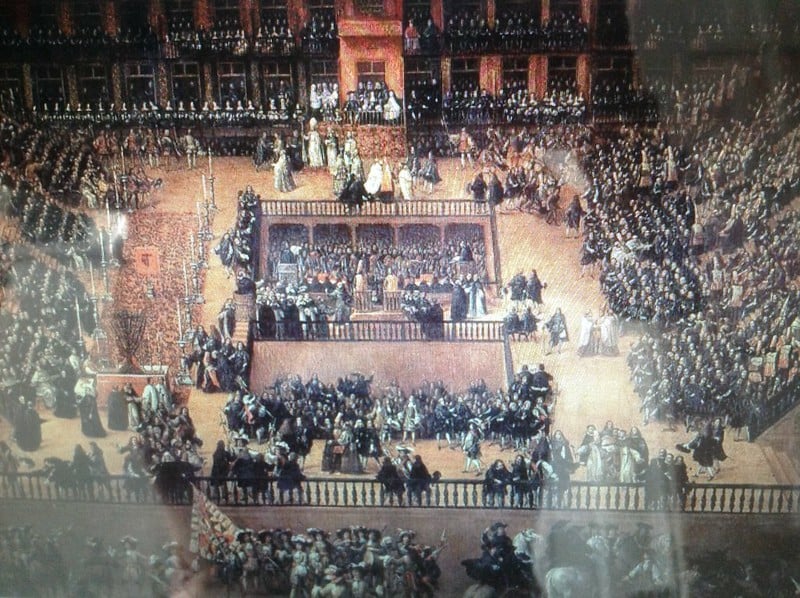
Sentences often ended with the dramatic auto-da-fé—a public ritual of penance or punishment. Picture crowds in plazas, bright banners, and condemned people in special robes. Theatrical. Terrifying. Oddly festive, almost like a parade turned grim.
Broad Reach Beyond Jews
Over time, the net widened. Protestants, mystics, people accused of witchcraft, even thinkers with unorthodox ideas—anyone could be questioned. And while witch trials were less common in Spain than elsewhere, they still left scars. Not easily forgotten.
Role of Secret Denunciations

Anonymous accusations carried enormous weight. Neighbors, rivals, even family members could report suspicions in secret. Trust eroded quickly. A whisper in the wrong ear—ruin. Imagine the tension at a dinner table.
Harsh Prisons

Inquisitorial prisons were dreaded. Conditions varied: some cells were dark, others crowded, others damp. And the waiting could be worse than the punishment itself. Months of silence, broken only by footsteps echoing down a stone corridor. Cold stone, colder fear.
Extensive Records

The Inquisition left behind mountains of paperwork. Interrogations, verdicts, and confessions were carefully written down.
- Detailed notes on trials
- Lists of banned books
- Records of punishments
All of it is preserved. This obsession with paper ironically helps historians piece the story together today.
Spread to the Colonies

It wasn’t confined to Spain. The Inquisition extended to the Americas, policing faith in Mexico, Peru, and beyond. Different land, same suspicion. A system carried across oceans—salt air, new soil, same fear.
Targeting Books
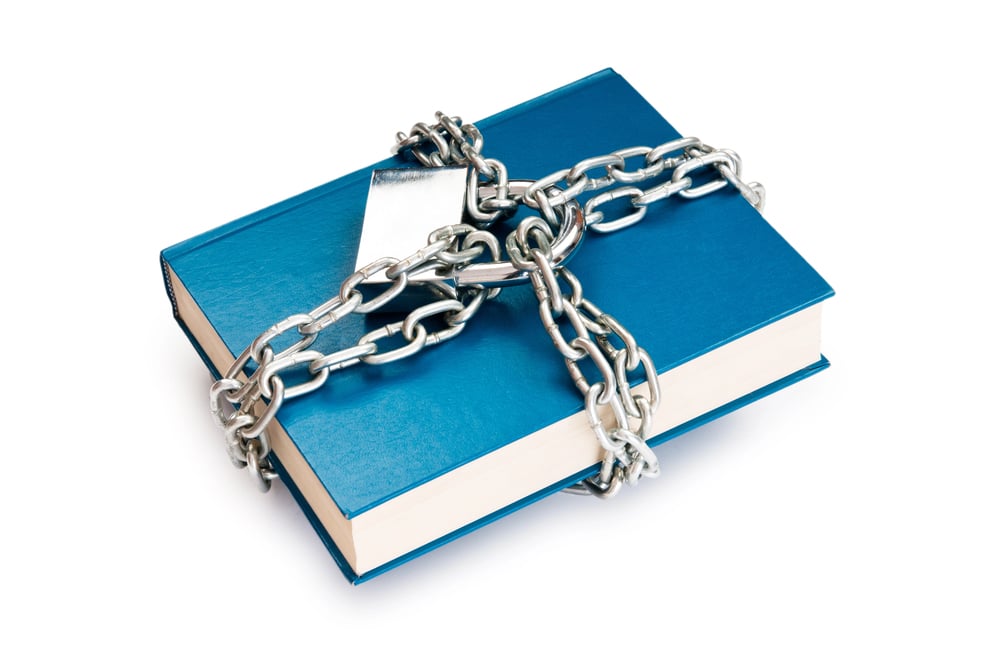
Ideas were policed too. The Inquisition kept an Index of Forbidden Books, banning works that clashed with Catholic doctrine. Printing presses didn’t escape scrutiny. Some writers had to smuggle their words abroad. Risky business.
Economic Motives

Trials often ended with confiscation of property. While religious zeal was central, money and politics crept in. Families could be ruined overnight, stripped of wealth and honor. So it wasn’t only about faith—power and profit mattered too.
Decline Over Centuries
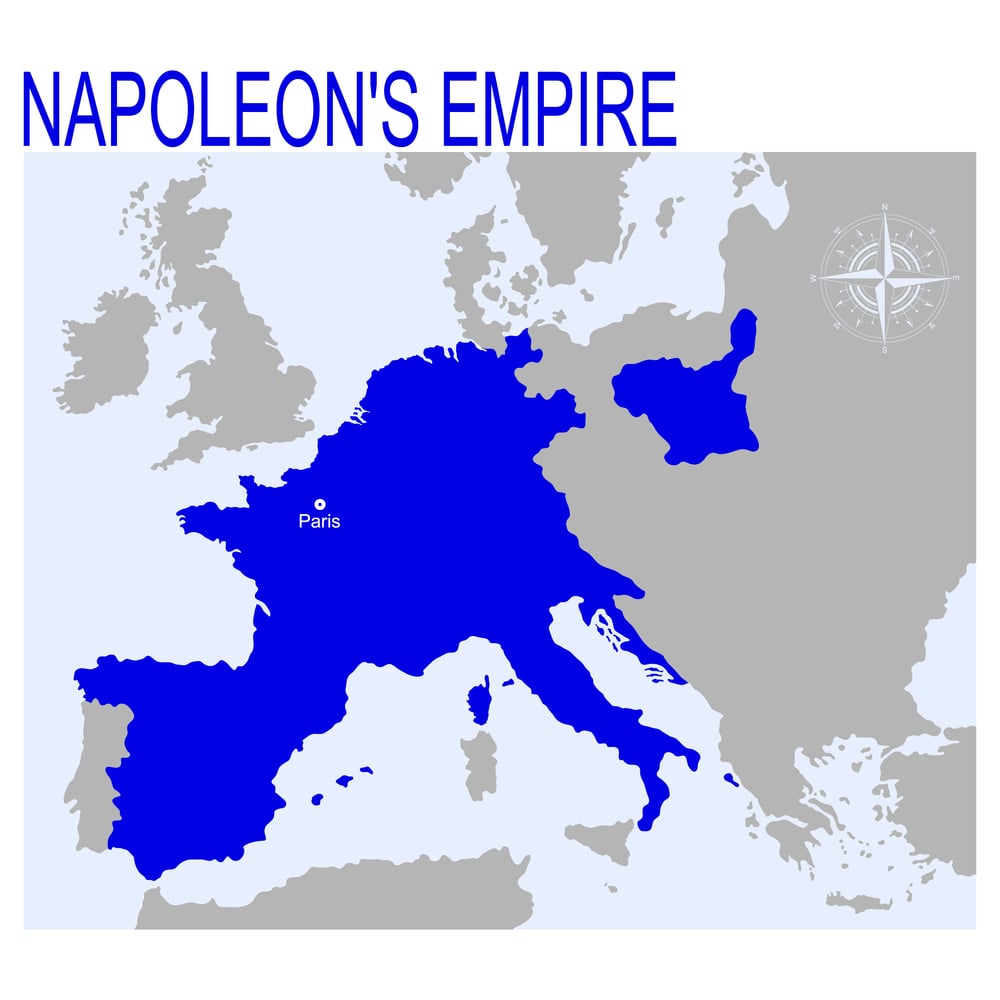
The Inquisition lasted more than 300 years. Yet by the late 1700s, Enlightenment ideals and political change weakened its grip. Napoleon’s invasion finally forced its suspension in the early 1800s. Long life, slow death.
Lingering Myths

Despite its decline, myths about the Inquisition spread across Europe and beyond. Paintings, plays, and novels exaggerated cruelty, cementing its terrifying image. Some exaggeration, some truth. Still, the stories stuck harder than the reality.
A Complex Legacy

Today, historians view it as both a tool of control and a window into Spanish society. Faith, fear, politics, and power all intertwined—leaving a legacy that’s still debated. Not simple. Never simple.
Shadows That Remain

— Photo by RomanNerud
Centuries later, the Spanish Inquisition remains shorthand for unchecked authority and hidden judgment. A reminder of how fear can be weaponized. And how echoes of the past never quite fade.
More from Go2Tutors!

- 16 Historical Figures Who Were Nothing Like You Think
- 12 Things Sold in the 80s That Are Now Illegal
- 15 VHS Tapes That Could Be Worth Thousands
- 17 Historical “What Ifs” That Would Have Changed Everything
- 18 TV Shows That Vanished Without a Finale
Like Go2Tutors’s content? Follow us on MSN.