Most Recognizable Coffee Order Variations Worldwide
That moment when you’re standing in line at a coffee shop in a foreign country, squinting at the menu like it’s written in hieroglyphics — except it sort of is. Coffee culture might be universal, but the way people order their daily caffeine fix varies wildly from one corner of the globe to another.
What passes for a normal coffee request in Melbourne might earn you blank stares in Milan, and what sounds perfectly reasonable in São Paulo could leave a Seattle barista scratching their head.
The beautiful thing about coffee orders is how they reveal the personality of entire cultures. Some places keep it brutally simple.
Others have turned the morning coffee run into an art form that requires three adjectives, two temperature specifications, and a milk alternative you’ve never heard of. These variations aren’t just about taste — they’re about identity, tradition, and the particular way different societies have decided to wake up each morning.
Espresso
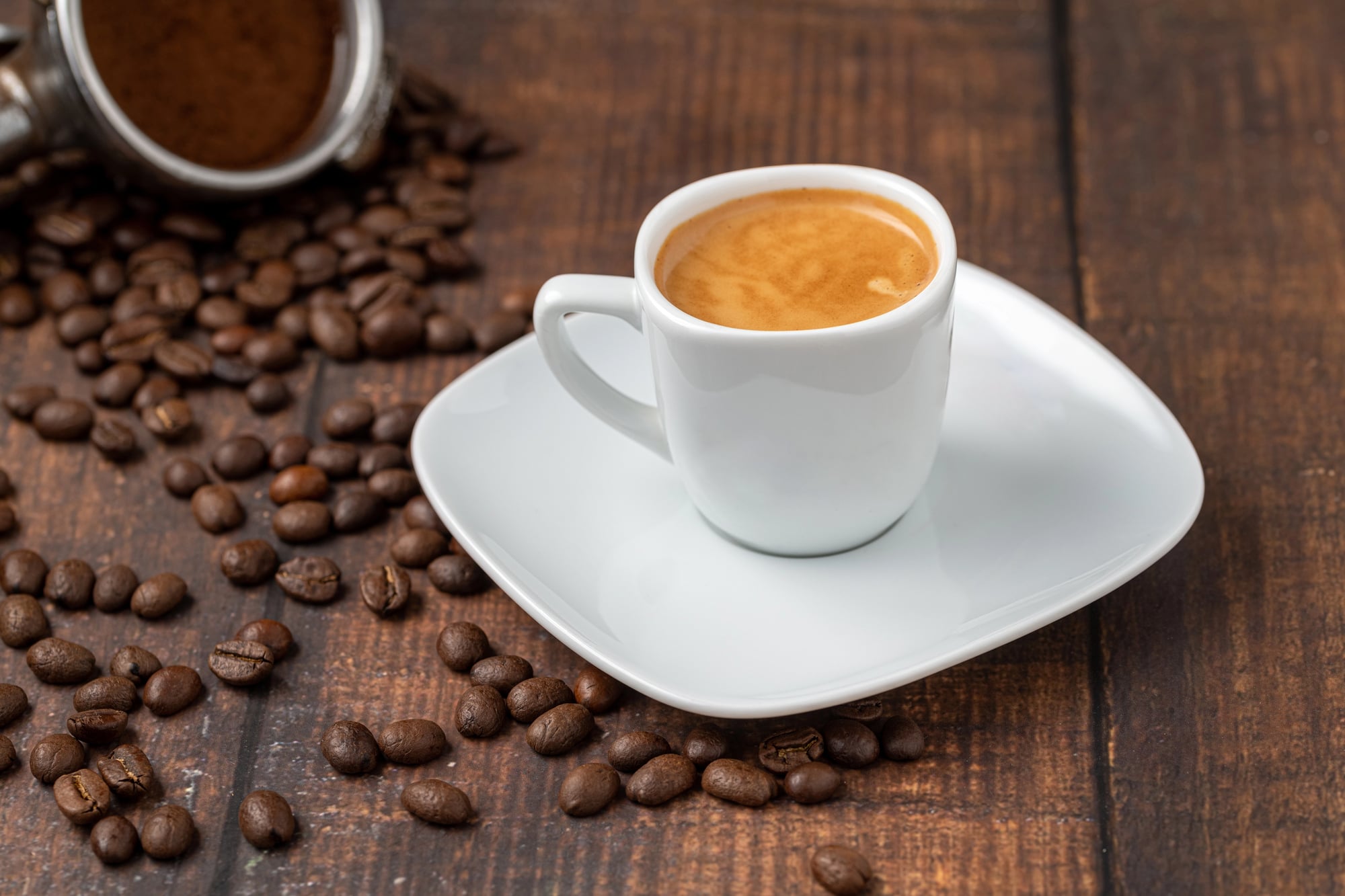
Italians don’t mess around. Order an espresso and you get a small, concentrated shot that disappears in two sips.
No modifications, no questions asked, no lingering at tiny tables for an hour while you check social media.
The rest of the world has complicated this perfectly simple concept, but Italy holds the line. Espresso means espresso — black, strong, and finished before you’ve had time to sit down.
Flat White
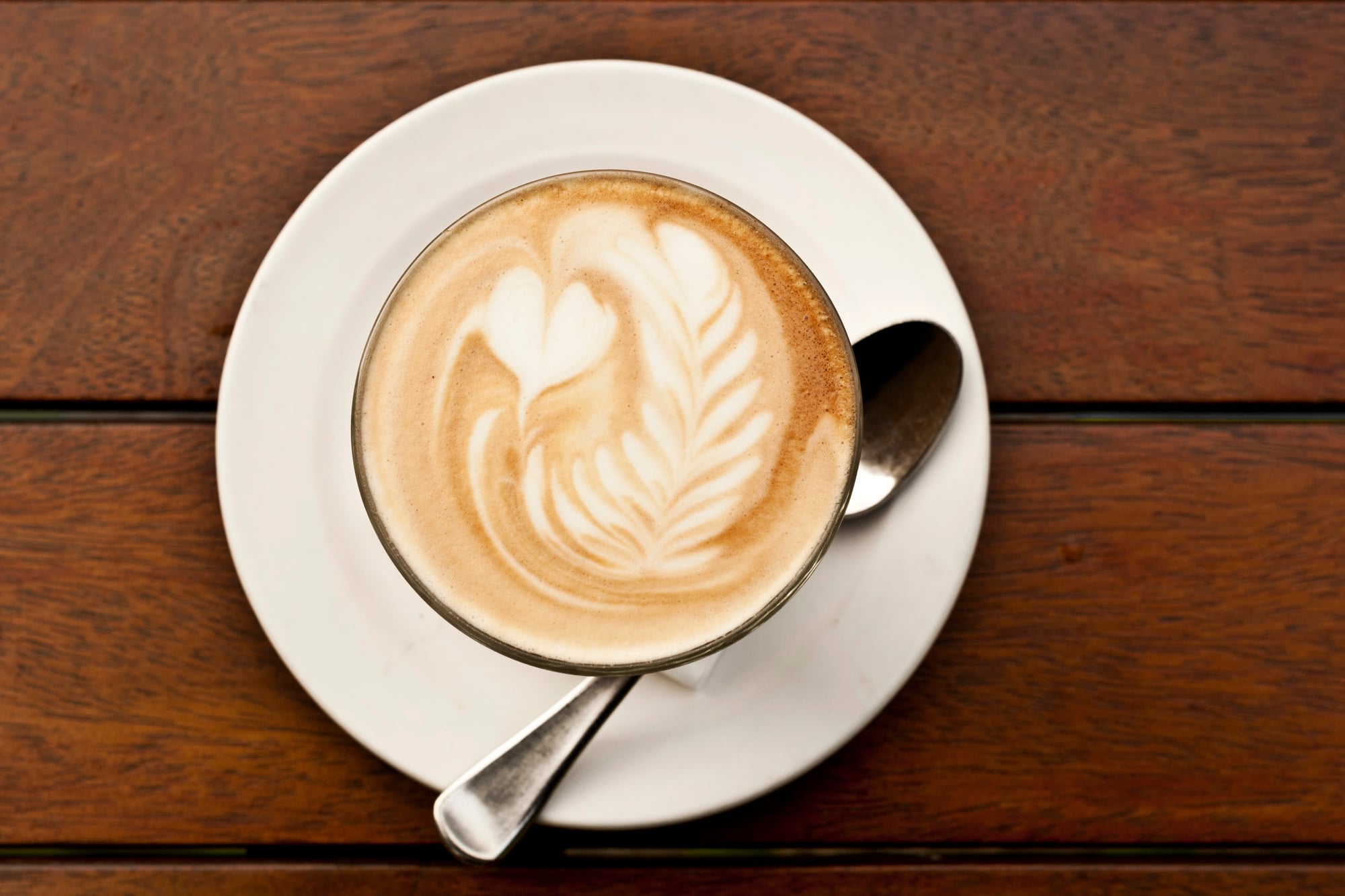
The flat white sits somewhere in that nebulous territory between Australia and New Zealand, with both countries claiming ownership (and honestly, who cares at this point — it’s delicious either way). What started as a regional variation has become the drink that coffee snobs order when they want to sound informed but not pretentious, which is a narrow target to hit, and yet somehow the flat white manages it perfectly.
The microfoam creates this velvety texture that regular lattes can’t quite achieve, and there’s something about the ratio — more espresso, less milk, steamed just so — that makes it feel like the grown-up version of what everyone else is drinking.
You can spot a flat white drinker from across the room. They’re the ones who nod approvingly when the barista doesn’t create latte art (because flat whites aren’t about the Instagram moment), and they definitely have opinions about coffee bean origins that they’ll share if you make the mistake of asking.
Café Con Leche
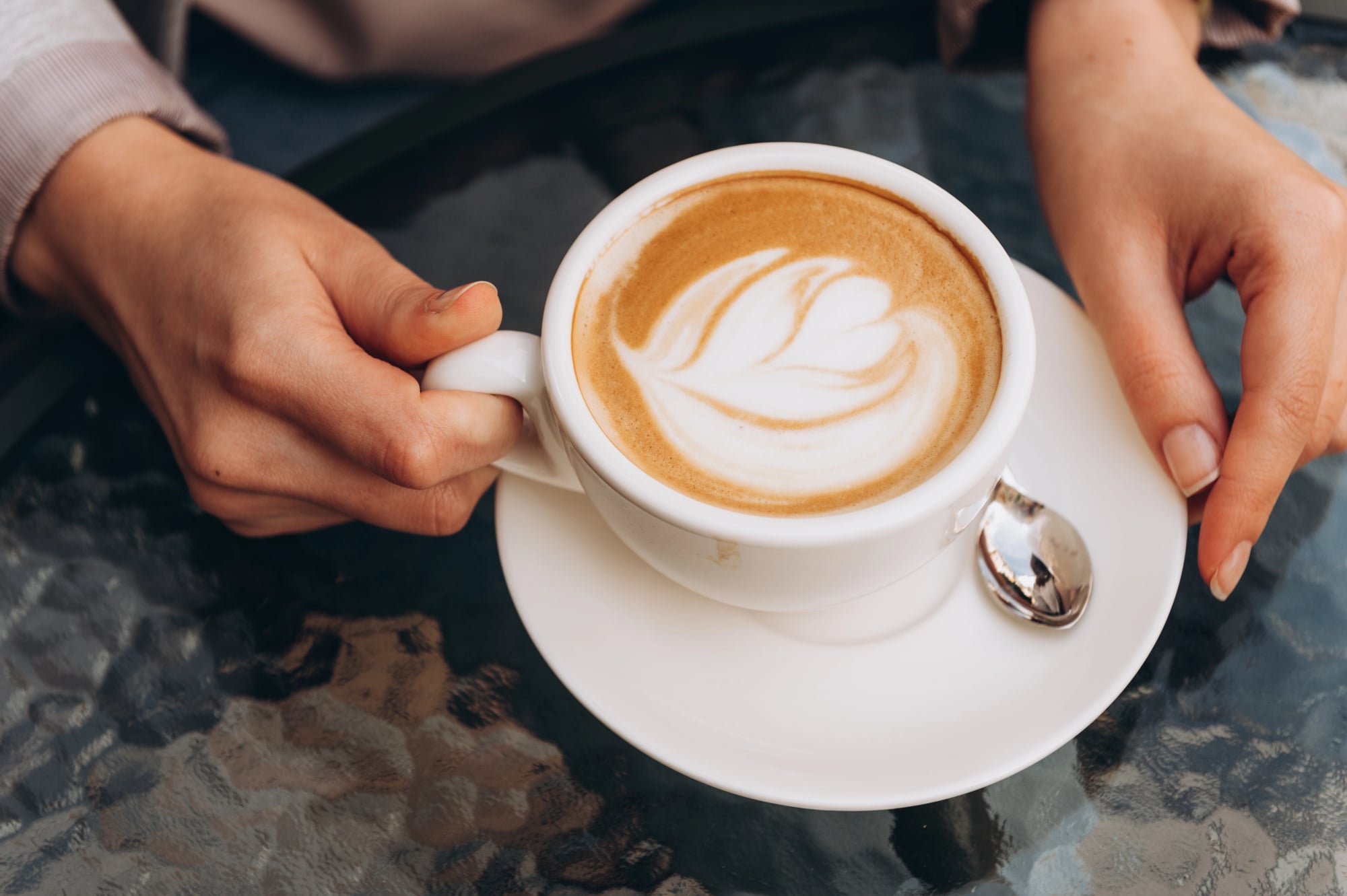
There’s something almost ceremonial about how café con leche anchors the morning routine across Spain and Latin America. It’s not just coffee with milk — though that’s technically what the name means — it’s the drink that turns a hurried breakfast into a pause worth taking.
The milk gets heated to just the right temperature, the coffee strong enough to cut through but not overpower, and the whole thing arrives with the kind of casual confidence that suggests this combination was inevitable.
Watch someone order café con leche in Madrid or Mexico City, and you’ll notice they don’t specify ratios or temperatures. They don’t need to.
The drink exists in that sweet spot where everyone understands what it should taste like, even if no one bothers to write down the exact proportions.
Americano
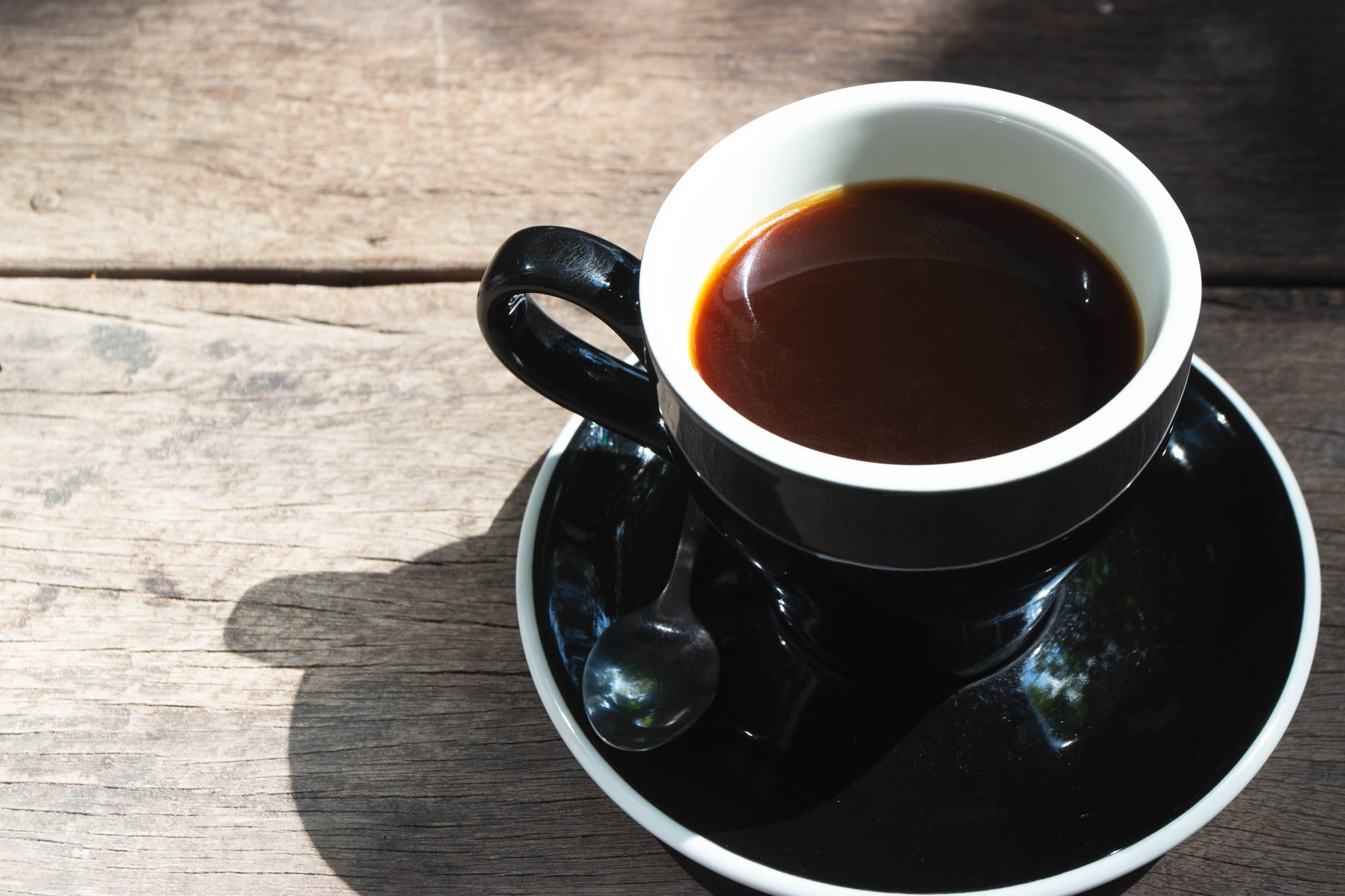
The Americano exists because American soldiers during World War II found Italian espresso too strong and asked for hot water to dilute it. Italians were reportedly horrified, but the drink stuck around anyway, which says something about the stubborn practicality of American coffee preferences.
Modern coffee culture has embraced the Americano as the drink for people who want something stronger than drip coffee but less intense than straight espresso. Fair enough.
It serves its purpose without demanding too much attention from anyone involved.
Turkish Coffee
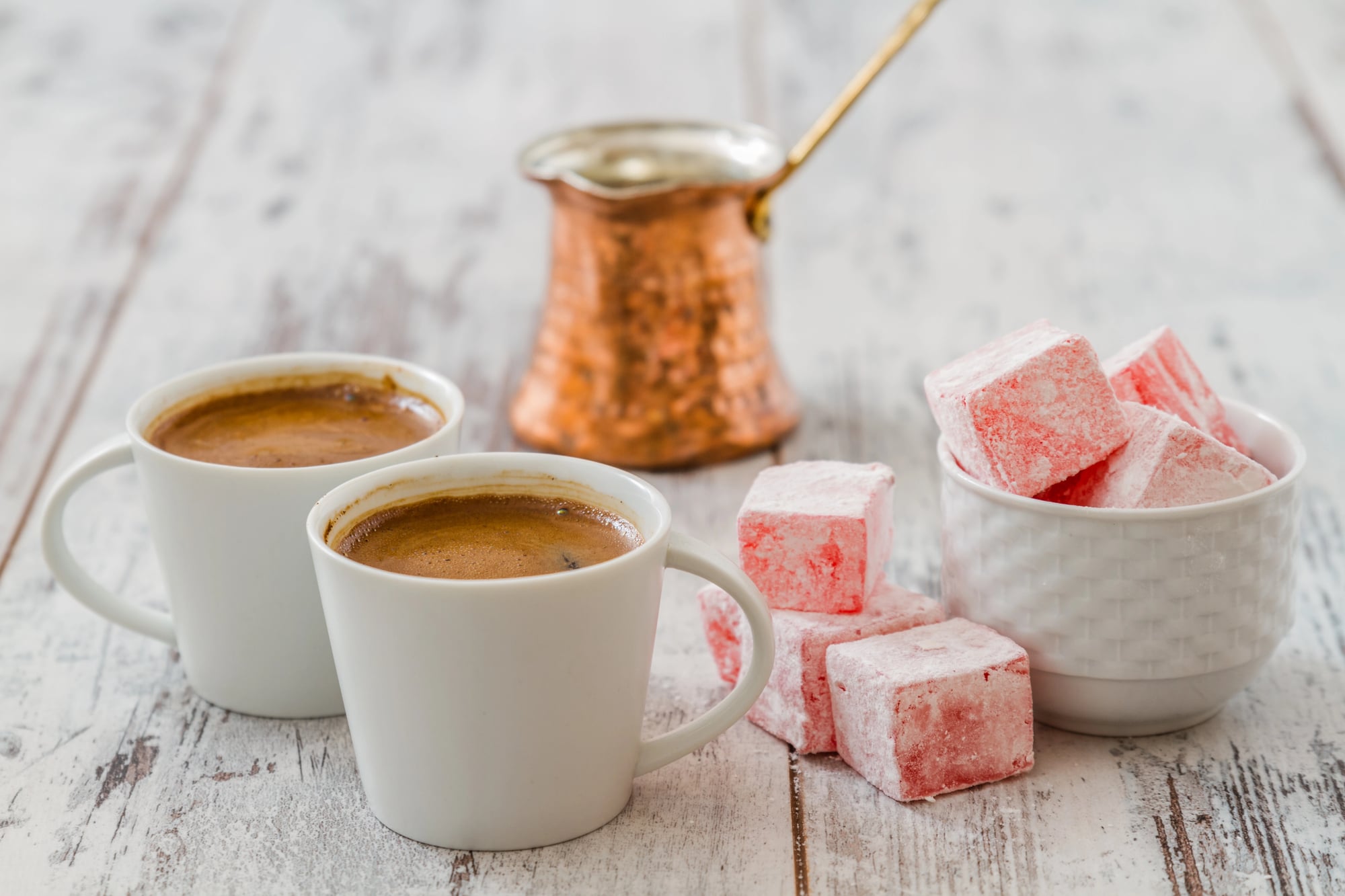
Turkish coffee demands patience in a world that has forgotten how to wait for anything. The coffee grounds (so fine they’re practically powder) settle at the bottom of the cup, which means you either learn to sip carefully or you spend the last third of your drink chewing, and there’s something oddly meditative about both approaches, really — the careful attention it requires, the way it refuses to be rushed, the understanding that this particular coffee experience comes with its own rules that haven’t changed much in several centuries.
The preparation alone takes longer than most people spend on their entire morning routine, but that’s the point: it’s coffee as ritual rather than fuel, coffee as something worth doing properly even when (especially when) the world is moving too fast around you.
So you sit with your small cup, let the grounds settle, and remember what it feels like to drink something that was made with actual intention. And yet the sweetness — when it’s prepared traditionally — cuts through the intensity in a way that makes the whole experience feel less like endurance and more like indulgence.
Café Bombón
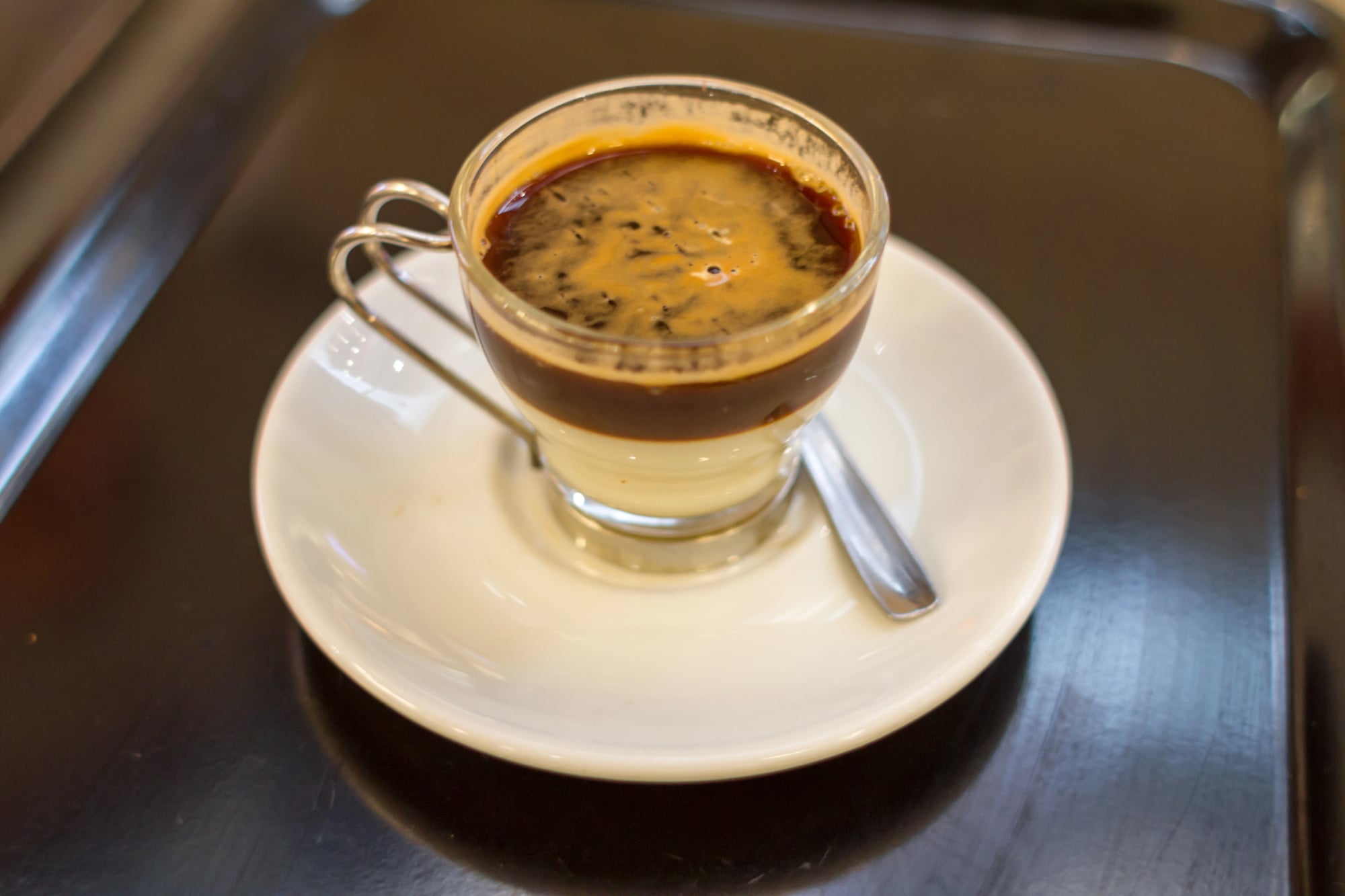
Café Bombón is what happens when Spain decides regular coffee needs a dramatic visual upgrade. The drink arrives in a clear glass, with dark espresso floating on top of sweetened condensed milk, creating distinct layers that look impressive until you stir them together and end up with something that tastes like coffee-flavored candy.
The presentation is undeniably striking, and there’s something to be said for coffee that doubles as a small performance. Whether you actually want to drink liquid sugar with your caffeine is a separate question entirely.
Long Black
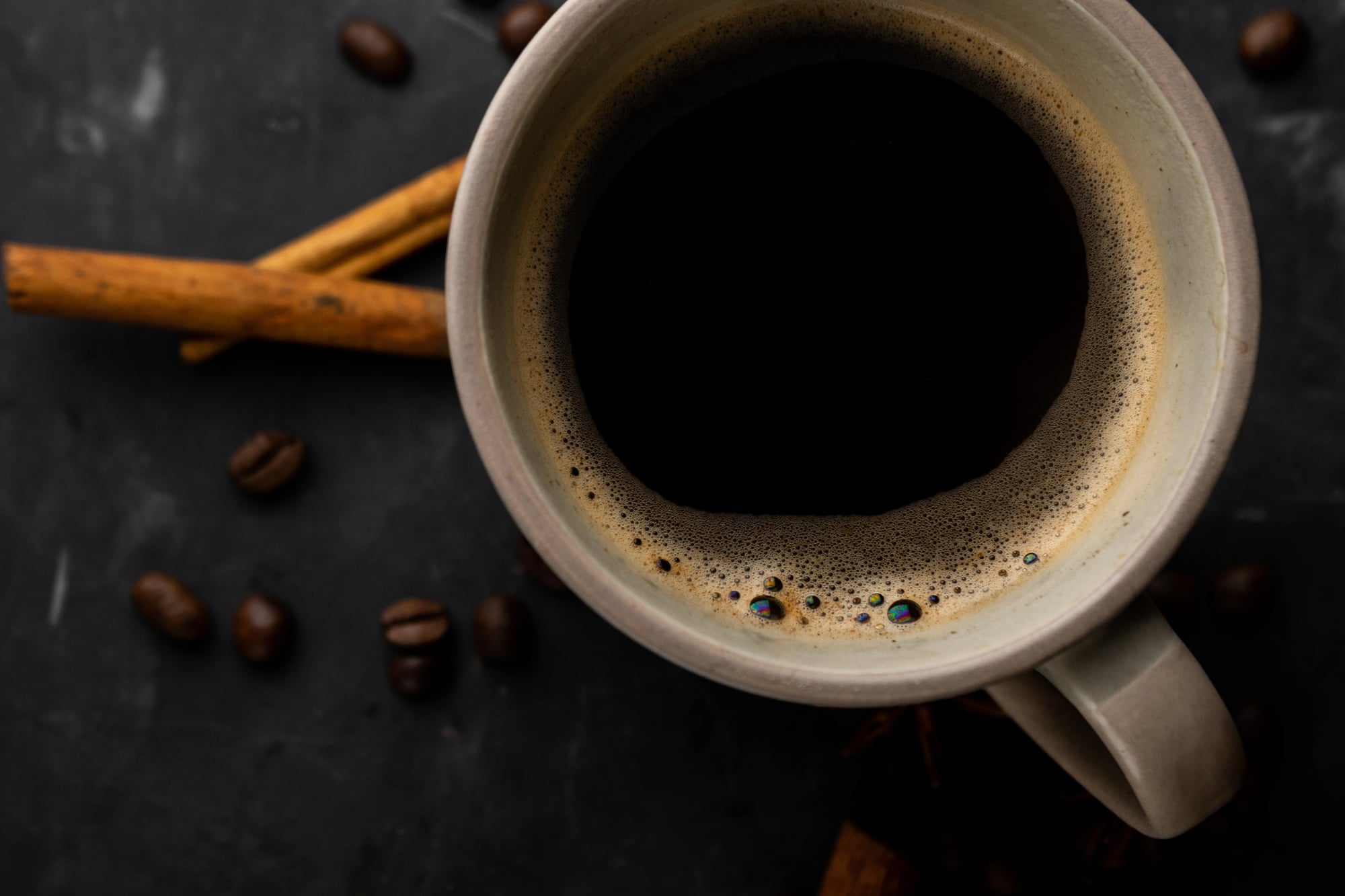
Australia took the Americano concept and decided it needed better technique. Instead of adding hot water to espresso (which can make the crema disappear and turn the whole thing slightly bitter), they pour espresso over hot water, preserving that golden foam layer and creating a cleaner-tasting result that coffee purists actually approve of.
The name sounds more dramatic than it needs to be, but the execution is genuinely superior to its American cousin. Sometimes small technical improvements make all the difference, even when most people can’t articulate why one version tastes better than another.
Café Au Lait
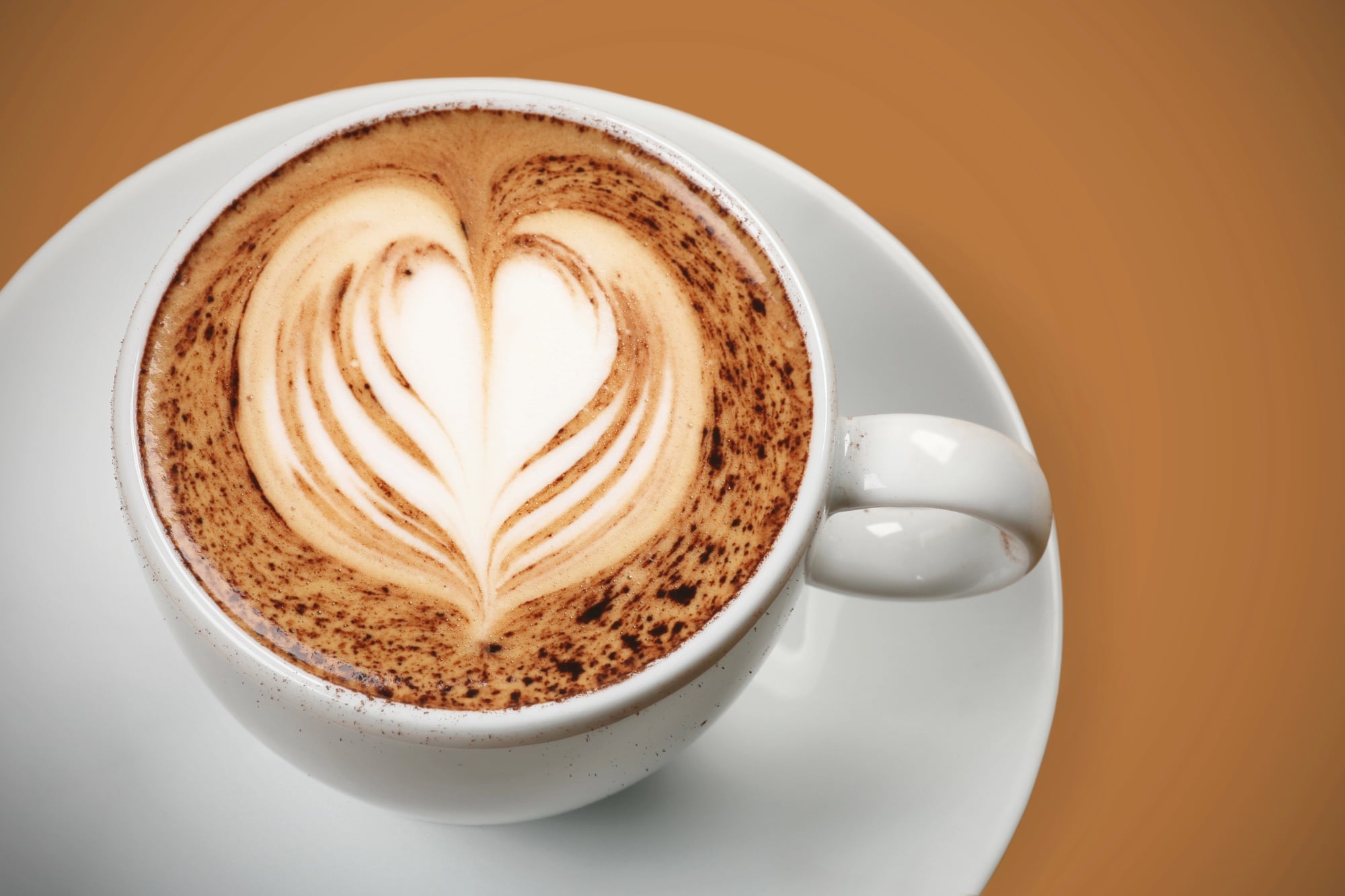
French breakfast culture practically demands café au lait — equal parts coffee and steamed milk, served in those wide, bowl-like cups that force you to hold them with both hands like you’re warming yourself around a small campfire. There’s something deliberately unhurried about the whole ritual, the way the cup’s design makes it impossible to drink quickly, the way the milk softens everything just enough without turning the coffee into dessert.
It’s the kind of drink that works best when paired with a croissant and the kind of morning where you have nowhere urgent to be. Which might explain why it never quite caught on in places where people drink their coffee while walking to the subway.
Cortado
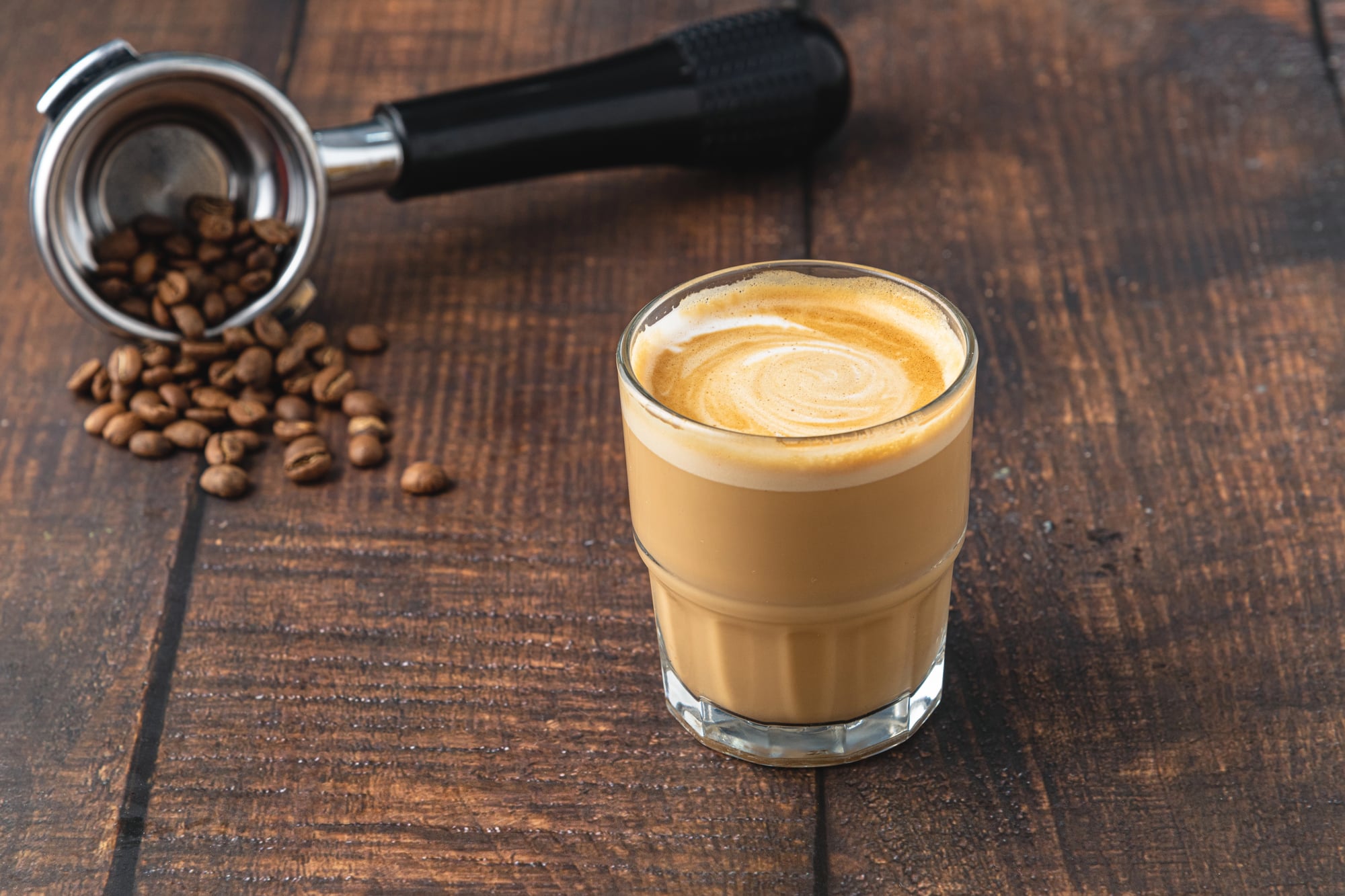
The cortado splits the difference between a macchiato and a cappuccino, which sounds like the kind of compromise that pleases no one but somehow works perfectly. Spanish in origin, it’s basically equal parts espresso and warm milk — not steamed into foam, just heated enough to take the edge off the coffee’s intensity without diluting its essential character.
Coffee shops outside Spain have embraced the cortado as the drink for people who find lattes too milky and macchiatos too intense. It occupies that middle ground with quiet confidence, never trying to be more interesting than it needs to be.
Café De Olla
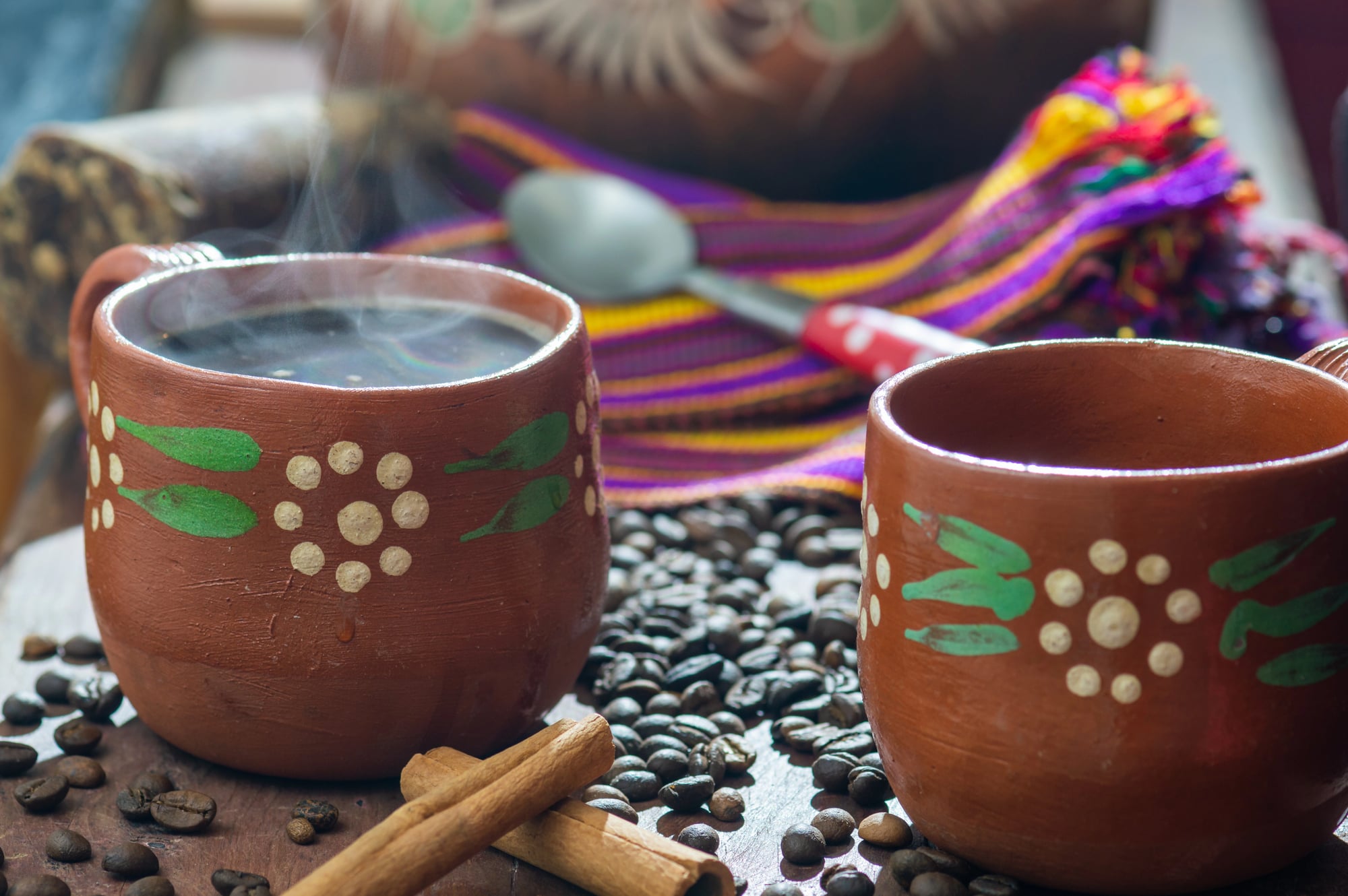
Mexican café de olla gets brewed in clay pots with cinnamon and piloncillo (unrefined brown sugar), creating something that tastes like coffee but feels like a warm hug from someone’s grandmother. The clay pot isn’t just traditional — it actually affects the flavor, adding an earthy note that you can’t replicate with modern equipment.
The drink embodies that particular Mexican approach to comfort food: take something simple, add the right spices, and transform it into something that nourishes more than just hunger. Coffee becomes an experience rather than just caffeine delivery.
Café Noisette
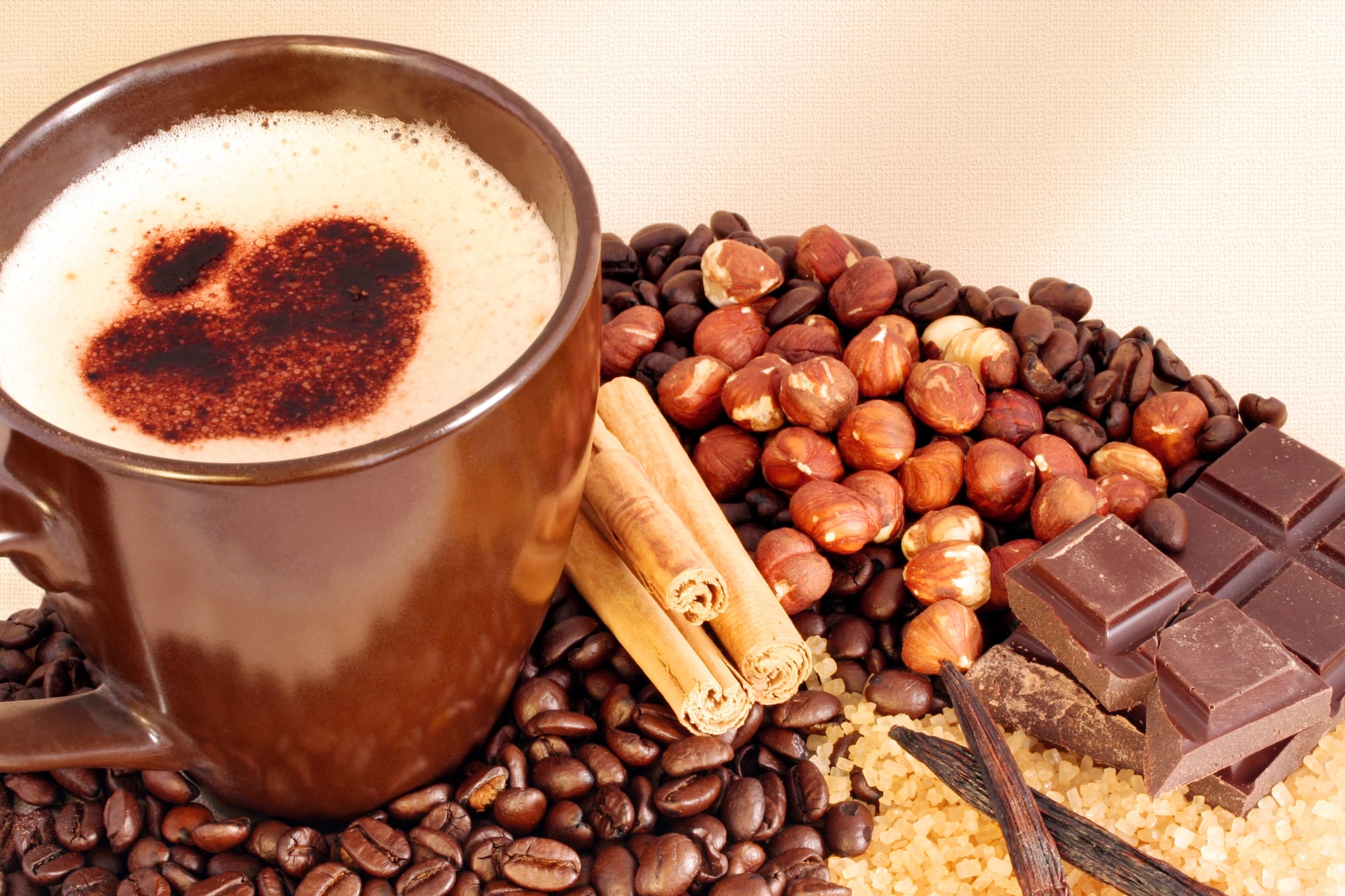
France’s café noisette — espresso with just a splash of milk — gets its name from the hazelnut color that results from adding exactly the right amount of dairy. The precision matters here: too little milk and it’s just espresso, too much and it becomes something else entirely.
French coffee culture appreciates this kind of subtle calibration. The drink exists for people who want their coffee softened just enough to be approachable but not enough to mask the espresso’s essential character.
It’s coffee for people who know exactly what they want and aren’t interested in variations.
Marocchino
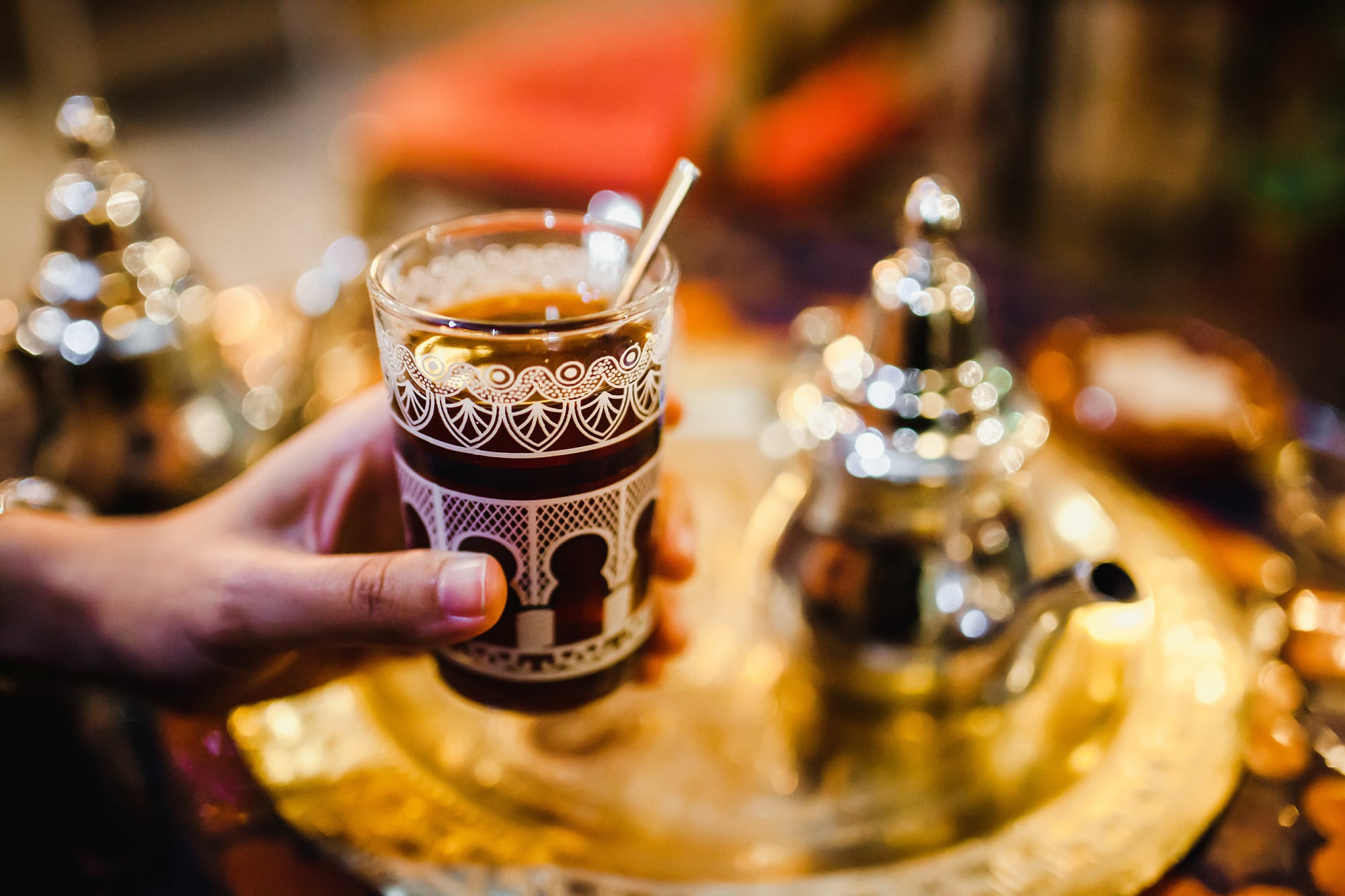
The marocchino layers espresso, cocoa powder, and frothed milk in a small glass, creating Italy’s answer to the question “what if coffee could also be a little bit like hot chocolate?” The drink originated in the Piedmont region and remains popular in Northern Italy, though it never achieved the international recognition of cappuccinos or lattes.
The cocoa adds richness without overwhelming sweetness, and the small serving size keeps it from feeling too indulgent. It’s coffee as a small treat rather than a morning necessity — which explains why Italians typically drink it in the afternoon rather than first thing in the morning.
Café Romano
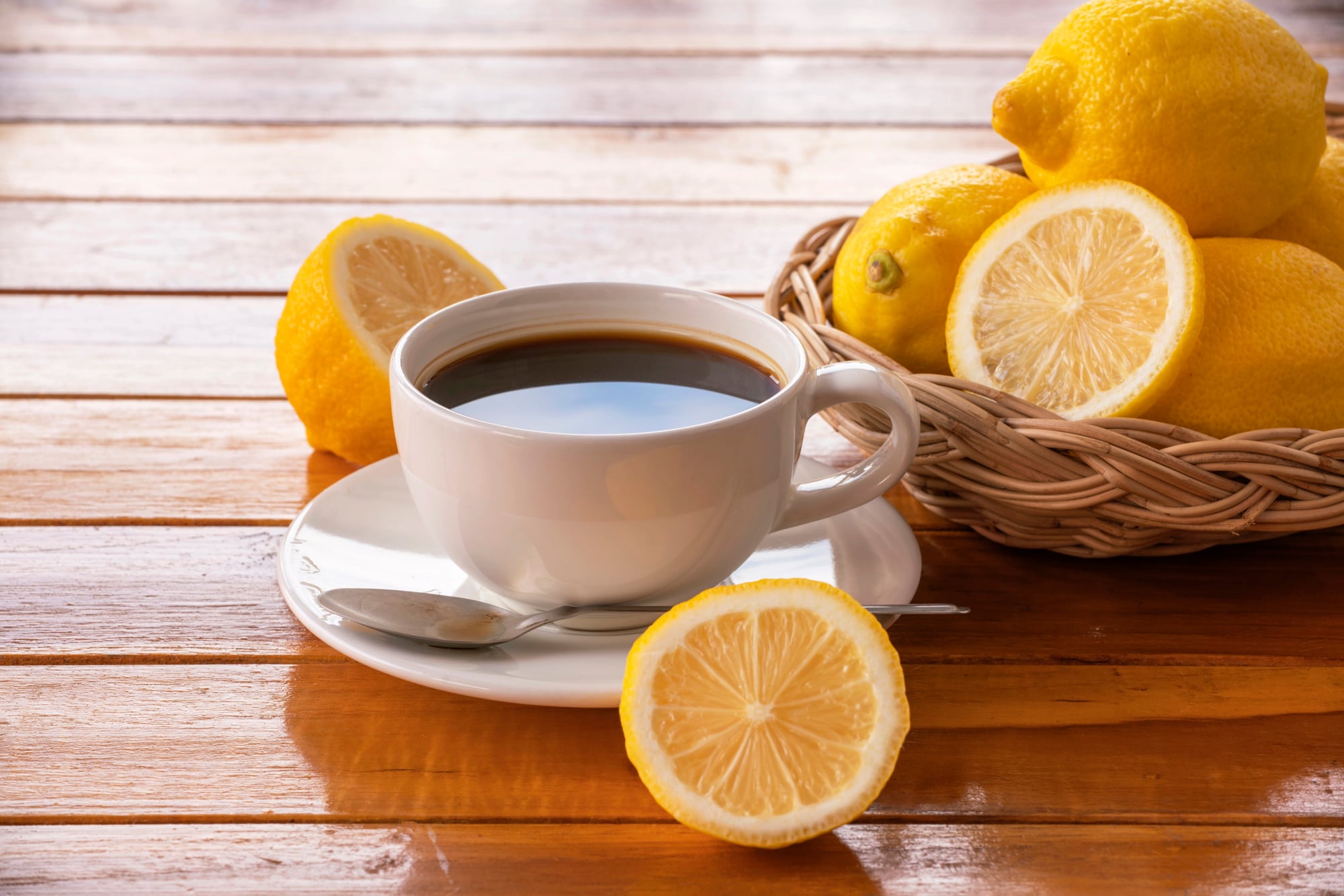
Café Romano serves espresso with a twist of lemon peel, which sounds like something that would ruin perfectly good coffee but somehow enhances it instead. The citrus oils brighten the espresso’s flavor without making it taste like lemon coffee — it’s more about adding complexity than changing the fundamental character.
This is one of those orders that separates coffee enthusiasts from everyone else. Either you appreciate the subtle way lemon oils interact with coffee aromatics, or you think someone made a mistake with your drink.
There’s not much middle ground.
Where Flavor Meets Culture

Coffee orders reveal more about us than we probably intend. They’re tiny declarations of identity, preference, and the particular way we’ve decided to navigate our daily caffeine ritual.
Some cultures approach coffee like a precision instrument — exact ratios, specific temperatures, no deviations. Others treat it like a canvas for creativity, adding spices and sweeteners and turning the morning brew into something closer to liquid comfort food.
The most interesting part isn’t which variations taste best — that’s entirely subjective anyway — but how these drinks spread beyond their original borders and adapt to new environments. Watching a flat white become trendy in Brooklyn or seeing Turkish coffee served in Parisian cafés reveals something about how food culture travels and transforms.
The drinks that survive translation usually have something essential to offer, even when they get modified along the way.
More from Go2Tutors!

- The Romanov Crown Jewels and Their Tragic Fate
- 13 Historical Mysteries That Science Still Can’t Solve
- Famous Hoaxes That Fooled the World for Years
- 15 Child Stars with Tragic Adult Lives
- 16 Famous Jewelry Pieces in History
Like Go2Tutors’s content? Follow us on MSN.