Authors who revolutionized publishing forever
The publishing world has seen its fair share of shake-ups over the centuries, but some authors didn’t just ride the waves of change—they created them. These writers challenged the system, broke the rules, and proved that there’s more than one way to get a story into readers’ hands. From the rise of paperbacks that made books accessible to everyday readers to the digital revolution that put publishing power directly into authors’ hands, the industry has constantly evolved. Some of the biggest changes came from writers who refused to take no for an answer.
Here is a list of authors who changed how books reach readers, proving that determination and innovation can reshape an entire industry.
J.K. Rowling

— Photo by Jean_Nelson
Twelve publishers rejected Harry Potter before a small independent press called Bloomsbury took a chance on it. The deciding factor wasn’t a savvy editor spotting the next big thing—it was the chairman’s eight-year-old daughter, Alice, who loved the first chapter so much she demanded to read the rest. Even then, Bloomsbury only printed 500 copies and advised Rowling to get a day job. Today, Harry Potter has sold over 600 million copies worldwide and turned Bloomsbury into a billion-dollar company. Rowling showed publishers that their gatekeeping doesn’t always spot genius, and sometimes the best judges are the readers themselves.
Stephen King

— Photo by s_bukley
In March 2000, Stephen King released Riding the Bullet exclusively online, marking one of the first major experiments in digital publishing. The e-book generated over 400,000 requests within the first 24 hours. Later that year, King pushed further with The Plant, releasing chapters on his website for readers to download and pay for voluntarily through an honor system. He stipulated he would only continue writing if at least 75 percent of readers paid, challenging traditional publishing’s control over distribution and pricing. Though King suspended the project after six chapters, it brought in almost $200,000 and proved that direct-to-reader models could work. Two decades before Substack made email newsletters profitable for writers, King was already experimenting with cutting out the middleman.
E.L. James

Fifty Shades of Grey started as Twilight fanfiction called Master of the Universe, posted on fanfiction websites under the pen name Snowqueens Icedragon. After the story’s popularity exploded online, James removed the Twilight-specific elements, changed the character names, and self-published it through a small Australian publisher. The book sold over 250,000 copies before Vintage Books acquired the publishing rights in March 2012. By October 2017, the trilogy had sold over 150 million copies worldwide. James showed that online communities and fanfiction could serve as proving grounds for commercial success, opening doors for other writers to follow similar paths.
Amanda Hocking

Amanda Hocking was rejected by more than 50 literary agents before deciding to self-publish her paranormal romance novels on Amazon’s Kindle platform in April 2010. By January 2011, she was selling over 450,000 copies per month and had earned approximately two million dollars. Before a marketing event called Zombiepalooza in October 2010, she was selling around 3,000 to 5,000 copies each month, but by December that number jumped to 100,000 copies in a single month. She eventually signed a multimillion-dollar deal with St. Martin’s Press, but only after proving her worth on her own terms. Her success showed other authors that traditional publishing wasn’t the only path to making a living from writing.
Hugh Howey
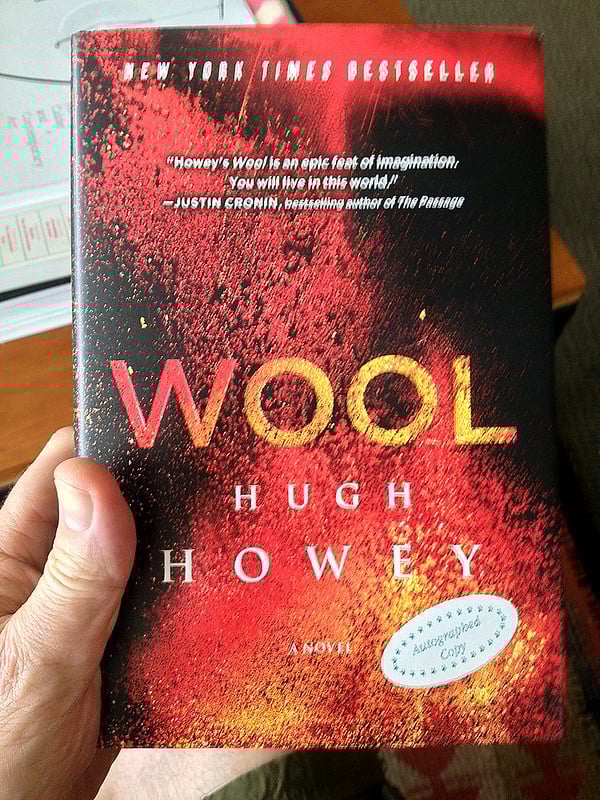
Hugh Howey published Wool as a 99-cent e-book novella through Kindle Direct Publishing in July 2011, initially planning it as a standalone story. By October, the book was positioned to sell 1,000 copies by the end of the month, which prompted Howey to write additional installments. The series rocketed to the top of Amazon bestseller lists, and by summer 2012, Howey was selling 20,000 to 30,000 digital copies per month and earning around $150,000 monthly from e-book sales alone. When publishers came calling, Howey negotiated something unprecedented: a print-only deal with Simon & Schuster worth around $500,000 while retaining all digital rights, turning down million-dollar offers that would have required him to give up e-book control. His hybrid approach created a new template for author contracts, proving writers didn’t have to choose between self-publishing and traditional deals.
Mark Twain
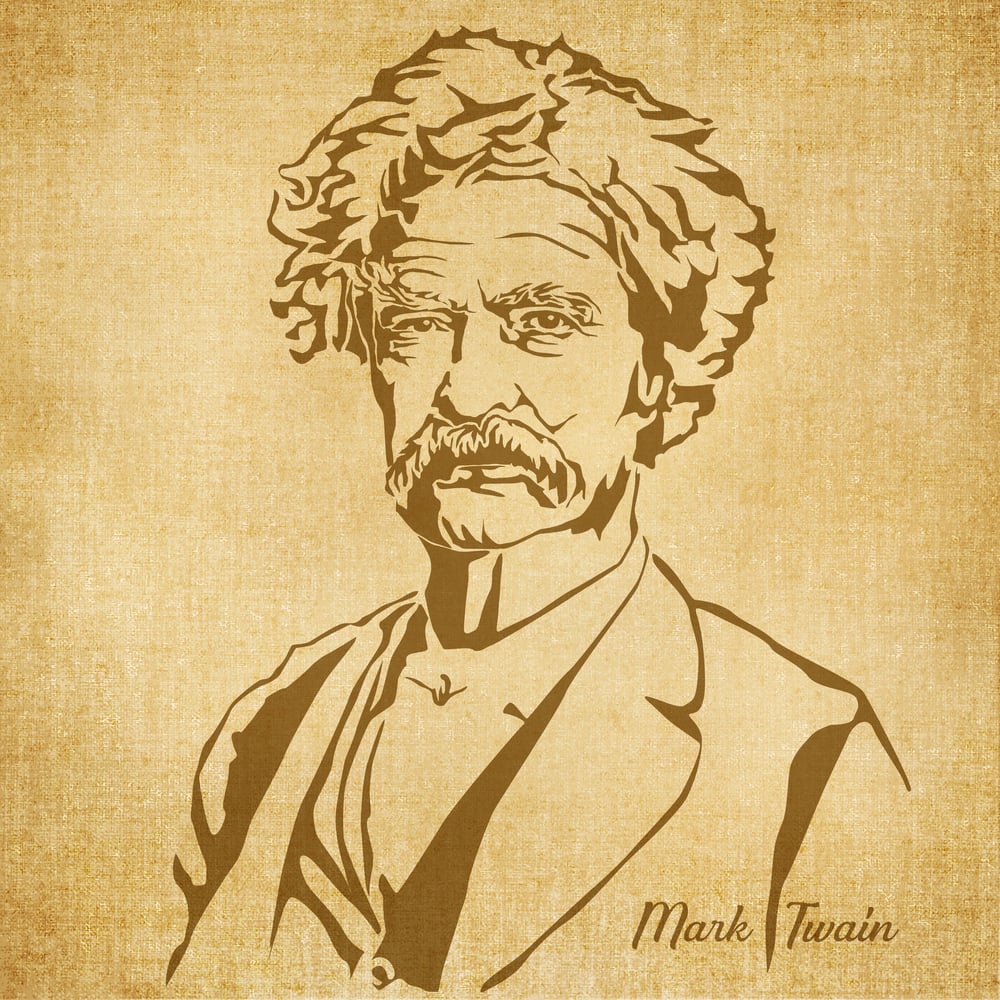
Mark Twain started his own publishing company, Charles L. Webster & Co., in 1884 because he was dissatisfied with how previous publishers had handled his work. The firm’s first two American publications were Adventures of Huckleberry Finn and the Personal Memoirs of Ulysses S. Grant, both highly successful. Twain sought to earn dual income as both author and publisher, keeping more of the revenue from his books. His entrepreneurial approach demonstrated that successful authors could take control of their own business interests rather than relying solely on publishers for distribution and profits.
Andy Weir

Andy Weir’s The Martian was self-published and became a major bestseller before he secured lucrative deals for both publishing and movie rights. The book started as a free serial on his website before readers requested a Kindle version. After self-publishing on Amazon, the book’s success caught the attention of traditional publishers and eventually Hollywood. Weir’s path from hobby writer to bestselling author with a blockbuster movie adaptation showed that genre fiction could find massive audiences without traditional publishing gatekeepers identifying it first.
The Lasting Impact

Throughout publishing history, the distribution of profits and power has shifted dramatically, from printers to booksellers to publishers, and now increasingly to authors themselves. Digital publishing and self-publishing platforms have given authors unprecedented freedom and control over their work, allowing them to retain creative authority, choose their own timelines, and make decisions about every aspect of the publishing process. These revolutionary authors didn’t just change their own fortunes—they proved that the traditional publishing model isn’t the only game in town anymore. The gatekeepers are still there, but the gates are no longer locked.
More from Go2Tutors!

- 16 Historical Figures Who Were Nothing Like You Think
- 12 Things Sold in the 80s That Are Now Illegal
- 15 VHS Tapes That Could Be Worth Thousands
- 17 Historical “What Ifs” That Would Have Changed Everything
- 18 TV Shows That Vanished Without a Finale
Like Go2Tutors’s content? Follow us on MSN.



