Most Common Birds Found Across The United States
Birdwatching feels like a secret language until you start paying attention. Then the world changes overnight.
That cardinal in your backyard transforms from “red bird” to a specific creature with habits, preferences, and a voice as distinct as your neighbor’s laugh. Suddenly your morning coffee comes with a soundtrack you actually recognize.
The United States hosts an incredible variety of birds, but some species have mastered the art of living alongside humans better than others. These are the birds that show up everywhere — suburban lawns, city parks, rural fence posts, and urban fire escapes.
Learning to identify them is like learning the basic vocabulary of a place you’ve lived your whole life without really seeing.
American Robin
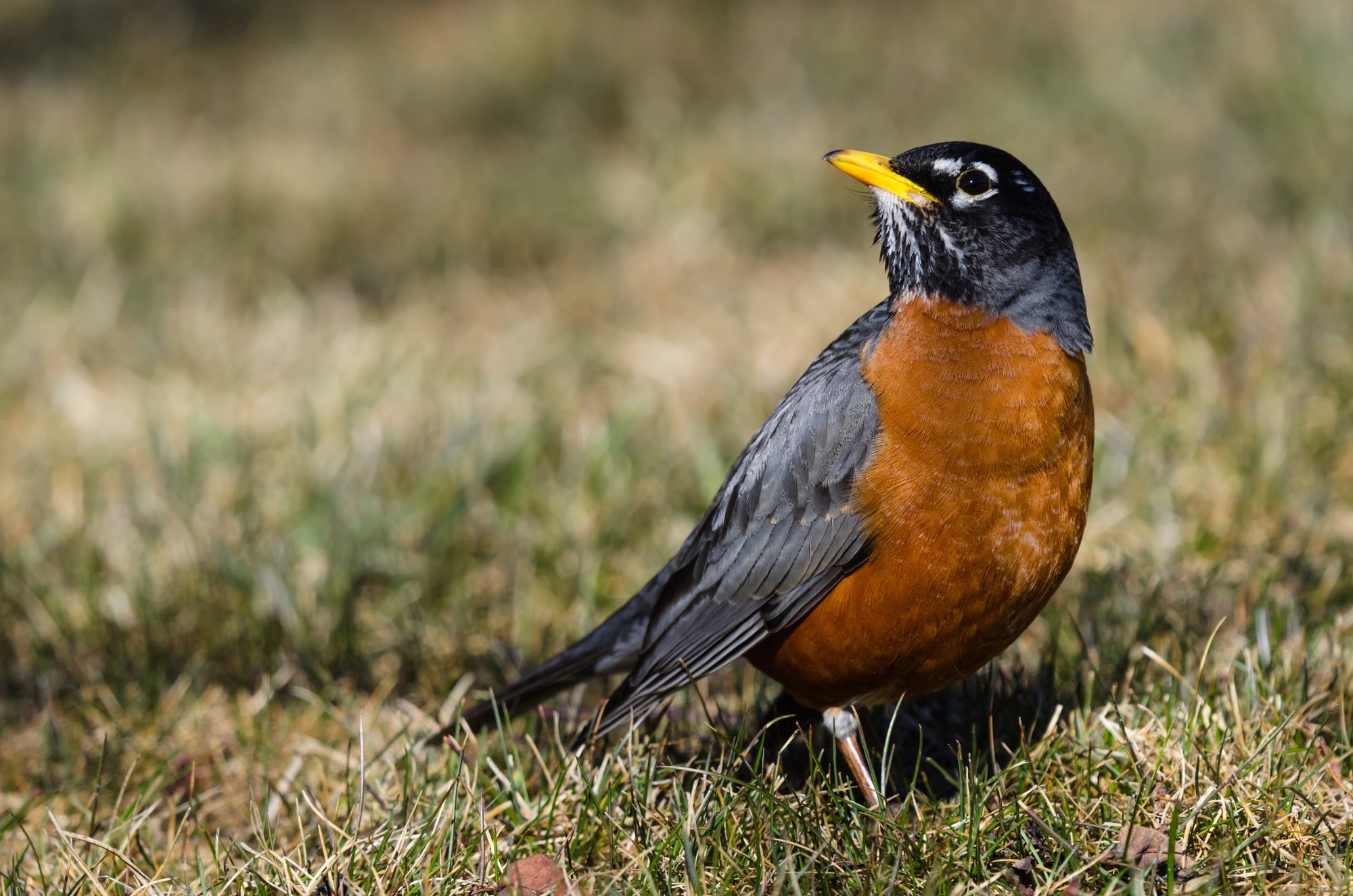
The American Robin owns spring mornings. Head tilted, listening for worms beneath the grass, it moves like someone who knows exactly where breakfast is hiding.
That orange breast catches light in a way that makes even the most indifferent observer pause.
Robins nest everywhere humans will tolerate them — porch lights, mailbox tops, the crook of a basketball hoop. They’re stubborn about location, often rebuilding in the same impossible spot after storms knock their work down.
And yet their persistence pays off: robins thrive in landscapes other birds find too disrupted to call home.
Northern Cardinal
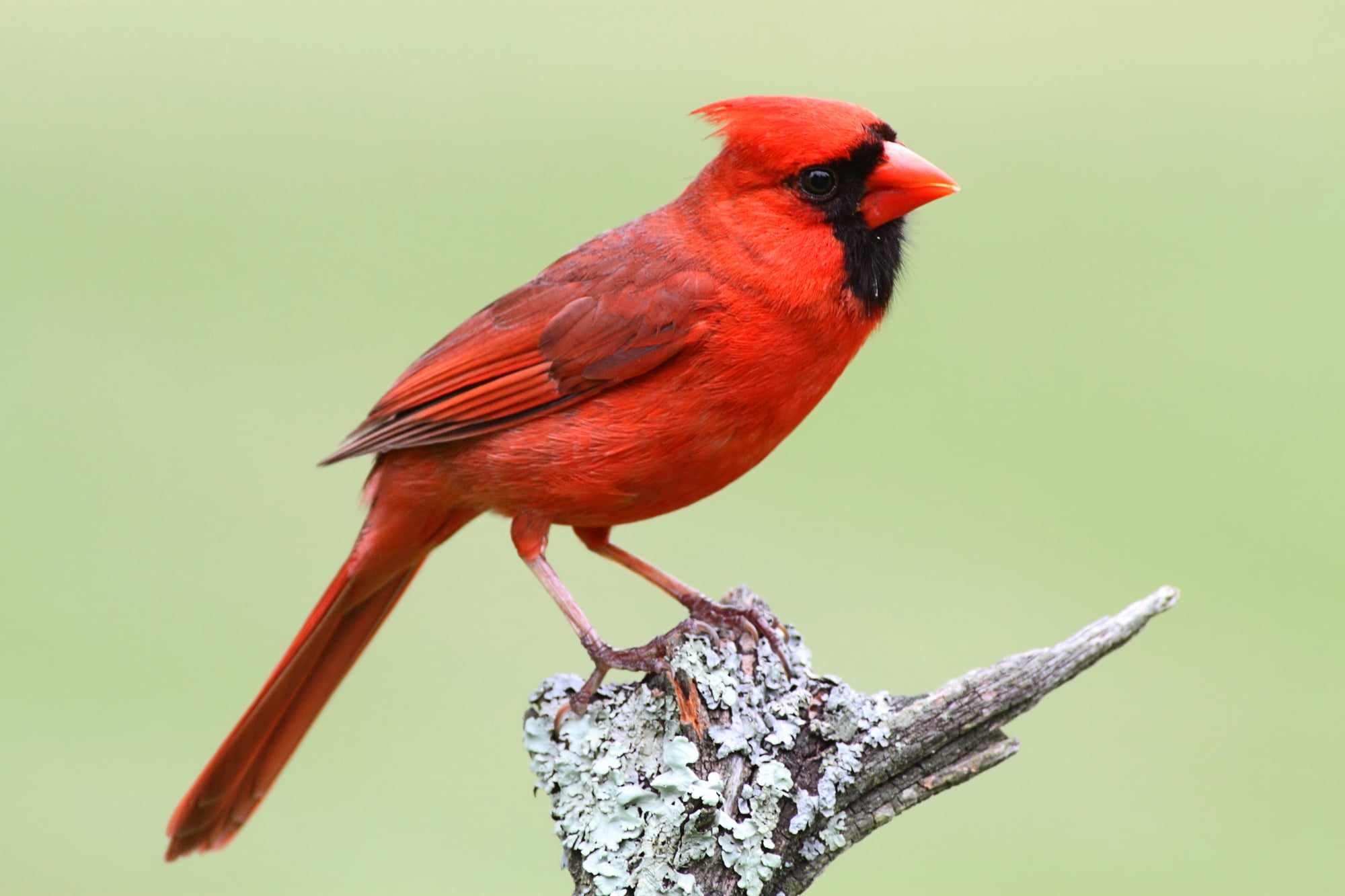
Cardinals correct every assumption about birds being skittish, delicate creatures. The male’s red is so saturated it looks painted on — the kind of color that stops conversations mid-sentence when one lands on a snow-covered branch outside the kitchen window.
But here’s what matters more than the obvious beauty: cardinals mate for life and stay put year-round (which means that flash of red belongs to your specific patch of ground, not just passing through).
The female’s warm brown might seem understated next to her partner’s brilliance, but watch her move through dense shrubs and it becomes clear who’s actually built for survival. That muted coloring disappears into shadow and bark in ways that bright red never could.
House Sparrow
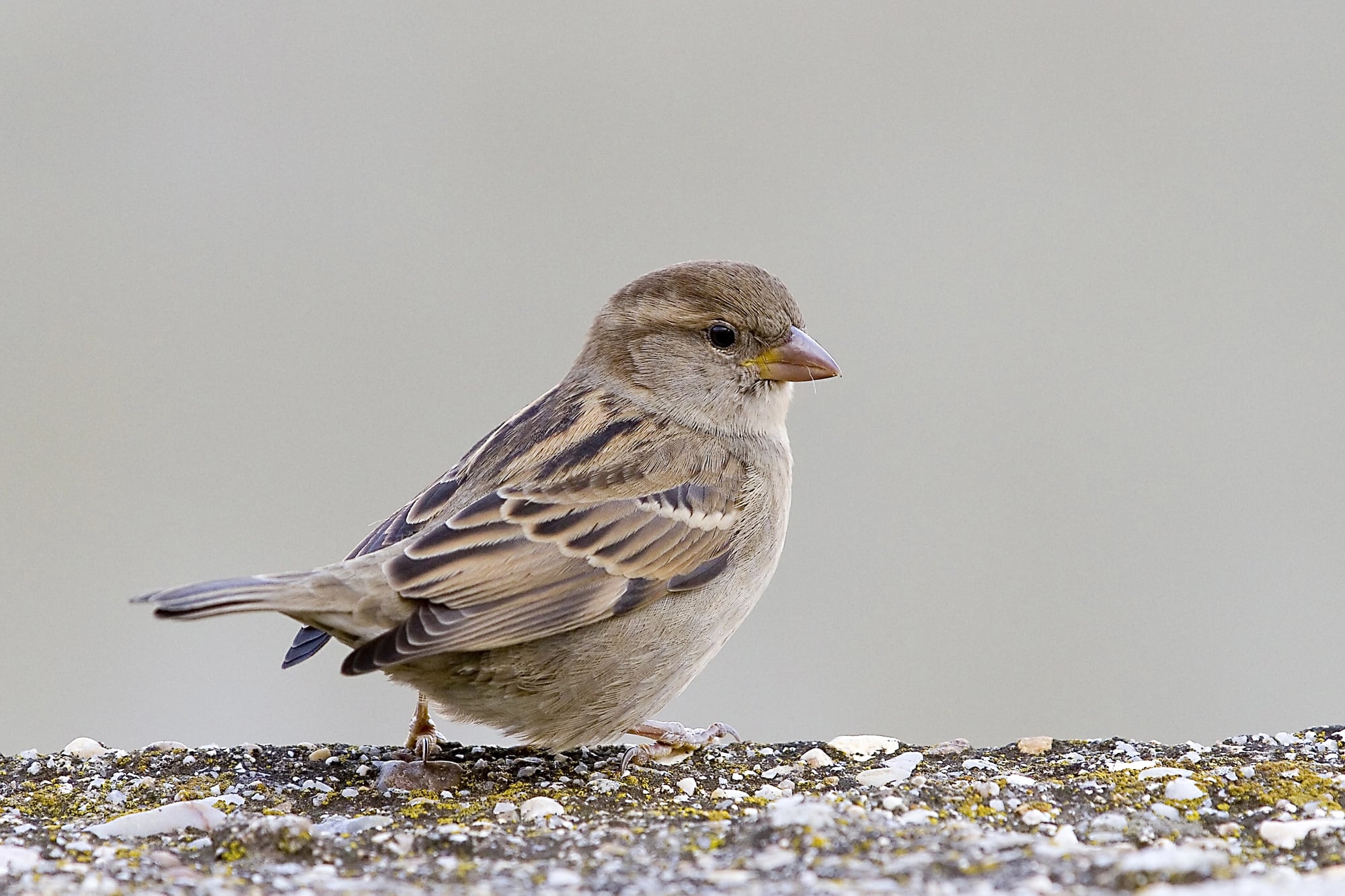
House sparrows are immigrants, like so many Americans. Brought from Europe in the 1850s to control insects, they’ve spent the last 170 years figuring out how to live in every possible American habitat.
Cities, suburbs, farmland — sparrows have opinions about all of it and aren’t leaving.
They’re small, brown, and easy to dismiss as “just another little bird.” That’s a mistake.
House sparrows are survivors in the most admirable sense: adaptable without being pushy, social without being dependent, tough without being aggressive. They’ve learned to read human patterns better than most humans read bird patterns.
Blue Jay
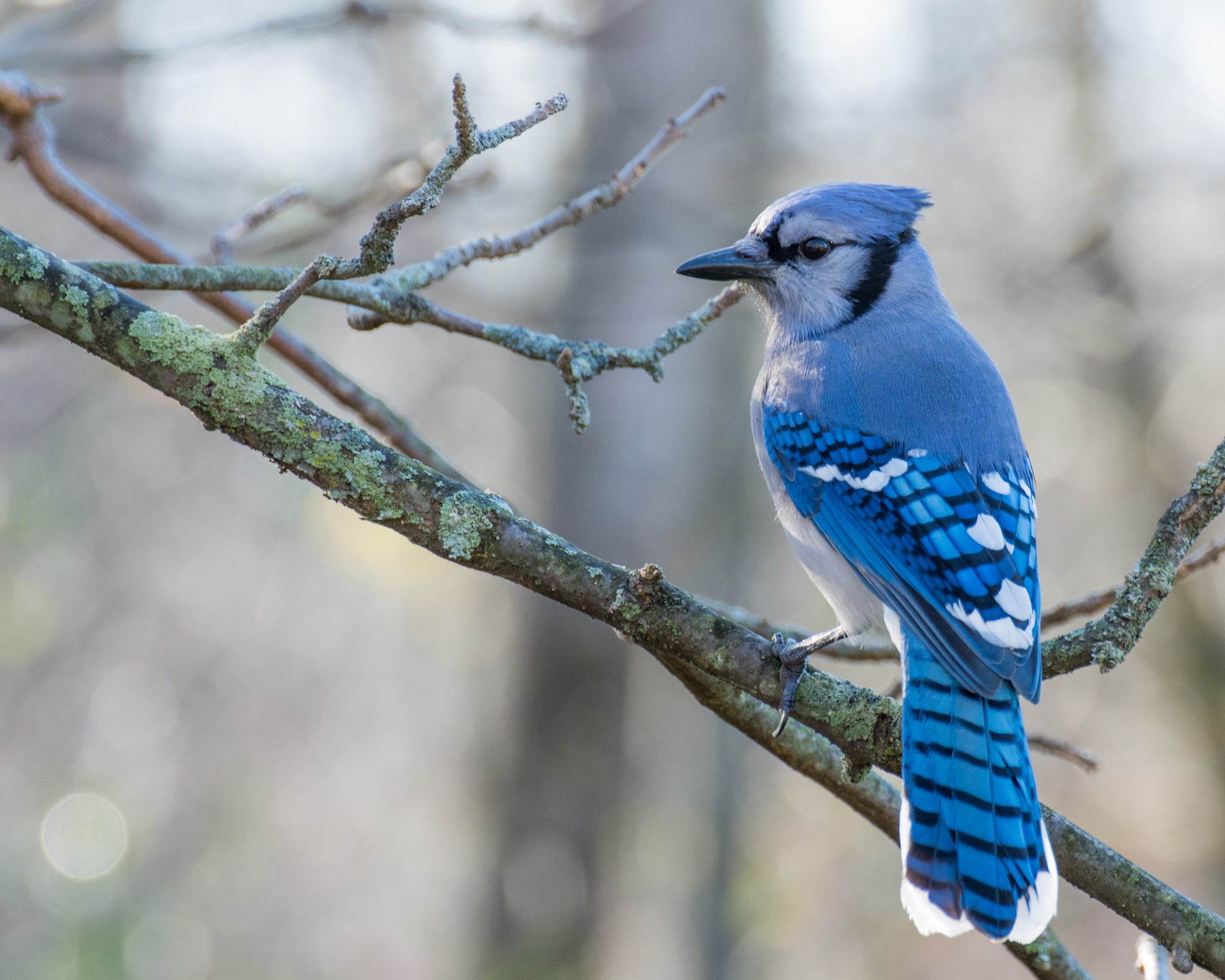
Blue jays have a reputation problem (and frankly, they’ve earned it through years of being loud, aggressive, and shameless about stealing eggs from other birds’ nests). But here’s the thing about blue jays: they’re also brilliant, devoted family members who remember faces, hold grudges, and mourn their dead — so maybe the attitude comes with the intelligence.
That blue isn’t technically blue at all but rather how light scatters through the structure of their feathers, which somehow makes them even more impressive.
A bird that can manipulate physics while simultaneously planning raids on your neighbor’s bird feeder deserves a certain amount of respect, even if you don’t particularly like their methods.
American Crow
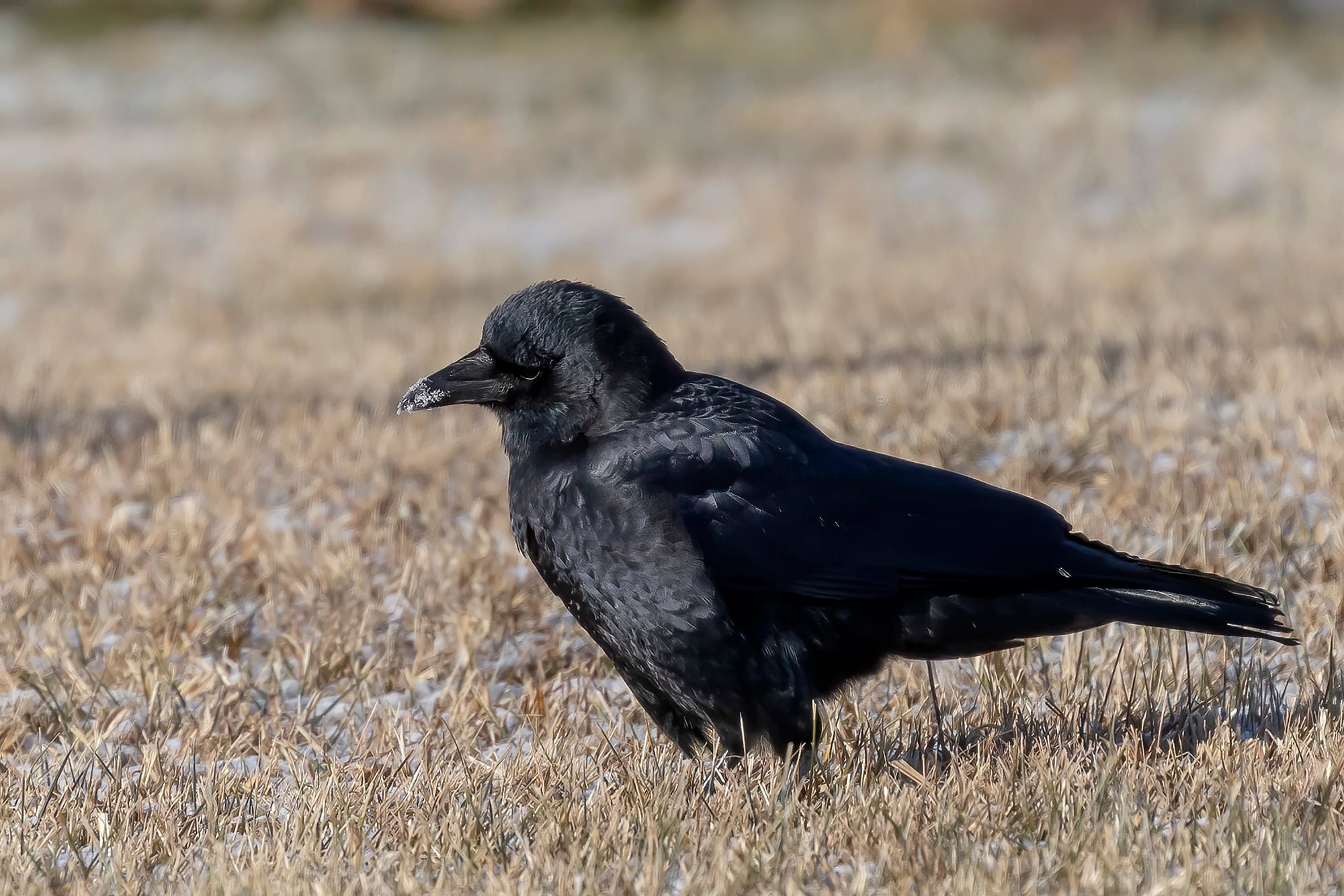
Crows are unsettling in the best possible way. Too smart for comfort, too aware of human behavior, too good at adapting to whatever humans throw at them.
They use tools, solve multi-step problems, and teach their children which specific humans to avoid and which ones might drop food.
Urban crows have learned to drop nuts in front of cars at red lights, then collect the cracked shells when traffic stops again. Rural crows post sentries while the rest of the flock feeds.
Suburban crows figure out garbage day schedules better than most residents do. And yet despite all this intelligence — or maybe because of it — they remain fundamentally wild in ways that feel both threatening and admirable.
Mourning Dove
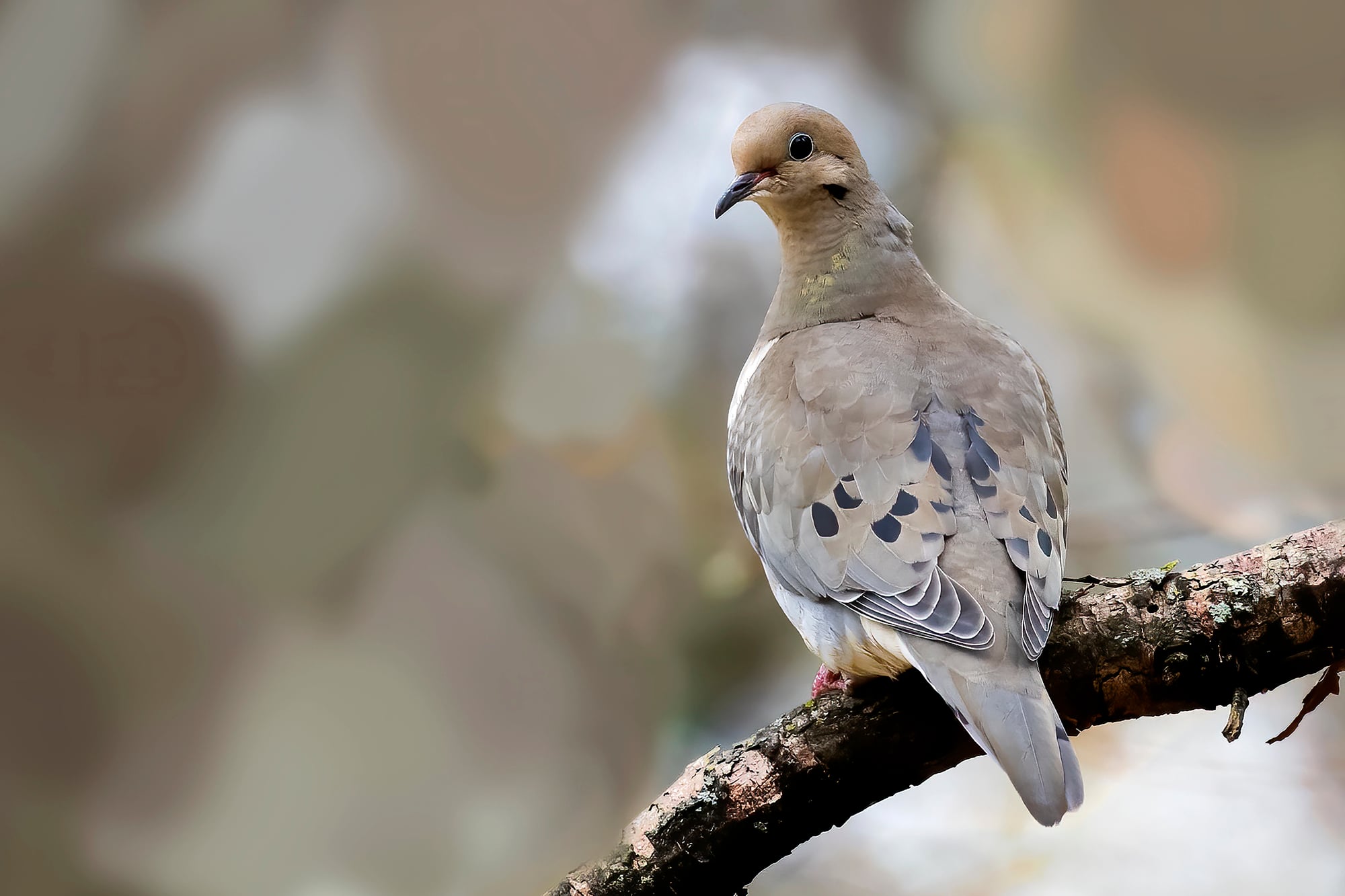
The mourning dove’s call sounds like loneliness made audible. Soft, repetitive, minor-key — the kind of sound that makes you stop whatever you’re doing and listen without quite knowing why.
It’s the perfect soundtrack for early morning or late afternoon, when the light slants long and everything feels temporary.
Despite their gentle appearance, mourning doves are remarkably successful birds. They nest multiple times per year, eat seeds that other birds ignore, and fly faster than seems possible for something so soft-looking.
That mournful call might suggest sadness, but it actually signals contentment — a bird so secure in its environment that it can afford to sound vulnerable.
House Finch
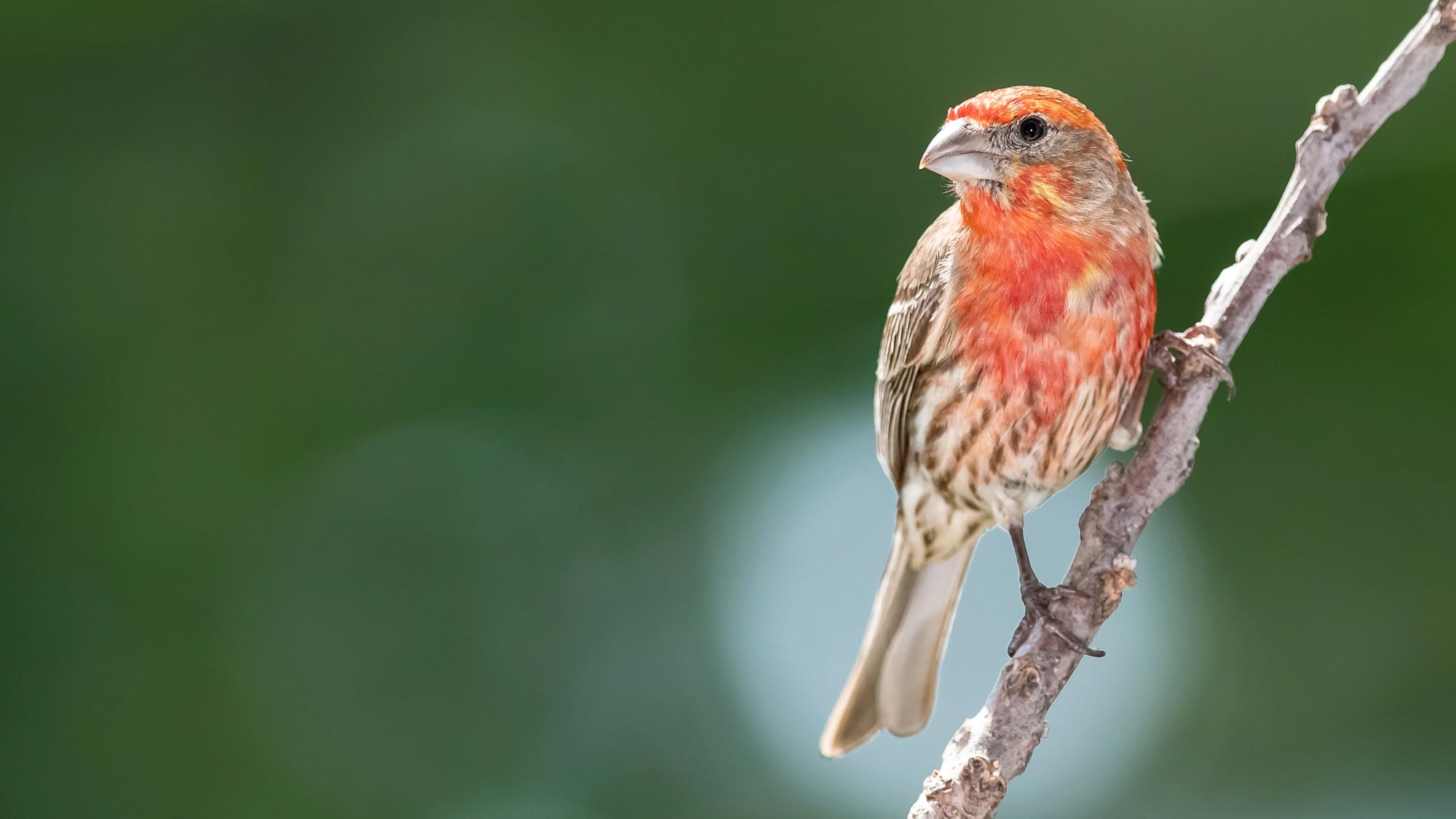
House finches prove that being unremarkable has its advantages. Small brown birds with just enough red on the males to catch your attention, they’ve quietly colonized feeders, parking lots, and strip mall landscaping across the country.
Originally from the western states, they’ve spent the last 80 years moving east and finding ways to thrive in places that weren’t designed for birds at all.
They’re social without being dramatic about it — small flocks that move together but don’t make a production of their presence (unlike certain blue jays who shall remain nameless but aren’t fooling anyone).
House finches figured out that success doesn’t require being the prettiest, loudest, or most aggressive bird at the feeder. Sometimes it just requires showing up consistently and not causing problems.
Red-winged Blackbird
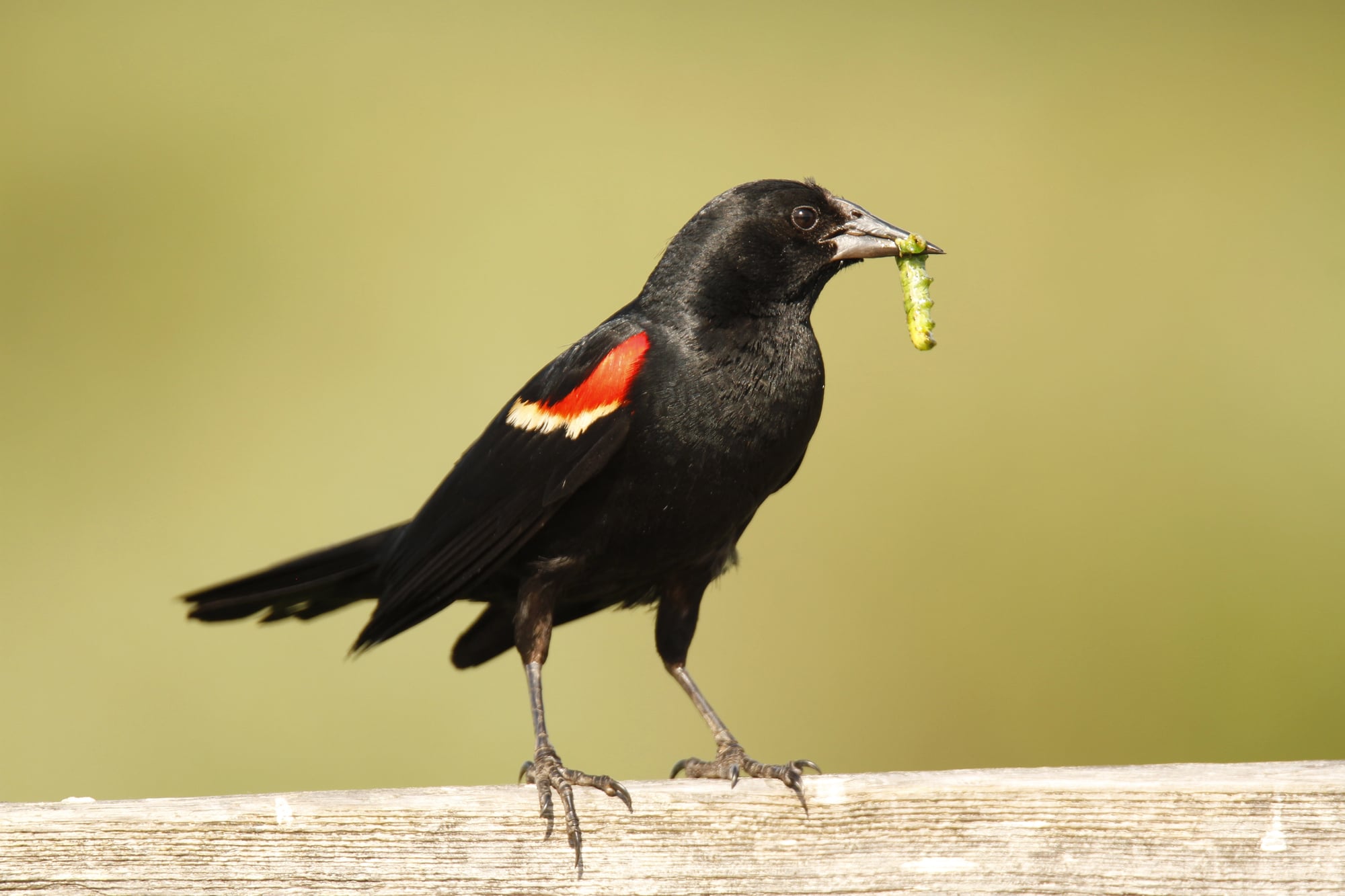
Red-winged blackbirds are territorial in ways that make homeowners’ association presidents look relaxed. The males patrol wetlands, fence lines, and roadside ditches with an intensity that borders on obsessive.
Those red and yellow shoulder patches flash like warning signals: this is my space, these are my rules, and your presence is noted.
And yet there’s something deeply satisfying about their certainty. In a world where boundaries shift constantly, red-winged blackbirds know exactly where they stand and aren’t interested in negotiating.
The males sing from the highest available perch — cattail, fence post, power line — announcing ownership to anyone within earshot. It’s aggressive, sure, but it’s also honest in ways that human territorial behavior rarely manages to be.
European Starling
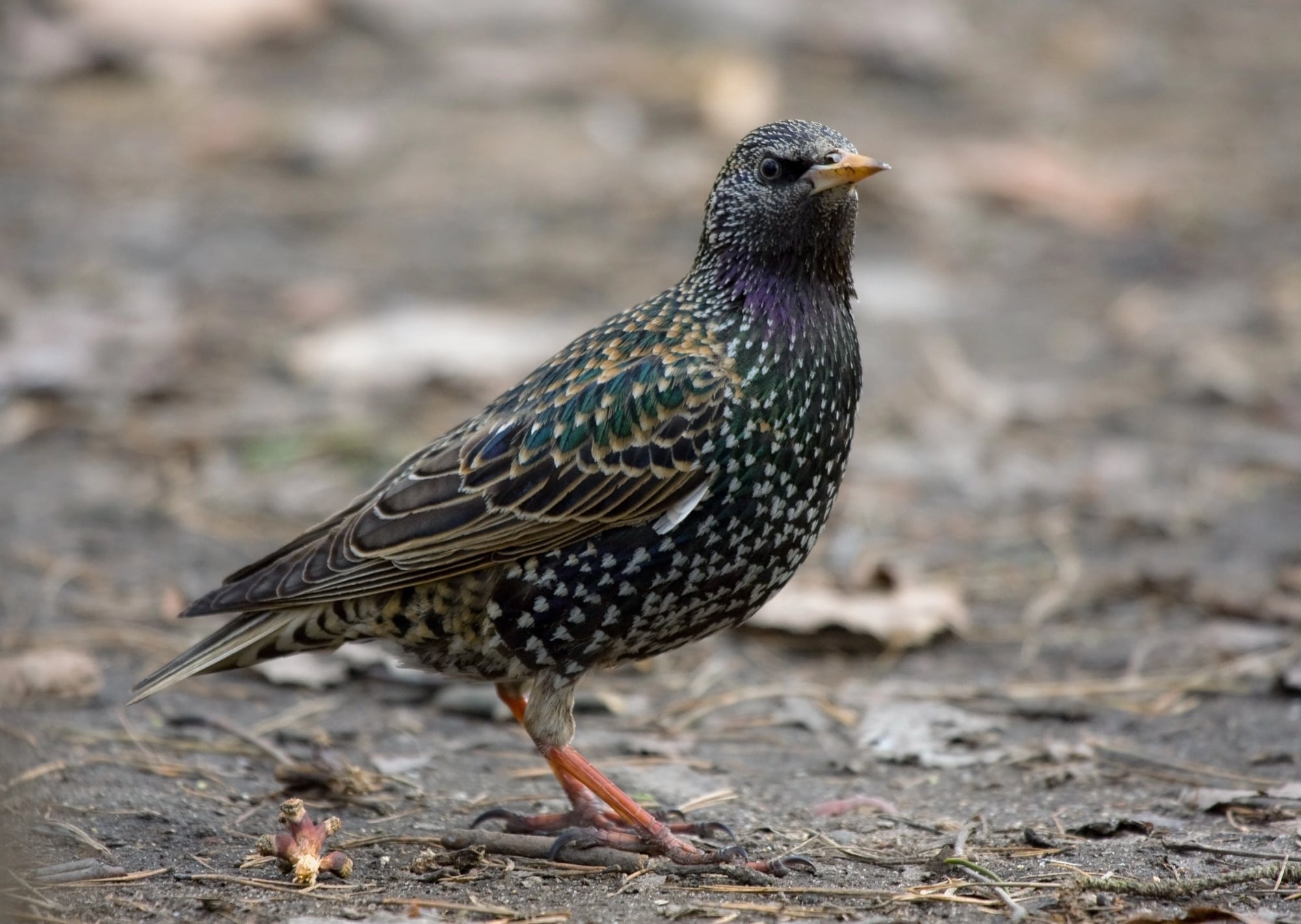
Starlings get no respect, which is unfortunate because they’re actually remarkable birds trapped in an invasive species story that isn’t their fault. Brought to North America by a Shakespeare enthusiast who wanted Central Park to host every bird mentioned in the playwright’s works, starlings have spent the last 130 years dealing with the consequences of one person’s literary obsession.
The thing is, starlings are excellent at being birds (they’re just not excellent at being American birds).
They’re mimics who can imitate car alarms, cell phone ringtones, and other birds’ calls with disturbing accuracy. They move in murmurations — those massive, shape-shifting flocks that look like smoke made of living creatures.
In good light, their feathers show iridescent greens and purples that would be stunning on any bird without their reputation. But they’re here now, permanently, and complaining about it won’t change the fact that they’ve become part of the American bird landscape whether we invited them or not.
Song Sparrow
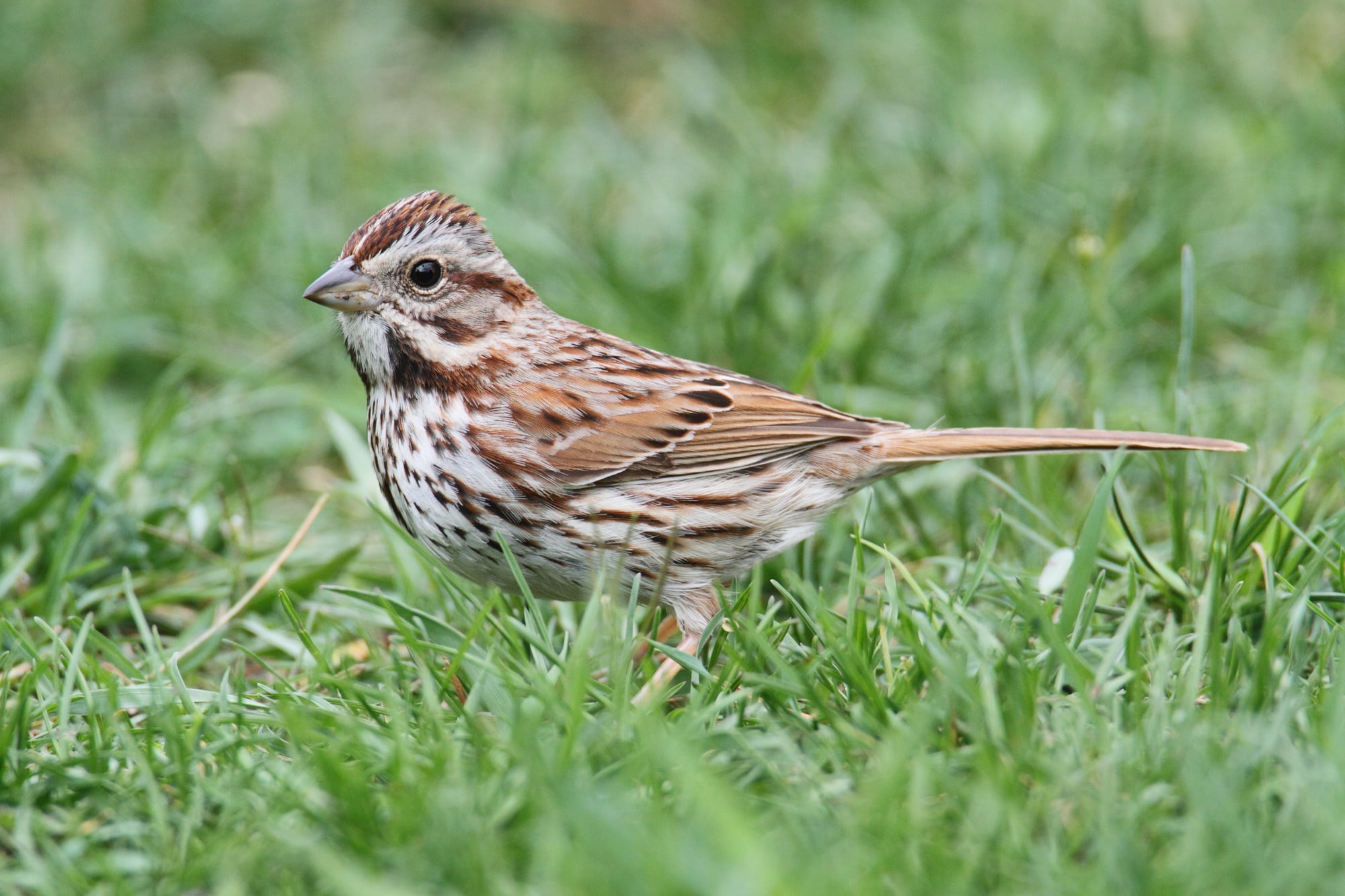
Song sparrows are what bird identification guides call “variable,” which is a polite way of saying they look different everywhere and good luck figuring that out. Brown and streaky with a dark spot on the chest, they’re the kind of bird that makes beginning birdwatchers question their eyesight and their field guides in equal measure.
But listen instead of looking. Song sparrows earned their name honestly — each male has a repertoire of 8-20 different songs that he combines and recombines throughout the day.
It’s like having a neighbor who practices jazz piano: complex, improvisational, and more interesting the longer you pay attention.
They sing from low perches in dense cover, which means you’ll often hear them long before you see them. And once you learn to recognize that varied, experimental quality of their voice, you’ll realize song sparrows are everywhere — they were just waiting for you to learn their language.
Rock Pigeon
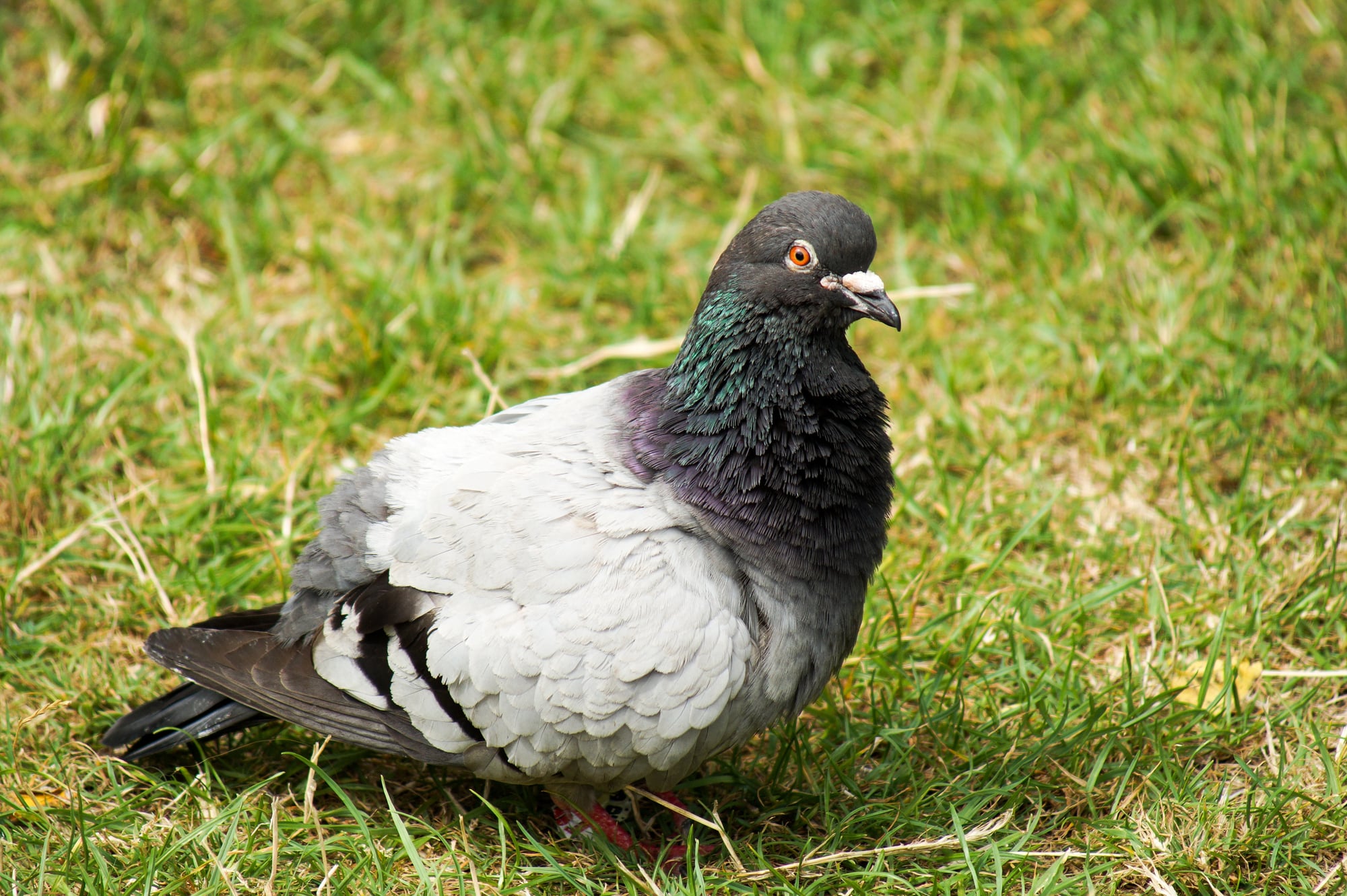
Rock pigeons are the most unfairly maligned birds in America. Called “rats with wings” and “flying garbage disposals,” they’re actually urban success stories that deserve more credit for figuring out how to thrive in environments that would challenge any wild creature.
Originally brought from Europe as domesticated birds, pigeons have been living in American cities longer than most human families have been here.
They nest on building ledges because those ledges resemble the cliff faces their ancestors used in the wild. They eat human food scraps because they’re opportunistic and intelligent, not because they’re dirty.
And those iridescent neck feathers that shimmer green and purple in the right light? Those are beautiful by any reasonable standard.
Pigeons have simply been too successful at adapting to human environments, and humans have a complicated relationship with anything that thrives despite our best efforts to discourage it.
Northern Mockingbird
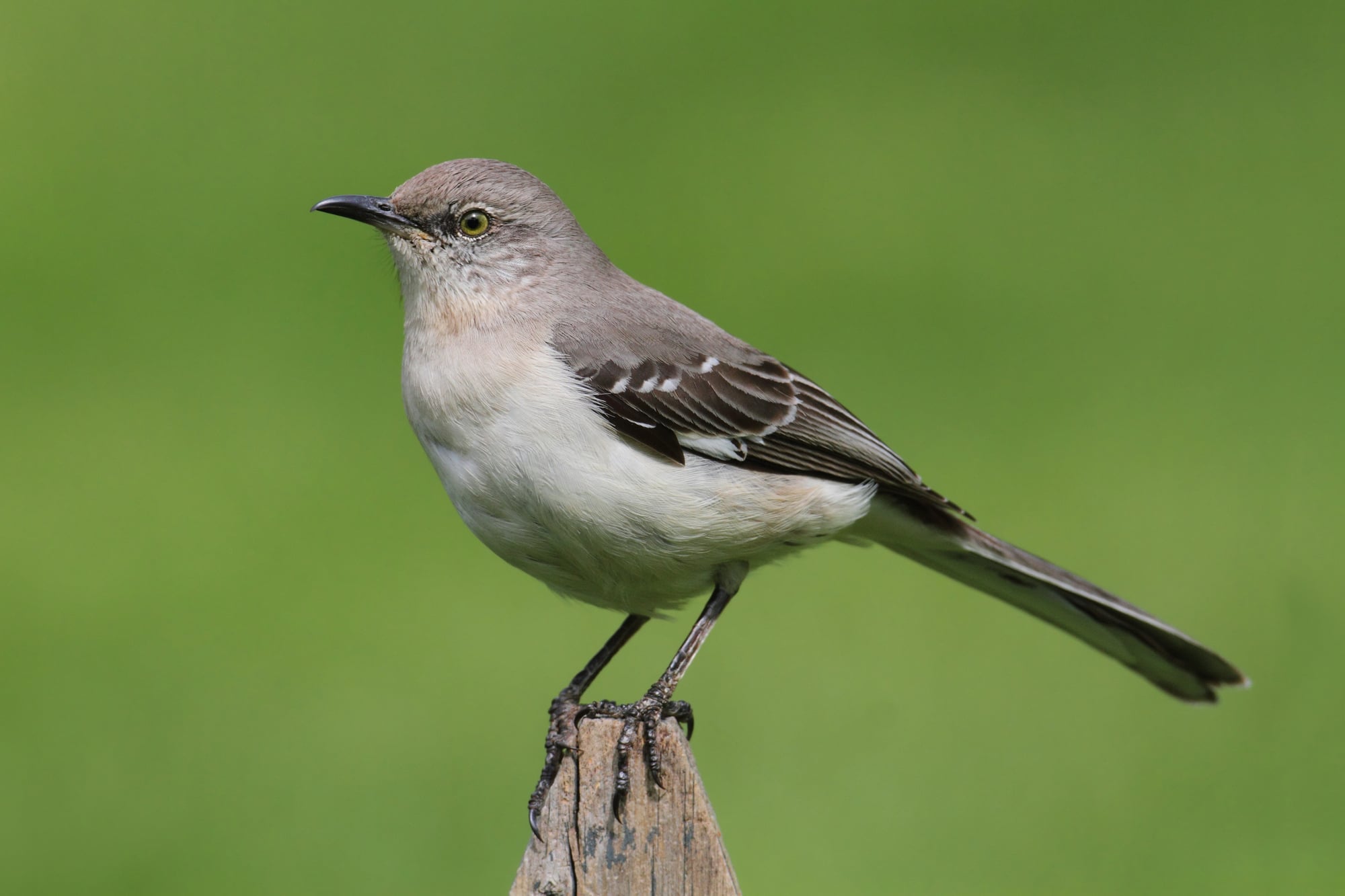
Northern mockingbirds are show-offs in the most endearing way possible. A single male can imitate 200 different songs — other birds, mechanical sounds, even snippets of human conversation.
They sing all day, all night, and sometimes all year, which would be insufferable if they weren’t so genuinely talented at it.
But mockingbirds aren’t just mimics; they’re composers. They take borrowed songs and arrange them into long, complex medleys that can last for hours.
Each male develops his own repertoire and style, so the mockingbird singing outside your bedroom window at 2 AM isn’t just making noise — he’s performing a concert that no other bird in the world could replicate.
It’s still annoying when you’re trying to sleep, but it’s also genuinely impressive artistry happening in real time.
Downy Woodpecker
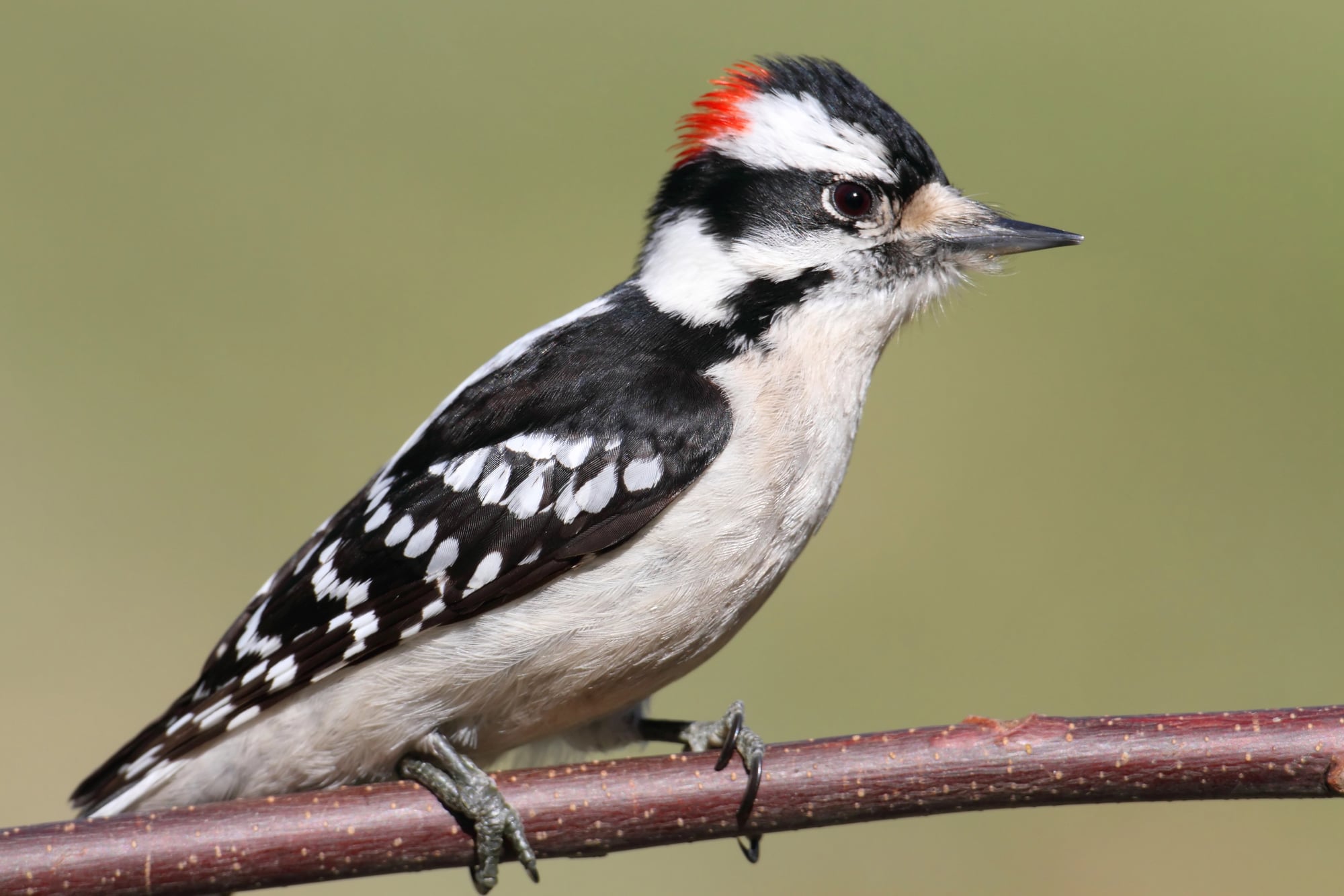
Downy woodpeckers are the most approachable members of a family known for being skittish and difficult to observe. Small enough to cling to thin branches and suet feeders, they’ve figured out how to live in suburbs and city parks without losing their essential woodpecker-ness.
The males have a small red patch on the back of their heads that looks like a tiny flame against black and white feathers.
They drum on metal gutters and hollow trees with equal enthusiasm, creating rhythms that carry for blocks.
But watch a downy woodpecker work a tree trunk and you’ll see precision that would impress any craftsperson — each tap calculated, each movement efficient, each pause deliberate. They make their living by knowing exactly where insects hide beneath bark, and that knowledge shows in every motion.
The Quiet Understudies
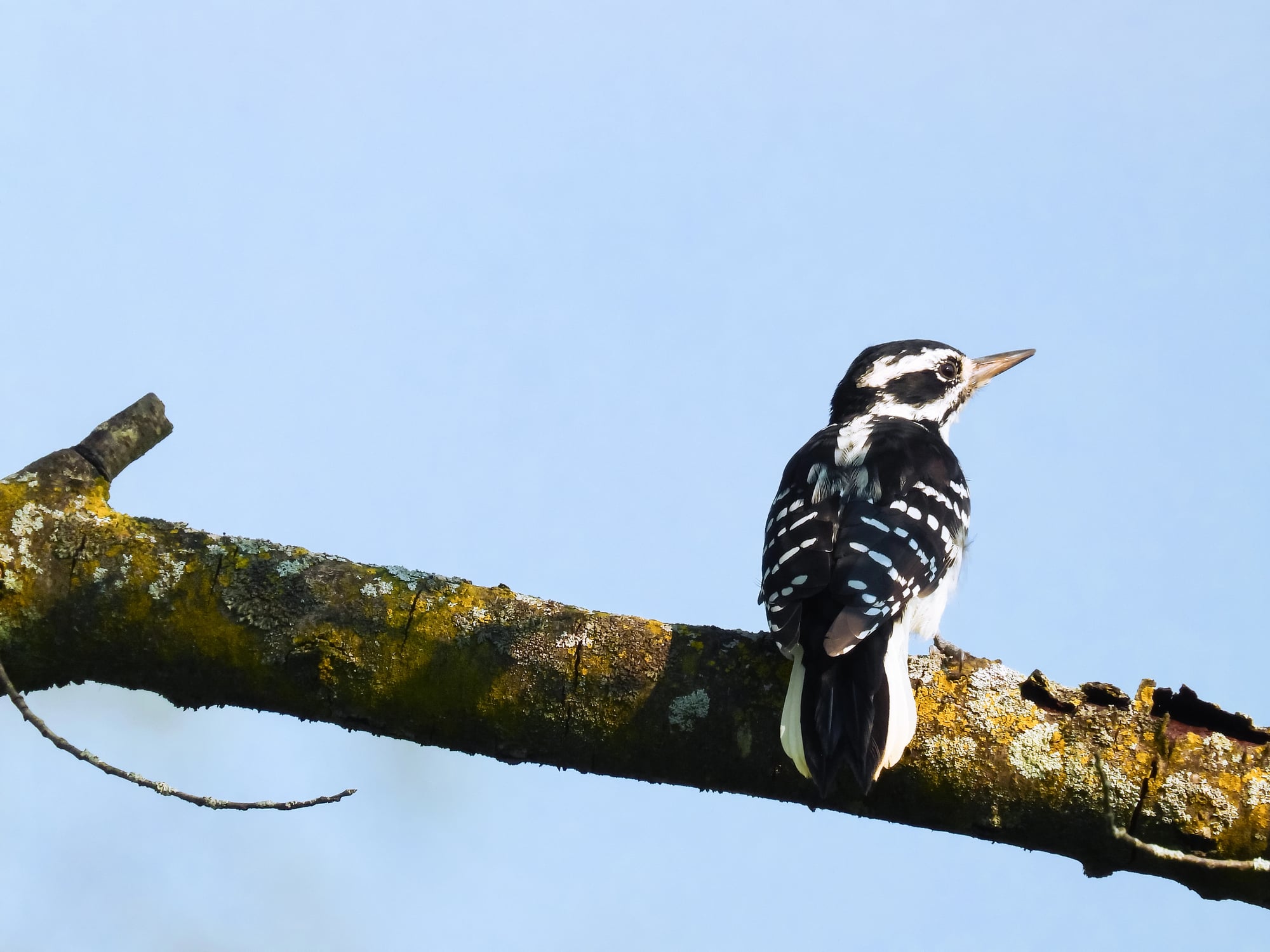
These common birds form the backdrop against which rarer species appear. Learning their voices, their habits, their seasonal changes creates a baseline understanding that makes every other bird encounter more meaningful.
The flash of an uncommon warbler becomes remarkable partly because you now recognize how different it is from the house finches and sparrows sharing the same branch.
They’re also climate indicators, population markers, and migration timers rolled into everyday creatures that most people overlook. Cardinals arriving at feeders earlier each spring, robins staying later into fall, crows gathering in larger winter flocks — these patterns tell stories about environmental changes that scientists track but that anyone can observe once they know what to look for.
More from Go2Tutors!

- The Romanov Crown Jewels and Their Tragic Fate
- 13 Historical Mysteries That Science Still Can’t Solve
- Famous Hoaxes That Fooled the World for Years
- 15 Child Stars with Tragic Adult Lives
- 16 Famous Jewelry Pieces in History
Like Go2Tutors’s content? Follow us on MSN.