25 Currency Notes Pulled From Circulation for Political Reasons
Money is never just money. Every note that has ever passed through your hands carries more than a dollar amount — it carries a story, often a contentious one, about who holds power, who gets erased, and what a government wants its citizens to see every time they reach into their wallets. The history of currency is, in many ways, a history of political anxiety made tangible. Governments have replaced, recalled, and quietly retired banknotes for all kinds of reasons: to punish rebels, to sideline inconvenient historical figures, to rebrand a national identity after a revolution, or simply to make a point about who belongs on the wall of a nation’s symbolic hall of fame. Some of these decisions were dramatic. Some were almost embarrassingly petty. All of them were deliberate.
Confederate States Currency
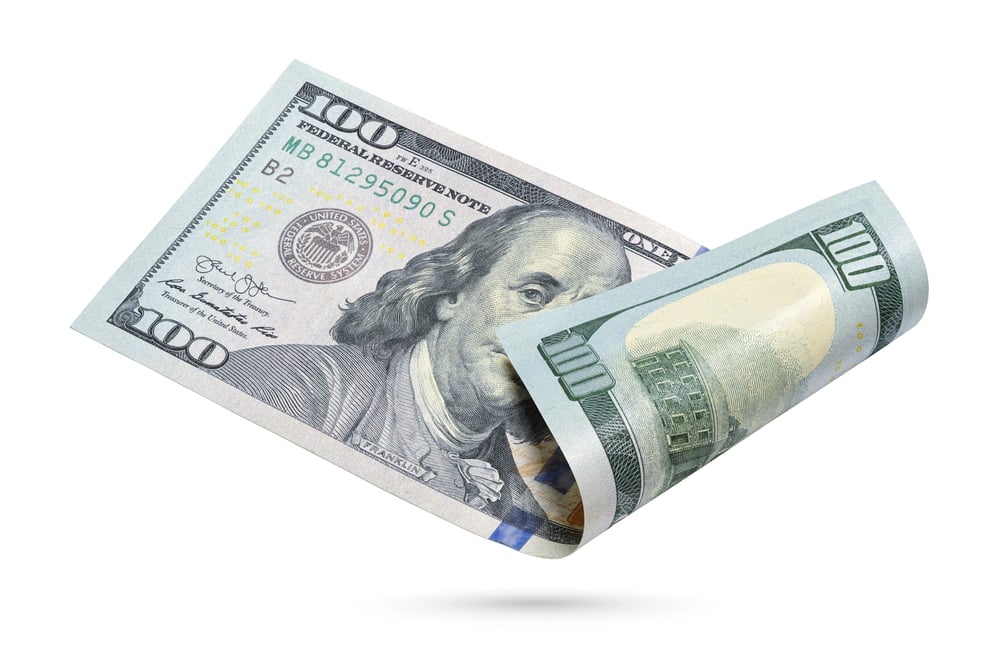
Confederate money died with the Confederacy itself. After the Civil War, these notes — once the official currency of a breakaway government — became worthless almost overnight, deliberately excluded from any postwar financial reconstruction.
Indian ₹500 And ₹1,000 Notes (2016 Demonetization)
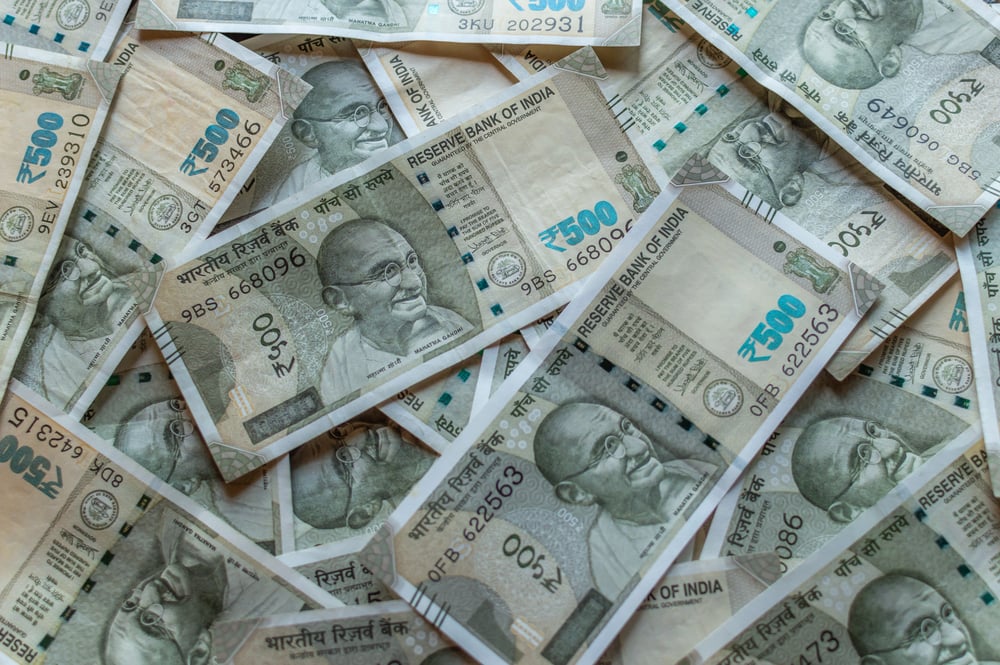
In November 2016, Prime Minister Narendra Modi announced with about four hours’ notice that India’s two highest-denomination notes — the ₹500 and ₹1,000 — would cease to be legal tender by midnight, a decision so sweeping that it wiped out roughly 86 percent of the country’s cash supply in a single evening. The stated goal was targeting black money and corruption, but critics (and there were many, which is saying something in a country that rarely speaks with one voice on economic policy) argued it punished ordinary citizens far more than it inconvenienced the wealthy elite who had long since moved their illicit wealth into assets and foreign accounts.
Iraqi Dinar Under Saddam Hussein
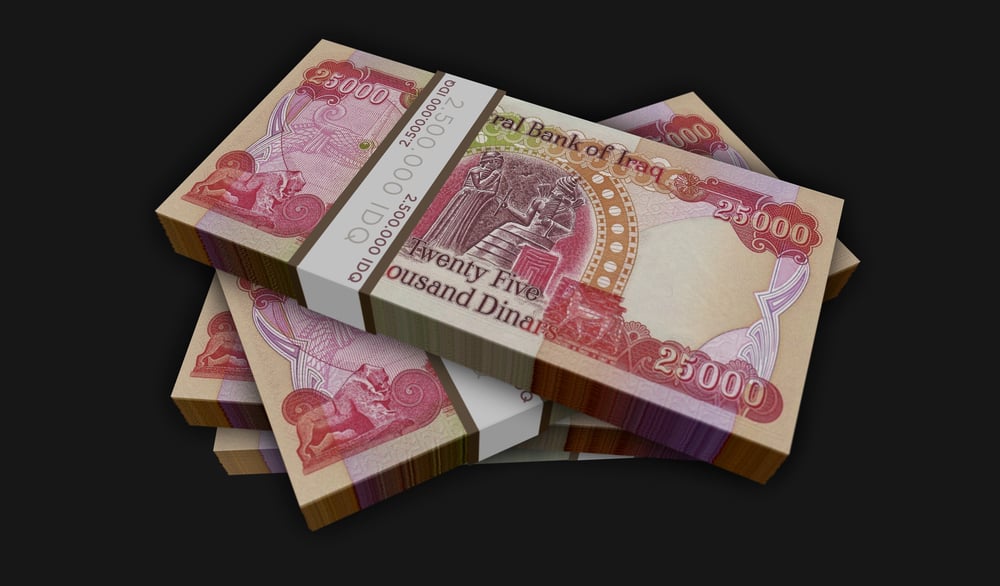
Saddam Hussein’s face on the Iraqi dinar was one of the most politically loaded images in Middle Eastern currency history. After the 2003 invasion, coalition authorities moved quickly to replace those notes with a new design — the old ones weren’t just outdated, they were a walking monument to a regime the new order was trying to erase.
Zimbabwe’s Bearer Cheques
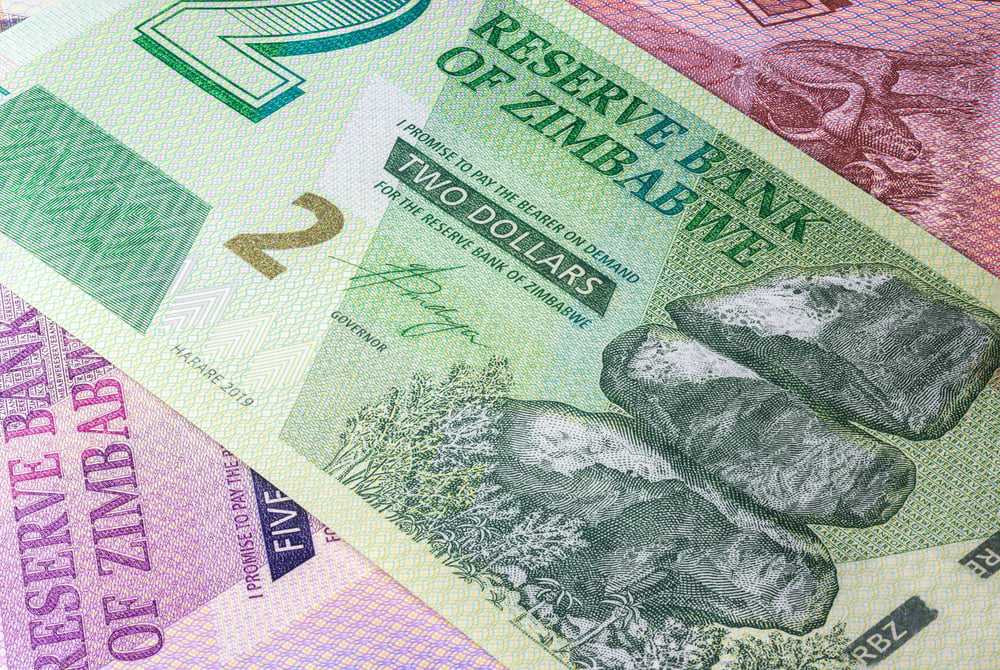
Zimbabwe’s hyperinflation-era bearer cheques — notes printed in denominations that eventually climbed to one hundred trillion dollars — were pulled because they had become a global symbol of catastrophic mismanagement, which is a generous way of saying the government had printed itself into a corner so deep there was no monetary way out. The notes were retired in 2015, replaced by a multi-currency system that used the US dollar, the South African rand, and several others, because trust in anything bearing the Reserve Bank of Zimbabwe’s name had effectively ceased to exist.
Soviet-Era Ruble Notes
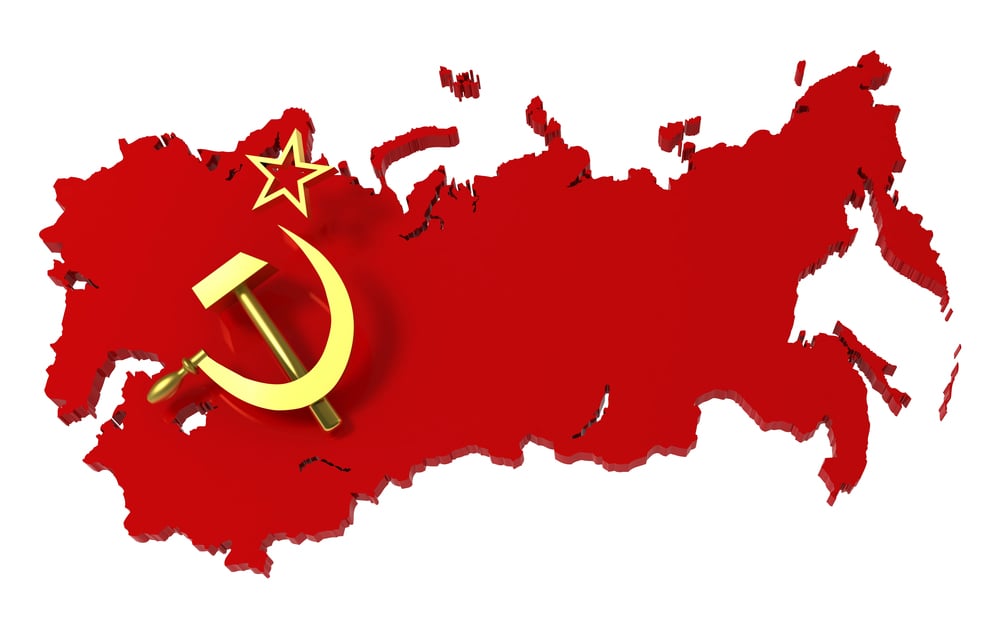
When the Soviet Union collapsed in 1991, the ruble notes bearing communist-era imagery — hammers, sickles, Lenin’s portrait — were progressively retired as Russia and the newly independent states set about constructing national identities that had nothing to do with the old regime. The speed of the replacement varied by country, but the intent was uniform: these notes were symbols of a political order that the new governments were actively distancing themselves from.
Apartheid-Era South African Rand
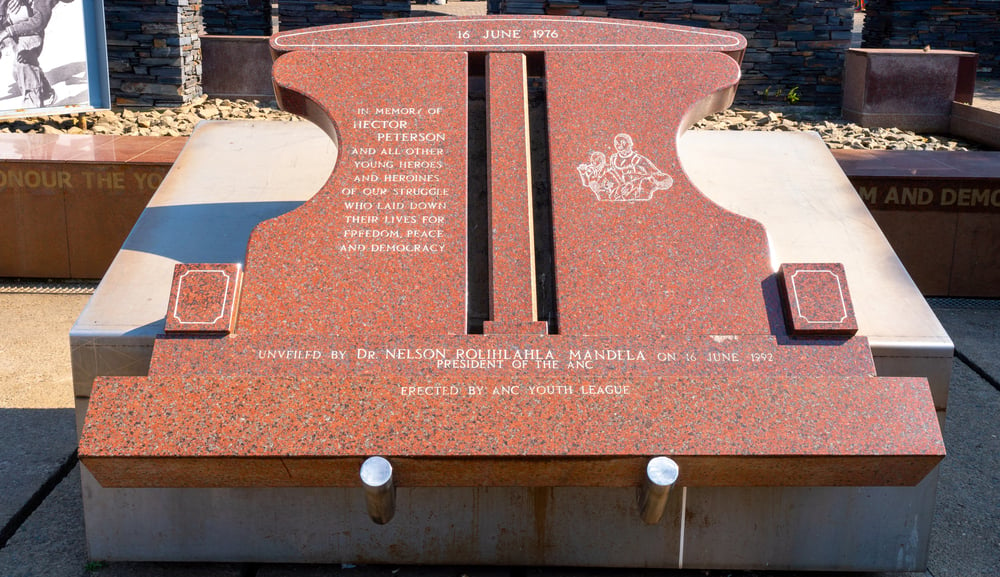
The rand notes circulated during apartheid South Africa bore imagery and design choices that reflected a government built on racial separation. After the transition to democracy in 1994, the South African Reserve Bank began replacing those notes with a new series — one that featured Nelson Mandela and later the “Big Five” animals — not just as a cosmetic refresh but as a conscious repudiation of what the old designs had quietly endorsed.
The U.S. $500, $1,000, $5,000, And $10,000 Bills
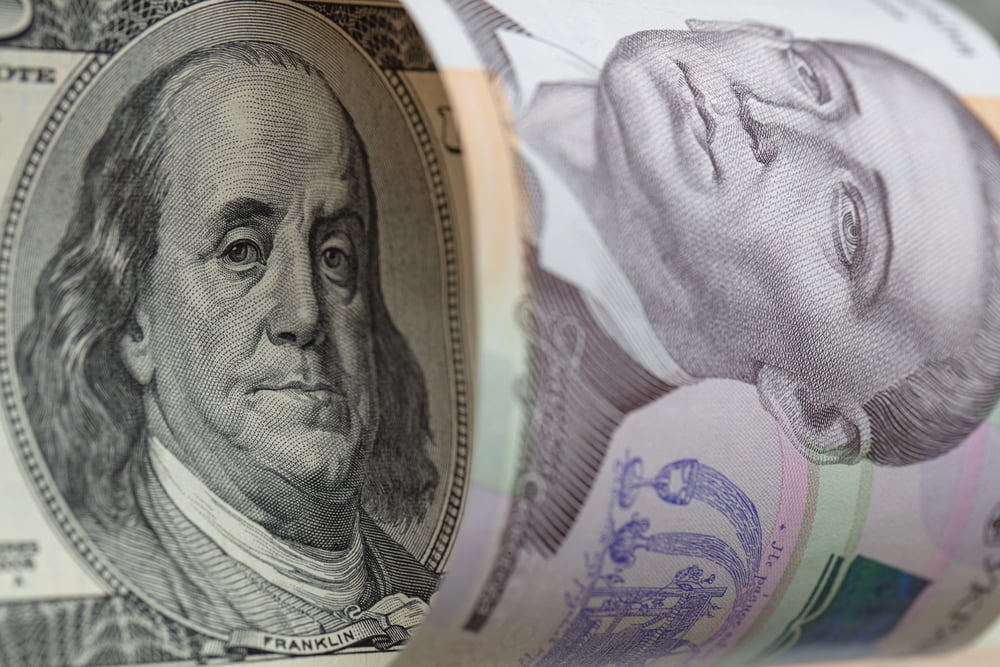
These high-denomination notes — once legal tender, once used in legitimate large-scale transactions — were pulled from circulation in 1969 under President Nixon, partly to combat organized crime and tax evasion. The decision was political in the broadest sense: an administration deciding that making large cash transactions harder was worth the inconvenience to anyone with a legitimate reason to move that kind of money.
German Papiermark Notes (Post-WWI)

Germany’s papiermark became one of history’s most dramatic illustrations of what happens when a government loses control of its own printing press — the Weimar Republic, hobbled by war reparations and political instability, watched the mark inflate to the point where wheelbarrows of notes were needed to buy bread. When the rentenmark was introduced in 1923, the old notes were retired not just to stabilize the economy but to bury the evidence of a government that had failed its own people.
The British £1 Note
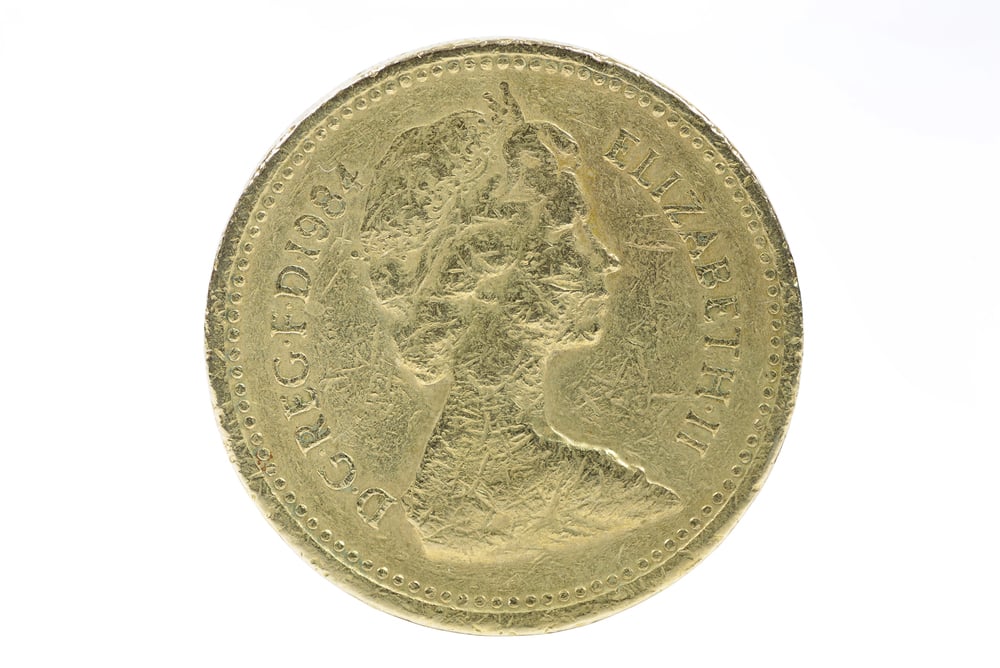
The Bank of England retired the £1 note in 1988, replacing it with the £1 coin — a decision that wasn’t nakedly political but carried unmistakable ideological undertones about cost efficiency and monetary modernization under Thatcher. But the note’s retirement was mourned by a public that associated its papery familiarity with something irreplaceable, and fair enough — there’s a particular kind of trust people place in paper that metal never quite earns.
The French Franc Notes (Post-Revolution)

After the French Revolution, the monarchy’s currency — bearing the king’s image — was replaced with assignats, revolutionary notes backed by nationalized church property. The old notes didn’t just represent a different monetary system; they represented a political order that the revolution had violently overthrown, and keeping them circulating would have been a daily act of counter-revolutionary sentiment.
Iraqi Swiss Dinar

The so-called “Swiss dinar” — Iraqi currency printed before 1990 using Swiss printing plates — continued to circulate in Kurdish-controlled northern Iraq even after Saddam’s government introduced a new series. When the new Iraqi dinar was introduced in 2003, both were retired — but the Swiss dinar’s long survival was itself a quiet act of political resistance.
Nicaraguan Córdoba (Somoza-Era Notes)
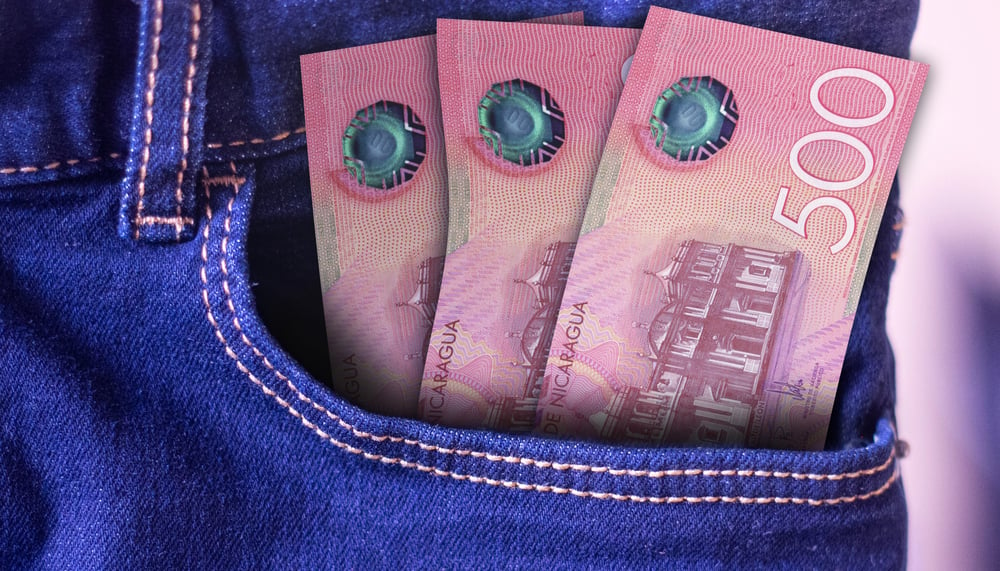
After the Sandinista revolution overthrew Anastasio Somoza in 1979, the new government moved to retire currency bearing imagery associated with the Somoza regime. This is a pattern so consistent across revolutionary governments that it almost qualifies as a rule: the first thing you do after overthrowing a dictator is get his face off the money.
Hungarian Pengő
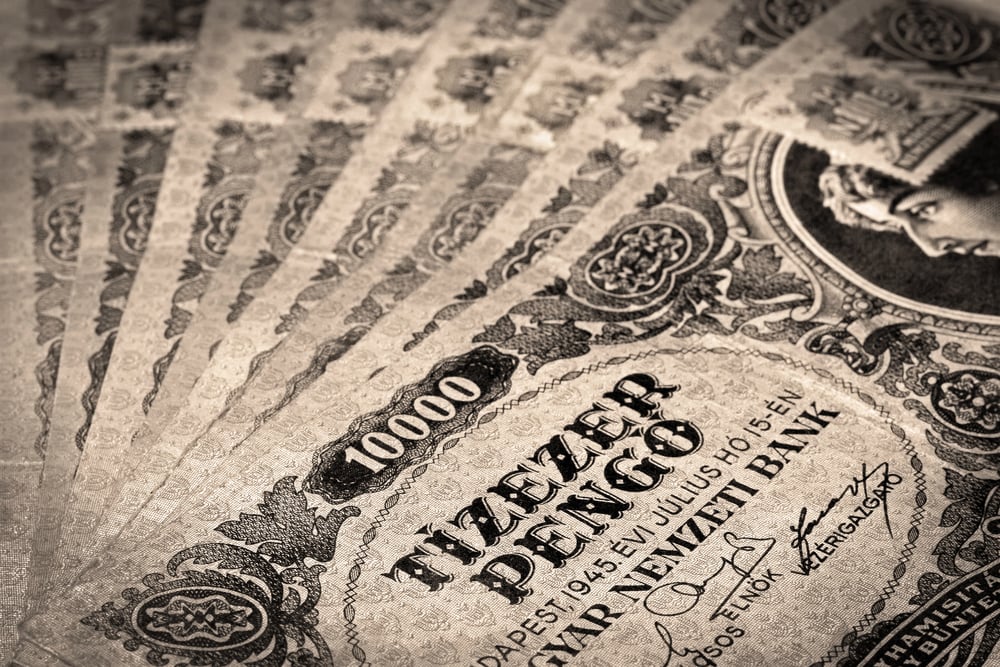
The Hungarian pengő achieved the dubious distinction of suffering the highest inflation rate ever recorded — by July 1946, prices were doubling roughly every fifteen hours, and the largest note printed was the 100 quintillion pengő. The forint replaced it as part of a postwar political and economic reconstruction, but the circumstances that had destroyed the pengő were deeply political: war reparations to the Soviet Union, a devastated economy, and a government with neither the credibility nor the tools to stop the collapse.
U.S. $2 Bill (Repeated Near-Retirement)
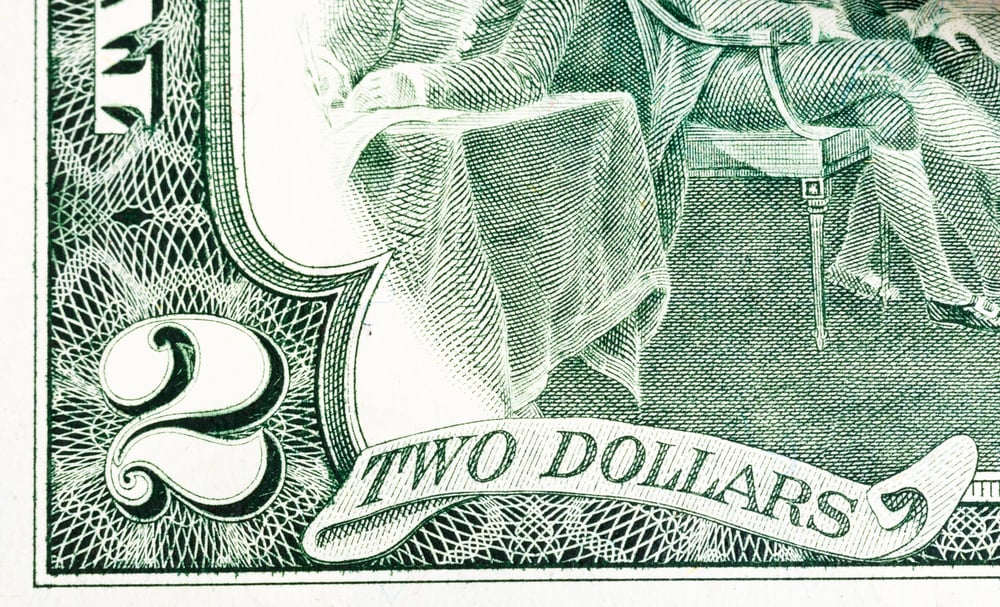
The $2 bill has never been formally pulled from circulation, but it has been repeatedly sidelined by public indifference and government ambivalence — which, in practical terms, amounts to the same thing. The political dimension is subtle but real: a denomination that doesn’t serve the public’s transactional habits struggles to justify its continued existence no matter who’s on the front.
Romanian Leu (Communist-Era Notes)
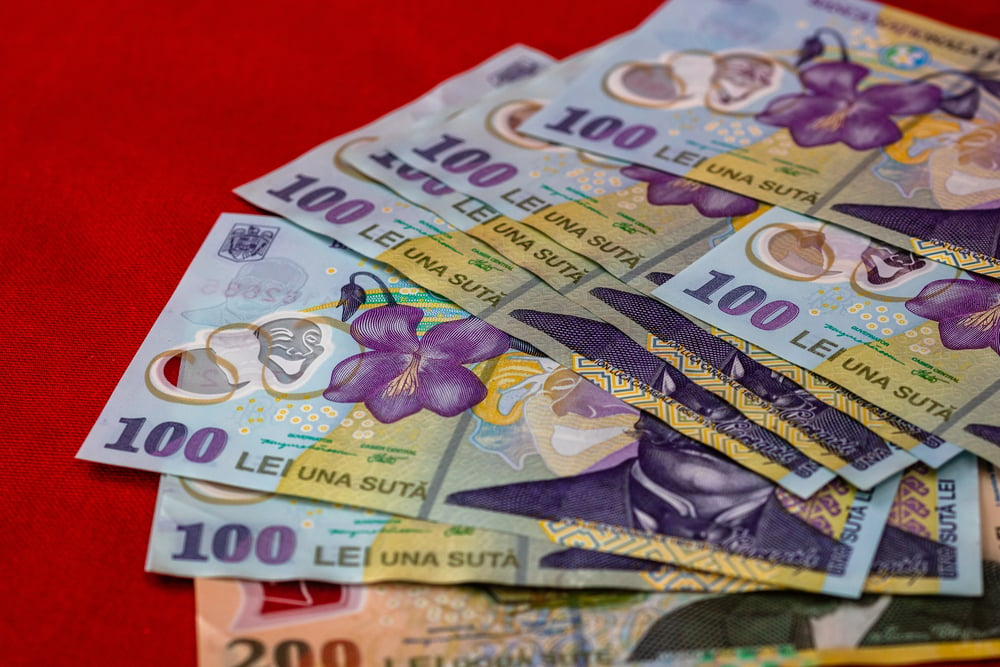
Romania’s transition away from communism after 1989 brought with it a gradual clearing-out of currency bearing the imagery and aesthetics of the Ceaușescu era. The old notes weren’t recalled dramatically overnight — Romania’s post-revolutionary path was messier than that — but they were systematically replaced as the country rebuilt its institutions and, more importantly, its national self-image.
Libyan Dinar (Gaddafi-Era Notes)
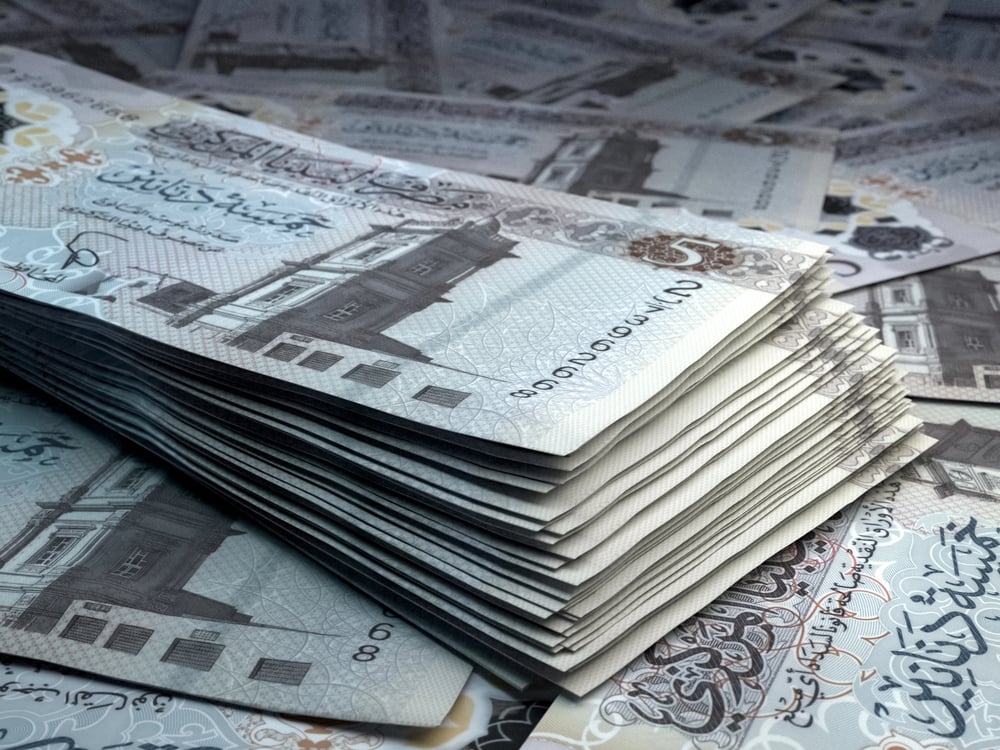
After Muammar Gaddafi’s regime fell in 2011, the National Transitional Council faced the immediate practical problem of currency still bearing Gaddafi’s likeness and the iconography of the Jamahiriya state. New notes were introduced featuring imagery of the 2011 revolution, and the old ones were retired with the specific intent of breaking the symbolic link between the new Libya and the 43-year regime it had just dismantled.
North Korean Won Redenomination (2009)

In November 2009, North Korea’s government announced a currency redenomination that gave citizens just one week to exchange old won for new at a rate of 100 to 1 — with a cap on how much could be exchanged. The practical effect was the annihilation of private savings accumulated outside the state system, and the political intent was transparent: the government wanted to eliminate the merchant class that had grown up through informal markets and reassert centralized economic control.
The U.S. Confederate “Greyback”

Confederate currency — sometimes called greybacks, a counterpoint to the Union’s greenbacks — was not just invalidated after the Civil War; the Fourteenth Amendment to the Constitution explicitly prohibited any debt claims based on Confederate currency from ever being honored by the U.S. government. That’s not a soft retirement; that’s burial by constitutional amendment, which reflects how seriously the Union took the symbolic and financial erasure of the Confederacy’s economic infrastructure.
Venezuelan Bolívar (Multiple Redenominations)
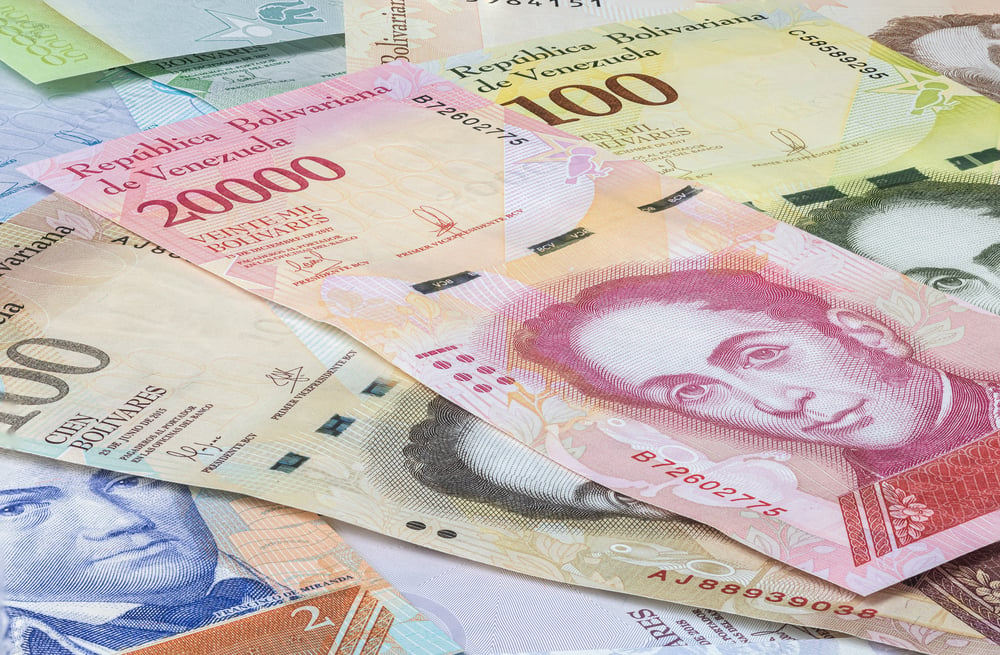
Venezuela has redenominated its currency multiple times — in 2008, 2018, and 2021 — each time slicing zeros off the end of increasingly worthless notes as hyperinflation outpaced any reasonable monetary response. The political dimension isn’t subtle: each redenomination was an implicit admission that the Chavista and later Maduro-era economic policies had failed to protect the currency’s value, while the government’s public framing consistently blamed external sabotage.
Myanmar Kyat (Ne Win’s Demonetizations)
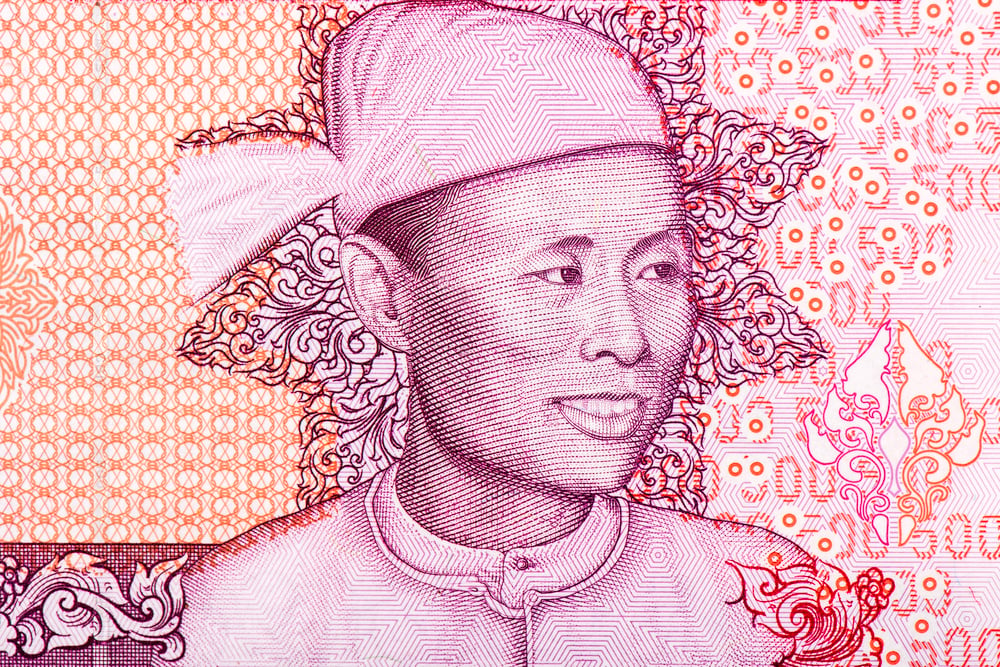
Myanmar’s military leader Ne Win demonetized the kyat multiple times — most notoriously in 1987, when he abruptly declared that denominations of 25, 35, and 75 kyat were no longer legal tender, wiping out savings with essentially no compensation. The 1987 demonetization is widely credited as one of the triggers for the 1988 pro-democracy uprising.
The East German Mark
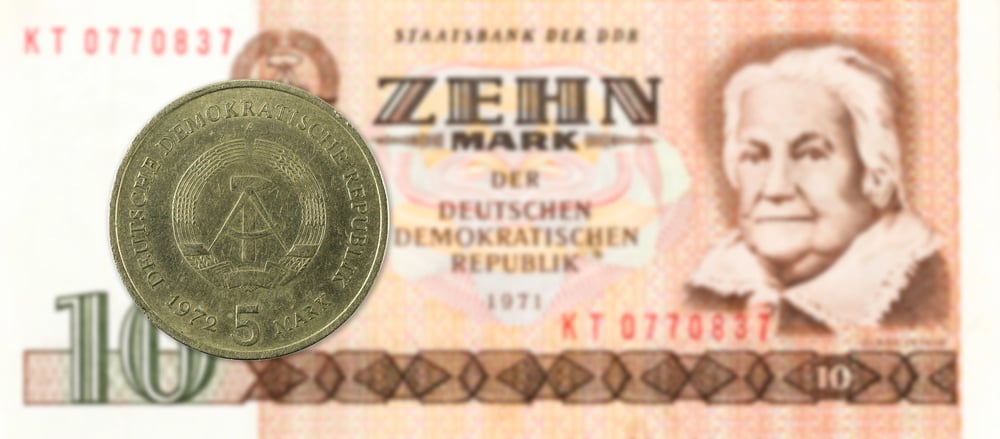
When German reunification happened in 1990, the East German mark was absorbed into the West German deutschmark system — and then replaced entirely when the euro arrived in 2002. The Ostmark’s retirement was inherently political: it was the currency of a state that had ceased to exist, and its elimination was part of the broader project of erasing the institutional infrastructure of the German Democratic Republic.
The Iranian Rial (Proposed Replacement With Toman)
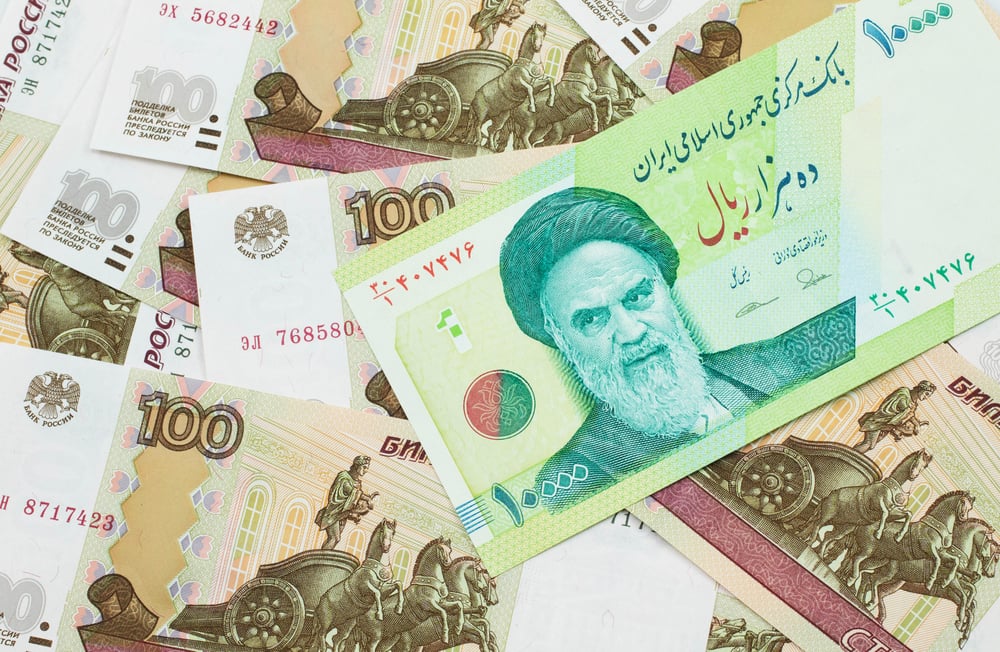
Iran has been working for years to replace the rial with the toman — officially rebranding by dropping four zeros — a move driven in part by the rial’s association with decades of sanctions, inflation, and economic mismanagement that the government would prefer not to have stamped on every transaction. The toman was actually Iran’s currency before the rial replaced it in 1932, so the return to the older name carries a particular kind of nostalgic political messaging: the suggestion of restoration rather than retreat.
The Austro-Hungarian Krone

The Austro-Hungarian krone, currency of an empire that ceased to exist in 1918, was retired by the successor states — Austria, Hungary, Czechoslovakia, and others — as each worked to establish monetary sovereignty and, more fundamentally, a national identity separate from the empire. Keeping the krone would have been an act of deliberate irredentism; replacing it was a way of asserting that the new states were genuinely new.
The Soviet Ruble In Baltic States (Post-1991)

When Estonia, Latvia, and Lithuania declared independence from the Soviet Union, one of their most urgent priorities was replacing the Soviet ruble with their own currencies — the kroon, lats, and litas respectively. The speed with which they moved was explicitly political: the ruble was a symbol of Soviet occupation, and keeping it in circulation even temporarily was seen as an unacceptable concession to Moscow’s continued influence.
The U.S. National Bank Notes (1930s Phase-Out)
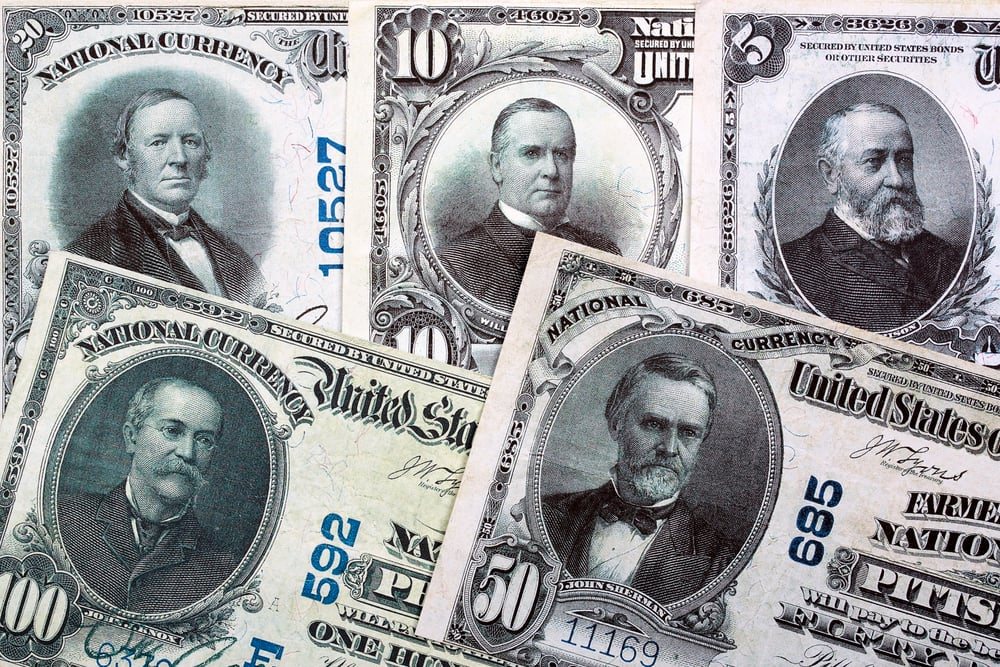
National Bank Notes — issued by individual chartered banks under federal supervision between 1863 and 1935 — were quietly retired as the Federal Reserve consolidated its grip on U.S. monetary policy during the New Deal era. The political logic was centralization: Franklin Roosevelt’s administration wanted a unified national currency system, not hundreds of individually branded bank notes circulating in parallel.
More from Go2Tutors!

- The Romanov Crown Jewels and Their Tragic Fate
- 13 Historical Mysteries That Science Still Can’t Solve
- Famous Hoaxes That Fooled the World for Years
- 15 Child Stars with Tragic Adult Lives
- 16 Famous Jewelry Pieces in History
Like Go2Tutors’s content? Follow us on MSN.



