25 National Anthems With Violent Lyrics Most Citizens Don’t Know
Most people can hum their national anthem without thinking twice. It’s background music at sports events, a ritual before school days begin, a moment of collective hand-on-heart solemnity.
What most people never do is actually read the words — and in many cases, that’s probably for the best. Beneath the soaring melodies and ceremonial dignity of some of the world’s most recognized songs lie calls to arms, threats of slaughter, rivers of enemy blood, and the kind of imagery that would raise eyebrows on a heavy metal album.
These aren’t obscure verses buried in footnotes. They’re official national anthems, sung with pride, taught to children, performed at Olympic ceremonies.
Here’s what’s actually being celebrated.
France — “La Marseillaise”

This is probably the most famous violent anthem in existence, and the French don’t even pretend otherwise. The lyrics explicitly call on citizens to allow “impure blood” to water the fields — referring to the blood of foreign invaders, though the phrasing has never stopped being jarring.
It was written in 1792 during the Revolutionary Wars, and the urgency of that moment is absolutely still in the room every time it plays.
Mexico — “Himno Nacional Mexicano”
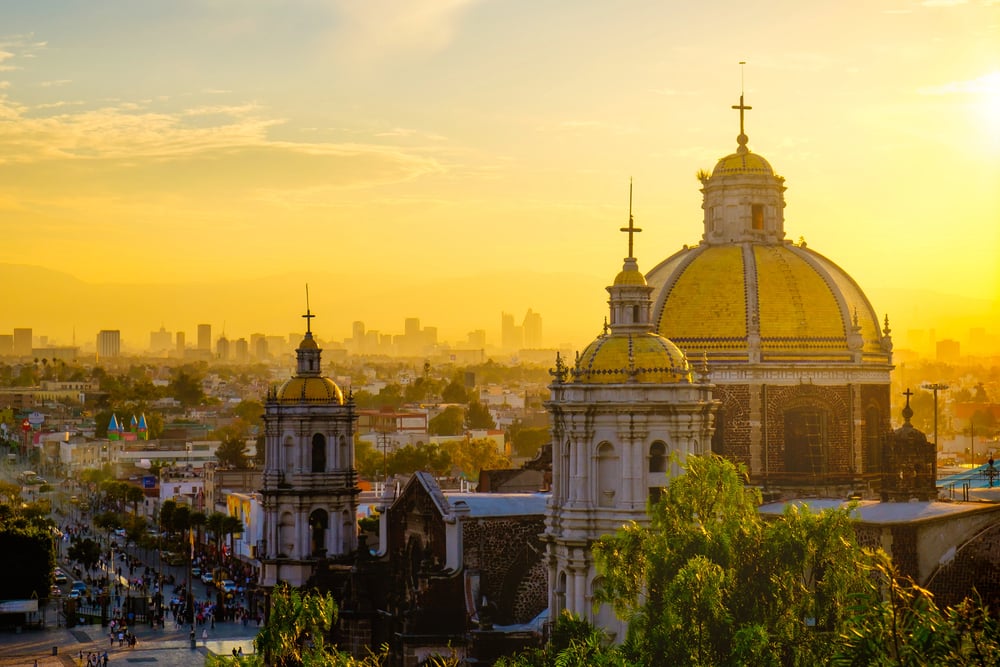
Mexico’s anthem contains lines asking soldiers to prepare to die for their country and offering up their blood to the soil. The imagery is militaristic in a way that feels almost operatic — battlefields, steel, sacrifice, a kind of beautiful brutality that reads less like a national song and more like a war poem.
Most Mexican citizens know the melody well; fewer have sat with what the words are actually demanding.
Colombia — “Himno Nacional de la República de Colombia”
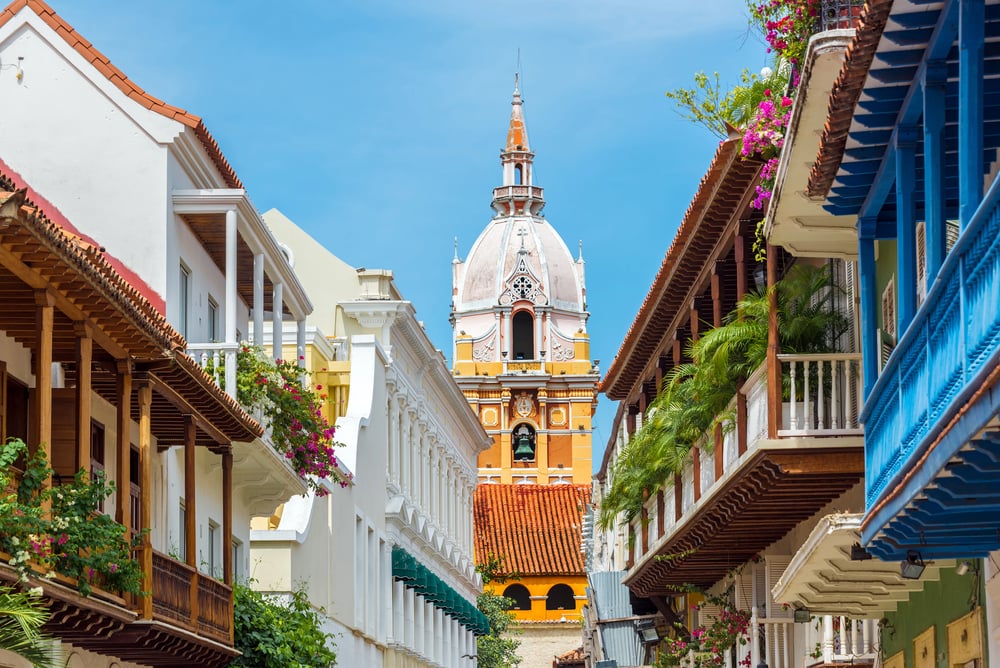
The Colombian anthem opens with a cannon shot — literally, the first chorus begins with “¡Oh gloria inmarcesible!” but the verses are preoccupied with blood, chains, and the violent overthrow of Spanish colonial rule. It was written in 1887, decades after independence, and it carries the weight of a nation that had to fight its way into existence.
The cannon imagery feels almost theatrical until you remember it wasn’t metaphor at the time.
Uruguay — “Himno Nacional de Uruguay”
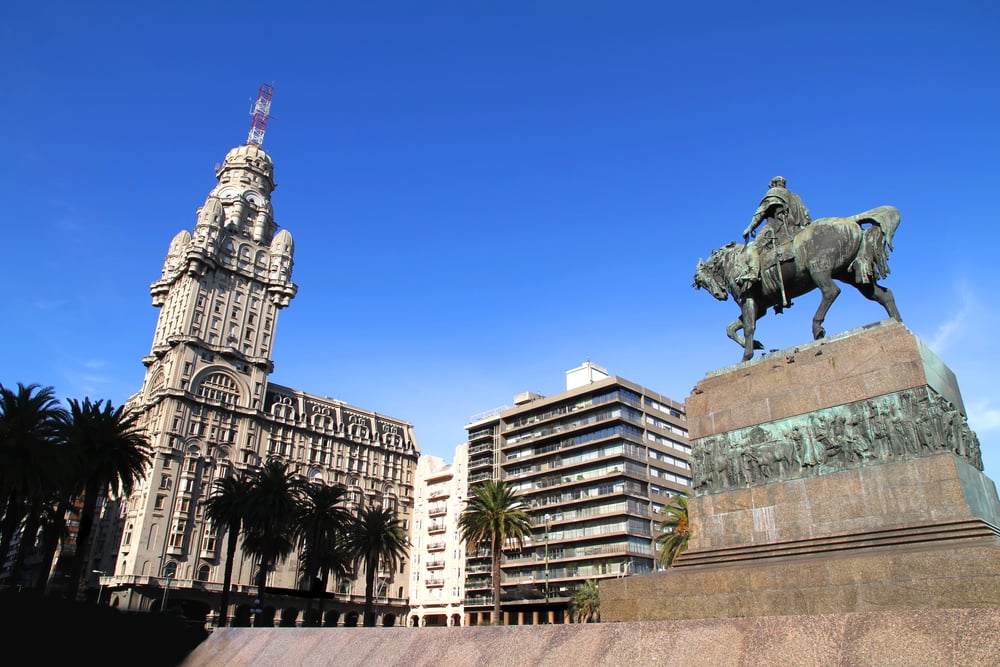
Uruguay’s anthem is long — genuinely, exhaustingly long — and the earlier verses wade through imagery of tyrants being brought low and liberty being won at the cost of significant bloodshed. The full version, which almost nobody sings in its entirety, reads like a battle dispatch more than a celebration.
To be fair, Uruguayans who only hear the abbreviated version at soccer matches are getting a heavily edited experience.
Bolivia — “Himno Nacional de Bolivia”
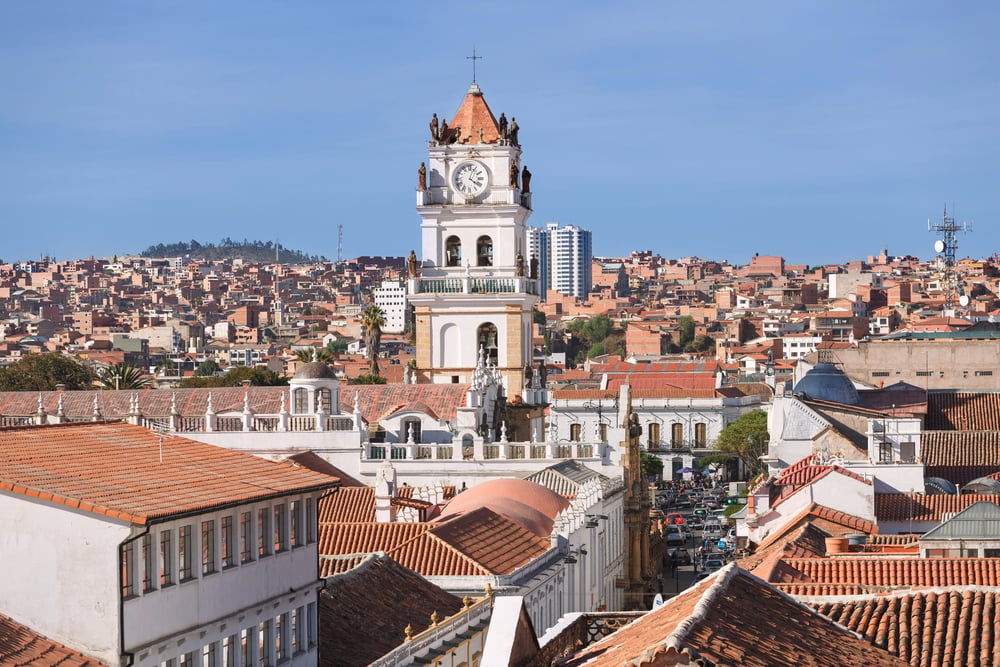
Bolivia’s anthem is, without much competition, one of the most intense on this list — the lyrics call on Bolivians to die before accepting a return to colonial servitude, and the phrasing is unambiguous about what resistance looks like. There’s a recurring motif of blood and soil that wouldn’t look out of place in a 19th-century revolutionary manifesto.
The anthem dates to 1851 and carries the specific fury of a nation that won independence through grinding armed struggle.
The United States — “The Star-Spangled Banner”

Most Americans know the first verse. The third verse — the one that almost never gets sung — contains a pointed reference to slaves who fought for the British during the War of 1812, dismissing them with contempt and celebrating their defeat.
Francis Scott Key was a slaveholder and the text reflects that, unapologetically. The verse exists.
It’s part of the official anthem. That it’s been quietly retired from public performance doesn’t mean it was removed.
Vietnam — “Tiến Quân Ca”
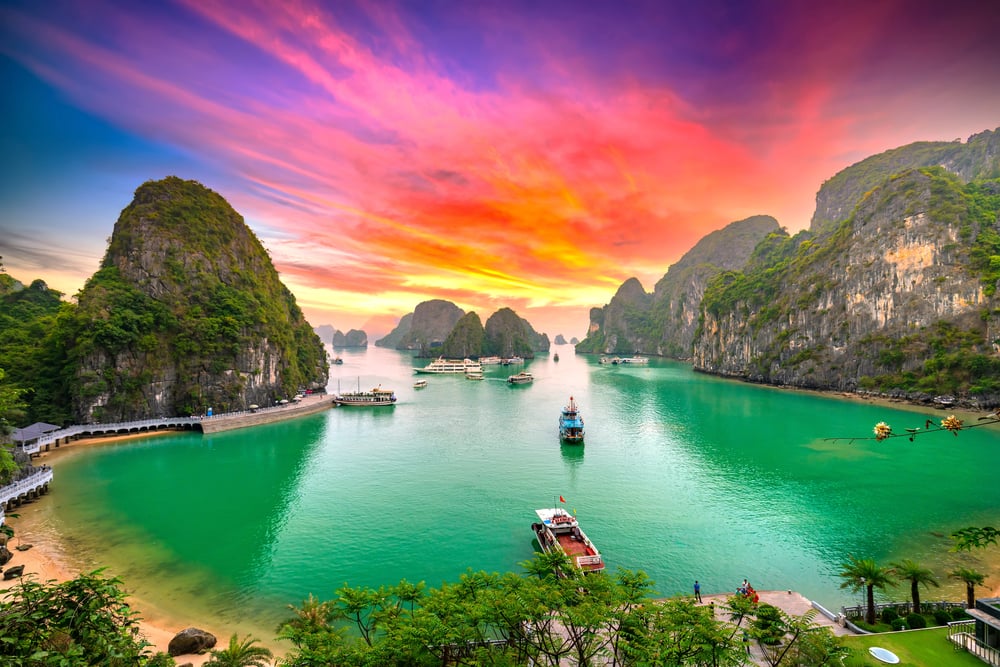
Vietnam’s anthem, written in 1944 during the resistance against French and Japanese occupation, is essentially a march into combat. The lyrics describe soldiers advancing through gunfire, stepping over the bodies of enemies, and sacrificing their lives for liberation — and there’s no decorative language softening any of it.
It’s a wartime song that became a permanent anthem, and the wartime energy never left.
Spain — “Marcha Real”
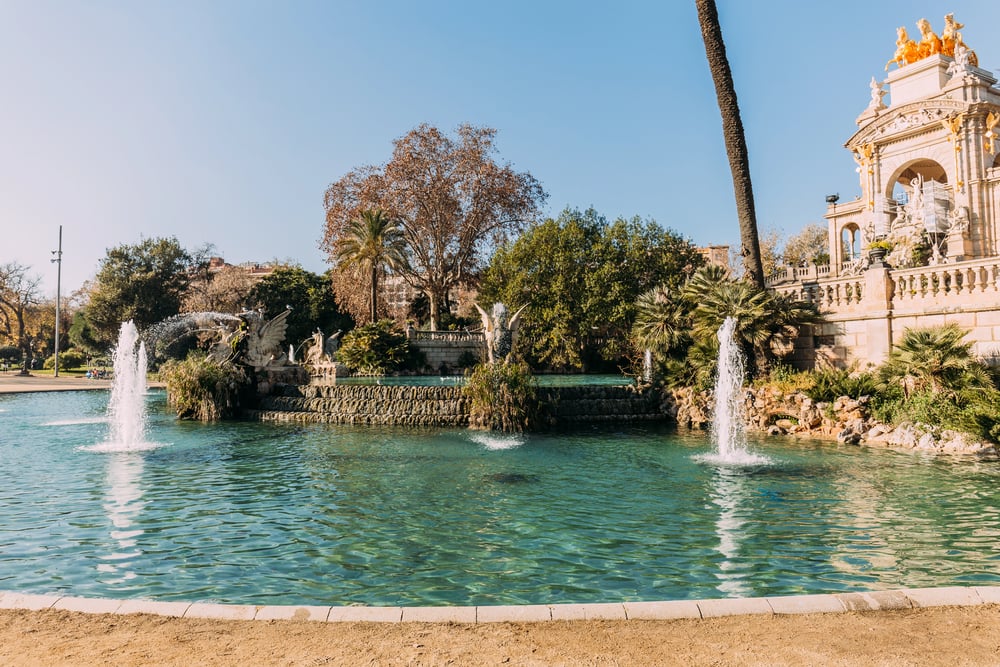
Spain’s anthem has no official words, which is its own strange story — but the lyrics that were briefly adopted in 2007 (before being withdrawn after public backlash) described enemies being crushed under the boot of the Fatherland. The backlash wasn’t just about the violence; it was about the phrasing feeling uncomfortably close to Franco-era nationalism.
Spain remains one of the few countries whose official anthem is performed entirely without words.
El Salvador — “Himno Nacional de El Salvador”
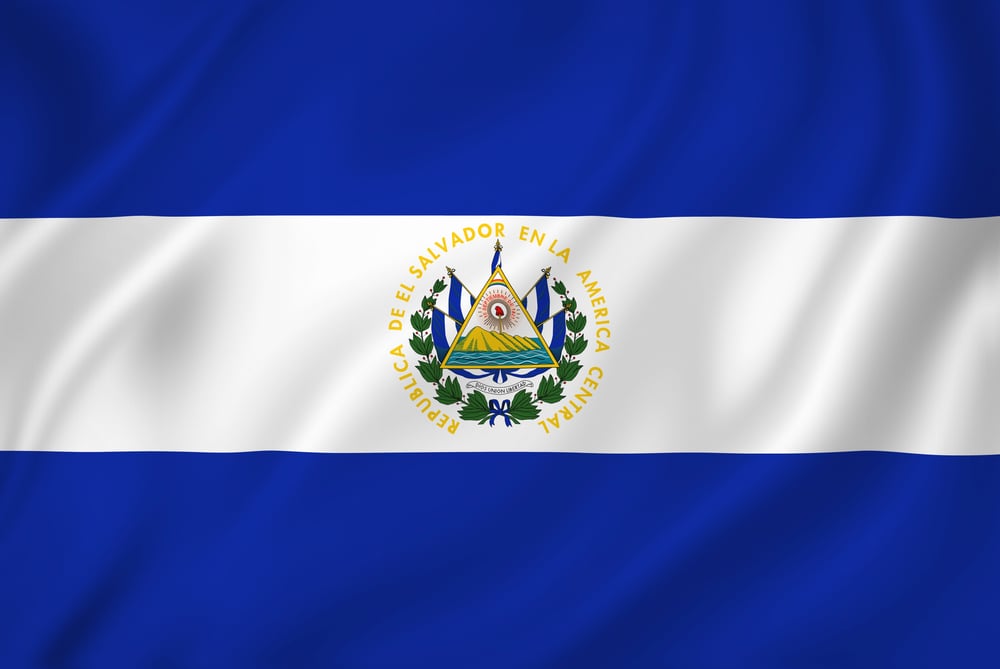
El Salvador’s anthem warns neighboring nations that if they threaten the country, they’ll meet the point of Salvadoran steel. The war imagery is direct and personal — not rhetorical flourish, but a genuine challenge addressed outward.
Written in 1879, it was composed during a period of genuine regional military tension, and the text makes no effort to disguise which direction that tension was pointing.
Algeria — “Kassaman”
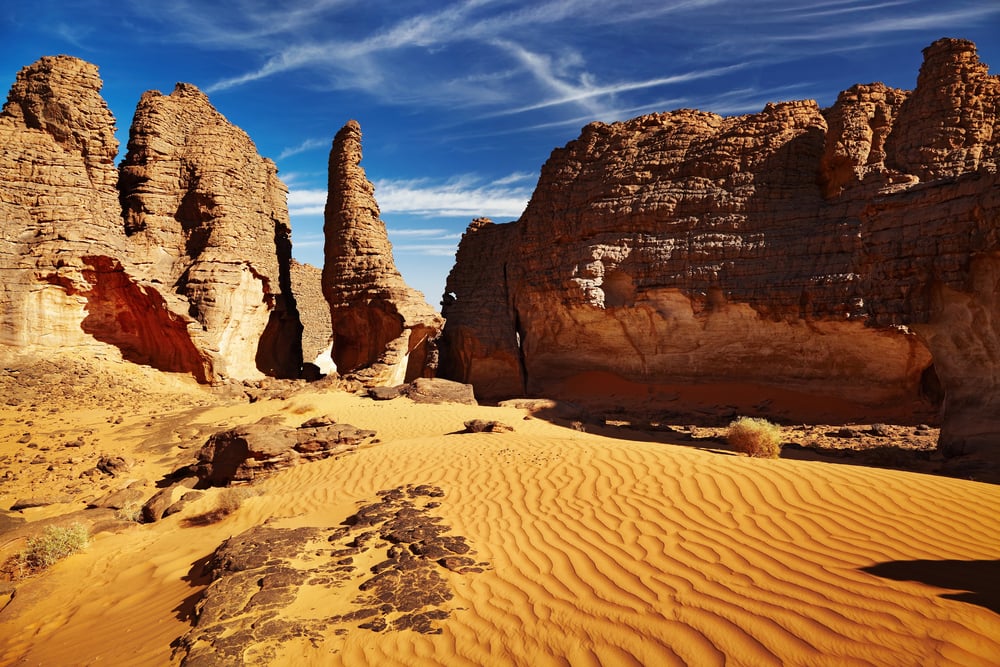
Algeria’s national anthem, written in 1955 during the war of independence against France, is one of the most explicitly militant anthems anywhere in the world. The lyrics reference machine guns, vow that French colonialism will be met with blood, and frame death in combat as a form of glory.
It was written by a poet imprisoned by French authorities and then smuggled out of jail — the rage in the lyrics is not abstract. It’s the real thing.
Rwanda — “Rwanda Nziza”
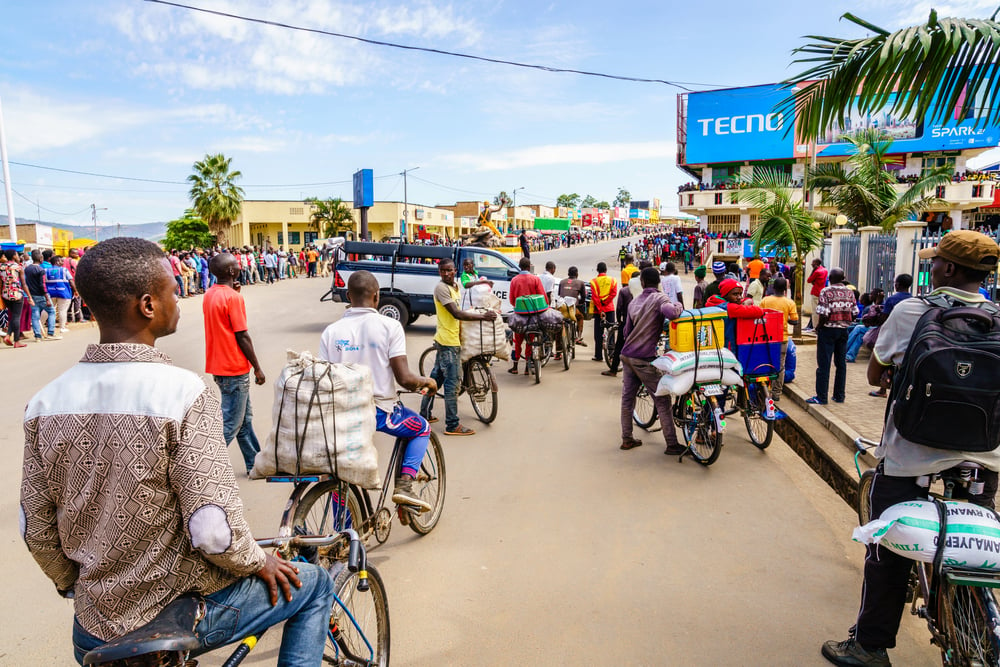
Rwanda’s anthem, post-genocide, was rewritten in 2001 to be a song of unity and reconciliation — and that’s the version sung today. But the earlier anthem, used before the 1994 genocide, contained ethnic references that, in retrospect, feel chilling given what followed.
The country made a deliberate choice to bury the old text and start over. Not every country has had that reckoning.
Germany — “Das Lied der Deutschen”
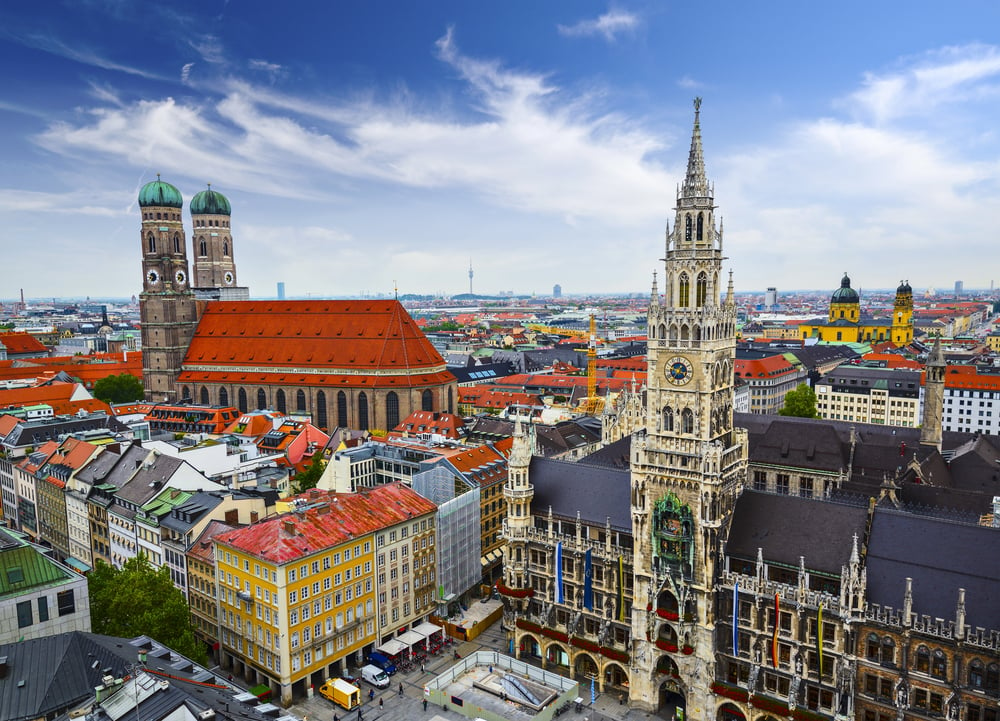
Only the third verse of Germany’s anthem is now officially sung — the one about unity, justice, and freedom. The first verse, with its “Germany above all” (Deutschland über alles) phrasing, is widely understood as having been weaponized by the Nazi regime, though the original 1841 meaning was about German unification rather than supremacy.
The first verse isn’t banned by law, but singing it at official events is socially understood as something you simply do not do.
The United Kingdom — “God Save the King”
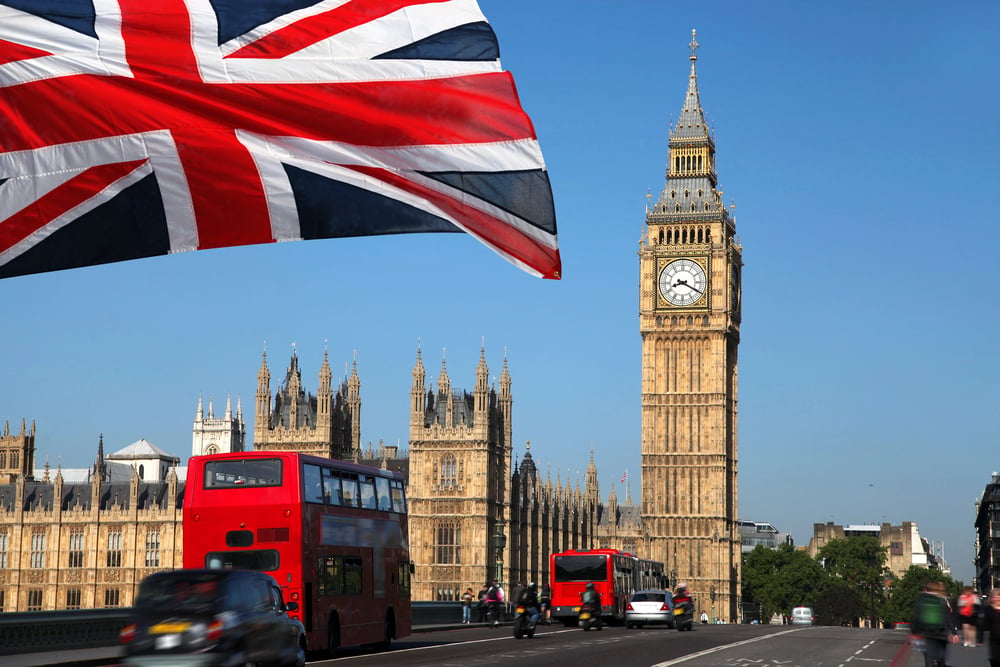
The lesser-sung verses of Britain’s anthem contain a request for God to help scatter and confound the country’s enemies — and one particularly pointed verse (sometimes called the “rebellious Scots” verse) asks for God’s assistance in crushing Scottish resistance to English rule. The verse dates to the Jacobite rising of 1745.
It doesn’t appear in official government versions anymore, but it was unambiguously part of the original text.
Portugal — “A Portuguesa”
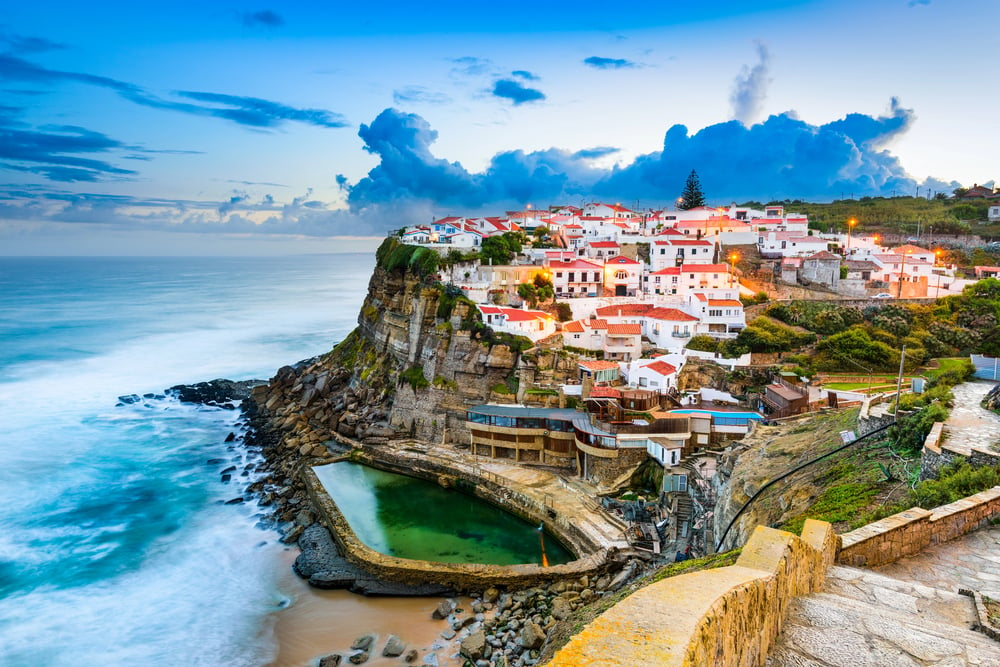
Portugal’s anthem was written in 1890 during a national crisis triggered by British imperial pressure in Africa — specifically, the British Ultimatum that forced Portugal to withdraw from territories in southern Africa. The lyrics call on Portuguese men to take up arms and fight, with cannon and gun, against the threat.
The British are never named, but everyone at the time understood exactly who the anthem was aimed at.
Myanmar — “Kaba Ma Kyei”
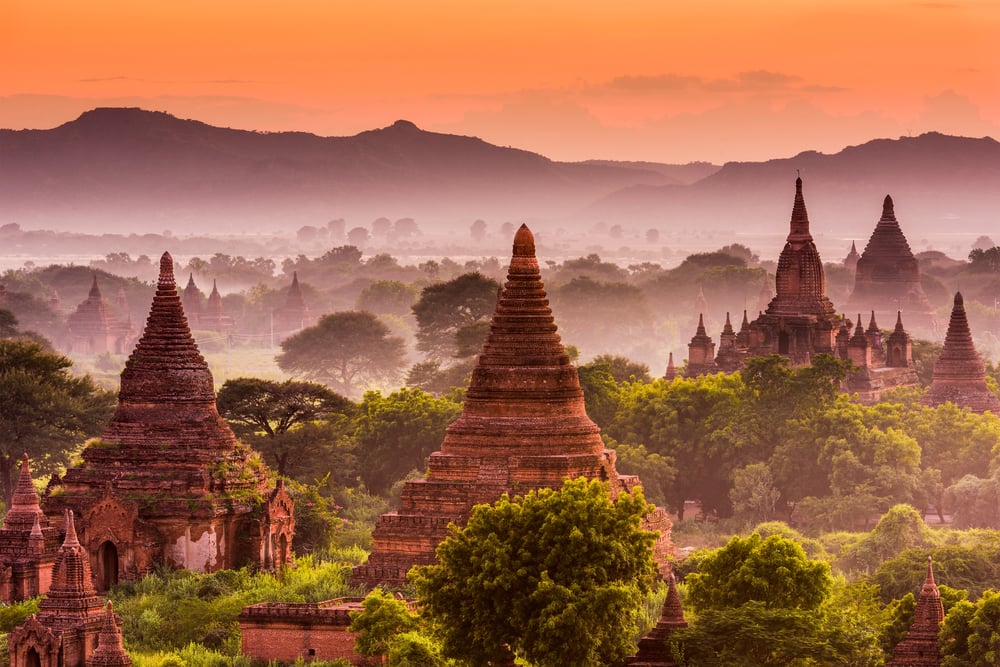
Myanmar’s anthem calls on citizens to fight for the country with their blood and bones — the phrasing is viscerally physical in a way that feels more like a military oath than a public song. Given Myanmar’s tumultuous military history, the anthem has been heard against some genuinely grim backdrops.
The words haven’t changed to match the political circumstances; they’ve just been reinterpreted by whoever happens to be in power.
Cuba — “La Bayamesa”
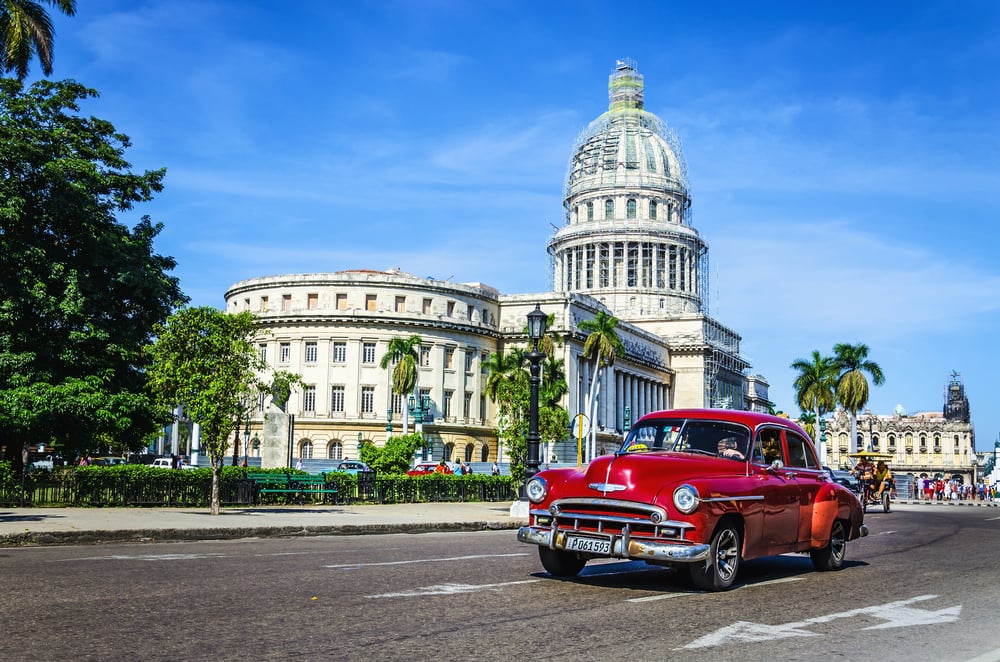
Cuba’s anthem was the first Latin American anthem to call explicitly for dying in battle rather than living as subjects, and it does so without hedging. Written in 1868 during the Ten Years’ War against Spanish colonial rule, the lyrics tell Cubans to die for their country rather than live in chains.
The word “dying” appears in the first verse. It’s not a metaphor.
The song was composed while Bayamo was being burned to prevent it from falling into Spanish hands.
Ukraine — “Shche ne vmerla Ukrainy”
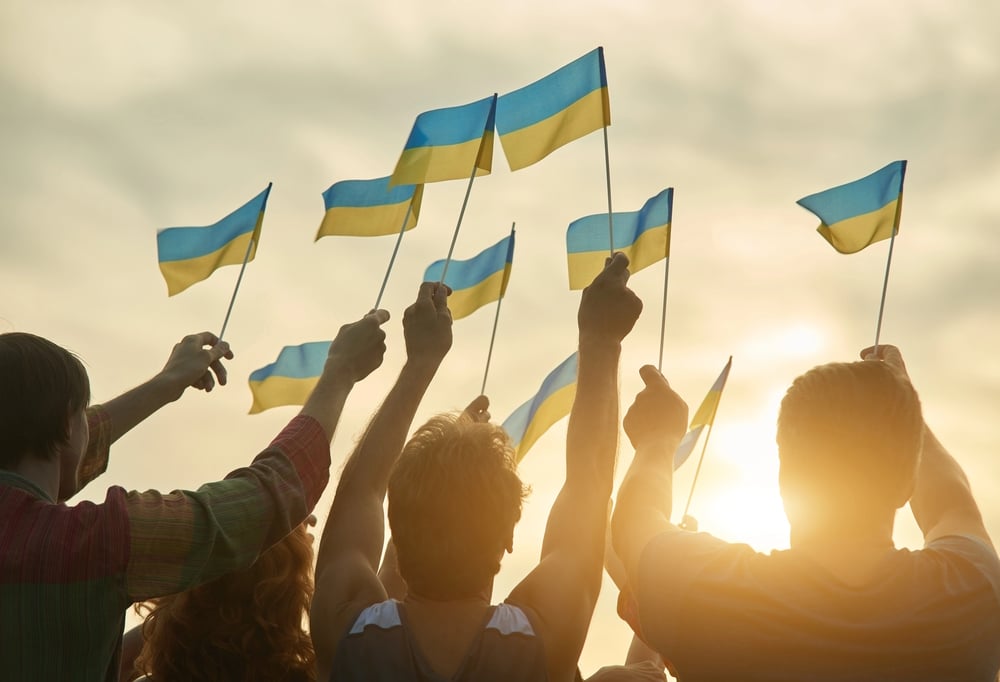
Ukraine’s anthem translates roughly as “Ukraine has not yet perished” — which is, on its own, a striking thing to put in a national song. The lyrics describe enemies falling like dew in the morning sun and vow that Ukraine’s freedom will be won through combat.
Given the context of the past several years, the anthem has taken on a weight that its 19th-century composer, Pavlo Chubynsky, could not have anticipated. The words feel less like history and more like a live broadcast.
Egypt — “Bilady, Bilady, Bilady”
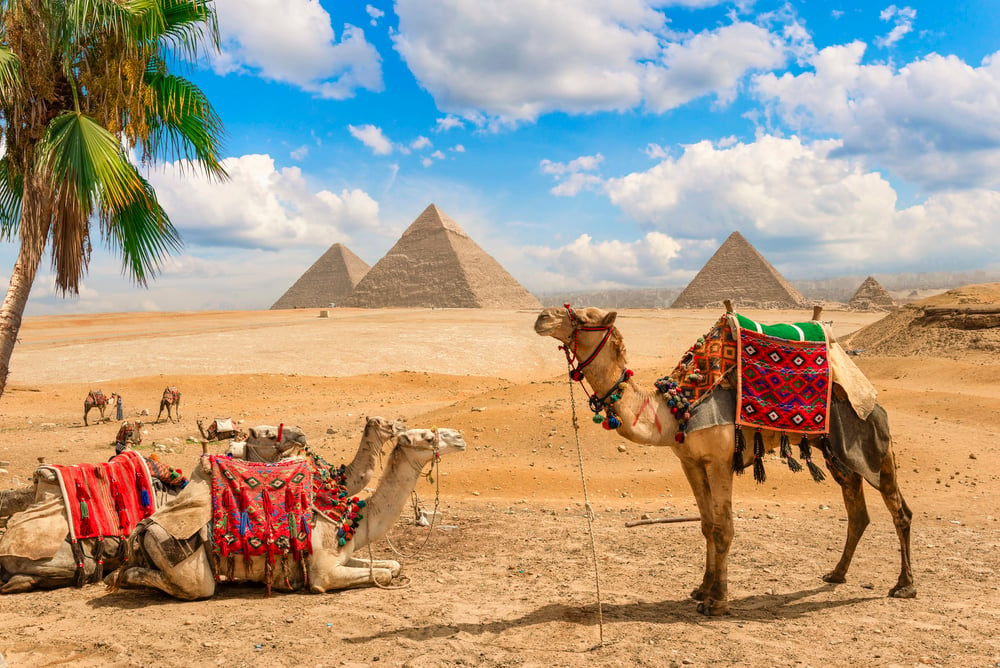
Egypt’s anthem in its current form (adopted 1979) is relatively mild compared to earlier versions, but the predecessor anthem — used from 1960 to 1979 — contained explicit references to fighting, arms, and struggle against foreign domination. The newer version keeps the spirit of sacrifice while softening the imagery.
What didn’t change is the underlying message: that the land is worth dying for, not just living in.
Iran — “Sor Sorude Jomhuri Eslami Iran”
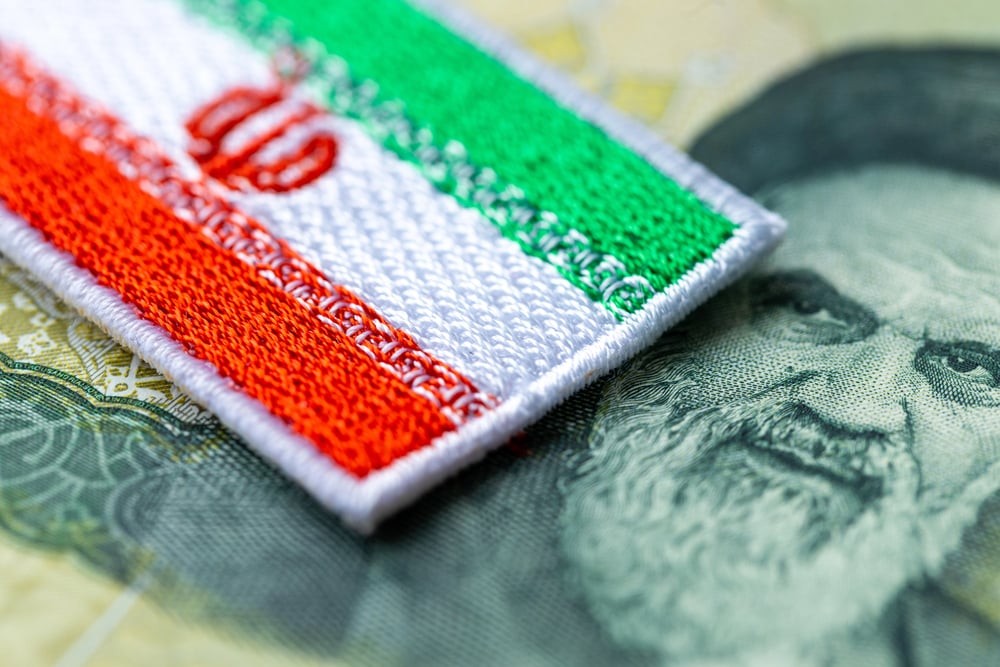
Iran’s post-revolution anthem, adopted in 1990, contains repeated references to martyrdom, armed struggle, and dying for the Islamic Republic. The imagery of blood and sacrifice is framed in religious terms, which arguably makes it more intense rather than less.
It replaced the imperial anthem of the Shah’s era, and the contrast between the two versions is essentially the contrast between the two Irans.
North Korea — “Aegukka”
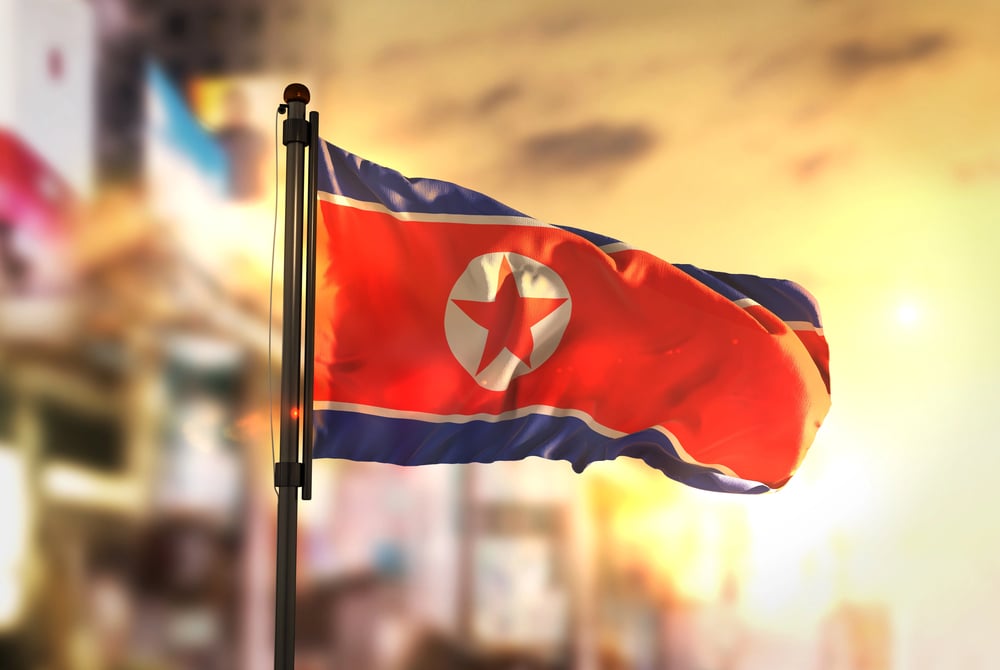
North Korea’s anthem is comparatively restrained by the standards of this list, but one verse calls on citizens to fight and sacrifice for the General (meaning the country’s leadership), with references to arms and struggle throughout. What makes it quietly unsettling isn’t the explicit language — it’s the context.
When a population has no choice about singing, the line between anthem and command starts to dissolve.
The Philippines — “Lupang Hinirang”
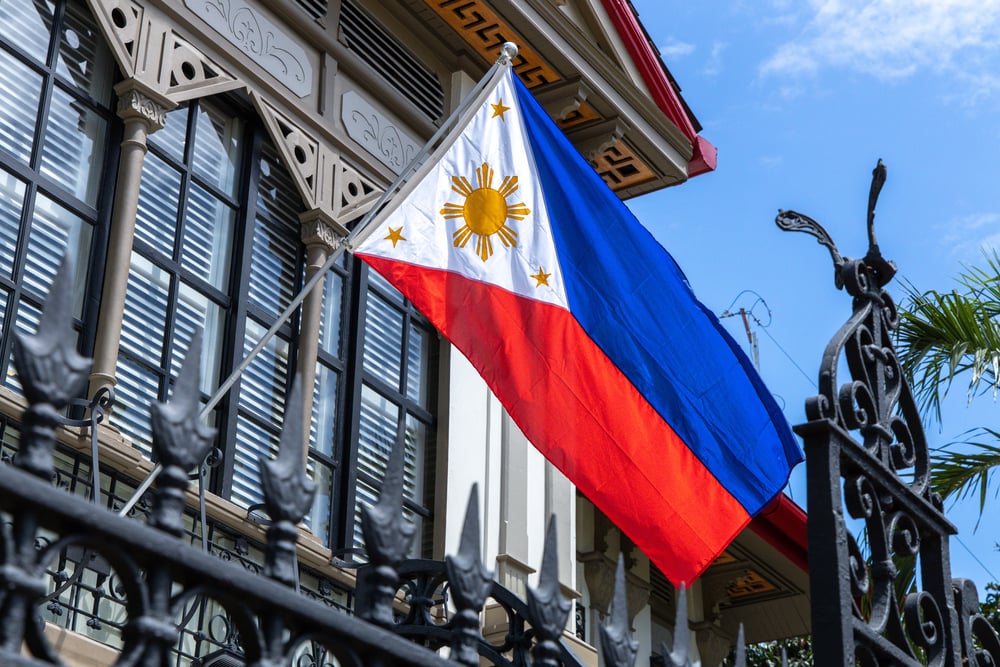
The Philippine anthem, in its Tagalog version, contains a declaration that the country’s land is worth dying for and that enemies who threaten it will face the Filipino people’s strength and resolve — with the imagery of fire, fighting, and sacrifice woven throughout. The Spanish-era origins of the melody give it a certain grandeur that can make the martial content easy to miss if you’re not reading along.
Most people aren’t reading along.
Thailand — “Phleng Chat Thai”
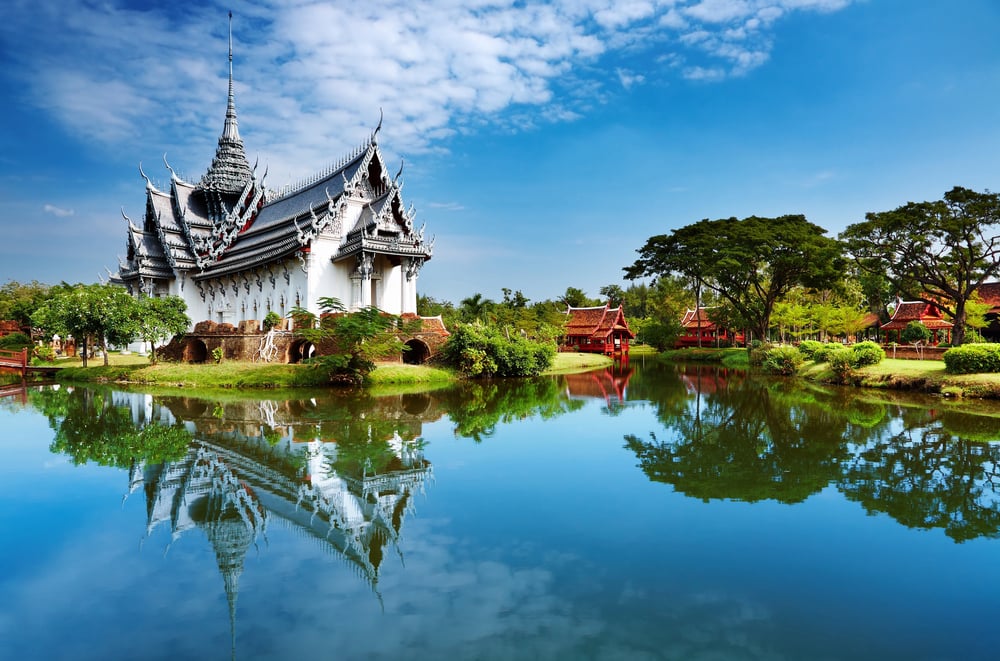
Thailand’s anthem describes the Thai people as unified in blood and dedicated to the point of sacrifice — the phrasing makes clear that dying in defense of the nation is not just acceptable but honorable. The anthem is played twice daily over loudspeakers in public spaces across the country, and citizens are expected to stop and stand still.
The ritual compliance around the anthem gives the violent subtext an edge that a song played only at sports events simply doesn’t have.
Nicaragua — “Salve a ti, Nicaragua”
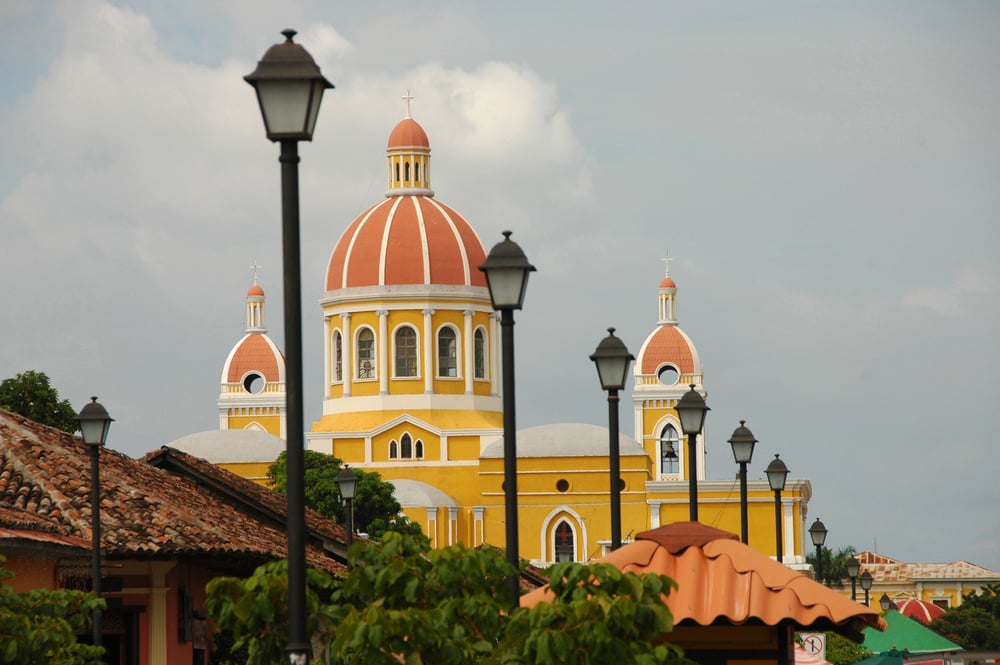
Nicaragua’s anthem praises the cannon’s roar and celebrates the country’s willingness to fight for its freedom, with specific references to armed struggle and the sacrifice of soldiers. It was adopted in its current form in 1939 but draws on earlier revolutionary material.
Given Nicaragua’s political turbulence across the 20th century, the anthem has been heard in a lot of different contexts — and it has suited most of them without modification.
Switzerland — “Cantique Suisse”
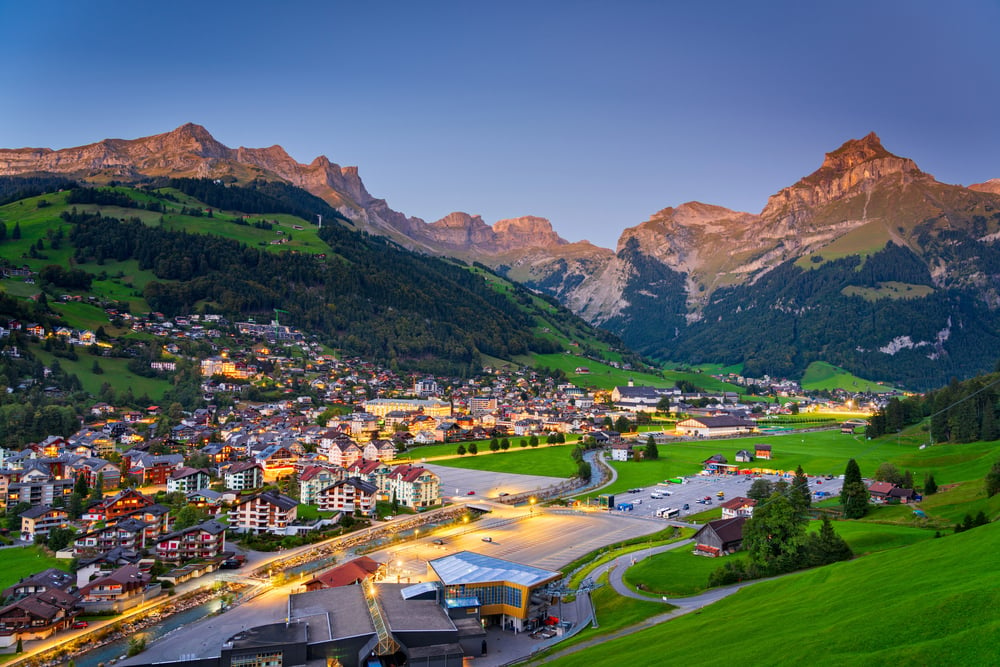
Switzerland is not the country that comes to mind when you think of martial anthems, and to be fair, the full version is mostly pastoral imagery about the Alps and divine grace. But one verse asks God to guide Swiss soldiers in battle and describes combat as a holy purpose — which sits a little oddly alongside the country’s reputation for perpetual neutrality.
The Swiss have been officially neutral since 1815. The anthem apparently didn’t get the memo.
China — “March of the Volunteers”
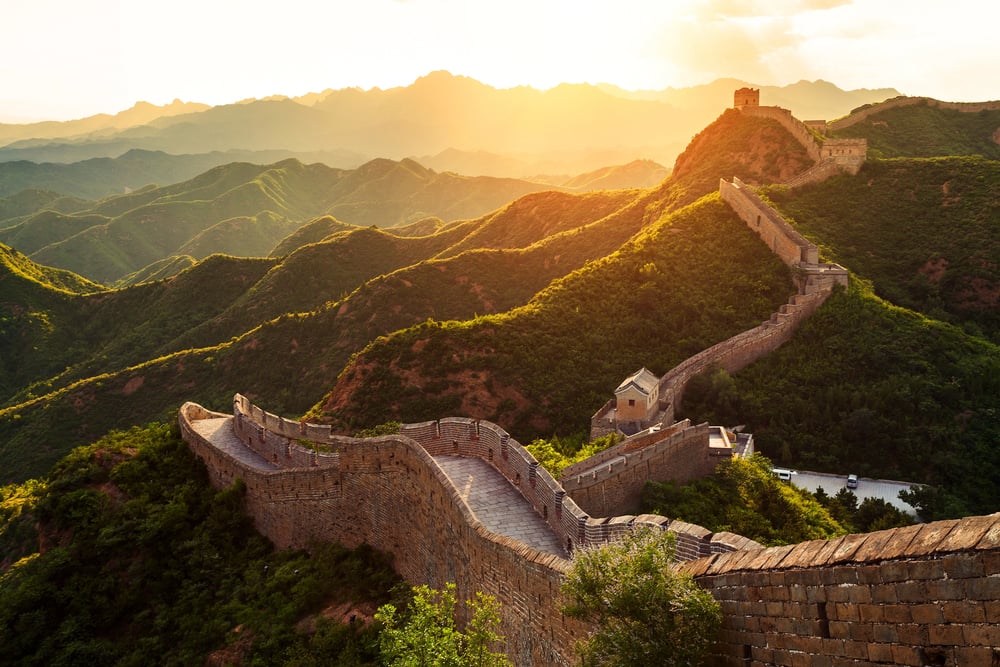
China’s national anthem was written in 1934 during the Japanese invasion of Manchuria, and the urgency of that moment is embedded in every line. The lyrics describe building a new Great Wall with flesh and blood, marching into cannon fire, and dying for the nation — and the word “slaves” appears in the opening, describing what the Chinese people refuse to become.
It’s a song composed under genuine existential threat, and it still sounds like one.
What Anthems Actually Carry

There’s something worth sitting with here. Every song on this list was written in a specific moment — a revolution, an occupation, a war, a desperate assertion that a people existed and would not stop existing.
The violence in the lyrics isn’t random. It’s a record of what it cost.
The discomfort of singing words like these at a friendly soccer match isn’t a reason to sanitize them — it’s a reason to finally read them. History doesn’t get less true because the ceremony has become routine.
These anthems were forged in fire. Most people just never looked closely enough to notice the burn marks.
More from Go2Tutors!

- The Romanov Crown Jewels and Their Tragic Fate
- 13 Historical Mysteries That Science Still Can’t Solve
- Famous Hoaxes That Fooled the World for Years
- 15 Child Stars with Tragic Adult Lives
- 16 Famous Jewelry Pieces in History
Like Go2Tutors’s content? Follow us on MSN.



