26 Family Dinner Rules That Quietly Faded Away Over the Decades
There was a time when sitting down for dinner meant something. Not just food on the table — a whole unspoken architecture of expectation, ritual, and consequence.
You knew where to sit before anyone told you. You knew not to reach across your cousin.
You knew, without being reminded, that you did not leave the table until someone older than you did first. These rules were rarely written down anywhere.
They were transmitted through a look, a cleared throat, a sharp silence that carried more instruction than any lecture could. Somewhere between the 1970s and now, most of them dissolved — not all at once, but gradually, the way a habit fades when no one enforces it and no one misses it enough to bring it back.
No Elbows on the Table

Elbows on the table was once treated as a moral failing. Not a minor lapse — an actual character flaw, evidence that you had been raised without standards.
And yet, if you asked ten adults today why this rule existed in the first place, eight of them would guess wrong.
Waiting for Everyone to Be Seated Before Eating

Nobody touched their fork until the last person sat down. That’s it — that was the whole rule, and it was absolute.
It enforced a kind of patience that felt unnecessary in the moment and quietly civilizing in retrospect.
Asking to Be Excused
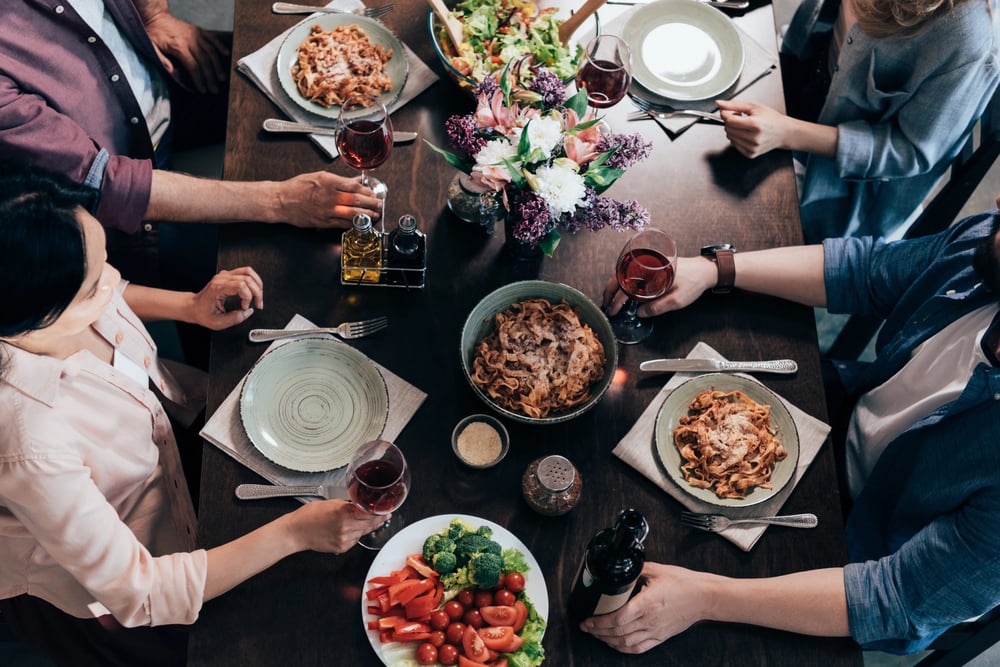
Leaving the table without permission was not done. You finished, you waited, and you said the words — “May I be excused?” — before standing up.
The ritual acknowledged that dinner was a shared event, not a fuel stop you could leave whenever your tank was full.
Saying Grace Before the Meal
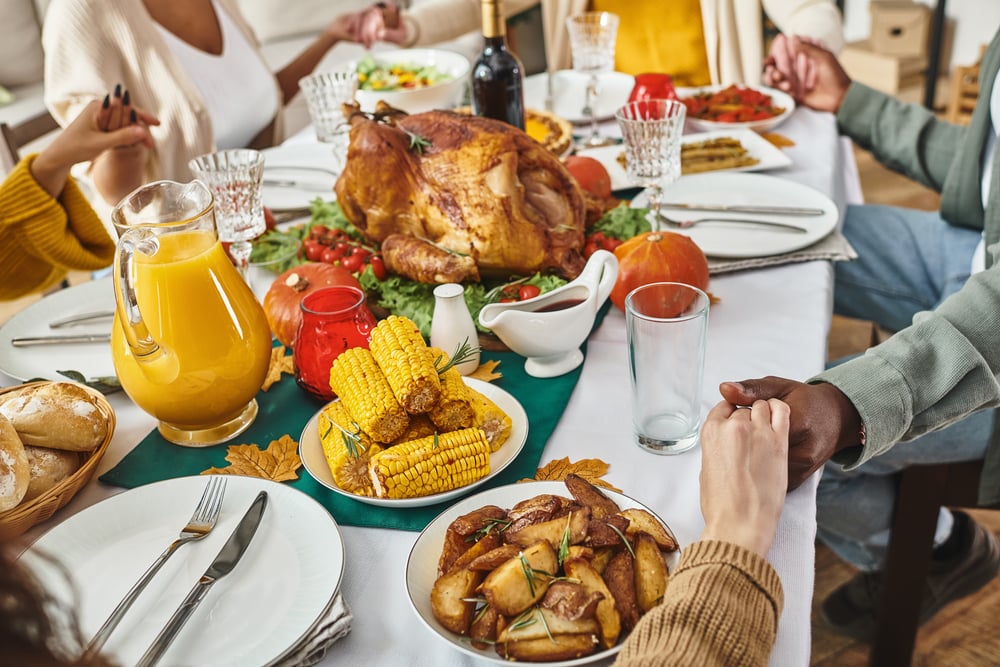
Grace was not always a religious act so much as a punctuation mark — a deliberate pause that separated the busyness of the day from the act of sitting down together. In many households, even ones that weren’t particularly devout, some version of it happened: a moment of quiet, a bow of the head, a few words before the first dish was passed.
The pause itself was the point.
No Hats at the Table
The hat rule carried a formality that felt like borrowed dignity — as if the dinner table were a space elevated just slightly above the rest of the house, and your head covering was evidence of whether you understood that. To be fair, it mostly applied to men and boys, which tells you something about whose respect was being calibrated.
No Reaching Across Other People
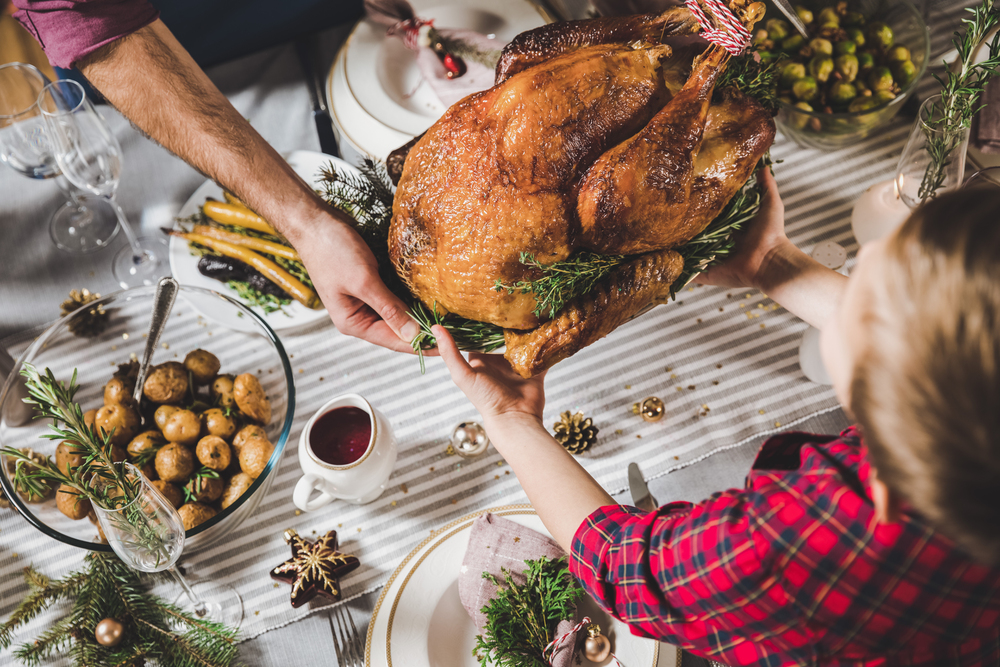
Reaching across someone’s plate was treated like a minor invasion — and it was, really. You asked.
You said “please pass the butter” and waited for it to travel to you through a chain of hands. The reach-and-grab approach belonged to people who hadn’t been taught properly, and everyone at the table knew exactly which category you’d just put yourself in.
Children Seen and Not Heard
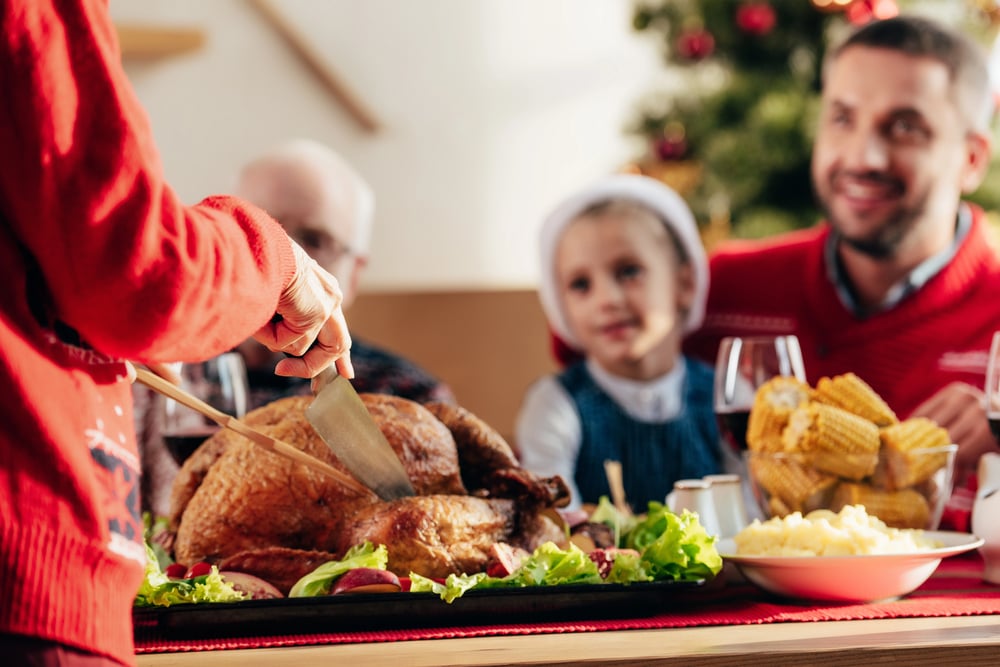
This one aged badly, and it deserved to. The idea that children should sit silently through adult conversation — present but performatively mute — was less about respect and more about convenience dressed up as manners.
Even so, something got lost when the pendulum swung all the way to children narrating their entire school day without pause while the adults nodded through their food.
Clearing Your Plate Completely
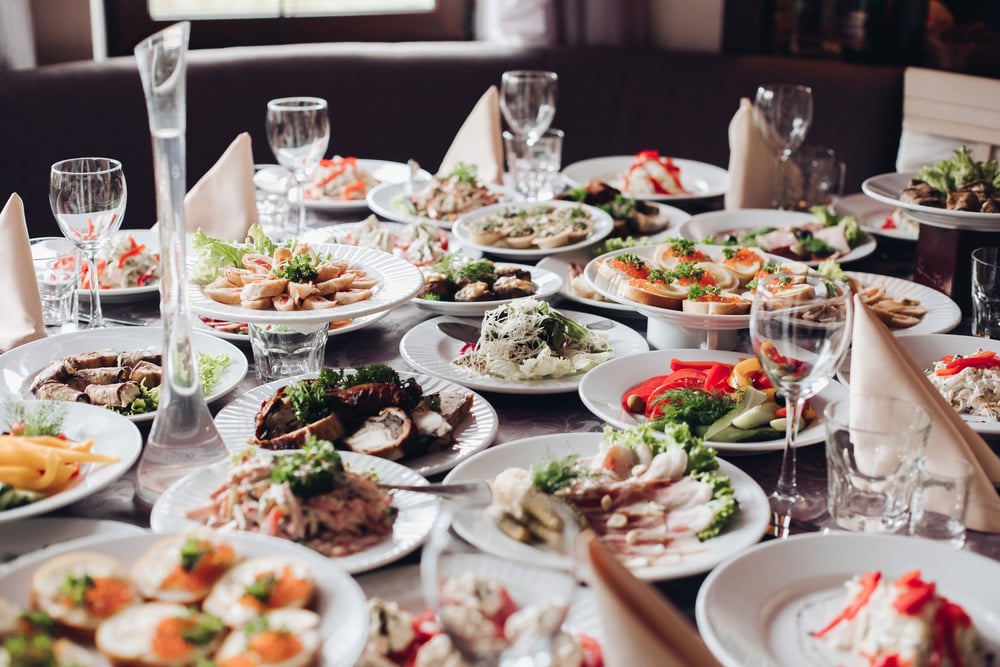
Wasting food was not tolerated — full stop. You ate what was put in front of you, and “I don’t like it” was not a recognized category of objection.
The rule was shaped by generations for whom food scarcity was not a rhetorical concept, and it made a particular kind of sense in that context, even when it produced adults with complicated relationships to fullness and hunger.
No Singing at the Table

Singing at the table was considered disruptive — a chaotic little breach of the calm that meals were supposed to maintain. It sounds almost charming now, as a rule.
The idea that dinner was a decorous enough occasion that spontaneous song needed to be formally prohibited suggests a level of ambient seriousness that’s genuinely hard to imagine in most modern households.
The Host or Head of Household Was Served First
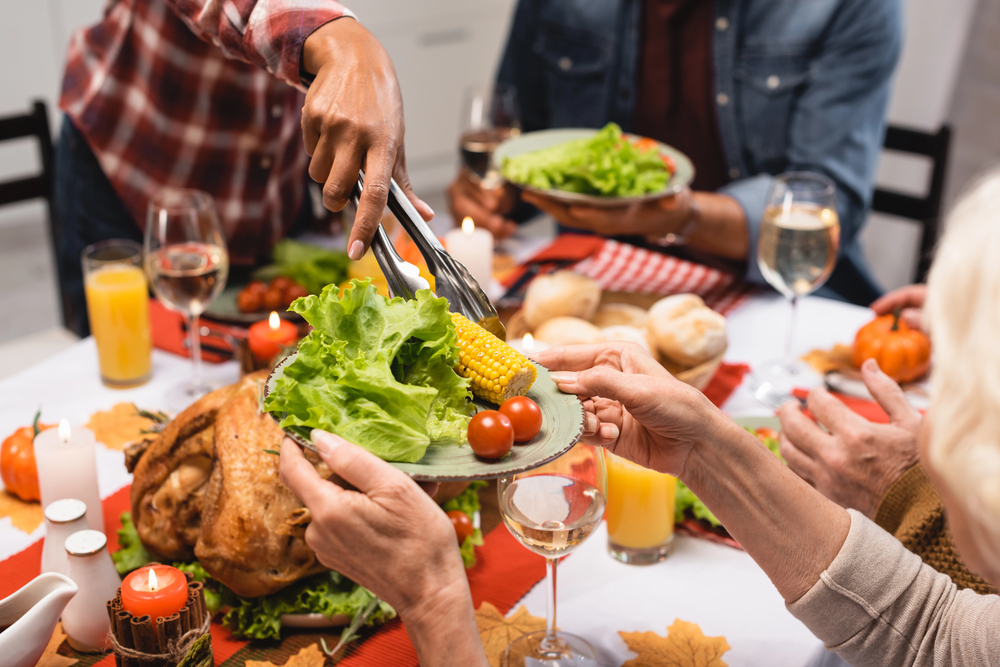
Whoever sat at the head of the table was served first, and dishes traveled outward from there. It was hierarchy made edible — a small, repeated performance of who mattered most in the room.
The tradition was rooted in something older than etiquette: the idea that the person who provided the meal was honored before anyone else ate it.
Chewing with Your Mouth Closed

This one hasn’t fully disappeared so much as become selective — enforced strictly with guests present and quietly abandoned among family. It was once considered a baseline expectation, the absolute floor of acceptable behavior, and the fact that it required reminding at all was already considered a failure of upbringing.
No Television During Dinner

The television ban was serious business in households where the TV lived near the dining room. Dinner was for conversation — for the family to actually speak to each other, even when nobody particularly wanted to.
The irony is that the phone-at-the-table habit that replaced it is somehow more isolating: at least TV gave everyone something to talk about.
Bringing Something to the Table When Invited to Someone’s Home

Arriving empty-handed to a dinner invitation was considered a social transgression — not a catastrophic one, but a meaningful one. You brought wine, or flowers, or a dessert, and the gesture acknowledged that someone had cooked for you, which was not a small thing.
The expectation has softened to the point where many hosts now explicitly say “just bring yourself,” which is either more welcoming or less honest, depending on how you read it.
Dressing Appropriately for Sunday Dinner

Sunday dinner operated under a dress code that was distinct from the rest of the week. Not formal, necessarily — but considered.
You didn’t come to the table in what you’d been wearing while mowing the lawn. The meal was an occasion, and occasions required a minimum level of effort that your clothes were expected to reflect.
No Arguing at the Table

Arguments were supposed to be left at the door — dinner was neutral ground, a forced armistice among people who might have been furious at each other twenty minutes earlier. In practice, the rule probably suppressed as many important conversations as it prevented ugly ones, but the intention was straightforward: the table was where the family gathered, and gathering required a temporary suspension of grievances.
Proper Utensil Use and Order
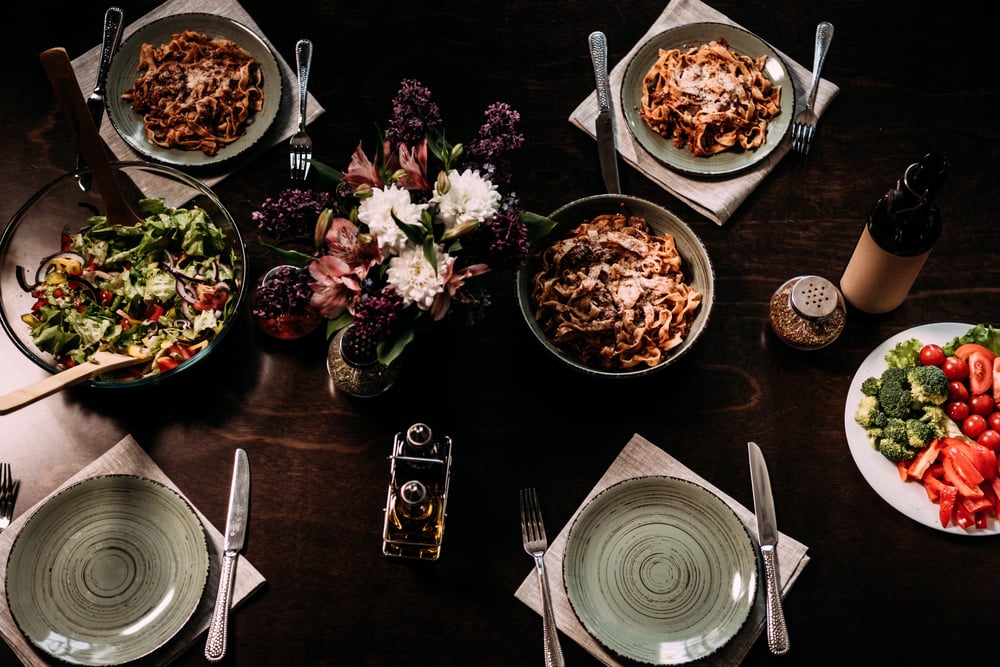
Knowing which fork to use and in what order was once considered a basic literacy. The salad fork on the outside, the dinner fork closer in, the fish fork somewhere in the middle if the evening was ambitious — the arrangement wasn’t arbitrary, it was a system, and knowing it marked you as someone who had been taught.
Most American households never ran to three forks, but the awareness that such rules existed kept people conscious of how they held what they used.
No Condiments Without Trying the Food First

Reaching for the salt or the ketchup before tasting what was on your plate was an insult to the cook, and it was treated as one. The rule enforced a kind of deference — an acknowledgment that someone had made a judgment call about seasoning and you owed them the courtesy of finding out whether they were right before you overrode them.
It was etiquette as diplomacy.
Adults Initiating Conversation, Not Children

Children could participate in dinner conversation, but they didn’t start it. They responded, they answered questions, they waited to be invited into the exchange — and they didn’t interrupt.
The expectation sounds stiff now, but it produced adults who understood the difference between entering a conversation and bulldozing one.
Food Passed to the Right
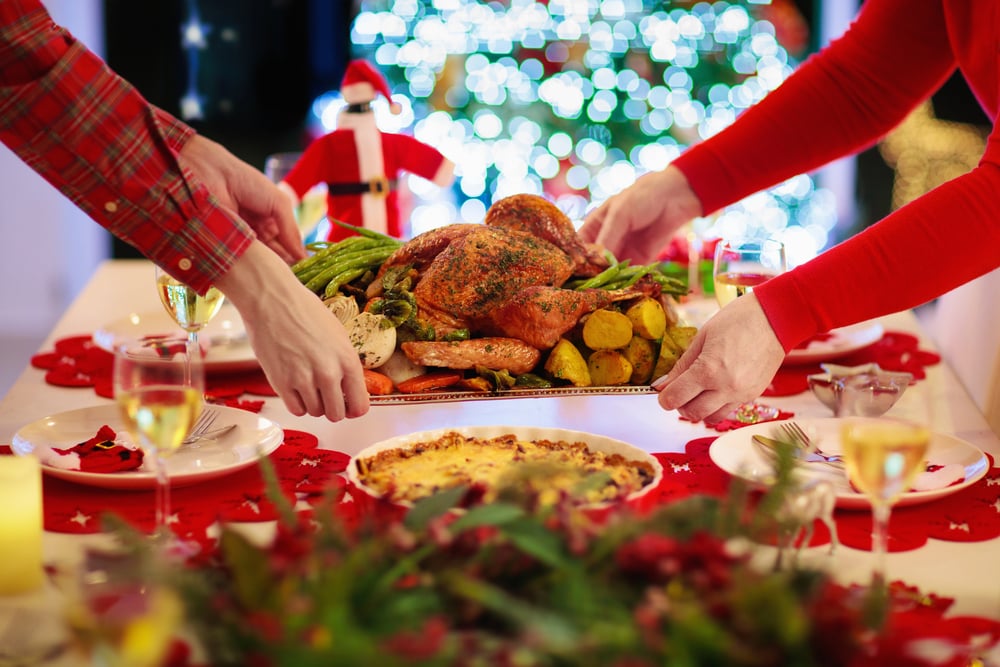
Dishes traveled in one direction — to the right — and the consistency of it prevented the small traffic jams that occur when people pass things instinctively in whatever direction their arm swings. It was one of those rules that only makes sense when everyone follows it, which is exactly why it was a rule in the first place.
No Negative Comments About the Food
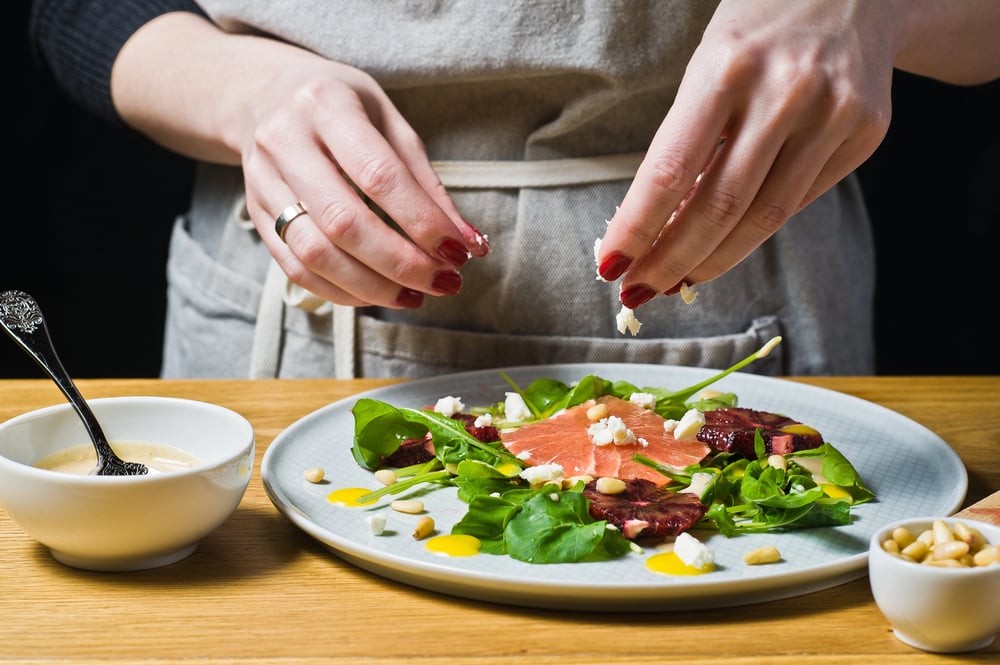
Whatever was served, you did not critique it at the table. You might have hated every bite — you ate it anyway, or you moved it around convincingly, but you did not announce your disappointment to the cook while they were still in the room.
The rule was protective, and also polite in a way that the modern preference for radical honesty about everyone’s dietary preferences has largely dismantled.
Younger Family Members Helping Clear the Table
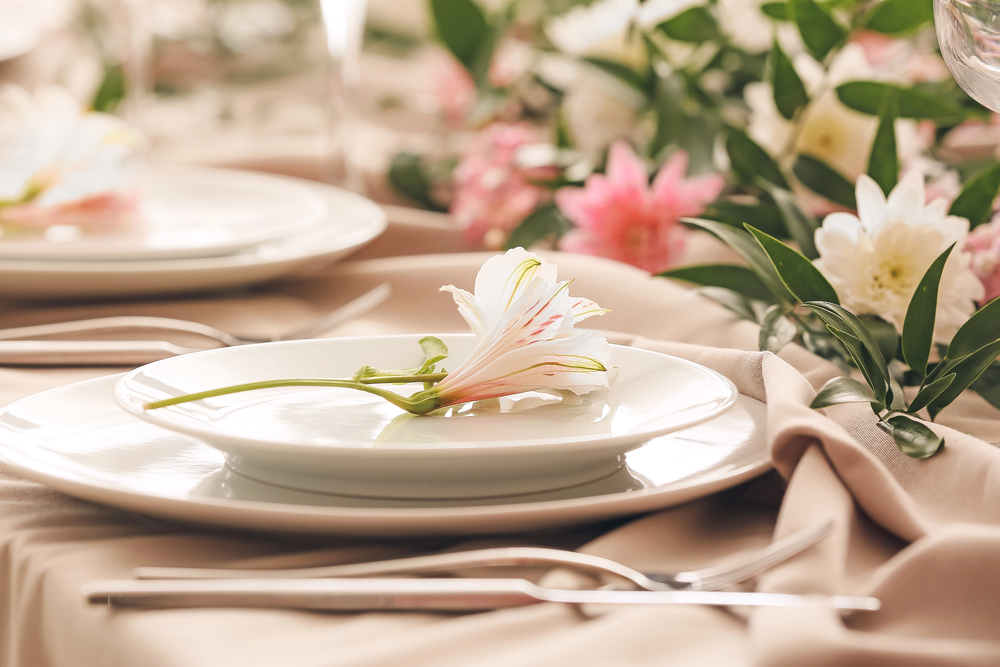
After the meal, younger family members cleared. It wasn’t a negotiation or a request — it was an expectation, rotated and expected, built into the architecture of how dinners ended.
The gesture acknowledged that cooking was labor and that the people at the table owed something to the person who had produced the meal.
No Reading at the Table
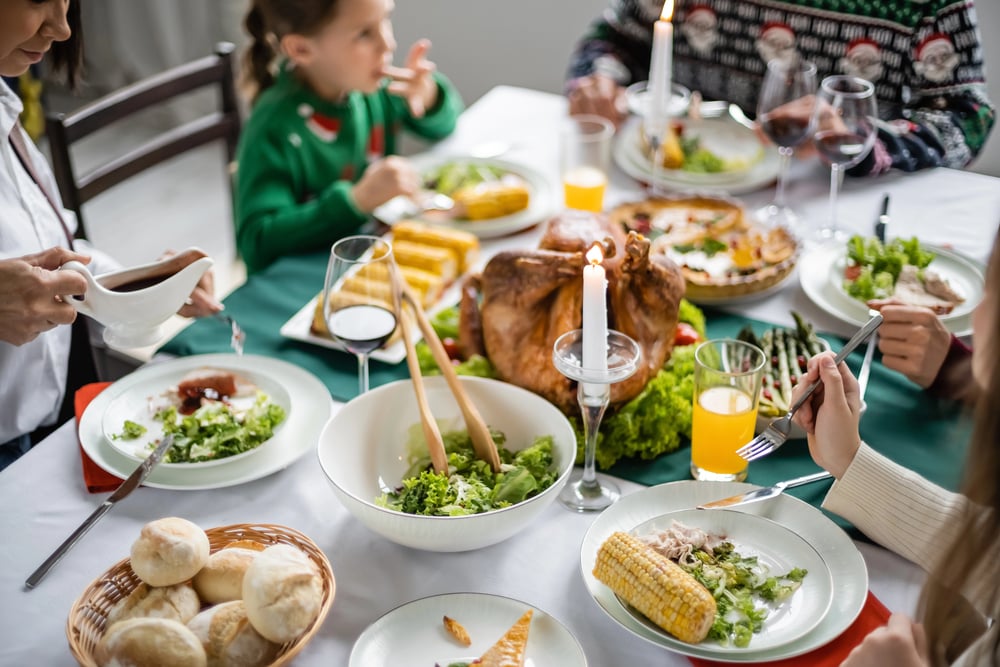
Books at the table were as disqualifying as bad posture — both were signs that you were somewhere else in your head, and the table required your actual presence. The rule extended to newspapers, which had a particular habit of appearing at breakfast and being actively unwelcome.
A folded paper propped against the coffee pot was the original screen-at-the-table problem.
Bread Broken by Hand, Not Cut
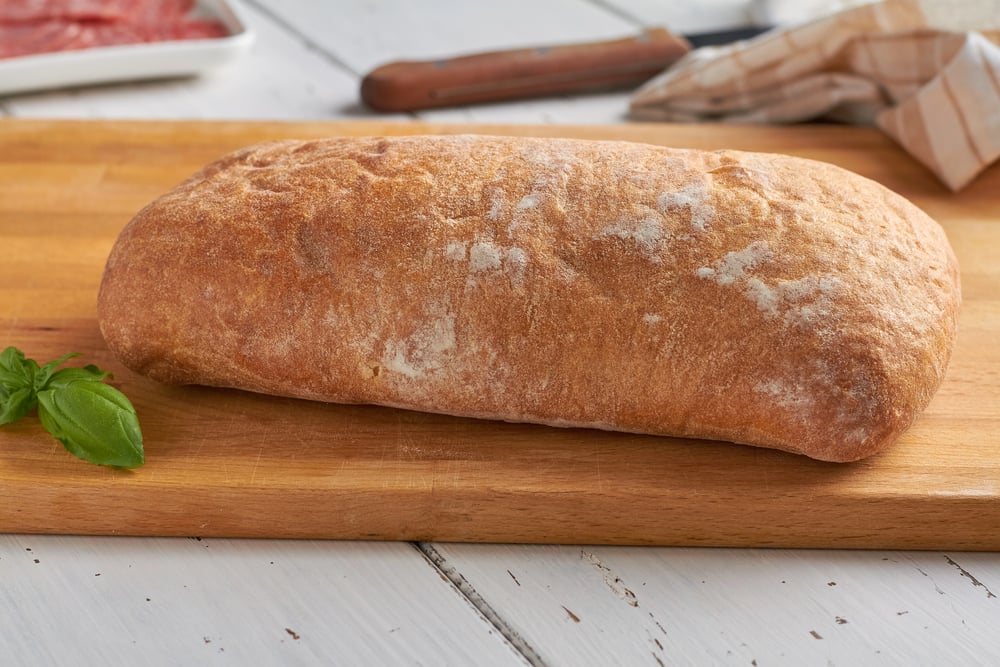
Bread was torn, not sliced, and you buttered only the piece you were about to eat — not the whole roll at once. These were the kinds of granular expectations that made formal meals feel like a sport with invisible officials.
Most people still tear bread instinctively without knowing why, which is how the best manners work: they outlast the rules that created them.
Complimenting the Cook
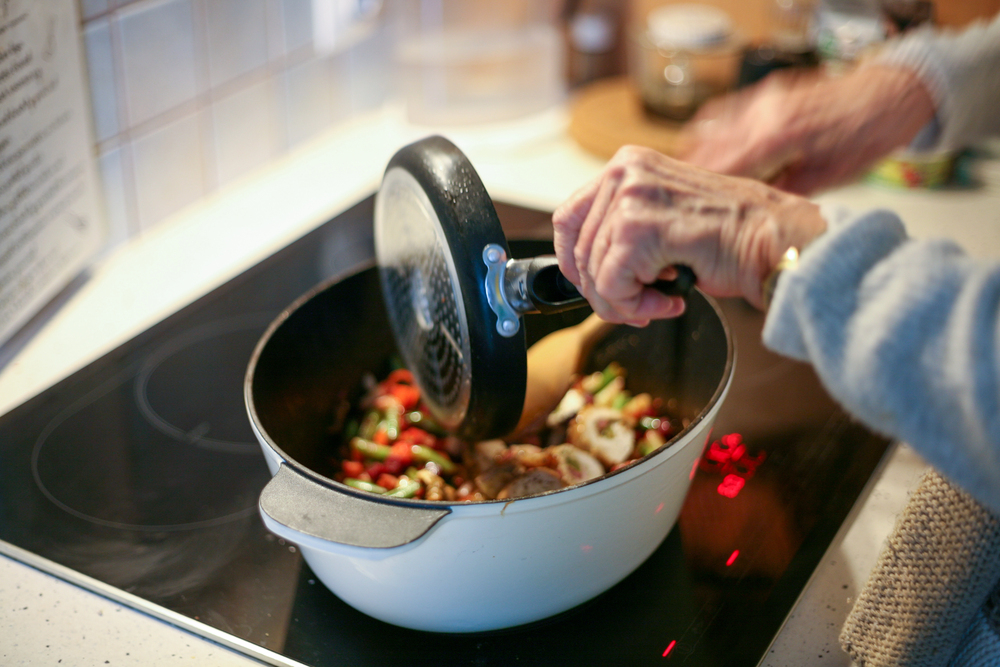
Before anyone left the table, the cook was thanked — out loud, specifically, not in passing. This wasn’t optional courtesy; it was an expected ritual, and skipping it was noticed.
The compliment didn’t need to be elaborate, but it needed to happen, because someone had spent time in a kitchen and the least the table owed them was acknowledgment.
Lingering After the Meal

Dinner didn’t end the moment the plates were cleared. People sat, conversation continued, someone refilled a glass — the meal dissolved slowly rather than stopping abruptly.
The idea that the table was a destination rather than a transit point gave dinner a weight it rarely carries now, when most meals have somewhere to be afterward before the dishes are even stacked.
No Business or Money Talk at the Table

Money and work were not dinner topics. Not because they were shameful, but because the table was supposed to be insulated from the anxiety of the outside world — a temporary suspension of financial worry and professional grievance.
Whether this made dinner more pleasant or just more evasive depends on the family. Probably both.
What the Table Remembers
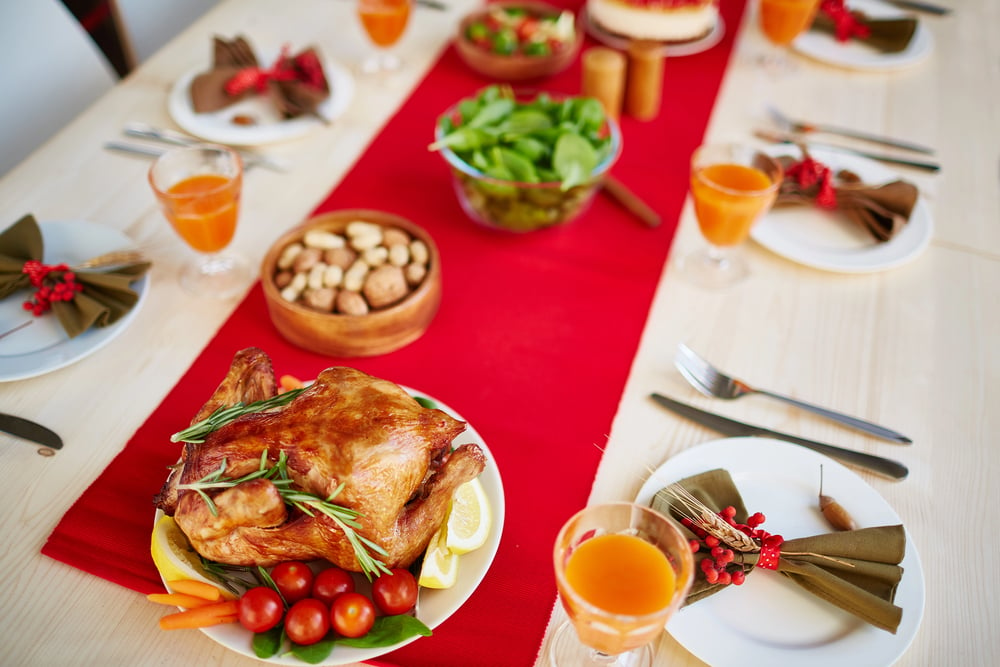
Rules don’t disappear — they migrate. The expectations that once governed family dinners didn’t vanish so much as redistribute themselves: into how you behave in restaurants, how you treat a host, how long you wait before pulling out your phone.
The table still corrects you, even when nobody’s enforcing anything out loud. There’s a reason people feel vaguely uncomfortable eating alone while someone else is still cooking — some instinct for shared ritual that survived everything else.
Dinner was never really about the food. It was about the room agreeing, for an hour, to be a family.
And that appetite turns out to be surprisingly stubborn.
More from Go2Tutors!

- The Romanov Crown Jewels and Their Tragic Fate
- 13 Historical Mysteries That Science Still Can’t Solve
- Famous Hoaxes That Fooled the World for Years
- 15 Child Stars with Tragic Adult Lives
- 16 Famous Jewelry Pieces in History
Like Go2Tutors’s content? Follow us on MSN.



