Landmark Physics Labs That Changed History
Some rooms matter more than others. Walk through most buildings and the spaces blur together — conference rooms, offices, storage closets that serve their purpose and disappear from memory.
But scattered across the world are laboratories where the fundamental nature of reality was first glimpsed, where equations scribbled on blackboards rewrote textbooks, where late-night experiments cracked open secrets the universe had kept for billions of years.
These aren’t just places where important work happened. They’re the rooms where human understanding took sharp turns, where what seemed impossible on Tuesday became textbook knowledge by Thursday.
The desks, the equipment, the windows where tired physicists stared while wrestling with ideas that refused to make sense — until suddenly they did.
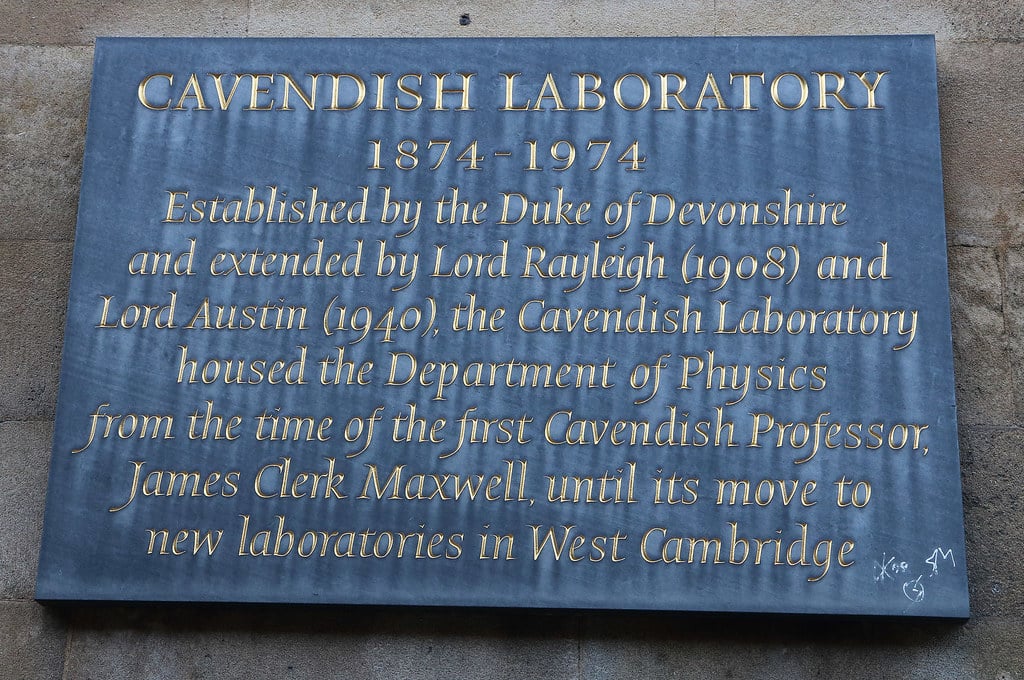
The Cavendish Laboratory
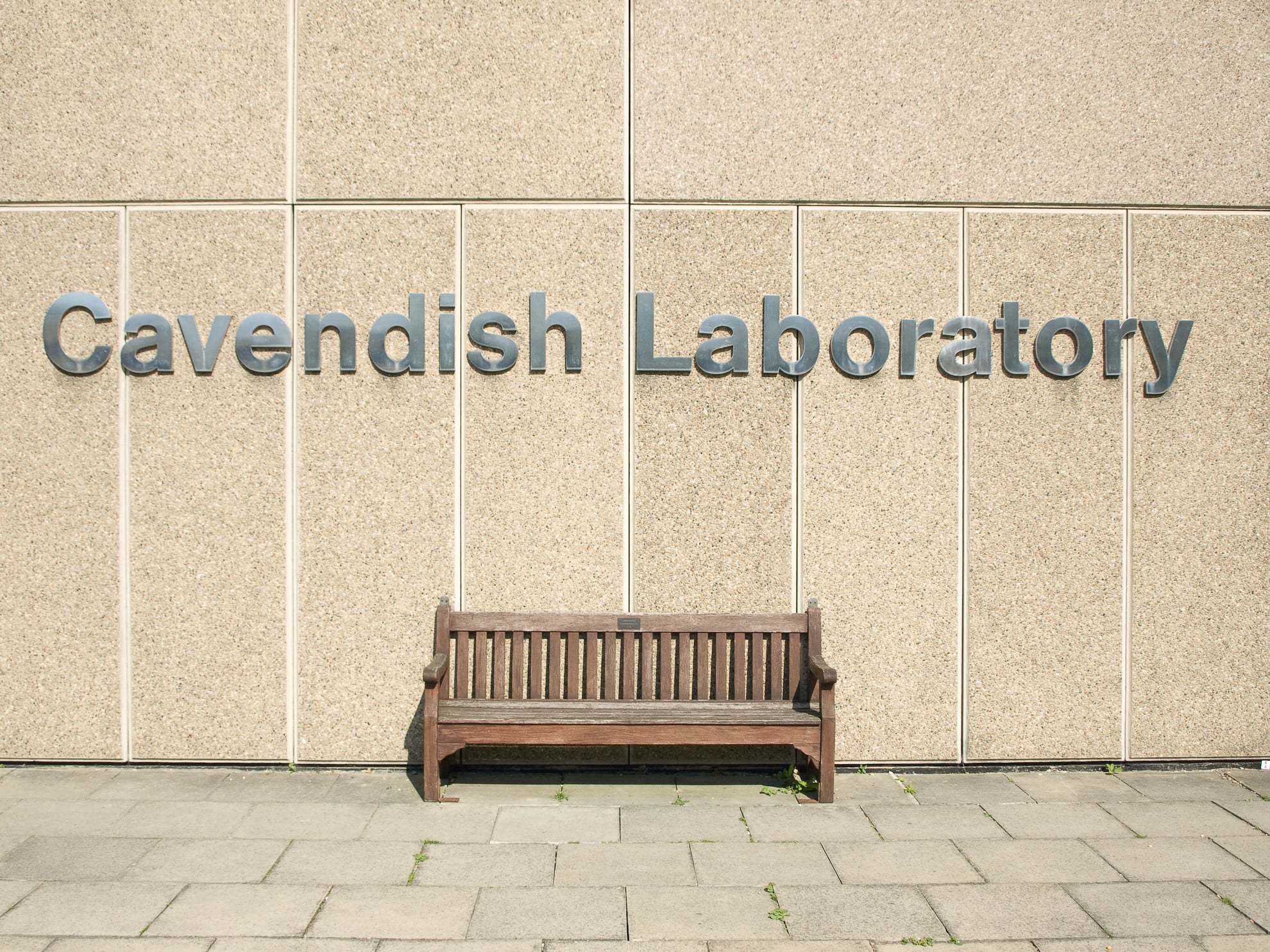
Henry Cavendish built his laboratory in the back garden of his London home specifically to avoid human contact. Fair enough.
The man who would become known as the father of experimental physics had little patience for social pleasantries when there were fundamental forces to measure.
But here’s the thing about Cavendish’s approach (and this mattered more than anyone realized at the time): he treated measurement like a stubborn conversation partner that required relentless precision to get a straight answer from.
His torsion balance experiments — delicate, obsessively calibrated, repeated until the numbers stopped arguing with each other — gave humanity its first accurate measurement of gravitational force and, by extension, the mass of Earth itself.
And the laboratory where this happened wasn’t grand or institutional; it was the workspace of someone who understood that the universe reveals its secrets only to those patient enough to ask the same question a hundred different ways until consistency emerges from the noise.
Ernest Rutherford’s Manchester Laboratory
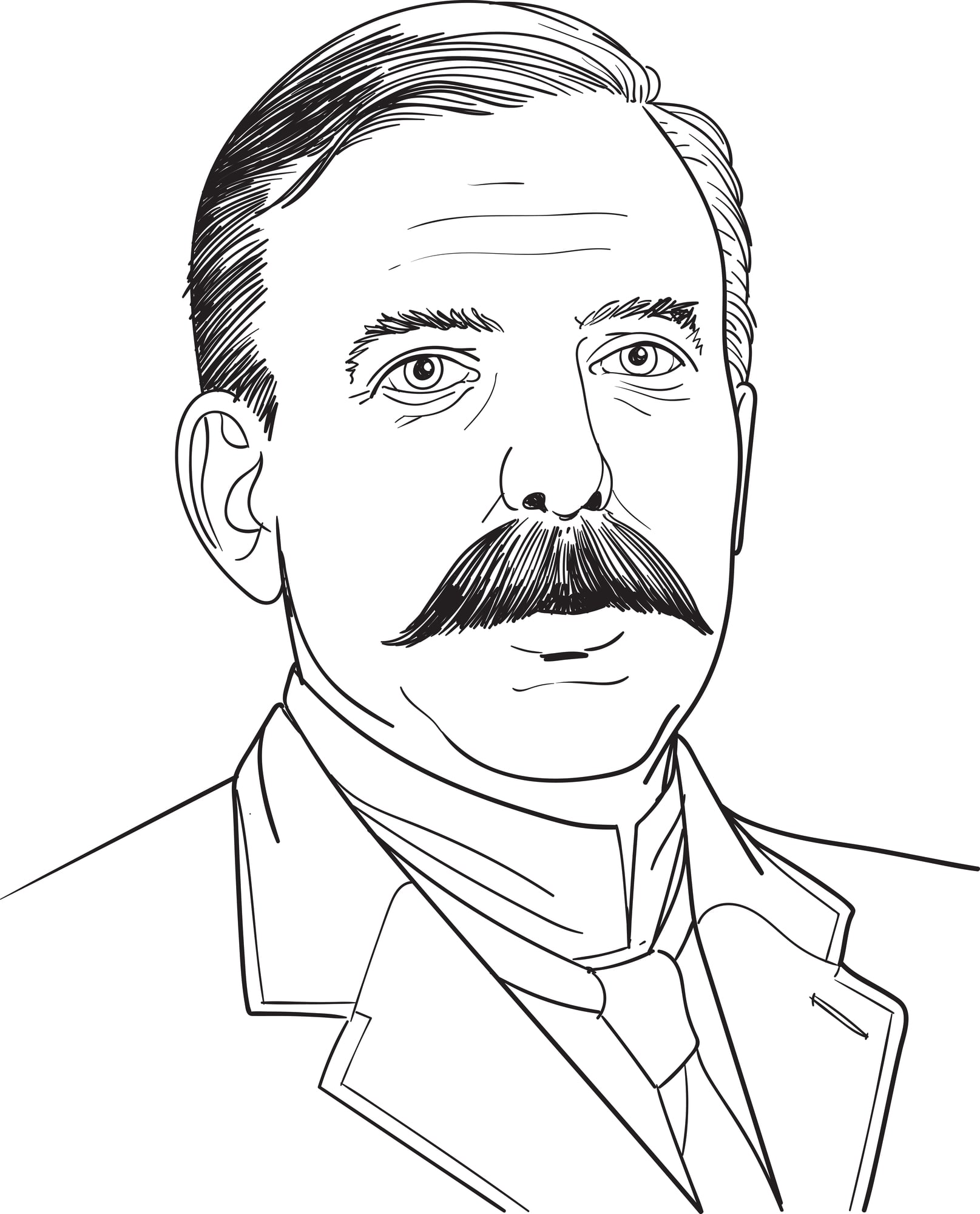
Picture a narrow, cluttered room in Manchester where the atomic age began with what seemed like failure. Ernest Rutherford’s team was firing alpha particles at gold foil, expecting them to pass through with barely a deflection.
Most did. Some didn’t.
A few particles bounced backward. Complete reversal.
Rutherford later said it was like firing artillery shells at tissue paper and watching them rebound.
But that impossible result — the one that made no sense according to existing atomic models — contained the revelation that atoms have dense, concentrated nuclei.
The scattered particles weren’t malfunctioning. They were reporting the architecture of matter itself.
Niels Bohr’s Copenhagen Institute
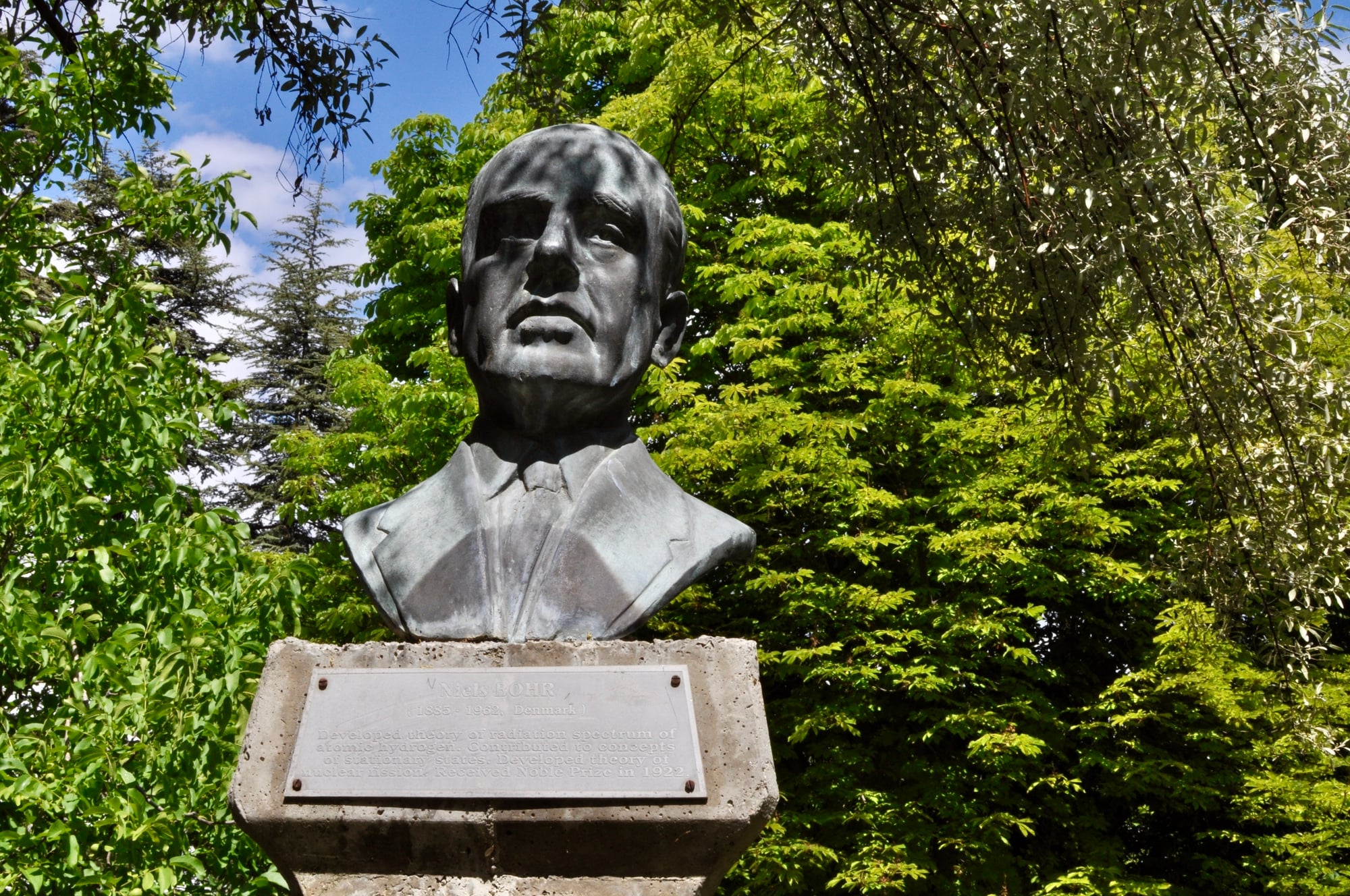
Bohr’s institute operated like intellectual quicksand — brilliant minds arrived expecting to contribute to atomic theory and found themselves questioning the nature of reality itself.
The building buzzed with arguments that lasted through dinner, equations that contradicted common sense, and conversations that treated the impossible as merely improbable.
And Copenhagen became the birthplace of quantum mechanics not because Bohr had the best equipment (though it was excellent) but because he created a space where physicists could be wrong out loud, repeatedly, until being wrong in precisely the right way revealed something true.
The complementarity principle — the idea that particles exhibit both wave and particle properties depending on how you observe them — emerged from a laboratory culture that embraced paradox as a starting point rather than a problem to be solved.
Marie and Pierre Curie’s Shed Laboratory
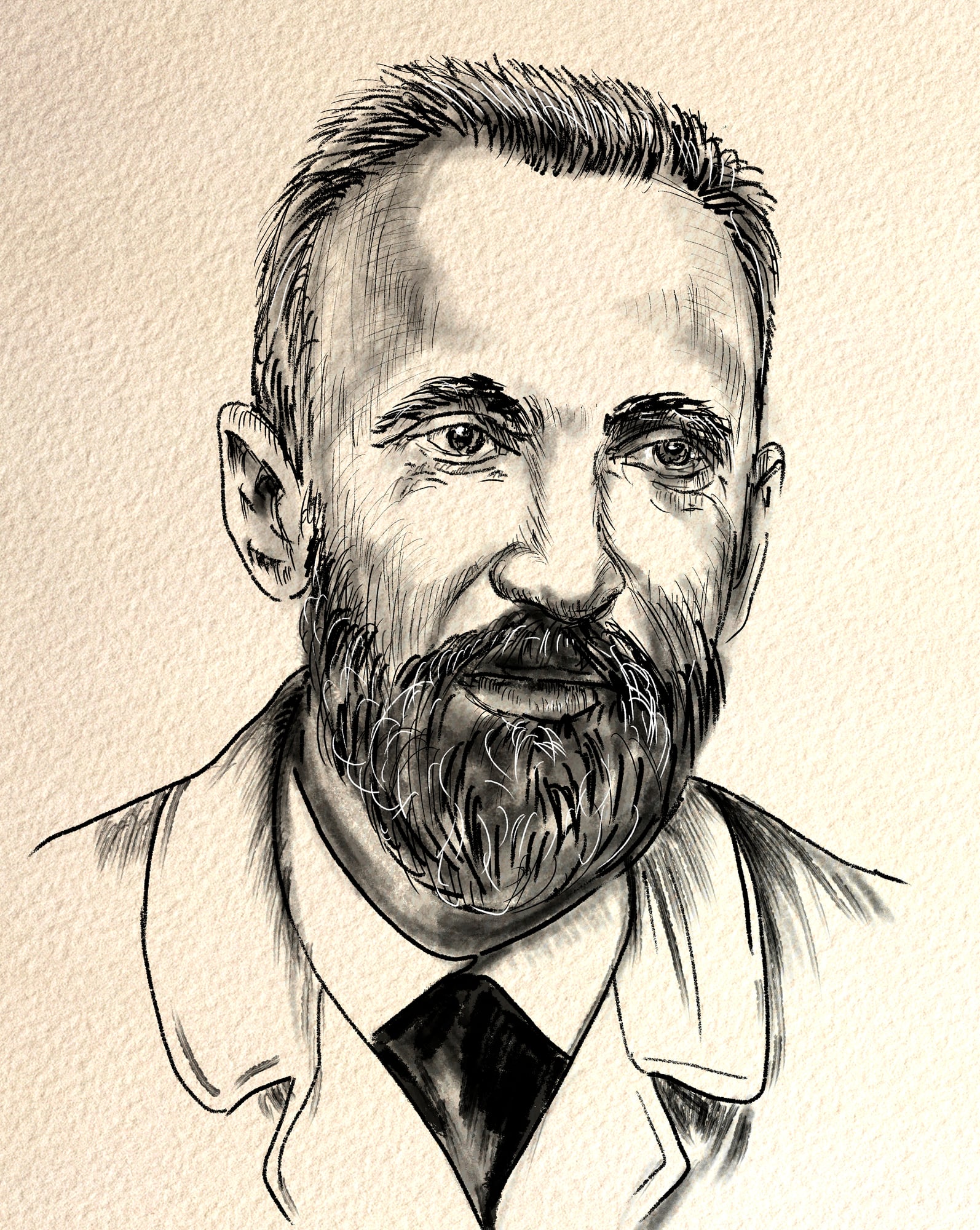
The romance of scientific discovery rarely involves actual romance, but the Curies managed both in a converted shed that most people would have condemned as uninhabitable. Leaking roof. No proper ventilation. Barely heated.
Marie later described their workspace as a “miserable old shed” — which it was.
But miserable sheds can house extraordinary work. The Curies processed tons of pitchblende ore in that space, isolating radium through painstaking chemical separations that took years to complete.
Their notebooks from this period are still radioactive more than a century later.
The laboratory where they discovered polonium and radium was essentially a primitive refinery where scientific precision met industrial persistence, and the combination unlocked the phenomenon of radioactivity that would reshape both physics and medicine.
Einstein’s Patent Office
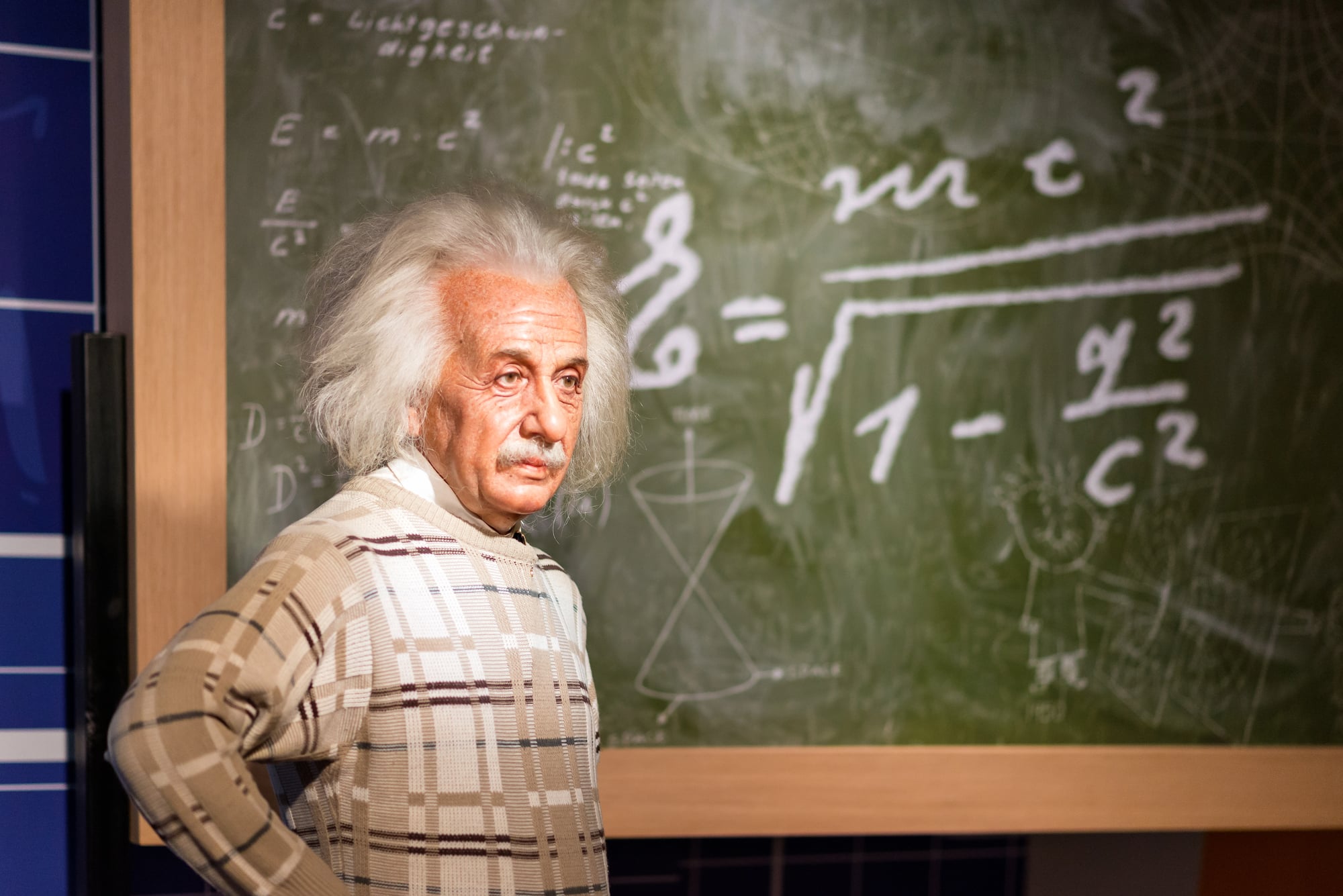
This wasn’t technically a physics laboratory, and that turns out to have mattered enormously. Einstein spent his days evaluating patent applications for electromagnetic devices while developing special relativity in his spare time (though the distinction between work time and thinking time was never particularly clear for Einstein, who approached both patent evaluation and theoretical physics with the same systematic curiosity about how things actually function rather than how they’re supposed to function).
The patent office gave Einstein something academic positions rarely provide: intellectual freedom without academic pressure.
No committees, no research grants to justify, no colleagues expecting incremental progress on established problems.
So he tackled the fundamental questions that had been bothering him since graduate school — the relationship between space, time, and the speed of light — and worked out the mathematics during lunch breaks and evening walks.
And yet, the most revolutionary papers in the history of physics emerged from a day job that had nothing to do with physics research, written by someone who had been rejected for academic positions and was supporting himself by evaluating other people’s inventions.
The Trinity Site Laboratory
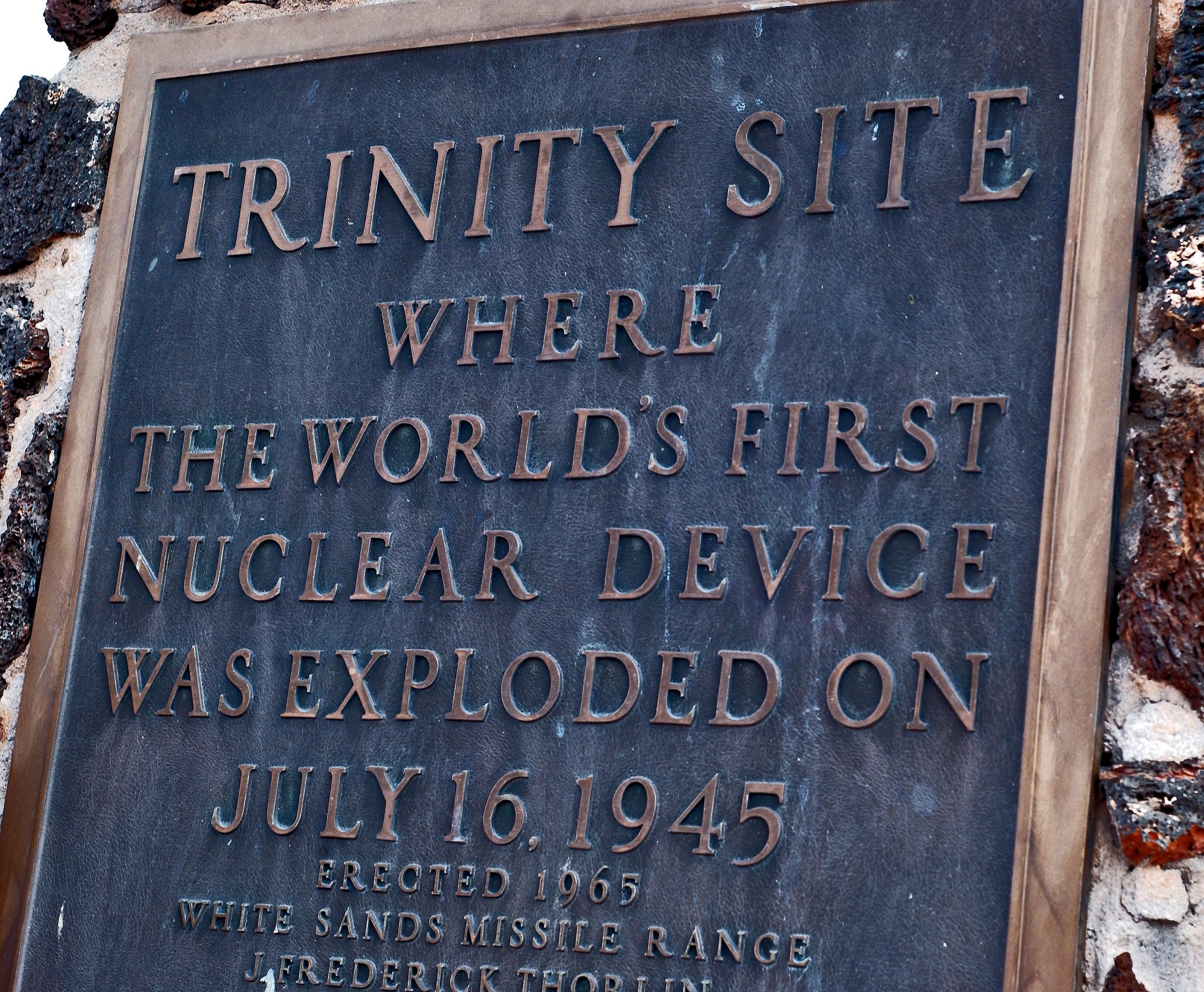
Some discoveries announce themselves quietly. Others detonate in the New Mexico desert at 5:29 AM on July 16, 1945, producing a flash of light visible from 200 miles away and temperatures that briefly exceeded 3,600 degrees Kelvin, creating a fireball brighter than the sun.
The Manhattan Project’s Los Alamos laboratory represented industrial-scale physics — hundreds of scientists, massive budgets, engineering challenges that required inventing new solutions daily.
But the work remained fundamentally experimental. Nobody knew for certain that nuclear fission could be sustained and controlled until it was.
The Trinity test converted theoretical possibility into demonstrated fact with a blast that left a crater and sand melted into green glass.
Watson and Crick’s Cambridge Laboratory
The discovery of DNA’s structure happened through a combination of X-ray crystallography, model building, and intellectual competition that bordered on espionage. James Watson and Francis Crick worked in a cramped Cambridge laboratory, constructing physical models of possible DNA configurations using metal plates and wire.
Rosalind Franklin’s X-ray crystallography images — particularly Photo 51, which showed DNA’s helical structure — provided crucial data.
But Watson and Crick’s insight was recognizing that the base pairs fit together like complementary puzzle pieces: adenine with thymine, guanine with cytosine.
The double helix model emerged from systematic trial and error, building and rebuilding molecular models until one configuration satisfied all the available evidence.
Galileo’s Workshop
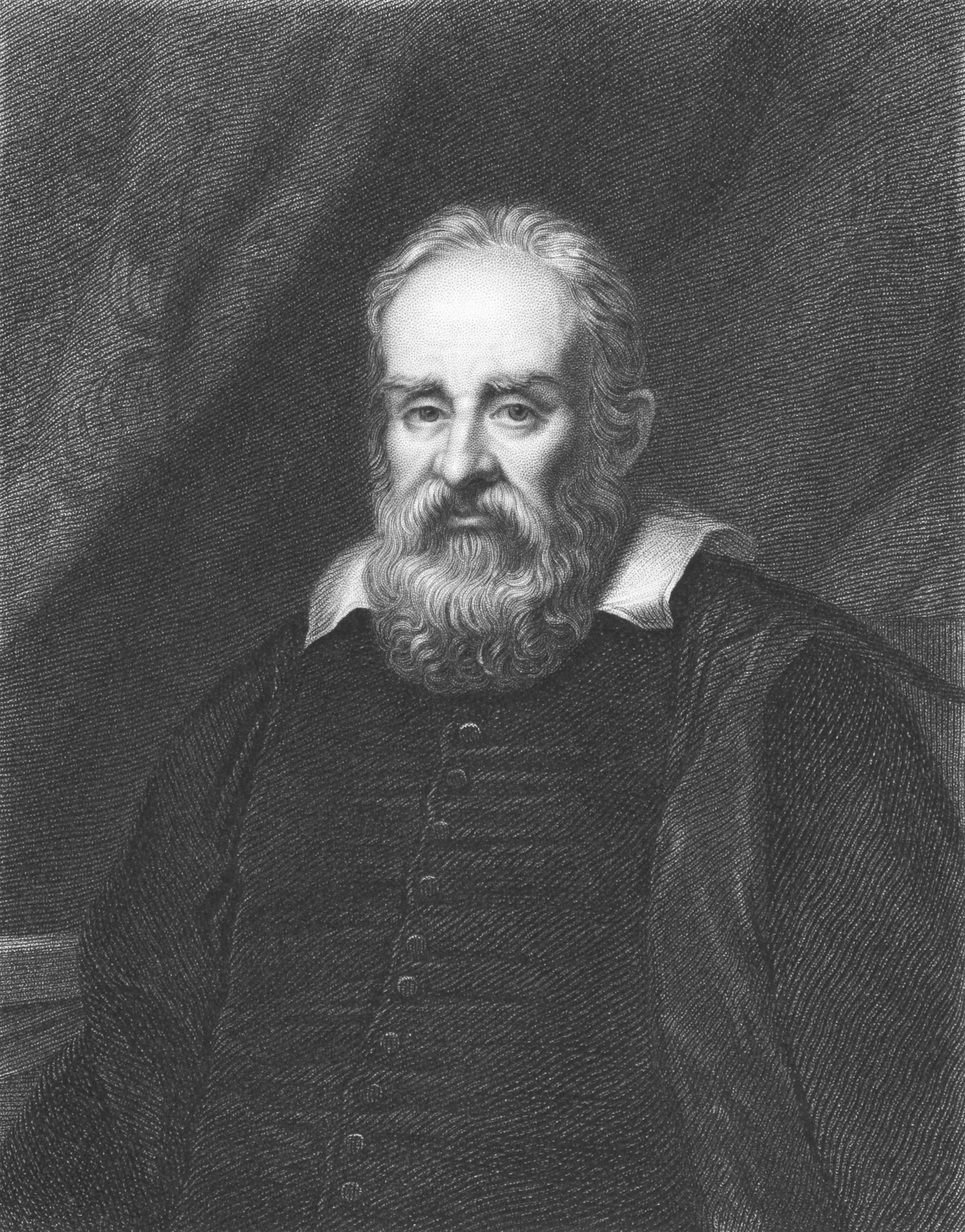
Galileo’s workshop in Padua contained the tools that first turned the sky from decoration into territory to be explored. His telescopes — which he improved systematically, grinding lenses and adjusting focal lengths until distant objects became visible — revealed that the Moon had mountains, Jupiter had satellites, and Venus showed phases that confirmed heliocentric solar system models.
But the workshop’s real contribution was methodological. Galileo insisted that mathematical description and direct observation should trump philosophical argument.
The telescope was just the tool; the revolutionary idea was that nature could be interrogated directly rather than deduced from first principles.
His workshop established experimental physics as a discipline.
Michael Faraday’s Royal Institution Basement Laboratory
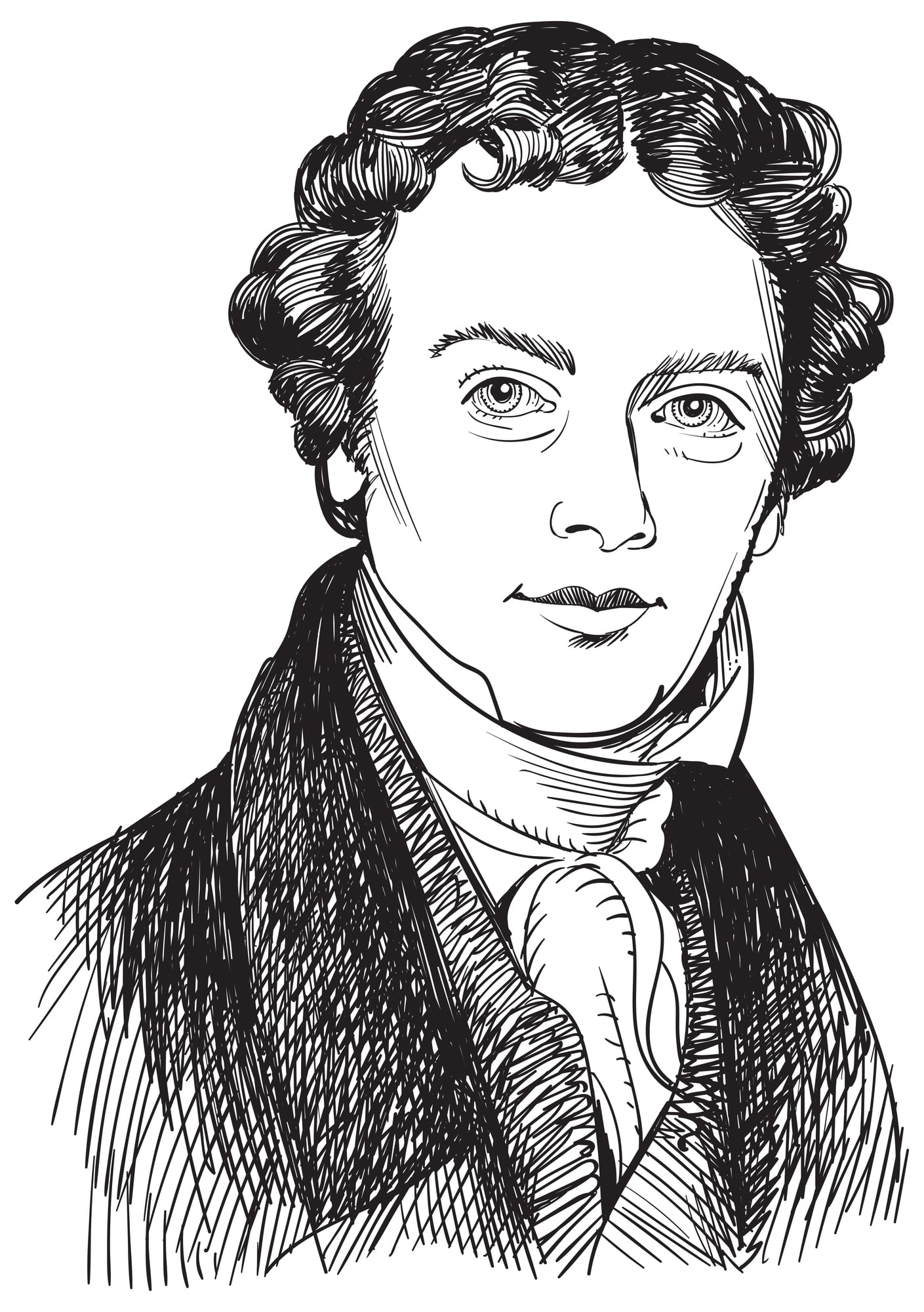
Faraday’s basement laboratory looked like organized chaos — coils of wire, magnetic materials, chemical apparatus arranged according to logic that made sense only to Faraday himself. No formal mathematical training, no university degree.
Just relentless curiosity about the connections between electricity and magnetism.
His electromagnetic induction experiments — moving magnets through coils of wire to generate electric current — established the principles that power generators and transformers still use today.
Faraday understood that electricity and magnetism were different aspects of a single phenomenon decades before Maxwell worked out the mathematical formalism.
The basement laboratory where this happened valued hands-on experimentation over theoretical sophistication.
Benjamin Franklin’s Philadelphia Laboratory
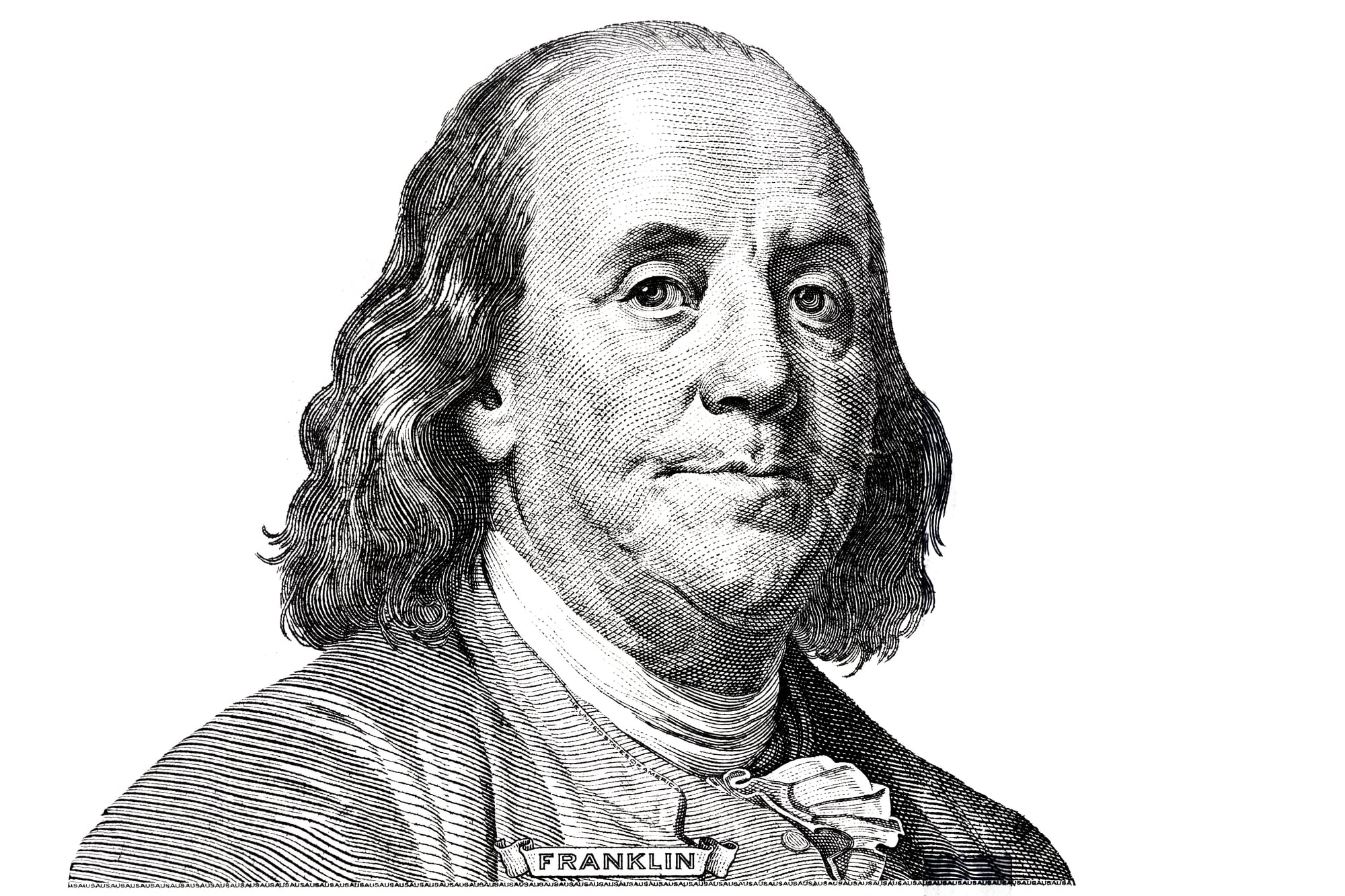
Franklin’s electrical experiments combined scientific rigor with a showman’s flair for dramatic demonstration. His Philadelphia laboratory — really a collection of equipment scattered throughout his house and workshop — became the staging ground for investigations into what he termed “electrical fire.”
The famous kite experiment was just one of many investigations into the nature of electrical charge.
Franklin established the concepts of positive and negative charge, demonstrated that lightning was electrical in nature, and invented the lightning rod.
His laboratory work combined practical applications with fundamental research in ways that became characteristic of American scientific culture.
Charles Darwin’s Home Laboratory
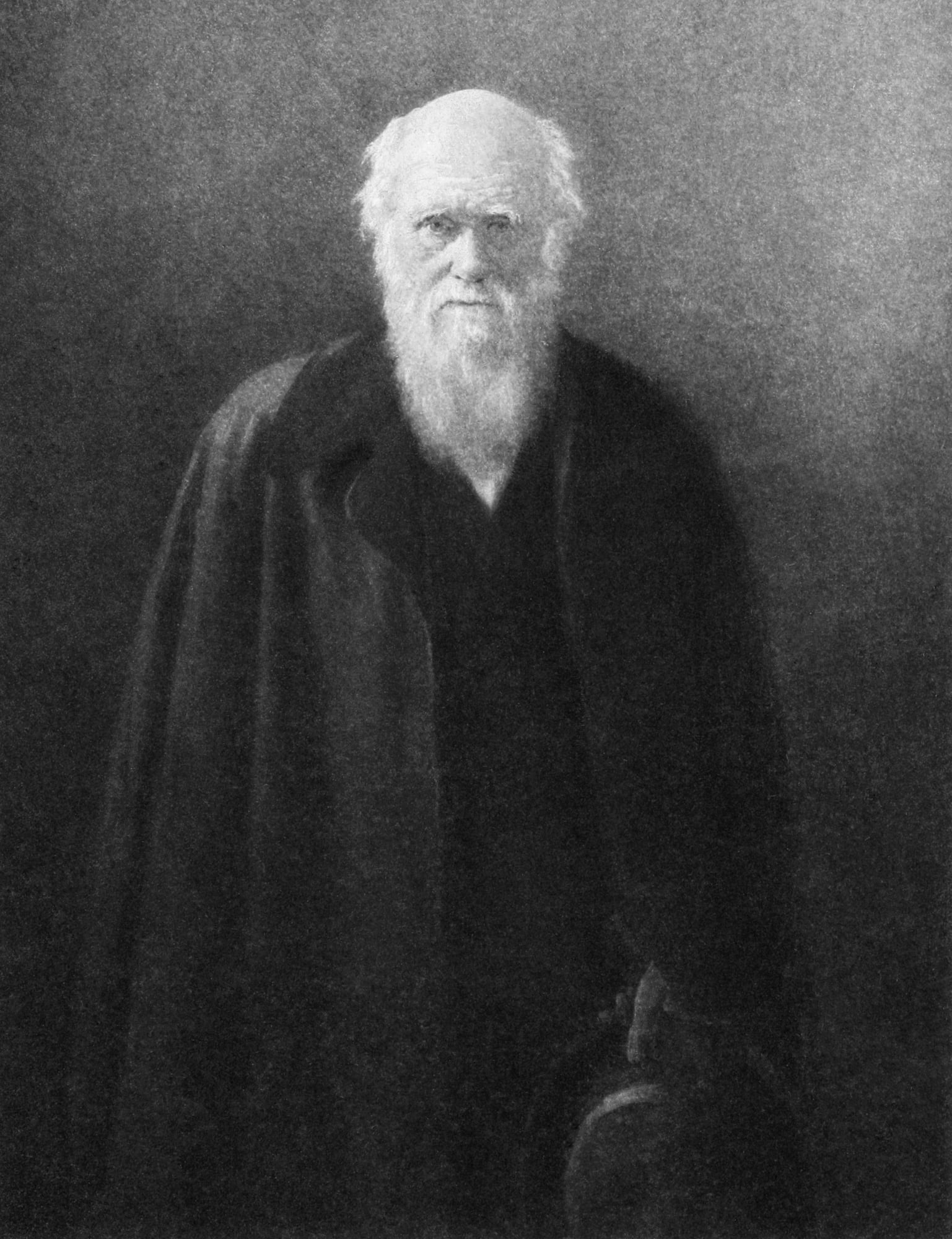
Down House, Darwin’s home in Kent, contained multiple spaces where he conducted the experiments that supported evolutionary theory. The greenhouse, the study, the garden paths where he took his daily walks while thinking through problems — all became part of his extended laboratory.
Darwin’s approach was observational and patient.
He studied earthworms, bred pigeons, corresponded with collectors worldwide, and accumulated evidence that species change over time.
The Origin of Species was built from decades of careful observation and systematic data collection conducted in a home laboratory that prioritized long-term investigation over quick results.
Ernest Lawrence’s Cyclotron Laboratory
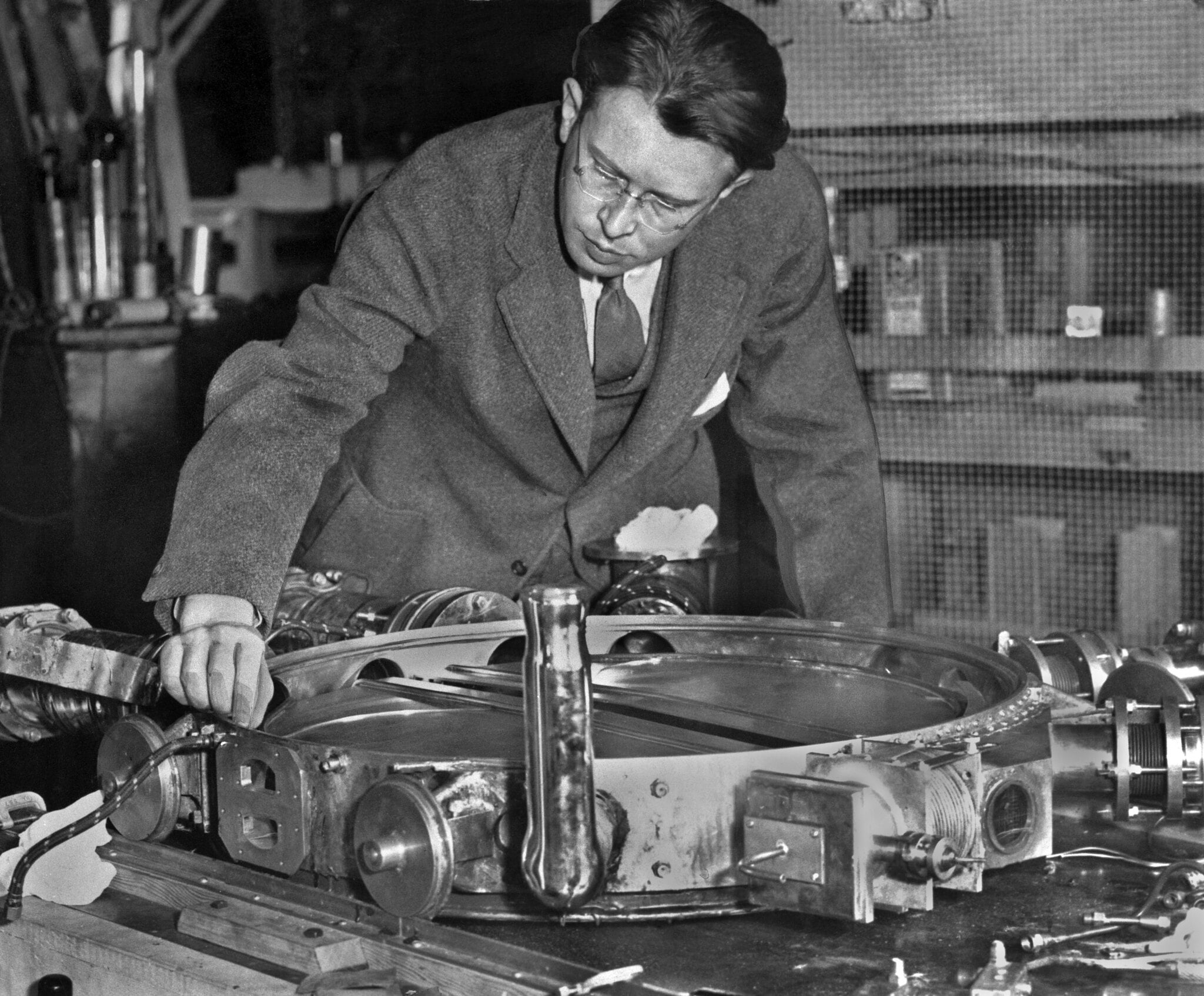
Lawrence’s cyclotron represented a new approach to particle physics — instead of waiting for cosmic rays or radioactive decay to provide high-energy particles, his laboratory manufactured them.
The original cyclotron, built at Berkeley in 1930, was small enough to hold in one hand. Later versions required dedicated buildings.
The cyclotron used magnetic fields to accelerate particles in spiral paths, reaching energies that revealed new particles and nuclear reactions.
Lawrence’s laboratory established the template for modern particle physics: big machines, big teams, big discoveries.
The cyclotron made high-energy physics a systematic discipline rather than an opportunistic field dependent on natural phenomena.
Enrico Fermi’s Chicago Laboratory

Chicago Pile-1, the world’s first nuclear reactor, was built in a squash court under the University of Chicago’s football stadium. Fermi’s team stacked graphite blocks and uranium fuel into a carefully calculated configuration, then slowly withdrew control rods until nuclear fission became self-sustaining.
On December 2, 1942, the reactor achieved criticality. Arthur Compton telephoned Harvard to report: “The Italian navigator has landed in the new world.”
The squash court laboratory where controlled nuclear fission was first achieved looked unremarkable — just a pile of graphite blocks.
But it demonstrated that nuclear energy could be harnessed for both power generation and weapons.
The Underground Neutrino Laboratories
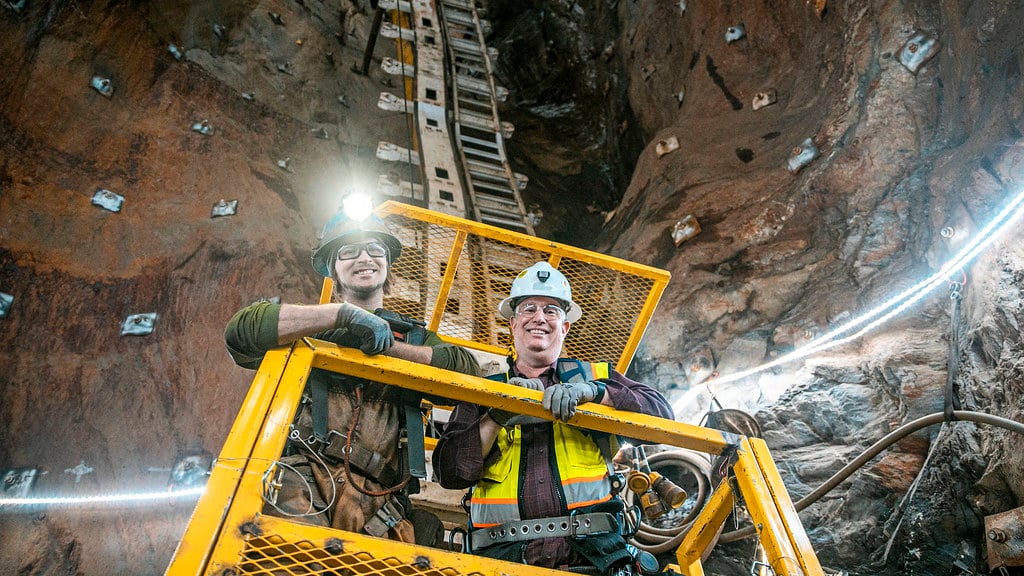
Deep beneath mountains around the world, physics laboratories investigate particles so elusive they pass through entire planets without interacting with matter. Neutrino detectors require underground locations to block cosmic rays and other background radiation that would interfere with measurements.
These laboratories — buried under mountains in Japan, Italy, the United States, and elsewhere — track particles that barely interact with ordinary matter.
Neutrino detection requires massive volumes of ultra-pure water or other detection media, monitored by thousands of sensitive photodetectors.
The underground laboratories reveal aspects of stellar nuclear processes and fundamental particle physics that surface-based experiments cannot access.
Where Physics Learns to See
The thread connecting these laboratories isn’t technological sophistication or institutional support — though both certainly help. It’s the willingness to let reality correct assumptions, even when reality’s corrections contradict everything that seemed reasonable the day before.
Each of these spaces provided what genuine discovery requires: enough freedom to be wrong, enough persistence to keep asking questions after the easy answers fail, and enough precision to trust the data when it points somewhere unexpected.
The equipment matters, the funding helps, but the essential ingredient is intellectual honesty stubborn enough to follow evidence wherever it leads.
That can happen in converted sheds or underground caverns or cluttered home workshops — anywhere someone decides that understanding how things actually work matters more than confirming how they’re supposed to work.
More from Go2Tutors!

- The Romanov Crown Jewels and Their Tragic Fate
- 13 Historical Mysteries That Science Still Can’t Solve
- Famous Hoaxes That Fooled the World for Years
- 15 Child Stars with Tragic Adult Lives
- 16 Famous Jewelry Pieces in History
Like Go2Tutors’s content? Follow us on MSN.



