Clever Hallway Ideas That Add Instant Warmth
Hallways often get overlooked in home design, treated as mere passageways rather than opportunities to create welcoming spaces. These transitional areas connect your rooms and set the tone for your entire home, making them perfect candidates for thoughtful design touches.
With the right approach, even the narrowest corridor can become a cozy, inviting space that guests remember. The key lies in understanding that warmth comes from both visual and tactile elements.
Here are seventeen practical ways to transform your hallway into a space that feels as welcoming as your favorite room.
Add a runner rug
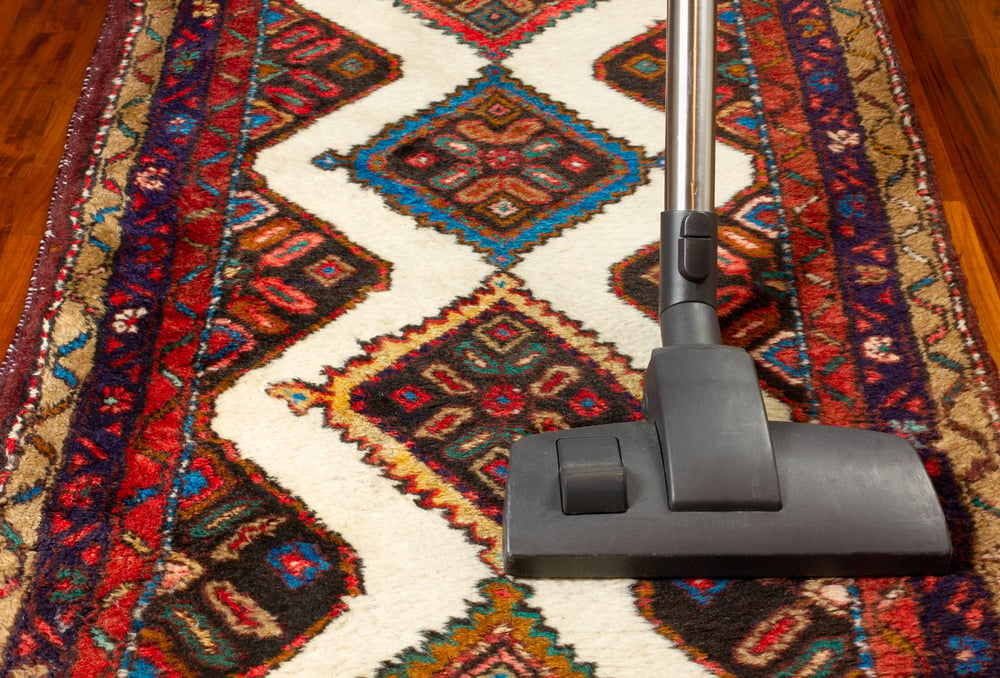
A well-chosen runner instantly softens hard flooring and creates a sense of luxury underfoot. The texture and pattern draw the eye forward while muffling footsteps that might otherwise echo through the space.
Choose natural materials like wool or jute for the most authentic warmth.
Install warm LED strip lighting
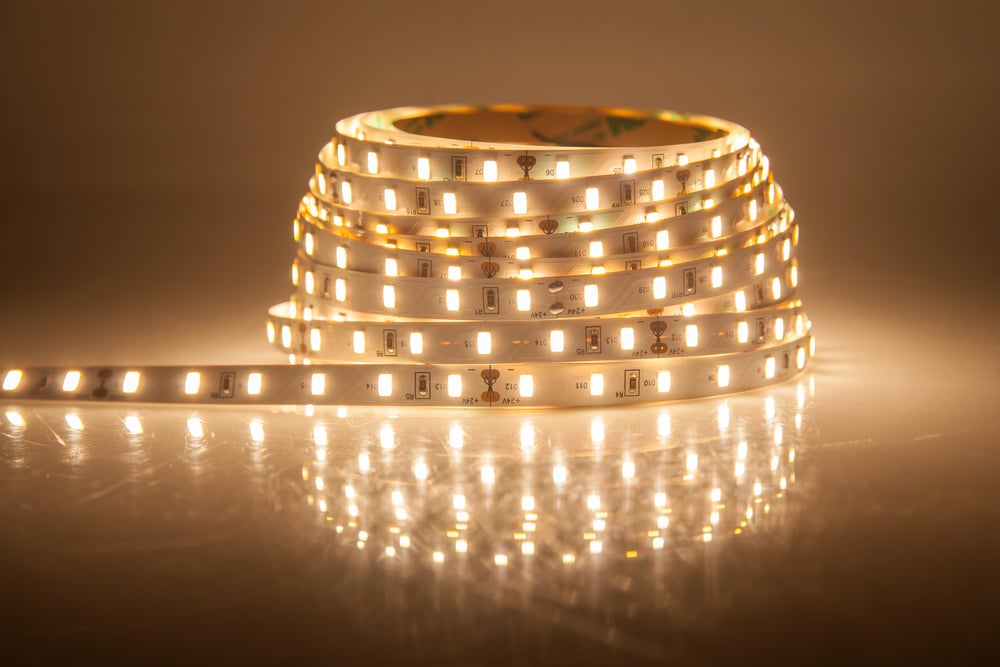
Overhead lighting often feels harsh and clinical in narrow spaces like hallways. LED strips tucked behind crown molding or along baseboards create a gentle glow that makes walls appear to recede.
This indirect approach eliminates shadows while creating an inviting atmosphere that feels more like candlelight than office lighting.
Hang family photos in matching frames
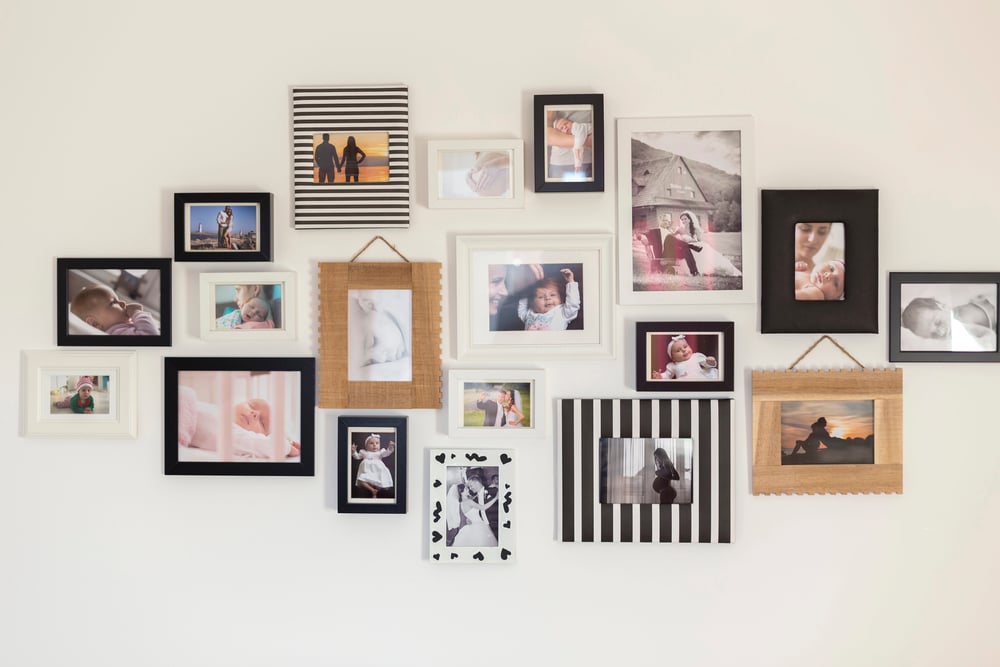
Personal photographs transform anonymous corridors into memory lanes that tell your family’s story. Using identical frames creates visual cohesion while the varied images within keep things interesting and personal.
Mount them at eye level in a straight line for maximum impact.
Paint walls in warm earth tones

Cool whites and grays can make hallways feel like hospital corridors, especially in homes with limited natural light. Warm beiges, soft terracottas, or muted sage greens reflect light while adding psychological warmth to the space.
These colors work particularly well in homes with traditional or transitional decor styles.
Add a narrow console table
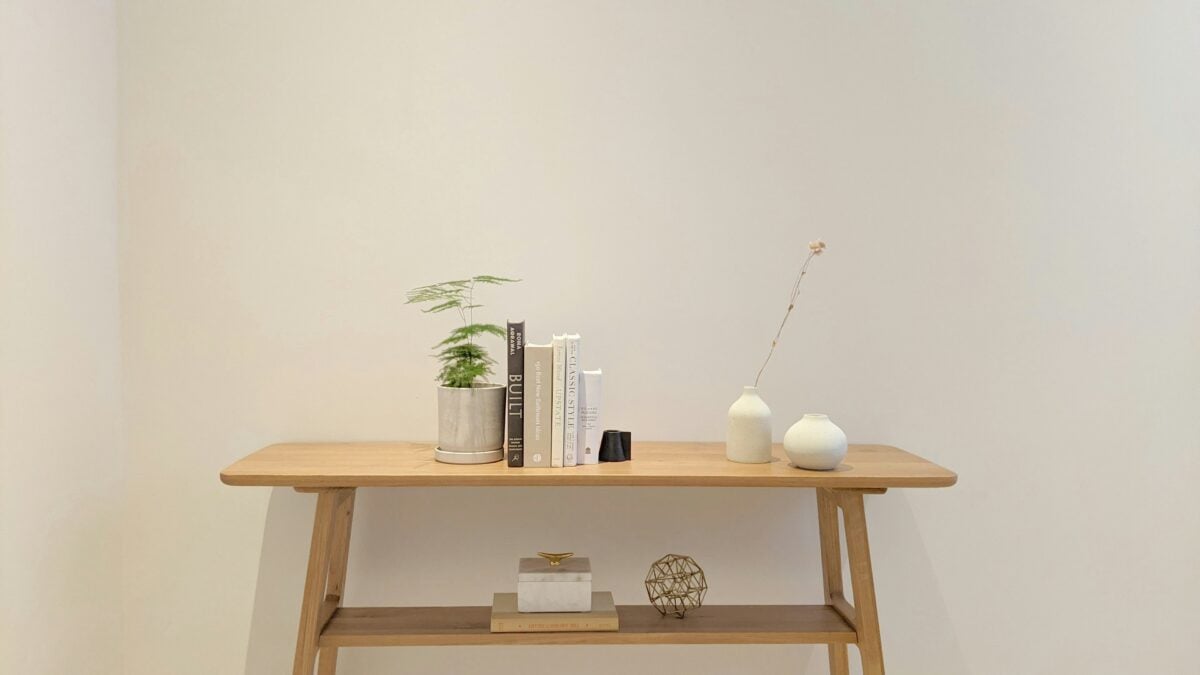
Even the smallest hallway can accommodate a slim console that provides both function and style. This surface becomes a landing spot for keys and mail while offering space to display decorative objects or a small lamp.
Choose pieces with tapered legs to maintain the sense of openness.
Install wall sconces
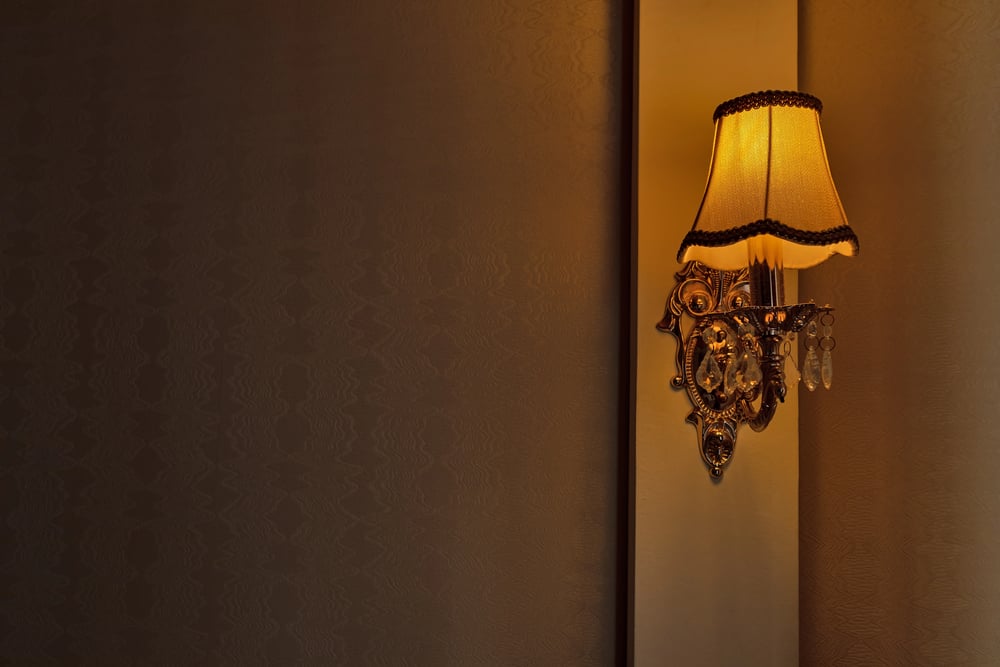
Wall-mounted fixtures free up floor and table space while providing focused illumination exactly where you need it. Position them about 60 inches from the floor and space them evenly for balanced lighting throughout the corridor.
Warm-toned bulbs create the most inviting atmosphere.
Display artwork at eye level
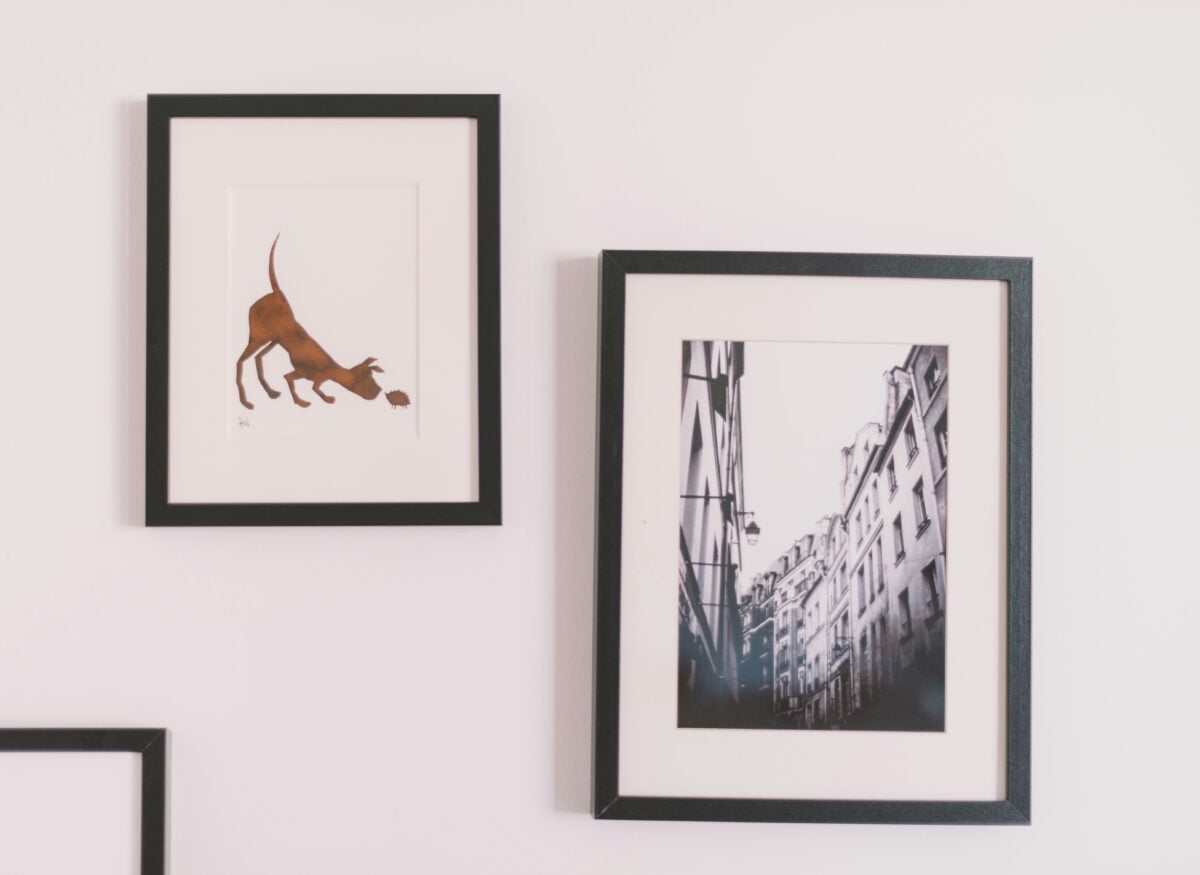
Large pieces or gallery walls turn boring passages into personal art exhibitions that reflect your taste and interests. Hang the center of each piece at 57-60 inches from the floor for optimal viewing angles.
Mix different sizes and mediums to create visual interest without overwhelming the narrow space.
Use basket storage for organization

Woven baskets tucked under console tables or on shelves add texture while hiding everyday clutter like umbrellas and dog leashes. Natural materials like rattan or seagrass bring organic warmth that contrasts beautifully with painted walls.
Choose different sizes to accommodate various items while maintaining a cohesive look.
Install wood paneling or beadboard
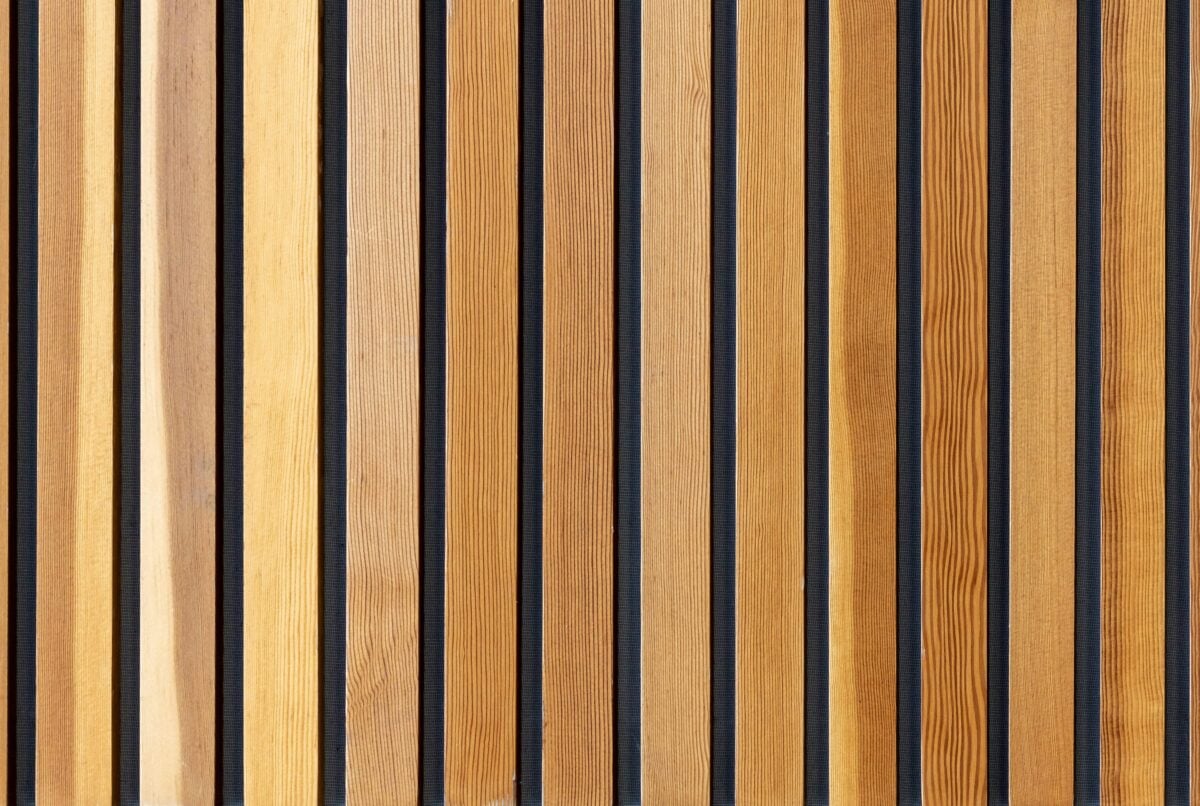
Vertical paneling draws the eye upward and adds architectural interest to plain drywall surfaces. Wood brings natural warmth and texture that paint alone cannot achieve, while beadboard specifically adds cottage-style charm.
Paint it in a color slightly darker than your walls for subtle contrast.
Place a small bench for seating
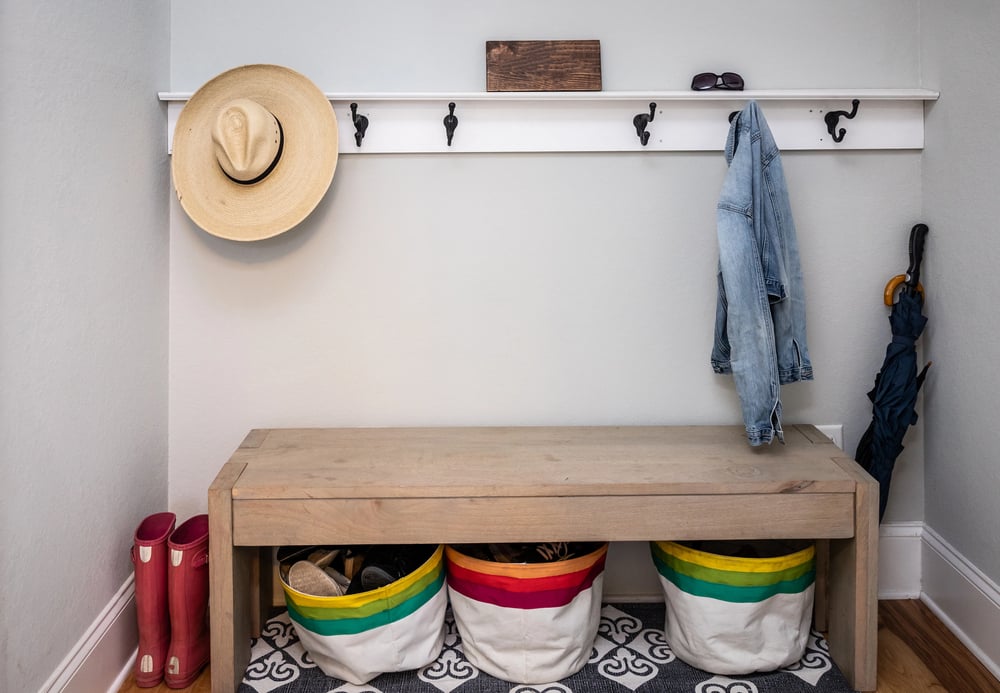
A narrow bench provides a convenient spot to put on shoes while adding furniture-scale warmth to an otherwise empty corridor. Choose upholstered options for softness or wooden pieces for rustic appeal, depending on your overall decor style.
Position it where it won’t impede traffic flow.
Add mirrors to reflect light
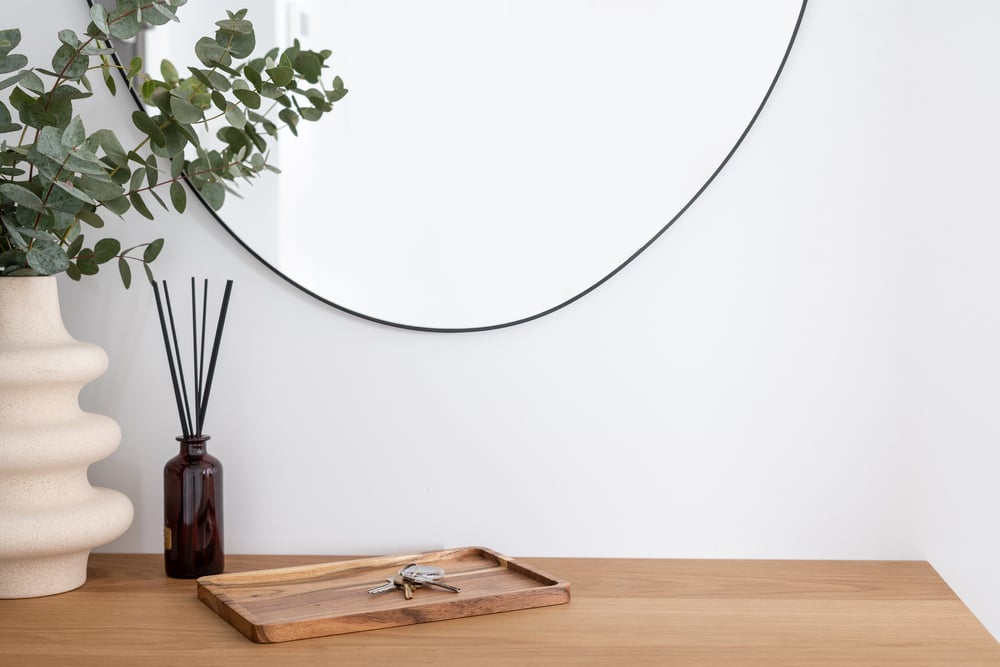
Strategic mirror placement bounces available light around the space while creating the illusion of greater width and depth. Position them opposite windows or light sources for maximum effect, or create a mirror gallery wall for dramatic impact.
Avoid placing them directly across from each other to prevent an infinite reflection effect.
Incorporate plants for natural warmth
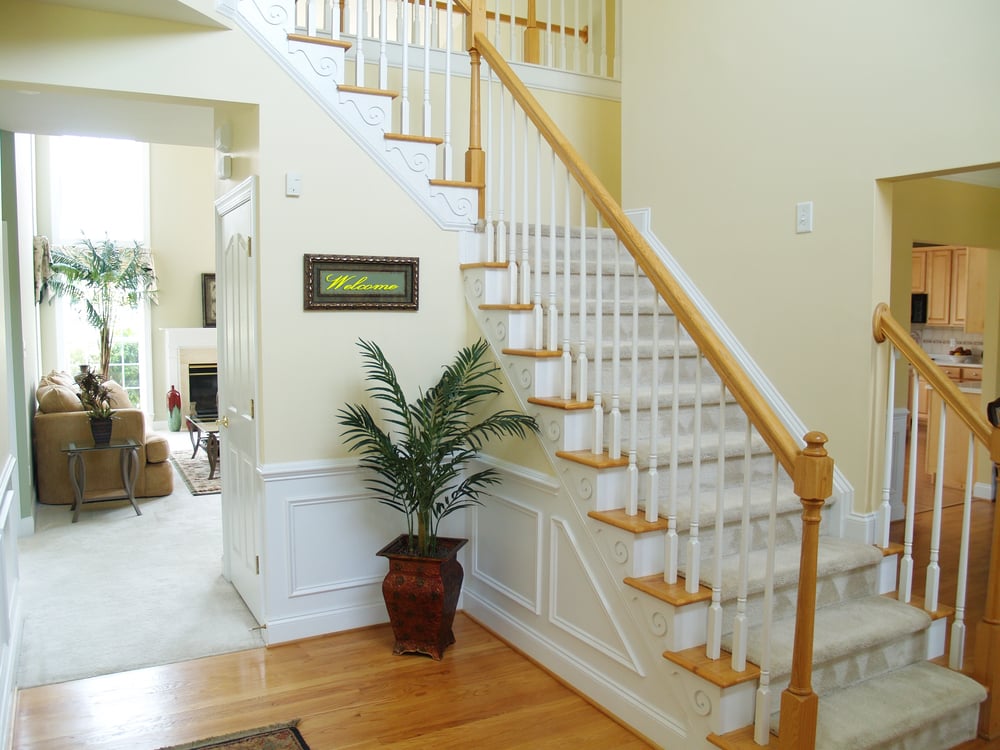
Living greenery brings life and color to spaces that might otherwise feel sterile or forgotten. Choose low-light varieties like pothos or snake plants that thrive in hallway conditions, and use floor planters or wall-mounted holders depending on your available space.
The organic shapes soften hard architectural lines.
Install floating shelves for display
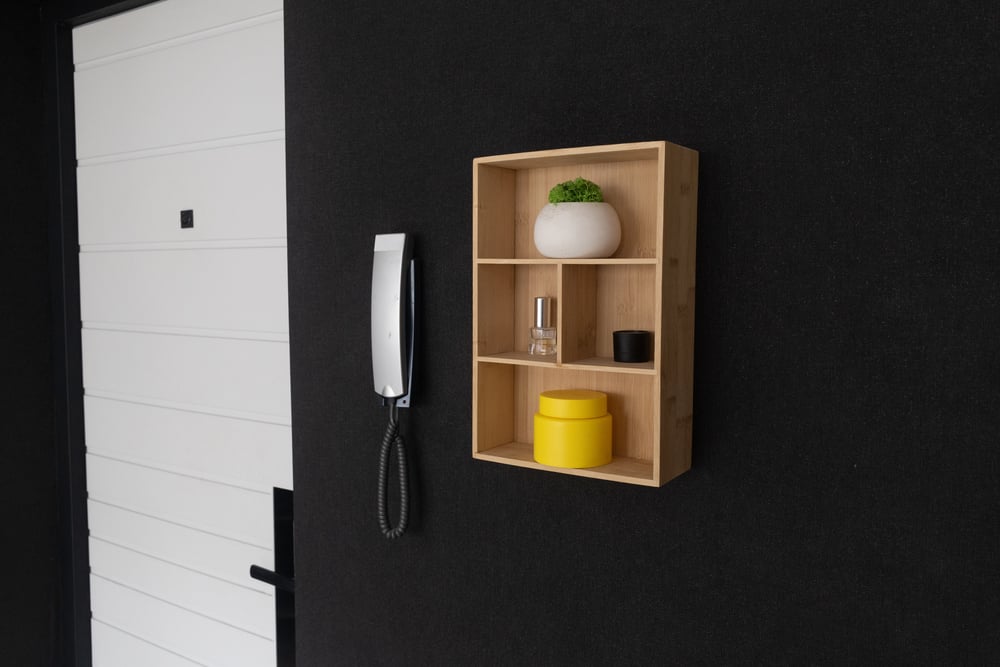
Wall-mounted shelves create opportunities to showcase decorative objects without taking up floor space in narrow corridors. Arrange books, small plants, or collectibles in odd-numbered groupings for visual appeal, and vary the heights to create rhythm along the wall.
Keep displays simple to avoid visual clutter.
Use warm wood flooring

Natural wood floors immediately add warmth and character that laminate or tile cannot match in hallway settings. The grain patterns and color variations create visual interest underfoot while the material itself feels warmer to the touch.
Area rugs can protect high-traffic sections while adding additional softness.
Install a ceiling fan for air circulation

Proper air movement prevents stuffiness that can make narrow spaces feel claustrophobic and unwelcoming. Choose fixtures with built-in lighting to serve dual purposes, and ensure the blade span fits your hallway width safely.
Low-profile models work best in spaces with standard ceiling heights.
Add window treatments for privacy

If your hallway includes windows, soft treatments like Roman shades or sheer curtains filter harsh light while maintaining privacy. The fabric introduces texture and color while softening hard window frames and glass surfaces.
Choose materials that complement your wall colors for a cohesive look.
Create a small reading nook
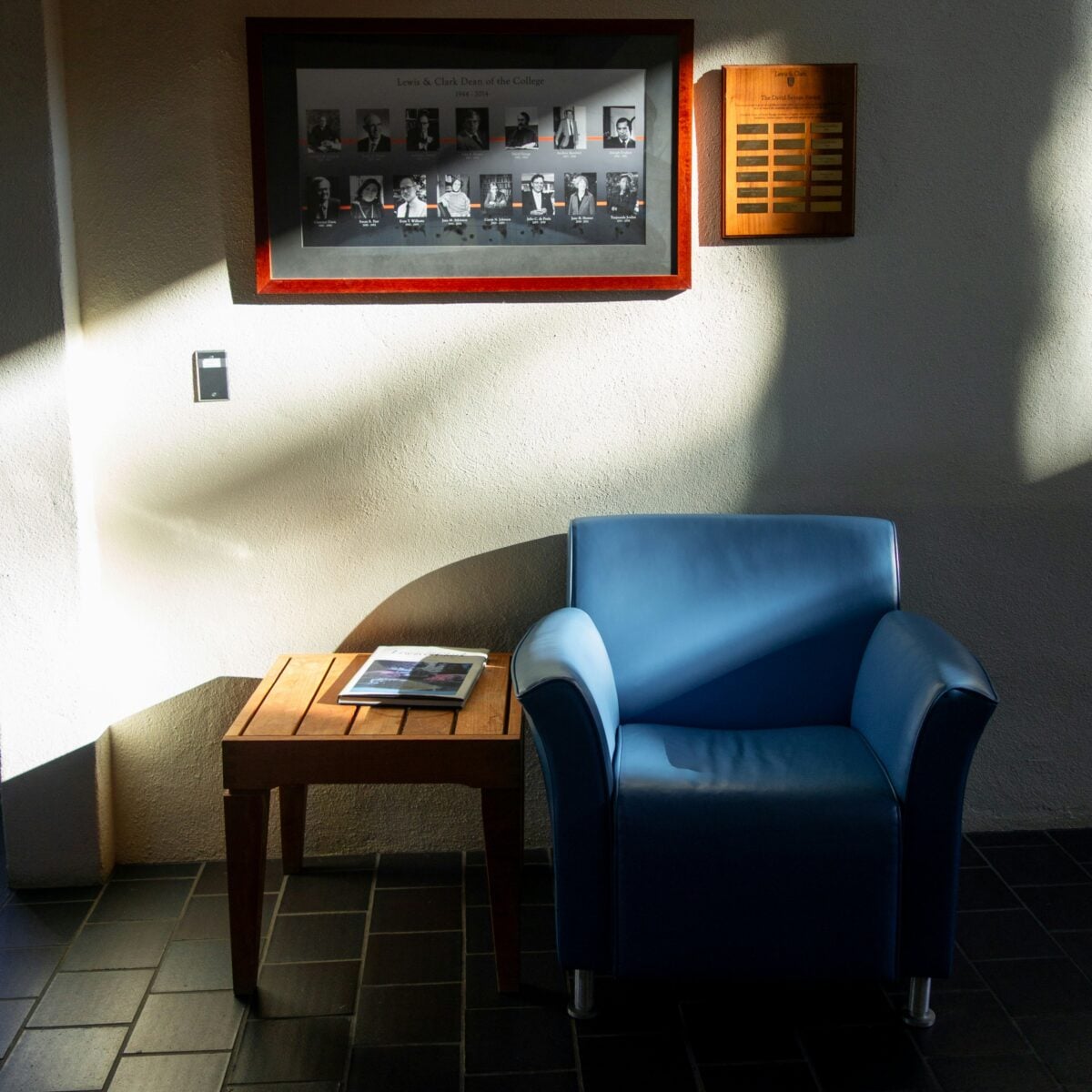
Wide hallways or landing areas can accommodate a cozy chair and small side table for an unexpected retreat. This transforms unused space into a functional area while adding furniture-scale warmth and personality to the corridor.
Good lighting from a nearby window or added fixture makes it actually usable.
Bringing it all together
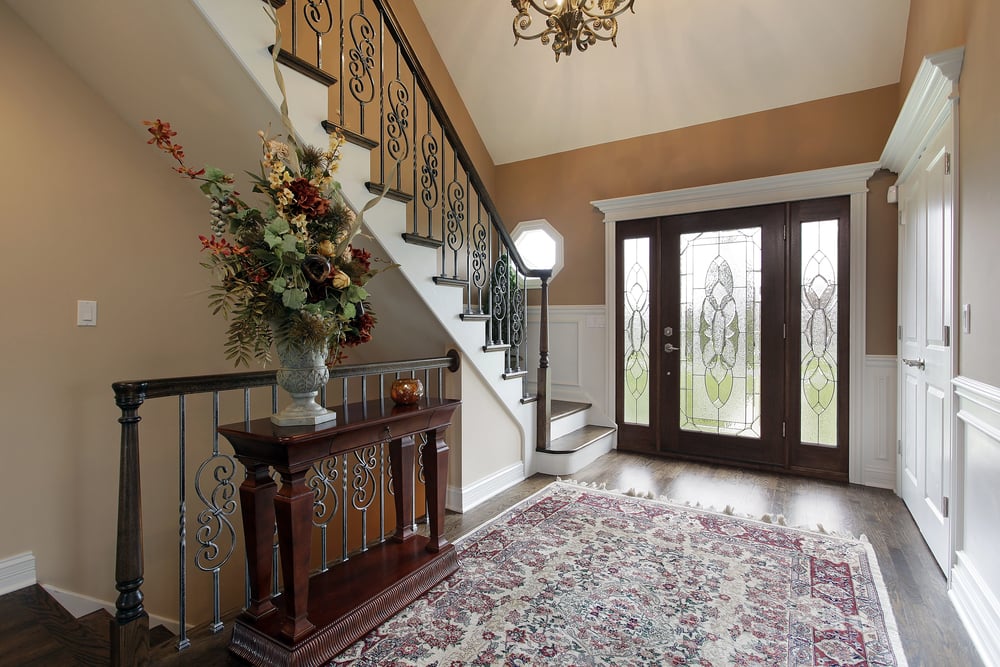
These hallway changes work because they make the space both useful and feel good at the same time. Good lighting, personal items, and soft materials turn plain walkways into cozy parts of your home that you actually enjoy.
Simple additions like rugs or family pictures make the area feel warm right away, while bigger changes like wood panels or new floors create lasting improvements. Your hallway becomes a sneak peek of the comfortable and stylish rooms that come next.
More from Go2Tutors!

- The Romanov Crown Jewels and Their Tragic Fate
- 13 Historical Mysteries That Science Still Can’t Solve
- Famous Hoaxes That Fooled the World for Years
- 15 Child Stars with Tragic Adult Lives
- 16 Famous Jewelry Pieces in History
Like Go2Tutors’s content? Follow us on MSN.