Fascinating Smart Roads Charging Electric Cars Daily
Picture this: driving cross-country without ever stopping to charge your electric vehicle. The road itself powers your car as you cruise along, adding miles to your battery with every passing moment.
This isn’t science fiction anymore – it’s happening right now on highways and test tracks around the world. Smart roads equipped with wireless charging technology are quietly revolutionizing how we think about electric transportation, turning ordinary pavement into an endless power source.
Dynamic Wireless Power Transfer Systems
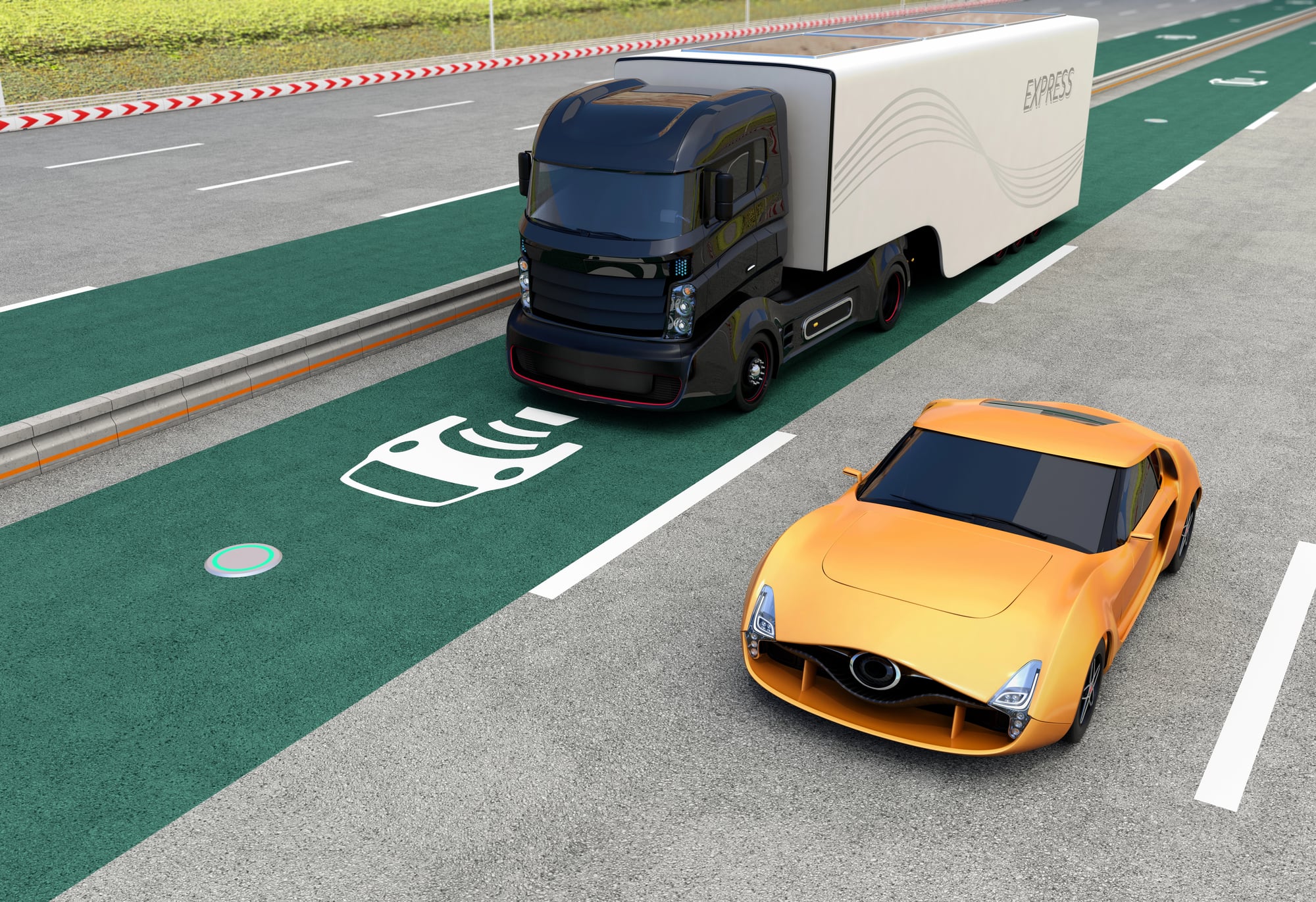
Most wireless charging roads work exactly like your phone’s charging pad. Coils buried beneath the asphalt create electromagnetic fields that transfer power to matching coils installed in compatible vehicles.
The car doesn’t need to stop, slow down, or even acknowledge the process is happening.
Sweden’s Electrified Highway Pilot

Sweden built the world’s first permanent electrified road in 2018 along a stretch of highway between Stockholm and the port of Arlanda. Electric trucks hauling cargo between the airport and the city get powered continuously as they drive.
The system has proven so reliable that commercial shipping companies now factor it into their route planning.
Inductive Charging Beneath the Surface
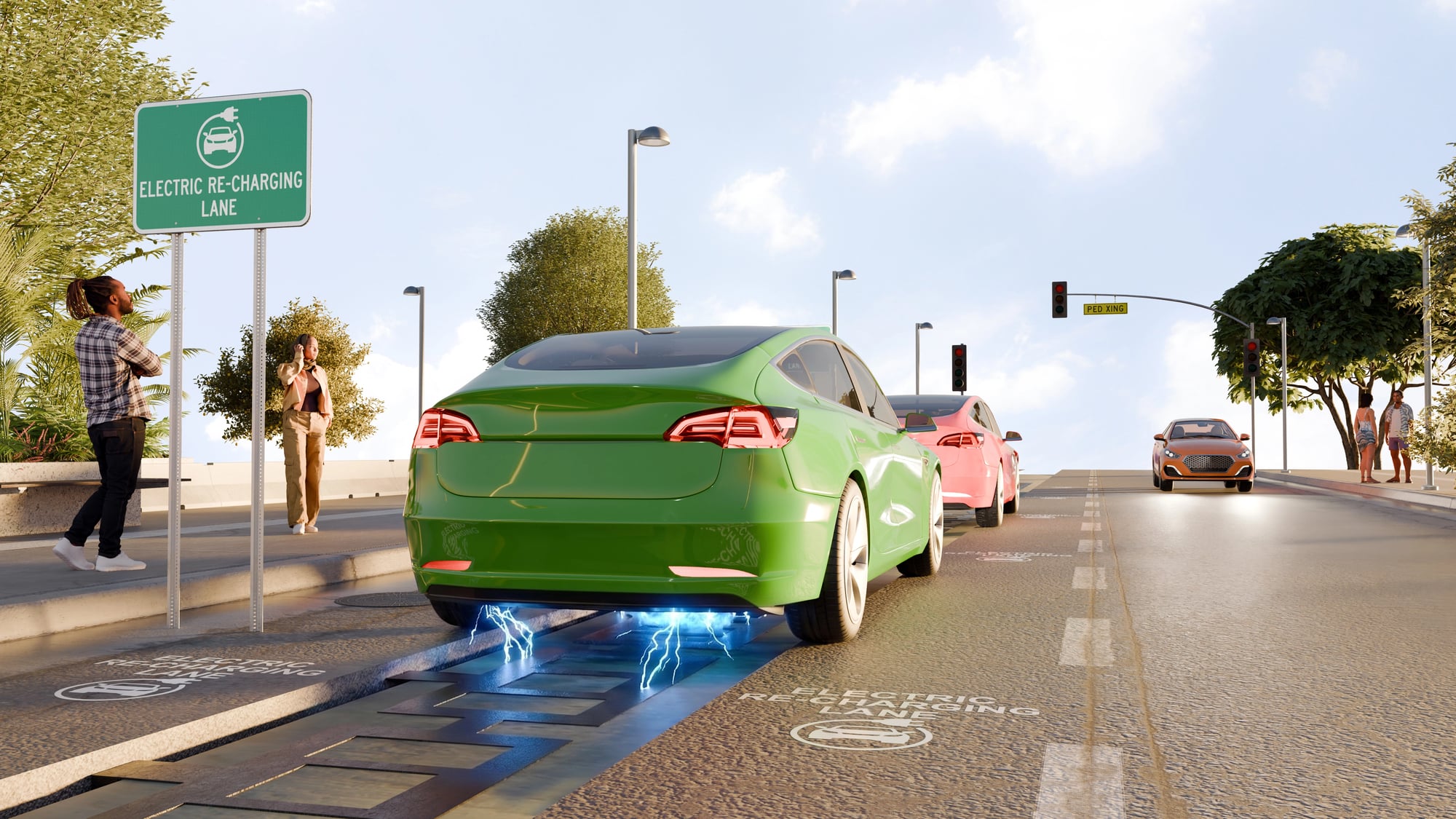
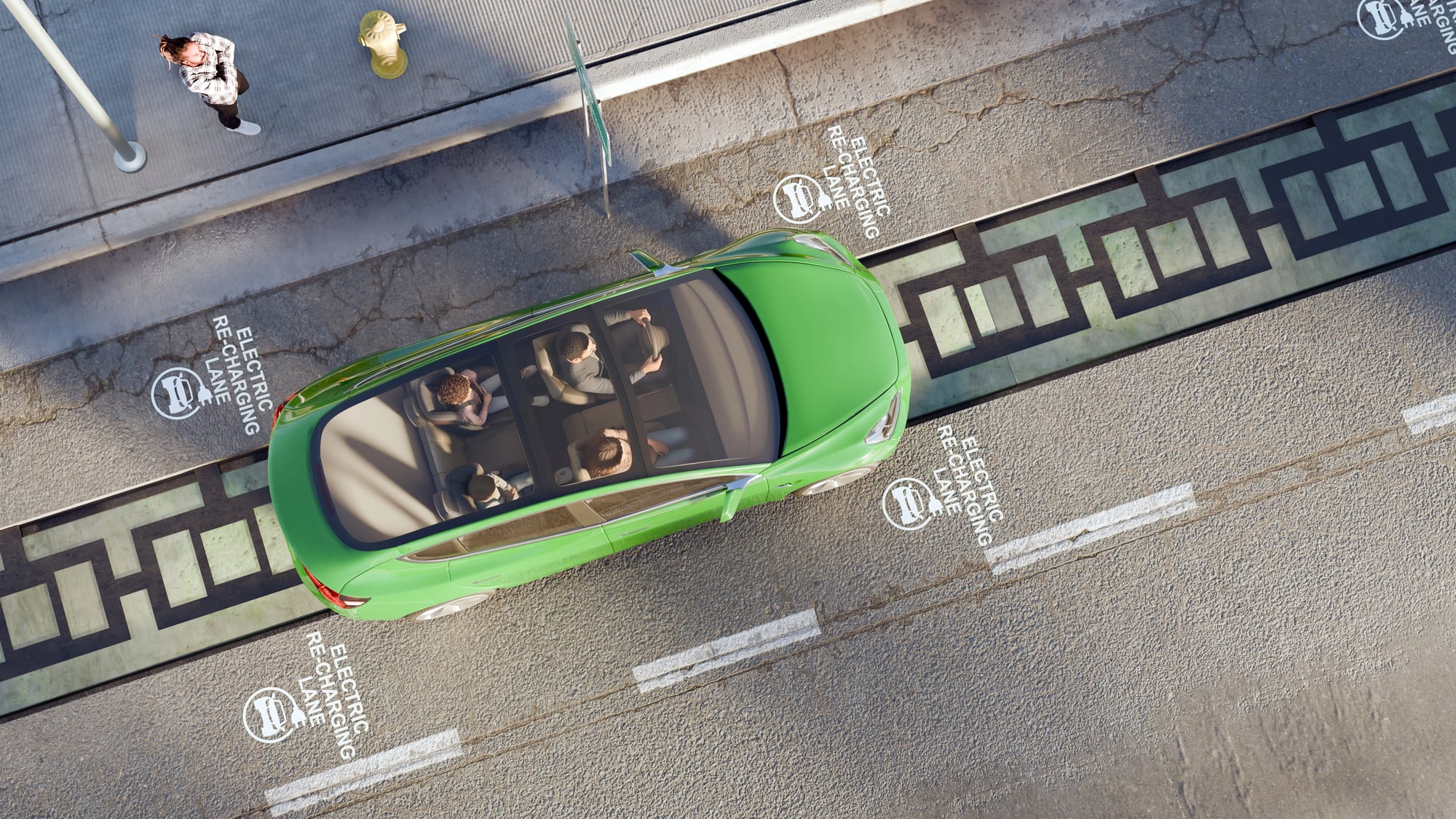
The technology hiding under these smart roads resembles something you’d find in a high-end physics lab (which, to be fair, is probably where most of it was invented), with copper coils arranged in precise geometric patterns that create invisible energy fields extending upward through several inches of concrete and asphalt. And yet the engineering challenge isn’t the electromagnetic transfer itself — that part actually solved itself decades ago when wireless charging became commonplace for smaller devices — but rather the durability question of how you keep sensitive electronics functioning flawlessly under tons of truck traffic, temperature swings that can exceed 100 degrees between summer and winter, and the general abuse that roadways endure.
So the coils get embedded in protective housings, the control systems get buried in weatherproof bunkers alongside the highway, and the whole network connects through communication protocols that sound more like internet infrastructure than traditional power grids. But it works.
South Korea’s OLEV Bus Network
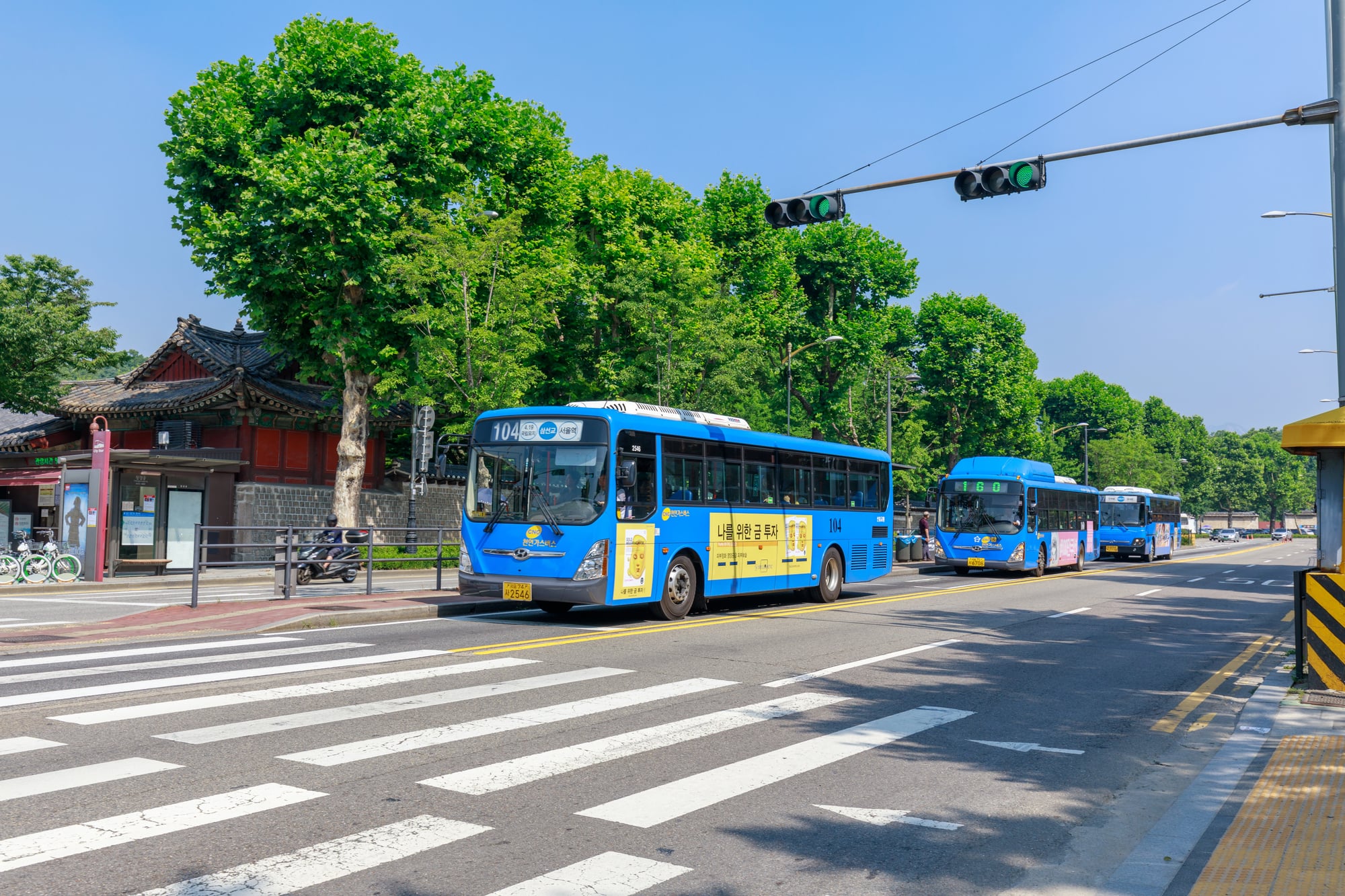
Public transit buses don’t need massive batteries when the road keeps them charged. South Korea’s OLEV buses run on dedicated lanes equipped with underground charging strips that power the vehicles wirelessly.
Passengers never notice the technology working, but the buses operate with batteries a fraction of the size found in conventional electric buses.
Efficiency Rates and Power Delivery
Current wireless road charging systems achieve efficiency rates around 85 percent — not perfect, but perfectly adequate for practical use. The roads can deliver anywhere from 20 kilowatts for passenger cars up to 200 kilowatts for heavy commercial vehicles, which means most drivers gain range faster than they consume it during highway cruising.
Israel’s Electric Road Initiative
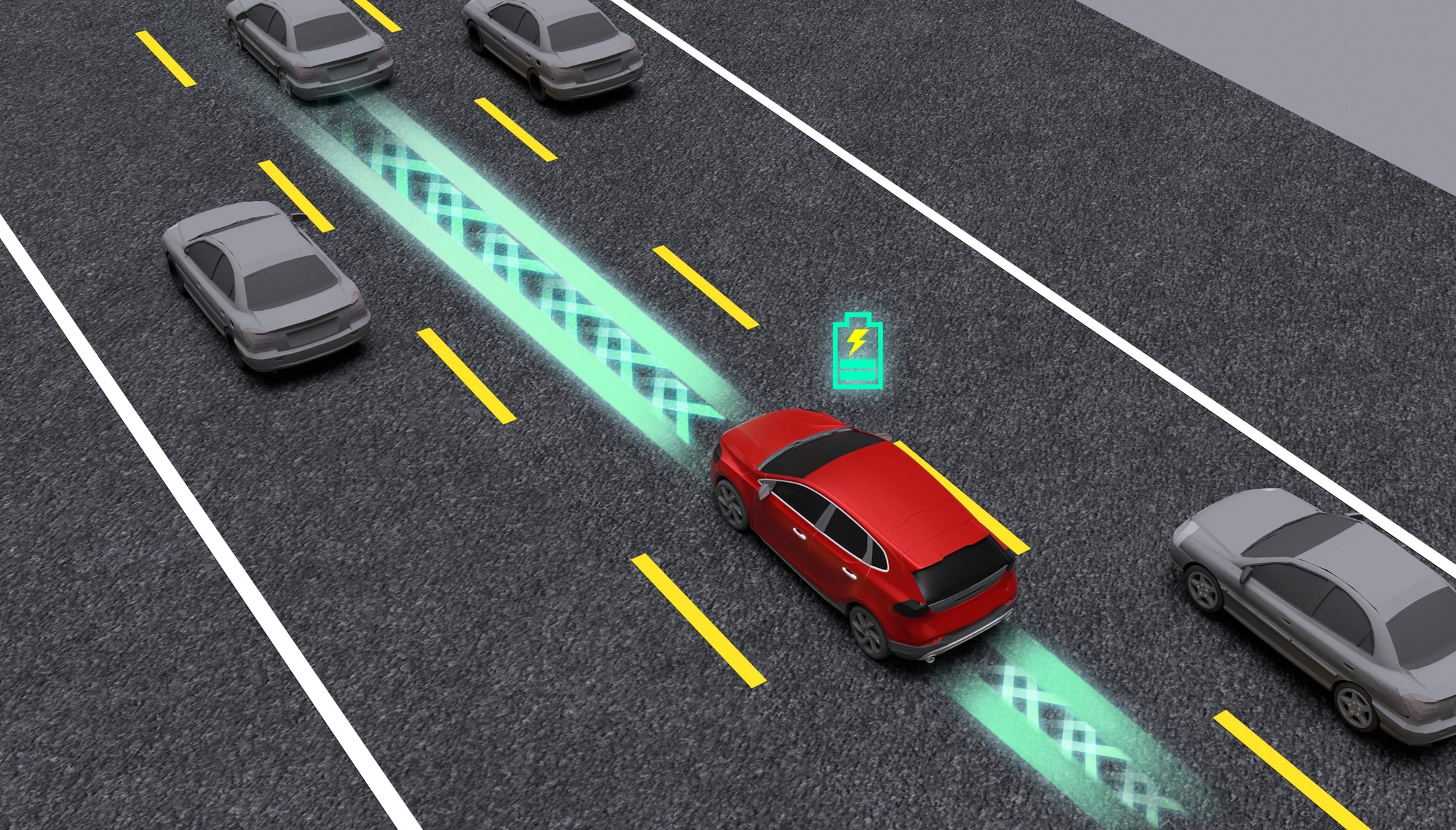
Israel decided to solve its electric vehicle range anxiety problem by electrifying major highways rather than building more charging stations. The country’s electric road pilot program focuses on commercial freight corridors first, where predictable routes and heavy vehicles make the most economic sense, but passenger car compatibility remains part of the long-term vision.
Cost Considerations and Infrastructure Investment

Installing wireless charging roads costs roughly ten times more per mile than conventional highway construction. That sounds prohibitive until you consider the alternative: building enough fast-charging stations to serve millions of electric vehicles would cost even more, require more land, and create traffic bottlenecks that wireless roads eliminate entirely.
Vehicle Compatibility and Universal Standards
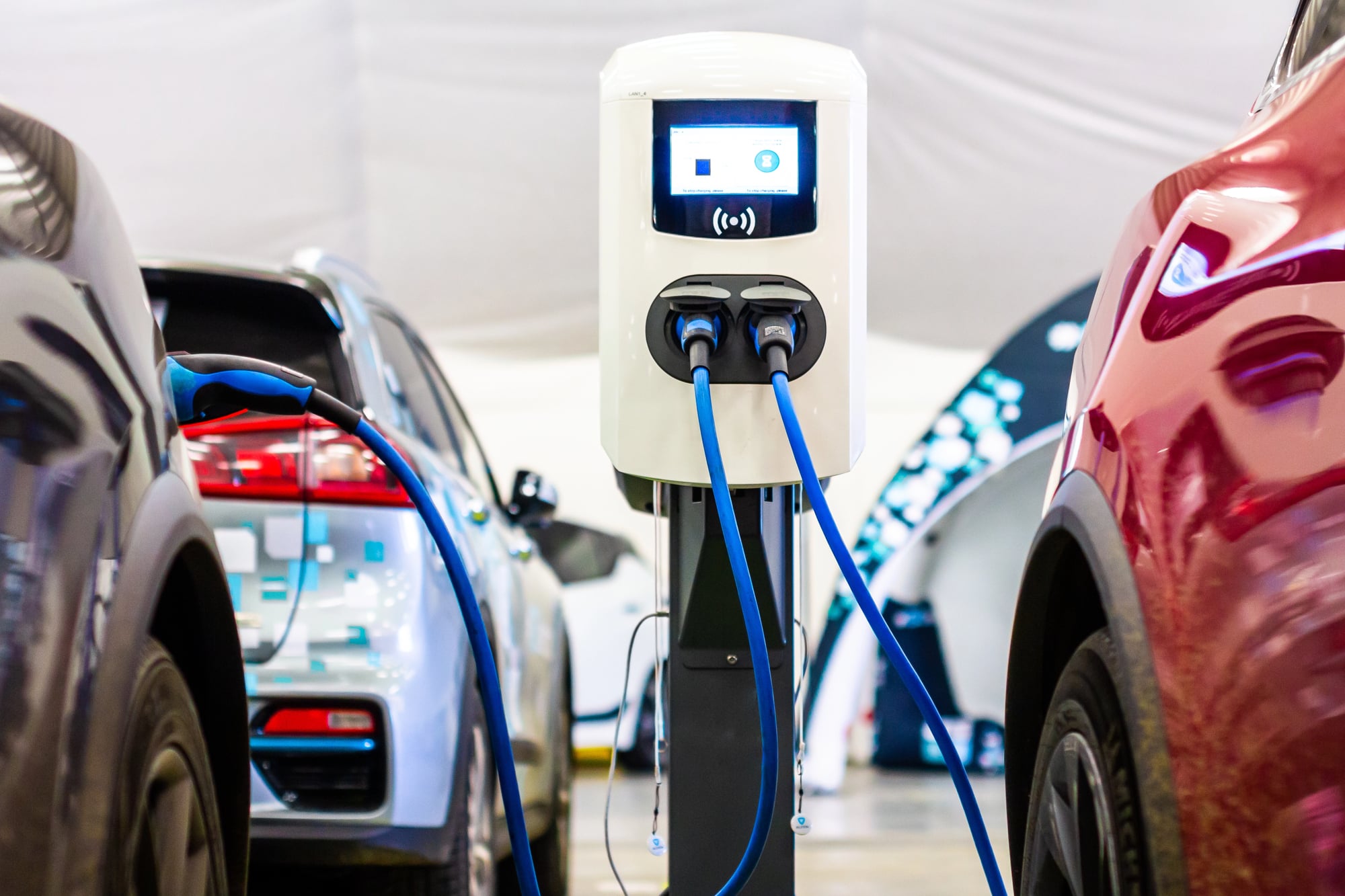
The automotive industry learned from the smartphone charging cable mess and decided not to repeat it with wireless road charging. Most major manufacturers have agreed on compatible coil designs and communication protocols, which means a Tesla, BMW, or Ford equipped with the right hardware can charge on any wireless road system.
Smart move.
Traffic Flow and Congestion Benefits

Wireless charging roads eliminate the single biggest infrastructure challenge facing electric vehicle adoption: where to put all the charging stations. Gas stations work because cars refuel in five minutes, but electric vehicles need 30-60 minutes at charging stations, which creates impossible bottlenecks during peak travel periods.
Roads that charge cars while they drive solve this problem completely by turning the highway system itself into an endless charging network.
German Autobahn Testing Program
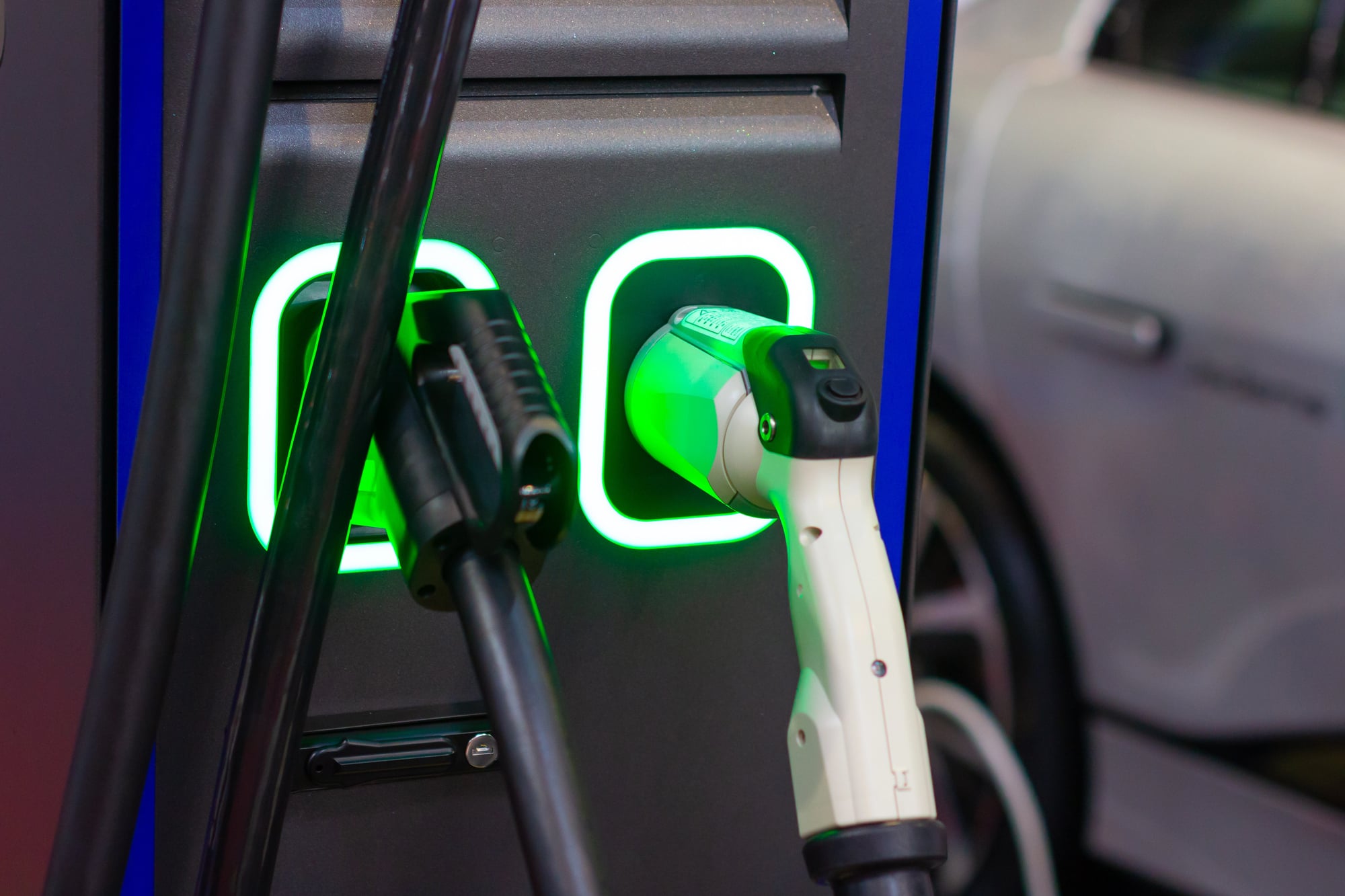
Germany installed a wireless charging test section on the A9 Autobahn specifically for long-haul trucking. Electric trucks equipped with the receiving hardware can charge at full highway speeds, which means they theoretically never need to stop for power during cross-country freight runs.
The logistics industry is watching this pilot program very carefully.
Real-Time Power Management Systems
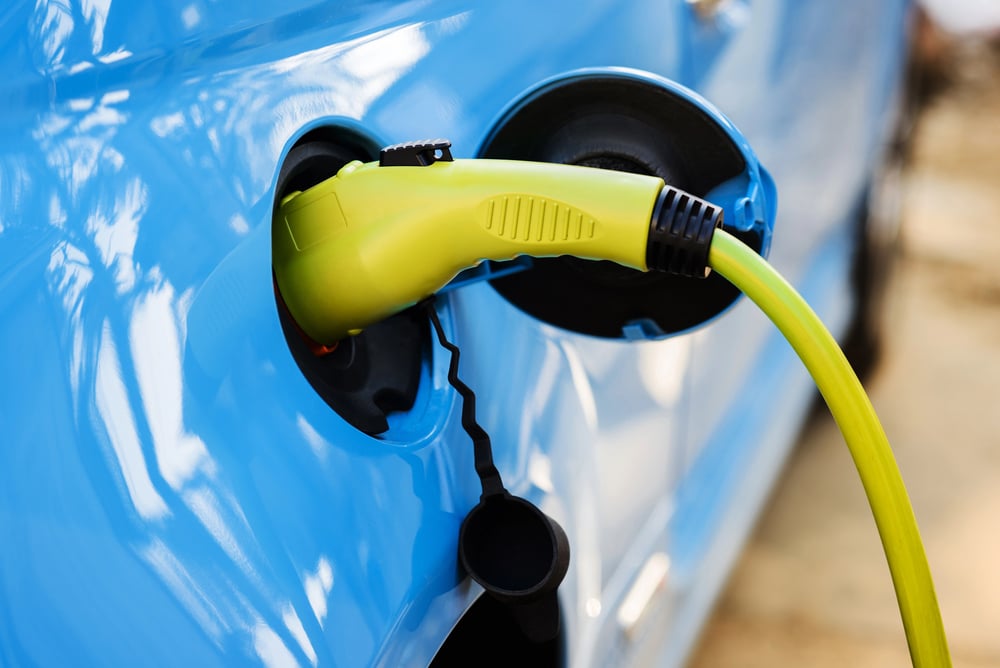
Smart roads don’t just dump electricity into every car that passes overhead. The systems communicate with vehicles to determine battery levels, charging capacity, and power needs, then adjust delivery accordingly.
A nearly full battery gets a maintenance trickle, while a depleted battery gets maximum power transfer — all happening automatically at highway speeds.
Economic Impact on Transportation
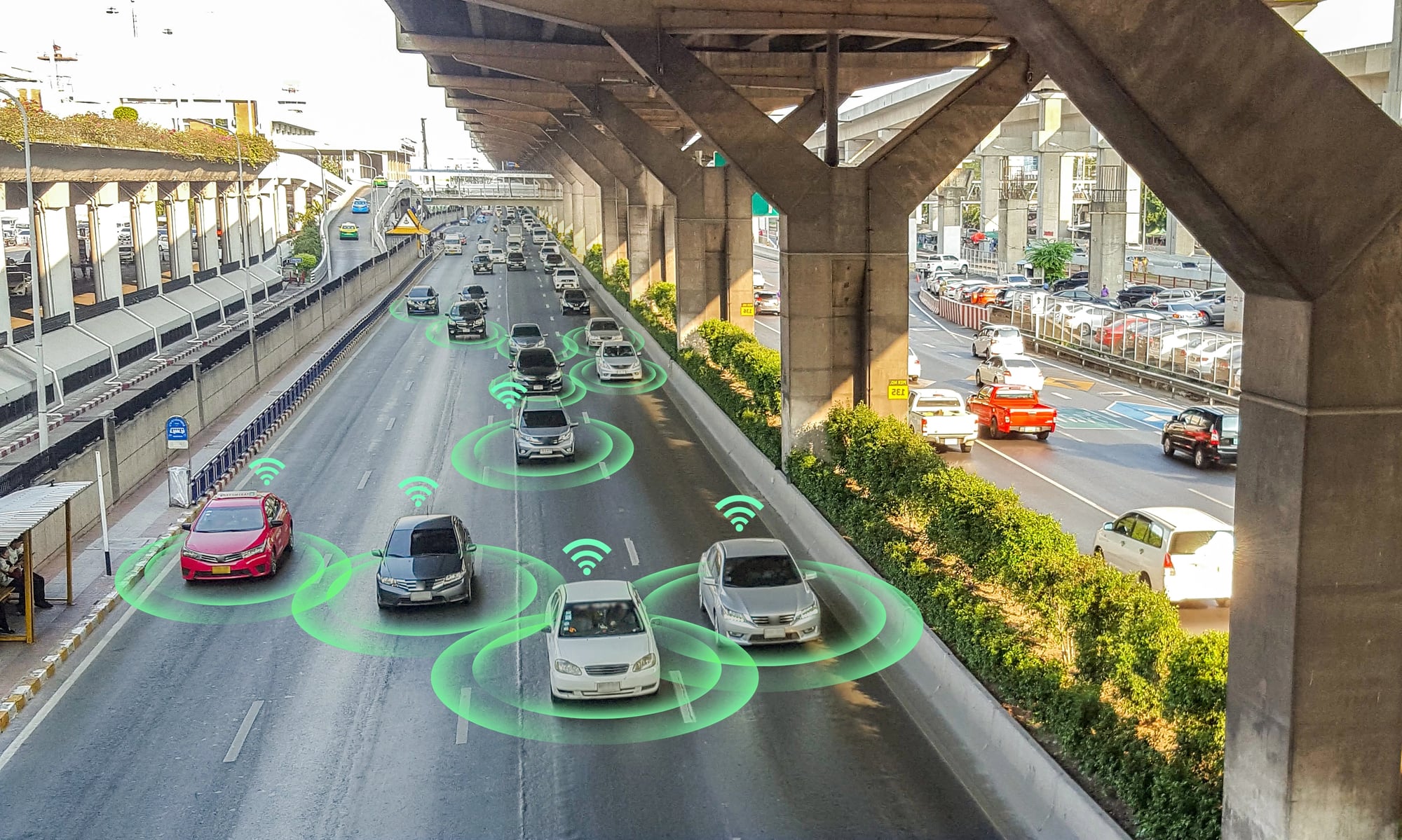
Electric vehicles with access to wireless charging roads need smaller batteries, which makes them cheaper to manufacture and lighter to operate. Trucking companies report fuel cost savings of 60-70 percent on electrified routes compared to diesel, even after accounting for the premium charged for using wireless charging highways.
That’s the kind of math that accelerates adoption.
Environmental Implications and Grid Integration
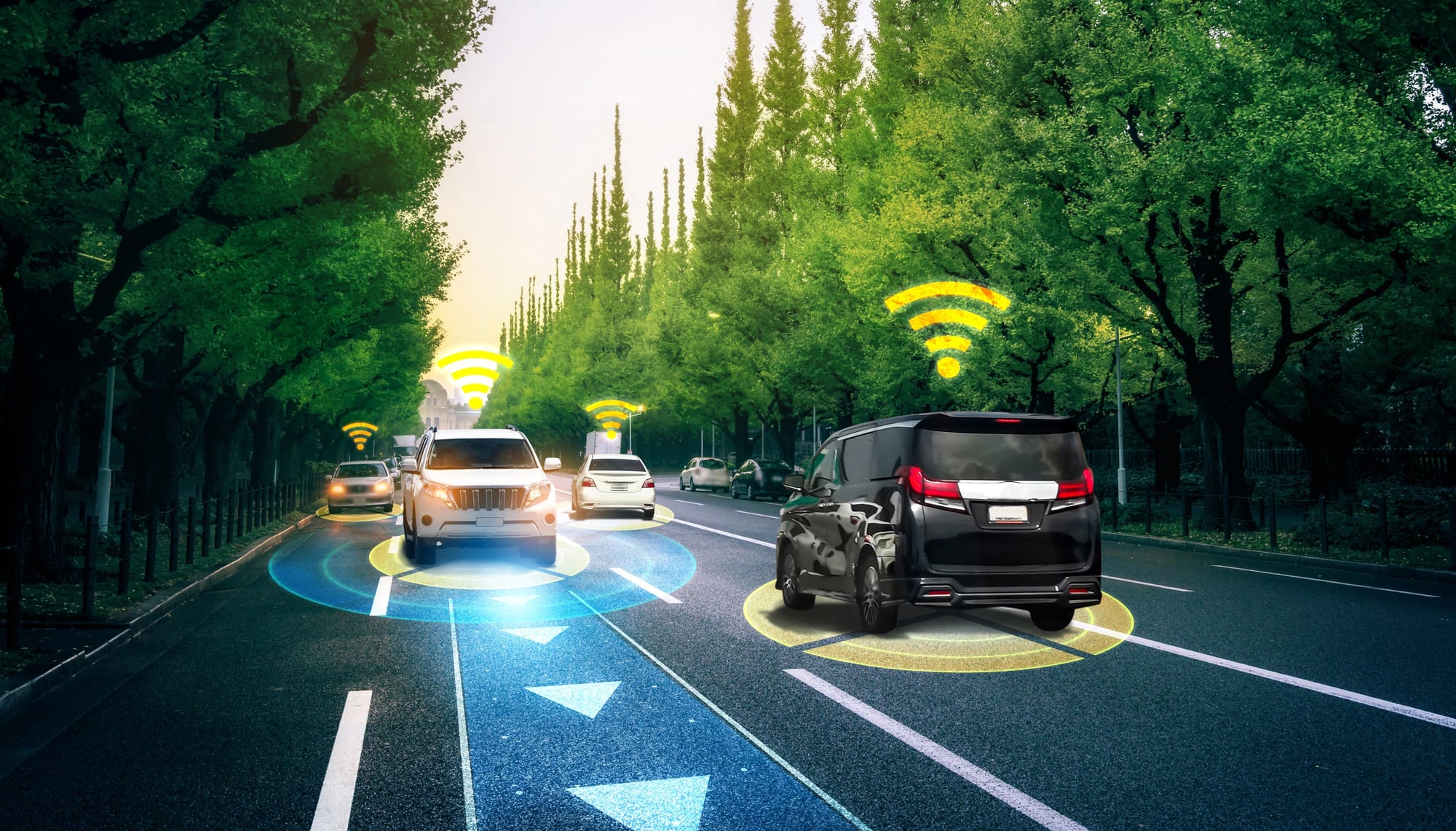
Wireless charging roads create opportunities for smart grid integration that traditional charging stations can’t match. The roads can store excess renewable energy during low-demand periods and release it when traffic patterns create high demand.
Solar panels installed alongside highways can directly power the wireless charging systems, creating carbon-neutral transportation corridors.
Future Expansion and Scaling Potential
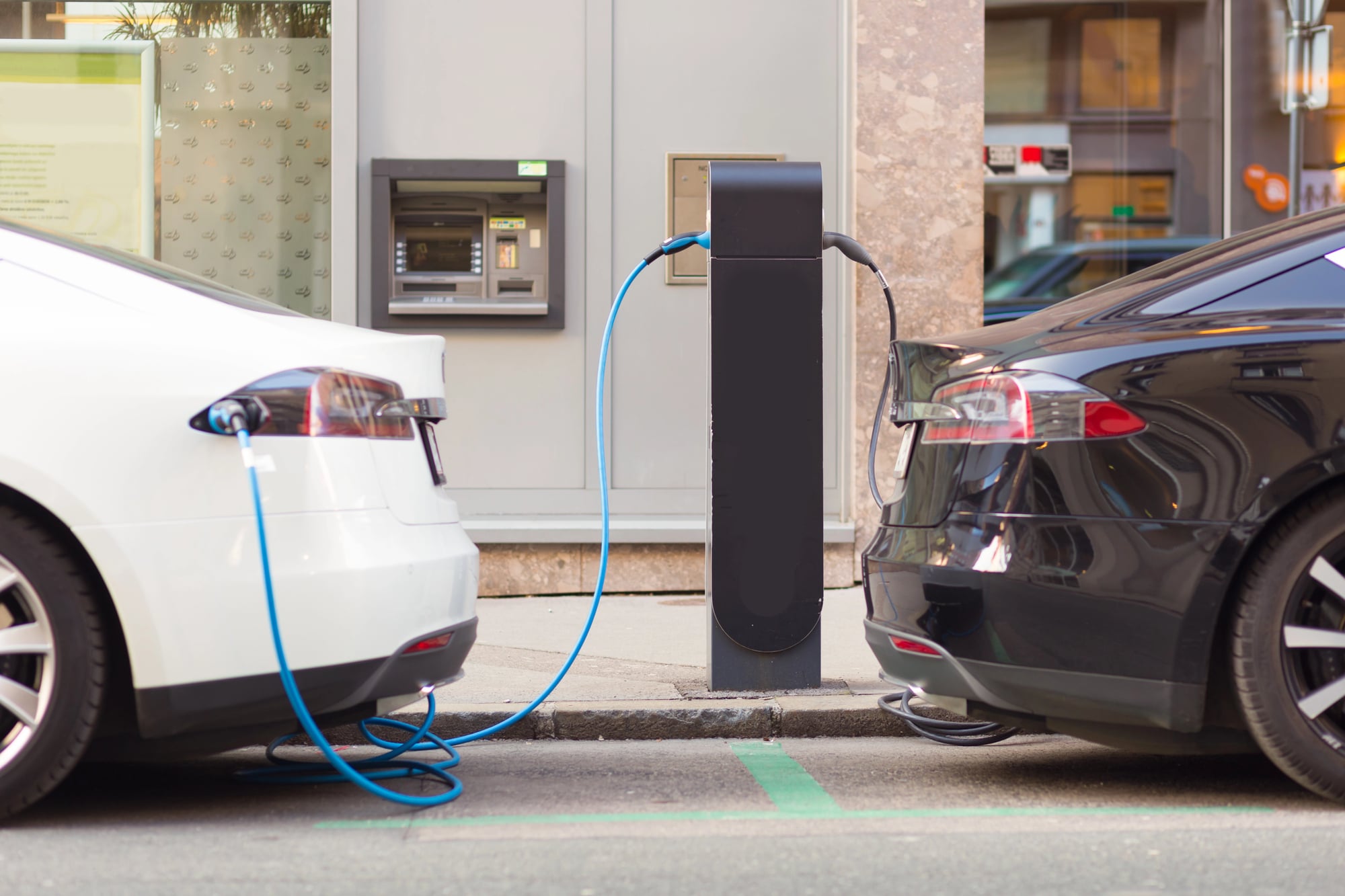
The technology works. The economics work.
The only question now is how quickly countries can retrofit existing highways and build new ones with wireless charging capability. Current pilot programs will likely expand to major freight corridors first, followed by commuter routes in metropolitan areas, and eventually to the broader highway network as costs decrease and vehicle compatibility increases.
The Road Ahead
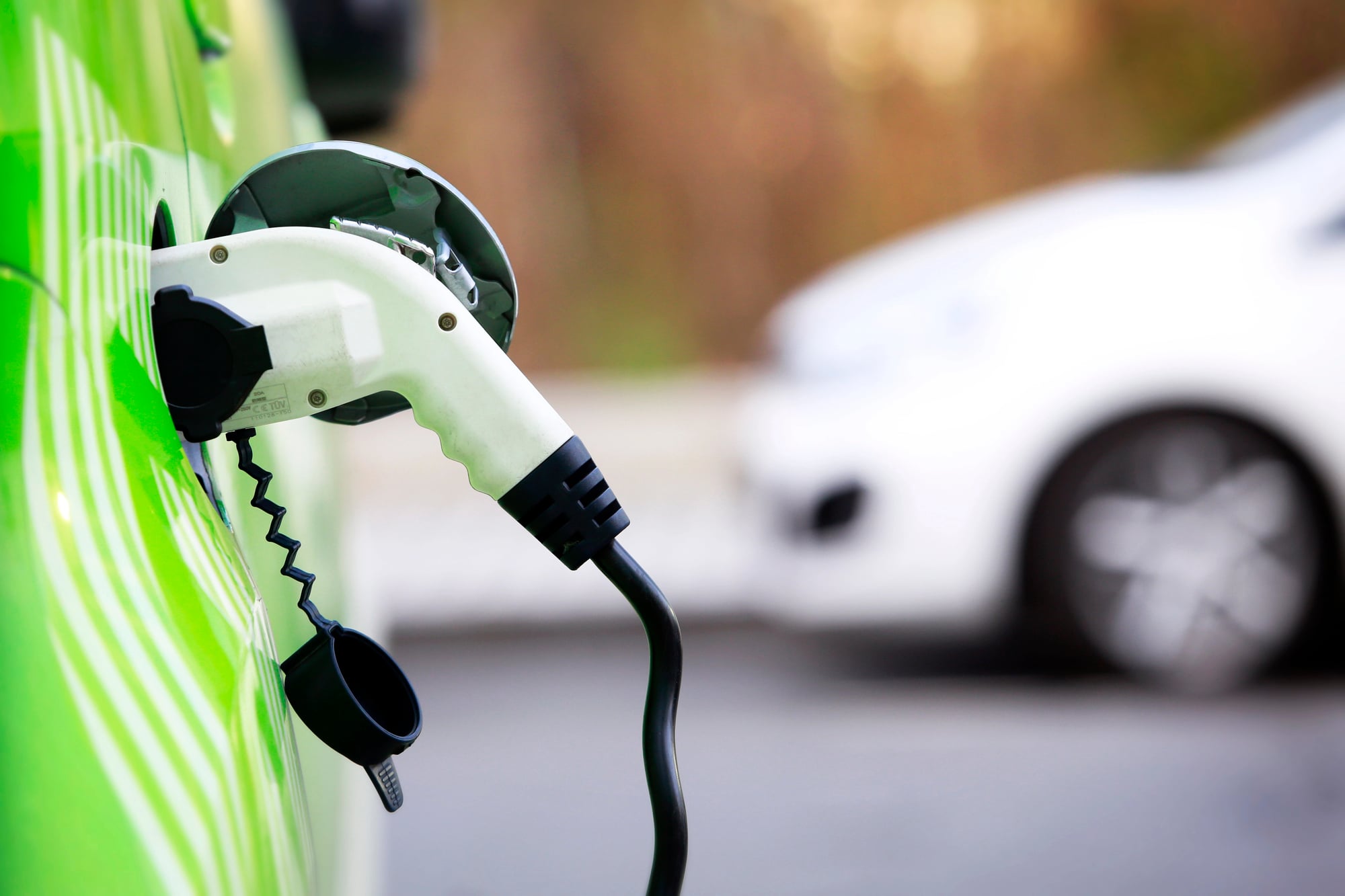
Wireless charging roads represent one of those rare infrastructure improvements that solve multiple problems simultaneously. Range anxiety disappears. Charging infrastructure bottlenecks vanish. Electric vehicles become more practical and less expensive.
The technology transforms highways from simple transportation corridors into active energy networks that make electric transportation genuinely competitive with fossil fuel alternatives. And unlike many emerging technologies that promise to change everything someday, this one is already working on real roads with real vehicles today.
More from Go2Tutors!

- The Romanov Crown Jewels and Their Tragic Fate
- 13 Historical Mysteries That Science Still Can’t Solve
- Famous Hoaxes That Fooled the World for Years
- 15 Child Stars with Tragic Adult Lives
- 16 Famous Jewelry Pieces in History
Like Go2Tutors’s content? Follow us on MSN.