Cities Reshaping America’s Growth Map
America’s population landscape is shifting in ways that would have seemed impossible just a few years ago. The pandemic rewrote the rules about where people choose to live, and the effects are still rippling across the country.
Cities that were losing residents are now gaining them back, while smaller suburbs are exploding at rates that challenge infrastructure and planning departments. Here’s a list of 15 cities that are reshaping America’s growth map right now.
Princeton, Texas
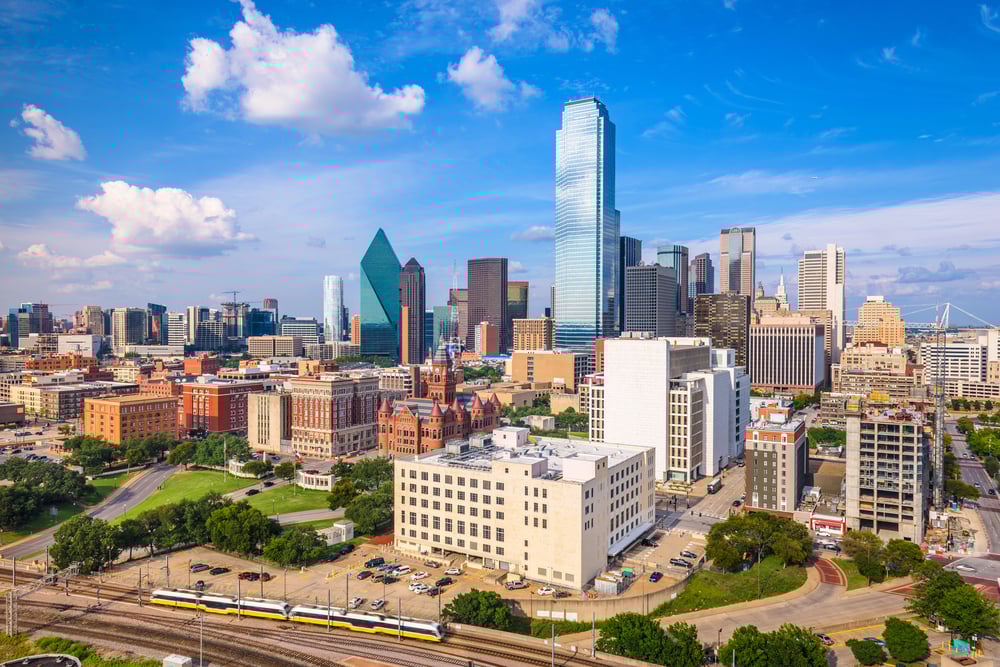
This Dallas suburb claimed the title of fastest-growing city in America with a staggering 30.6% growth rate in 2024. Princeton has more than doubled its population since 2020, jumping from roughly 17,000 to 37,000 residents.
The growth isn’t slowing down either. Developers continue building new subdivisions to accommodate the influx of families seeking affordable housing within commuting distance of Dallas-Fort Worth job centers.
Georgetown, Texas
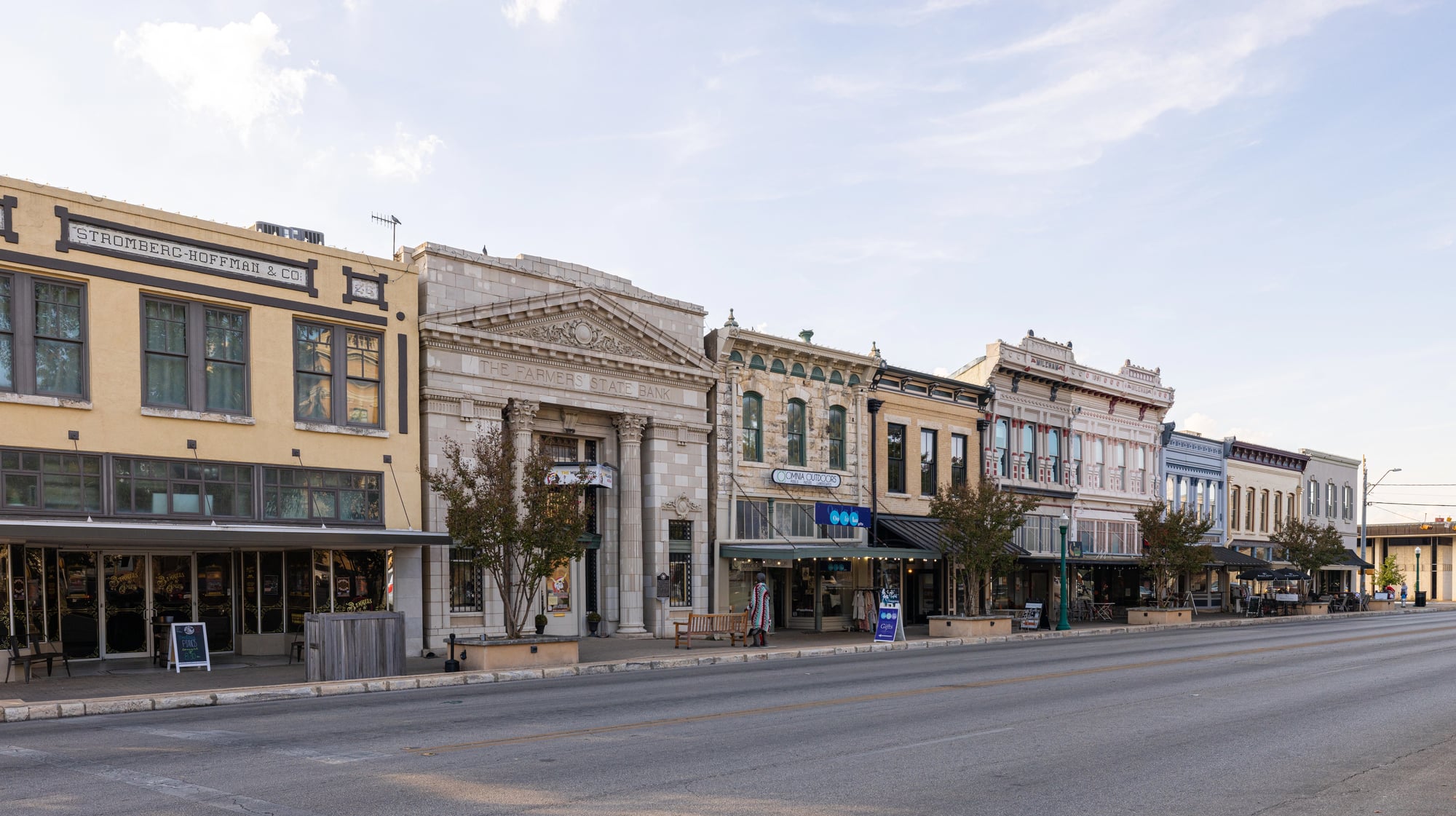
Georgetown reached 114,687 residents in 2025, representing a remarkable 66.82% increase from the 2020 census count of 68,749. This Austin suburb has topped national growth charts for three consecutive years, which is almost unheard of.
The city attracts both retirees and established families, with a median age of 44.3 years and a median household income of $91,857. The challenge now is keeping up with demand for water, roads, and schools as thousands of new residents arrive annually.
Like Go2Tutors’s content? Follow us on MSN.
Fulshear, Texas
Fulshear posted a 26.9% population increase between 2023 and 2024. Located west of Houston, this once-sleepy town has transformed into one of the hottest real estate markets in the state.
Master-planned communities with amenities like pools, parks, and walking trails attract families looking for suburban comfort without sacrificing access to Houston’s job market.
Leesburg, Florida
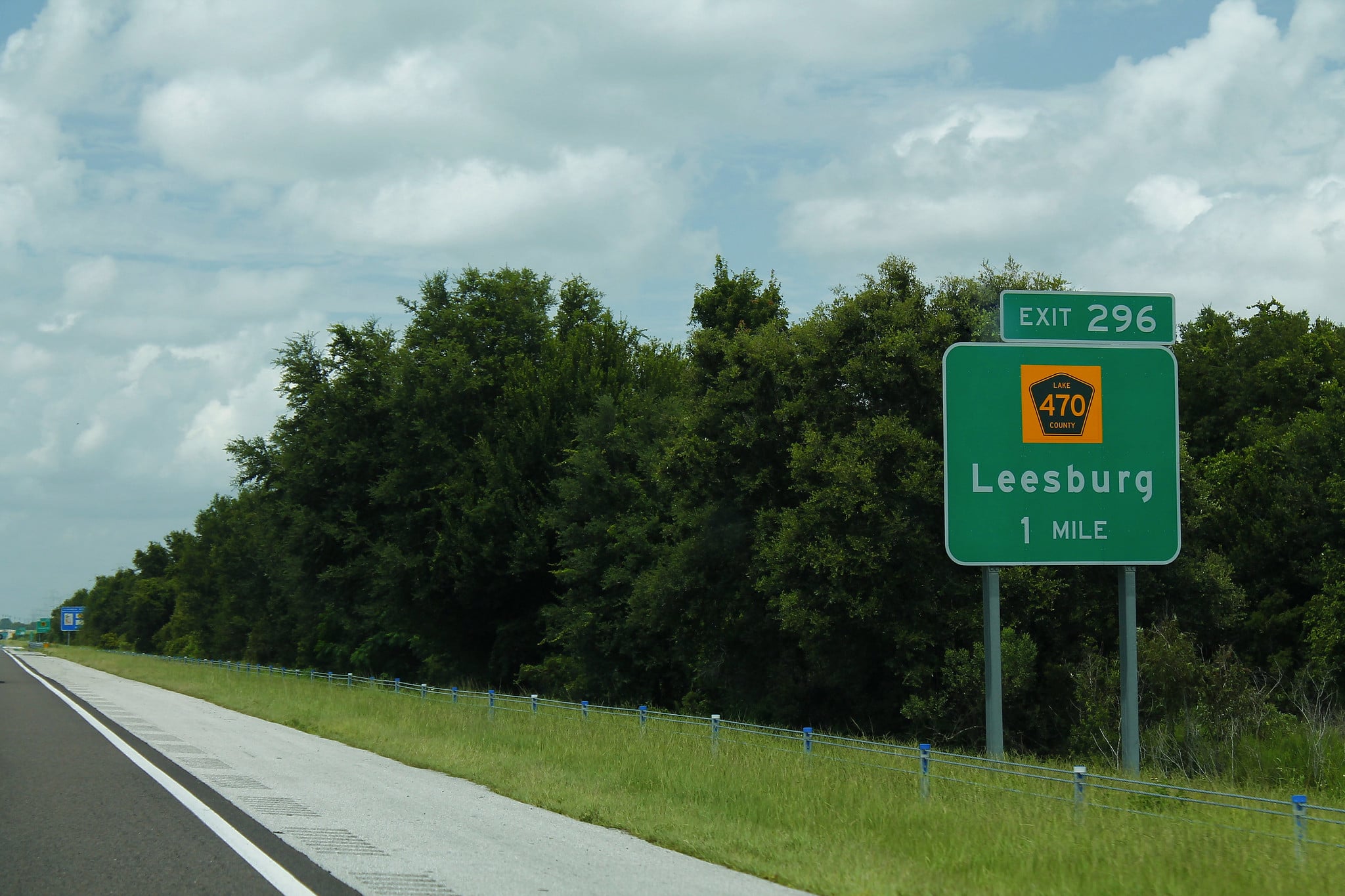
Leesburg experienced an 18.5% population jump among cities with at least 20,000 people. Positioned between Orlando and Ocala, this Central Florida city benefits from retirees seeking a quieter alternative to busier metro areas.
The lower cost of living compared to coastal Florida cities makes it particularly attractive for people on fixed incomes.
New York City

Remember when everyone said New York was finished? Not quite. The New York metro area lost nearly 277,000 people during the height of the COVID-19 pandemic but has since rebounded to become the nation’s largest-gaining metro area between 2023 and 2024, adding over 213,000 people.
New York City itself added 87,184 people between 2023 and 2024, the biggest raw increase among all cities. The turnaround stems from reduced domestic outmigration and a significant increase in international migration.
Like Go2Tutors’s content? Follow us on MSN.
Houston, Texas
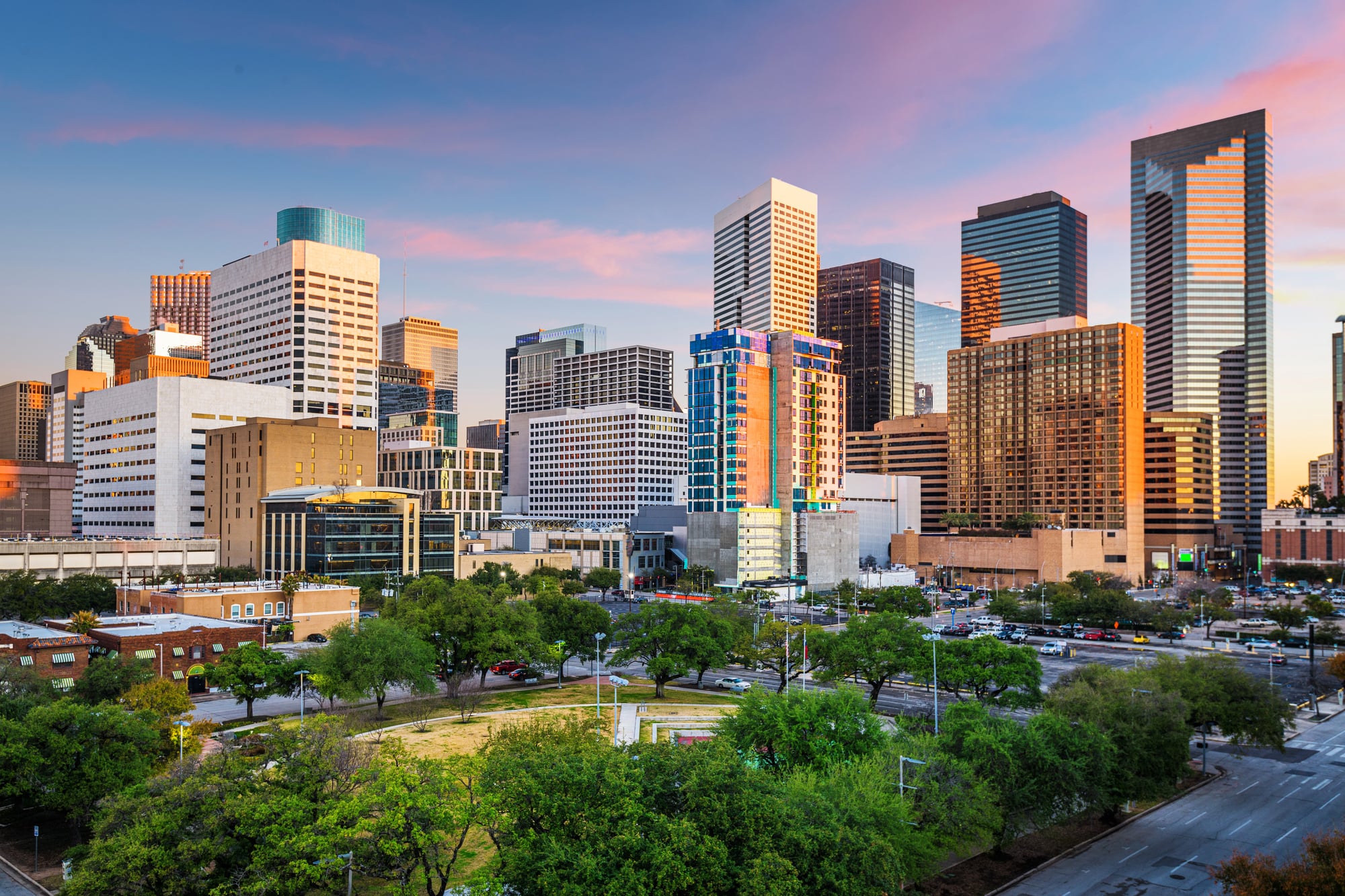
Houston-Pasadena-The Woodlands increased by over 198,000 people, second only to New York in numeric growth. Houston added 43,217 people within city limits.
The energy sector continues driving job growth, while relatively affordable housing compared to other major metros keeps attracting both domestic and international migrants. Houston’s lack of zoning laws allows for flexible development that accommodates population surges more easily than heavily regulated cities, which is either brilliant or chaotic depending on who you ask.
Los Angeles, California
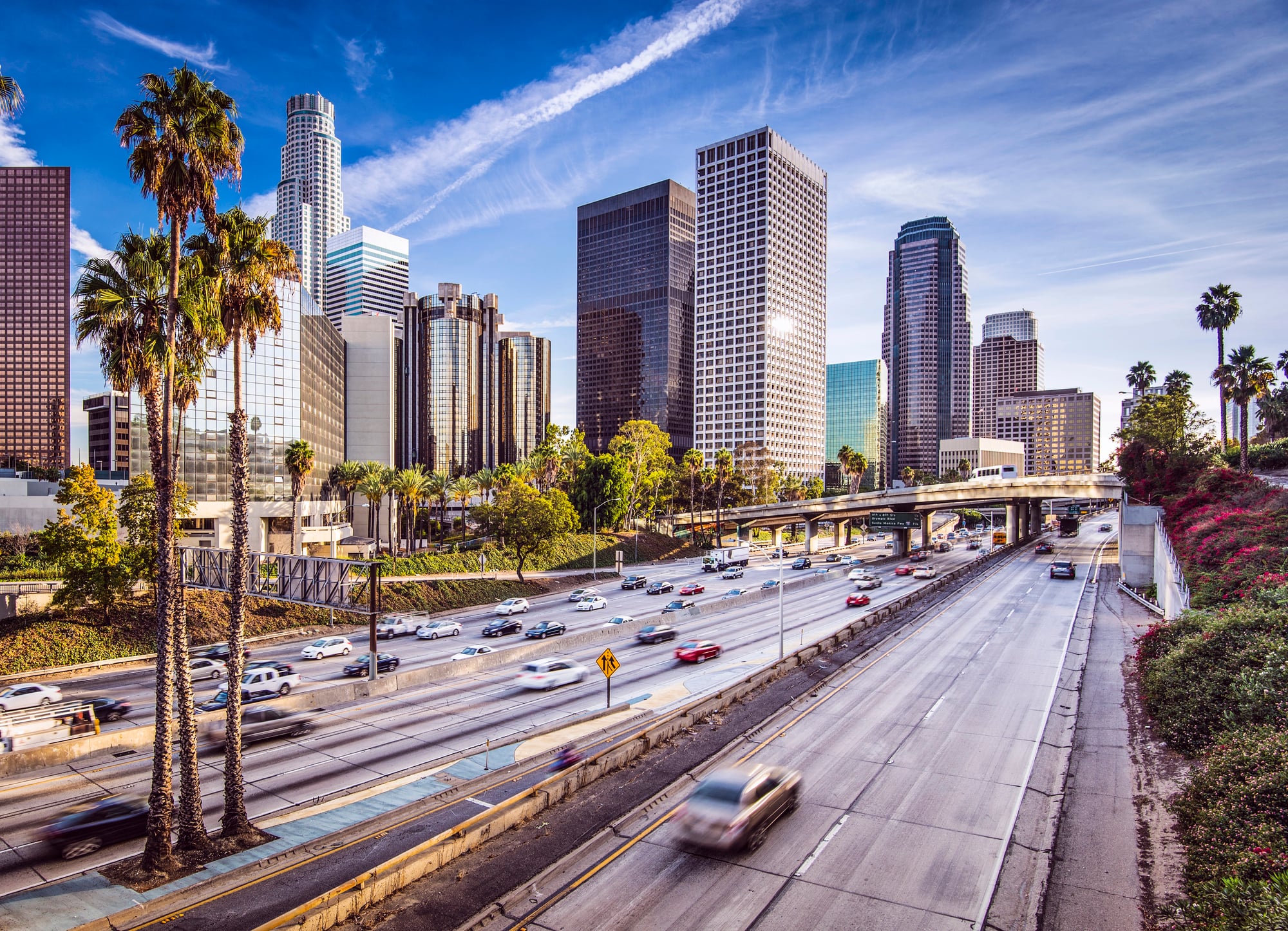
Los Angeles went from having a loss of more than 214,000 in 2020-2021 to a gain of over 41,000 between 2023 and 2024. Los Angeles returned to the list of top gainers for the first time since 2016, adding over 31,000 residents in 2024.
The recovery marks a dramatic reversal for a city that many assumed would continue losing residents indefinitely.
Jacksonville, Florida
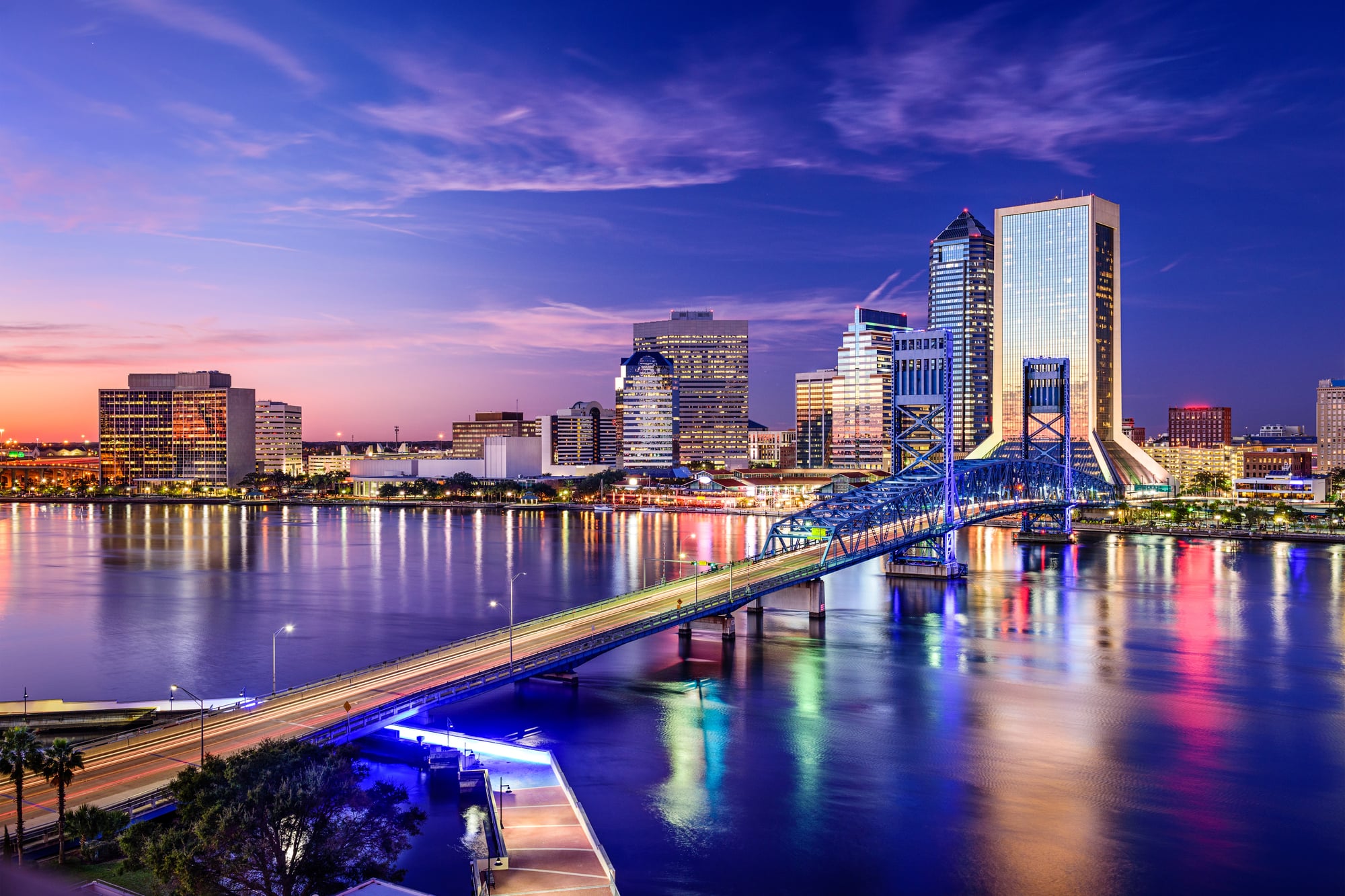
Jacksonville crossed the 1 million-population threshold between 2023 and 2024, reaching 1,009,833 residents. The city saw a 9.07% increase and added 16,365 people.
Jacksonville offers a combination that’s hard to beat: Atlantic beaches, a lower cost of living than South Florida, no state income tax, and a growing job market. The city’s massive geographic footprint provides room for expansion that more densely packed metros can’t match.
Like Go2Tutors’s content? Follow us on MSN.
Fort Worth, Texas
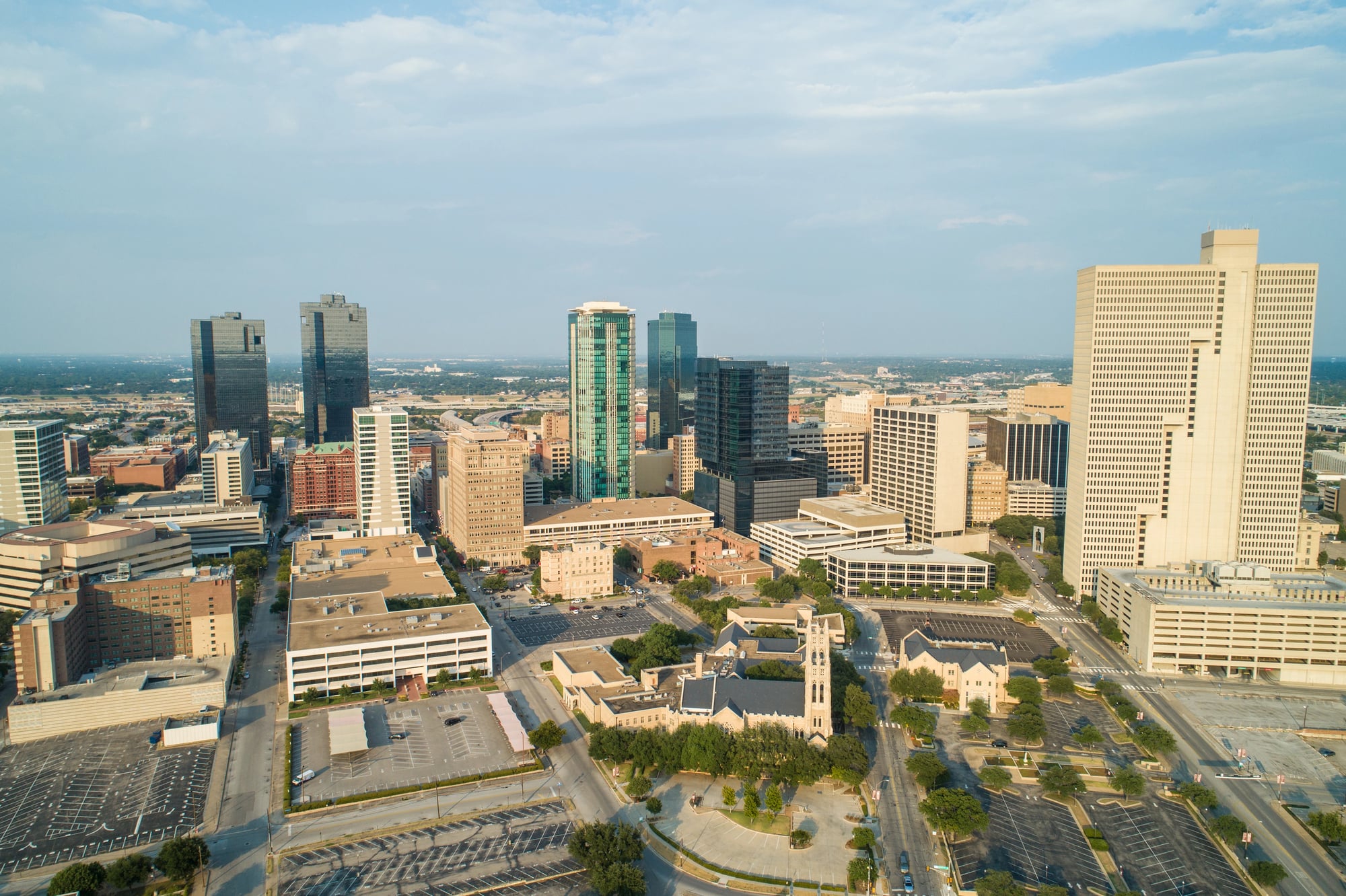
Fort Worth joined Jacksonville in crossing the 1 million-population threshold between 2023 and 2024, reaching 1,008,106 residents. Big milestone there.
The city experienced an 8.68% increase and added 23,442 people. Fort Worth benefits from its position in the Dallas-Fort Worth metroplex while maintaining a distinct identity and lower housing costs than its bigger neighbor to the east.
Myrtle Beach, South Carolina
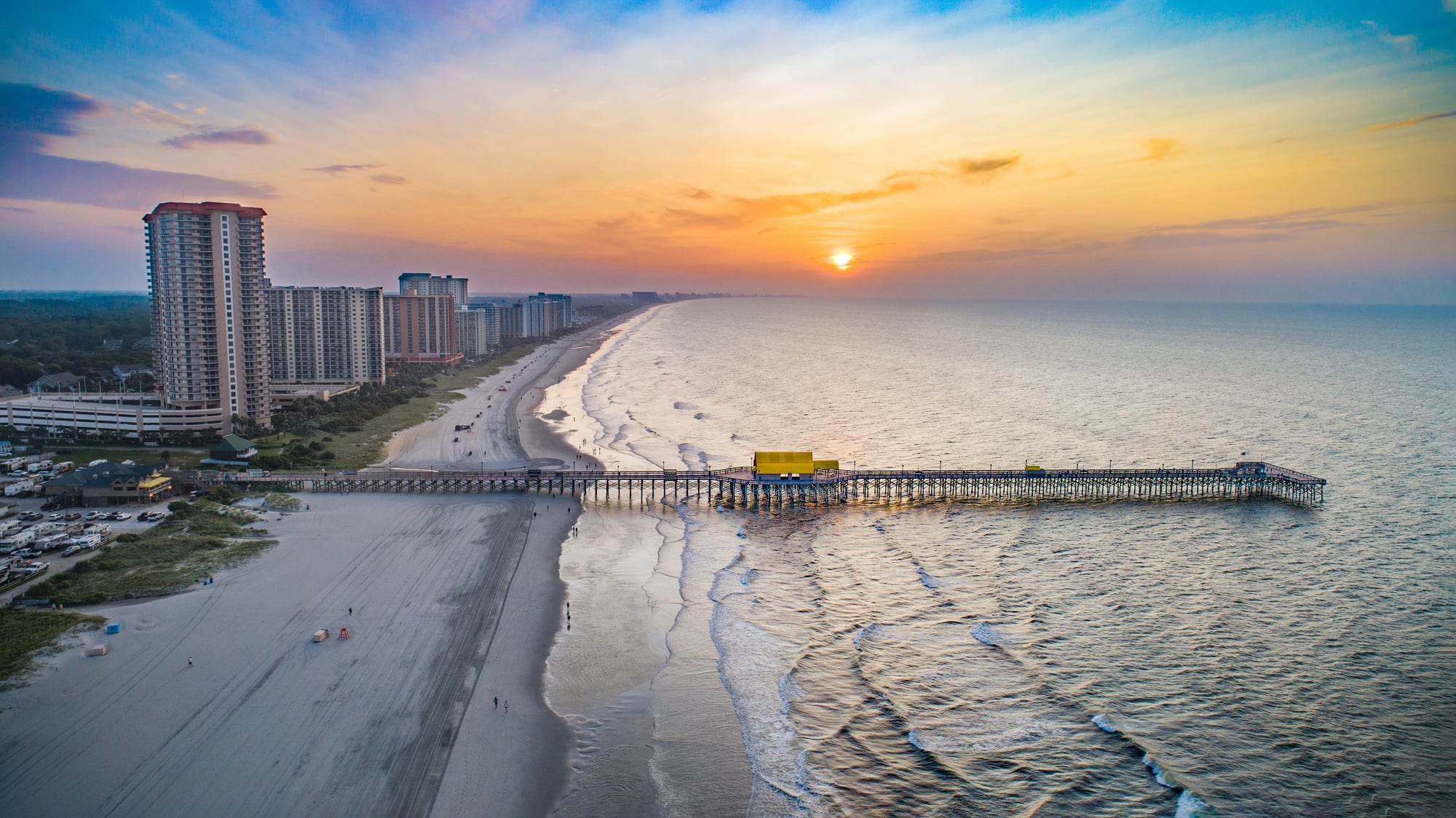
The Myrtle Beach metro area ranked as the second or third fastest-growing in the country with 3.8% growth. With an estimated 413,391 residents in July 2024, the Myrtle Beach metro area’s population has doubled since 2009.
The Grand Strand attracts retirees from across the Northeast and Midwest who want beach access without Florida’s higher costs and hurricane risk. Some local officials actually worry the growth is happening too fast for infrastructure to keep pace, and they’re probably right to be concerned.
Austin, Texas
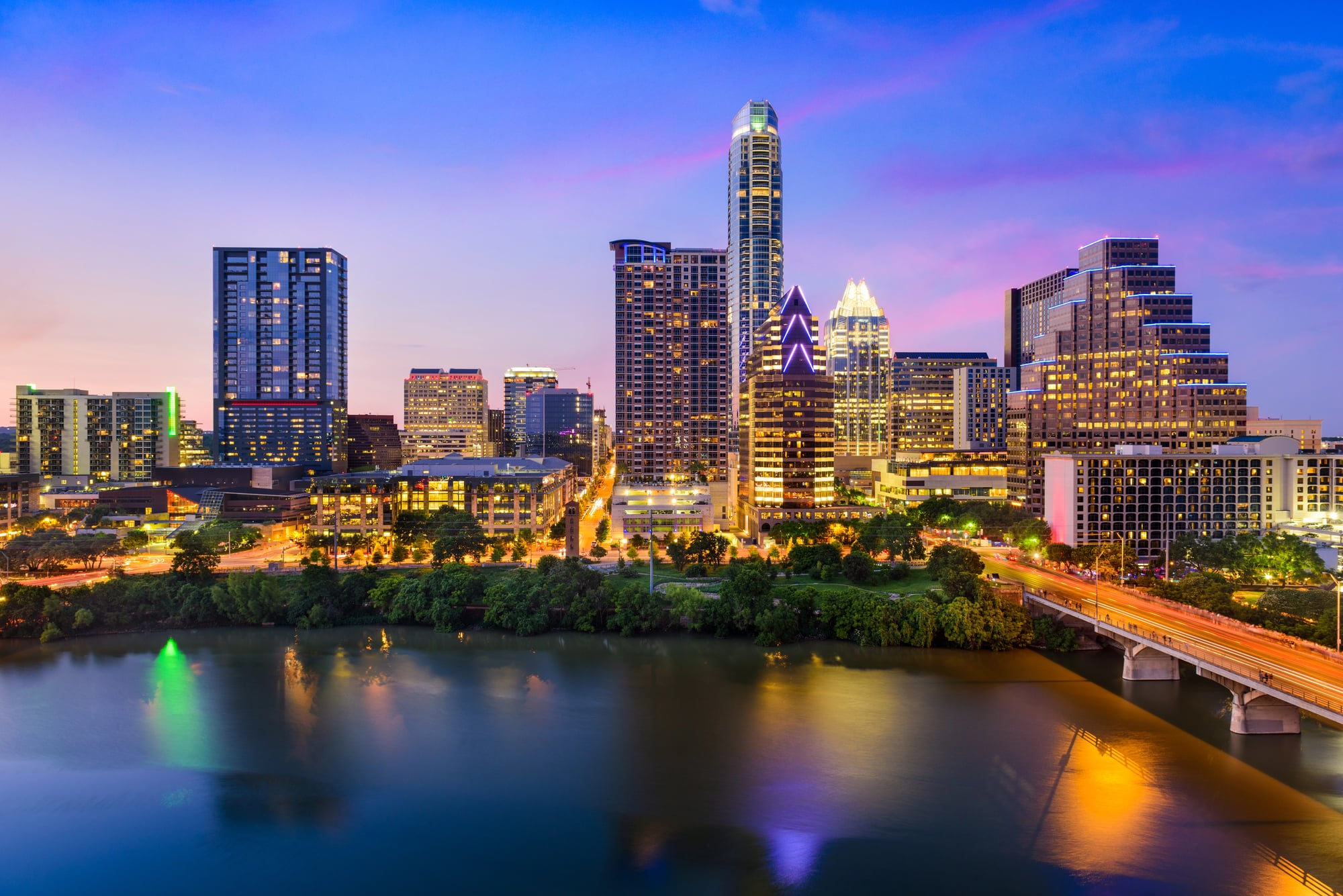
Austin-Round Rock-San Marcos grew by over 58,000 or 2.3%, making it one of the nation’s largest-gaining and fastest-growing metro areas. The tech industry continues fueling growth, with major companies either relocating headquarters or establishing significant presences in the area.
Austin’s combination of no state income tax, a thriving cultural scene, and access to outdoor recreation makes it a magnet for young professionals.
Like Go2Tutors’s content? Follow us on MSN.
San Antonio, Texas
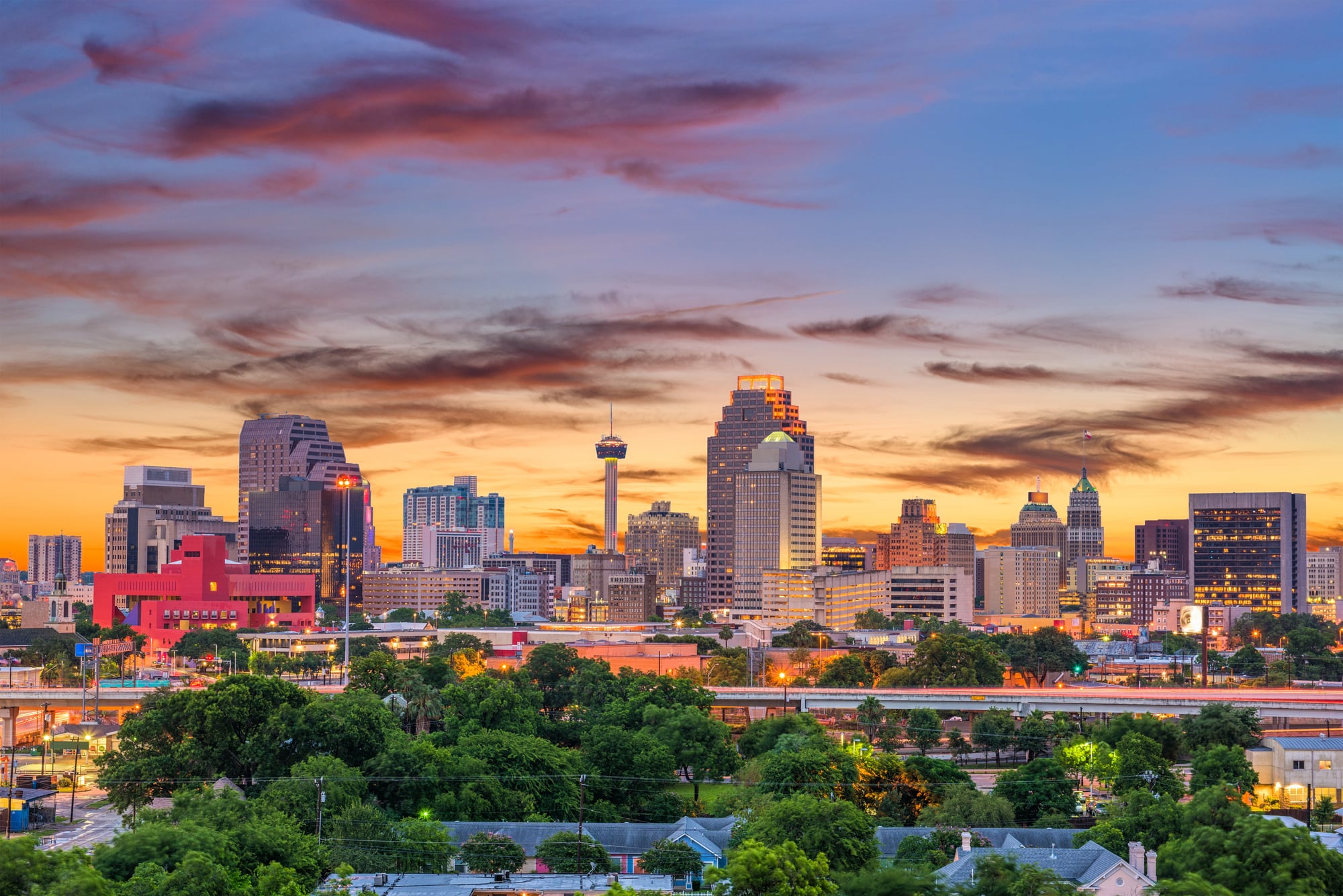
San Antonio added 23,945 people between 2023 and 2024. The city offers more affordable housing than Austin while providing access to similar job markets.
Military installations provide economic stability, while the growing healthcare and bioscience sectors diversify the employment base beyond traditional military and tourism industries.
Miami, Florida
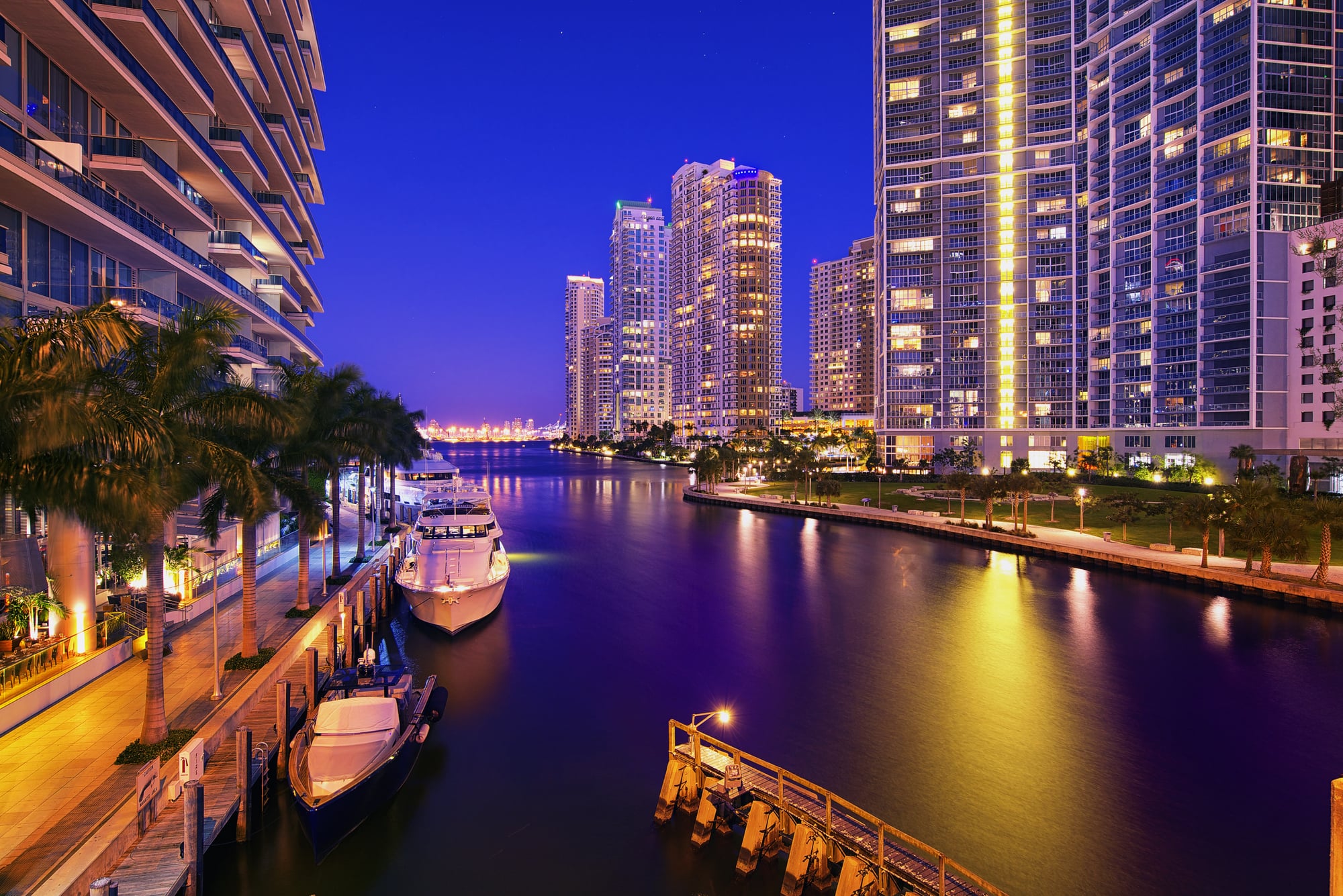
Miami added 16,337 people between 2023 and 2024. Despite concerns about climate change and rising insurance costs, Miami continues attracting both domestic migrants and international arrivals.
The city serves as a gateway to Latin America for businesses. The finance and tech sectors have expanded significantly in recent years, creating thousands of high-paying jobs that draw ambitious professionals from around the world.
Ocala, Florida
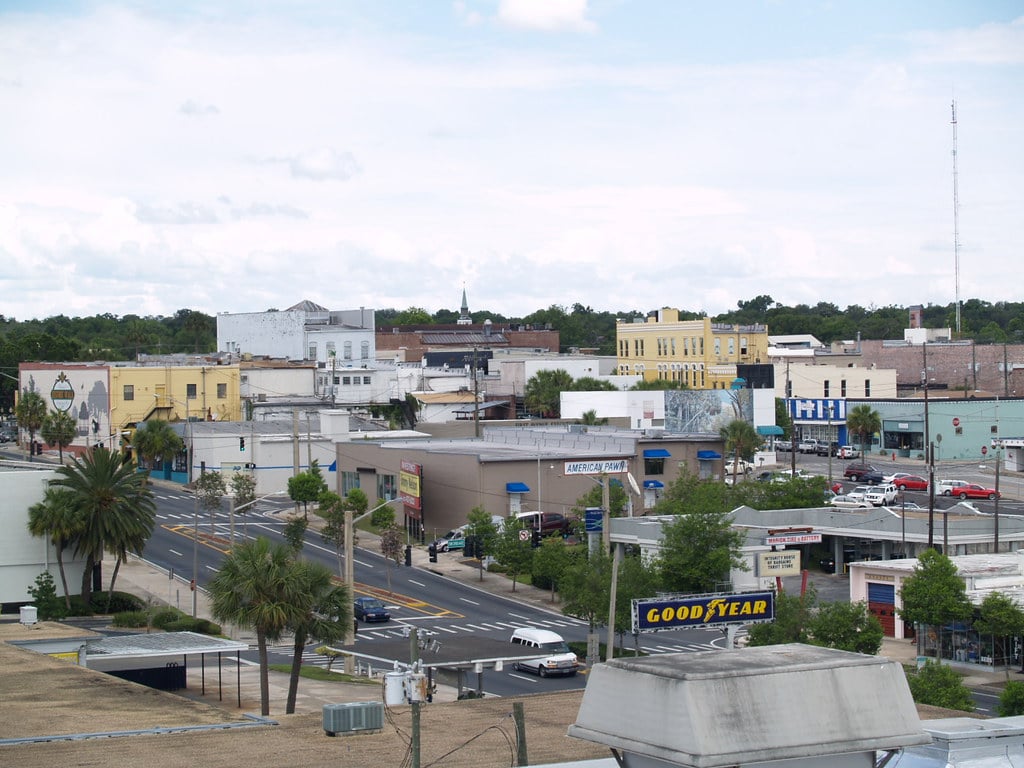
Ocala grew by 4%, making it the nation’s fastest-growing metro area in terms of percentage for metros of its size. Located in north-central Florida, Ocala benefits from horse country charm and proximity to multiple major metros without the traffic headaches.
The cost of living remains significantly lower than coastal Florida cities, attracting retirees and families seeking space.
Like Go2Tutors’s content? Follow us on MSN.
Chicago, Illinois
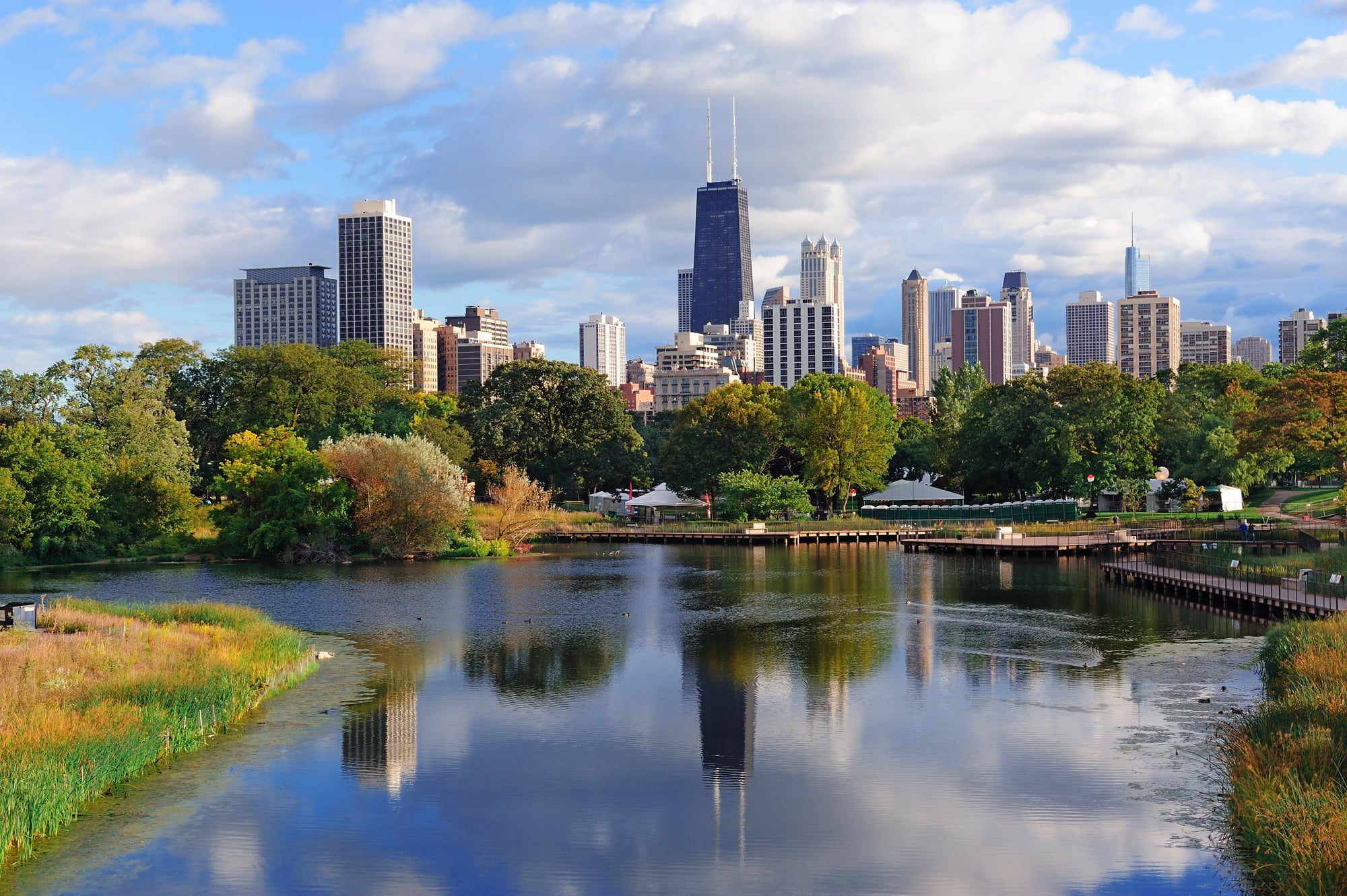
Chicago experienced losses of around 77,000 in 2020-2021 and 52,000 in 2021-2022, but added nearly 28,000 in 2022-2023 and approximately 71,000 in 2023-2024. The Windy City’s comeback surprises many analysts who predicted endless decline.
Improved public safety perceptions, a strong job market, and relatively affordable housing compared to coastal cities are bringing residents back to one of America’s great urban centers.
Where Growth Meets Reality
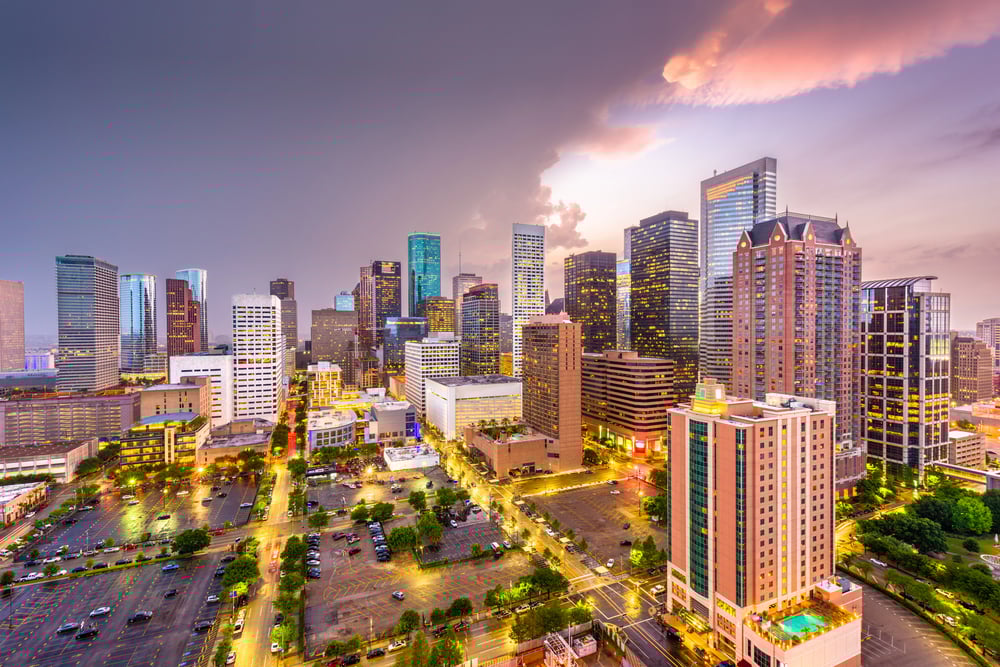
The population shifts playing out across America reveal something fundamental about how people are rethinking what matters in their lives. Texas dominates the growth charts not by accident but through a combination of business-friendly policies, affordable housing, and space to build.
Florida’s appeal remains strong despite climate concerns, while legacy cities like New York, Los Angeles, and Chicago are proving that reports of their demise were greatly exaggerated. The next few years will test whether these fast-growing cities can maintain their momentum while building the infrastructure, schools, and services that new residents expect.
More from Go2Tutors!

- 16 Historical Figures Who Were Nothing Like You Think
- 12 Things Sold in the 80s That Are Now Illegal
- 15 VHS Tapes That Could Be Worth Thousands
- 17 Historical “What Ifs” That Would Have Changed Everything
- 18 TV Shows That Vanished Without a Finale
Like Go2Tutors’s content? Follow us on MSN.