Brilliant Eco-Friendly Cities Designed for the Future
The concrete sprawl of most modern cities wasn’t built with the planet in mind. But scattered across the globe, a new generation of urban planners and visionaries are sketching blueprints for something different — cities that breathe with the earth rather than suffocate it.
These aren’t just pipe dreams or architectural fantasies tucked away in design school portfolios. Real places, with real people, proving that the future of urban living doesn’t have to cost us the future of everything else.
Masdar City, UAE
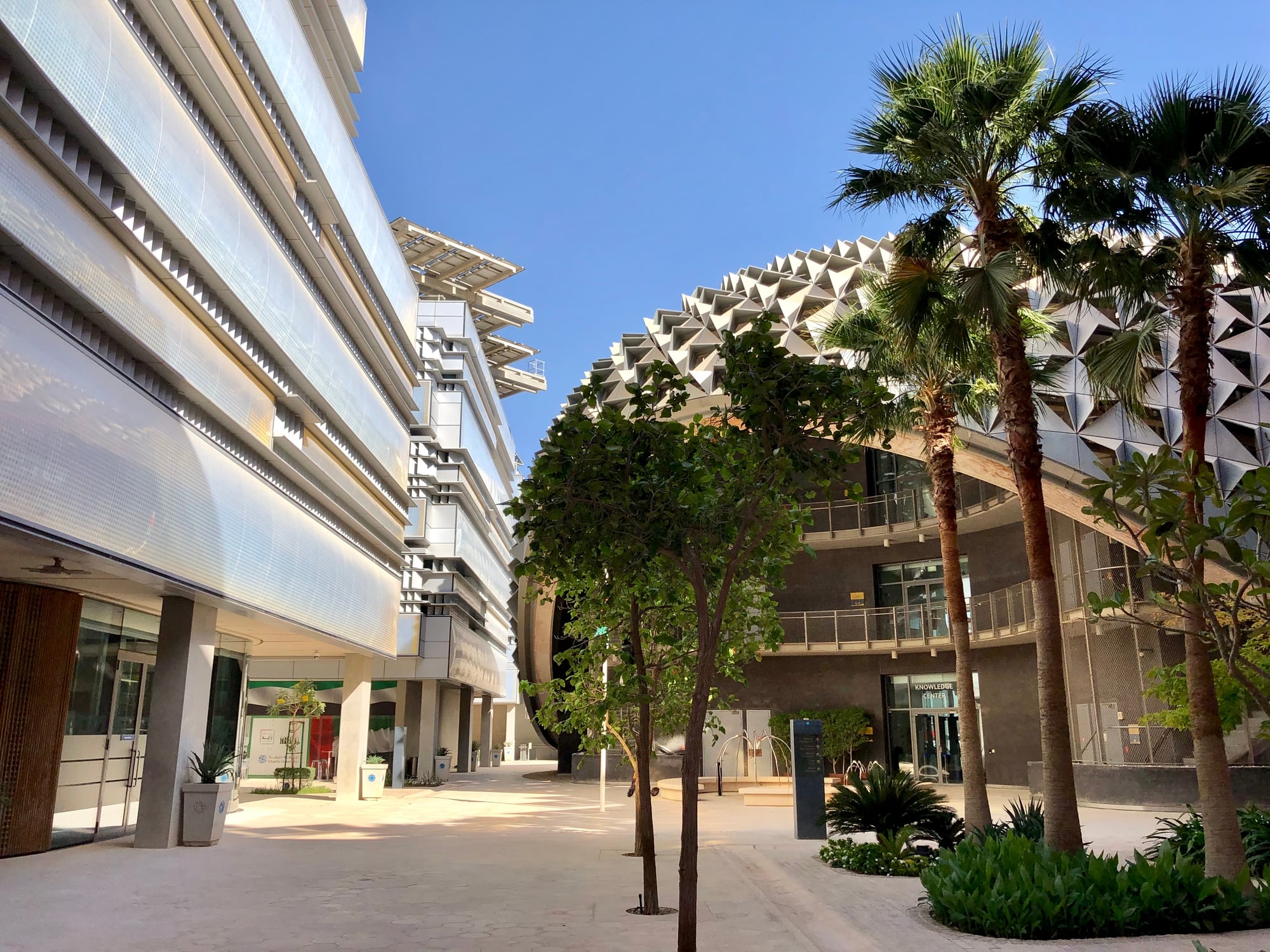
Solar panels stretch like silver scales across every rooftop. The place runs entirely on renewable energy — which is saying something in a desert that could cook an egg on the sidewalk by 9 AM.
Masdar City was originally designed with no cars and an underground network of electric pods, though the project remains under construction and has not been completed as originally planned.
The whole thing sits like a climate-controlled oasis where sustainability isn’t an afterthought — it’s the blueprint.
Copenhagen, Denmark
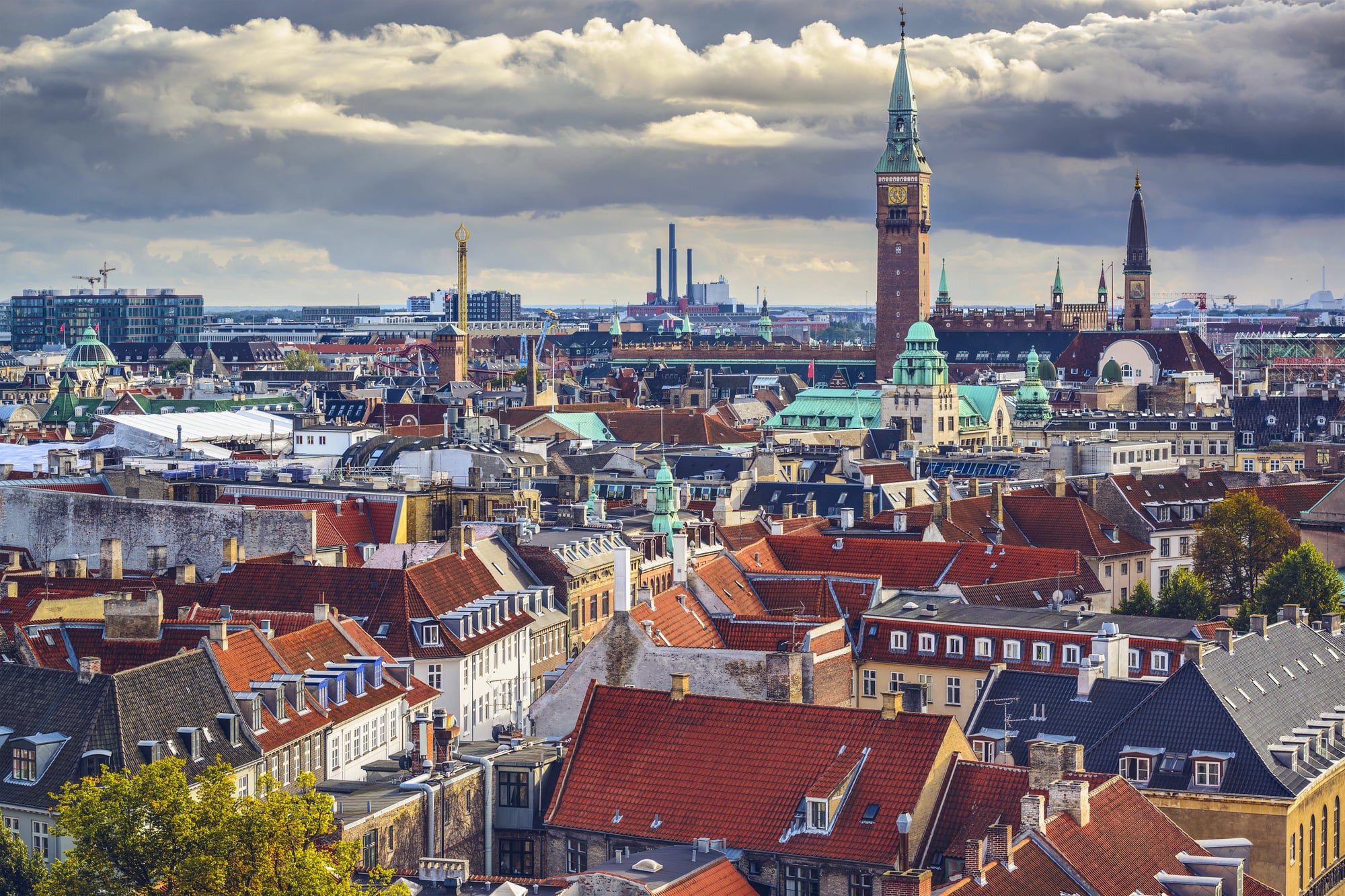
Copenhagen decided to become carbon neutral by 2025, and watching this city work toward that goal is like watching someone methodically solve a puzzle where every piece matters — the bike lanes that connect like arteries through every neighborhood (and there are more bikes than cars now, which feels impossible until you see it), the district heating systems that capture waste heat from power plants and redirect it to warm homes during those brutal Scandinavian winters, the green roofs that appear on everything from bus stops to government buildings.
And yet. The city still feels like a city.
So the question becomes: why doesn’t everywhere do this?
The infrastructure doesn’t announce itself with fanfare or ask for applause — it just works the way good infrastructure should, invisibly and constantly, while people go about their lives on streets that happen to be designed around humans instead of automobiles, in a place where sustainability and livability turned out to be the same thing.
Curitiba, Brazil
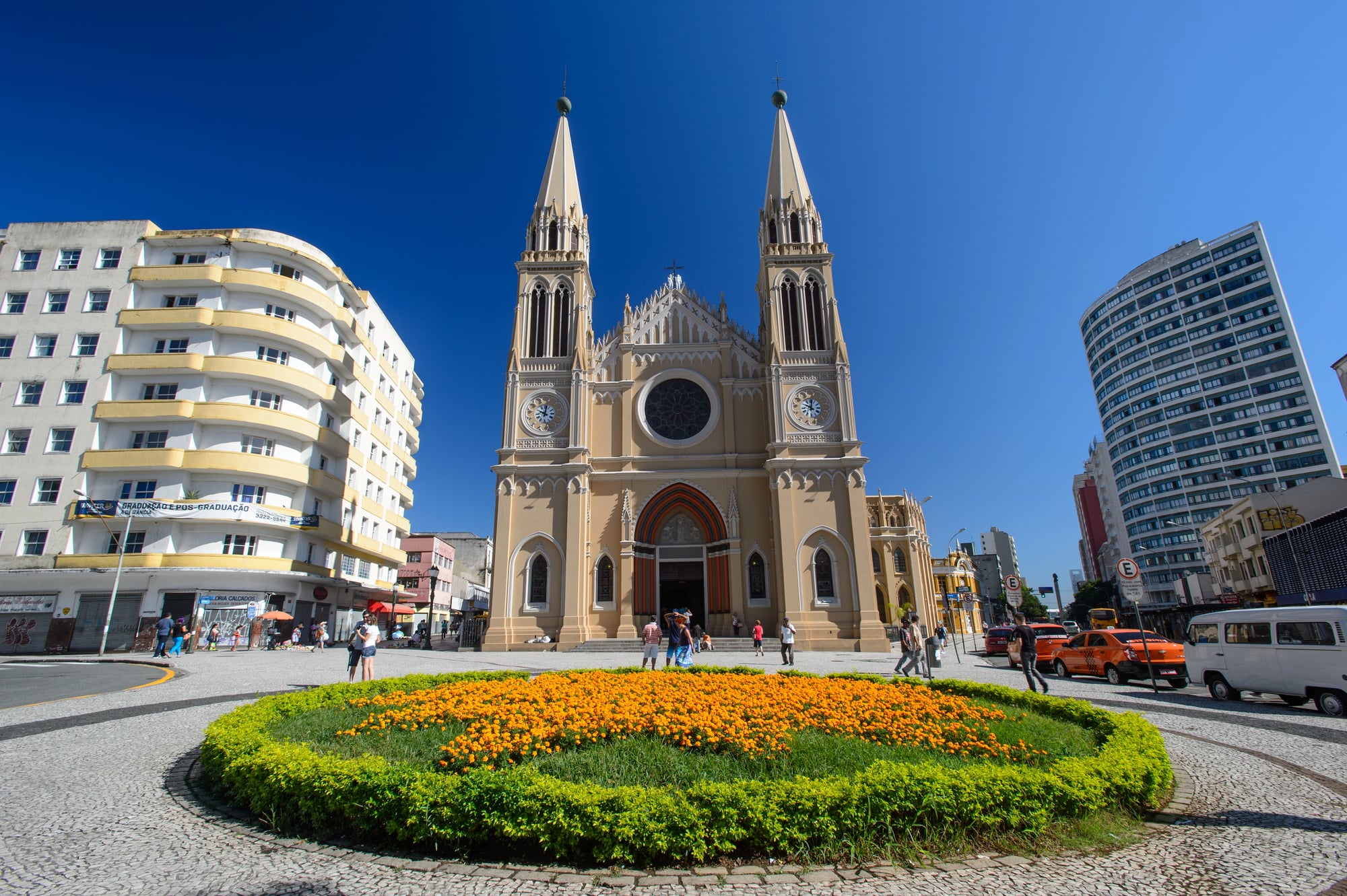
Curitiba figured out something most cities never do: public transportation can actually work.
Their bus rapid transit system moves like a subway above ground. Dedicated lanes, level boarding platforms, pre-paid tickets.
None of the usual excuses about why buses are slow and unreliable apply here. People use it because it’s faster than driving, which turns out to be the only argument that really matters.
The city also turned flood-prone areas into parks instead of fighting the water. Smart move.
Let the river do what rivers do, and everybody wins.
Singapore
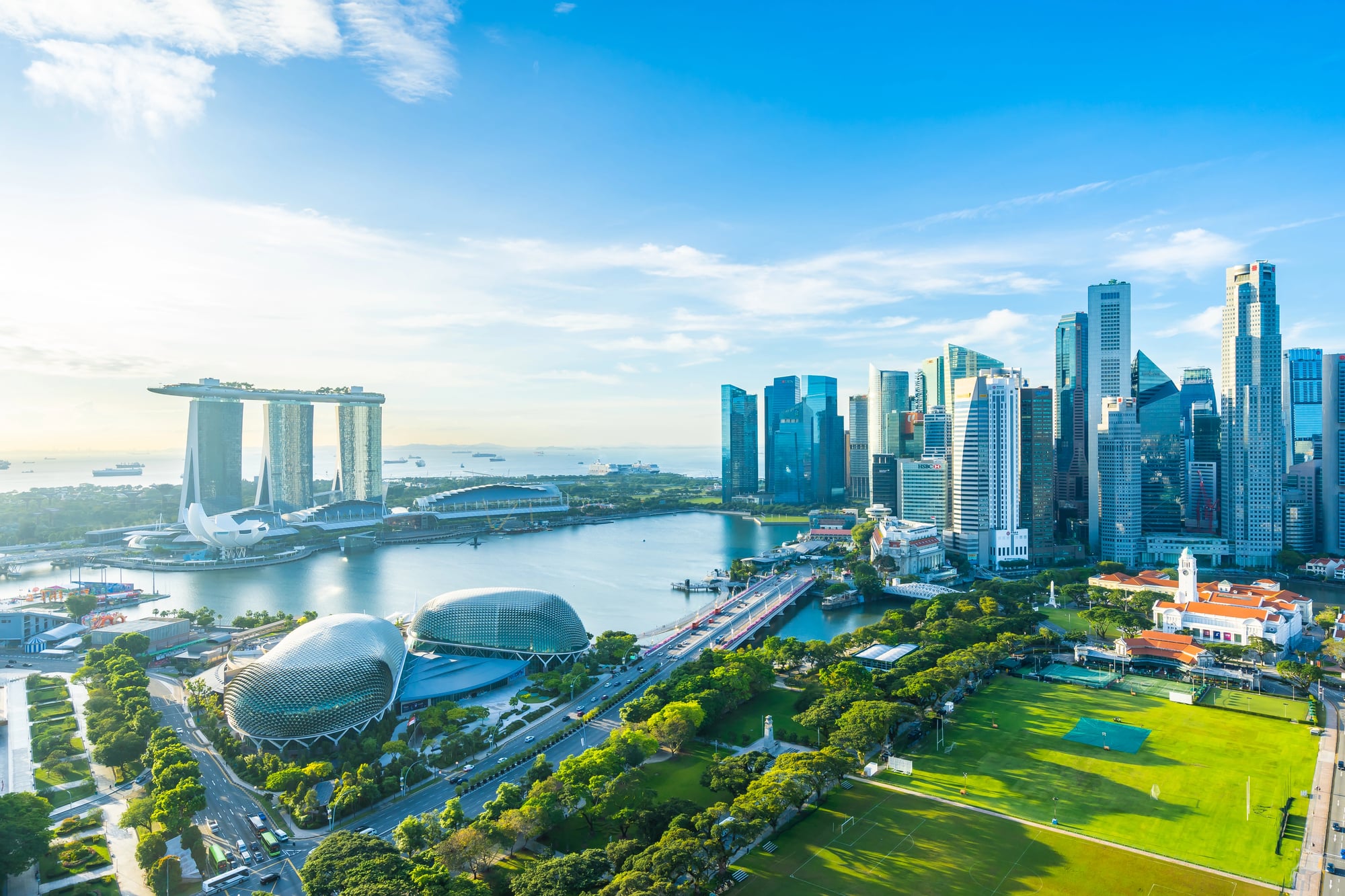
Singapore is what happens when you treat a city like a garden instead of a machine — every building sprouts green terraces and living walls, every street corner harbors pocket parks, every highway overpass becomes an opportunity for vertical farming or rooftop forests.
The place collects rainwater like it’s precious (which it is, when you’re an island), treats wastewater so thoroughly it comes out cleaner than most tap water, and has turned urban planning into something closer to ecosystem design.
The city-state doesn’t just tolerate nature; it weaves through it, around it, with it.
But here’s what strikes you walking through those tree-lined streets where the air stays surprisingly breathable despite the density: this isn’t some sterile green-tech showcase.
And that precision extends to everything — the waste management systems that turn trash into energy, the smart grid that adjusts power usage in real time, the building codes that require green space ratios. It’s obsessive in the best possible way.
People live here. Work here.
The sustainability isn’t a museum exhibit — it’s just how the city operates, the way good design should disappear into daily life until you forget there was ever another way to do things.
Freiburg, Germany
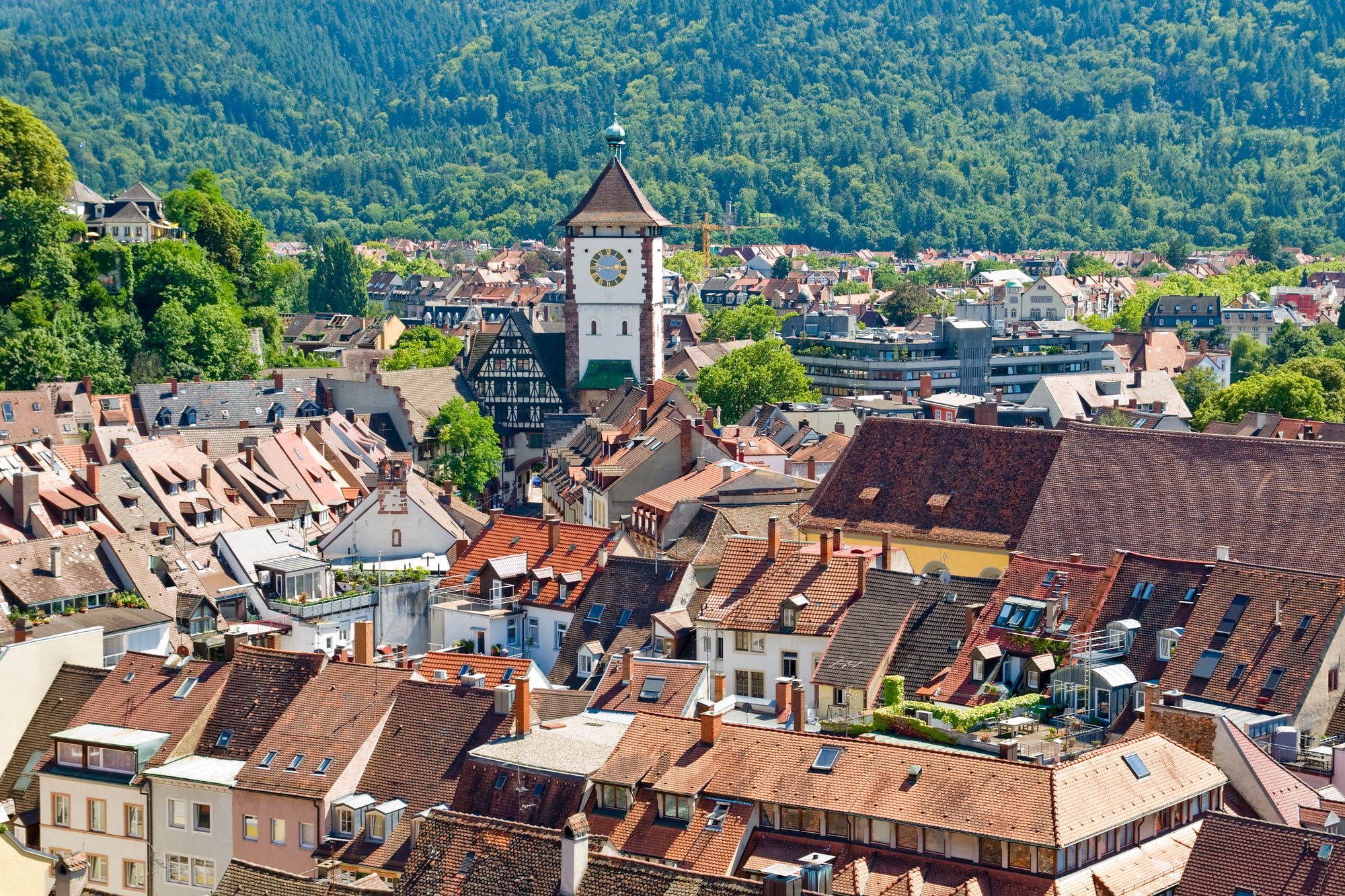
Freiburg runs on solar power and stubborn optimism. The city started investing in renewable energy back when most people thought environmental policy meant recycling beer bottles.
Now the place generates more solar power than it uses. Whole neighborhoods designed around car-free living.
Trams that arrive on schedule. Buildings that produce more energy than they consume.
The usual German efficiency, applied to not destroying the planet.
Residents compost religiously and bike everywhere, even in winter. Call it peer pressure or call it civic pride — either way, it works.
Malmö, Sweden
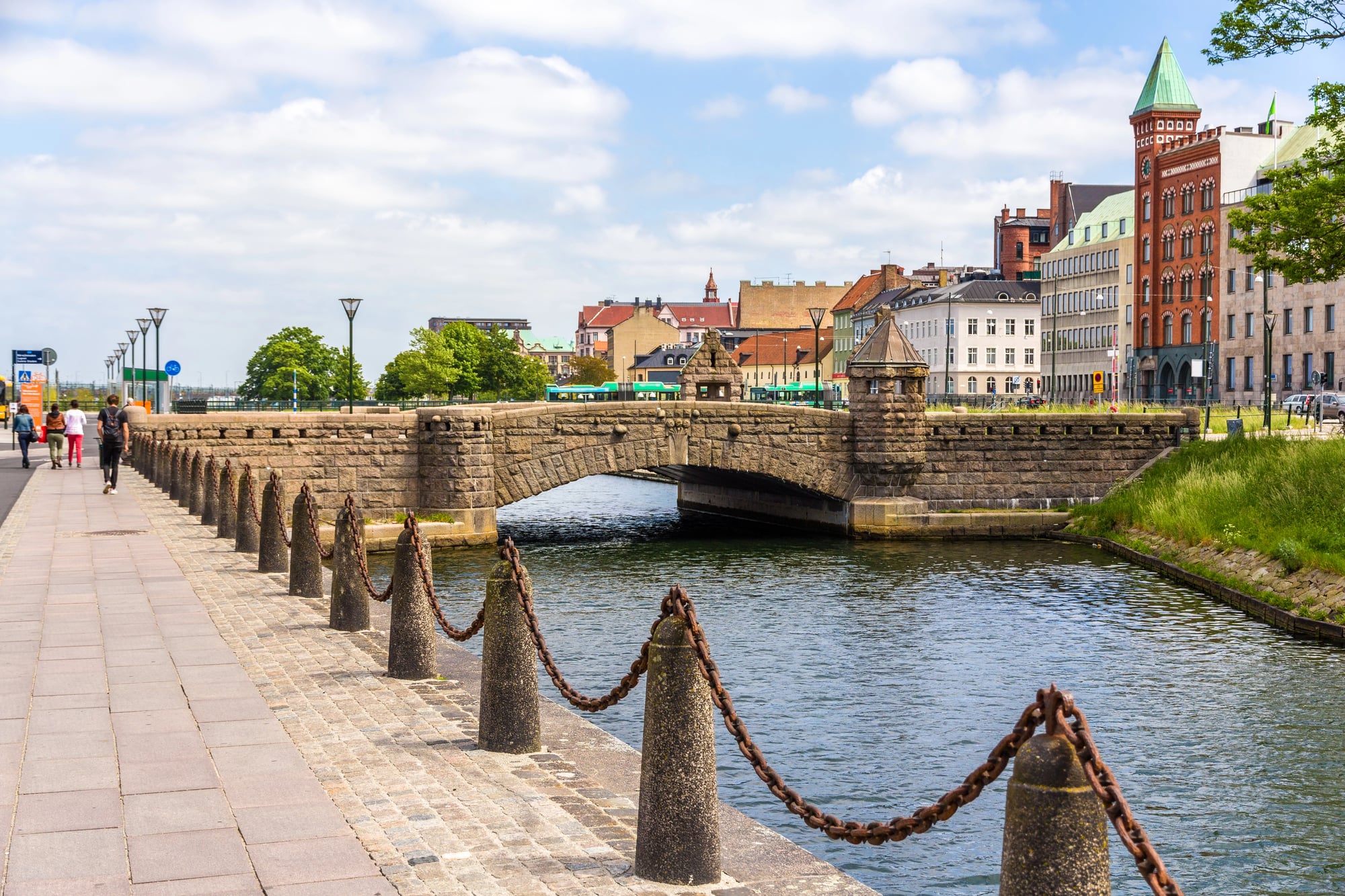
Malmö’s Western Harbour district used to be industrial wasteland — shipyards and concrete, the kind of place cities usually ignore until developers show up with bulldozers and grand plans that never quite deliver what they promise.
Instead, this became something different: a neighborhood that runs entirely on renewable energy, where every building meets strict environmental standards, where stormwater gets managed through green infrastructure instead of overwhelmed sewer systems.
The district generates its own energy through wind, solar, and geothermal sources, treats all its waste locally, and maintains green space ratios that make other urban developments look barren by comparison.
And yet walking through these streets, what strikes you isn’t the technology — it’s how normal everything feels, how the environmental systems fade into the background while people go about their lives in a place that just happens to work better than most.
The apartments fill up fast, despite strict environmental requirements for residents (extensive recycling, energy conservation, sustainable transportation). Turns out people want to live in places that make sense.
Reykjavik, Iceland
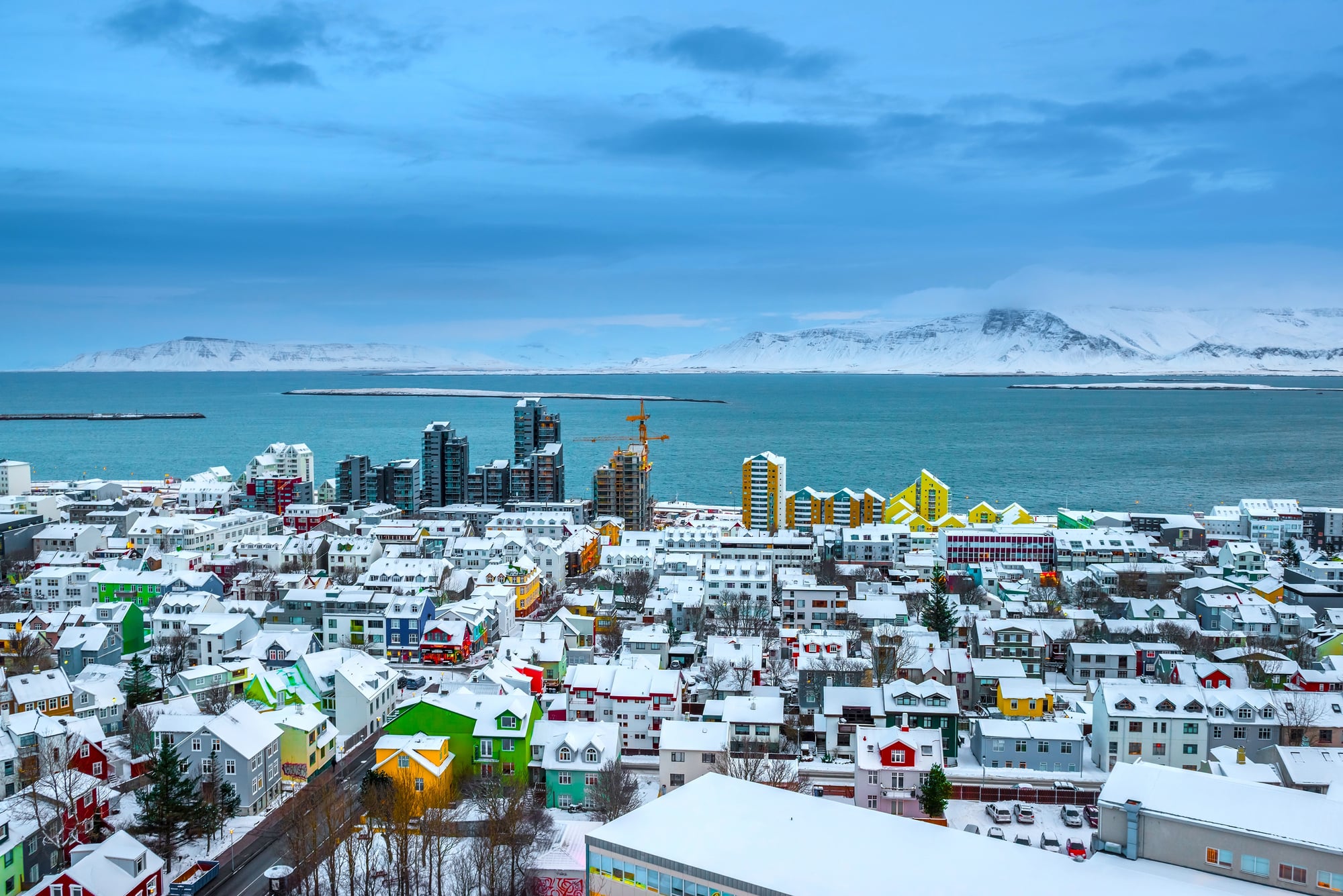
Geothermal energy is Reykjavik’s superpower. The earth heats the city for basically free.
Hot springs bubble up through the ground, and instead of just enjoying the spa benefits, the city captures that energy to warm homes, power buildings, and heat swimming pools year-round.
No coal, no oil, no guilt.
The city also runs on hydroelectric power and aims to be completely fossil fuel-free by 2040.
In the land of fire and ice, they chose fire — the kind that doesn’t burn down the planet.
Portland, Oregon
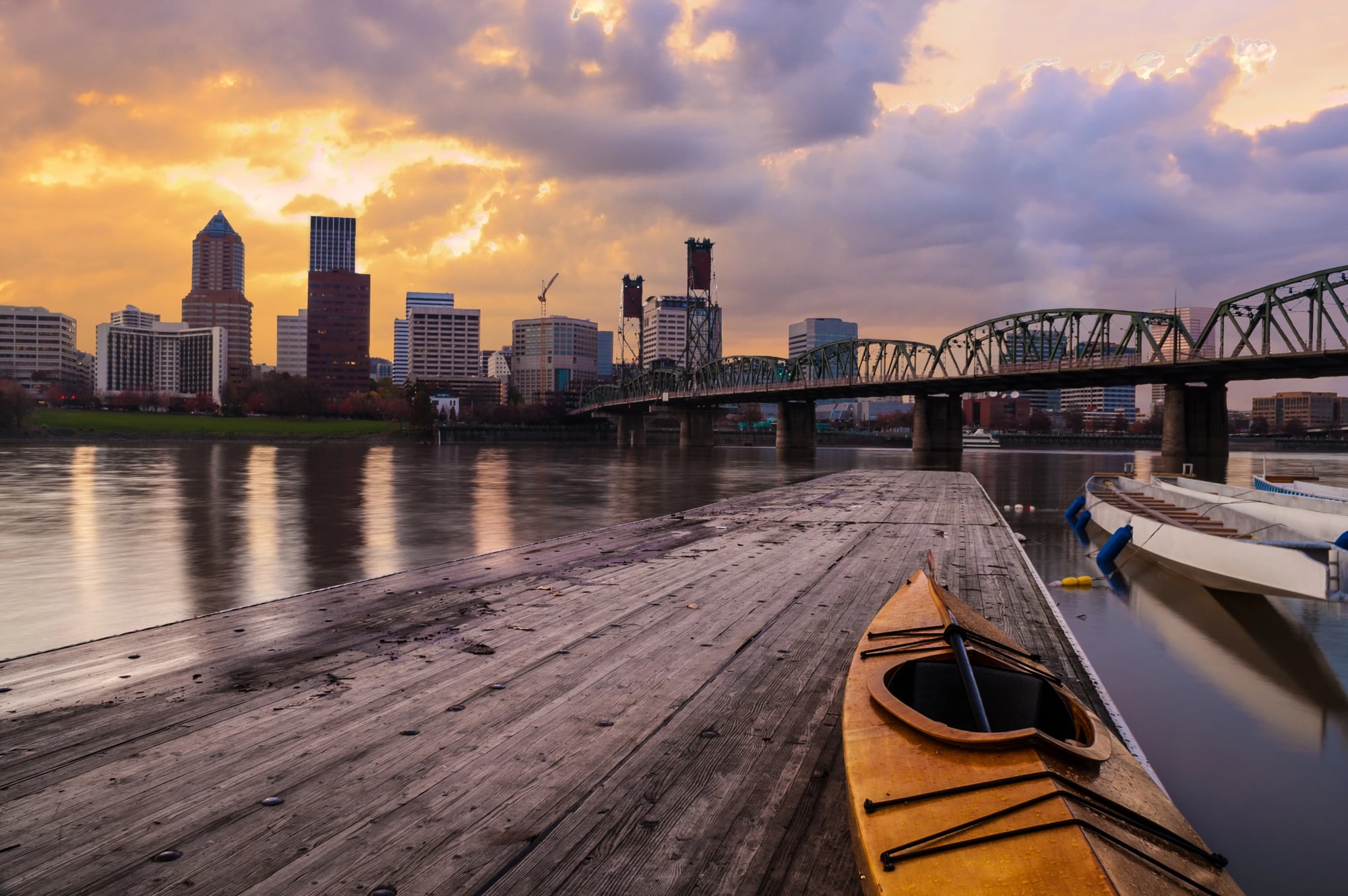
Portland treats urban planning like a slow-cooked meal — every ingredient matters, nothing gets wasted, and the result should nourish rather than just fill space.
The city’s urban growth boundary prevents suburban sprawl from devouring the surrounding farmland and forests, while inside that boundary, neighborhoods develop around walkability rather than parking lots.
Light rail connects districts through corridors lined with mixed-use development, the kind where you can live above the coffee shop and walk to work through tree-lined streets that manage stormwater through bioswales instead of storm drains.
Food carts cluster in former parking lots, community gardens occupy vacant lots, and bike infrastructure treats cyclists like they actually belong on the road.
But what makes Portland distinctive isn’t any single policy — it’s how all these pieces fit together into something that feels organic rather than imposed, the way a good neighborhood should grow around the rhythms of actual human life instead of the demands of automobile traffic.
And yet the city keeps growing, keeps densifying, keeps proving that environmental responsibility and urban livability don’t have to be competing interests.
The food scene thrives on local sourcing, the breweries run on renewable energy, and people compost like their lives depend on it. Because maybe they do.
Bogotá, Colombia
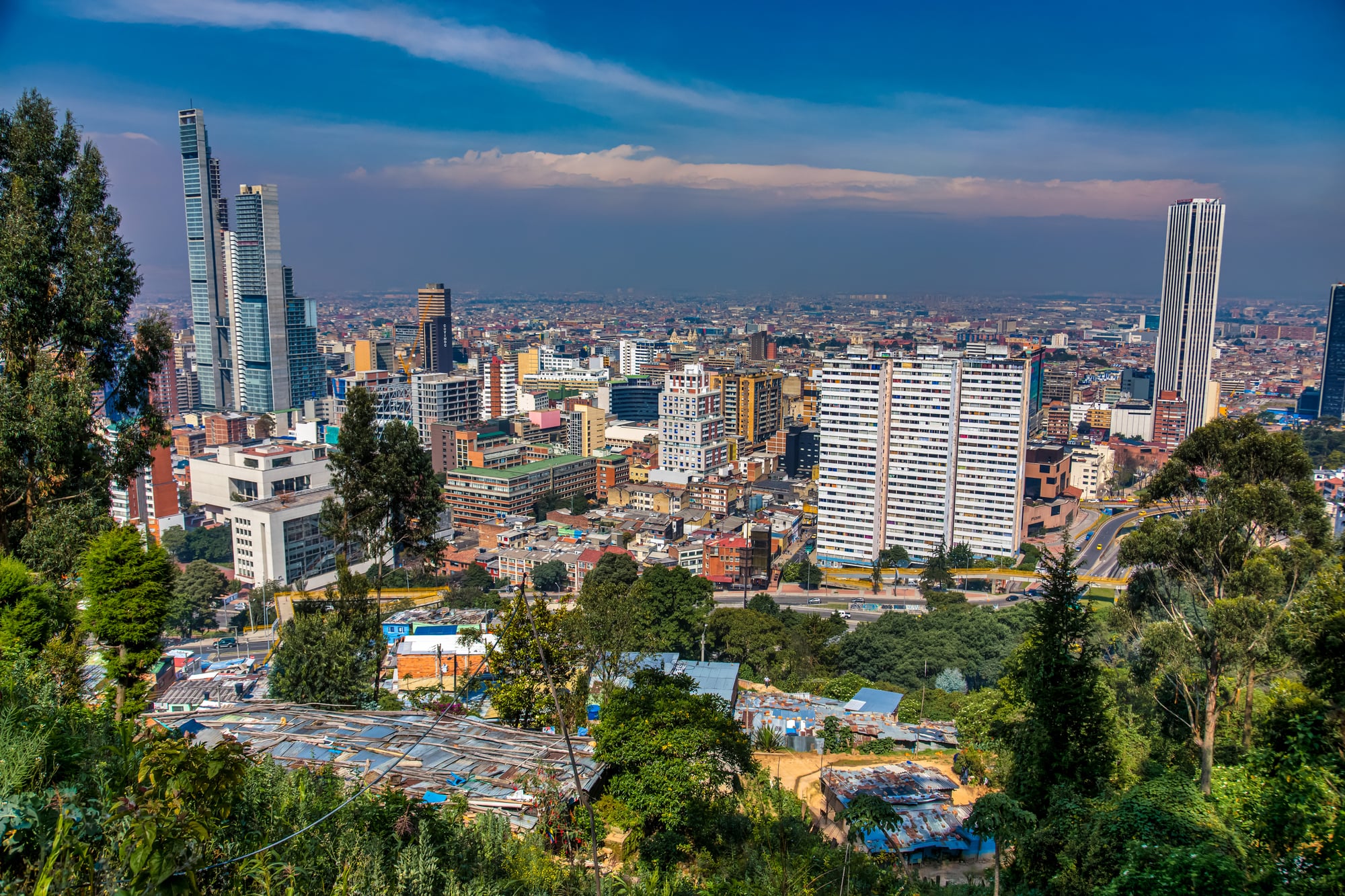
Bogotá proved that you don’t need unlimited budgets to revolutionize urban transportation. The TransMilenio bus rapid transit system moves millions of people daily through dedicated lanes that bypass car traffic entirely.
Every Sunday, the city closes major streets to cars and opens them to cyclists and pedestrians. Ciclovía transforms the urban landscape for a day, and people rediscover their city on foot and bike.
The mountains surrounding Bogotá trap pollution, so clean transportation isn’t optional — it’s survival. The city chose buses and bikes over gridlock and smog.
Smart choice.
Stockholm, Sweden
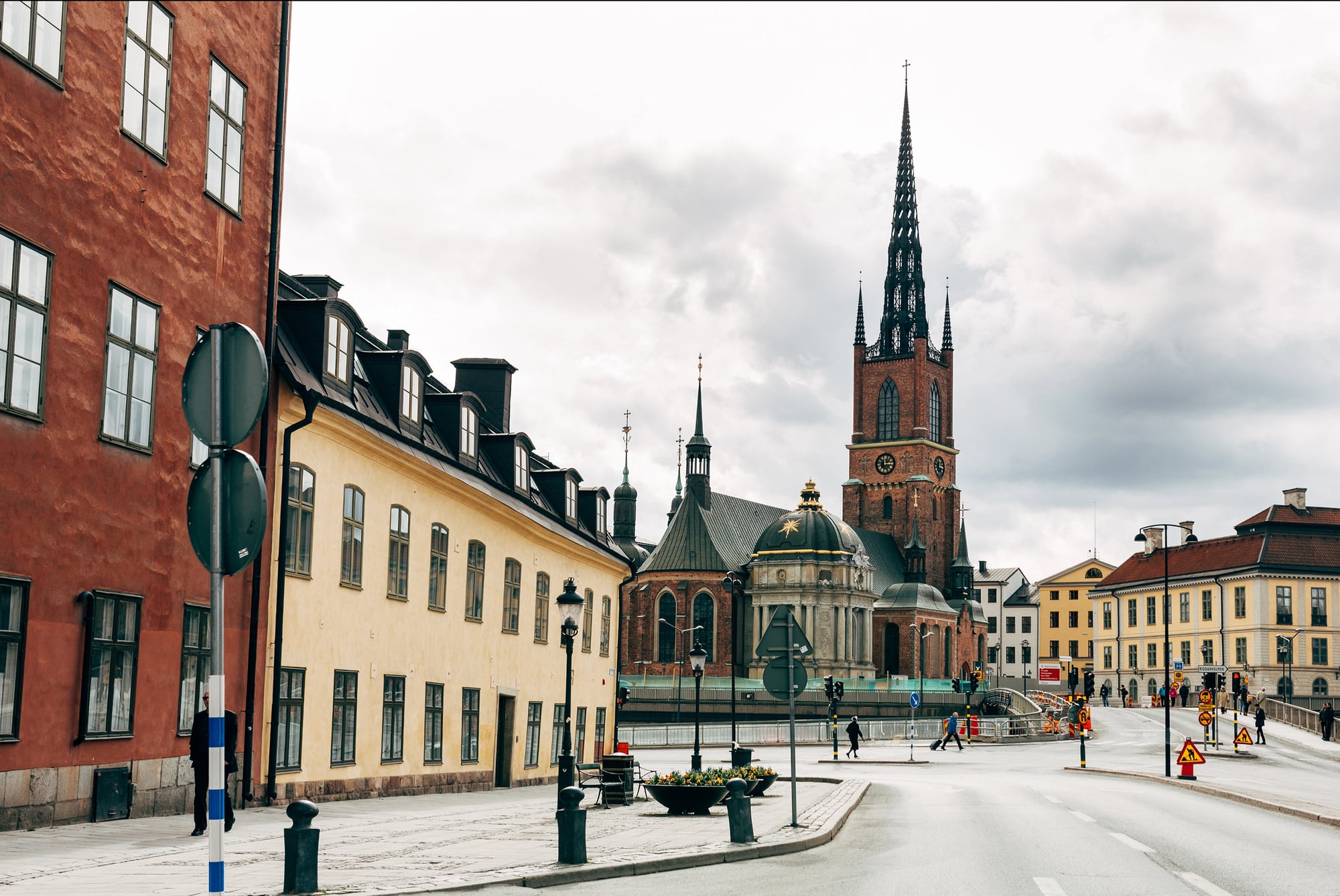
Stockholm decided to tax carbon emissions in the 1990s, back when climate action meant turning off lights and taking shorter showers.
Now the city cuts emissions while growing its economy, which apparently you can do when policy gets ahead of the problem instead of chasing it.
District heating systems capture waste heat from everything — power plants, data centers, even body heat from crowded subway stations.
Nothing gets wasted when waste becomes fuel.
The congestion pricing system charges drivers to enter the city center. Traffic dropped, air quality improved, and public transit ridership soared.
Money talks, even when it’s asking nicely for behavioral change.
Amsterdam, Netherlands
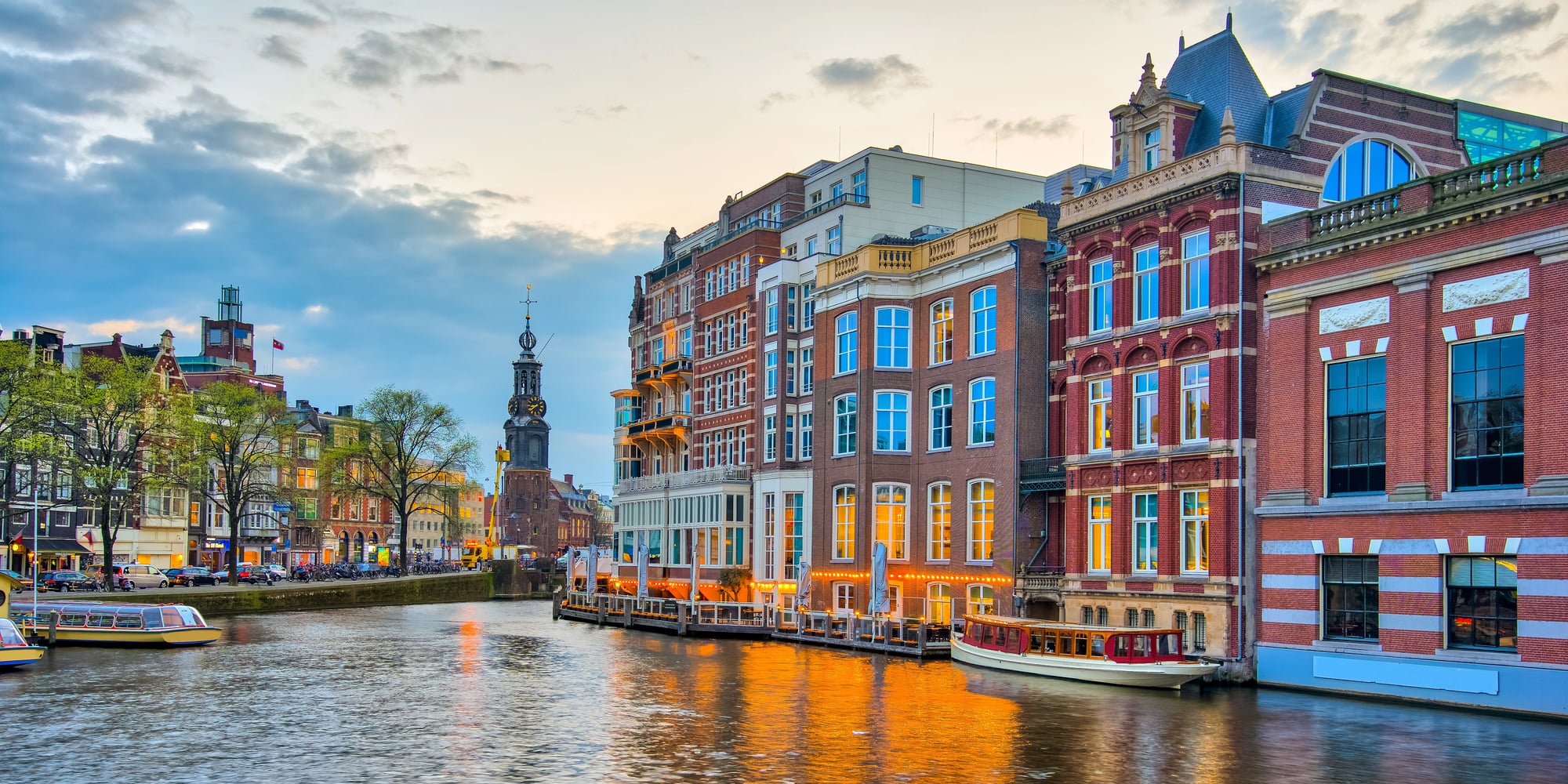
Amsterdam is what happens when a city surrenders to bicycles and discovers that surrender was actually victory — more bikes than residents, bike parking garages that stretch underground like automotive catacombs, bike lanes that connect every neighborhood to every other neighborhood without forcing cyclists to negotiate with car traffic for road space.
The city floats on water and functions despite (or maybe because of) geography that should make urban planning impossible, with canals that manage stormwater and provide transportation corridors while somehow also serving as the foundation for a tourism industry that never stops.
But walk these streets (or bike them, obviously) and what you notice isn’t the infrastructure — it’s how quiet everything is, how the air stays breathable despite the density, how the pace of life adjusts to human rhythms instead of internal combustion timing.
And that’s before you factor in the renewable energy targets, the circular economy initiatives, the building standards that prioritize energy efficiency, the waste management systems that turn trash into resources.
Houseboats line the canals, proving you can live on the water without destroying it. Floating neighborhoods adapt to rising sea levels instead of fighting them.
The city bends with the water instead of breaking against it.
Vancouver, Canada
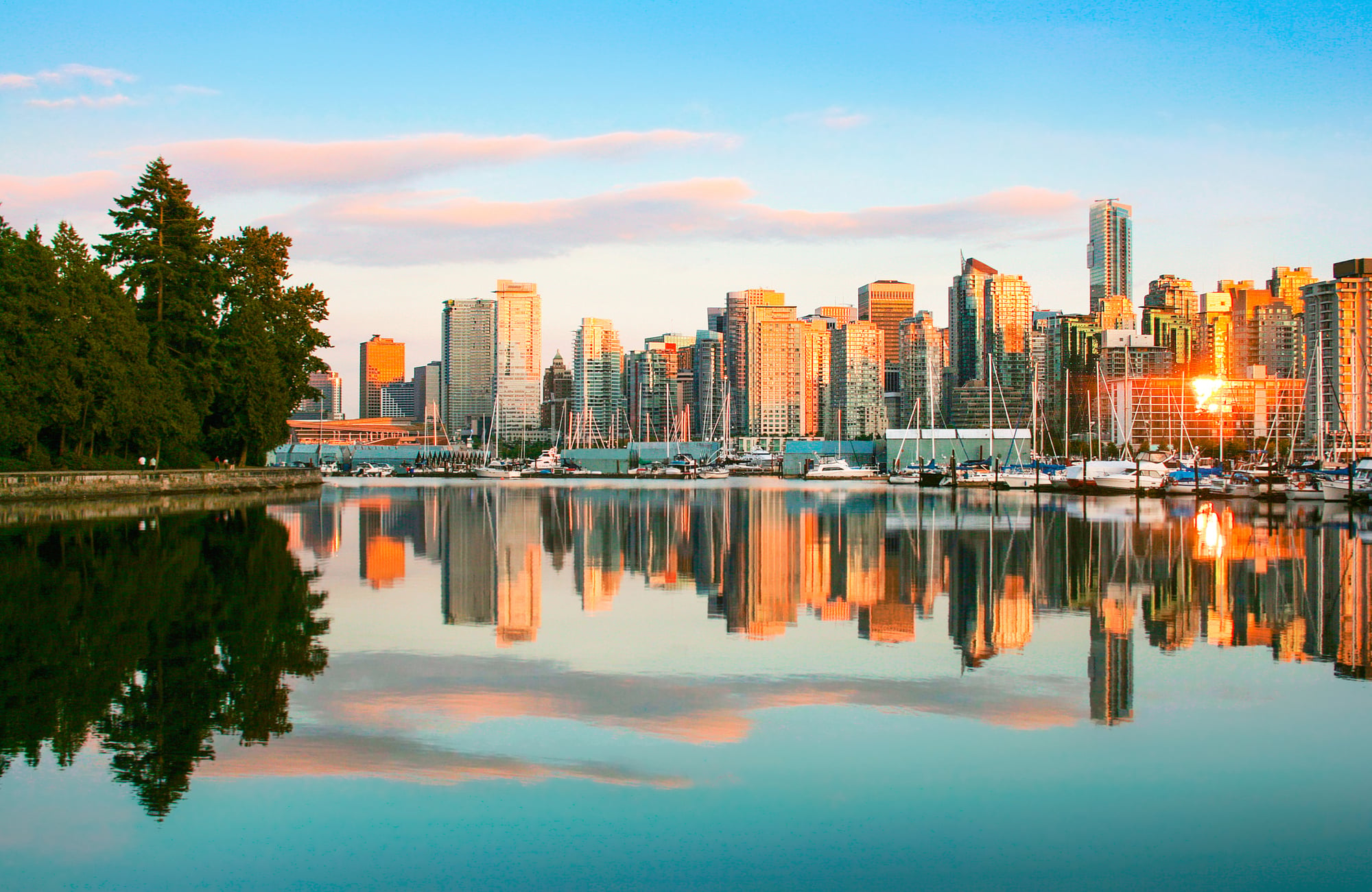
Vancouver sits between mountains and ocean like nature’s own urban planning experiment, and the city treats that geography as guidance rather than obstacle — green building standards that actually matter, energy systems that prioritize efficiency over convenience, transportation networks that assume people might want to walk or bike instead of spending their lives in traffic.
The seawall stretches for miles along the waterfront, connecting neighborhoods through green corridors that double as flood management and recreational space, while downtown density develops upward instead of sprawling outward into the surrounding forests and farmland.
But what makes Vancouver interesting isn’t the postcard scenery — it’s how environmental policy integrates into urban development without feeling like punishment or sacrifice, the way good policy should disappear into daily life until sustainable choices become the obvious choices.
And yet housing costs keep climbing, population keeps growing, and the city keeps proving that environmental responsibility and urban desirability don’t have to cancel each other out.
The city aims to be the greenest in the world by 2020. They’re running behind schedule, but the effort shows in the details — green roofs, electric vehicle charging stations, buildings that use less energy than they did last year.
Melbourne, Australia
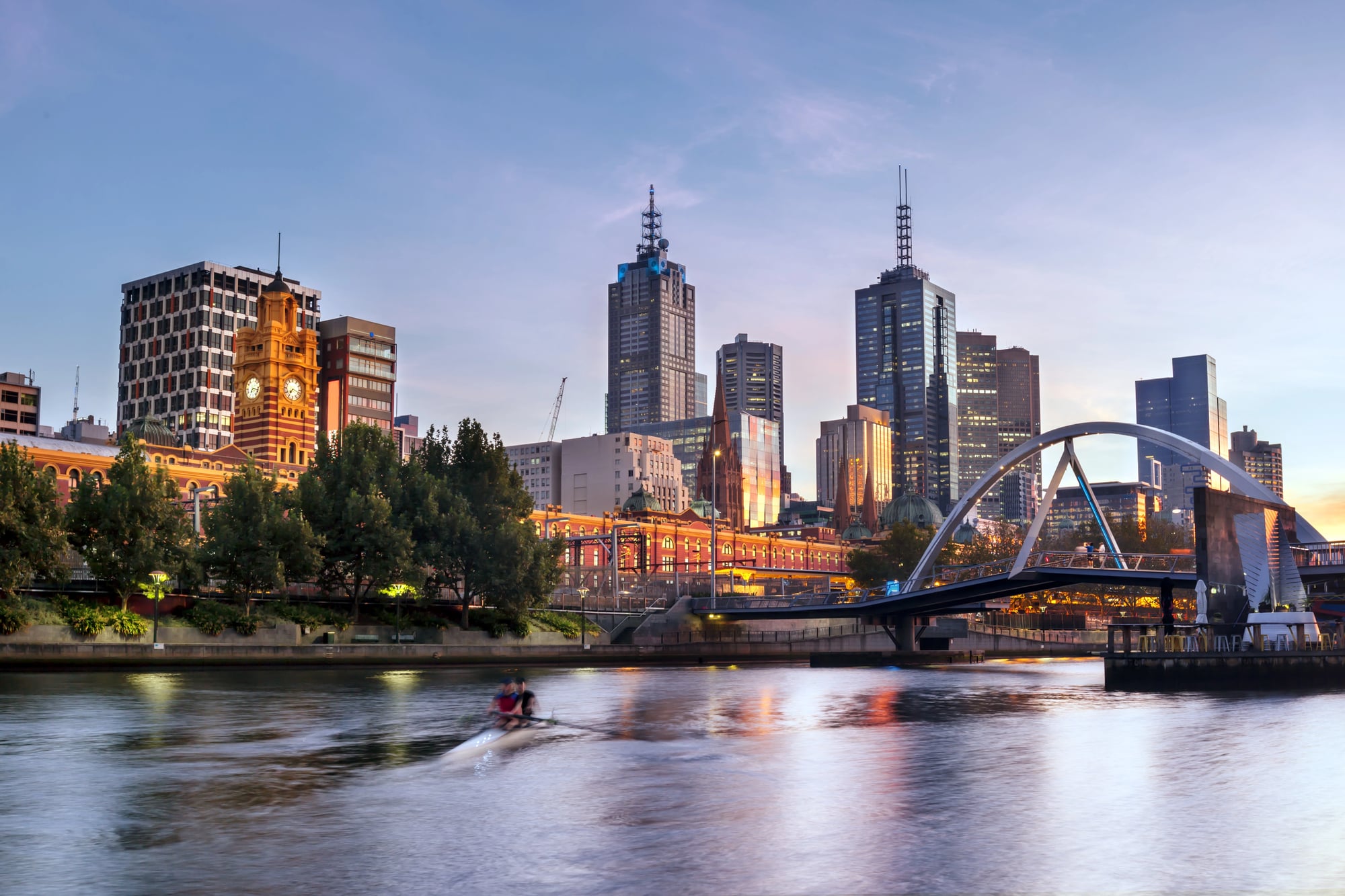
Melbourne’s lane culture runs deeper than coffee snobbery and street art, though both matter here — the city grows inward instead of outward, filling gaps and corners and forgotten spaces with everything from pocket parks to rooftop gardens to art installations that double as stormwater management.
Trams thread through every neighborhood like electric veins, connecting places without requiring a car or a parking space or the emissions that come with both.
The city’s green building standards push developers toward sustainability through a combination of incentives and requirements that actually work, while urban forest initiatives treat trees as infrastructure rather than decoration, the way cities should when air quality and urban heat island effects aren’t abstract policy concerns but daily reality for millions of residents.
But Melbourne’s real environmental victory might be cultural: the city makes sustainable choices feel normal instead of virtuous, convenient instead of sacrificial.
Public transport that actually works. Walkable neighborhoods that actually connect.
Green space that actually gets used.
Zurich, Switzerland
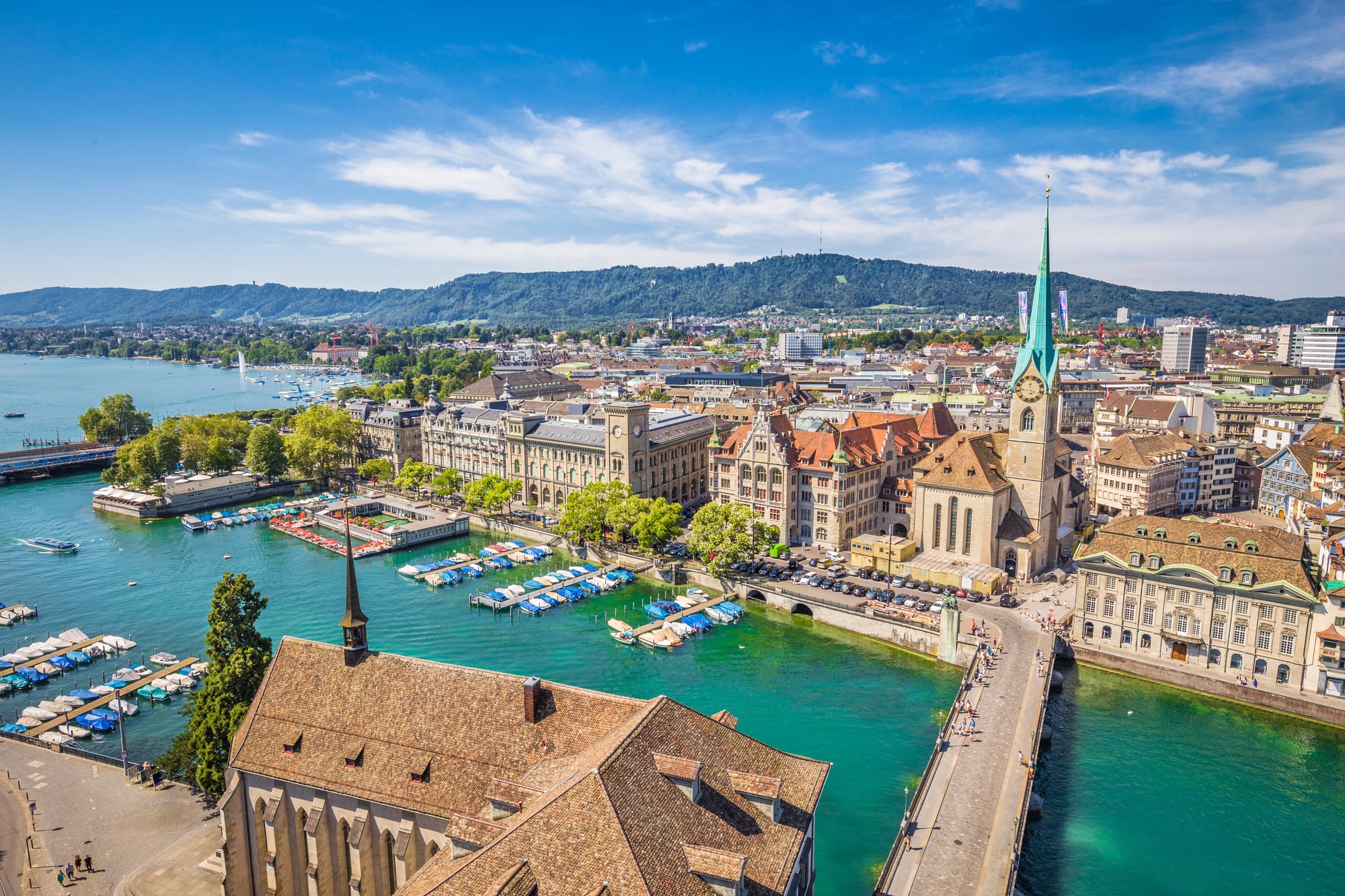
Zurich runs on hydroelectric power and Swiss precision. The city’s environmental standards are as exacting as their watch-making, which means everything works and nothing gets wasted.
Public transportation arrives on schedule, connects everywhere to everywhere else, and costs less than parking.
The infrastructure handles capacity without breaking down or slowing down. Swiss engineering applied to urban sustainability — predictable results.
The Limmat River runs clean through the city center. People swim in it during summer, which tells you everything about water quality standards.
When the river is swimmable, the city is doing something right.
A New Blueprint Emerges
These cities didn’t stumble into sustainability by accident or achieve it through wishful thinking. Each one made deliberate choices — about energy, transportation, waste, water, green space — and then built systems that made those choices inevitable rather than optional.
The technology exists. The financing mechanisms exist.
The planning knowledge exists.
What spreads now is something harder to quantify but easier to recognize: the understanding that cities can work with the planet instead of against it, and people actually prefer to live in places that make that kind of sense.
More from Go2Tutors!

- The Romanov Crown Jewels and Their Tragic Fate
- 13 Historical Mysteries That Science Still Can’t Solve
- Famous Hoaxes That Fooled the World for Years
- 15 Child Stars with Tragic Adult Lives
- 16 Famous Jewelry Pieces in History
Like Go2Tutors’s content? Follow us on MSN.