Animals That May Be Able to Predict Disasters
Your dog starts acting strange, pacing around the house and whining at the door. The birds outside suddenly go quiet. Farm animals refuse to enter their barns.
These behaviors might seem random, but throughout history, people have noticed animals behaving oddly right before natural disasters strike. Scientists still debate whether animals possess some sixth sense or if they’re simply more attuned to subtle environmental changes that humans miss. Either way, the stories are hard to ignore.
Dogs Detecting Earthquakes Before They Hit

Dogs have a reputation for sensing earthquakes minutes or even hours before the ground starts shaking. They bark excessively, run in circles, or try to escape the house.
Some regions have attempted to use dogs as early warning systems. Japan has documented cases where dogs acted strangely before major quakes. Whether they’re picking up on pre-tremors humans can’t feel or detecting changes in the Earth’s electromagnetic field remains unclear.
Elephants Fleeing Inland Before Tsunamis

The 2004 Indian Ocean tsunami provided some of the most compelling evidence of animal prediction. Elephants in Thailand and Sri Lanka broke their chains and headed for higher ground hours before the waves arrived.
Tourism workers reported that elephants carrying visitors suddenly stopped, turned around, and rushed inland despite attempts to guide them back. Many animals survived in areas where humans perished, suggesting they sensed something dangerous approaching from the sea.
Birds Abandoning Areas Before Severe Storms

Birds often disappear from an area 24 to 48 hours before major storms arrive. Entire flocks take off suddenly, leaving trees and power lines empty.
Some species can detect drops in barometric pressure that signal approaching weather systems. Golden-winged warblers in Tennessee famously left their breeding grounds and flew hundreds of miles south a day before a tornado outbreak devastated the area.
Snakes Leaving Their Dens Before Seismic Events

Chinese records dating back centuries mention snakes emerging from hibernation or fleeing their dens en masse before earthquakes. In 1975, officials in Haicheng evacuated the city partly based on reports of snakes behaving strangely.
Snakes live close to the ground where they might detect vibrations, electrical changes, or gas releases that precede earthquakes. Lab studies show that snakes become agitated under pre-earthquake conditions, thrashing around or trying to escape even when no visible threat exists.
Catfish Thrashing Before Earthquakes Strike

Japanese folklore connects catfish to earthquakes, and modern observations support this. Catfish become extremely active before quakes, swimming frantically and jumping out of the water.
Scientists think catfish might detect electrical field changes in water caused by pressure on underground rocks. Their bodies contain electroreceptors sensitive to tiny electrical variations. Farmers in earthquake-prone regions watch their catfish carefully as a warning sign.
Toads Deserting Breeding Grounds Days Before Quakes
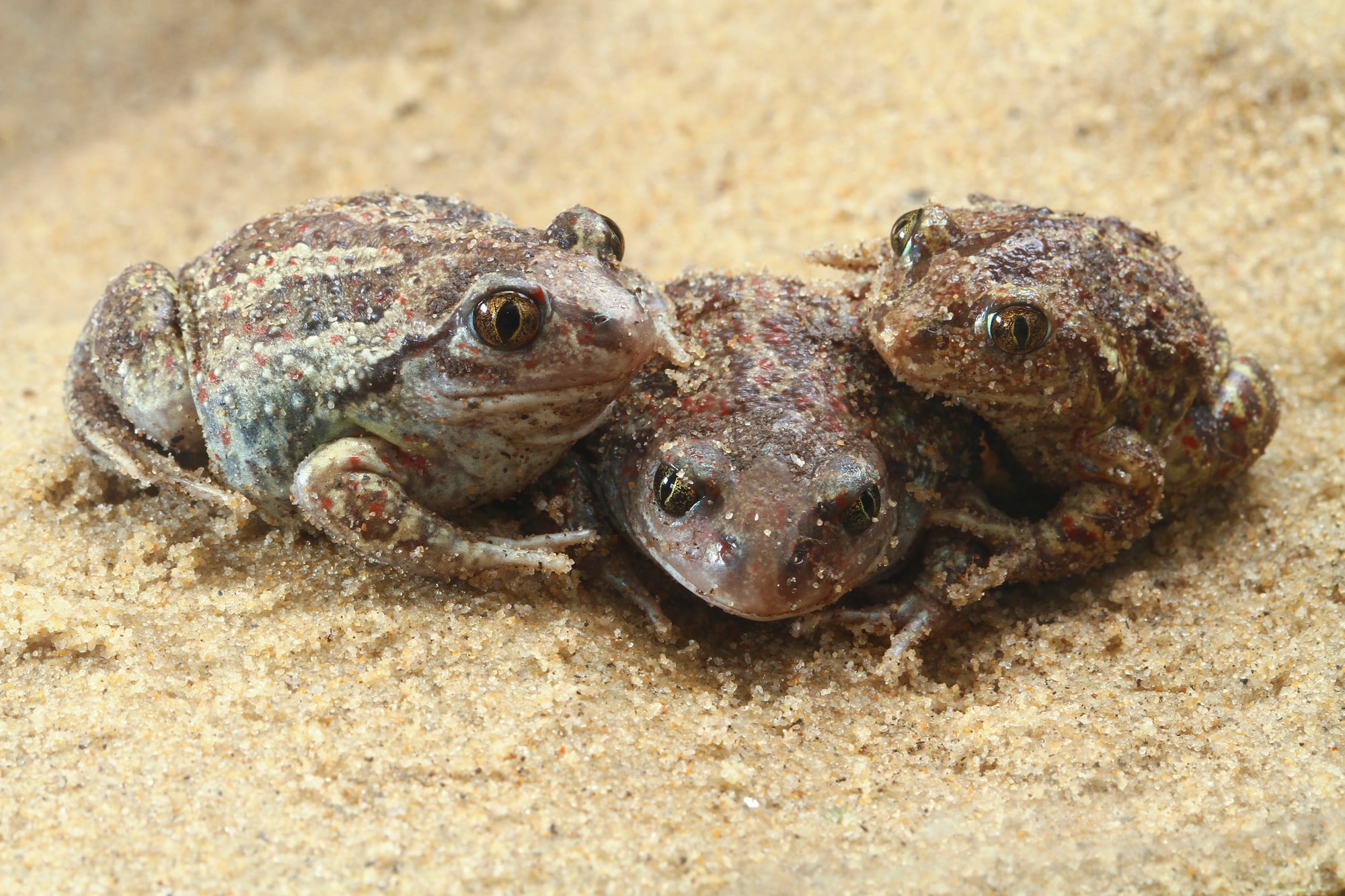
Toads abandoned their breeding pond in Italy five days before the L’Aquila earthquake in 2009. Researchers documented the sudden disappearance and its timing near the epicenter.
The toads might detect gases released from stressed rocks or changes in groundwater chemistry. Whatever the mechanism, they clearly sensed danger before humans could measure seismic data.
Bees Acting Erratically as Weather Shifts

Beekeepers watch their hives for signs of approaching storms. Bees become agitated and stop foraging when bad weather looms.
Bees sense humidity changes, air pressure drops, and electrical charge variations. Commercial beekeepers in tornado-prone areas report hives going quiet before severe weather hits.
Sharks Swimming to Deeper Waters Before Hurricanes

Tagged sharks in the Atlantic dive deeper and move away from the coast days before hurricanes make landfall.
Sharks detect pressure changes in the water and sense wave patterns and underwater currents that signal dangerous conditions. Their movements are deliberate, taking them away from the storm’s projected path.
Cattle Clustering Together Before Major Storms

Farmers observe cattle gathering in tight groups, facing the same direction, and becoming restless before storms.
This behavior appears across breeds and regions. Farmers sometimes trust their livestock more than weather forecasts, as the animals instinctively respond to danger approaching.
Ants Building Higher Mounds Before Floods

Ants modify their mounds before flooding occurs, building walls higher and plugging entrances days in advance.
Researchers believe ants detect humidity changes, air pressure drops, or soil chemical signals alerting them to rising water. Native American tribes traditionally used ant mound behavior to predict floods.
Wild Animals Fleeing Before Volcanic Eruptions

Animals leave areas around volcanoes days or weeks before eruptions. Birds, deer, and other wildlife abandon their territories.
They likely detect ground vibrations, gas emissions, or changes in water temperature and chemistry. Survival instincts drive them away long before humans recognize danger.
How They Sense What Humans Can’t
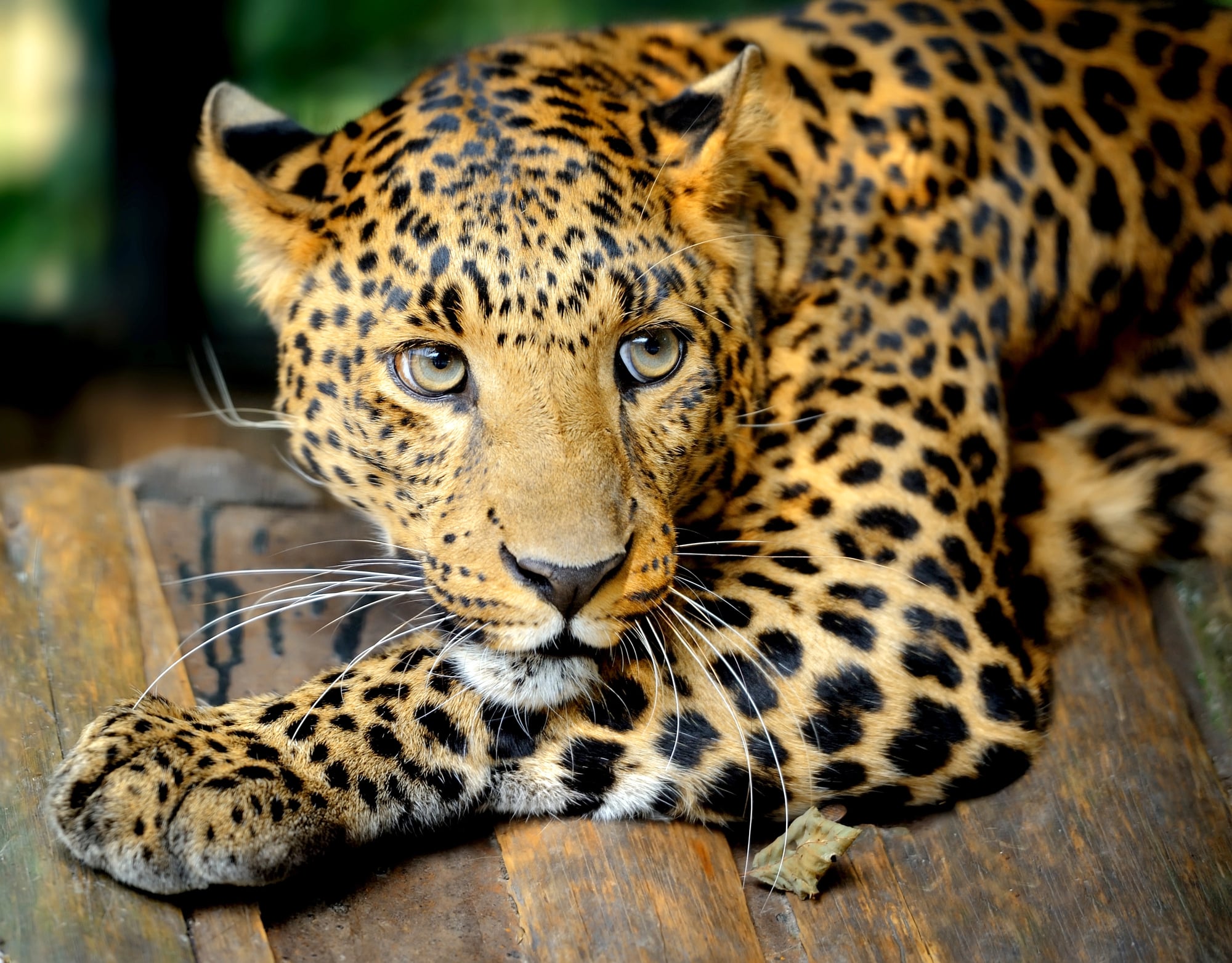
Some creatures sense things humans barely notice. Many detect infrasound—sound too low for our ears—which travels far across land, sea, and sky. Others sense electromagnetic fields, chemical changes, or gas emissions before disasters.
Animals react to these subtle cues instinctively, giving them an advantage over humans. Their behavior can serve as a natural early warning system if observed carefully.
When Nature Speaks Without Words

Look at the creatures nearby—they’re always tuned into their surroundings, reacting to cues your eyes and ears skip. Often they get scared or vanish for no obvious reason, cluster unusually, or make noises rarely heard.
Nature rarely shouts its warnings to humans, yet animals hear whispers meant for them. Observing these behaviors can give a precious head start before disasters strike.
More from Go2Tutors!

- The Romanov Crown Jewels and Their Tragic Fate
- 13 Historical Mysteries That Science Still Can’t Solve
- Famous Hoaxes That Fooled the World for Years
- 15 Child Stars with Tragic Adult Lives
- 16 Famous Jewelry Pieces in History
Like Go2Tutors’s content? Follow us on MSN.