Haunted Lighthouses Tied to Tragic Maritime Histories
Lighthouses have guided sailors safely to shore for centuries, but some carry darker legacies than others. The very nature of their purpose means they’ve witnessed countless maritime disasters — ships dashing against rocky coasts, vessels lost to sudden storms, and crews who never made it home.
These tragic events have left their mark, and many lighthouses are said to harbor the spirits of those lost at sea or the keepers who dedicated their lives to preventing such disasters.
The isolation of lighthouse keeping, combined with the emotional weight of witnessing maritime tragedies, created perfect conditions for supernatural legends to flourish. Stories passed down through generations tell of phantom ships appearing in the fog, mysterious lights flickering in abandoned towers, and the sounds of long-dead keepers still tending their watch.
Whether you believe in ghosts or not, these tales reveal the profound human cost of maritime life and the psychological toll taken on those who stood guard over dangerous waters.
Heceta Head Lighthouse, Oregon

The gray lady walks the halls of the lighthouse keeper’s quarters, and she’s been doing it for decades. Visitors report seeing her figure in the upstairs window.
Workers find doors that were locked the night before standing wide open.
She’s believed to be the spirit of a lighthouse keeper’s wife whose infant daughter died and was buried somewhere on the grounds. The exact location of the grave was lost to time, leaving a mother’s spirit restless.
Eastern State Penitentiary Light Station, Maine
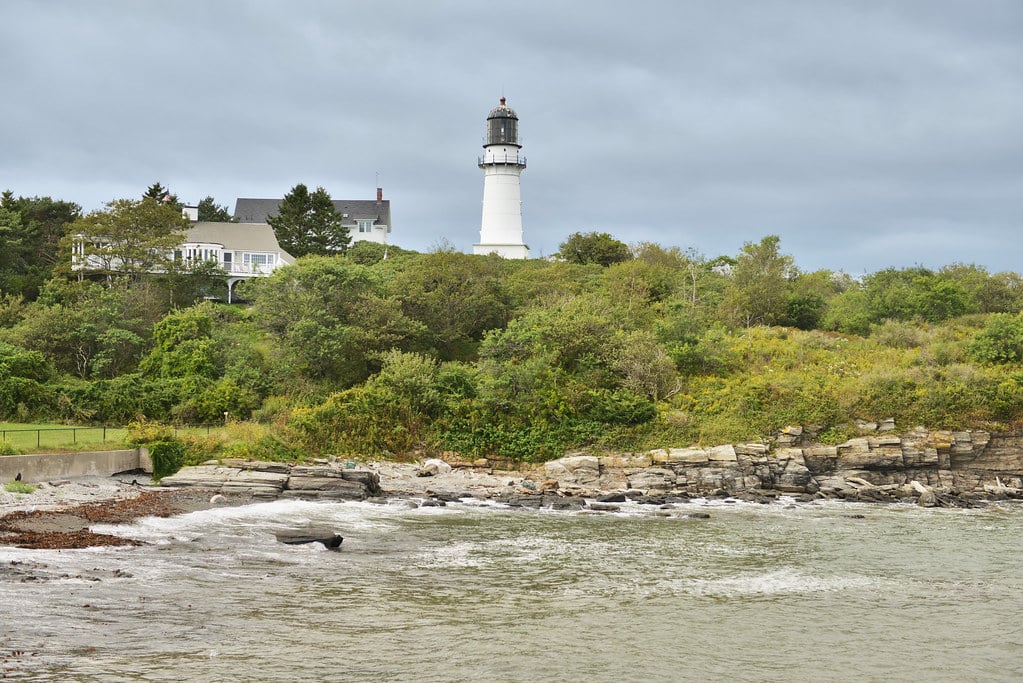
This lighthouse sits on an island where a prison once stood (the connection becomes clear when you realize how isolated and forbidding the location truly is), and the tragic history layered here runs deeper than most places can bear — prisoners who died in harsh conditions, ships that wrecked trying to reach the island, and lighthouse keepers who went mad from the isolation all contribute to what locals describe as an oppressive atmosphere that seems to press against you the moment you step onto the rocky shore. The lighthouse beam, when it operated, was said to flicker erratically on certain nights, and even now, decades after automation, people report seeing lights where none should be.
So the stories persist, passed down through generations of fishermen who give the island a wide berth after dark.
Seguin Island Light, Maine

Picture a music box that plays the same tune forever, even after you’ve thrown it away. That’s what happened here, only the music never stops and there’s no box to break.
A lighthouse keeper’s wife, isolated on the windswept island, begged her husband for a piano to ease her loneliness. He ordered one, shipped at great expense to their remote station.
She learned to play only one song, practicing it obsessively through the long winter months. The repetition drove her husband to madness.
In a fit of rage, he destroyed the piano with an axe, then killed his wife and himself.
Visitors to Seguin Island still hear piano music drifting from the lighthouse on quiet nights. Always the same melody, played over and over again.
St. Augustine Lighthouse, Florida
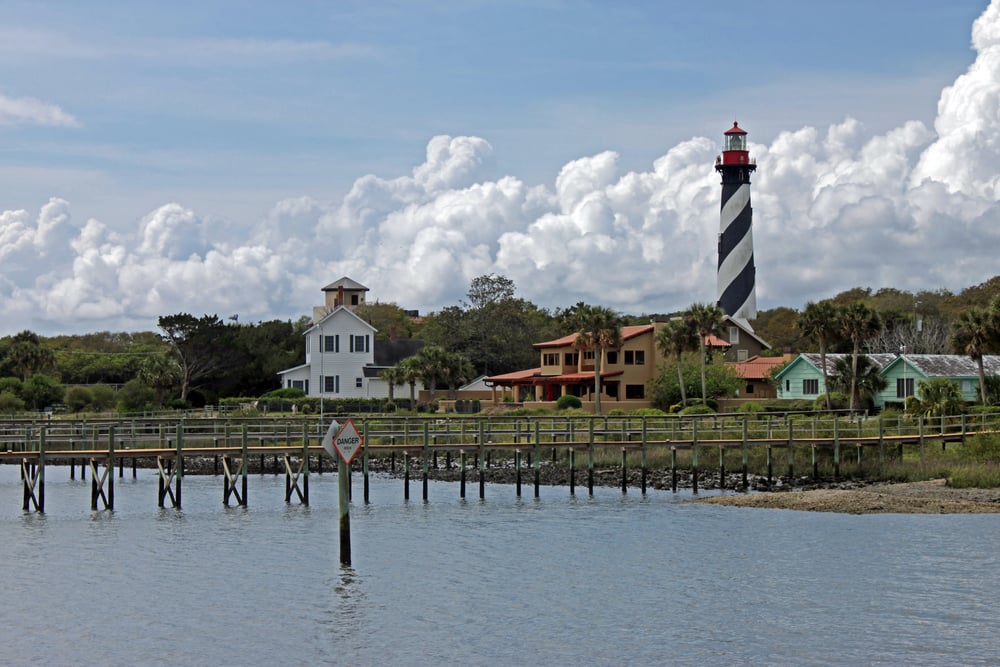
The lighthouse keeper here takes his job seriously — too seriously for someone who died over a century ago. He still climbs the stairs each night, his footsteps echoing in the tower.
Visitors hear the heavy boots ascending the spiral staircase, but when they look, no one’s there.
The lighthouse was built on a foundation of tragedy. During construction, a cart carrying supplies and several children broke through a wooden platform, plunging them into the water below.
Three girls drowned, and their laughter now echoes around the lighthouse grounds on summer evenings.
Yaquina Bay Lighthouse, Oregon

Muriel Trevenard was sixteen when she vanished from this lighthouse in 1874, or so the story goes (though historians argue about whether she ever existed at all, which somehow makes the haunting more unsettling rather than less) — she was supposedly exploring the abandoned lighthouse with friends when she went upstairs alone and never came back down, leaving behind only a bloodstain on the floor and the sound of her voice calling for help on foggy nights when the wind carries just right across the bay. The lighthouse had been decommissioned, standing empty and dark, which meant her cries went unanswered that night and continue to go unanswered now.
And yet people keep hearing them, decade after decade, always coming from the upper floors of the tower where no one is supposed to be.
Point Lookout Lighthouse, Maryland
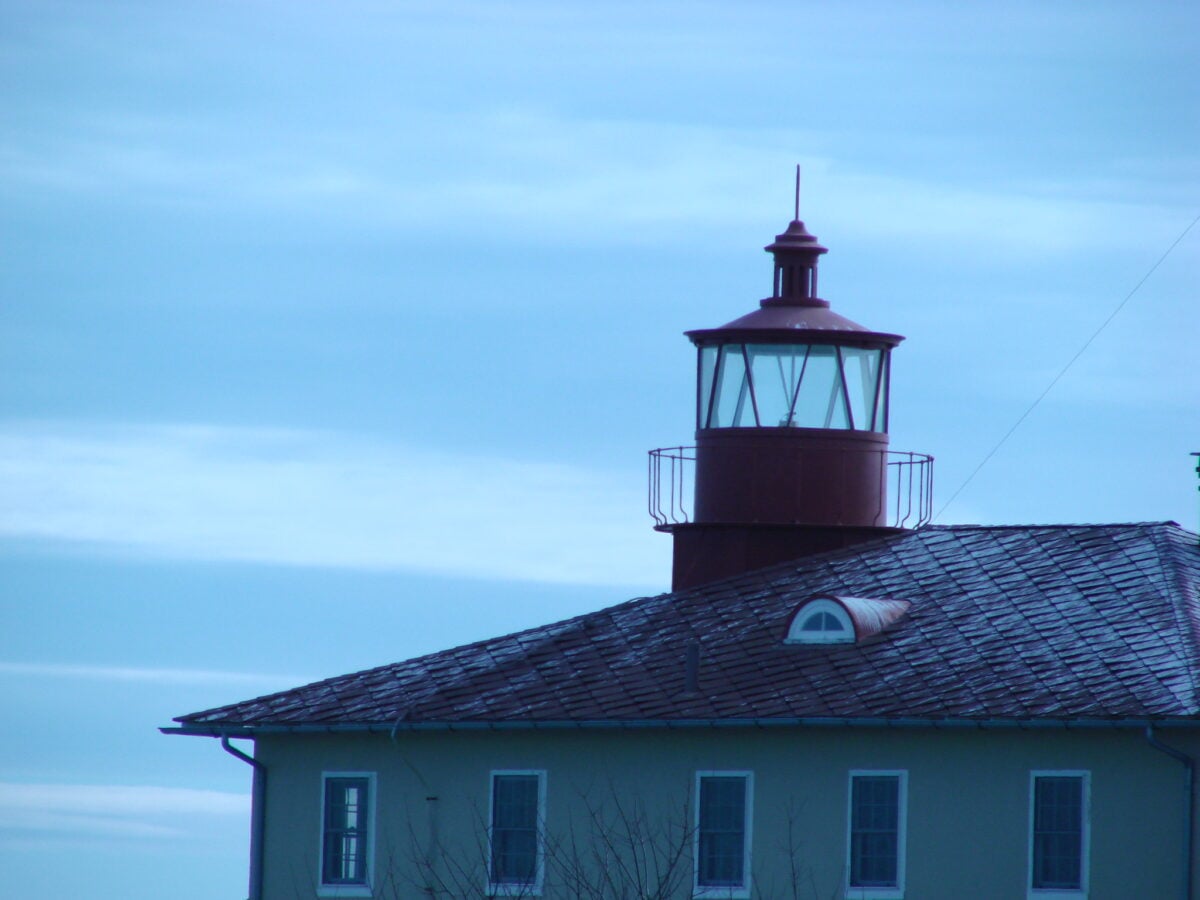
The Civil War turned this lighthouse into a Union hospital and prison camp. Thousands of Confederate soldiers died here from disease, wounds, and harsh conditions.
Their bodies were buried in unmarked graves around the lighthouse grounds.
The paranormal activity here is relentless. Visitors report sudden temperature drops, the smell of gunpowder and death, and the sounds of men in agony.
Electronic equipment fails without explanation. Photographs reveal strange figures and unexplained lights.
Fairport Harbor West Breakwater Light, Ohio
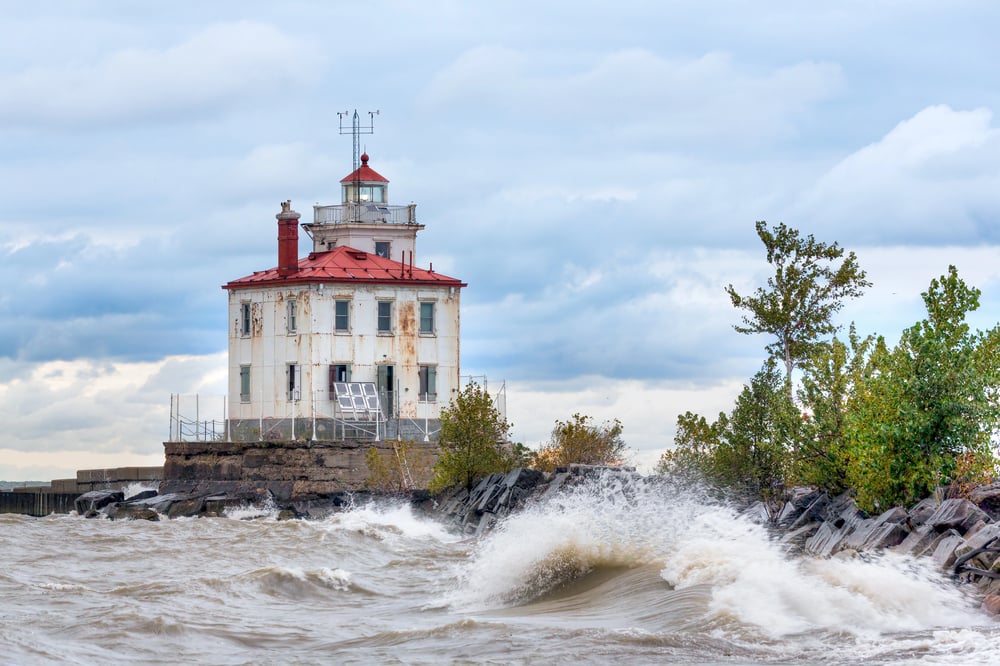
She sits in the window of the lighthouse, gray and gaunt, watching for ships that will never come home. The Gray Lady of Fairport Harbor has been spotted countless times over the decades, always in the same position, always with the same expression of endless waiting.
The lighthouse keepers who lived here reported finding strange gray hairs throughout the building, though no elderly woman lived on the premises. The smell of lavender would fill rooms suddenly, then disappear just as quickly.
When the lighthouse was automated, workers found the body of a gray cat in the walls — a cat that had been seen roaming the lighthouse for years after its apparent death.
Owls Head Light, Maine
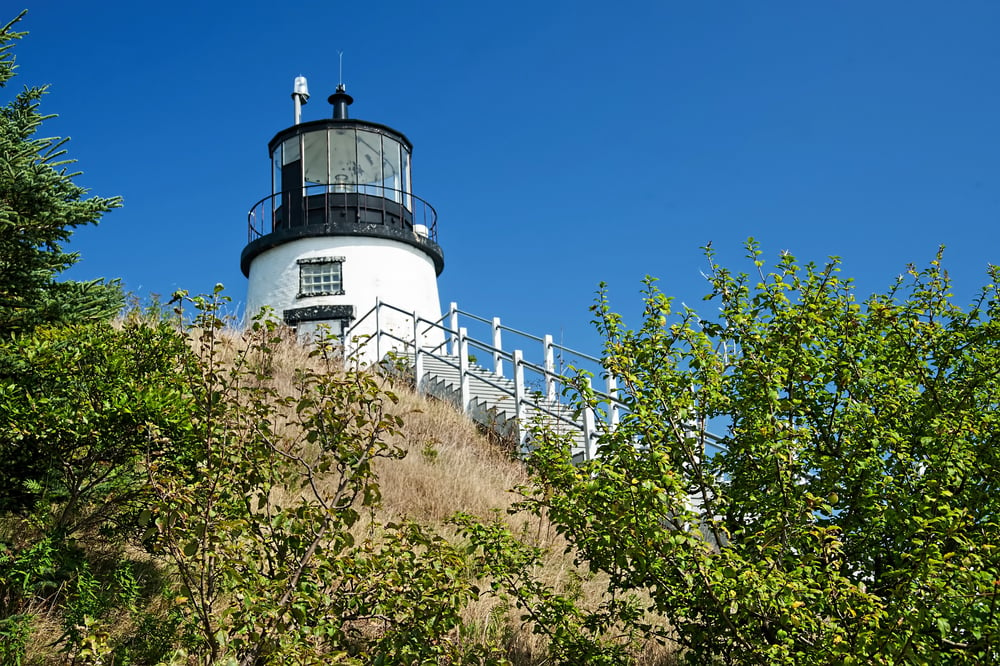
The lighthouse keeper here refuses retirement, and death hasn’t changed his work ethic one bit — he still tends the light, polishes the brass, and makes sure everything runs according to his exacting standards, which creates problems for the Coast Guard personnel who officially maintain the station now and find their work mysteriously completed before they arrive, or sometimes undone if it doesn’t meet the ghostly keeper’s approval. Fog signals operate themselves on clear nights.
Doors that were left open are found closed and locked. But the most unnerving part happens when modern keepers arrive to find their duties already performed to perfection: brass polished to a mirror shine, floors swept clean, equipment maintained with a precision that suggests someone cares deeply about this lighthouse.
Too deeply to let death interfere.
Battery Point Lighthouse, California
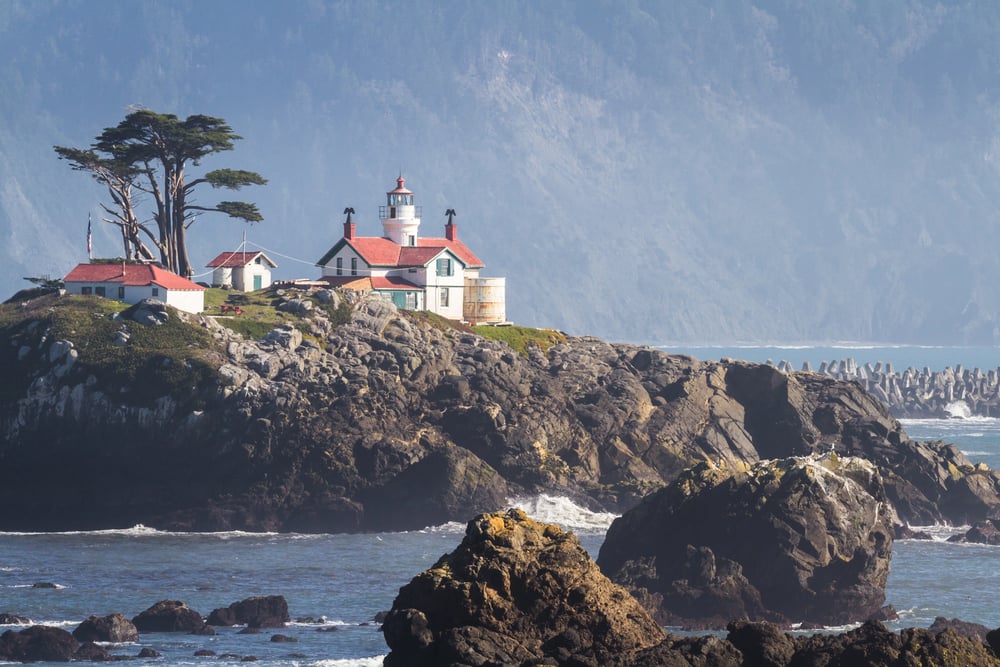
The lighthouse sits on a small island, accessible only at low tide. During high tide, it becomes completely cut off from the mainland — a isolation that proved fatal for several keepers over the years.
The current ghostly resident is believed to be a former keeper who died of a heart attack while stranded during a particularly violent storm. Visitors report seeing his figure in the lantern room, still trying to keep the light operational.
The lighthouse is now a museum, but the phantom keeper apparently doesn’t realize his shift is over.
White River Light Station, Michigan
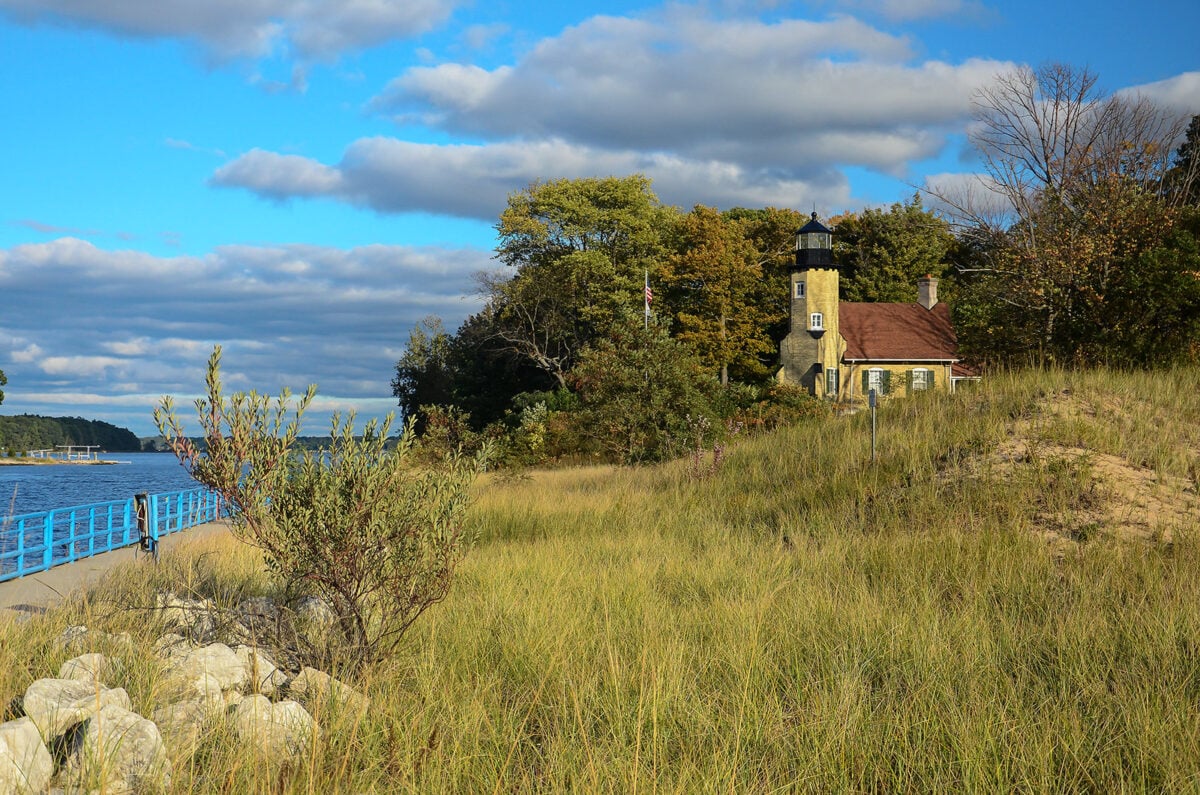
Captain William Robinson ran this lighthouse for 47 years until his death in 1919. His dedication to the job was legendary — and apparently permanent.
Robinson’s ghost is remarkably active. He’s been seen walking the grounds, checking the light, and even greeting visitors at the door.
Unlike many lighthouse spirits, Robinson seems pleased to have company.
He’s known to pose for photographs, appearing as a translucent figure in period clothing. The lighthouse is now a museum, and Robinson appears to enjoy his role as host, making sure guests feel welcome in his domain.
Ram Island Ledge Light, Maine
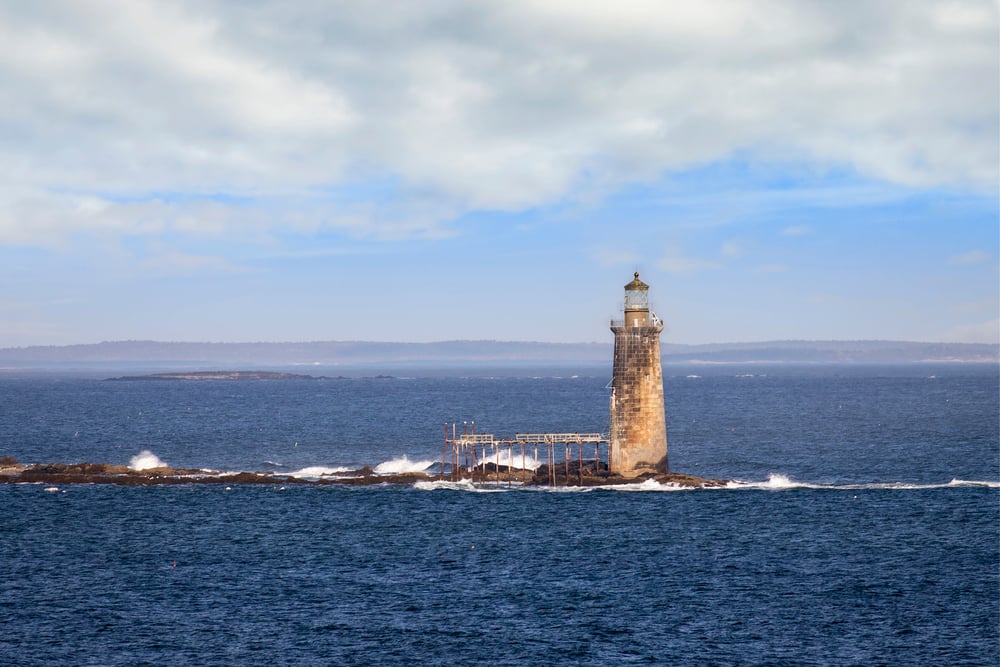
This lighthouse sits on a tiny outcrop of rock barely large enough to support the tower. The isolation drove more than one keeper to madness, and at least two keepers died here under mysterious circumstances.
The lighthouse is automated now, but Coast Guard personnel who service the equipment report feeling watched constantly. Tools go missing and reappear in impossible locations.
The sound of someone walking around the small platform can be heard even when no one else is present. The beam itself sometimes operates independently of its electronic controls, as if someone is still manually tending the light.
Cape Hatteras Lighthouse, North Carolina
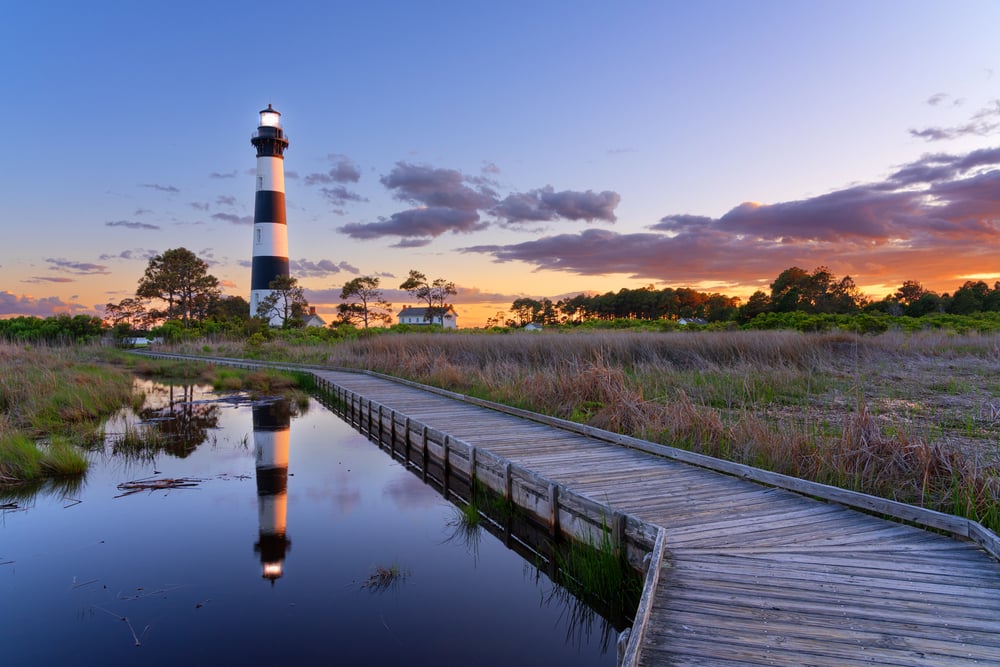
The graveyard of the Atlantic lies offshore from this lighthouse, where hundreds of ships have foundered on the treacherous Diamond Shoals. The lighthouse has witnessed more maritime disasters than perhaps any other in America, and the weight of all that tragedy seems to have soaked into the structure itself.
Visitors climbing the 248 steps to the top report feeling an overwhelming sense of sadness that intensifies with each level. Some hear voices calling for help that seem to come from the ocean.
The lighthouse beam occasionally reveals phantom ships sailing through the night sky, ghostly vessels still trying to navigate the dangerous waters that claimed them.
Split Rock Lighthouse, Minnesota
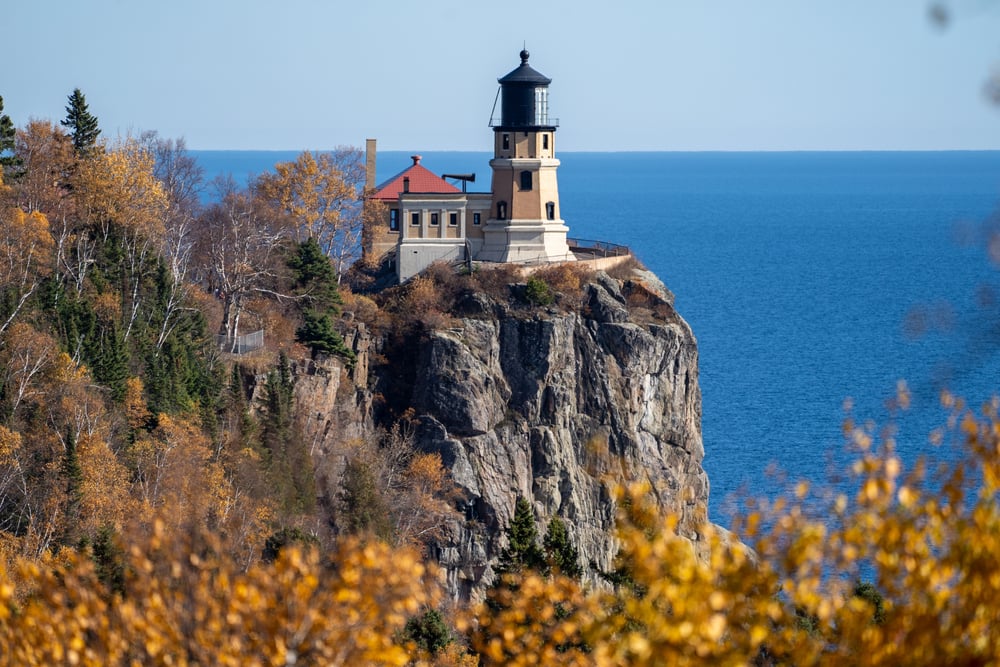
The lighthouse overlooks Lake Superior, which has claimed more ships than any of the Great Lakes. The Edmund Fitzgerald went down in these waters, along with hundreds of other vessels over the centuries.
On November 10th each year — the anniversary of the Edmund Fitzgerald disaster — the lighthouse beam is lit in remembrance. But visitors report seeing additional lights that shouldn’t be there: phantom vessels sailing past the lighthouse, their running lights glowing eerily before vanishing into the darkness.
The lighthouse keeper’s quarters are now a museum, but staff members refuse to work alone, reporting the sound of footsteps from empty rooms and doors that open by themselves.
Currituck Beach Lighthouse, North Carolina
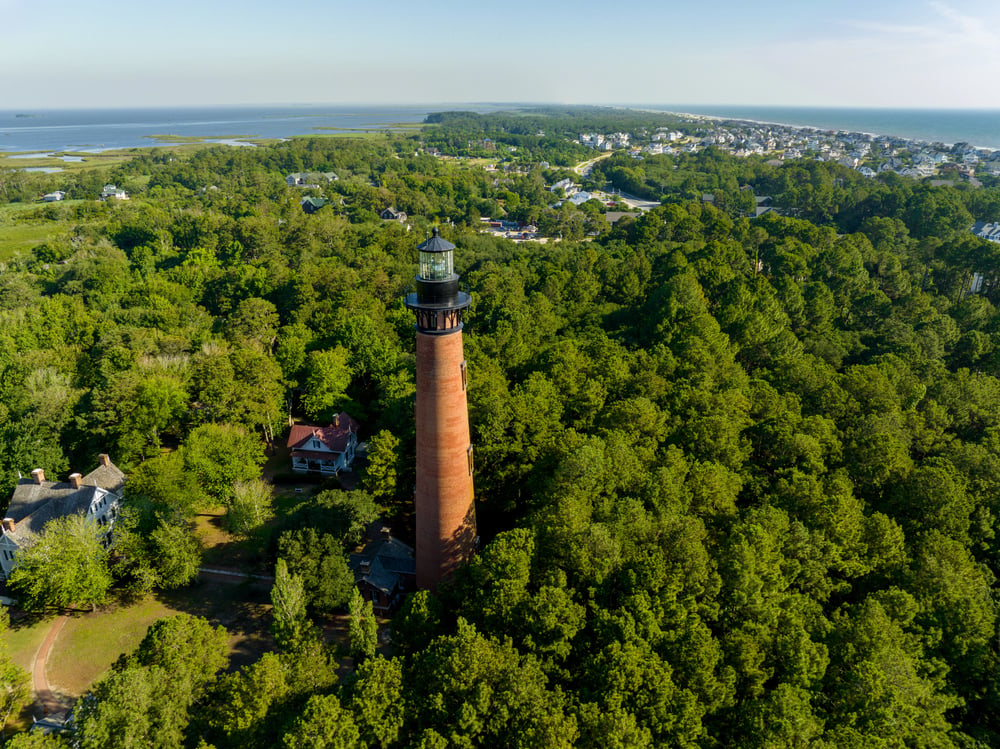
This lighthouse was built in 1875 to fill a dark gap along the coast where no light guided ships safely past the dangerous shoals. Before its construction, countless vessels ran aground in this area, their crews often perishing in the surf.
The lighthouse is haunted by the victims of those early shipwrecks — sailors who died before the light could save them. Their voices can be heard on stormy nights, calling out warnings to ships that pass in the darkness.
Visitors climbing the lighthouse stairs sometimes encounter cold spots and the overwhelming smell of seawater, even on calm days when the ocean is barely visible.
A Vigil That Never Ends
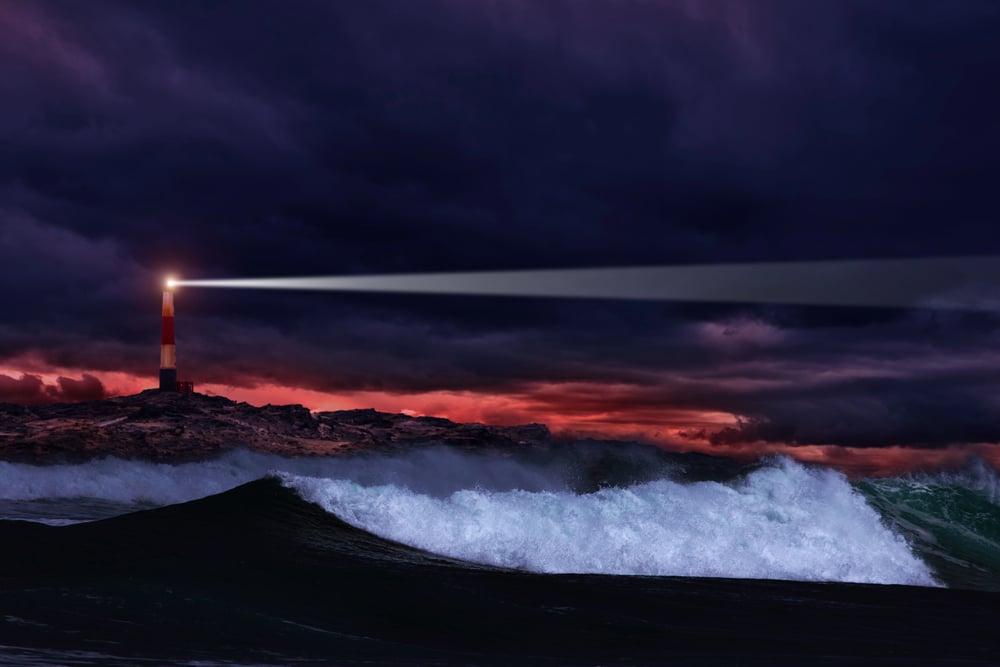
These lighthouses stand as monuments to both salvation and tragedy, their lights cutting through darkness that seems to hold more than just the dangers of rocky coastlines and hidden shoals. The keepers, both living and dead, continue their watch — some having transcended death itself to maintain their posts.
Their stories remind us that some duties run deeper than life, and some lights refuse to be extinguished, no matter how many years pass or how many hands let go of the controls.
More from Go2Tutors!

- The Romanov Crown Jewels and Their Tragic Fate
- 13 Historical Mysteries That Science Still Can’t Solve
- Famous Hoaxes That Fooled the World for Years
- 15 Child Stars with Tragic Adult Lives
- 16 Famous Jewelry Pieces in History
Like Go2Tutors’s content? Follow us on MSN.