What Really Happened the Night the Titanic Went Down According to Crew Logs
There’s something about the Titanic that refuses to stay buried. More than a century of documentaries, books, and expeditions, and people are still turning over the same questions — what did the crew know, when did they know it, and what choices did they make in those final hours.
The ship’s officers kept logs. Wireless operators sent messages.
Lookouts wrote reports. And what those records reveal is messier, stranger, and more human than the cinematic version most people carry around in their heads.
This is what the paperwork says.
The Wireless Warning Traffic
Six separate iceberg warnings reached the Titanic on April 14, 1912, before the ship struck the berg at 11:40 p.m. — and the crew logs confirm that most of them were received, acknowledged, and then essentially set aside.
Wireless operator Jack Phillips, who was focused on clearing a backlog of passenger messages to Cape Race, reportedly told the Mesaba at one point to “keep out” when that ship tried to relay critical ice position data.
The logs from the Californian also show that vessel’s wireless operator attempted contact around 11:00 p.m. and was cut off, then shut down for the night.
The Lookouts Had No Binoculars
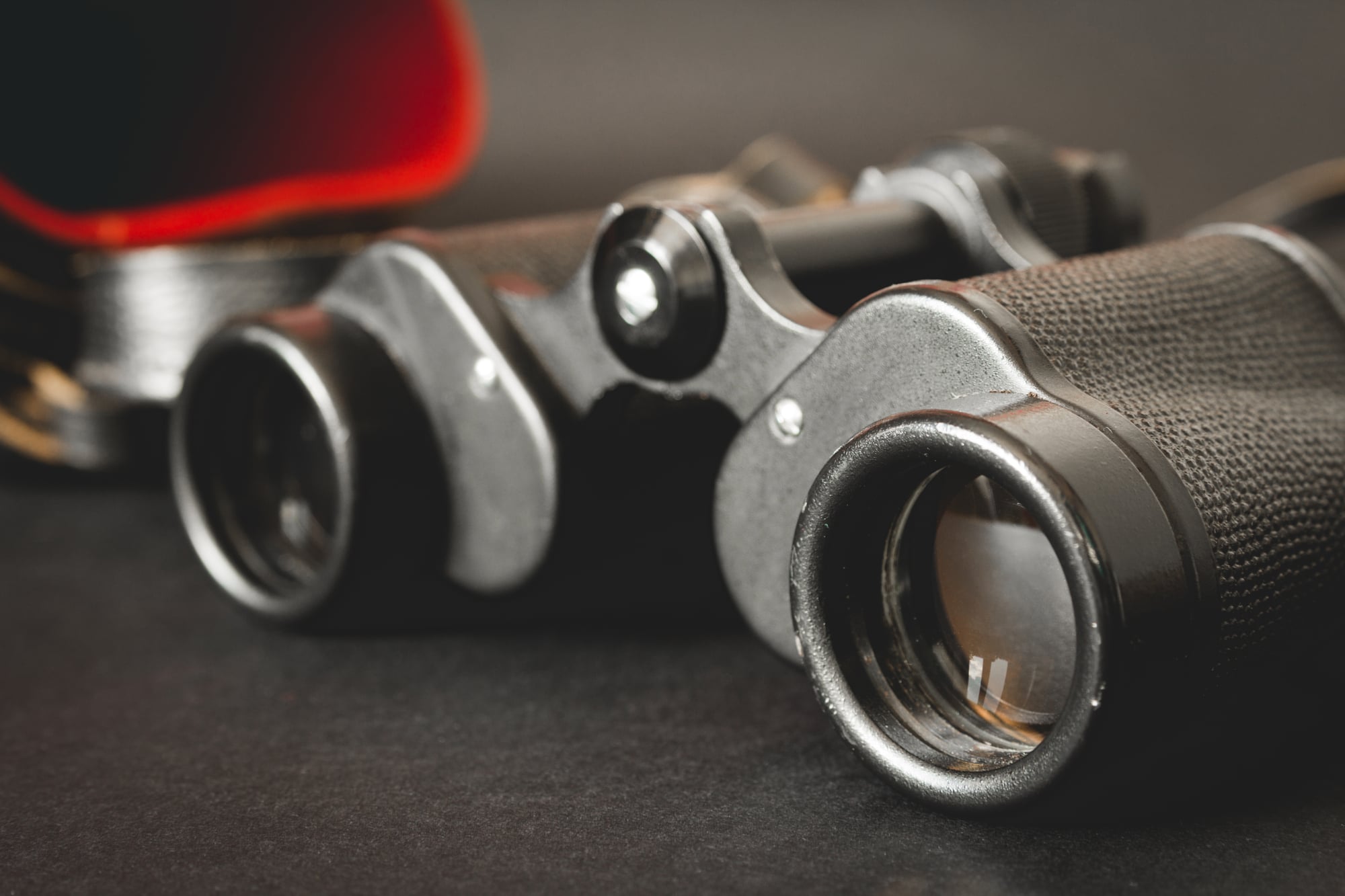
The crow’s nest log and subsequent testimony confirmed that lookouts Frederick Fleet and Reginald Lee were scanning the horizon on the night of the sinking with nothing but their eyes. The binoculars that were supposed to be stored in the crow’s nest were missing — reportedly locked in a cabinet belonging to Second Officer David Blair, who had been removed from the crew roster at the last minute and left with the key still in his pocket.
Fleet himself later testified that with binoculars, he might have spotted the iceberg in time to avoid it.
The Speed Decision
Captain Edward Smith did not reduce speed despite the ice warnings, and the logs make this plain. The ship was running at roughly 22 knots — close to her top speed — through waters that multiple vessels had flagged as dangerous.
It’s a decision that has frustrated historians for decades, and to be fair, it wasn’t entirely unusual for the era: ships frequently maintained speed through ice regions, trusting lookouts and the assumption that visibility would be sufficient.
Turns out, that assumption had a catastrophic ceiling.
The Iceberg Sighting
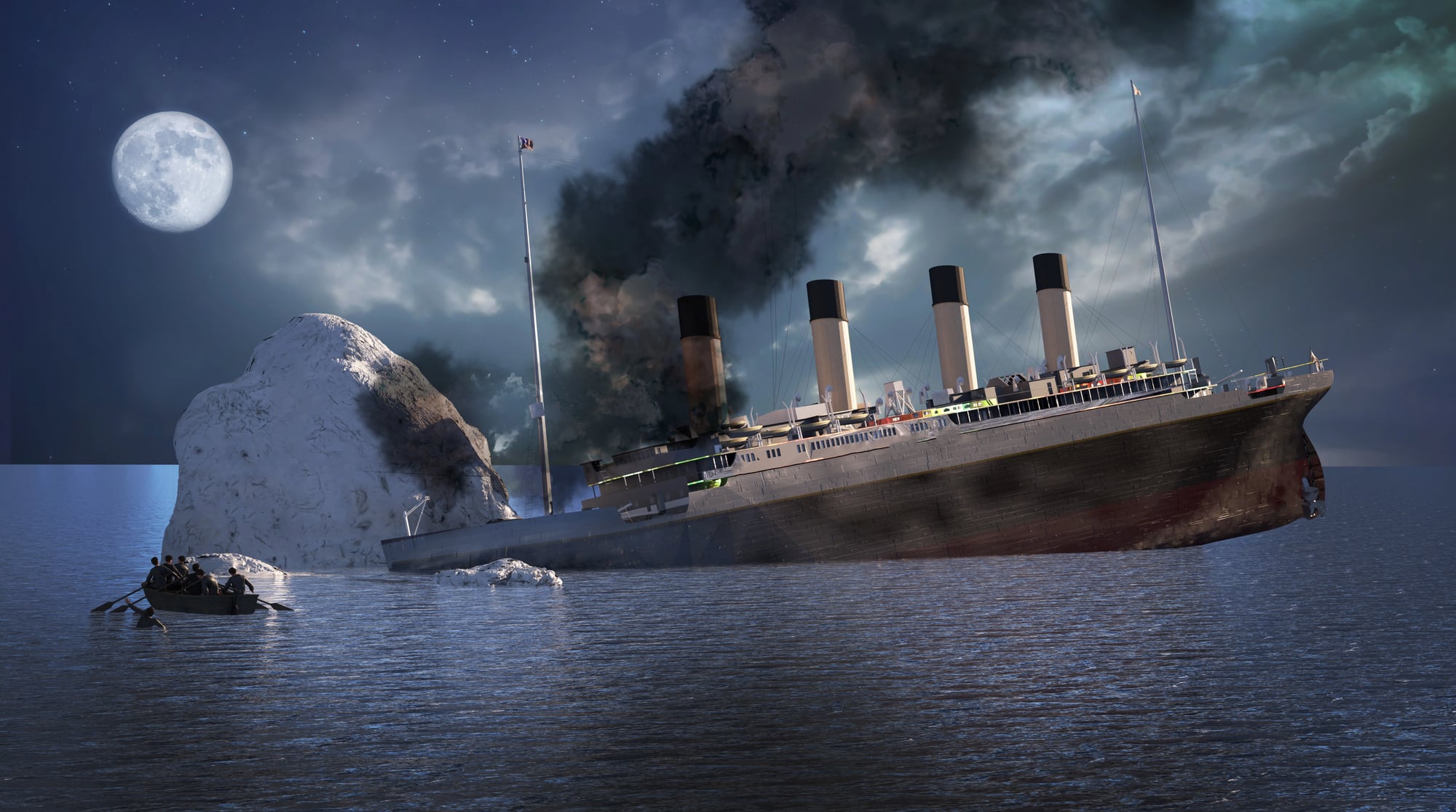
Fleet’s crow’s nest log entry and his later testimony recorded the famous phone call to the bridge at 11:39 p.m.: “Iceberg right ahead.” Think about how little time passed between that call and impact — under 40 seconds, by most reconstructions.
First Officer William Murdoch ordered “hard a-starboard” (which, by 1912 tiller convention, actually swung the bow to the left) and attempted to navigate around the berg, then ordered the engines reversed — a decision some engineers later argued may have actually reduced the ship’s ability to steer clear.
The berg struck the starboard side below the waterline along a roughly 300-foot stretch, not in a single dramatic gash but in a series of punctures and buckled seams.
The Flooding Timeline
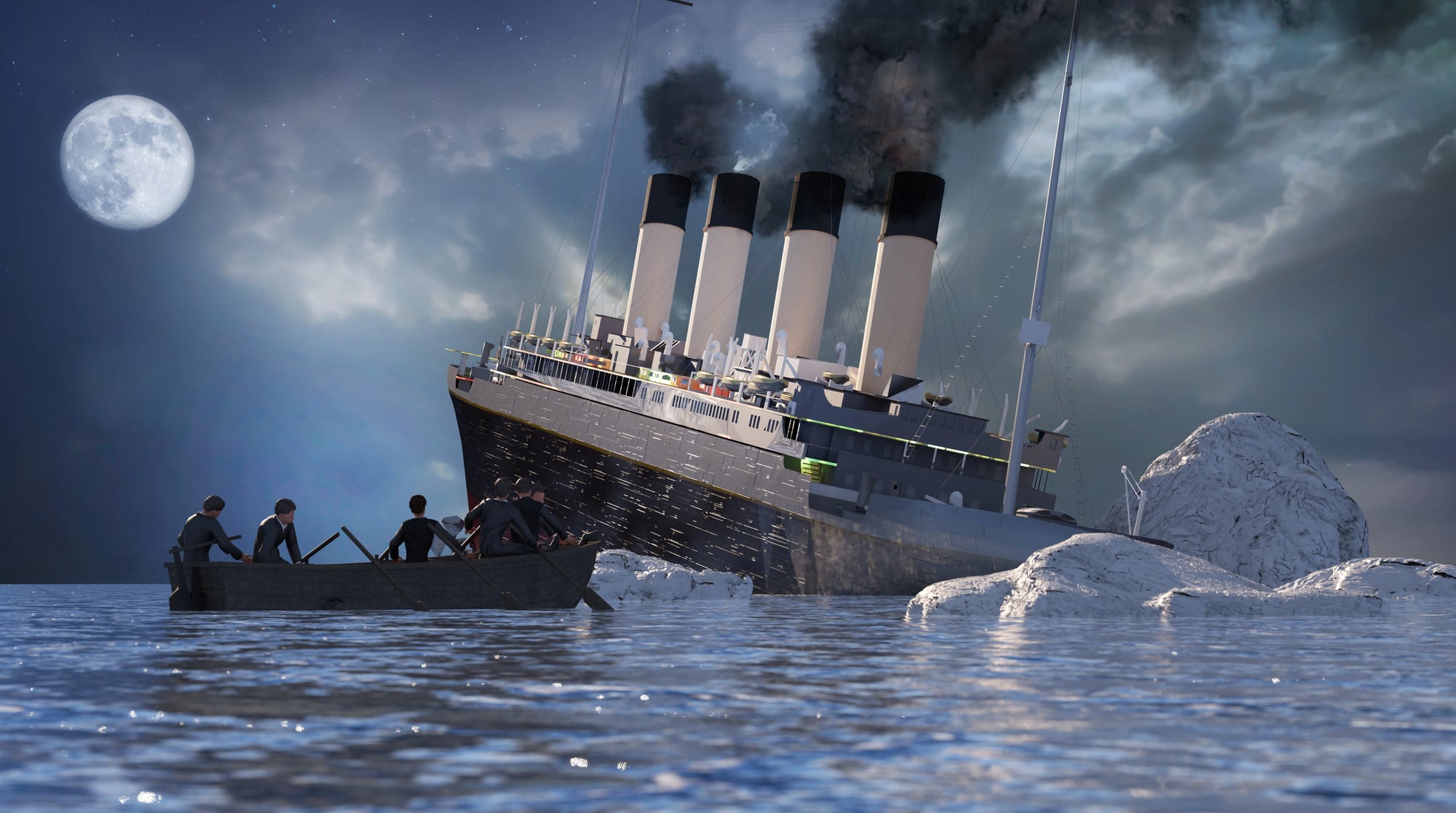
Ship designer Thomas Andrews — who was aboard — made a rapid inspection after the collision and reported to Captain Smith that the ship had, at most, one to two hours. The logs and surviving officer testimony reconstruct a flooding sequence where six of the forward compartments were compromised within minutes.
The Titanic’s design could handle four flooded compartments and still float, but not five. Water rose through E Deck, then D Deck, then began spilling over the top of the watertight bulkheads in a grim sequential collapse — like dominoes that had been stacked just slightly too close together.
Captain Smith’s Final Hours
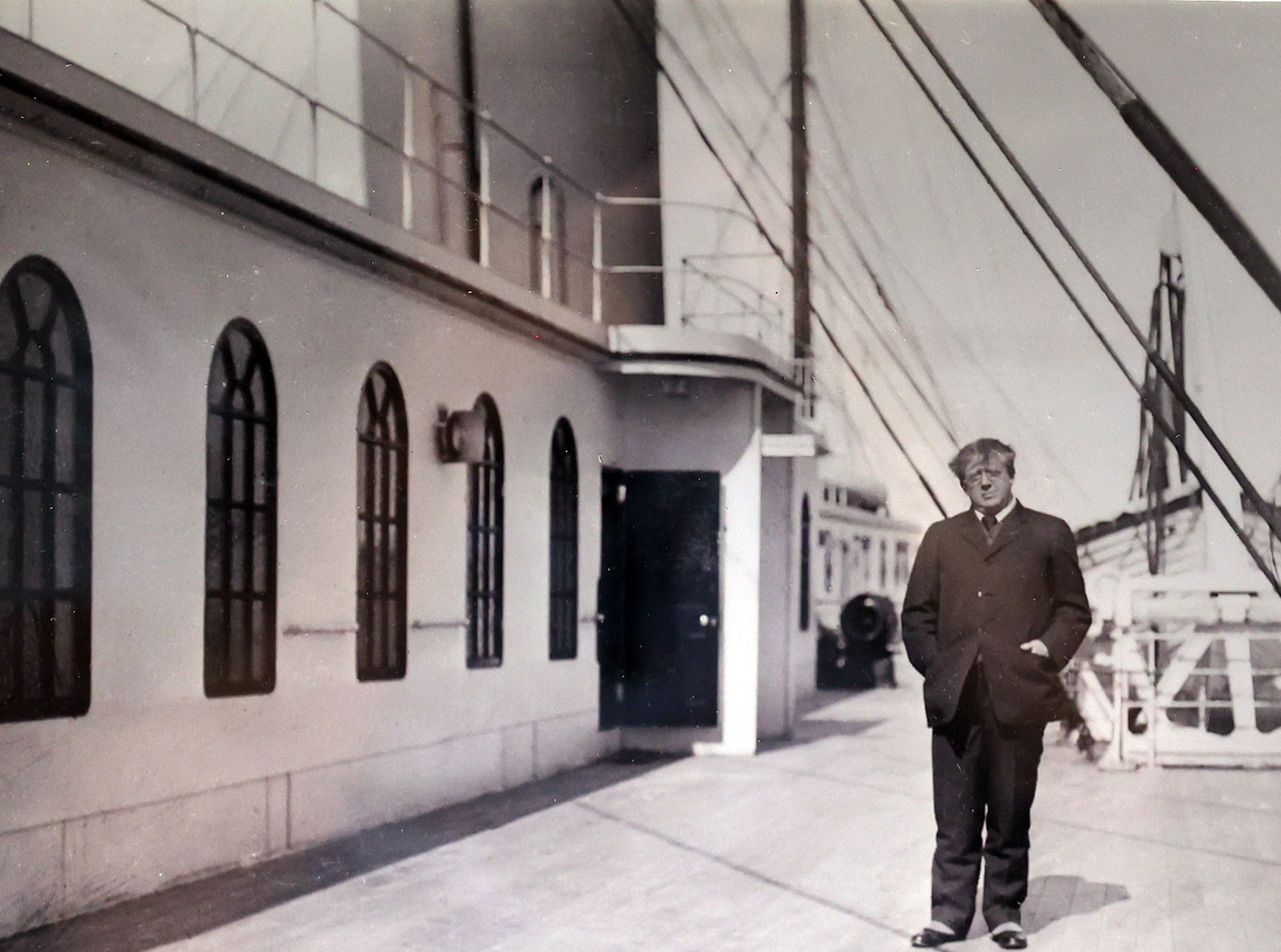
The captain’s movements during the sinking are partially reconstructed from crew testimony rather than formal log entries, because there was no one following Smith around with a clipboard.
He was seen on the bridge, then near the wireless room urging operators to keep sending distress calls, then reportedly near the lifeboats on deck.
Multiple witnesses placed him at various locations in ways that don’t entirely line up, which is exactly what you’d expect from a chaotic scene where nobody was coordinating a formal record of events.
What the logs do confirm is that the Marconi operators, under Smith’s direction, sent the first distress signal — CQD, then the newer SOS — at 12:15 a.m.
The Lifeboat Orders
The Titanic carried 20 lifeboats with a collective capacity of around 1,178 people — aboard a ship carrying over 2,200. Officers’ logs and testimony show the first lifeboat launched, Lifeboat 7, left with only 28 people in a vessel built for 65.
The decisions around lifeboat loading — who gave which orders, who was allowed to board, and why so many boats left half-empty — remain one of the more dispiriting puzzles in the record, because the math was always available to anyone who wanted to do it.
They had the seats. They did not fill them.
The Californian’s Log
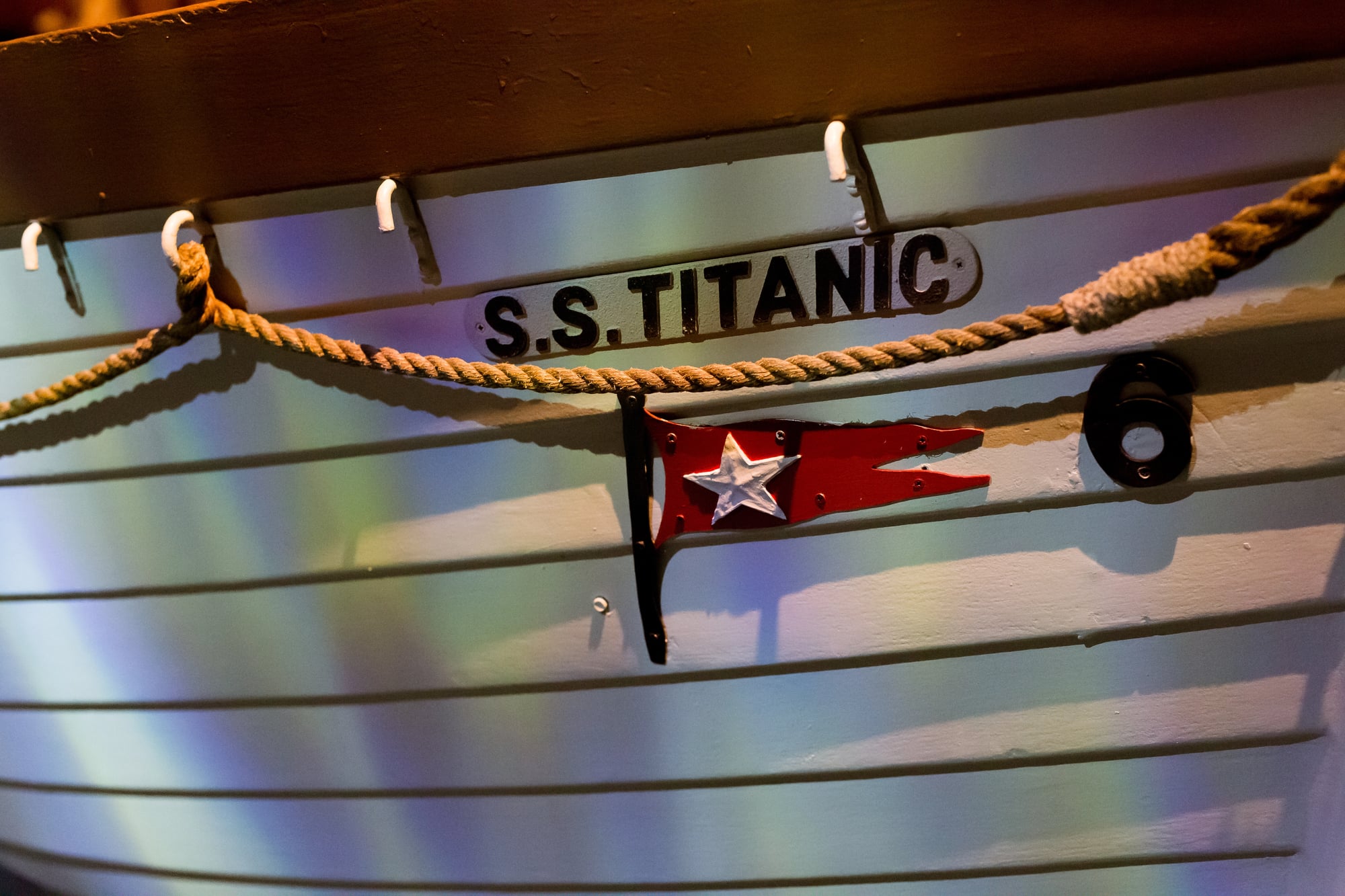
The SS Californian was stopped in ice roughly 10 to 19 miles from the Titanic when she sank — the exact distance remains disputed — and her logs show a strange, damning sequence of events.
The wireless operator shut down for the night at 11:30 p.m., just ten minutes before the Titanic struck the iceberg. Crew on the Californian observed rockets in the distance and reported them to Captain Stanley Lord, who — per his own officers’ accounts — acknowledged them from his bunk and did not order a full response until morning.
Lord maintained until his death that the ship he saw wasn’t the Titanic, but the Board of Trade inquiry didn’t accept that.
The Distress Rockets
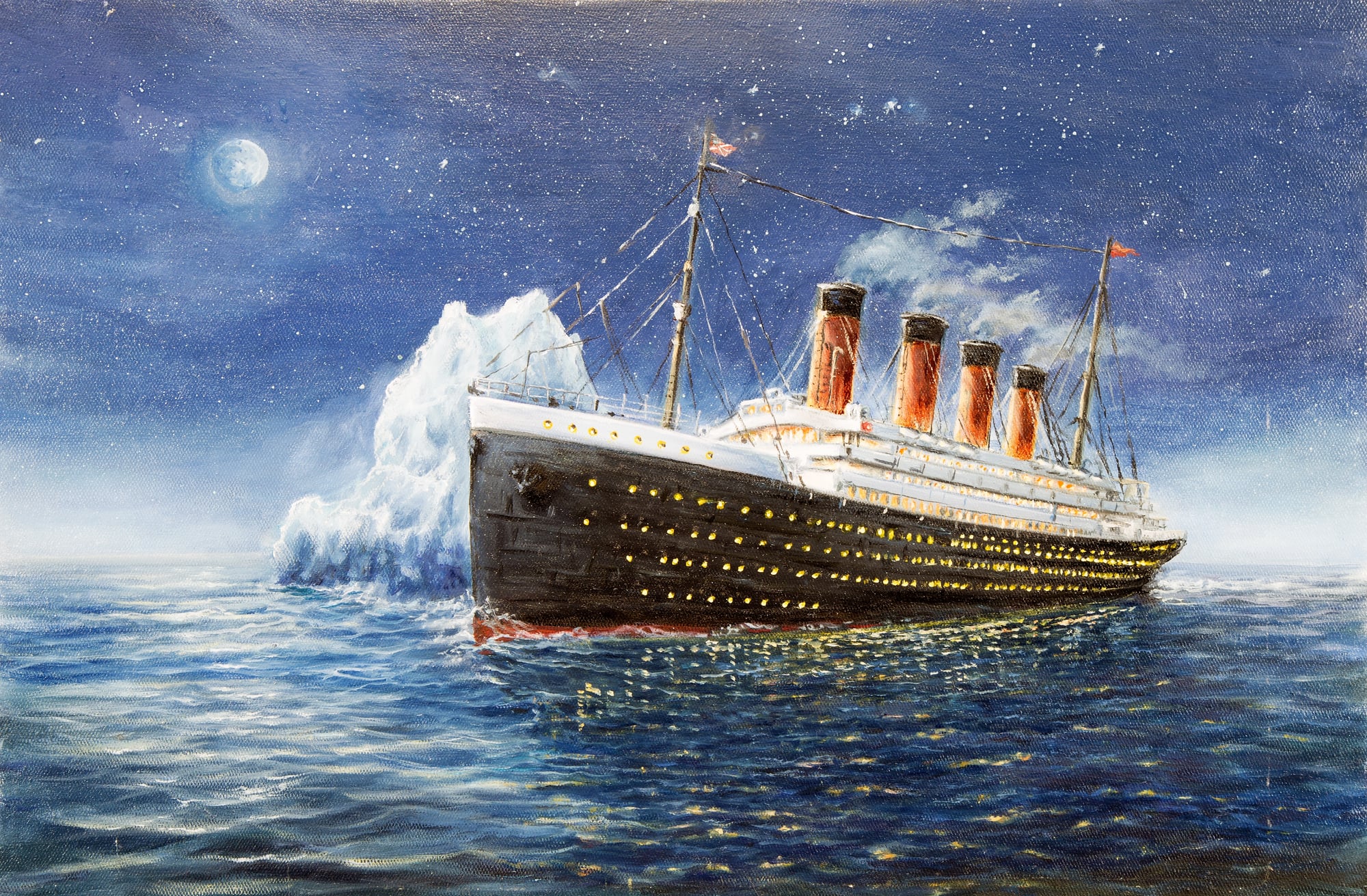
Titanic fired eight distress rockets between approximately 12:45 a.m. and 1:45 a.m., and the logs confirm they were the standard white rockets used to signal emergency at sea.
The rockets were visible to the Californian, whose officers logged the sightings.
There is something almost unbearable about the gap between those two ships and what was happening in it — the Titanic burning rockets into the sky, the Californian watching lights in the distance and debating among themselves what they might mean.
The logs on both ships contain these observations; they just contain very different responses to the same sky.
The Wireless Operators
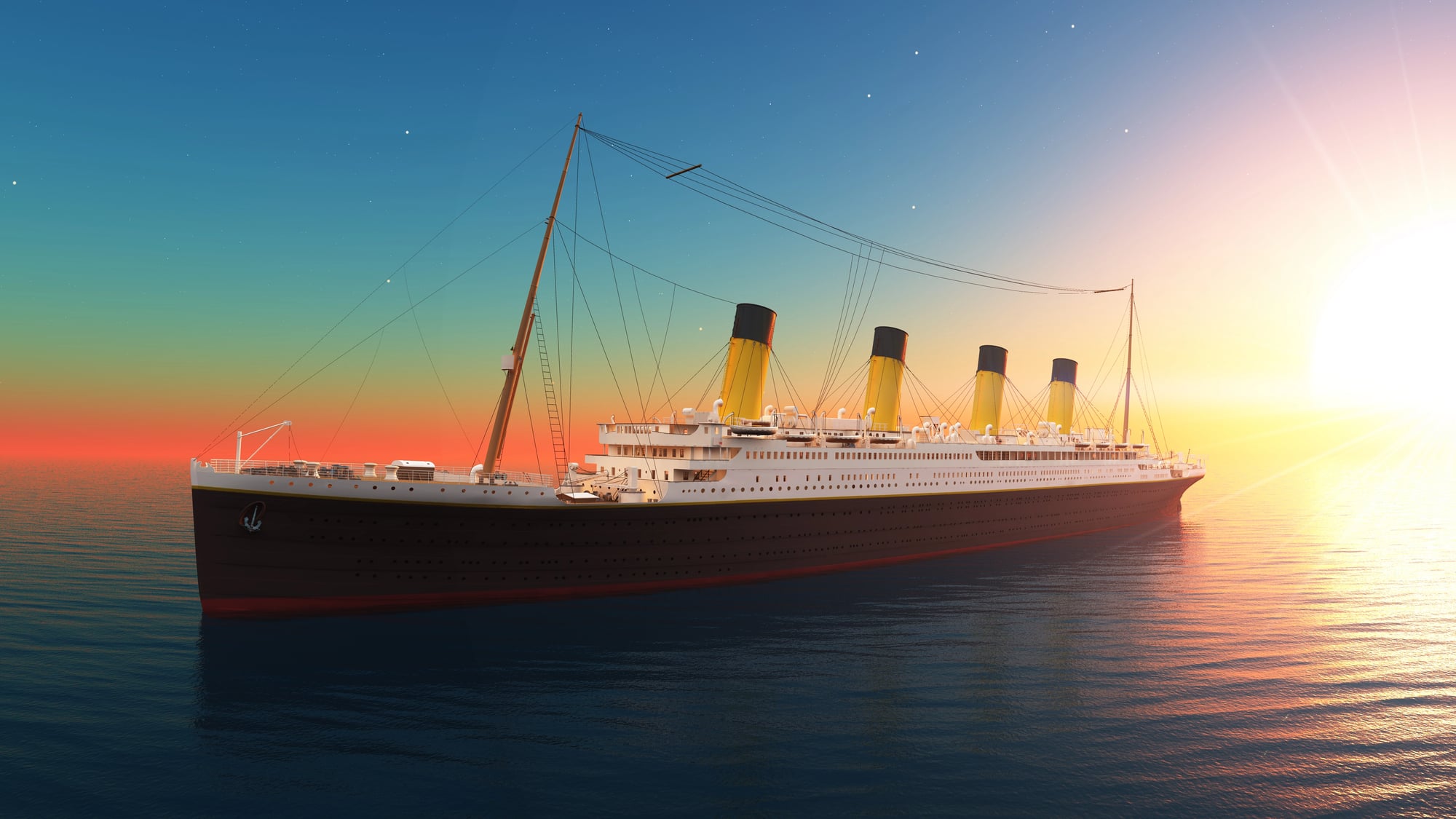
Jack Phillips and Harold Bride were not ship’s officers — they were employees of the Marconi Company, which operated the wireless equipment commercially. Their logs show they sent distress signals continuously from around 12:15 a.m. onward, identifying the ship’s position as 41°46’N, 50°14’W — a coordinate that later proved slightly off but was close enough for rescuers.
Phillips stayed at the wireless set until the very end, reportedly refusing to leave even as water began entering the Marconi room; Bride survived by floating on an overturned collapsible lifeboat. Phillips did not.
The Carpathia’s Response
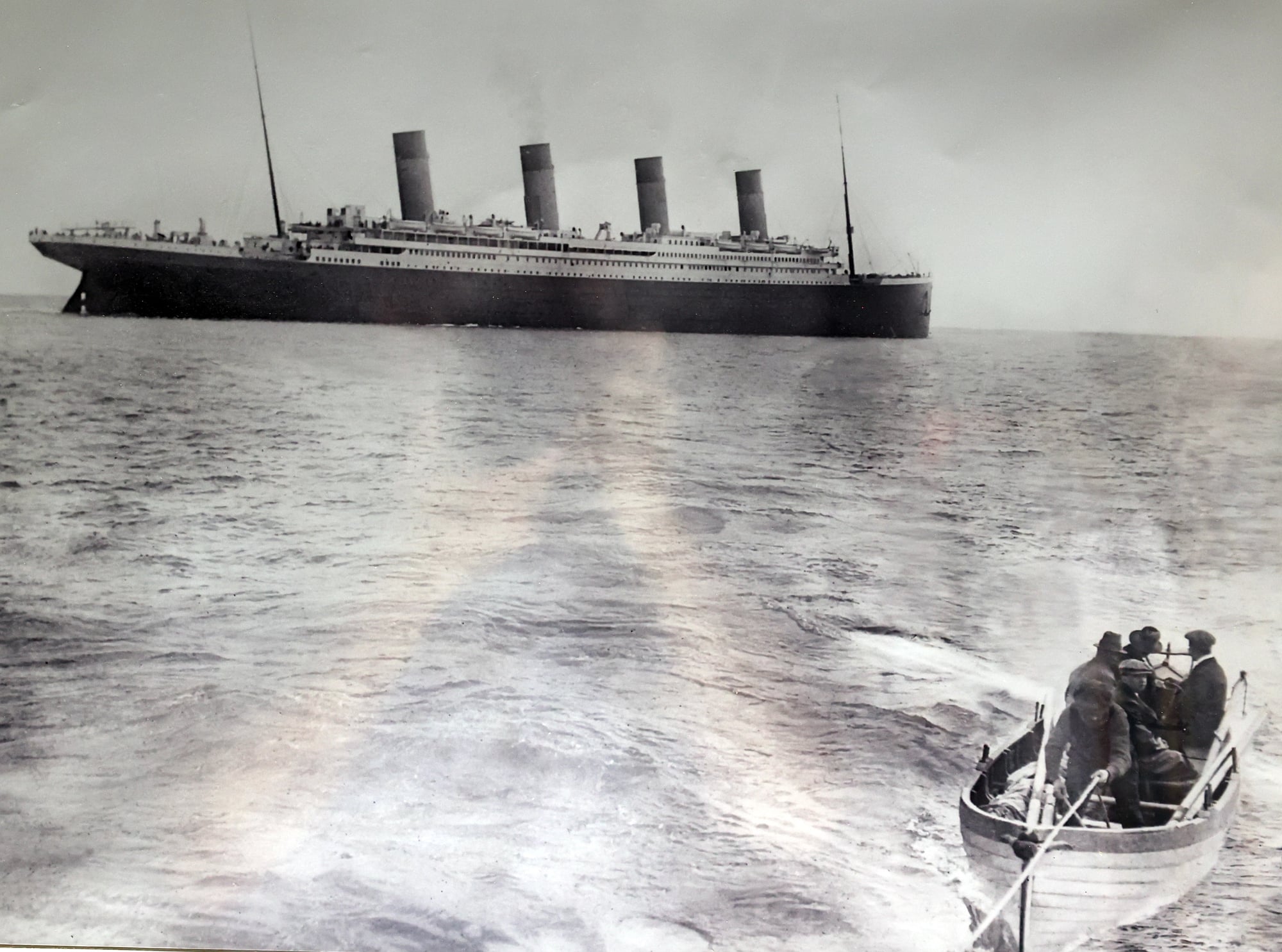
The RMS Carpathia received the Titanic’s distress signal at 12:20 a.m. and her captain, Arthur Rostron, immediately turned his ship around and ordered everything possible done to reach the site faster.
Crew logs from the Carpathia show she was approximately 58 miles away and pushed to around 17 knots through ice-filled waters — exceeding her rated top speed — to reach survivors.
She arrived at 4:10 a.m., an hour and forty minutes after the Titanic went under, and spent four hours pulling survivors from lifeboats.
Rostron’s log entries from that morning have a clipped, operational quality that somehow makes them harder to read, not easier.
The Water Temperature
Surviving officer logs and passenger accounts describe the water temperature that night as approximately 28°F — technically below the freezing point of fresh water, though the salt kept it liquid.
Crew members who entered the water during the sinking had, by most medical estimates, somewhere between 15 and 45 minutes before incapacitation from hypothermia, and significantly less time than that before the cold became disabling.
The lifeboats nearby largely did not row back to retrieve people from the water, a decision — or failure of decision — documented in the subsequent British and American inquiries and never satisfactorily explained.
The Officer Hierarchy and Command Decisions
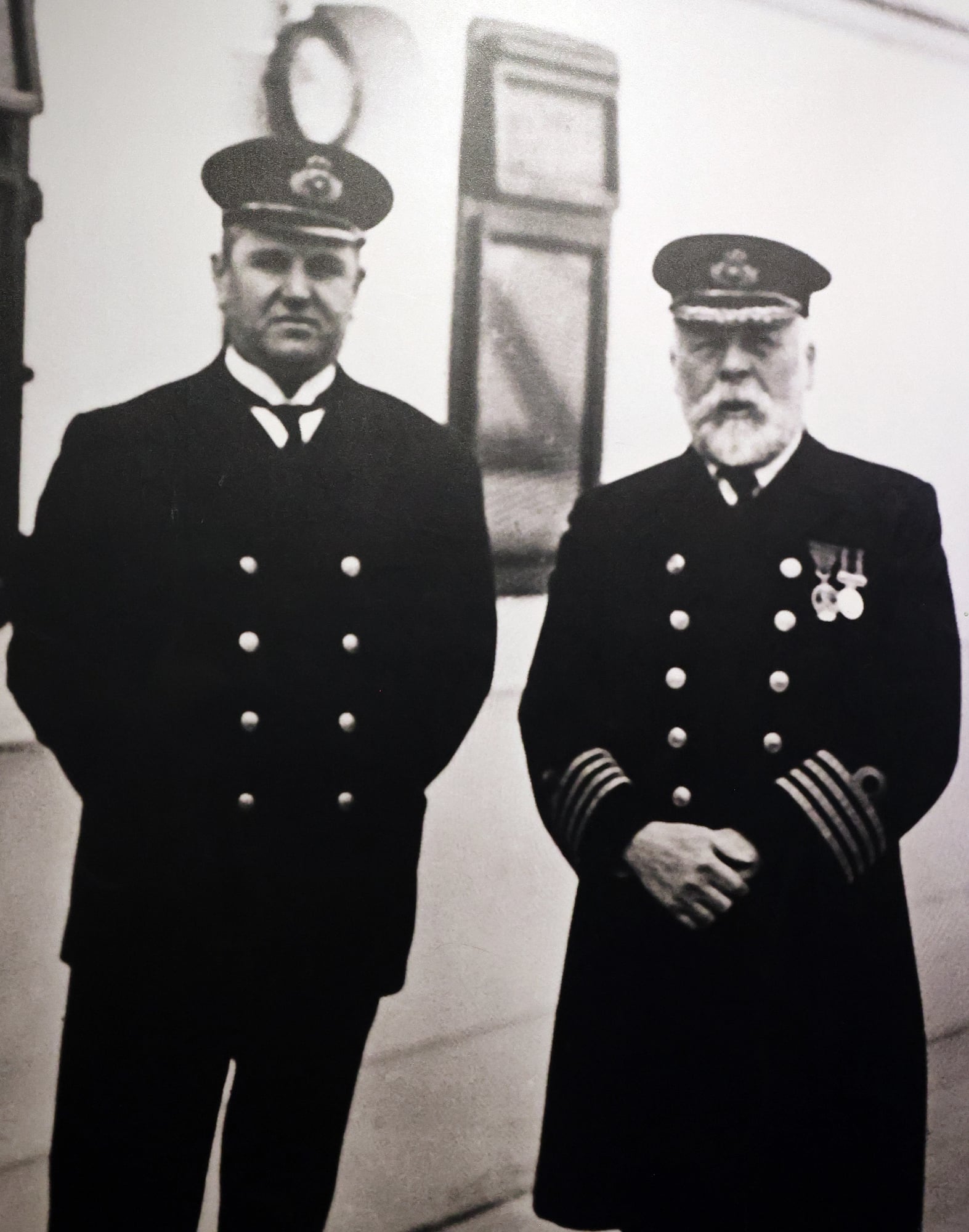
First Officer William Murdoch was in command on the bridge at the moment of impact; Second Officer Charles Lightoller took charge of loading lifeboats on the port side.
The logs and inquiry transcripts reveal these two men applied different standards — Lightoller primarily loaded women and children, leaving boats half-empty rather than allow men aboard, while Murdoch was somewhat more flexible on the starboard side.
It’s a small distinction in the record but a large one in consequence: the Titanic’s evacuation was, functionally, two separate operations running in parallel with different informal rules and no unified command directing both.
The Role of J. Bruce Ismay
J. Bruce Ismay — chairman of the White Star Line — was aboard the Titanic and boarded Collapsible C before it launched, surviving the sinking. Crew logs and testimony confirm he was present on deck during the evacuation and assisted with loading at least some lifeboats before departing himself.
The British inquiry largely cleared him of wrongdoing; the American inquiry, led by Senator William Alden Smith, was considerably less charitable.
Ismay spent the rest of his life in something close to public exile, which, depending on how you weigh the evidence, is either roughly proportionate or barely adequate.
The Final Plunge
The last surviving log entries from aboard the Titanic are the wireless transmissions, which cut off at approximately 2:17 a.m. — about three minutes before the ship went under.
Multiple survivor accounts describe the ship breaking apart near the surface, and sonar surveys of the wreck site two miles down confirmed it: the stern and bow came to rest roughly 1,970 feet apart on the ocean floor, consistent with a break at or near the surface.
The ship did not go down whole, the way early accounts claimed — a detail survivors were reporting from the lifeboats but that official narratives were slow to accept.
What the Logs Leave Out
The crew logs, inquiry records, and wireless transcripts are remarkably detailed in some places and almost willfully silent in others.
There are no records of what was said in the captain’s quarters when Thomas Andrews delivered his assessment, no logs from the third-class decks where passengers were reportedly — and controversially — held back from reaching the upper decks and lifeboats.
What the paperwork gives you is a ship moving through ice at speed, a crew receiving warnings, a collision, and a two-hour-and-forty-minute sequence of decisions made by exhausted, frightened people in the dark.
It’s not a conspiracy. It’s something more ordinary and more devastating than that.
The Ship That Answered the Call
The Carpathia’s arrival in New York on April 18, 1912, with 705 survivors was itself logged and documented, and those records carry a different weight than the ones from the night itself — they’re the ledger of who made it.
Captain Rostron later received the Congressional Gold Medal for his response, which is the American government’s highest civilian honor, and he accepted it with characteristic restraint.
The logs don’t tell you what it felt like to pull people out of boats in the grey North Atlantic dawn, but they do record, methodically, every name.
What the Record Actually Says
The Titanic disaster wasn’t a mystery in the end — it was a series of legible, documented failures stacked on top of each other with almost mechanical precision.
The logs show warnings ignored, lifeboats under-filled, a nearby ship that didn’t come, and a set of design assumptions that met the real world and collapsed.
You don’t need to invent a villain. The paperwork is damning enough on its own, and it has been sitting in archives for over a century, patient and indifferent, waiting for whoever wants to look.
The Weight of What Was Written Down
There’s a particular kind of grief that lives in bureaucratic documents — in the neat, professional handwriting of people who had no idea they were recording a catastrophe in real time.
The wireless logs, the officer testimonies, the inquiry transcripts: they read like the skeleton of something that used to have a heartbeat.
The Titanic’s crew logs don’t tell you what the ocean sounded like that night, or what people said to each other when they understood what was happening.
But they tell you enough. And “enough” turns out to be quite a lot.
More from Go2Tutors!

- The Romanov Crown Jewels and Their Tragic Fate
- 13 Historical Mysteries That Science Still Can’t Solve
- Famous Hoaxes That Fooled the World for Years
- 15 Child Stars with Tragic Adult Lives
- 16 Famous Jewelry Pieces in History
Like Go2Tutors’s content? Follow us on MSN.