The Weirdest Tanks Ever Built and Why They Failed
Tank design has always been about finding the perfect balance between firepower, armor, and mobility. But sometimes, engineers and military planners got a bit too creative for their own good.
The history of armored warfare is filled with strange machines that looked like they came straight out of a science fiction movie, yet these oddities often ended up as expensive failures that never saw real combat or were quickly retired after disastrous performances. Let’s take a look at some of these bizarre armored vehicles that seemed like good ideas at the time but turned out to be complete disasters on the battlefield.
The Tsar Tank
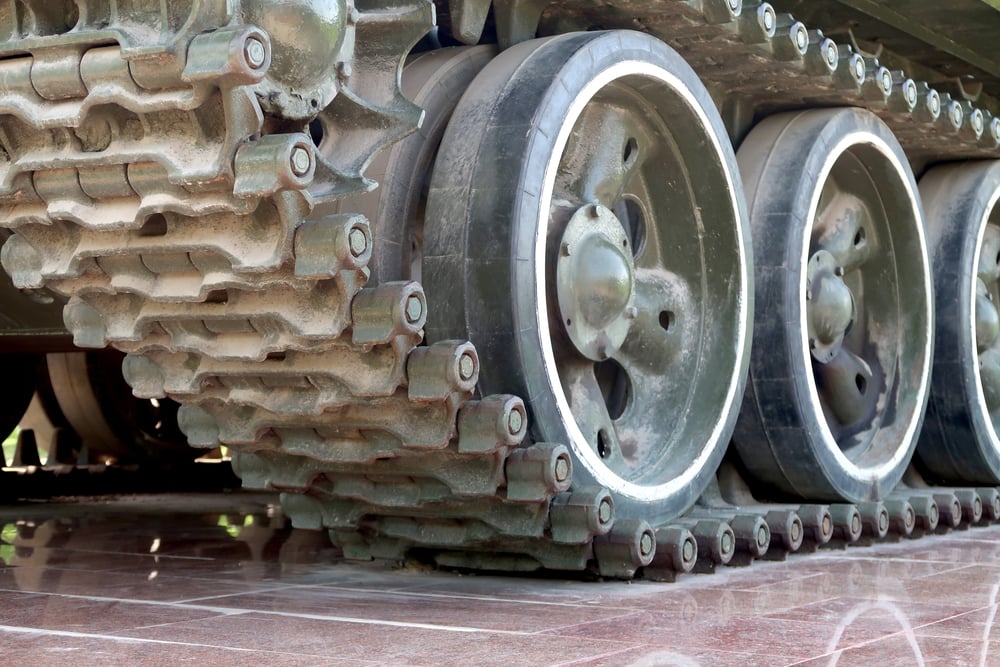
Russia built this massive three-wheeled monster during World War I, and it looked more like a giant tricycle than a proper fighting vehicle. The front wheels stood 27 feet tall while a much smaller wheel in the back was supposed to provide steering, but the whole design was fundamentally flawed from the start.
The giant front wheels were meant to roll over trenches and obstacles, but the tiny rear wheel kept getting stuck in soft ground, leaving the entire machine helpless. After just one trial run in 1915, the project was abandoned because the vehicle couldn’t even move properly on flat terrain, and it sat rusting in a field until 1923 when someone finally bothered to scrap it.
The Progvev-T
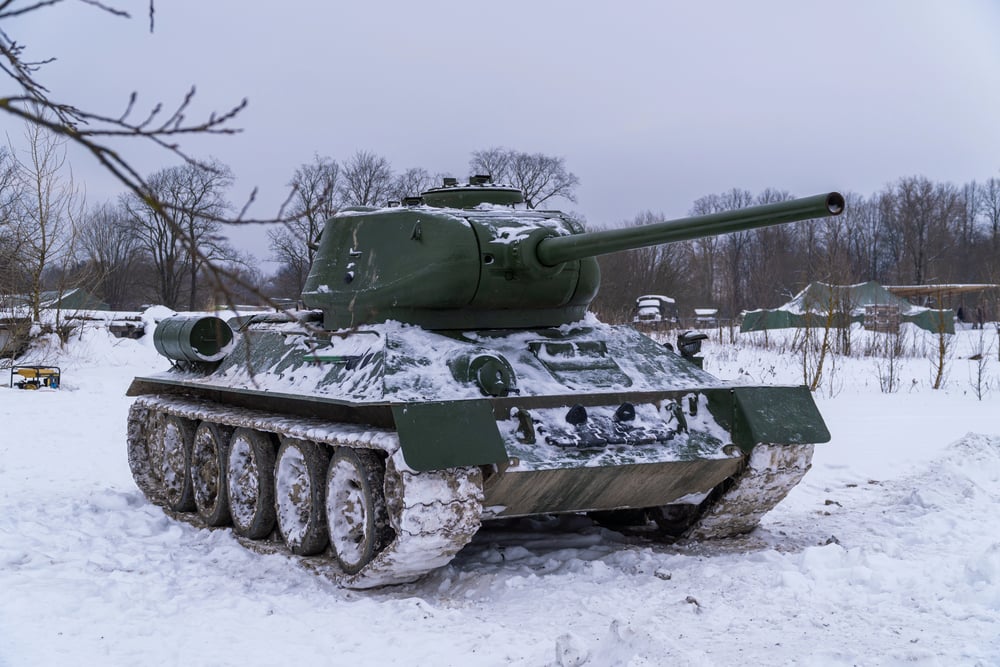
This Soviet tank from 1942 tried to solve the problem of river crossings by turning the entire vehicle into a submarine, which sounds impressive until you realize how badly it worked. The Progvev-T could supposedly drive along river bottoms at depths up to 16 feet, using a snorkel system to provide air for the crew and engine.
But the whole concept ignored basic physics because the tank was incredibly slow underwater, nearly blind, and had no way to defend itself if it encountered enemy forces while submerged. The project was quietly dropped after engineers realized they had created an expensive metal coffin that would drown its crew at the first sign of trouble.
The Chrysler TV-8
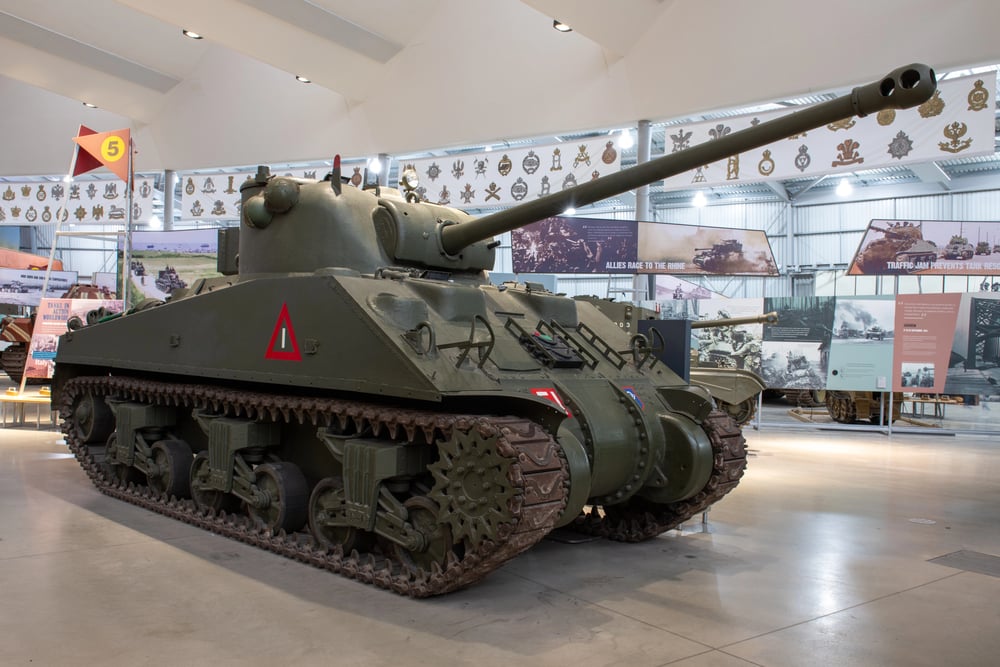
American engineers in the 1950s decided that tank crews didn’t need to see where they were going anymore, so they built this turret-only vehicle that had no forward-facing vision at all. The entire crew sat in a rotating turret with the driver controlling the vehicle through periscopes and TV cameras, which was a terrible idea given the camera technology of that era.
Driving this thing must have felt like playing a video game on a screen the size of a postage stamp while someone shook your chair violently. The military tested it once, realized that crews couldn’t navigate worth a darn, and sent Chrysler back to making cars instead.
The Antonov A-40
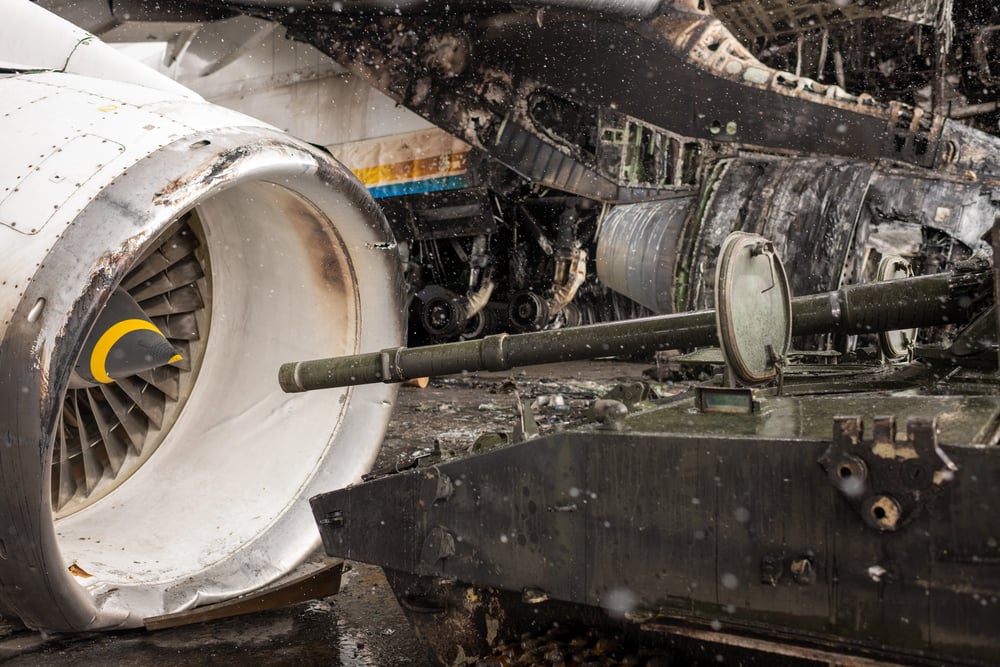
The Soviet Union looked at their tanks and thought they needed wings, so they strapped a biplane glider to a T-60 light tank and tried to make it fly. The idea was to tow the contraption behind an aircraft and drop it near the battlefield, where the crew would detach the wings and drive off to fight.
During the only test flight in 1942, the towing aircraft barely got the thing airborne and had to release it early, and the tank-glider combination glided about as gracefully as a brick with paper wings. Nobody ever tried this nonsense again because even the Soviets realized that dropping tanks from the sky was a solution looking for a problem that didn’t exist.
The Bob Semple Tank
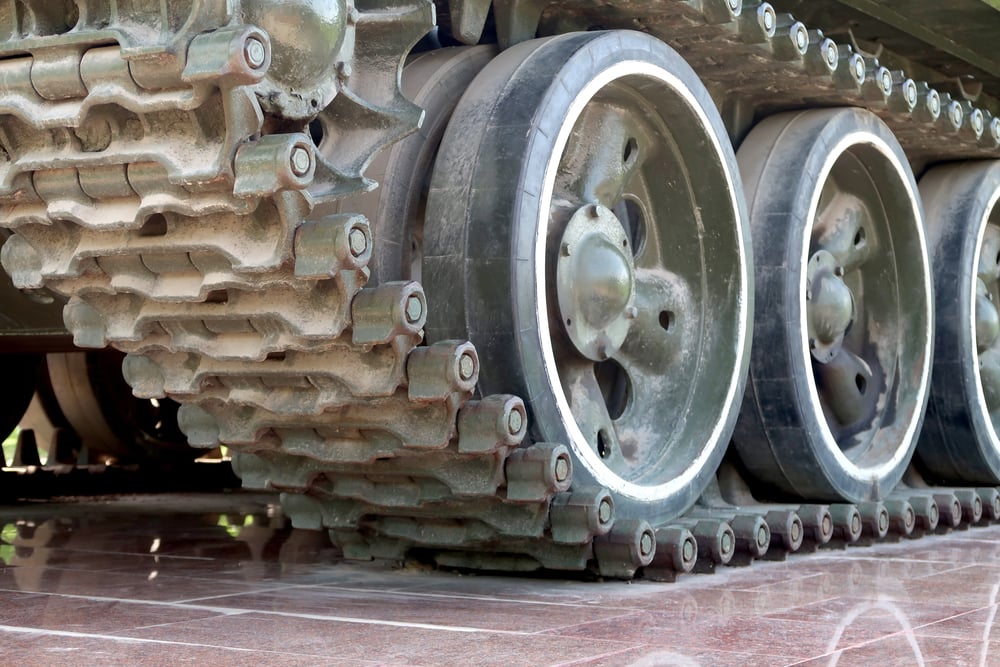
New Zealand was desperate for armored vehicles during World War II, so they built this contraption out of a farm tractor and corrugated iron sheets that wouldn’t have stopped a determined teenager with a BB gun. The tank looked like someone’s garden shed on wheels and had so many guns sticking out at odd angles that the crew had no room to move inside.
It was so tall and unstable that it could barely turn without tipping over, and the armor was so thin that regular rifle rounds could punch right through it. The entire project became a national embarrassment, though it’s now remembered fondly as a symbol of Kiwi ingenuity during hard times, even if it was completely useless.
The Lebedenko Tank

Another Russian oddity from World War I, this vehicle looked like a massive cannon mounted between two enormous spoked wheels that stood nearly 30 feet tall. The designers thought bigger wheels meant better obstacle crossing, but they forgot that making something huge also makes it an easy target and incredibly heavy.
The rear wheel was tiny compared to the front ones, and during the first test, the whole machine got stuck immediately when that little wheel sank into the soft ground. The project cost a fortune, never fired a shot in anger, and stood in a forest until locals stripped it for scrap metal years later.
The Kotin Flying Tank

Soviet engineers tried the whole flying tank thing again in 1942 with the KT, which was supposed to use detachable wings and rocket boosters to get airborne. The concept was even more ambitious than the A-40 because this tank was supposed to take off under its own power, fly to the battle, then drop its wings and fight.
Engineers never even got to the testing phase because the math showed that any engine powerful enough to lift a tank would be too heavy for the tank to carry, creating an impossible situation. The whole project died on paper, which was probably the best outcome for any crew members who might have been asked to test it.
The Kugelpanzer

Germany built this spherical rolling tank that looked like a hamster wheel with a gun, and historians still aren’t entirely sure what it was supposed to do. The single-person vehicle was essentially a metal orb with a small turret on top, powered by a motorcycle engine that pushed it along at walking speed.
Visibility was terrible, the armor was thin, and it couldn’t carry any meaningful weapons or equipment. Only one was ever built, and it was captured by the Soviets who apparently found it so bizarre that they put it in a museum rather than trying to figure out how to use it.
The NI Tank
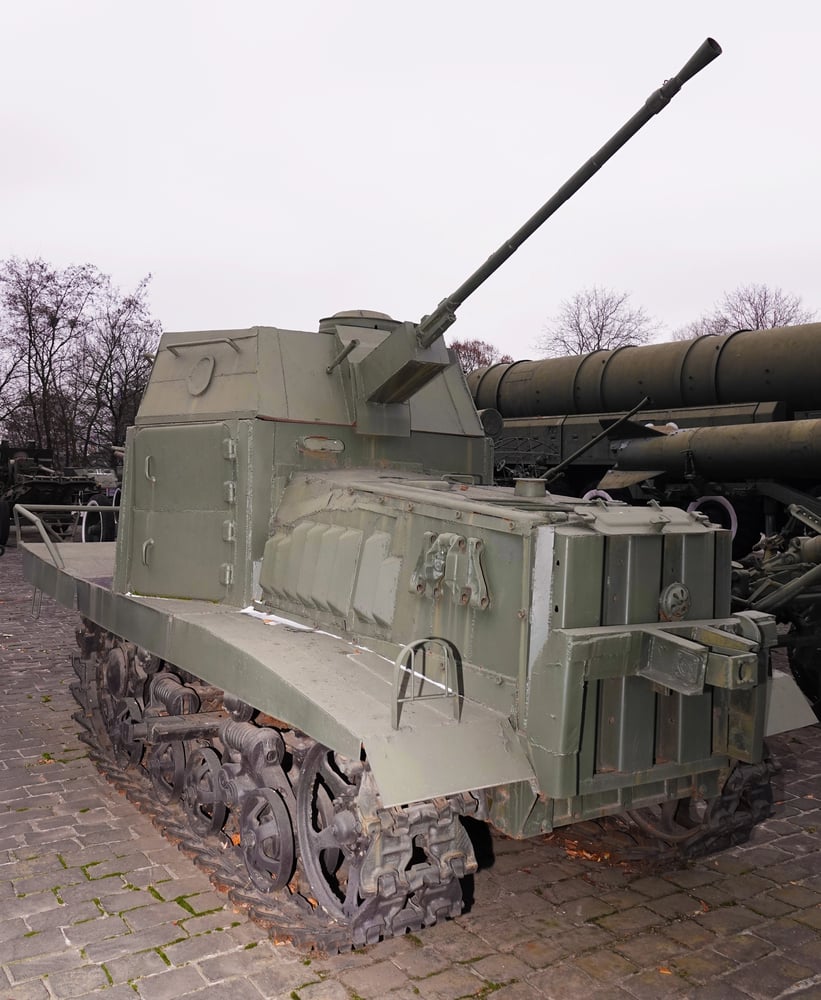
The Soviets built this desperate contraption during the siege of Odessa in 1941 by welding boiler plates onto agricultural tractors, creating something that barely qualified as an armored vehicle. The NI stood for “Na Ispug” which roughly translates to “for intimidation,” and that name tells you everything about how effective these machines were supposed to be.
The armor was so poorly attached that it would fall off during combat, the tractors were painfully slow, and the crews had almost no protection from anything larger than small arms fire. Most were destroyed or abandoned within days of being deployed, though they did manage to scare some enemy troops who presumably hadn’t seen anything quite so ugly before.
The Treffas-Wagen
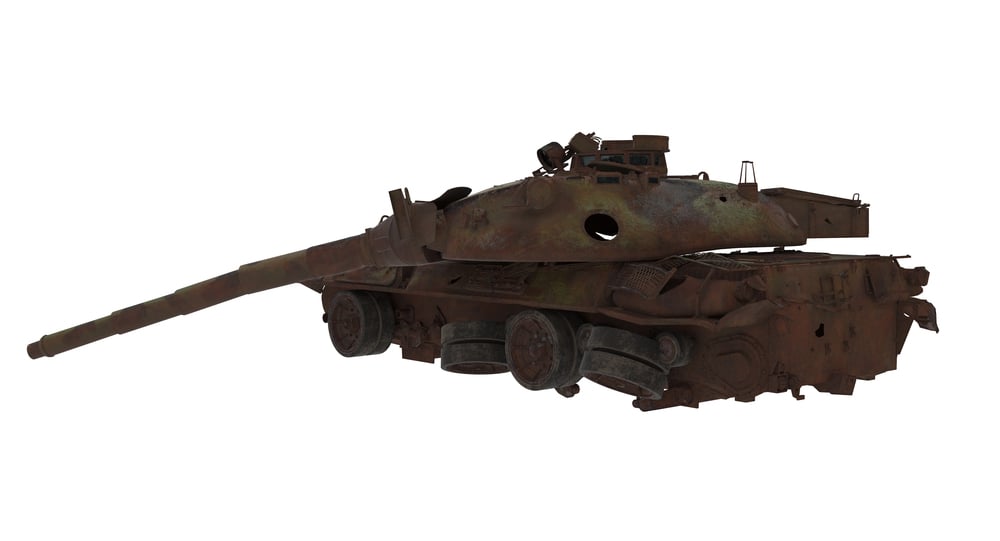
This British concept from World War I tried to create a tank that could drive up and down trenches by giving it tracks that ran in a triangle shape around the entire vehicle. The idea was that the triangular track arrangement would let it climb out of trenches more easily than conventional designs, but the reality was far less impressive.
The prototype was incredibly slow, the complex track system kept breaking, and it couldn’t actually climb out of trenches any better than regular tanks. The project was cancelled after a few tests showed that someone had designed an expensive solution to a problem that regular tanks had already solved.
The Vezdekhod

Russia’s first tank attempt in 1915 looked like a metal box on tracks with a small turret sticking out of one corner, and it performed exactly as poorly as it looked. The vehicle could barely move on flat ground because the underpowered engine struggled to push the heavy armor, and it got stuck immediately whenever it encountered even slight obstacles.
The crew compartment was so cramped that operating the weapons was nearly impossible, and the whole thing overheated constantly because nobody had thought about cooling. Only one prototype was built before the military decided they would rather have no tanks at all than waste money on this disaster.
The Skeleton Tank
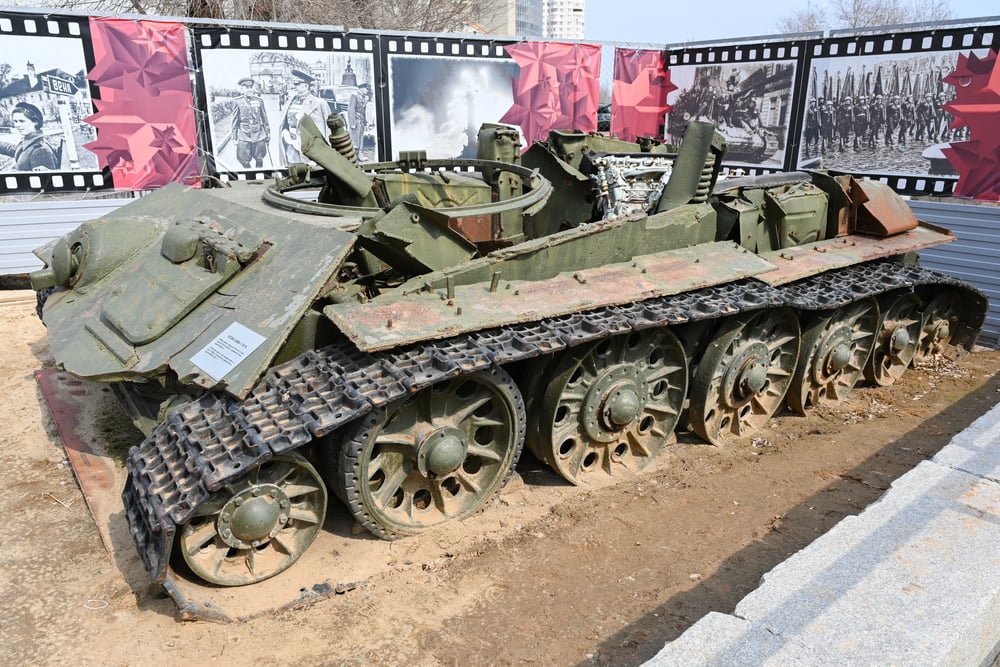
America experimented with this bizarre concept in 1918 by building a tank frame without any armor plating to save weight during testing. The idea was to test the mechanical systems without the expense of armor, then add plates later if everything worked properly.
But someone decided to actually test it in combat conditions just to see what would happen, and predictably, the exposed crew and mechanics were vulnerable to everything from rifle fire to strong winds. The experiment proved that armor is actually important for tanks, which shouldn’t have needed proving in the first place.
The T-35
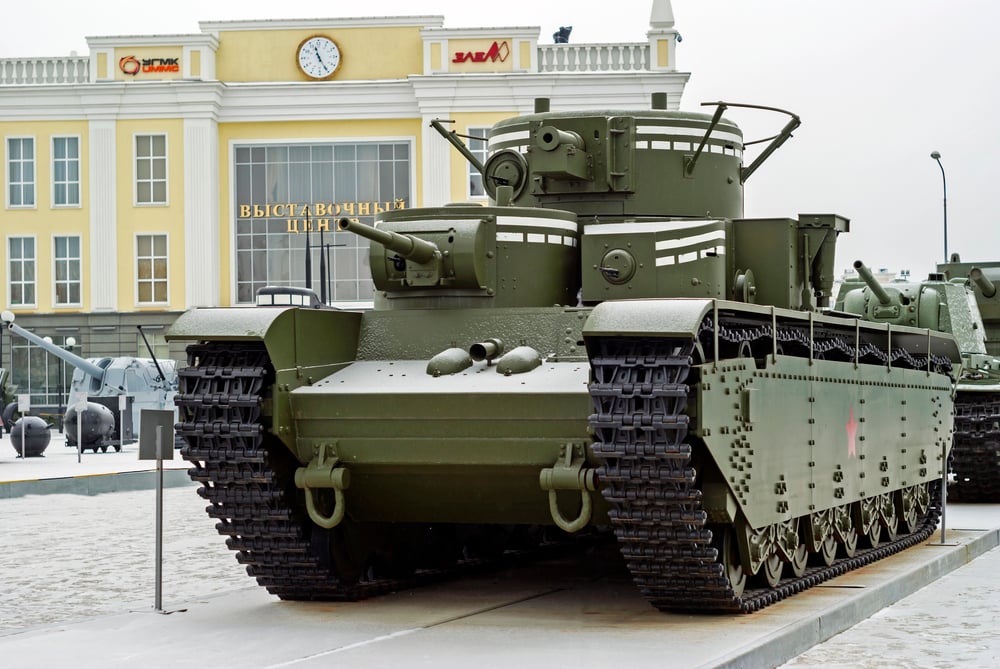
The Soviet Union built this five-turret monster in the 1930s because they apparently believed that more turrets automatically meant a better tank. The massive vehicle had one main turret in the center and four smaller turrets arranged around it, requiring a crew of eleven people who couldn’t communicate properly with each other.
It was so mechanically unreliable that most broke down before reaching the battlefield during World War II, and the few that made it to combat were quickly destroyed because they were slow, poorly armored, and too complicated to operate effectively. The T-35 looked impressive in parades but was essentially useless for actual fighting.
The Schofield Tank
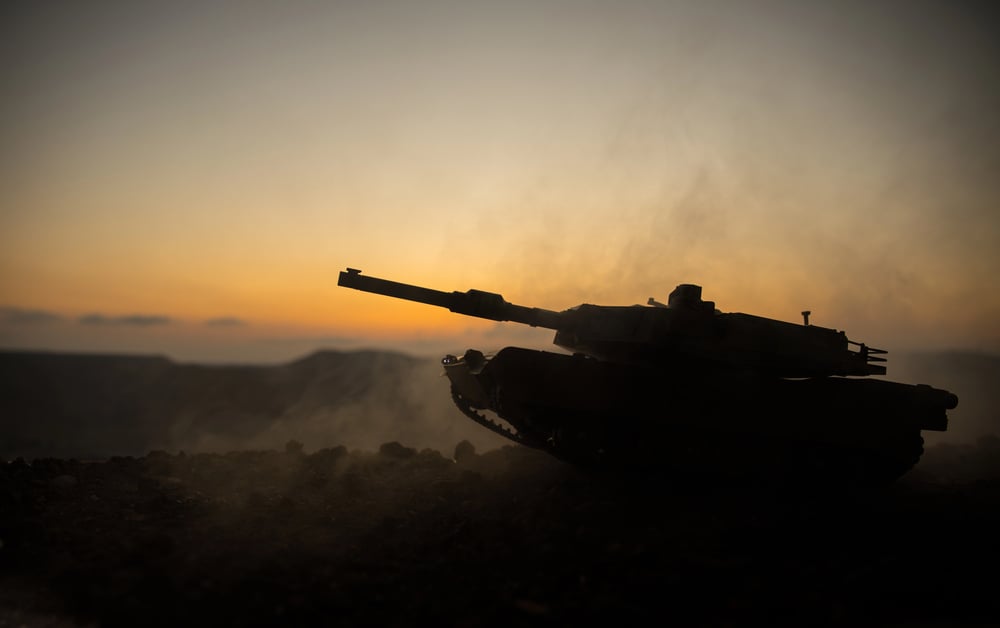
New Zealand tried again with this steam-powered tank design in 1919, proving that the Bob Semple wasn’t their only odd armored vehicle idea. The inventor thought steam power would be quieter and more reliable than petrol engines, but he forgot that steam engines need constant water supplies and take forever to build up operating pressure.
The prototype moved at a crawl, needed frequent stops for refueling and water, and produced clouds of steam that would have announced its position to every enemy within miles. The project went nowhere because by the time you could get this thing ready to fight, the battle would already be over.
The TOG II

Britain designed this enormous tank during World War II to handle trench warfare, apparently not noticing that the war had moved on from trenches since 1918. The vehicle was nearly 34 feet long with armor up to 3 inches thick, but it was so heavy and slow that it could barely keep up with marching infantry.
By the time it was completed in 1943, tank warfare had evolved to emphasize speed and mobility rather than the slow, heavily armored approach that TOG II represented. Only one prototype was built, and it spent the war as a test vehicle before ending up in a museum where it remains today.
The Char 2C
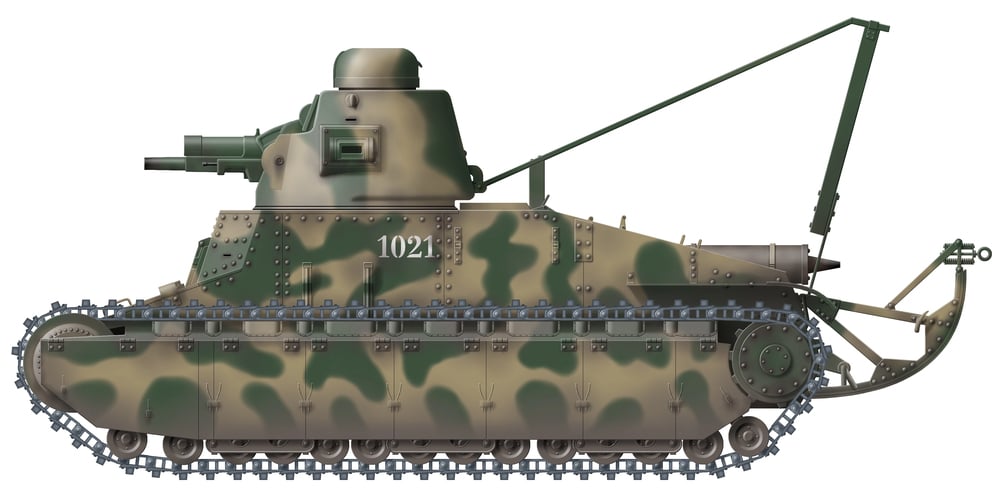
France built this massive tank in 1921 that stood 13 feet tall and weighed nearly 70 tons, making it the heaviest operational tank for almost two decades. The vehicle needed a crew of twelve people to operate its complex systems, and it was so large that it could only be transported by special railway cars.
During World War II, the Germans captured or destroyed the entire fleet of ten tanks before they could even reach the battlefield, most of them while still on their transport trains. The Char 2C looked intimidating but proved that size isn’t everything when it comes to military effectiveness.
The Goliath Tracked Mine
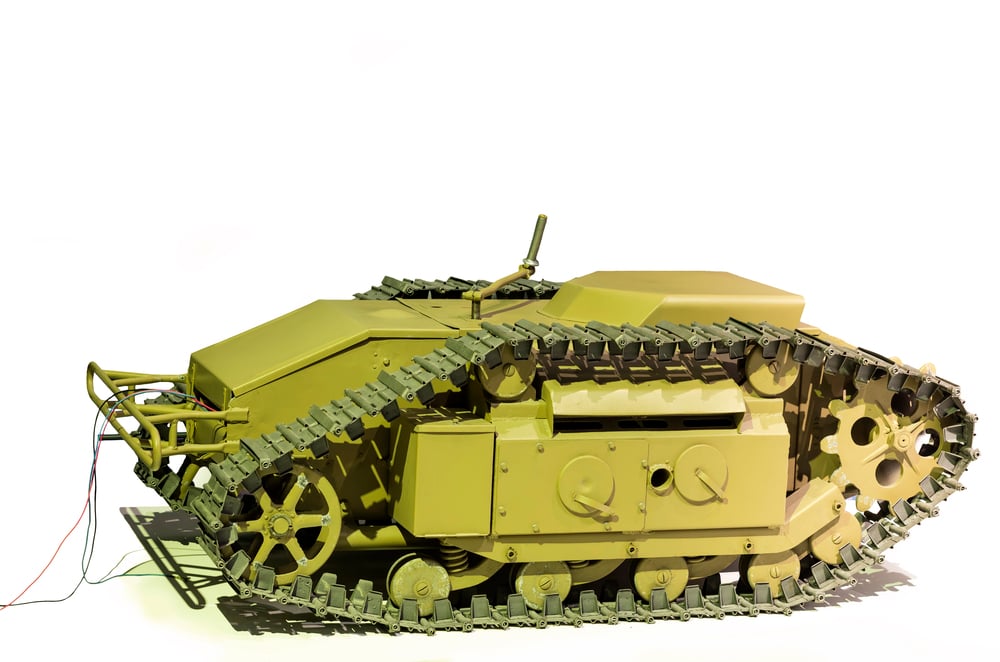
A tiny robot rolled out from Germany, looking less like war equipment and more like something a kid might toy with. Built to trundle forward into enemy lines carrying loads of explosives, then detonate on command, it failed badly in practice.
It crept along slowly – yet somehow still burned through money without delivering strength or protection. Get hit by gunfire – an everyday event – and the outer shell crumpled instantly, because standard rounds punched right through its weak metal skin.
A thin cord, stretching back to the operator who steered it, broke after just a small hit, leaving the machine stuck during its task. Even with problems growing, plants still rolled out hundreds more, pulling resources from things that mattered.
The M50 Ontos
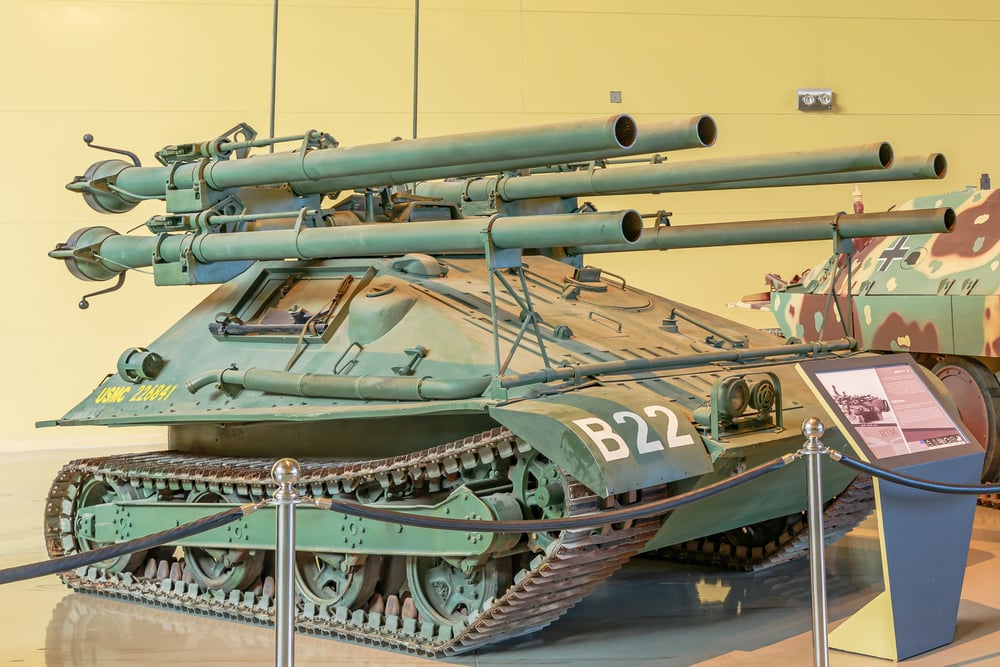
A hulking shape rolled out of the United States in the fifties, riding steel belts under a belly full of six gun barrels that kicked back sharply – each shot demanding another trip into the open. Born from a Greek term for “thing,” its name stuck because nobody could quite place what role it played.
Armor too thin for front-line duels, space too cramped for heavy fire support, it limped through conflicts unsure of its purpose. Men fed fresh rounds while exposed, boots planted next to cold plates as gunfire stitched the air around them.
For just a brief stretch, Marines carried them in Vietnam before spotting stronger picks elsewhere. Slowly, without any notice, the whole notion slipped away. Silence took over, quiet and complete.
From New Ideas To Old Artifacts
Mistakes in how tanks were built prove that moving ahead doesn’t come just from victories. Even when ideas looked awkward in hindsight, faith in them kept creators going.
Today these strange machines sit in museums everywhere, catching eyes with a mix of surprise and curiosity. Though rough around the edges, every heavy slab held daring thoughts within.
A stumble long ago quietly built today’s steady move. Looking close at what failed shows paths forward – sudden, unannounced.
More from Go2Tutors!

- The Romanov Crown Jewels and Their Tragic Fate
- 13 Historical Mysteries That Science Still Can’t Solve
- Famous Hoaxes That Fooled the World for Years
- 15 Child Stars with Tragic Adult Lives
- 16 Famous Jewelry Pieces in History
Like Go2Tutors’s content? Follow us on MSN.



