Dangerous Spices that Sparked Wars Across the Globe
The grocery store spice aisle tells a sanitized story. Neat little bottles, reasonable prices, everything organized alphabetically.
But behind those familiar labels lies a history soaked in blood, betrayal, and greed that would make any thriller novelist jealous. For centuries, tiny seeds and dried bark commanded higher prices than gold, launched fleets across treacherous oceans, and toppled empires.
The pursuit of flavor didn’t just change cuisine — it redrew maps, enslaved populations, and ignited conflicts that lasted generations.
Black Pepper

Black pepper sits on every restaurant table now, unremarkable as salt. But for over a thousand years, it was literally worth its weight in gold, and sometimes more valuable.
The “black gold” trade from India’s Malabar Coast funded entire civilizations and destroyed others.
The spice was so precious that Romans paid ransoms with it (Alaric demanded 3,000 pounds of pepper to spare Rome in 408 AD), and European nobles included peppercorns in their wills alongside land and livestock. When Constantinople fell to the Ottomans in 1453, the pepper trade routes were severed, and European powers went mad trying to find new paths to the source.
This desperation launched the Age of Exploration — and with it, centuries of colonial violence that reshaped three continents.
Portuguese traders militarized the pepper trade, establishing fortified trading posts along the Indian coast and fighting bloody wars with local rulers who dared to trade with competitors. The Dutch later seized control through the Dutch East India Company, turning pepper cultivation into a system of forced labor that prefigured the plantation horrors to come.
Every peppercorn represented a small act of exploitation that added up to empire-scale oppression.
Cinnamon
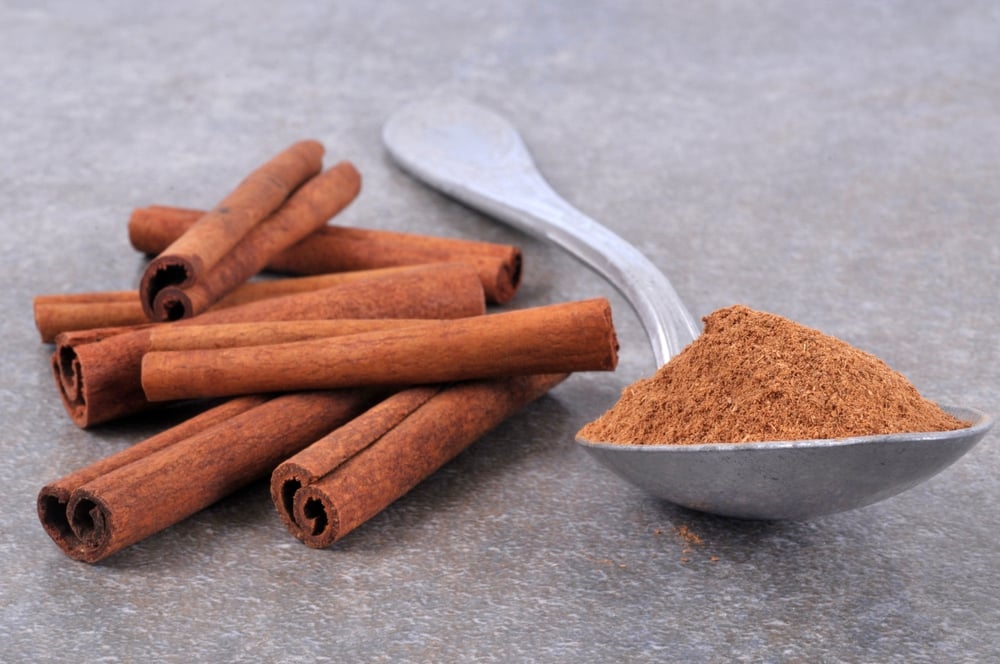
The cinnamon trade reads like a case study in how exotic goods can corrupt entire civilizations — and how the pursuit of a single spice can justify almost any level of brutality. True cinnamon came exclusively from Ceylon (modern-day Sri Lanka), and for centuries, Arab traders spun elaborate myths about its origin to protect their monopoly, claiming it grew in nests guarded by giant birds or in valleys filled with venomous snakes.
When the Portuguese arrived in Ceylon in 1505, they didn’t bother with myths. They simply conquered the island, enslaved the local population, and turned cinnamon harvesting into a hereditary caste system where entire families were bound to the spice trade for generations.
The penalty for selling cinnamon to anyone but the Portuguese was death — not just for the seller, but often for their entire family.
The Dutch later seized Ceylon from the Portuguese, and if anything, they were worse. They uprooted cinnamon trees near the coast to prevent smuggling, created inland plantations worked by forced labor, and established a death penalty for anyone caught with cinnamon bark without proper documentation.
So much blood was spilled over tree bark that smells nice in coffee that you have to wonder if anyone involved ever paused to consider the absurdity. But then again, absurdity has never stopped anyone from getting rich.
Nutmeg
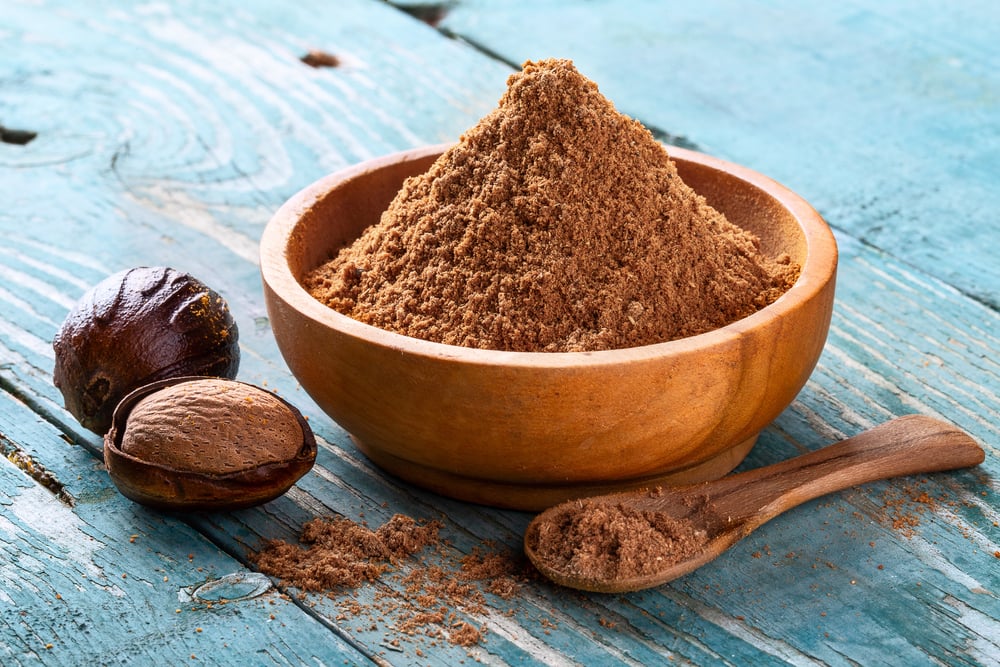
Nutmeg grows naturally on exactly ten tiny islands in what is now Indonesia — the Banda Islands, each smaller than Manhattan. This geographic accident made nutmeg the most concentrated source of wealth in human history, and it attracted the most concentrated violence to match.
The Dutch East India Company wanted complete control of nutmeg production, so they did something that was extreme even by colonial standards: they committed genocide. In 1621, Dutch forces systematically murdered or enslaved virtually the entire population of the Banda Islands — an estimated 15,000 people reduced to fewer than 1,000 in a matter of months.
The survivors were shipped off as slaves, and the Dutch imported their own colonists to work the nutmeg plantations.
The Treaty of Breda in 1667 concluded the Second Anglo-Dutch War, with the British retaining New York (Manhattan) and the Dutch retaining Run Island. The British did not trade Manhattan away; rather, both powers kept their respective territories as part of the peace settlement.
Cloves
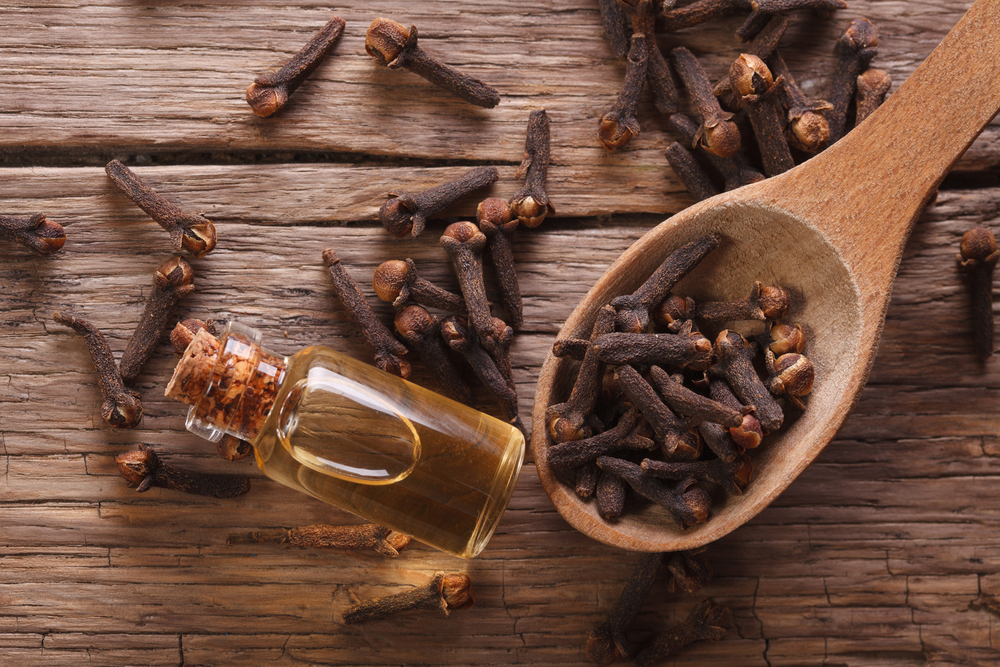
There’s something particularly cruel about the clove trade, and it has to do with the trees themselves (clove trees take fifteen years to mature and can live for centuries, which means controlling clove production requires a very long view and a very ruthless commitment to maintaining that control). The Moluccas — the Spice Islands — were the only place cloves grew naturally, and whoever controlled those islands controlled a trade worth more than the GDP of most European countries.
The Portuguese established the first European foothold in the Moluccas in 1511, but they had to fight constantly with local rulers, competing European powers, and their own corrupt officials who kept trying to set up private trading schemes. When the Dutch seized control in the early 1600s, they implemented what might be the most systematic destruction of natural resources in history: they cut down every clove tree except those on islands they directly controlled, then stationed naval patrols to ensure no new trees could be planted elsewhere.
Local populations who had lived sustainably off clove cultivation for generations were forced into Dutch-controlled plantations or simply left to starve. And here’s the twisted part: cloves were primarily used as a preservative and breath freshener in Europe — hardly necessities worth destroying entire cultures over, but apparently the profit margins were too good to resist.
Cardamom
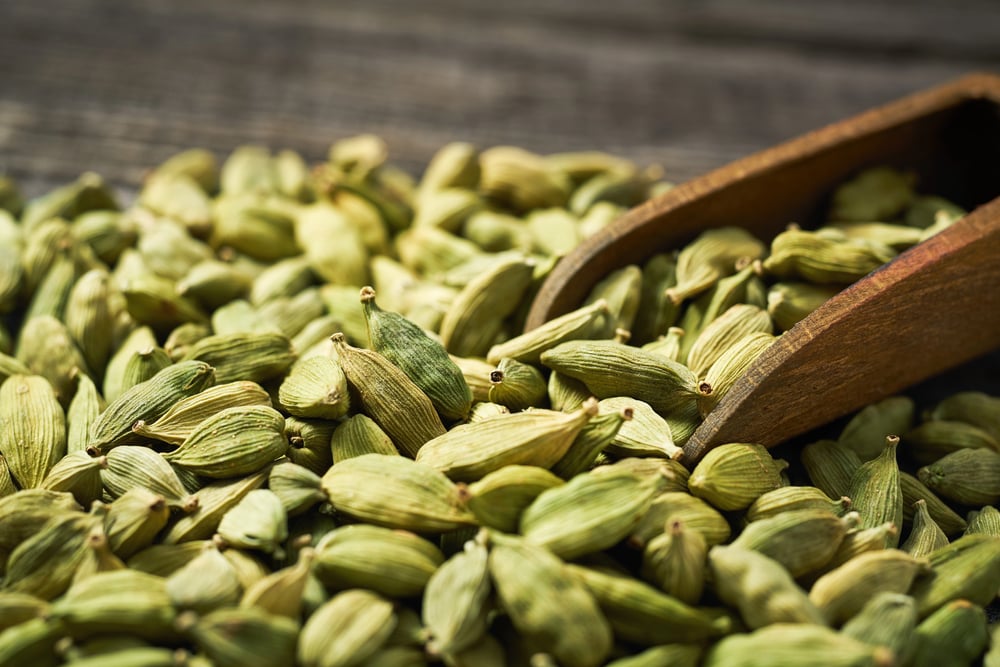
Cardamom might seem like an odd inclusion in a list of war-causing spices, given its delicate floral flavor and its reputation as the “queen of spices,” but that gentle reputation masks a history of systematic exploitation that lasted for centuries (cardamom pods are harvested by hand, one by one, which makes the trade inherently labor-intensive — and labor-intensive trades in colonial economies meant forced labor, debt bondage, and generational servitude that was often indistinguishable from slavery). The Western Ghats of southern India were the only place cardamom grew wild, and European traders quickly realized that controlling cardamom meant controlling the local population.
But here’s what made the cardamom trade particularly insidious: unlike pepper or cinnamon, which could be harvested relatively quickly and shipped out, cardamom required year-round cultivation and processing. So the British didn’t just establish trading posts — they created permanent settlements designed to extract maximum labor from local communities while providing minimal compensation.
Entire villages became locked into cardamom production, with families passing down debt obligations from generation to generation.
The British also introduced what they called “scientific cultivation” of cardamom, which really meant clearing traditional polyculture forests and replacing them with cardamom monocultures that were more efficient to harvest but devastated local ecosystems. The environmental destruction was irreversible in many areas, but the profits were substantial enough that nobody in London particularly cared about sustainability.
Star Anise
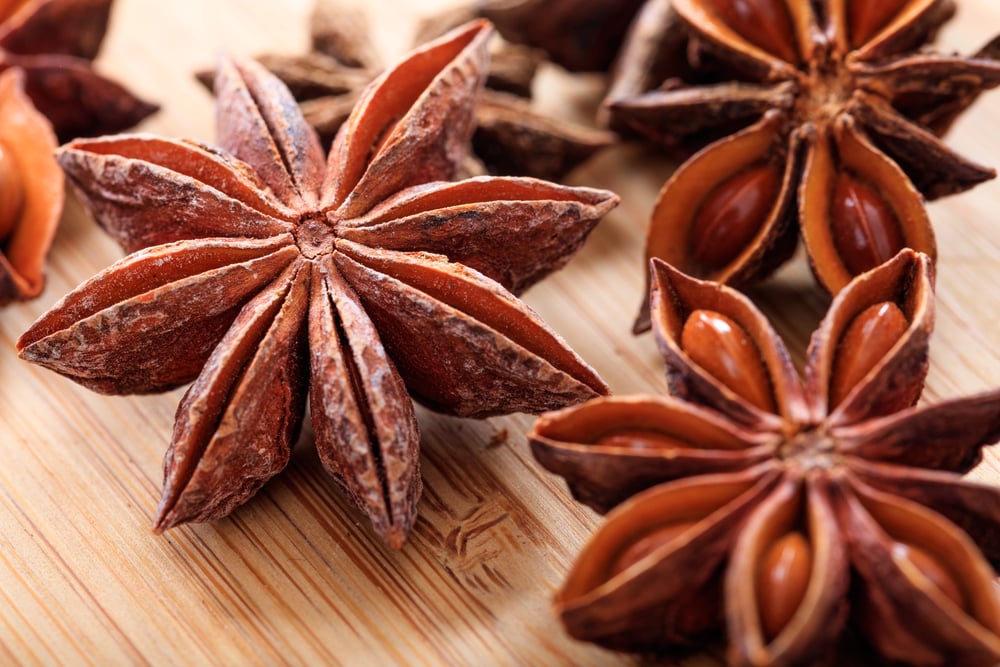
Star anise presents an interesting case study in how spice monopolies create their own strategic vulnerabilities, because unlike other spices that grew in multiple locations, star anise came exclusively from a small region in northeastern Vietnam and southwestern China, which meant any disruption to that region affected global supplies immediately. The French colonial administration in Indochina understood this dynamic perfectly, and they used star anise cultivation as a tool of political control rather than simply economic extraction.
French policies required local farmers to dedicate specific portions of their land to star anise cultivation, regardless of whether it made economic sense for their particular circumstances or soil conditions. Families who failed to meet quotas faced land confiscation, forced relocation, or imprisonment — and the quotas were set high enough that meeting them usually meant sacrificing food crops, which created periodic famines that the French then used to justify further intervention in local governance.
The Japanese occupation during World War II made things worse, as Japanese forces saw star anise as a strategic resource (it was used in traditional medicine and food preservation) and implemented even harsher quotas than the French. Local resistance movements specifically targeted star anise plantations, not because they opposed cultivation itself, but because destroying the crops was one of the few ways to strike back at occupying forces who depended on the revenue.
Saffron
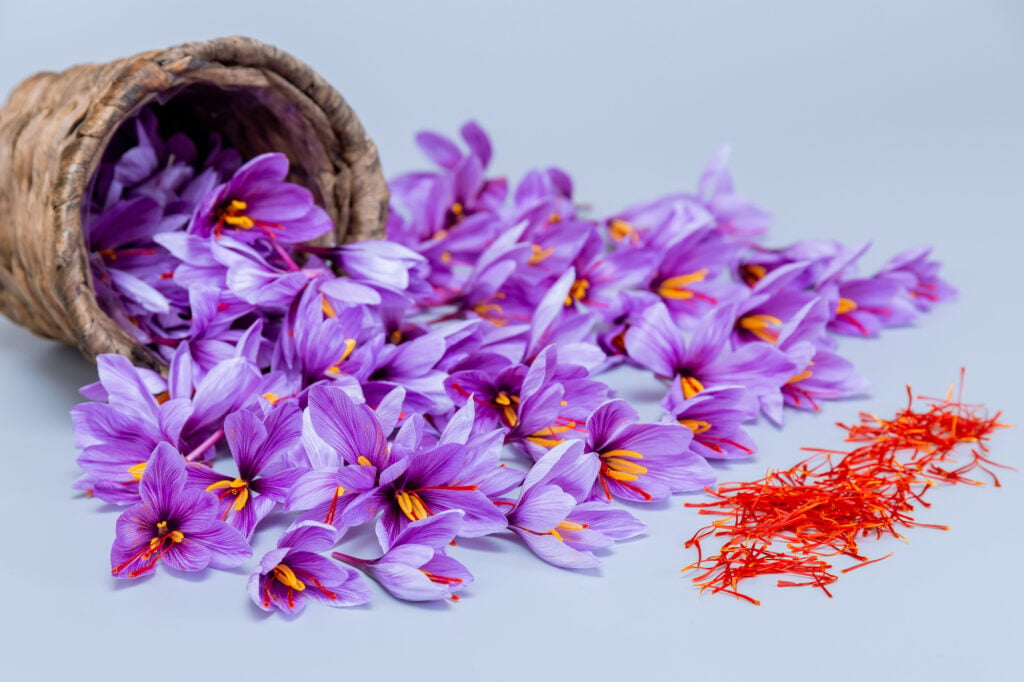
Saffron costs more per ounce than gold, cocaine, or any other legal substance on earth. Each strand must be hand-picked from crocus flowers, three strands per flower, during a harvest window that lasts about three weeks per year.
The labor requirements are so intense that saffron cultivation has always been a form of economic bondage disguised as agriculture.
Medieval Venice built much of its wealth on saffron trading, but maintaining that wealth required extraordinary measures to prevent competition. Venetian law made it illegal to export saffron bulbs, and the penalty was death — not exile or imprisonment, but actual execution.
Venetian traders also spread false information about saffron cultivation requirements to discourage other regions from attempting to grow their own supply.
The Saffron War of 1374 broke out when a shipment of saffron worth 16,000 gold florins was hijacked before reaching Basel. The resulting conflict lasted fourteen weeks and involved multiple Swiss cantons, because saffron was too valuable to let a theft go unanswered.
Fourteen weeks of armed conflict over a spice that most people use maybe once in their lifetime. The war ended when the saffron was recovered, but the precedent was established: saffron was worth fighting for, regardless of the human cost.
Vanilla

Vanilla orchids are native to Mexico, and for three centuries after European contact, Mexico maintained a complete global monopoly on vanilla production — not through military force or trade agreements, but because of a small bee that Europeans didn’t notice. Vanilla orchids can only be naturally pollinated by a specific species of Melipona bee that exists nowhere else in the world.
The Totonac people of eastern Mexico had cultivated vanilla for over a thousand years before Spanish colonization, and they understood the relationship between the orchids and the bees perfectly. Spanish colonizers took vanilla plants back to Europe and attempted to establish plantations in tropical colonies, but the orchids wouldn’t produce vanilla pods without their native pollinators.
So Mexico kept its vanilla monopoly, and the Spanish kept trying to figure out what they were missing.
This mystery lasted until 1841, when a twelve-year-old enslaved boy named Edmond Albius on the island of Réunion figured out how to hand-pollinate vanilla orchids. His technique made vanilla cultivation possible anywhere with the right climate, which broke Mexico’s monopoly overnight and triggered a global plantation boom that relied heavily on forced labor.
The boy who solved the vanilla puzzle received no compensation for revolutionizing global agriculture, and his technique enabled decades of exploitative vanilla cultivation across Madagascar, Réunion, and other French colonies.
Turmeric
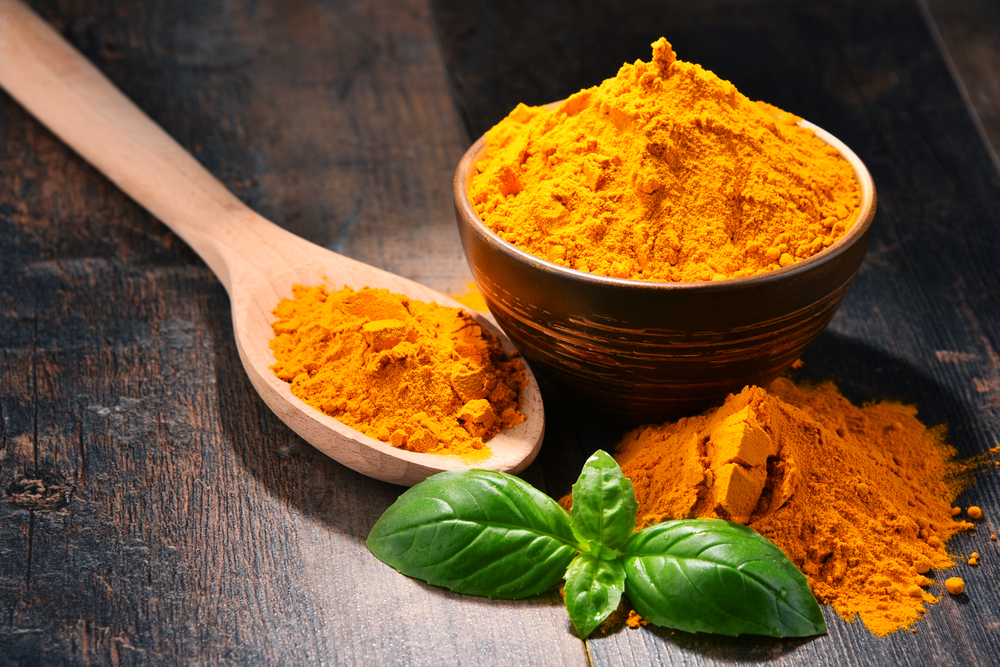
Turmeric might seem too common and inexpensive to have sparked serious conflicts, but that perception reflects modern industrial agriculture rather than historical scarcity — for most of human history, turmeric was a highly valued medicine, textile dye, and preservative that commanded premium prices in international markets, and the regions where it grew best became targets for conquest and economic exploitation. The British East India Company identified turmeric as a strategic commodity early in their colonization of India, and they structured land taxes and cultivation requirements specifically to ensure steady turmeric supplies for British markets.
British turmeric policies created artificial scarcities within India itself, as farmers were required to export their highest-quality turmeric while local populations had to make do with inferior grades or substitutes. This dynamic fueled resentment that contributed to larger independence movements, because people understood that they were being forced to give up their own traditional medicines and food ingredients to supply British consumers with luxury goods.
The turmeric trade also became entangled with British textile manufacturing, since turmeric was one of the most reliable yellow dyes available before synthetic alternatives were developed. British merchants would ship raw cotton from India to Manchester, process it in British mills using turmeric dyes also sourced from India, then sell the finished textiles back to Indian consumers at enormous markups — a system of economic exploitation that used turmeric as both input and justification for keeping India in a permanent state of resource extraction.
Ginger

Ginger cultivation requires specific soil conditions and consistent rainfall patterns that exist naturally in only a few regions, primarily coastal areas of tropical Asia, which made ginger production vulnerable to both environmental disruptions and political interference — and European traders learned quickly that controlling ginger meant controlling not just the spice trade, but also access to one of the most important medicines available before modern pharmaceuticals were developed. Ginger was essential for treating seasickness, digestive problems, and various infections, which made it almost as strategically important as weapons for maritime powers attempting long-distance voyages.
The Dutch approach to controlling ginger production was characteristically systematic: they required farmers in Java and other Indonesian islands to dedicate specific portions of their land to ginger cultivation, regardless of local food needs or economic preferences, and they set prices artificially low to maximize profits while creating dependence relationships that lasted for generations. Families who tried to sell ginger outside the Dutch trading system faced severe penalties, including land confiscation and forced relocation.
British traders, operating primarily in India, used ginger cultivation as a tool for transforming traditional agricultural systems into cash crop monocultures that served British interests rather than local needs. The transition from subsistence farming to export-oriented ginger cultivation created food insecurities that persisted long after independence, because entire regions had been restructured around producing a single crop for distant markets rather than feeding local populations.
Mace
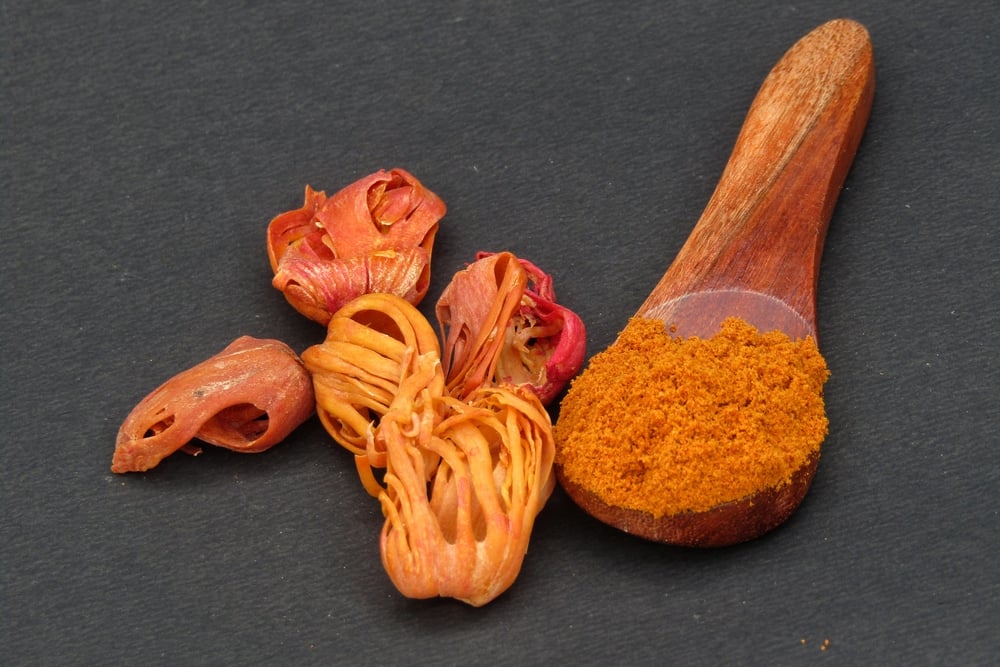
Mace comes from the same tree as nutmeg — it’s the red covering around the nutmeg seed — but it was even more valuable than nutmeg because each tree produces much less mace than nutmeg, and the processing requires more skill and labor. This scarcity made mace the ultimate luxury spice, worth more per pound than any other trading commodity except the finest gems and precious metals.
The Dutch monopoly on mace was even more brutal than their control of nutmeg, because mace required more sophisticated processing and quality control, which meant maintaining tighter oversight of every step from cultivation to export. Dutch forces stationed on the Banda Islands didn’t just control who could buy and sell mace — they controlled who was allowed to learn the processing techniques, creating a system where essential knowledge was restricted to a small number of people who could be easily monitored and controlled.
British attempts to break the Dutch mace monopoly led to some of the most expensive military operations in colonial history relative to the economic value at stake. The British spent more money trying to capture mace-producing islands than those islands generated in revenue for decades afterward, which suggests that the real issue was never economic efficiency but rather the principle of whether Britain or the Netherlands would control luxury spice trades.
Pride made the mace wars even more destructive than pure greed would have.
Allspice
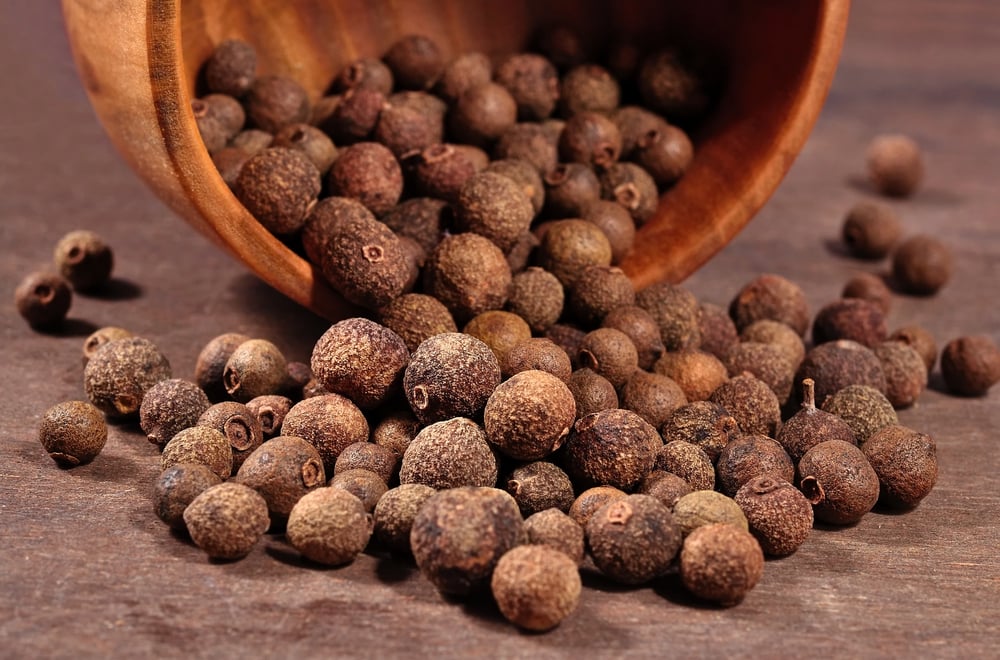
Allspice grows wild throughout the Caribbean and Central America, but Jamaica had the best climate for producing high-quality allspice berries, which gave the island strategic importance beyond its size or location. Spanish colonizers initially overlooked allspice because it wasn’t as obviously valuable as gold or silver, but as European tastes evolved and preservation methods became more important for long-distance trade, allspice became one of the most sought-after commodities in the Americas.
The British seizure of Jamaica in 1655 was motivated partly by sugar cultivation potential, but allspice revenues provided a crucial secondary income source that helped justify the enormous military and administrative costs of maintaining Caribbean colonies. British plantation owners used enslaved labor to harvest wild allspice and establish cultivated groves, creating an economic system where the profits flowed to Britain while the environmental and human costs remained in Jamaica.
Spanish attempts to reclaim Jamaica throughout the late 1600s were driven partly by strategic considerations, but also by the recognition that Britain was extracting enormous wealth from allspice exports that had previously belonged to Spain. The wars over Jamaica lasted intermittently for decades and involved multiple European powers, all fighting partly over the right to control trees that grew wild in the forest.
Fenugreek
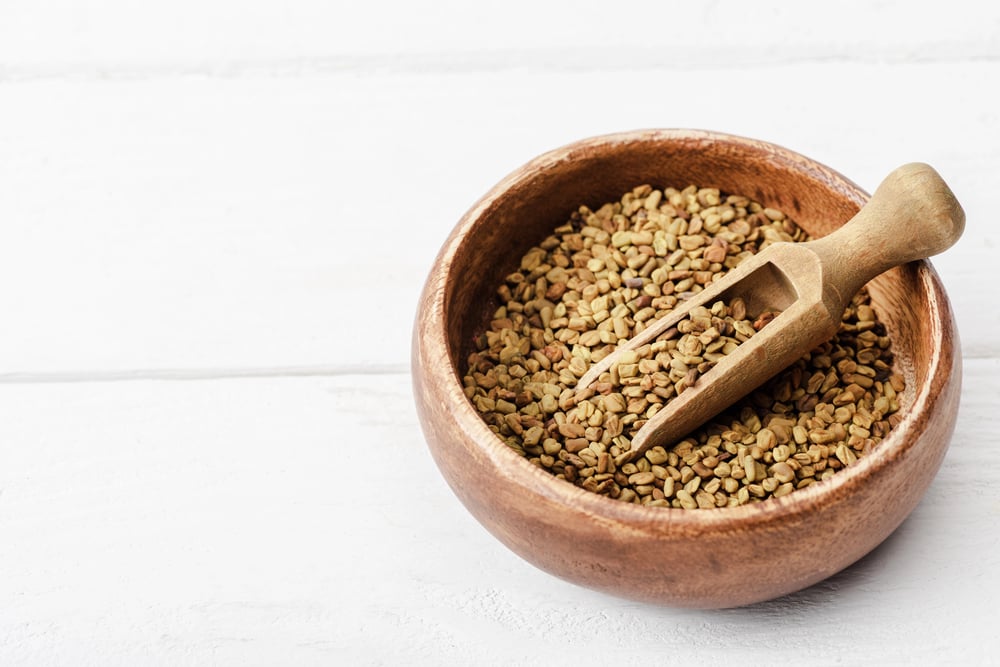
Fenugreek seeds were crucial for traditional medicine systems across Asia and North Africa, particularly for treating digestive problems, respiratory issues, and complications related to childbirth, which made fenugreek cultivation a matter of public health rather than simple agricultural economics — populations without reliable access to fenugreek faced higher mortality rates and more chronic health problems, especially among women and children. European colonial administrators understood this dynamic and used it strategically to create dependence relationships with local populations.
British policies in India systematically redirected fenugreek cultivation toward export markets rather than local consumption, creating artificial scarcities of a plant that had been widely available for centuries before colonization. Medical shortages that resulted from fenugreek export policies contributed to higher infant mortality rates and increased maternal deaths during childbirth, but British administrators prioritized export revenues over public health outcomes in colonized territories.
The fenugreek trade also became entangled with opium cultivation in some regions, as British traders encouraged farmers to switch from fenugreek to opium poppies because opium generated higher export revenues — even though this transition meant local populations lost access to traditional medicines while becoming dependent on a cash crop that served British strategic interests in China rather than local needs in India.
The spice routes that haunt us still

Walk through any modern supermarket and the ghosts of the spice wars follow you down the aisles. Those neat little jars represent centuries of exploitation, environmental destruction, and cultural erasure that most people never think about while deciding between regular cinnamon and Ceylon cinnamon.
The abundance we take for granted was built on systems of forced labor, ecological devastation, and economic extraction that reshaped entire continents to serve European appetites.
But perhaps what’s most striking about the spice wars isn’t their brutality — though that was considerable — but their fundamental irrationality. Rational actors don’t trade Manhattan for a nutmeg island, don’t commit genocide over tree bark, and don’t fight fourteen-week wars over saffron shipments.
The spice trade reveals something uncomfortable about human nature: when we want something badly enough, we’re capable of convincing ourselves that any level of violence is justified to get it.
The spices were just the excuse. The real drug was always power itself.
More from Go2Tutors!

- The Romanov Crown Jewels and Their Tragic Fate
- 13 Historical Mysteries That Science Still Can’t Solve
- Famous Hoaxes That Fooled the World for Years
- 15 Child Stars with Tragic Adult Lives
- 16 Famous Jewelry Pieces in History
Like Go2Tutors’s content? Follow us on MSN.