29 Photographs Banned from Publication for Decades Before Going Public
Some images are too inconvenient to survive in the open. Governments classify them, militaries seal them, institutions quietly bury them — and for years, sometimes decades, the public has no idea they even exist.
Then something shifts: a Freedom of Information request gets approved, an archive opens its doors, a whistleblower hands over a hard drive. And suddenly you’re looking at something that was never supposed to reach you.
These are photographs that spent years in drawers, vaults, or classified folders before the world finally got to see them. Each one tells a story that someone, somewhere, decided the public wasn’t ready for — or simply wasn’t entitled to.
The Atomic Bombing Aftermath in Hiroshima and Nagasaki
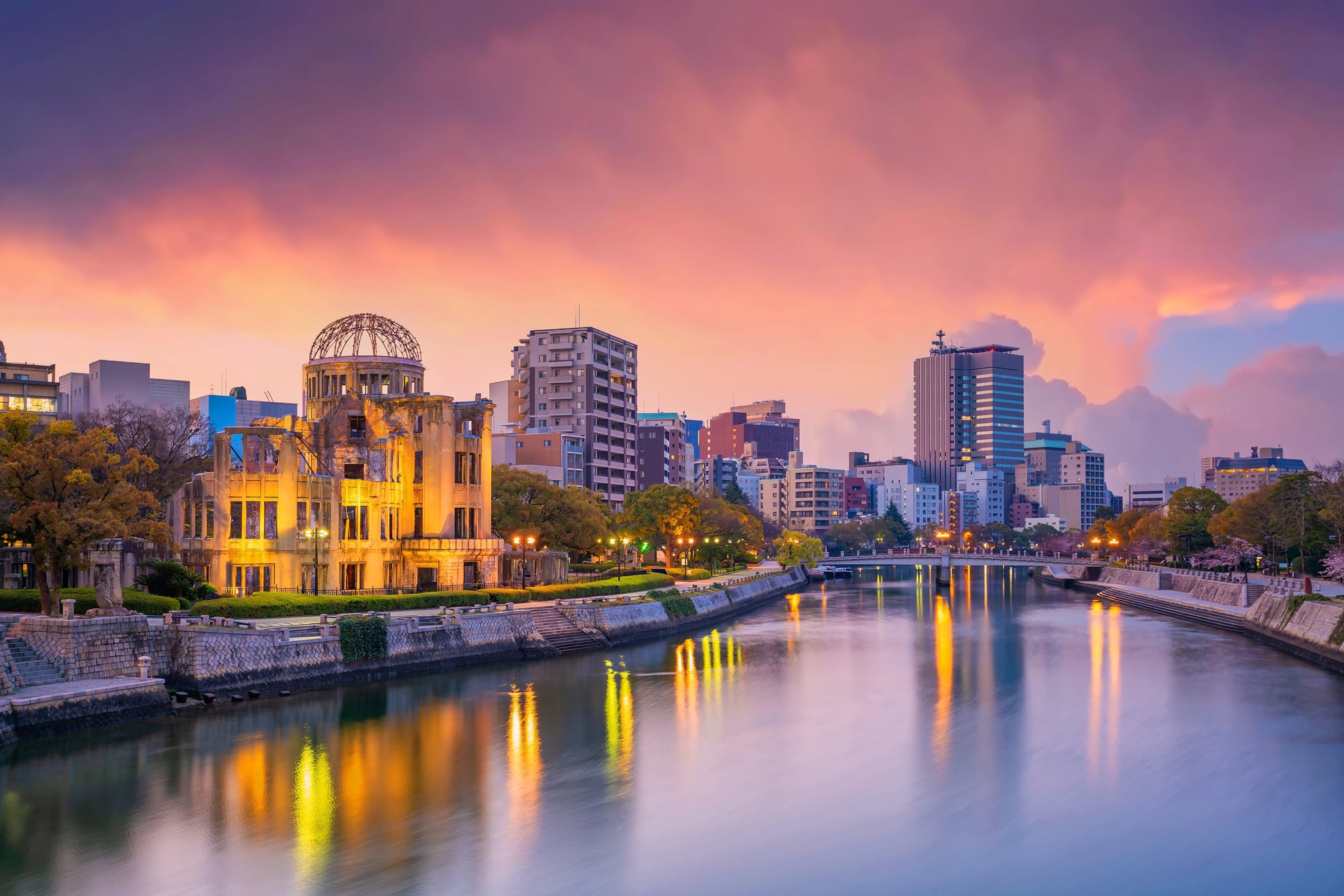
American military authorities confiscated footage and photographs taken by Japanese journalists in the weeks following the bombings of Hiroshima and Nagasaki in August 1945. The images — showing the scale of destruction and the condition of survivors — were suppressed for years under occupation censorship rules, which prohibited any material deemed likely to stir anti-American sentiment.
When they eventually surfaced, the photographs offered a ground-level record of the bombings that official U.S. imagery had never been designed to provide.
The My Lai Massacre
— Photo by photographer-20
Ronald Haeberle was a U.S. Army photographer present during the My Lai massacre in Vietnam on March 16, 1968, and he took two sets of photographs that day — one on official Army film, one on his personal camera. The Army’s version was filed and forgotten; Haeberle’s personal photographs were published in Life magazine in December 1969, more than a year and a half after the massacre occurred.
Those images, showing hundreds of unarmed Vietnamese civilians killed by U.S. troops, became one of the defining visual documents of the entire war.
Abu Ghraib Prison
The photographs taken inside Abu Ghraib prison in Iraq in 2003 and 2004 showed U.S. military personnel humiliating and abusing Iraqi detainees. A portion of them were published in 2004 after CBS News and The New Yorker obtained copies, but the Pentagon fought for years in federal court to block the release of thousands of additional images.
A judge eventually ordered their release under the Freedom of Information Act, though the Obama administration continued to resist, arguing that wider publication risked inflaming public opinion abroad. Many of the additional photographs were not released until years later — and some remain withheld to this day.
The Falling Man
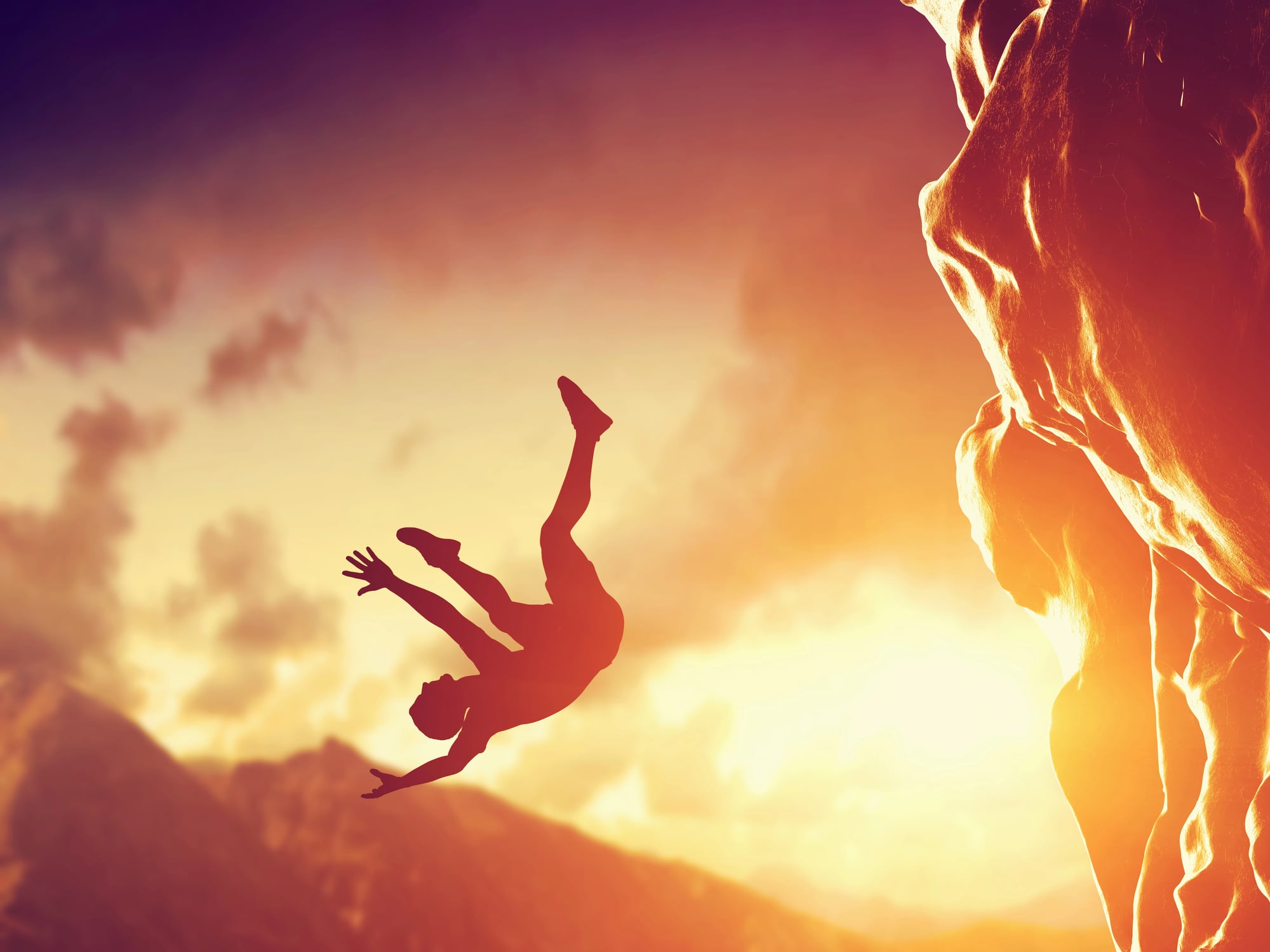
The photograph taken by Richard Drew on September 11, 2001, showing a man falling from the North Tower of the World Trade Center, was published in newspapers the day after the attacks — and then almost immediately pulled from circulation. Editors across the country received furious responses from readers who found it exploitative, and the image essentially vanished from American media for years.
It resurfaced in a 2003 documentary and has since become one of the most studied and debated press photographs in modern history.
Soviet Gulag Camps
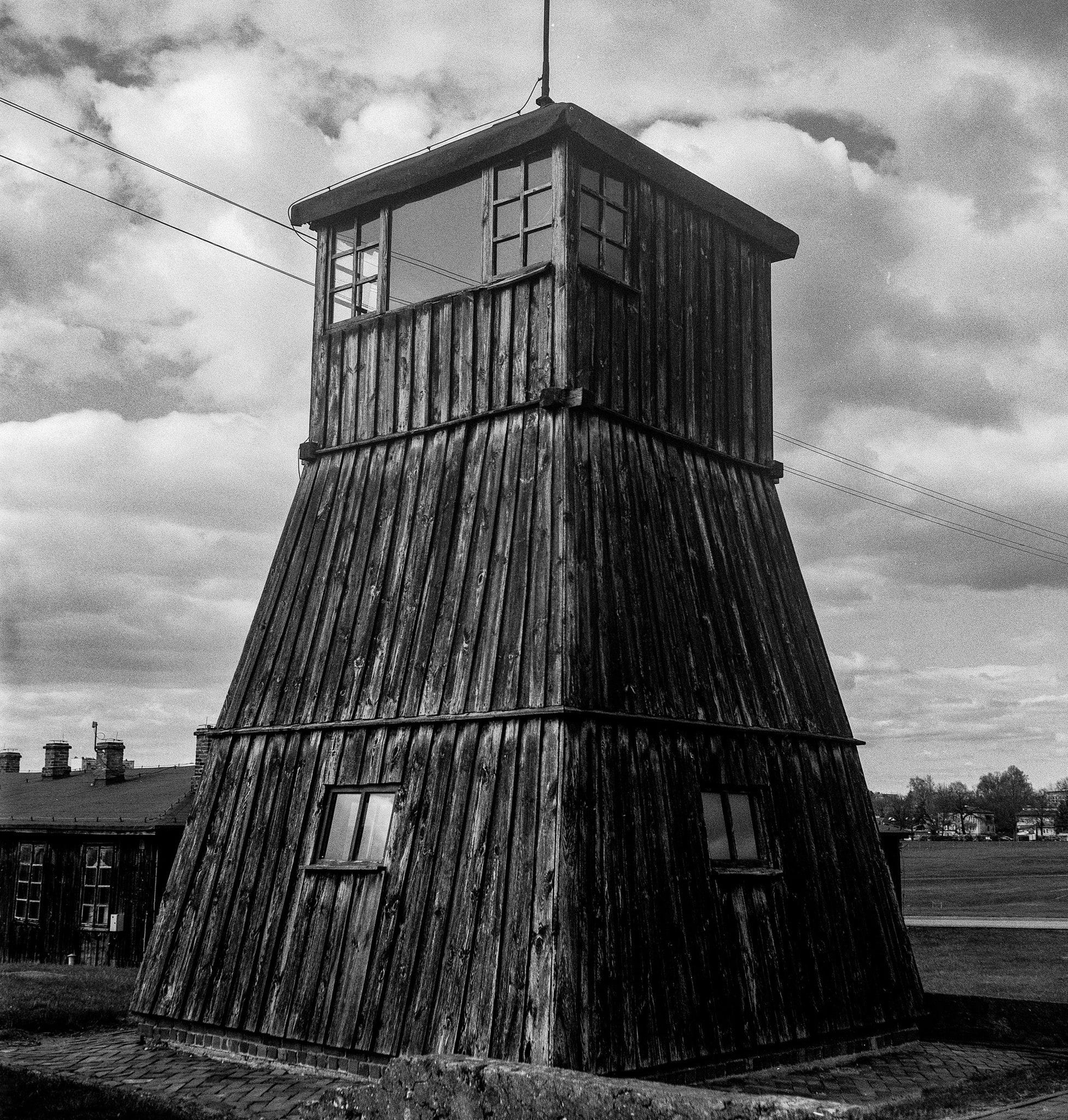
Photographs documenting the interior conditions of Soviet forced labor camps existed in Soviet state archives for decades, locked away in a system that had little interest in self-examination. Some images taken by camp administrators themselves — which had originally been filed as administrative records — were not made publicly available until the 1990s following the Soviet Union’s collapse, when archives were briefly opened.
What they showed corrected the historical record in ways that decades of survivor testimony alone had not been able to do, because seeing is a different kind of knowing.
The Liberation of Concentration Camps
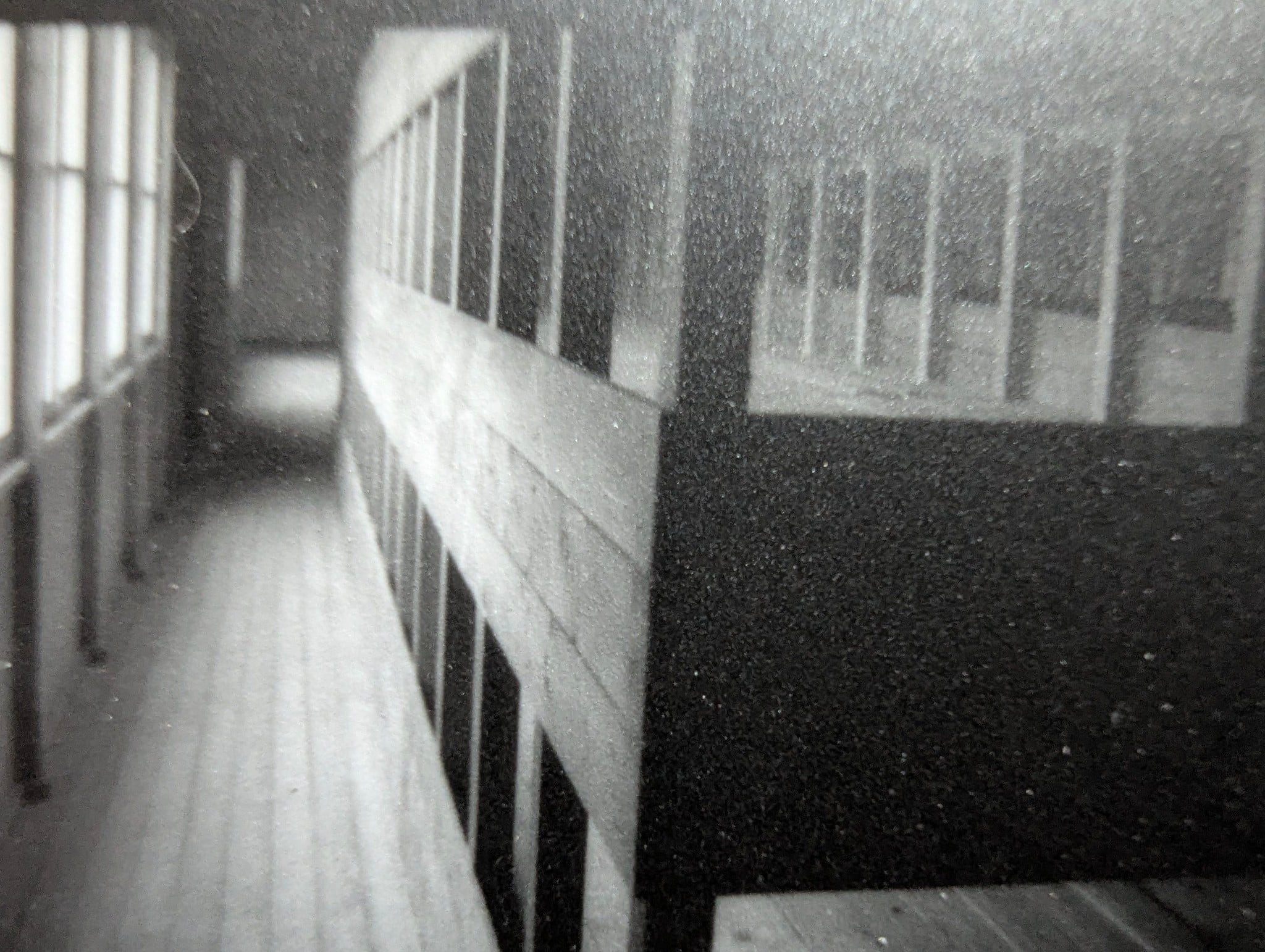
When Allied forces liberated Nazi concentration camps beginning in April 1945, photographers and film crews documented what they found. General Eisenhower ordered the documentation specifically to create an undeniable record — and yet a significant portion of that footage and photography was classified or held back from public circulation for years, partly because the full scale of what had happened was considered too destabilizing for immediate mass publication.
Some British newsreel footage was not shown publicly until decades after the war ended.
Kennedy Assassination Autopsy
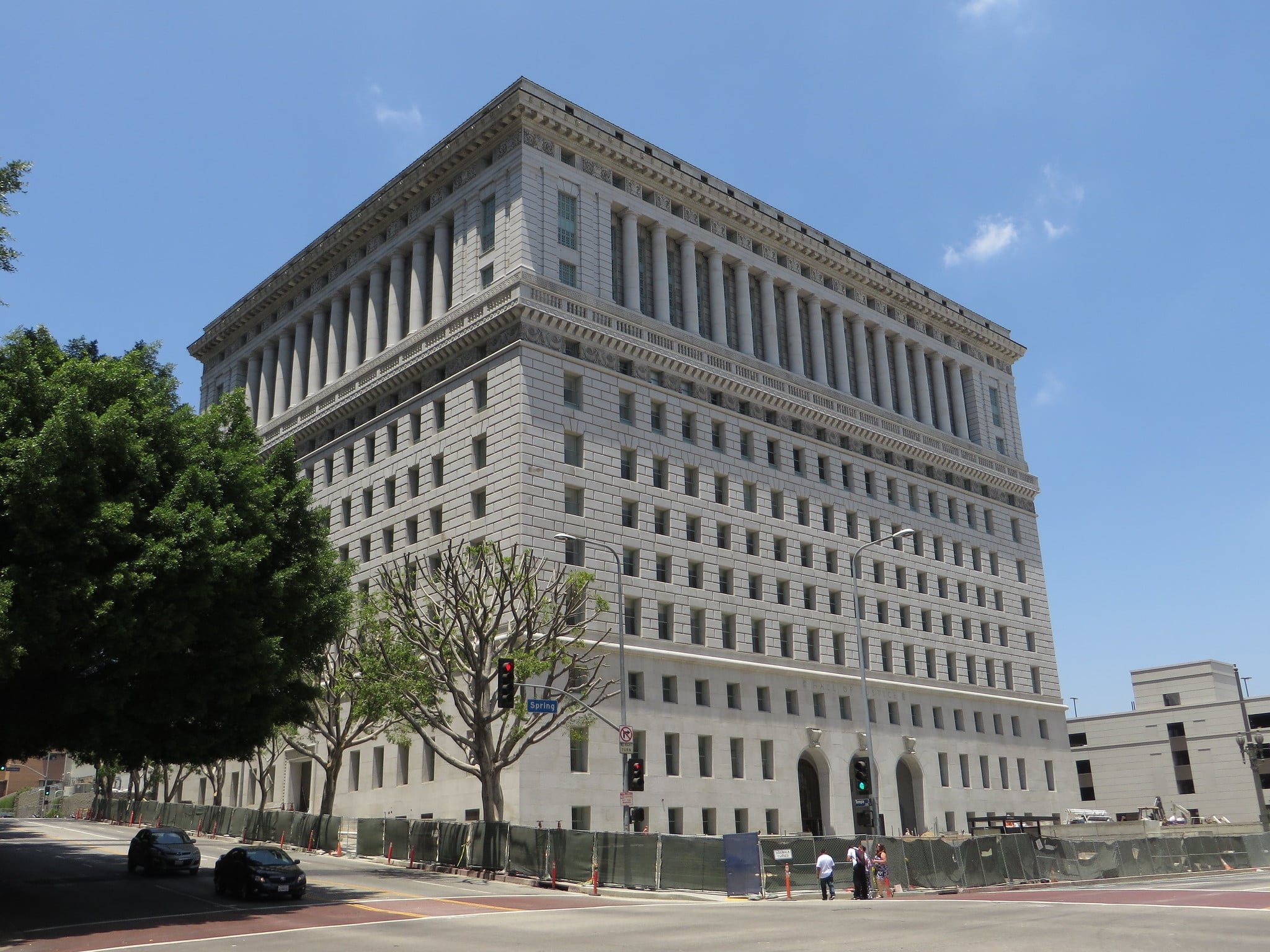
Photographs taken during President John F. Kennedy’s autopsy at Bethesda Naval Hospital on November 22, 1963 were transferred to the National Archives but restricted from public viewing for decades under an agreement with the Kennedy family. The Warren Commission had access to them, but the American public did not — which fed speculation for years and, to be fair, contributed meaningfully to the conspiracy theories that have never fully gone away.
Controlled access was eventually granted to researchers, though the full set remains restricted under specific provisions.
Thích Quảng Đức’s Self-Immolation
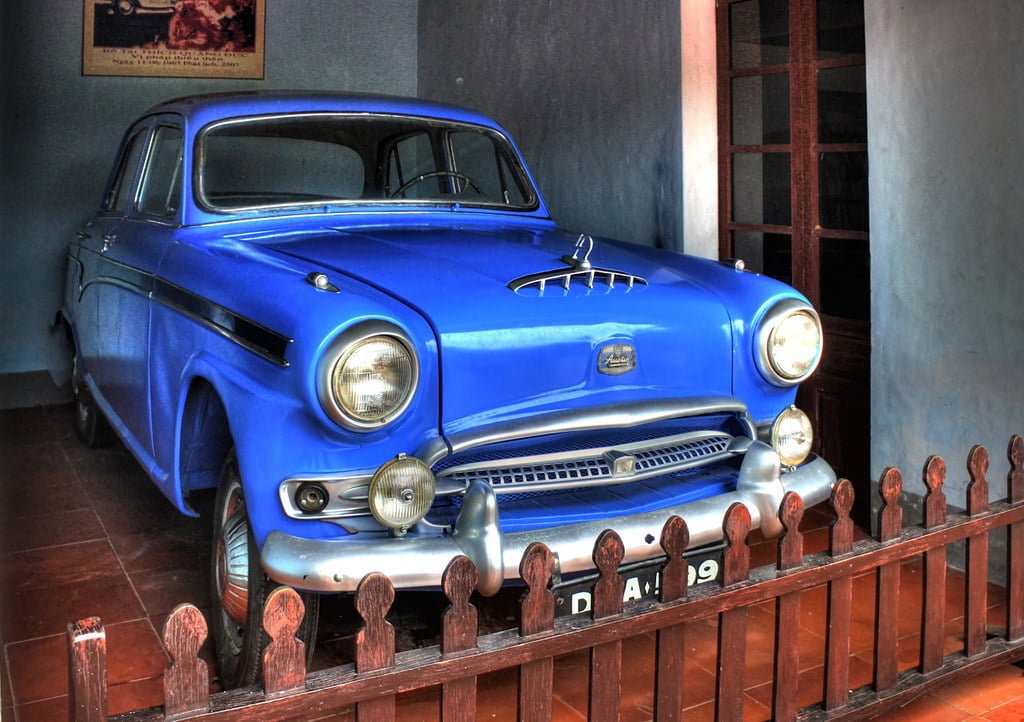
Malcolm Browne’s photograph of Thích Quảng Đức, a Vietnamese Buddhist monk who set himself on fire in Saigon in June 1963, was published internationally but was suppressed in South Vietnam by the government of Ngo Dinh Diem. The photograph won a Pulitzer Prize and is now considered one of the most significant press images of the twentieth century — but within the country where it was taken, it was a banned image, and anyone found distributing it risked serious consequences.
The Eddie Adams Execution Photograph
Eddie Adams photographed South Vietnamese General Nguyễn Ngọc Loan executing a Viet Cong prisoner in the street during the Tet Offensive in February 1968. The photograph was published quickly and widely, but the full context Adams always argued for — that the prisoner had just killed a police officer’s family — was largely stripped away in republication.
Adams spent the rest of his life arguing that the image had been unfair to Loan, and the photograph became a case study in what suppressing context can do to an image even when the image itself is visible.
American Military Casualties in Afghanistan and Iraq
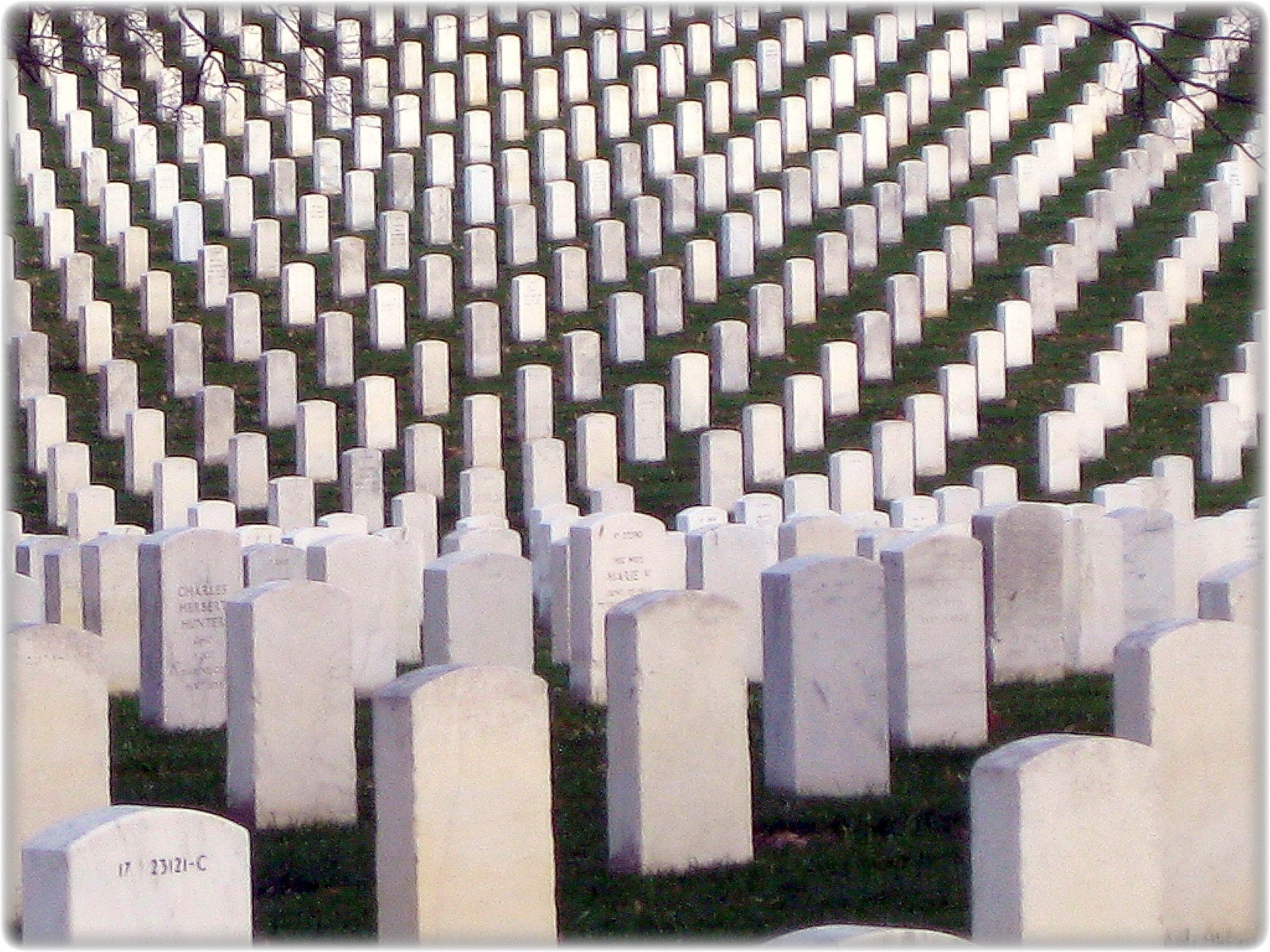
For years following the invasions of Afghanistan in 2001 and Iraq in 2003, the U.S. Department of Defense maintained a strict ban on photographing the flag-draped coffins of American service members returning to Dover Air Force Base in Delaware. The ban dated back to 1991, under the first Gulf War, and was enforced consistently until 2009 — when the Obama administration reversed the policy and allowed photography with the consent of the deceased’s family.
The images that followed were among the most quietly devastating of either conflict.
Chinese Famine Photographs
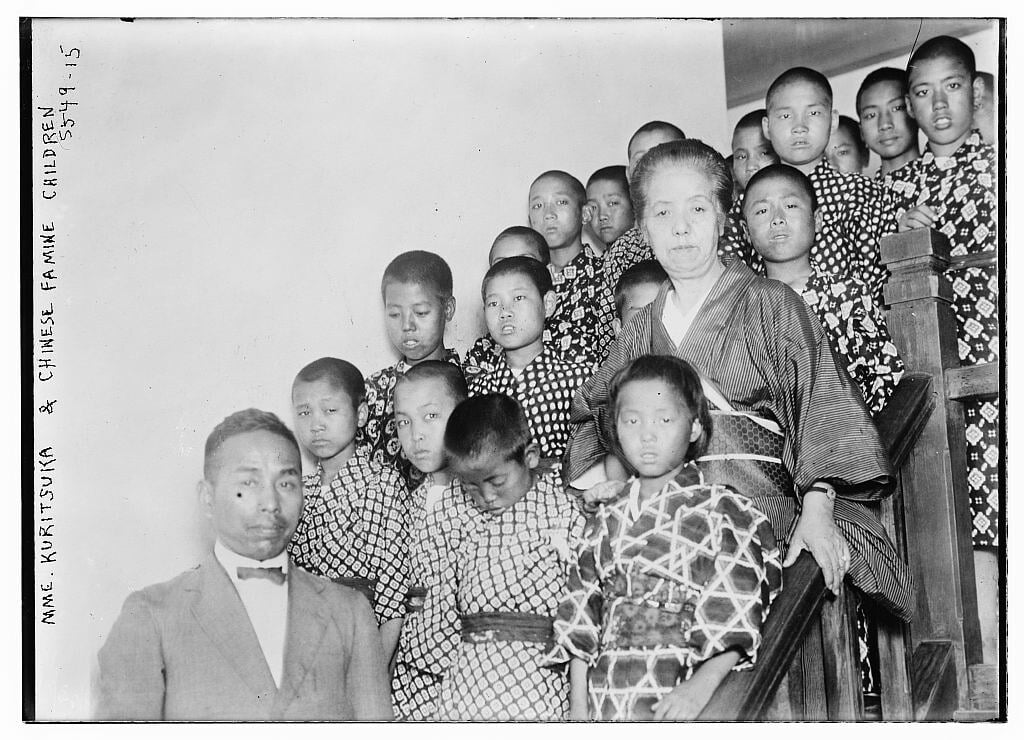
During the Great Leap Forward famine of 1959 to 1961, which killed an estimated 15 to 55 million people depending on the source, the Chinese Communist Party maintained strict control over all internal photography and documentation. Images that did exist were held in state archives and party records, unavailable to outside researchers or the Chinese public.
Some photographs and documents have emerged since the 1980s as archives have been selectively accessed, but China has never conducted a full public reckoning with the visual record of that period.
Wounded Knee 1973
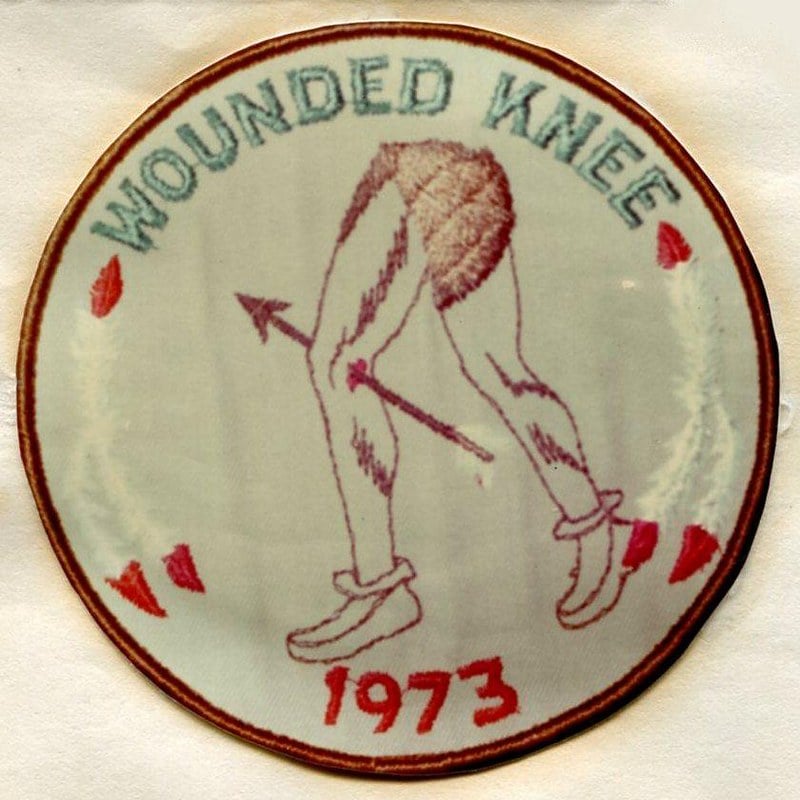
During the 71-day occupation of Wounded Knee, South Dakota, by members of the American Indian Movement in 1973, federal authorities restricted press access at various points throughout the standoff. Some photographs taken by journalists who managed to enter the perimeter were confiscated or delayed.
The broader photographic record of the occupation — including images documenting the federal response — was not fully in public circulation until years after the events concluded.
The Napalm Girl’s Unpublished Companions
— Photo by Stefanedwards1
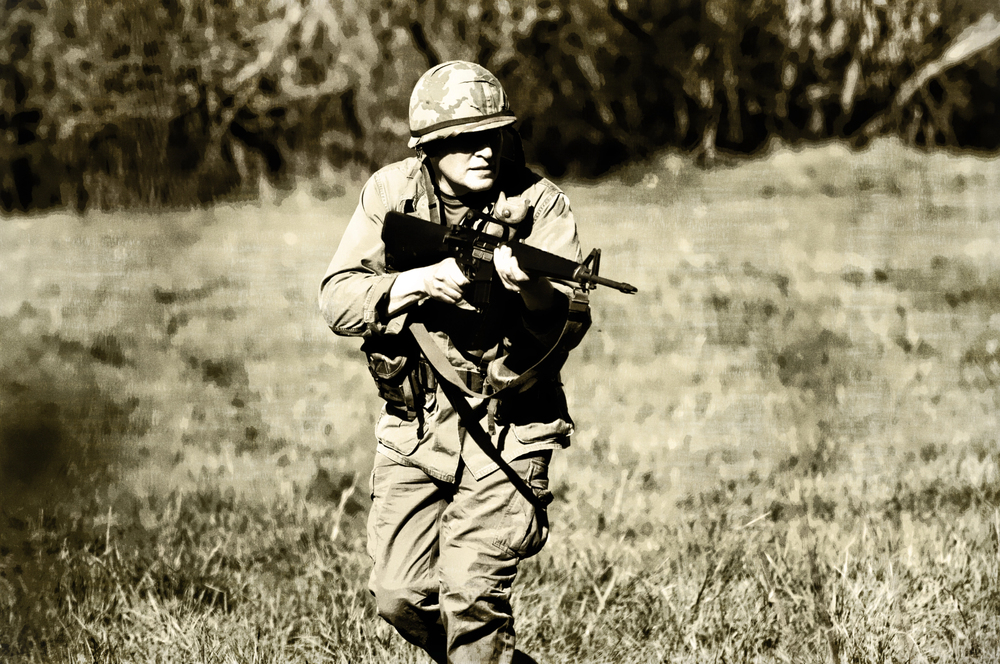
Nick Ut’s 1972 photograph of nine-year-old Phan Thi Kim Phuc running from a napalm attack became one of the most recognized images of the Vietnam War — but it was one frame in a sequence, and the other photographs from that day were far less widely distributed. Some of the more graphic images from the same attack were pulled by wire services or never distributed at all, considered too severe for publication.
The sanitizing of what surrounded that single iconic frame shaped how the event was understood for decades.
Nuclear Test Site Photographs
Photographs taken during U.S. nuclear weapons testing in the Marshall Islands and Nevada Test Site during the 1940s and 1950s were classified for decades by the Atomic Energy Commission. The images documented not just the explosions themselves but the deliberate exposure of military personnel — some placed within miles of detonations to test the psychological and physical effects of proximity to nuclear blasts.
Many of those photographs were declassified in stages during the 1990s, with the full picture of what had been done to those soldiers only becoming visible slowly, reluctantly.
Tiananmen Square
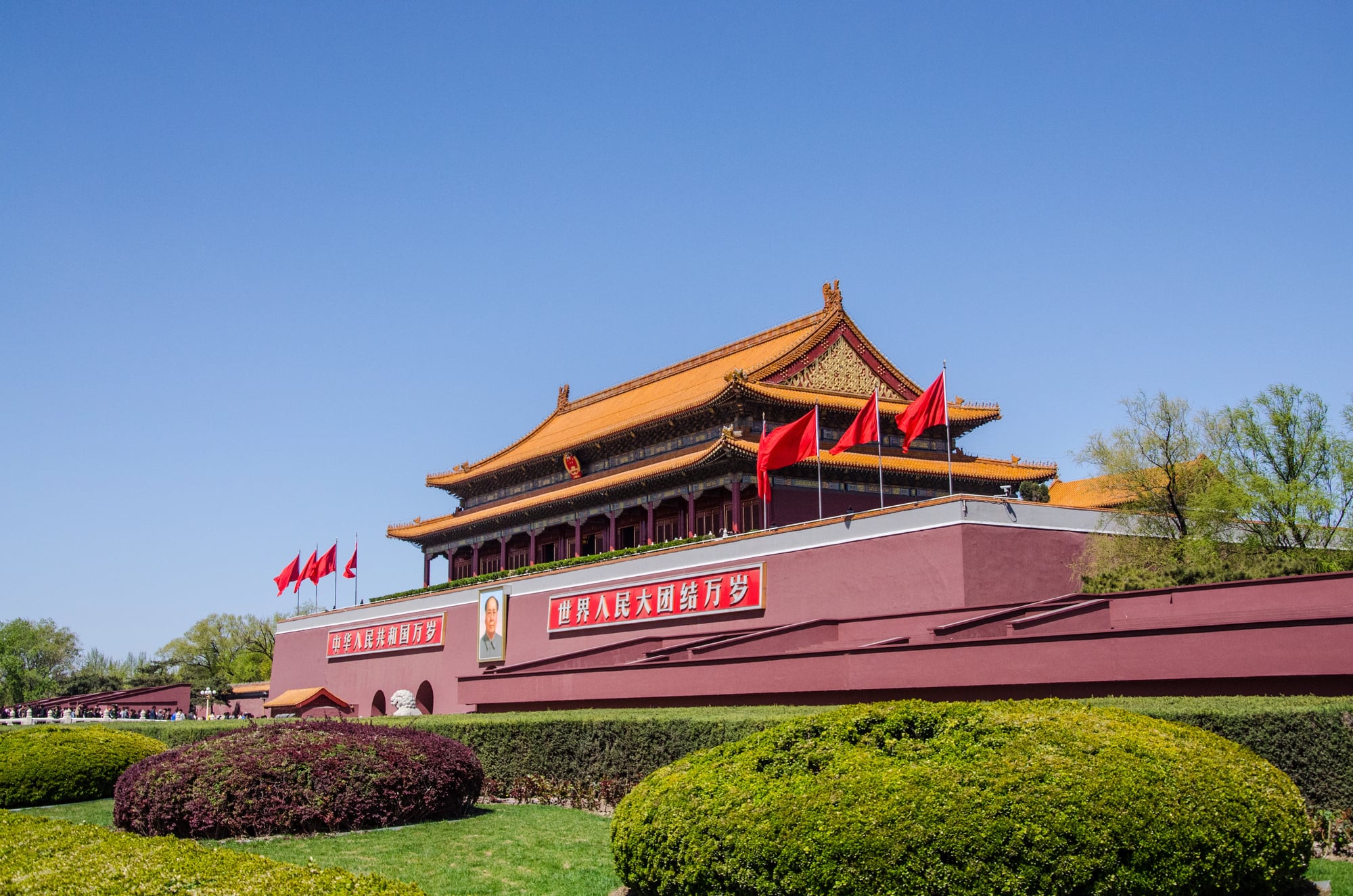
The most famous photograph from Tiananmen Square — Tank Man, taken on June 5, 1989 — was published internationally but has been banned inside China continuously since the moment it was taken. Within China, the photograph remains one of the most censored images in the world; young Chinese citizens have consistently failed to recognize it in survey-style research conducted by journalists, which says something sobering about the long-term effectiveness of image suppression when a government controls the internet as thoroughly as China does.
The Execution of Saddam Hussein
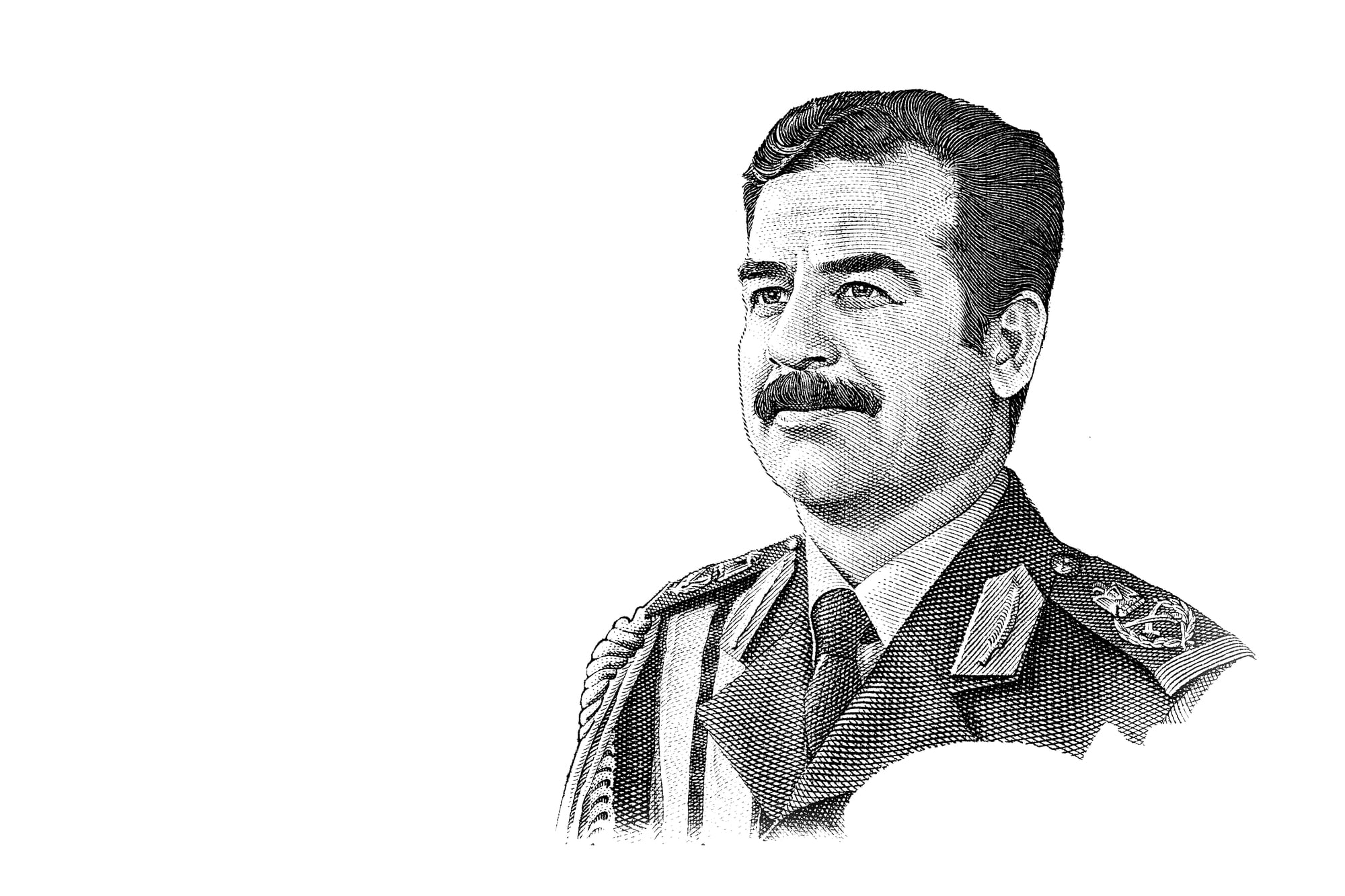
The official execution of Saddam Hussein on December 30, 2006 was recorded on a sanctioned video by the Iraqi government, but it was footage recorded on a mobile phone by an unofficial witness that reached the public — showing details the official recording did not. The Iraqi government had intended to control the visual narrative of the execution; the unofficial footage made that control impossible and sparked immediate controversy both about the conduct of the execution itself and about who had leaked the recording.
Japanese American Internment
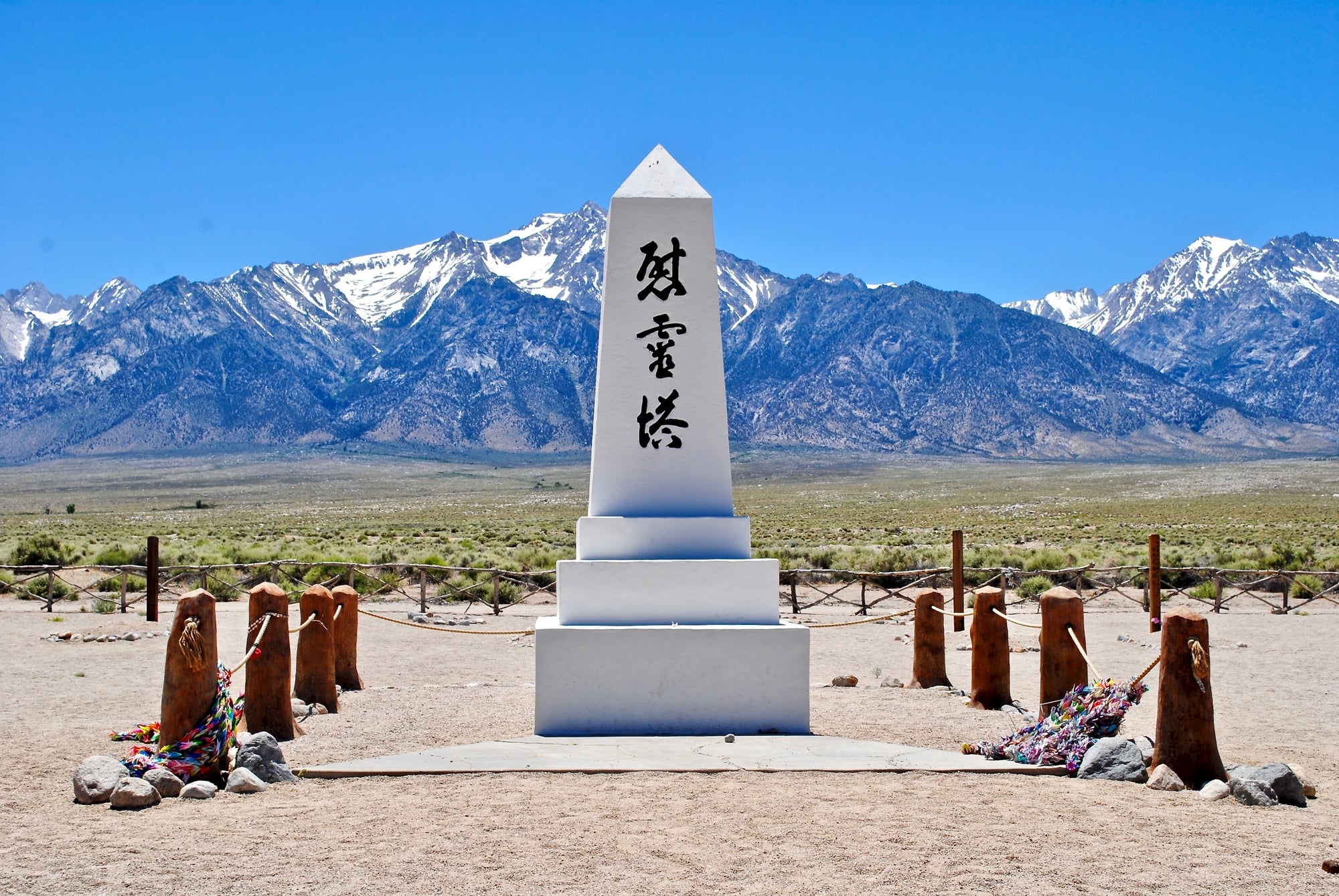
Dorothea Lange was hired by the War Relocation Authority to photograph the forced removal and internment of Japanese Americans beginning in 1942 — and then the Army impounded her photographs almost immediately, deeming them too sympathetic to the people being interned. Her images were locked in Army files by the Army immediately after being taken.
Though they remained officially restricted, Lange’s photographs began appearing in exhibitions and publications starting in the 1970s. A comprehensive Library of Congress collection was made available online in 2006, making them accessible to a much wider audience.
The Nixon White House
White House photographer Ollie Atkins took thousands of photographs during the Nixon administration, and a significant portion of them remained in restricted archives for years following Nixon’s resignation in 1974. Some images — including candid photographs taken during the final days before the resignation — were not widely circulated until archival releases in subsequent decades.
The photographs that emerged offered a different texture to the events than the public record had previously contained.
Vietnam Veterans’ PTSD Documentation
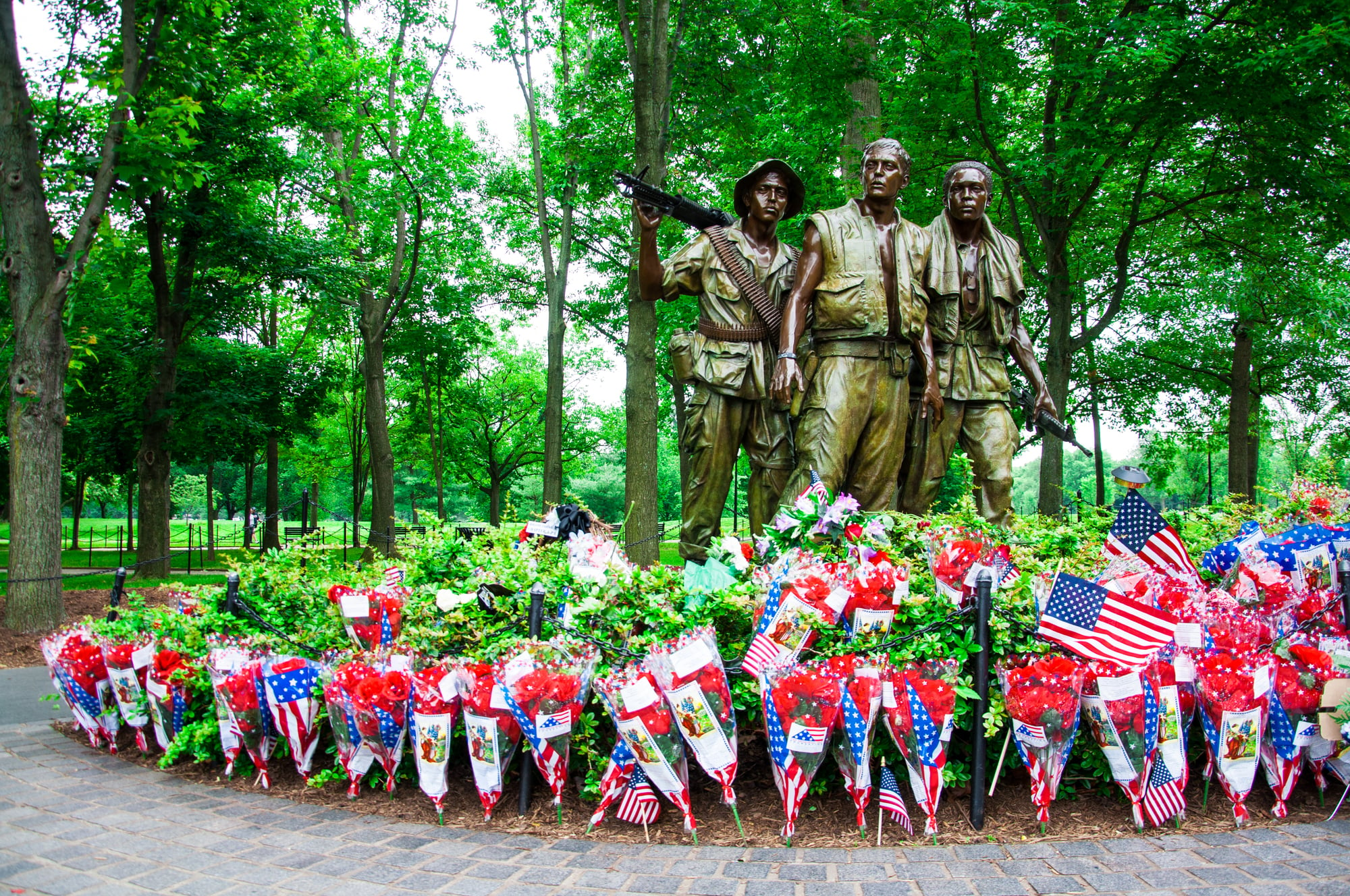
Photographs taken at VA hospitals during the 1970s and 1980s documenting the psychological condition of returning Vietnam veterans were largely kept internal to the VA system and rarely entered public circulation. The institutional instinct was to manage the narrative around veteran mental health rather than open it to outside scrutiny.
Some of that photographic record surfaced through documentary projects years later, contributing to a more complete public understanding of what the war had done to the people who fought it — which was, to put it plainly, something the government had not been in any hurry to show.
British Black Sunday, Derry 1972
On January 30, 1972, British paratroopers shot and killed fourteen unarmed civilians during a civil rights march in Derry, Northern Ireland — an event known as Bloody Sunday. Photographs taken that day were published in the press, but the British government’s official position for decades was that soldiers had fired in self-defense.
It wasn’t until the Saville Inquiry, which concluded in 2010, that the full visual and testimonial record was assembled into a public document that directly contradicted the government’s original account. Some photographic evidence had been held within military and government files throughout that entire period.
Soviet Chernobyl Interior
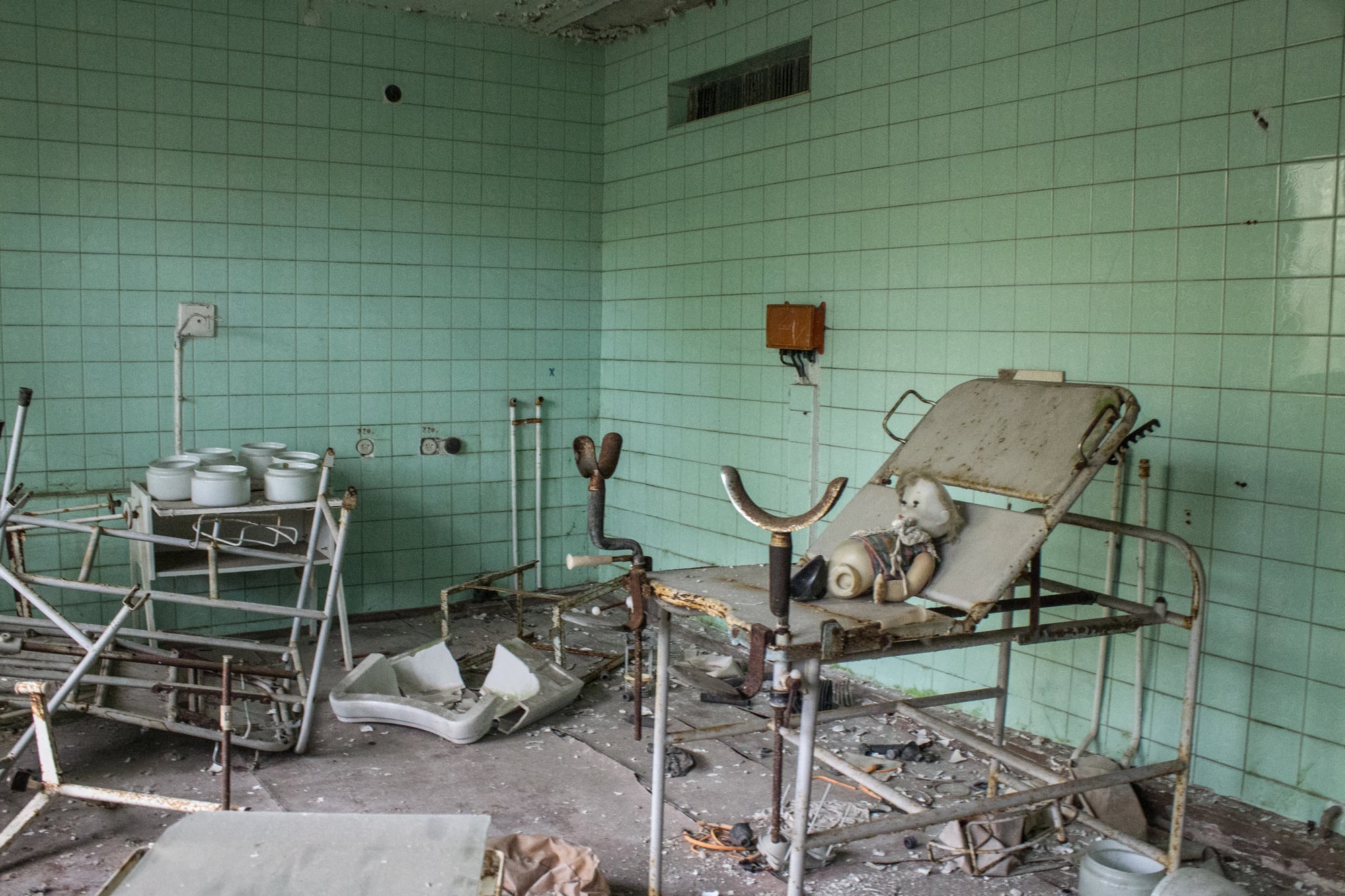
Photographs taken inside the Chernobyl nuclear plant immediately following the April 1986 explosion were classified by Soviet authorities and not made public for years. The Soviet government’s initial public response minimized the scale of the disaster, and the internal photographic record — showing the true state of the reactor and the plant — would have made that minimization impossible to sustain.
Images from within the exclusion zone and the reactor building were declassified in stages following the Soviet Union’s dissolution.
The Triangle Shirtwaist Fire
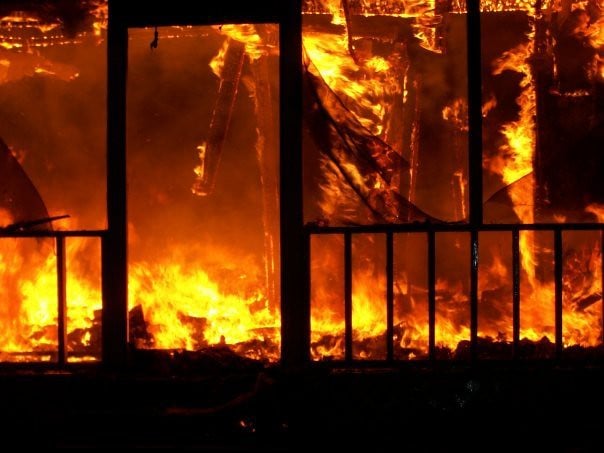
Photographs taken in the aftermath of the Triangle Shirtwaist Factory fire in New York City on March 25, 1911 — which killed 146 garment workers — were published at the time, but many of the more explicit images of victims on the street below the building were suppressed by newspaper editors who considered them too graphic. Some photographs were held in the archives of the New York City Fire Department and related institutions and were not widely distributed until historical retrospectives brought them back into circulation decades later.
Agent Orange and Birth Defects in Vietnam
Vietnamese and international photographers documented severe birth defects in children born in regions of Vietnam heavily sprayed with Agent Orange during the war, but many of these photographs faced significant resistance to publication in American media during the 1970s and 1980s. The U.S. government disputed the causal link between Agent Orange and birth defects for decades, and the photographic evidence that existed in Vietnamese medical archives and documentary projects was largely absent from mainstream American news coverage during that period.
Rwanda Genocide Evidence
Photographs taken during and immediately after the Rwandan genocide of 1994 were used as evidence in proceedings before the International Criminal Tribunal for Rwanda and held within those legal archives for years before broader public access became available. Some photographic evidence was restricted to protect ongoing legal proceedings; other images were held back by media organizations that debated whether publication served the historical record or simply extended the suffering of survivors.
The tension between those two positions never fully resolved.
The Dead of Antietam
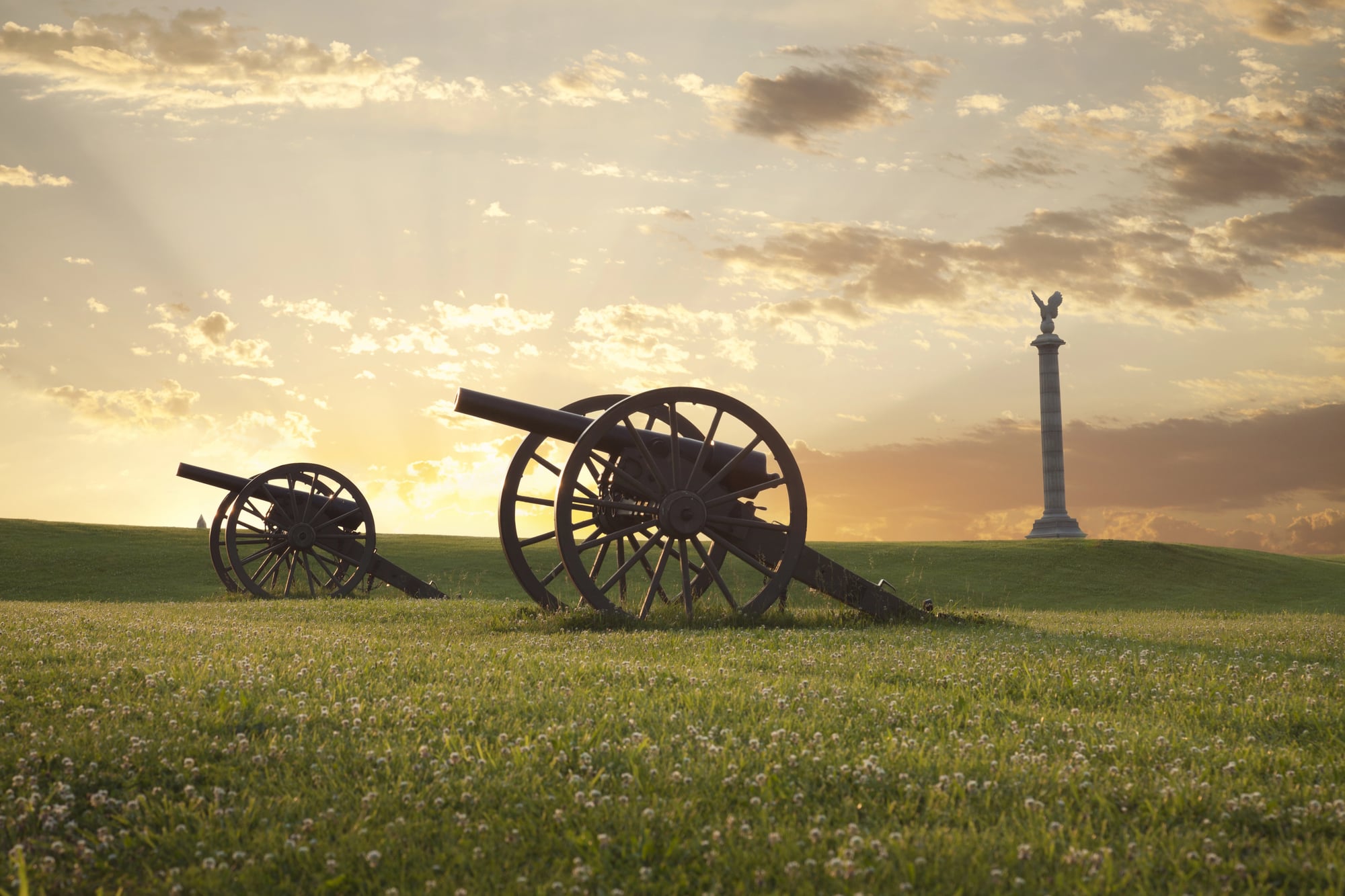
Mathew Brady and Alexander Gardner photographed the dead on the battlefield of Antietam in September 1862 — the first time American civilians were confronted with photographs of battlefield casualties from their own war. The images were displayed in Brady’s New York gallery and caused a public sensation, but the full collection was not comprehensively archived and made accessible until the Library of Congress undertook digitization projects more than a century later.
Some prints existed only in deteriorating form in private collections for decades before being properly catalogued.
The CIA’s MKULTRA Documentation
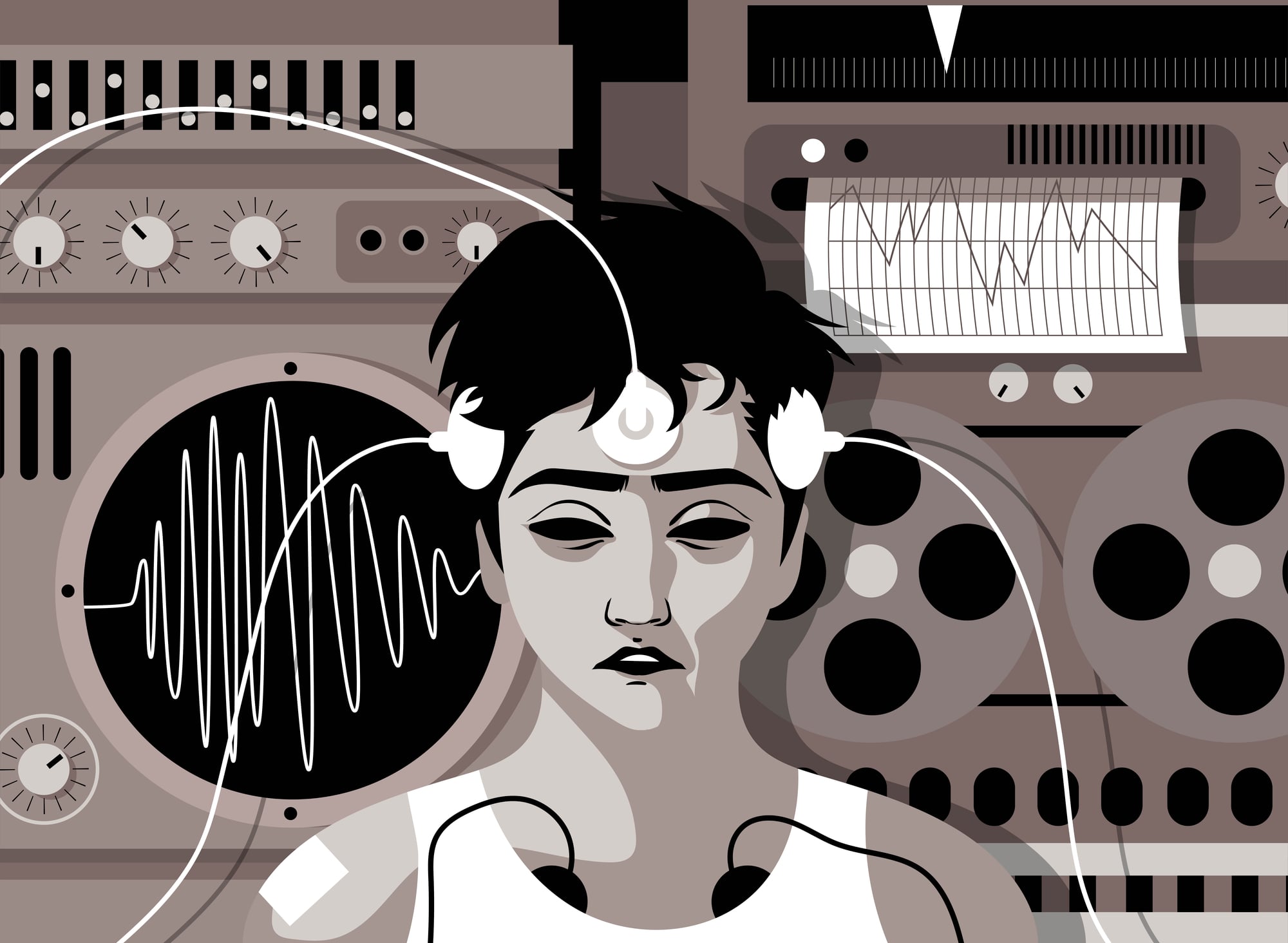
When the Senate’s Church Committee investigated CIA activities in 1975, it uncovered evidence of MKULTRA, the agency’s covert mind control research program. Most MKULTRA files had been destroyed in 1973 on the orders of Director Richard Helms — but approximately 20,000 documents survived in a financial records warehouse and were discovered in 1977.
The photographs and documentation that emerged from those surviving files showed experiments that had been conducted on unwitting subjects, including U.S. and Canadian citizens, without consent.
The Bangladesh Liberation War
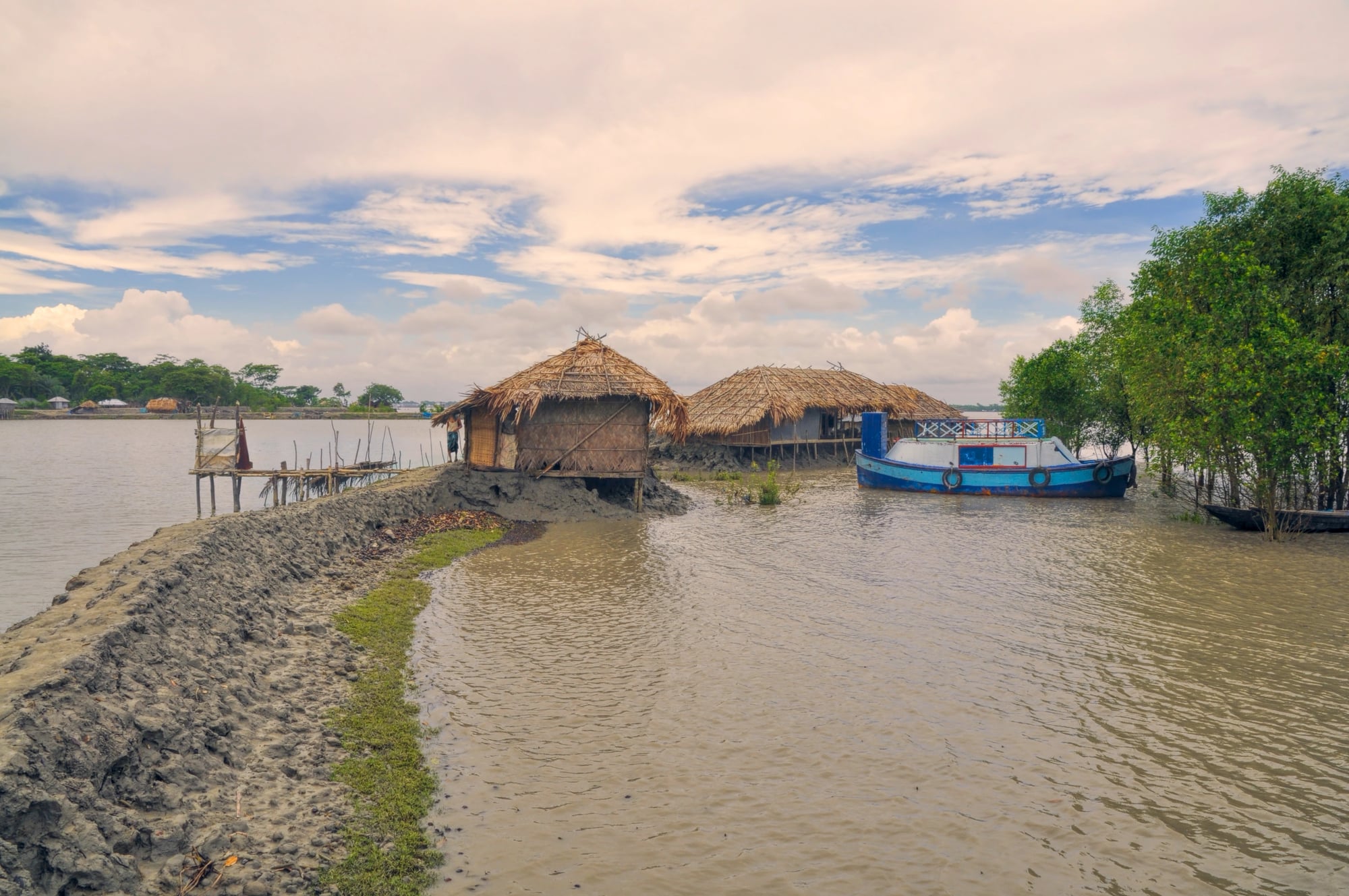
The Bangladesh Liberation War of 1971 involved mass atrocities committed by Pakistani military forces against Bengali civilians, with estimates of casualties ranging from 300,000 to 3 million people. Photographs documenting the killings were taken by journalists including Rashid Talukder, but many images were suppressed or simply never distributed widely in the Western press, which was occupied with other conflicts.
The photographic record of what happened in Bangladesh in 1971 remains among the most under-circulated documentation of a twentieth-century atrocity.
Spanish Civil War Contested Images
Robert Capa’s photograph “The Falling Soldier,” taken during the Spanish Civil War in 1936, was published immediately and became an iconic image of the conflict — but questions about its authenticity, raised periodically for decades, led to the photograph being contested, re-examined, and alternately defended and dismissed. More significantly, an entire suitcase of negatives from the war — containing roughly 4,500 images by Capa, Gerda Taro, and Chim Seymour — disappeared in 1939 and was not rediscovered until 2007, when it surfaced in Mexico City.
Those negatives had been sitting in the dark for nearly seventy years.
The Execution of Julius and Ethel Rosenberg
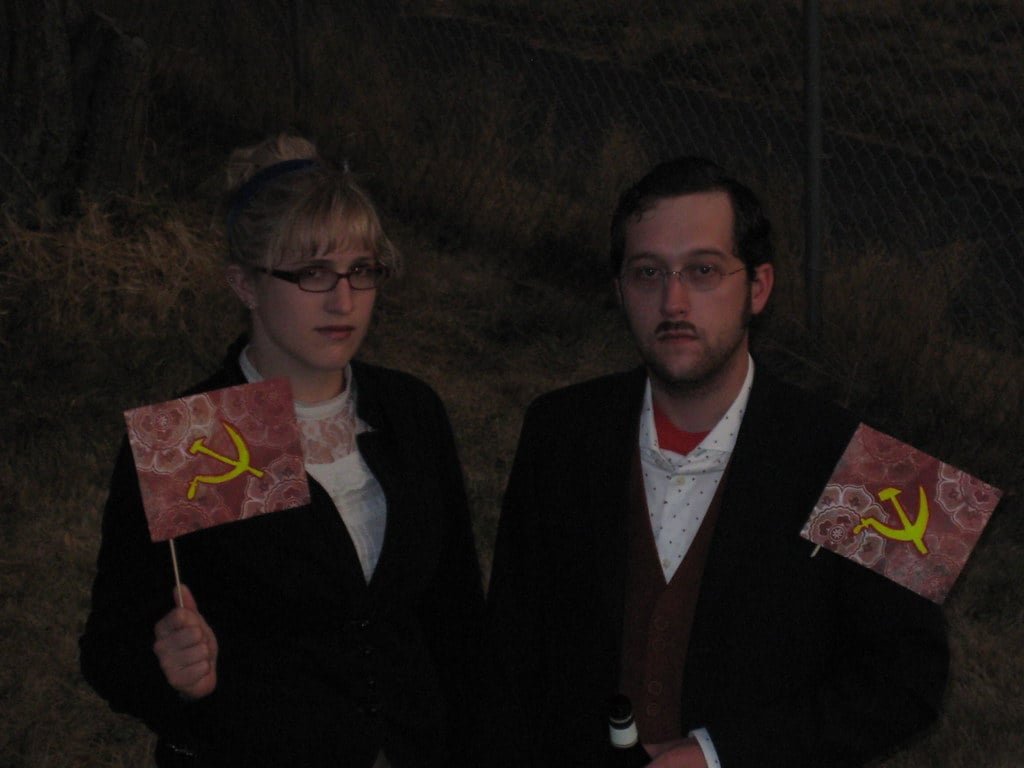
Julius and Ethel Rosenberg were executed at Sing Sing prison on June 19, 1953, convicted of passing atomic secrets to the Soviet Union. Photographs existed in government and press archives from the period, but the full documentary record surrounding their case — including photographic evidence and internal communications — remained classified or restricted for decades.
Documents and associated materials released in stages under FOIA requests continued to emerge well into the 2000s, with each release adding texture to a case that had never stopped being contested.
What Gets Buried Eventually Surfaces
There’s a pattern in all of this: the photographs that someone most urgently wanted buried are almost always the ones that mattered most. Not because suppression makes an image more powerful — though it sometimes does — but because the act of suppressing something is itself an admission.
It says: this picture does something to people. It changes what they think.
And whoever ordered it locked away understood that, even if they’d never admit it out loud. The archive is patient.
It outlasts administrations, classifications, and the people who signed the orders. And eventually, the drawer opens.
More from Go2Tutors!

- The Romanov Crown Jewels and Their Tragic Fate
- 13 Historical Mysteries That Science Still Can’t Solve
- Famous Hoaxes That Fooled the World for Years
- 15 Child Stars with Tragic Adult Lives
- 16 Famous Jewelry Pieces in History
Like Go2Tutors’s content? Follow us on MSN.



