15 Unforgettable Moments in Live News
Live television has this incredible power to turn ordinary moments into shared experiences that stick with us forever. When news breaks in real-time, millions of people around the world suddenly become witnesses to history unfolding right before their eyes.
These moments don’t just inform us – they unite us in ways that scripted programming never could. From space triumphs to national tragedies, live news has given us some of the most powerful images and sounds ever captured on camera.
Here is a list of 15 unforgettable moments in live news that changed how we see the world and reminded us of television’s unique ability to bring us together when it matters most.
JFK Assassination Coverage
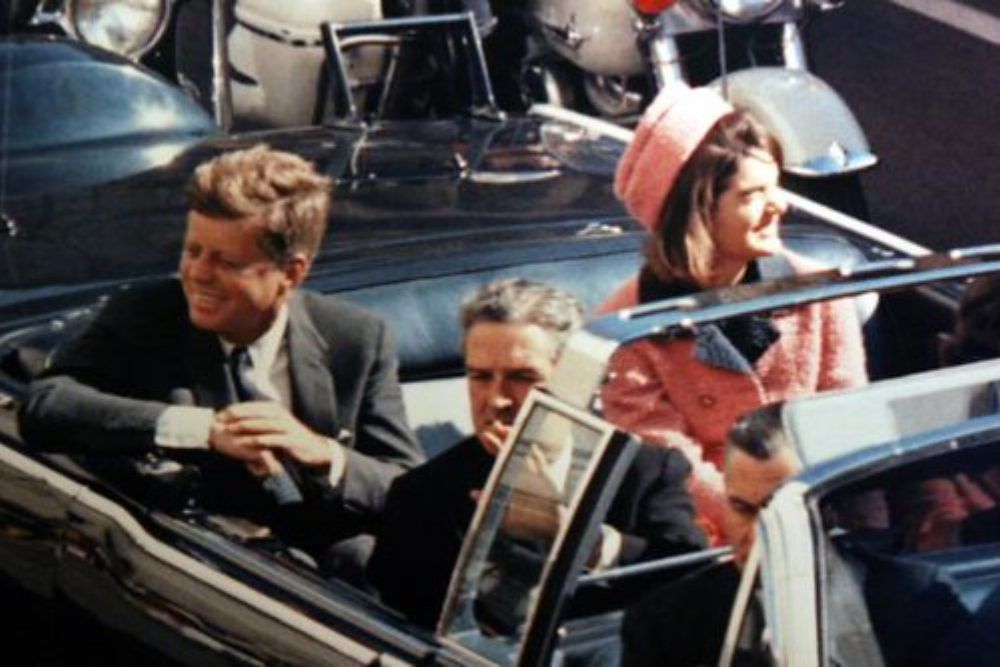
On November 22, 1963, Walter Cronkite interrupted regular programming on CBS to deliver news that would shake America to its core. President John F. Kennedy had been shot in Dallas, and later died from his wounds.
The legendary newsman’s composure barely held as he removed his glasses to collect himself, creating one of the most human moments in broadcast history. Despite his incredible composure, the emotion on Cronkite’s face is visible, especially when he removes his glasses to blink away tears and collect his composure as he continues to report the news.
Apollo 11 Moon Landing
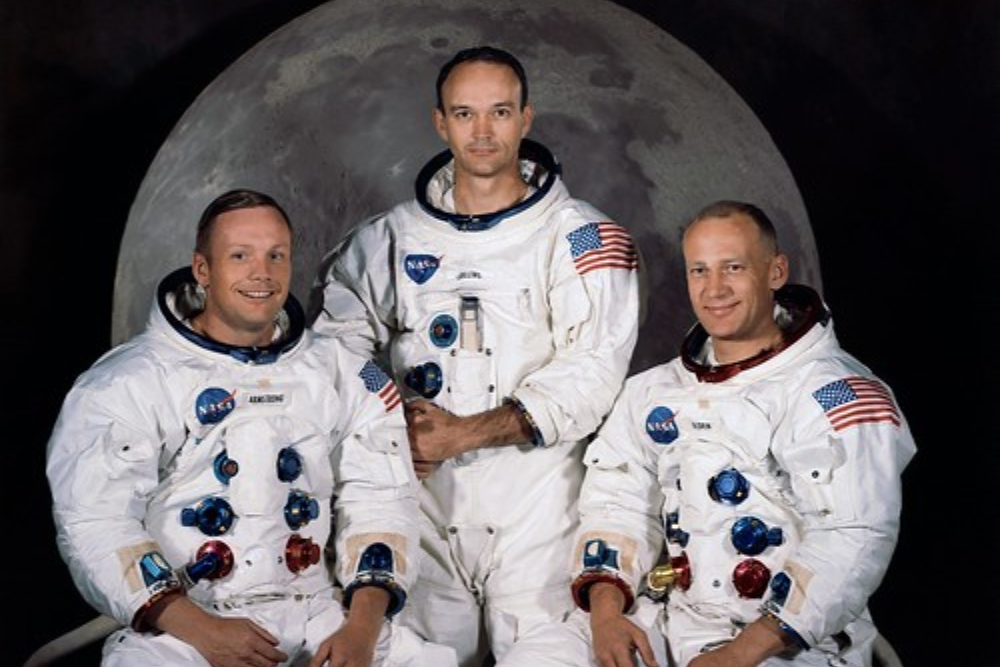
More than half a billion people tuned in to see Neil Armstrong and Buzz Aldrin take man’s first steps on the moon on July 20, 1969. The broadcast achieved something almost impossible today – a 93 percent share of households in the United States, meaning 93 percent of people watching TV saw a man land on the moon.
When Armstrong said his famous line, ‘That’s one small step for man, one giant leap for mankind,’ even Walter Cronkite was initially speechless, telling his co-host, ‘Wally, say something, I’m speechless.’
Like Go2Tutors’s content? Follow us on MSN.
Lee Harvey Oswald’s Murder
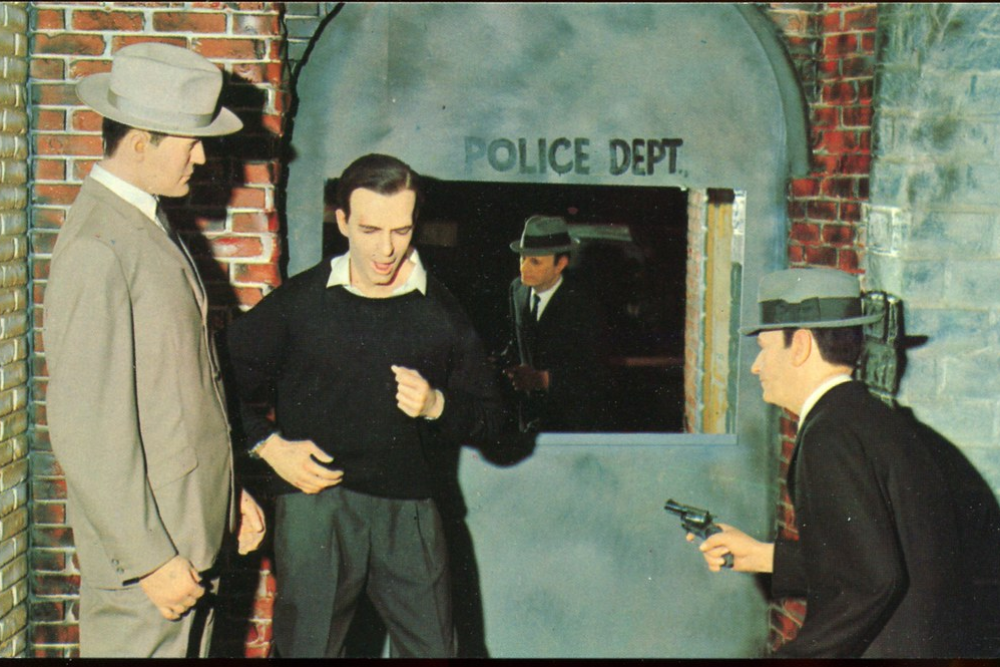
Two days after JFK’s assassination, millions watched live on NBC as Dallas nightclub owner Jack Ruby shot accused assassin Lee Harvey Oswald in the stomach while he was being transported to county jail. The shooting happened in broad daylight, in front of cameras, turning viewers into witnesses of yet another shocking murder.
The moment was captured in an iconic, Pulitzer-winning photo by photographer Robert H. Jackson.
September 11 Attacks
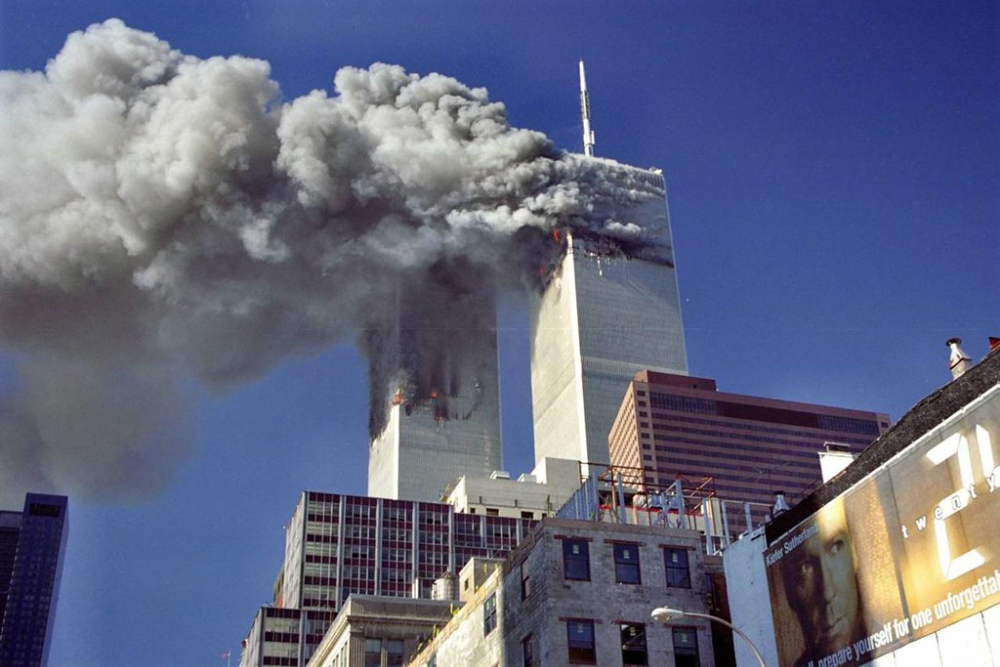
The morning news shows were winding down on September 11, 2001, when reports came in that a plane had hit the World Trade Center, but it was soon revealed as a coordinated attack when another smashed into the second tower. The horrific footage of two hijacked Boeing 767s colliding into the World Trade Center became America’s darkest day, with TV reporters helping steady shaken viewers during continuous coverage, though off camera they were weeping too.
The images of the towers collapsing live on television became seared into the national consciousness.
Challenger Explosion
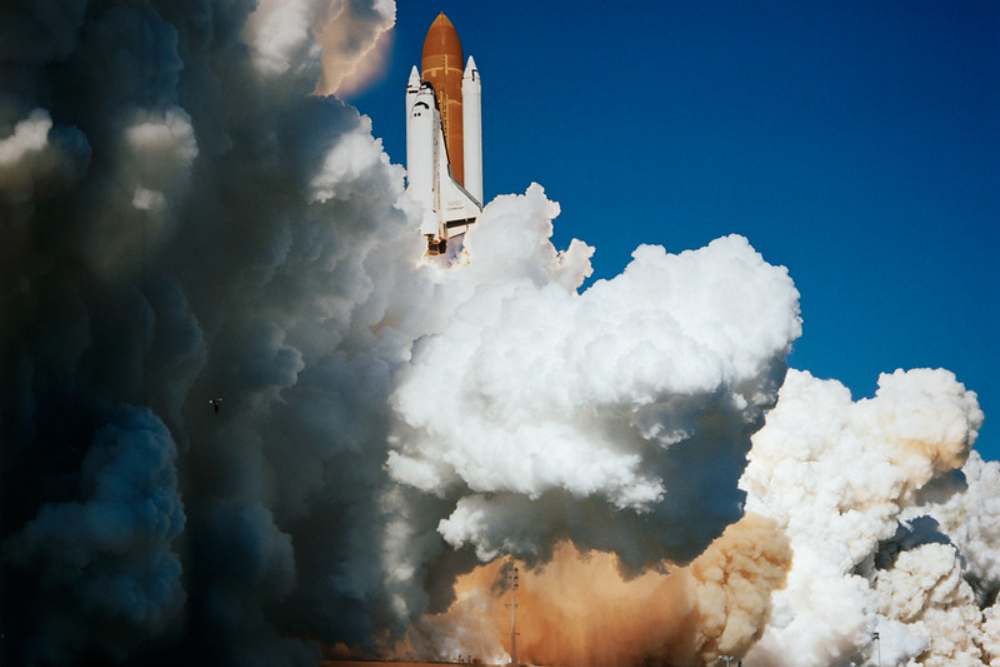
On January 28, 1986, what was meant to be a triumphant moment in space exploration turned into unfathomable heartbreak when the Space Shuttle Challenger broke apart just 73 seconds after takeoff. All seven crew members on board were killed, including Sharon Christa McAuliffe who would have been the first teacher in space, with approximately 17 percent of the United States population witnessing the disaster on live television.
The tragedy marked a turning point for NASA and live space coverage.
Like Go2Tutors’s content? Follow us on MSN.
Kennedy-Nixon Debate
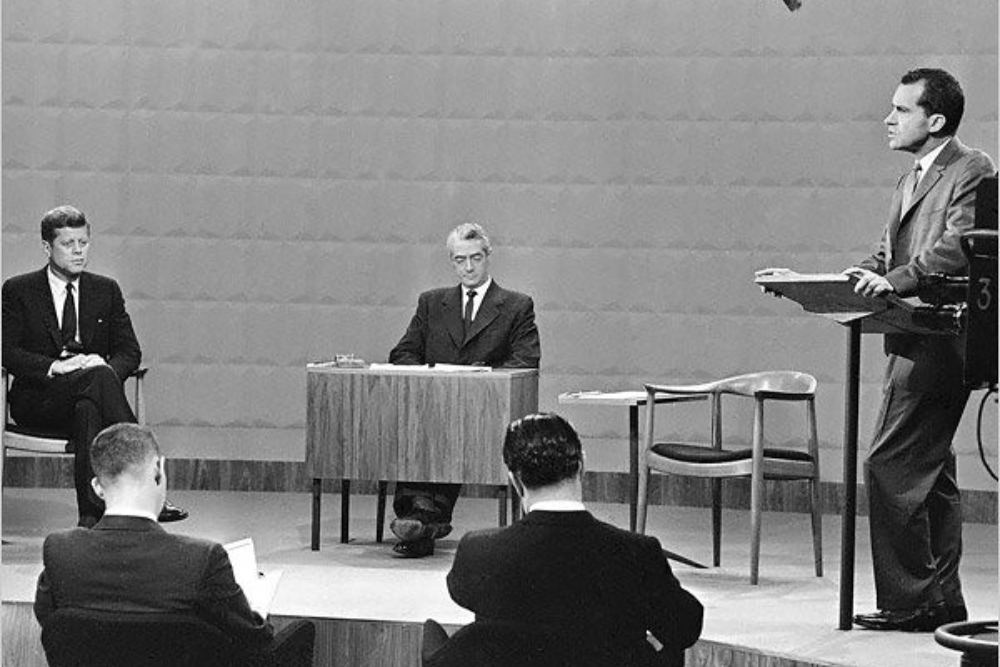
In 1960, presidential candidates John F. Kennedy and Richard Nixon made history as the first candidates to appear in a televised presidential debate. An estimated 70 million people watched as sweaty candidate Nixon seemingly won on points against opponent John F. Kennedy but lost on looks.
The visual medium of television proved its power in politics, with radio listeners thinking Nixon won while TV viewers gave the edge to the more telegenic Kennedy.
O.J. Simpson Bronco Chase

In 1994, the whole world turned on their televisions to watch former NFL player O.J. Simpson led police on a low-speed chase in his notorious white Ford Bronco after being charged with murder. The chase lasted for nearly two hours, attracting 95 million television viewers in Los Angeles and beyond.
The surreal spectacle transformed regular programming across all networks as America watched a real-life drama unfold on their highways.
Baby Jessica Rescue
In October 1987, 18-month-old Jessica McClure fell down a 22-foot well in Midland, Texas, and became the center of the most riveting program on television. The successful 58-hour effort to save the trapped toddler became a defining moment for CNN as viewers tuned in to the then-nascent around-the-clock cable news channel for live updates.
Her eventual rescue became one of television’s most inspiring moments.
Like Go2Tutors’s content? Follow us on MSN.
Elvis on Ed Sullivan
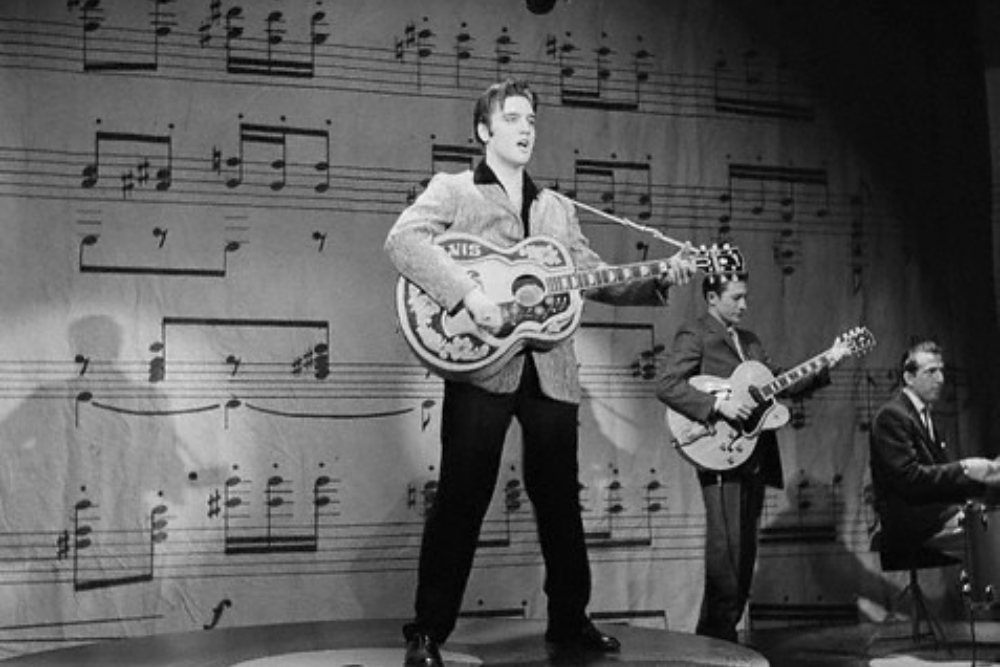
In 1956, Elvis Presley’s pelvis sparked a moral panic among parents who feared the impact that suggestively shaking hips could have on their children. Following appearances on the ‘Steve Allen Show,’ which had stirred national controversy due to some very charged movements during his performance of ‘Hound Dog,’ the lower half of ‘Elvis the Pelvis’ body was obscured from the waist down as he took to the stage for ‘The Ed Sullivan Show.’
The censorship itself became part of the story.
Nixon’s Resignation
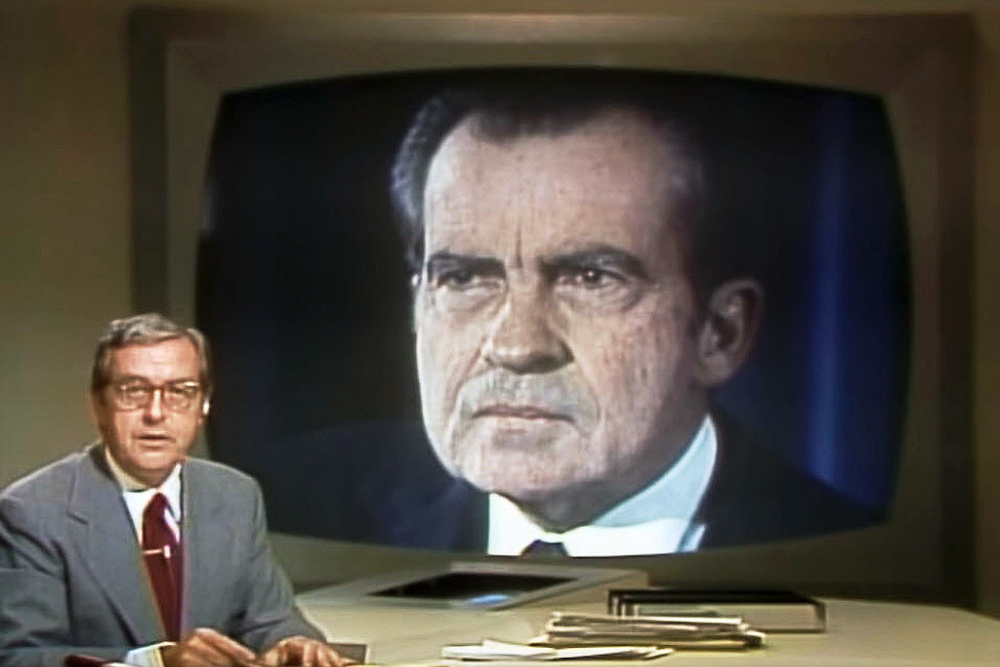
President Nixon’s downfall due to the Watergate scandal became riveting TV drama, from the final Oval Office address to the awkward victory signs flashed from the helicopter on the White House lawn. On August 9, 1974, Americans watched their president become the first to resign from office, creating a constitutional crisis that played out live on television.
The moment marked the end of an era and showed television’s role in holding leaders accountable.
The Beatles on Ed Sullivan
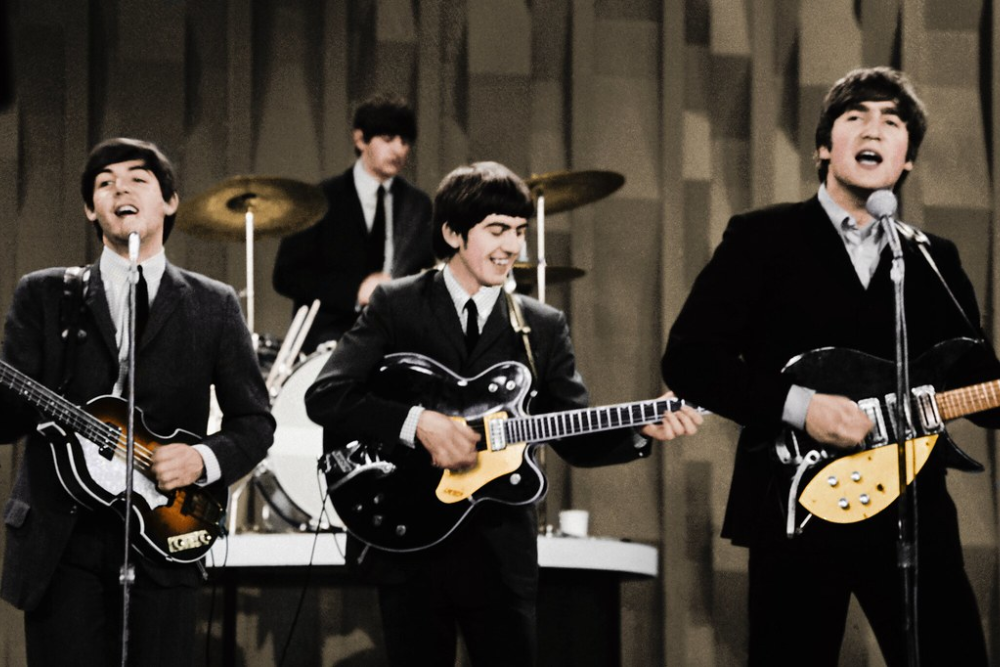
Seventy-three million viewers watched The Beatles debut on The Ed Sullivan Show, serving as the antidote to the nation’s grief over the fallen young President. The February 9, 1964 performance introduced Beatlemania to American living rooms and helped heal a nation still mourning JFK’s assassination.
The show proved that television could deliver joy just as powerfully as it delivered tragedy.
Like Go2Tutors’s content? Follow us on MSN.
Waco Compound Fire

As cult leader David Koresh and members of his Branch Davidians group holed up inside their Waco compound, federal agents unleashed incendiary tear gas containers that worsened a fire started by group members — all on live television. More than 70 people died, including Koresh, and the incident spurred a national debate on excessive force from law enforcement agencies.
The 1993 tragedy unfolded in real-time, raising questions about government overreach.
Kanye West Interrupts Taylor Swift
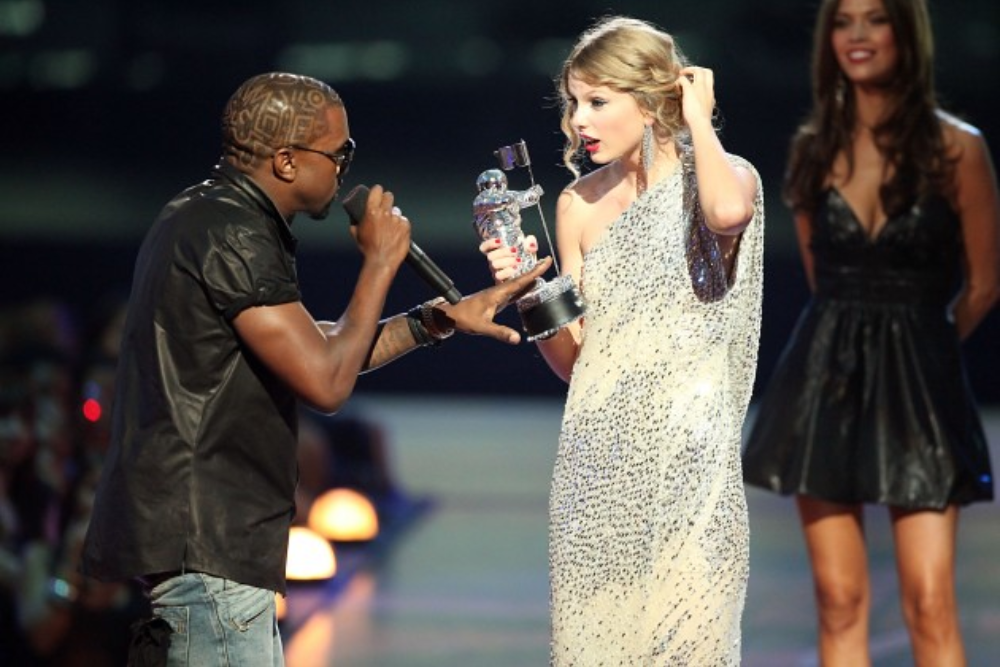
As Taylor Swift accepted the 2009 MTV Video Music Award for Best Female Video, Kanye West gave one of the most iconic speeches in American television history right in the middle of Swift’s acceptance speech. Running onto the stage, West said ‘Yo, Taylor, I’m gonna let you finish, but Beyonce had one of the best videos of all time,’ referring to Beyonce’s video for ‘Single Ladies (Put A Ring On It).’
The unscripted moment became an instant cultural touchstone.
Miss Universe Mix-Up

In 2015, comedian Steve Harvey was tasked with hosting the Miss Universe pageant, and things didn’t exactly go to plan, as Harvey announced that Miss Colombia would take home the crown before realizing his massive error. Harvey went back on stage to tell Miss Philippines that she was the pageant’s actual winner, saying ‘I have to apologize, the first runner up is Colombia.
Miss Philippines, take your first walk as Miss Universe.’ The mistake became one of the most awkward moments in live television history.
Like Go2Tutors’s content? Follow us on MSN.
2000 Election Night
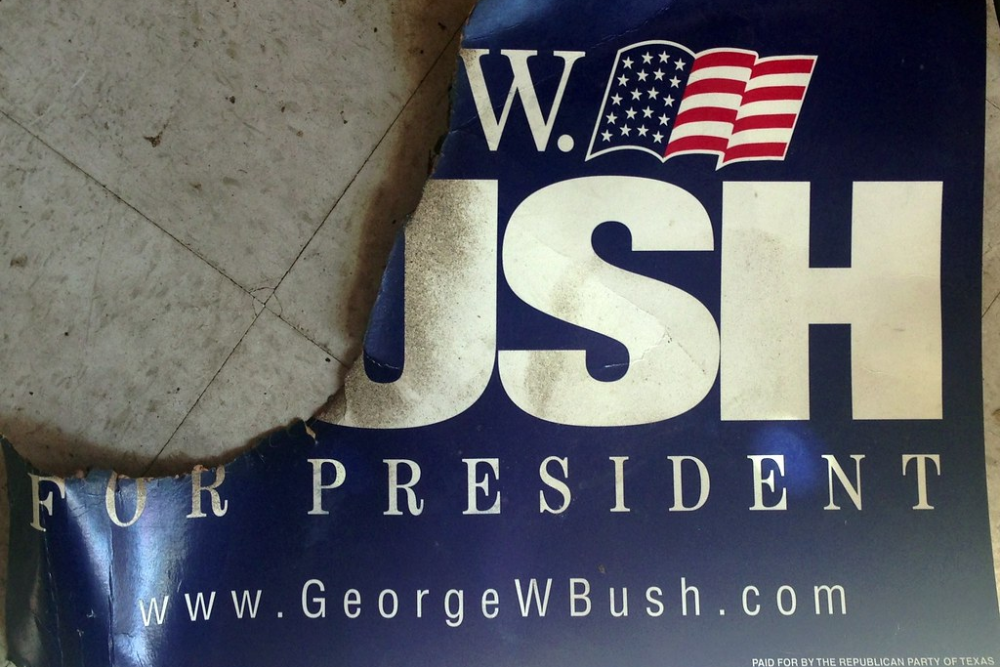
All the networks gave the razor-close race for Florida’s electoral votes to Al Gore and later to George W. Bush, who won the White House a month later after the Supreme Court ruled against a recount.
NBC’s Tom Brokaw captured the embarrassment perfectly: ‘We don’t just have egg on our face, we have omelet all over our suits.’ The night showed how even the most sophisticated news operations could get the biggest story wrong.
When History Meets Your Living Room
These moments remind us that live television creates a shared experience unlike any other medium. As one expert put it, ‘People on every single continent, for the first time in history, watched a live television broadcast together’ during the moon landing.
Whether bringing us together in triumph or tragedy, live news coverage has shaped our collective memory and continues to define how we process major events. The power of witnessing history as it happens will always make live television irreplaceable in our media landscape.
More from Go2Tutors!

- 16 Historical Figures Who Were Nothing Like You Think
- 12 Things Sold in the 80s That Are Now Illegal
- 15 VHS Tapes That Could Be Worth Thousands
- 17 Historical “What Ifs” That Would Have Changed Everything
- 18 TV Shows That Vanished Without a Finale
Like Go2Tutors’s content? Follow us on MSN.