30 Old School Punishments That Sound Like Complete Fiction
The past has always been a foreign country, but sometimes it feels like another planet entirely. Schools, homes, and courts once used disciplinary methods that would send modern parents running to lawyers and child psychologists.
These weren’t rare aberrations or extreme cases — they were standard practice, written into rulebooks and carried out with the same casual efficiency as taking attendance or serving lunch.
The Dunce Cap

Pointed hats weren’t fashion statements in 19th-century classrooms. Teachers would craft cone-shaped caps from paper, often emblazoned with the word “DUNCE” in bold letters, then ceremoniously place them on struggling students’ heads.
The child would then stand in the corner, facing the wall, while classmates whispered and giggled behind them.
Scold’s Bridle
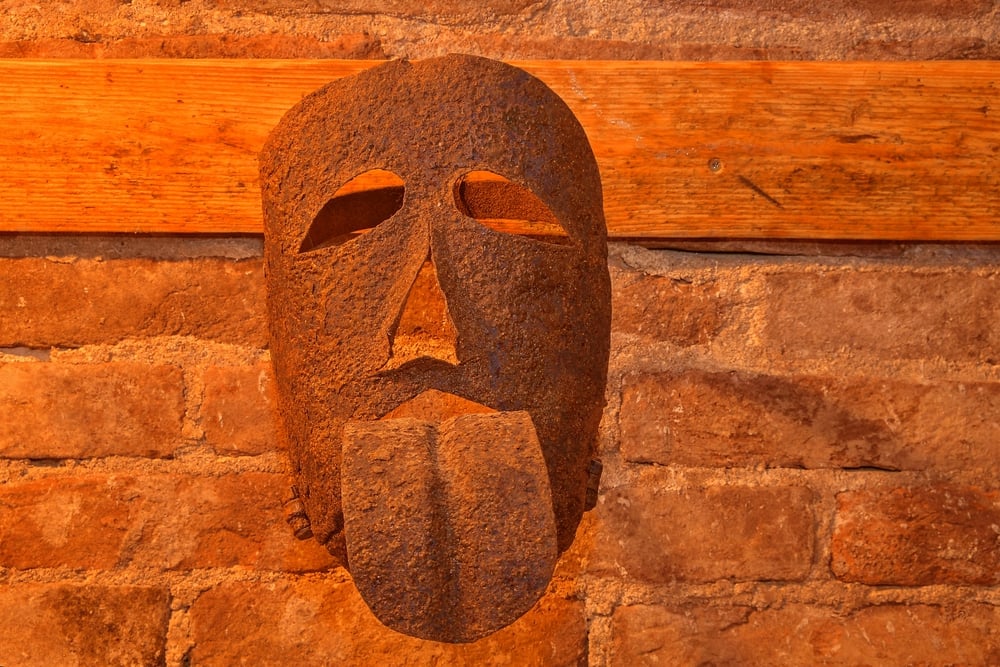
This medieval contraption looked like something from a horror movie — a metal cage that fit over a woman’s head with a spiked plate that pressed against the tongue. But it wasn’t fiction; it was standard punishment for women deemed too talkative, argumentative, or “shrewish” (which often meant having opinions).
The spikes prevented speech, and some versions included bells to announce the wearer’s shame as she walked through town.
Wearing the Letter

Long before Nathaniel Hawthorne wrote about scarlet letters, communities were forcing people to wear symbols of their crimes embroidered on their clothing. Adulterers got an “A,” drunkards wore a “D,” and thieves were branded with a “T” — sometimes literally branded with hot iron, sometimes sewn onto garments they couldn’t remove.
The Pillory and Stocks

Standing with your head and hands locked through wooden boards sounds uncomfortable enough, but the real punishment came from the crowd. People brought rotten vegetables, stones, and worse to throw at the helpless offender (who couldn’t dodge or shield themselves).
Some died from infected wounds; others lost eyes to well-aimed projectiles.
Ducking Stool
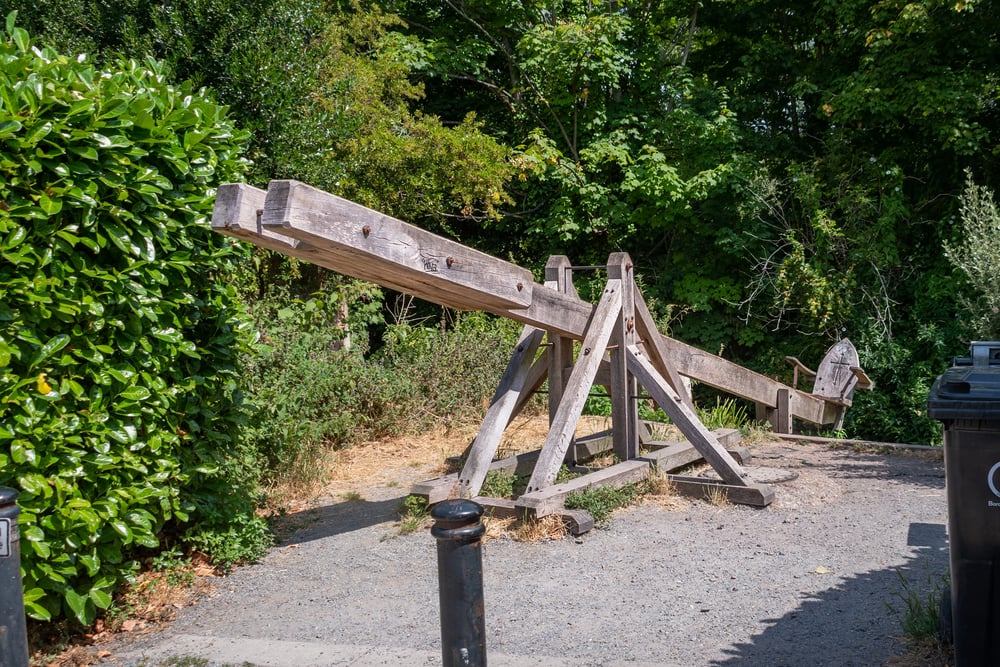
The logic here was beautifully twisted: if a woman talked too much or gossiped, the solution was to strap her into a chair attached to a long wooden beam and repeatedly dunk her into the nearest pond, river, or well. The chair operated like a seesaw — when the operator pushed down on one end, the woman plunged underwater on the other.
And the crowd always gathered to watch.
Whipping Post

Public flogging wasn’t just about the physical pain (though leather whips could strip skin from bone in practiced hands). The real punishment was the spectacle — being tied to a post in the town square while a crowd gathered to watch your humiliation and count each lash aloud.
Tarring and Feathering

This punishment required genuine community effort: heating tar until it was liquid but not quite boiling, stripping the victim, pouring the hot tar over their body, then rolling them in feathers. The tar burned skin and the feathers created a grotesque costume that was nearly impossible to remove (scraping off hardened tar often meant scraping off skin with it).
The Branks
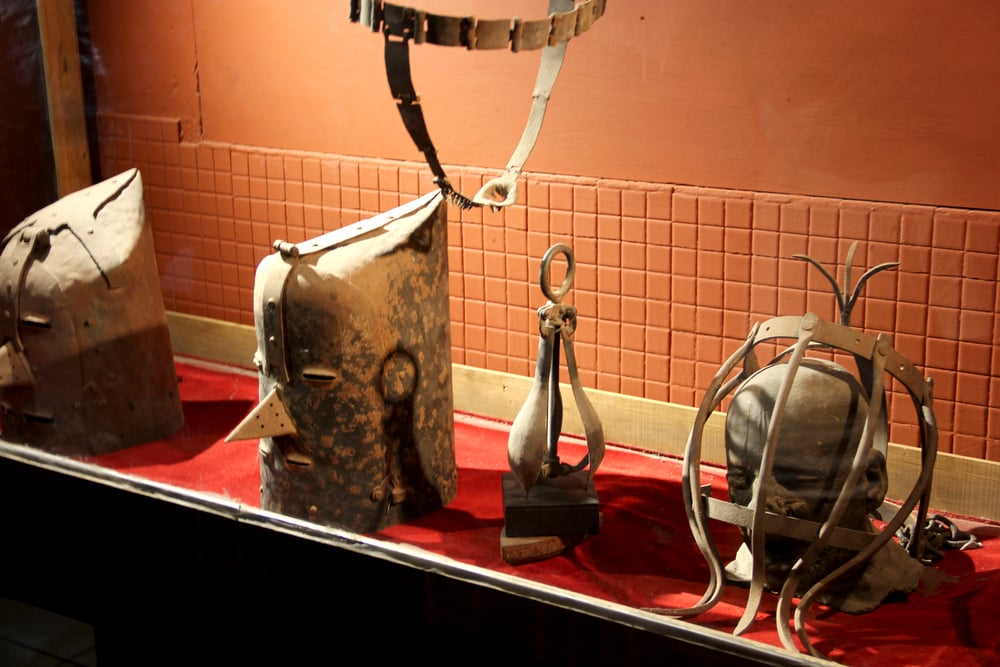
Think of the scold’s bridle’s more sophisticated cousin — these iron masks covered the entire face and head, with a flat iron piece that pressed the tongue down and prevented speech. Women wore them for crimes ranging from scolding their husbands to spreading gossip, and some versions included decorative elements like donkey ears to amplify the humiliation.
Riding the Rail

Communities would split a fence rail down the middle, creating a sharp wooden edge, then force the offender to straddle it like riding a horse. But here’s where it got creative: the “rider” was hoisted up on the shoulders of other men and paraded through town, their full weight pressing down on that razor-thin edge for hours at a time.
The Drunkard’s Cloak
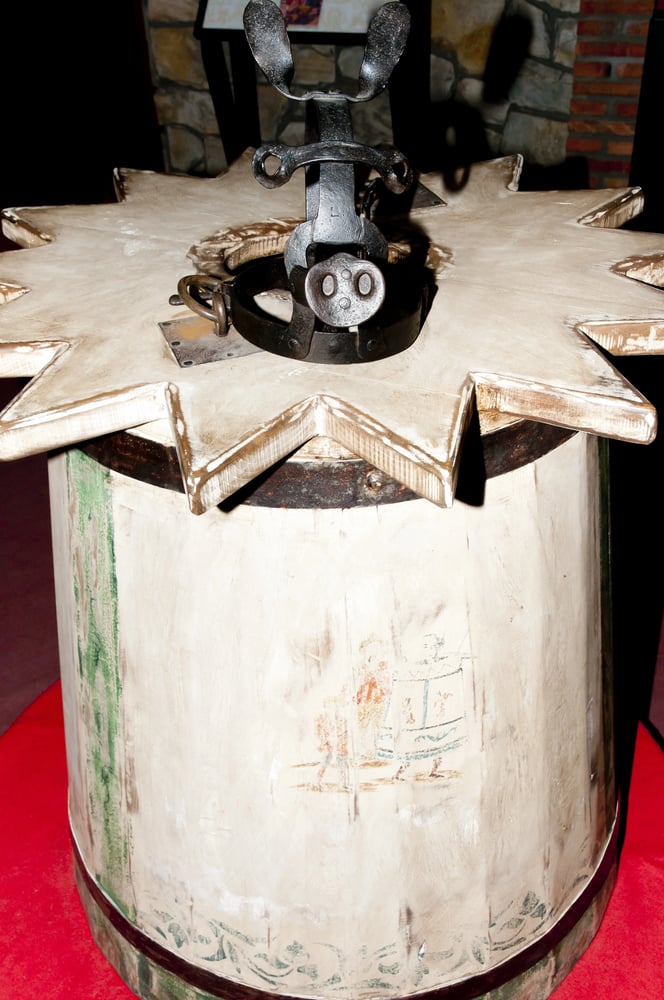
Picture a wooden barrel with openings cut for the head and arms, and you’ve got the standard uniform for public intoxication in colonial America. The offender had to wear this barrel around town, unable to sit down or move their arms freely, while a sign announced their crime to anyone who missed the obvious visual cue.
Cucking Stool
Similar to the ducking stool, but designed specifically for women who sold bad beer, overcharged for goods, or engaged in other commercial crimes. The chair was mounted on wheels so the woman could be paraded through town before the dunking began, giving everyone a chance to see her shame and throw things at her along the way.
The Jougs

Scotland perfected the art of neck-based punishment with these iron collars that chained offenders to church walls, market crosses, or prison walls. The collar was heavy enough to make holding your head up exhausting, and the chain was just long enough to let you sit on the ground — if you could manage it without strangling yourself.
Carting
This punishment combined public humiliation with genuine physical danger: tying the offender to the back of a cart and dragging them through town at whatever speed the horses felt like going. The lucky ones just got bruised and scraped; others left skin and sometimes limbs on the cobblestones behind them.
The Brank’s Cage

Some communities built actual cages just big enough for one person to stand in, then hoisted them up on poles in the town square. The offender would spend days exposed to weather, unable to lie down or escape the stares and taunts of passersby, surviving on whatever food charitable citizens might toss through the bars.
Wearing the Barrel Shirt

Different from the drunkard’s cloak, this version was designed for various moral crimes and fit more like actual clothing. The wooden barrel was shaped and smoothed to be wearable for extended periods — weeks or even months — while the offender went about their daily business marked by their shame.
The Gossip’s Bridle
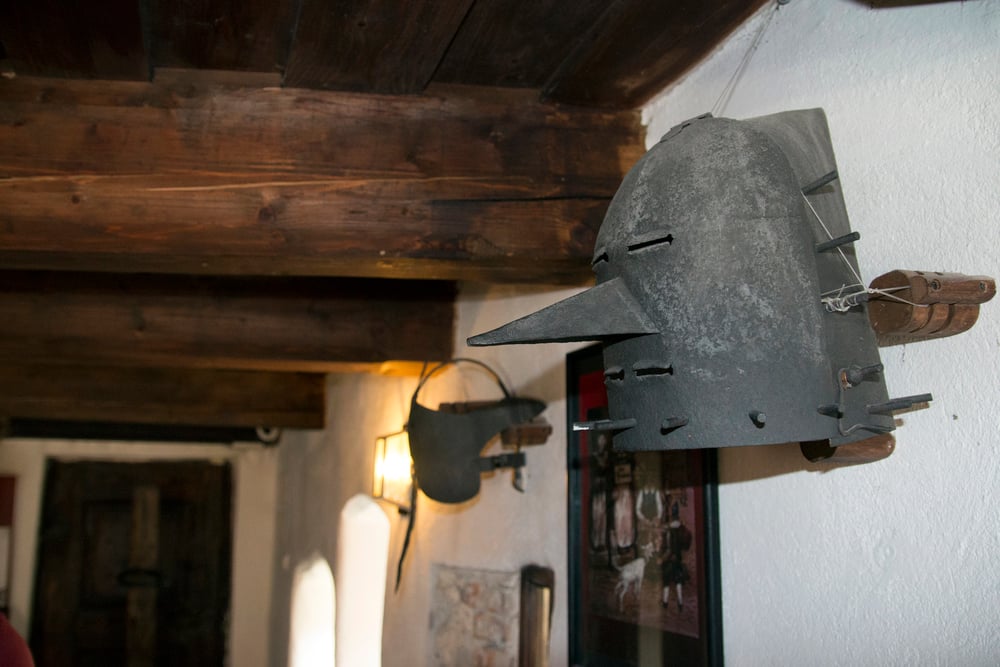
Villages took their peace and quiet seriously, and women who spread rumors or talked too much in church faced this specialized torture device. The metal framework fit over the head like a cage, but the key feature was a flat iron bit that went into the mouth and pressed down on the tongue, making speech impossible while still allowing breathing.
Corner Time Plus

Modern timeout seems quaint compared to what schoolchildren once endured for misbehavior. Students stood in corners for hours — sometimes entire school days — balancing heavy books on their heads or holding their arms straight out to their sides until they collapsed from exhaustion (at which point they’d get beaten for not maintaining the position).
The Shrew’s Fiddle
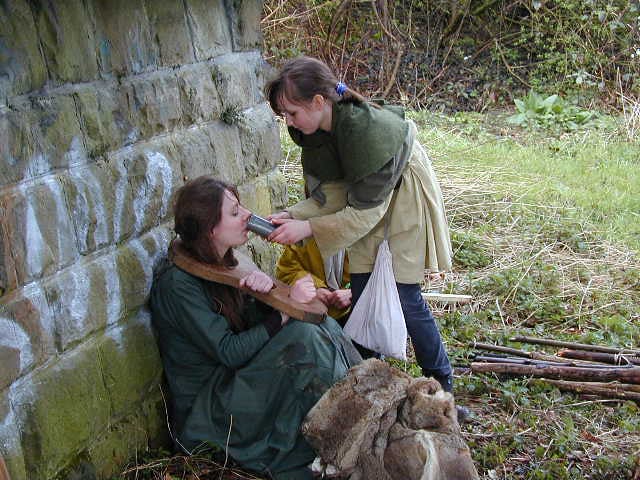
This contraption looked like a wooden yoke that fit around the neck, but with openings for the hands that kept the arms extended and immobilized. Women wore these for “nagging” their husbands, gossiping, or other social infractions, and the device made it impossible to perform household duties — creating a cycle where they’d get punished again for neglecting their work.
Public Pen Time

Some communities built special enclosures in town squares — part cage, part pen — where offenders spent days or weeks on display like animals in a zoo. The structures were designed to be uncomfortable: too short to stand up straight, too narrow to lie down properly, with just enough room to shift from one miserable position to another.
The Letter Jacket

Before embroidered letters, some communities tattooed or branded symbols directly onto offenders’ foreheads or cheeks. This wasn’t temporary shame — it was a permanent mark that followed people for the rest of their lives, making it impossible to escape their past or start fresh in a new town.
Bridling
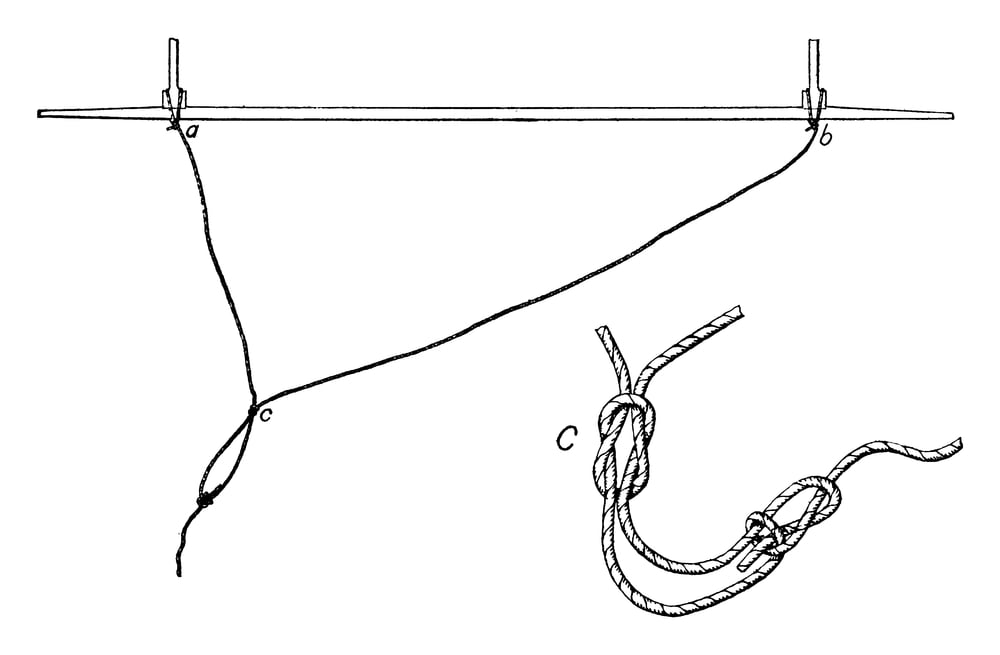
The practice of fitting women with horse bridles wasn’t metaphorical — they used actual leather and metal horse tack, complete with bits that went into the mouth and reins that allowed handlers to lead the woman around town like livestock. The symbolism was intentional: women who spoke out of turn were no better than animals.
The Picket

Military punishment that involved tying the offender’s hands behind their back, then suspending them by a rope so that only the tips of their toes touched a pointed wooden stake driven into the ground. The position was impossible to maintain — as muscles tired, more weight shifted to the toes pressing against that sharp point.
Market Cross Shaming

Town squares featured stone crosses where offenders were chained for public viewing, but the real punishment came from the community’s creativity in humiliation. People brought signs detailing the crime, organized chanting sessions, and sometimes hired musicians to compose songs about the offender’s misdeeds that would be performed repeatedly throughout the punishment period.
The Drunkard’s Barrel Walk

Beyond just wearing the barrel, some communities required offenders to walk specific routes through town at designated times, ensuring maximum public exposure. The route often included stops at churches, schools, and markets — anywhere crowds gathered — and local constables would ring bells to announce the approach of the barrel-clad drunk.
Rough Music

When formal legal punishment wasn’t enough, communities organized “rough music” — coordinated public shaming that involved following the offender through town with pots, pans, and makeshift instruments, creating a cacophonous parade that announced their crimes to anyone within hearing distance. The noise continued for hours or even days until the community felt satisfied with the level of humiliation achieved.
The Penitent’s Walk

Churches required certain sinners to walk barefoot through town wearing only a white sheet, carrying a candle, and stopping at designated points to confess their crimes aloud to whatever crowd had gathered. The walk often covered several miles and included stops at every church in the area, with the confession repeated at each location.
Shaming Parades

Organized community events where offenders were placed on display in decorated carts (the decorations usually mocked their crimes) and paraded through every street in town while residents lined up to watch, jeer, and sometimes throw objects. These weren’t quick trips — the parades could last entire days, with planned stops for maximum humiliation.
The Whipping Cheat
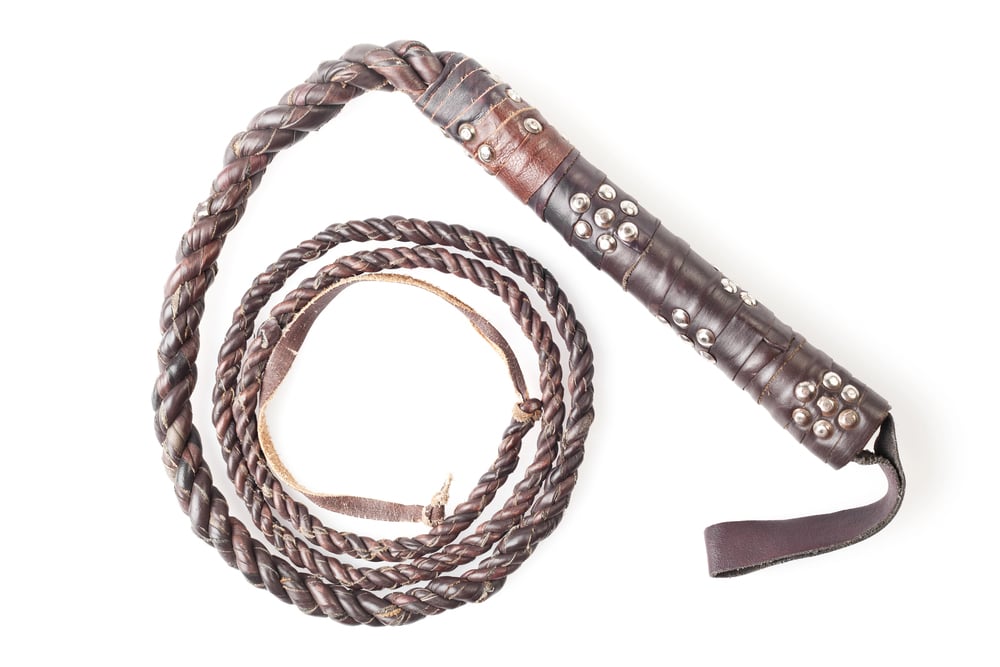
Schools and homes used switches cut from birch trees, but the real innovation was in the ritual: children were often required to cut their own switches, knowing that choosing a branch too small would result in having to cut a larger one plus additional lashes for trying to cheat the system.
Public Apology Performances
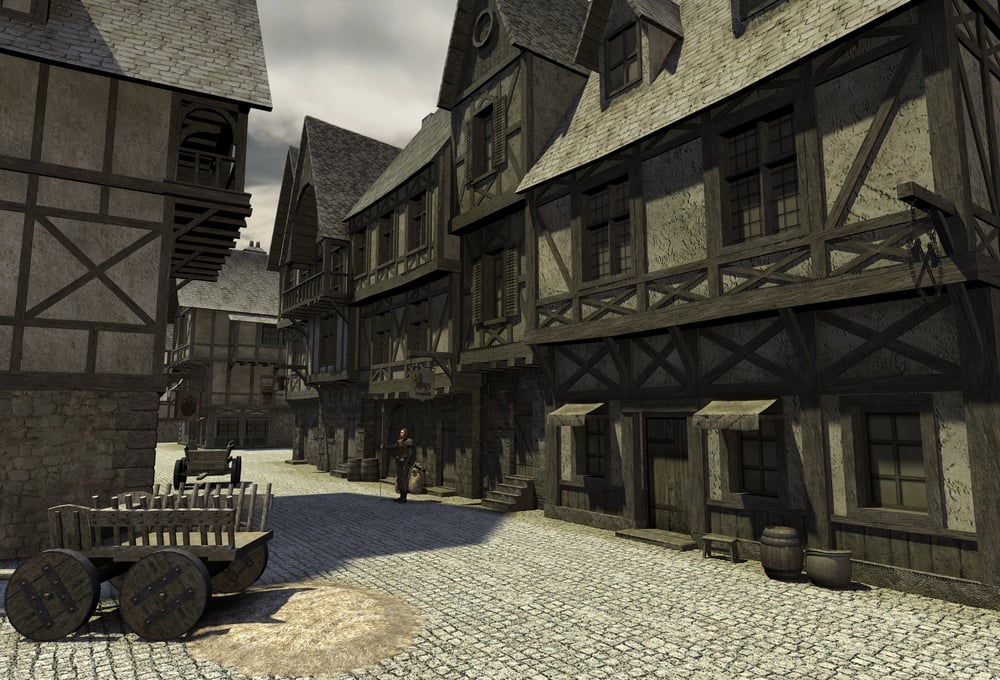
Courts sometimes sentenced offenders to write and perform public apologies in town squares, but these weren’t simple statements of remorse. The apologies had to be written in verse, memorized completely, and performed multiple times throughout the day while standing on a platform that kept the offender visible to crowds.
The Restraining Board

Students who fidgeted, slouched, or failed to sit properly were strapped to wooden boards that forced perfect posture — shoulders back, spine straight, head up — for hours at a time. The boards were designed to be just uncomfortable enough to maintain attention while being painful enough to discourage future misbehavior.
When Shame Was a Science

These punishments reveal something unsettling about human nature: the methodical creativity that goes into organized humiliation. Each device, each ritual, each public spectacle was carefully designed not just to cause pain, but to maximize social shame and ensure that entire communities participated in the punishment process.
What makes them seem fictional isn’t their cruelty — it’s their precision, the way they turned embarrassment into an exact science with measurable outcomes. Perhaps the most disturbing part is how normal they seemed to the people who used them, how these elaborate systems of public shame were just another part of keeping society running smoothly.
More from Go2Tutors!

- The Romanov Crown Jewels and Their Tragic Fate
- 13 Historical Mysteries That Science Still Can’t Solve
- Famous Hoaxes That Fooled the World for Years
- 15 Child Stars with Tragic Adult Lives
- 16 Famous Jewelry Pieces in History
Like Go2Tutors’s content? Follow us on MSN.